Compare auger and spade bits by feed behavior, chip clearance, hole depth, finish expectation, machine control and wholesale assortment role. The purpose is not to declare one tool universally superior, but to identify which controlled configuration matches the stated work and supply program.
Use the comparison as a controlled buying record. It should identify the application, the exact tool variants, the evidence reviewed and every field still requiring supplier confirmation.
Start with the hole and assembly requirement
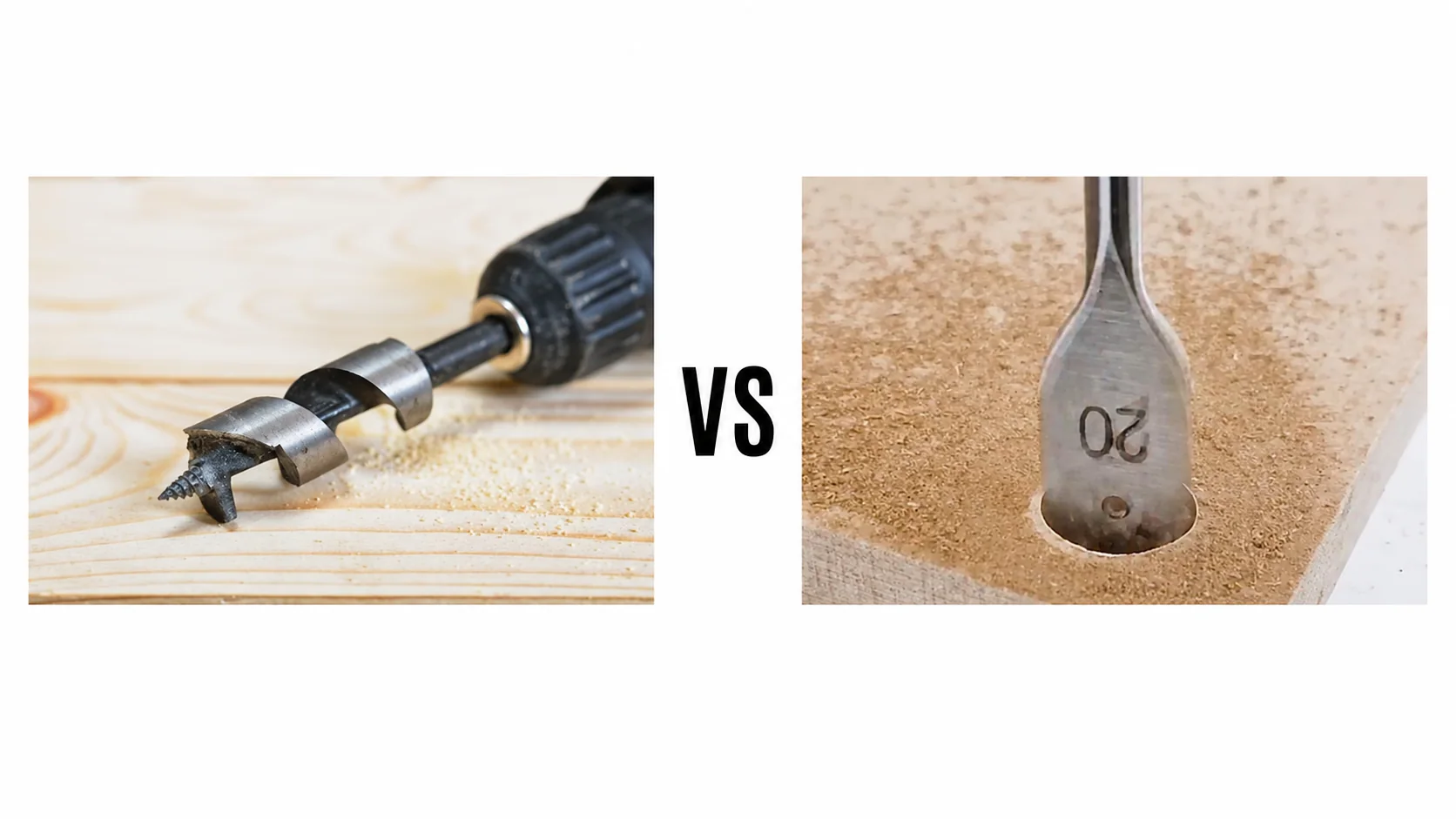
Choose between auger and spade bits from the hole depth, wood condition, finish tolerance, feed control and machine. An auger design typically combines a lead feature with spiral chip space, while a spade bit uses a flat paddle-style cutting body. Neither name confirms universal performance, dimensions or machine compatibility.
Auger and spade bits can overlap in diameter but use visibly different cutting and chip-clearance structures. Begin with a written application record: workpiece material and geometry, hole diameter and depth, blind or through condition, finish or assembly objective, production pattern and any access constraint. This prevents a familiar tool name from replacing the actual engineering and buying requirement. If a drawing exists, connect every quoted dimension and option to its revision.
Deep-hole requests need working length, flute or body clearance and withdrawal practice to be considered. Compare only configurations that can be traced to the supplier's controlled product description, drawing, sample or quotation. Record the machine, spindle or holder, shank or arbor, pilot arrangement, permitted operating information supplied for the product, and included accessories. Similar outside dimensions or catalogue photographs do not establish that interfaces, usable depth or cutting behavior are equivalent.
Portable drill and drill-press contexts can change handling and workholding priorities. For a B2B program, carry the decision through sample approval, artwork, packaging, receiving and replenishment. Identify the exact SKU and revision, the evidence reviewed, the fields still pending and the person responsible for closure. A repeat order should refer to the approved baseline; any proposed change in material, geometry, surface, dimensions, interface or package identity should return to written review.
The commercial comparison also needs a normalized scope. State quantities by size and variant, sample needs, private-label or neutral packaging, destination languages, required item codes and documentation. Keep price, freight basis and unconfirmed order conditions separate from technical suitability. This lets procurement compare auger bit and spade bit offers without turning a lower unit price or a broader accessory photograph into an unsupported technical conclusion.
Compare cutting structure and operating behavior
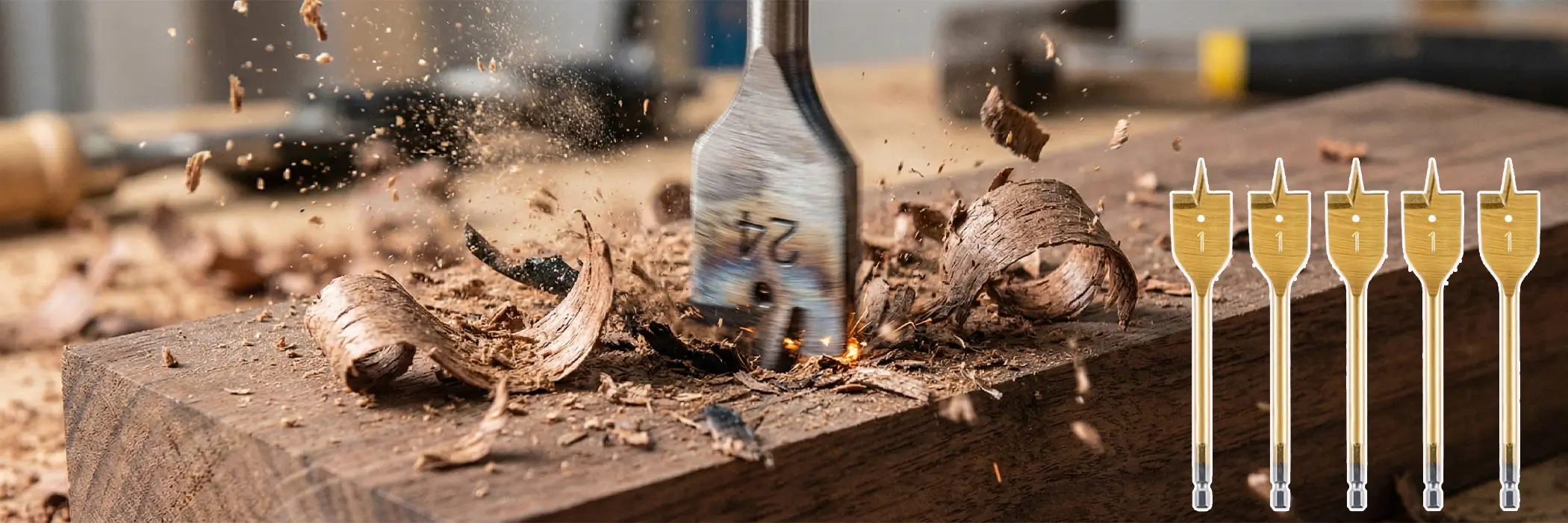
For auger bit and spade bit, the lead feature on a quoted auger and the point or spur geometry on a quoted spade bit must be confirmed from the actual variant.
The lead feature on a quoted auger and the point or spur geometry on a quoted spade bit must be confirmed from the actual variant. Begin with a written application record: workpiece material and geometry, hole diameter and depth, blind or through condition, finish or assembly objective, production pattern and any access constraint. This prevents a familiar tool name from replacing the actual engineering and buying requirement. If a drawing exists, connect every quoted dimension and option to its revision.
Fast rough openings and controlled finished openings should not be presented as the same requirement. Compare only configurations that can be traced to the supplier's controlled product description, drawing, sample or quotation. Record the machine, spindle or holder, shank or arbor, pilot arrangement, permitted operating information supplied for the product, and included accessories. Similar outside dimensions or catalogue photographs do not establish that interfaces, usable depth or cutting behavior are equivalent.
Distributor assortments should explain when a customer moves from one family to the other. For a B2B program, carry the decision through sample approval, artwork, packaging, receiving and replenishment. Identify the exact SKU and revision, the evidence reviewed, the fields still pending and the person responsible for closure. A repeat order should refer to the approved baseline; any proposed change in material, geometry, surface, dimensions, interface or package identity should return to written review.
Confirm machine, interface and workholding
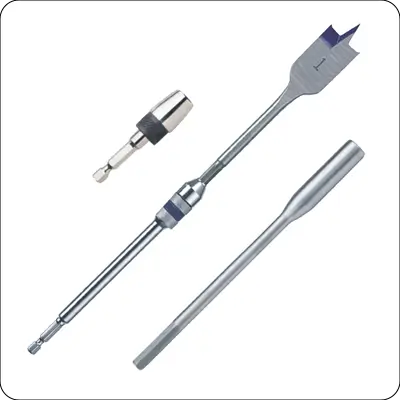
For auger bit and spade bit, deep-hole requests need working length, flute or body clearance and withdrawal practice to be considered.
Deep-hole requests need working length, flute or body clearance and withdrawal practice to be considered. Begin with a written application record: workpiece material and geometry, hole diameter and depth, blind or through condition, finish or assembly objective, production pattern and any access constraint. This prevents a familiar tool name from replacing the actual engineering and buying requirement. If a drawing exists, connect every quoted dimension and option to its revision.
Portable drill and drill-press contexts can change handling and workholding priorities. Compare only configurations that can be traced to the supplier's controlled product description, drawing, sample or quotation. Record the machine, spindle or holder, shank or arbor, pilot arrangement, permitted operating information supplied for the product, and included accessories. Similar outside dimensions or catalogue photographs do not establish that interfaces, usable depth or cutting behavior are equivalent.
Auger and spade bits can overlap in diameter but use visibly different cutting and chip-clearance structures. For a B2B program, carry the decision through sample approval, artwork, packaging, receiving and replenishment. Identify the exact SKU and revision, the evidence reviewed, the fields still pending and the person responsible for closure. A repeat order should refer to the approved baseline; any proposed change in material, geometry, surface, dimensions, interface or package identity should return to written review.
Specify dimensions and controlled product fields
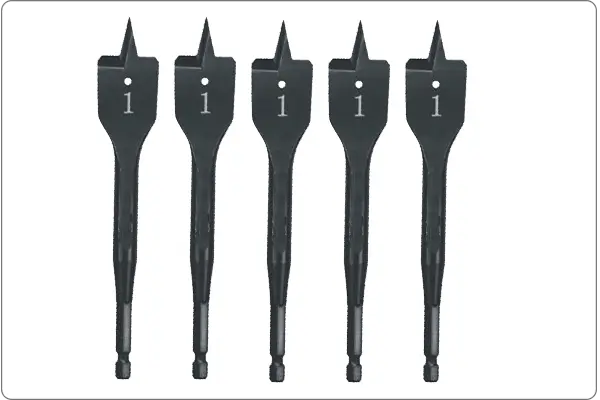
For auger bit and spade bit, fast rough openings and controlled finished openings should not be presented as the same requirement.
Fast rough openings and controlled finished openings should not be presented as the same requirement. Begin with a written application record: workpiece material and geometry, hole diameter and depth, blind or through condition, finish or assembly objective, production pattern and any access constraint. This prevents a familiar tool name from replacing the actual engineering and buying requirement. If a drawing exists, connect every quoted dimension and option to its revision.
Distributor assortments should explain when a customer moves from one family to the other. Compare only configurations that can be traced to the supplier's controlled product description, drawing, sample or quotation. Record the machine, spindle or holder, shank or arbor, pilot arrangement, permitted operating information supplied for the product, and included accessories. Similar outside dimensions or catalogue photographs do not establish that interfaces, usable depth or cutting behavior are equivalent.
The lead feature on a quoted auger and the point or spur geometry on a quoted spade bit must be confirmed from the actual variant. For a B2B program, carry the decision through sample approval, artwork, packaging, receiving and replenishment. Identify the exact SKU and revision, the evidence reviewed, the fields still pending and the person responsible for closure. A repeat order should refer to the approved baseline; any proposed change in material, geometry, surface, dimensions, interface or package identity should return to written review.
| Requirement | Tool A | Tool B |
|---|---|---|
| Application | Confirm | Confirm |
| Machine/interface | Record | Record |
| Dimensions/depth | Approve | Approve |
| Sample/revision | Trace | Trace |
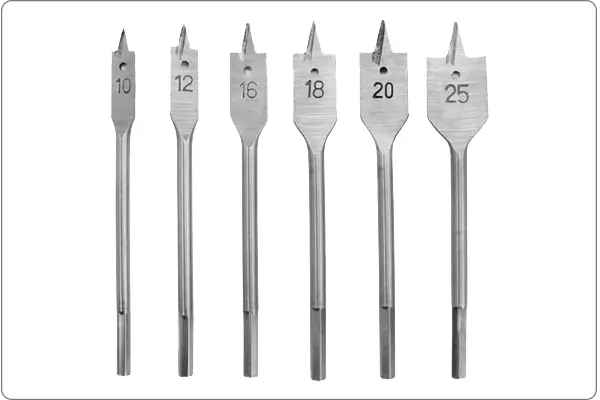
Evaluate samples with a stated method
For auger bit and spade bit, portable drill and drill-press contexts can change handling and workholding priorities.
Portable drill and drill-press contexts can change handling and workholding priorities. Begin with a written application record: workpiece material and geometry, hole diameter and depth, blind or through condition, finish or assembly objective, production pattern and any access constraint. This prevents a familiar tool name from replacing the actual engineering and buying requirement. If a drawing exists, connect every quoted dimension and option to its revision.
Auger and spade bits can overlap in diameter but use visibly different cutting and chip-clearance structures. Compare only configurations that can be traced to the supplier's controlled product description, drawing, sample or quotation. Record the machine, spindle or holder, shank or arbor, pilot arrangement, permitted operating information supplied for the product, and included accessories. Similar outside dimensions or catalogue photographs do not establish that interfaces, usable depth or cutting behavior are equivalent.
Deep-hole requests need working length, flute or body clearance and withdrawal practice to be considered. For a B2B program, carry the decision through sample approval, artwork, packaging, receiving and replenishment. Identify the exact SKU and revision, the evidence reviewed, the fields still pending and the person responsible for closure. A repeat order should refer to the approved baseline; any proposed change in material, geometry, surface, dimensions, interface or package identity should return to written review.
Build a clear distributor assortment
For auger bit and spade bit, distributor assortments should explain when a customer moves from one family to the other.
Distributor assortments should explain when a customer moves from one family to the other. Begin with a written application record: workpiece material and geometry, hole diameter and depth, blind or through condition, finish or assembly objective, production pattern and any access constraint. This prevents a familiar tool name from replacing the actual engineering and buying requirement. If a drawing exists, connect every quoted dimension and option to its revision.
The lead feature on a quoted auger and the point or spur geometry on a quoted spade bit must be confirmed from the actual variant. Compare only configurations that can be traced to the supplier's controlled product description, drawing, sample or quotation. Record the machine, spindle or holder, shank or arbor, pilot arrangement, permitted operating information supplied for the product, and included accessories. Similar outside dimensions or catalogue photographs do not establish that interfaces, usable depth or cutting behavior are equivalent.
Fast rough openings and controlled finished openings should not be presented as the same requirement. For a B2B program, carry the decision through sample approval, artwork, packaging, receiving and replenishment. Identify the exact SKU and revision, the evidence reviewed, the fields still pending and the person responsible for closure. A repeat order should refer to the approved baseline; any proposed change in material, geometry, surface, dimensions, interface or package identity should return to written review.
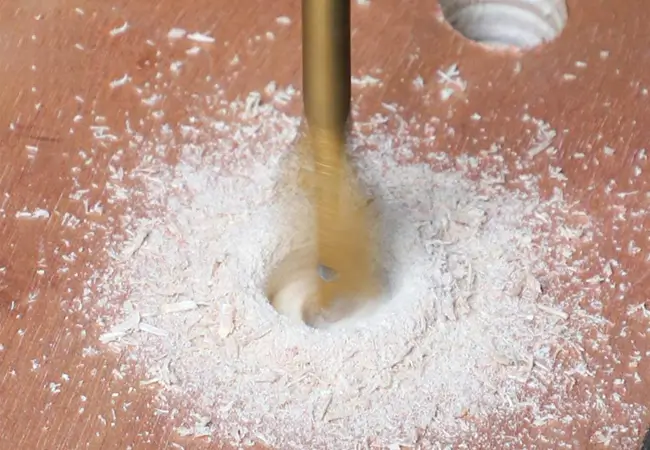
Release quotations and repeat orders
For auger bit and spade bit, auger and spade bits can overlap in diameter but use visibly different cutting and chip-clearance structures.
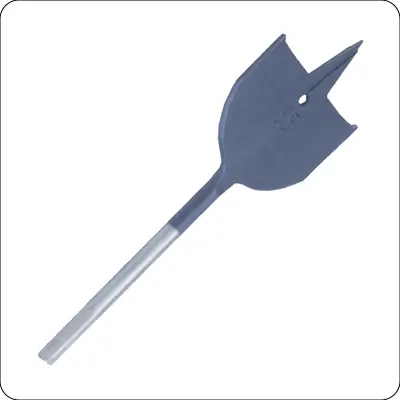
Spade Drill Bits·Wood Drill Bits·Drill Bit Range·Contact AXIMET
Frequently Asked Questions
Are auger bit and spade bit interchangeable?
No. They may overlap in a broad hole-making task, but their cutting structure, interface, dimensions and intended setup require separate confirmation.
Which is better, a auger bit or spade bit?
Neither is universally better. Choose from the workpiece, hole geometry, machine, depth, finish or assembly objective and the exact product configuration.
What should a buyer send for a recommendation?
Send the material, hole diameter and depth, drawing or fastener where relevant, machine and interface, quantities, market, packaging and unresolved questions.
Can a photograph confirm compatibility?
No. A photograph can support identification, but compatibility and supply scope require controlled dimensions, interfaces and product records.
How should samples be evaluated?
Identify the sample revision and test it on a stated workpiece and machine with a documented method and acceptance decision.
How should substitutions be controlled?
Require written review before changing material, geometry, dimensions, interface, marking, packaging or another approved field.
Conclusion
The correct auger bit versus spade bit decision connects the real hole or assembly requirement to one traceable tool, machine interface and supply record. Preserve confirmed facts, keep unknowns visible and review changes before production or repeat ordering.