
Railway maintenance procurement needs an identifiable replacement, not a broadly described steel drill. The rail application and installed machine-holder connection should remain attached to the cutter reference.
Start with the Rail and Hole Record
Provide the rail profile or requirement and the approved hole dimensions.
General metal-cutting use does not establish suitability for a specific rail grade or maintenance procedure.
Use the job’s material and profile requirement.
Include diameter, depth, location and acceptance criteria.
Hole diameter and rail-section geometry belong to the same job record. The tool name alone does not establish an approved railway process.
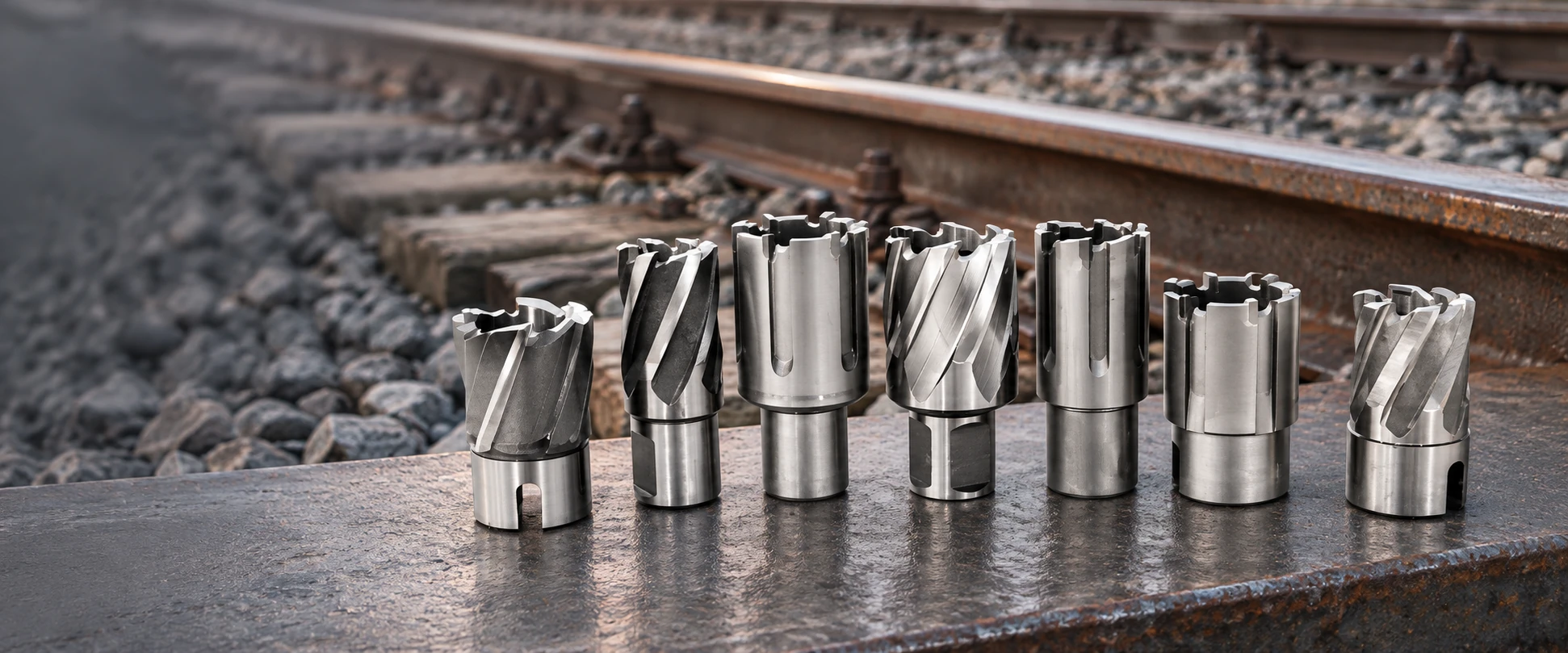
Distinguish Hollow and Twist Tooling
The supplied supplier catalogue shows both forms.
Compare the cutting method within the machine setup instead of substituting by hole diameter.
A hollow cutter removes an annular path; a twist tool follows a different cutting geometry. Select the permitted tool form from the rail-drilling procedure and machine instructions.
| Tool form | Material-removal method | Selection input |
|---|---|---|
| Hollow cutter | Cuts around the perimeter | Depth, connection and system requirements |
| Twist drill | Cuts across the hole section | Drill geometry, shank and holder |
| Replacement item | Must match the installed setup | Machine/holder and old-tool reference |
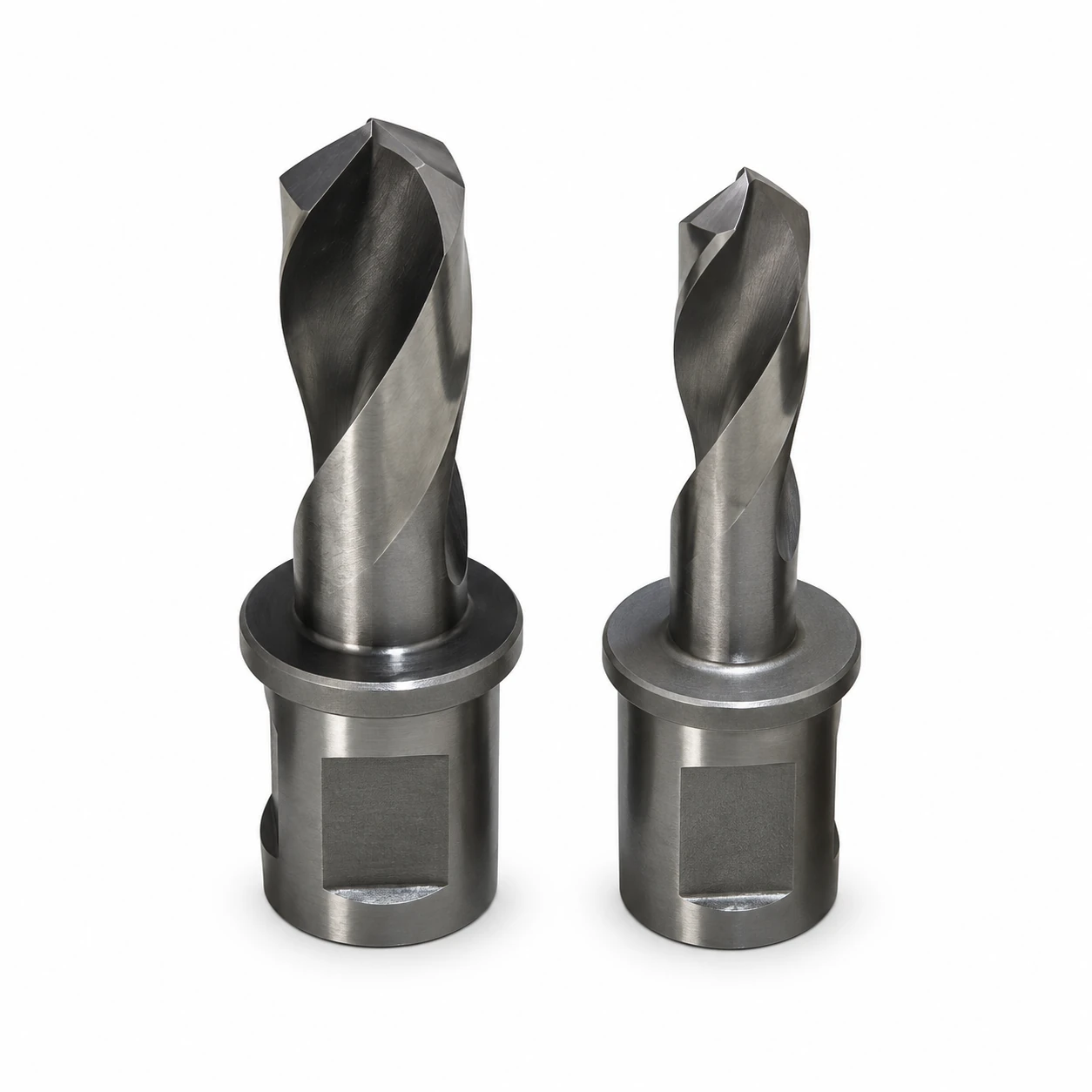
Check the Machine and Holder
Identify the rail drill and holder before selecting the shank.
Retention features and working length matter alongside nominal diameter.
Use a holder drawing or clear reference photograph.
Compare the old item’s connection with the ordered drawing.
A holder changes the interface presented to the tool. Record the holder reference alongside the machine, rather than assuming all tools on one machine share a shank.
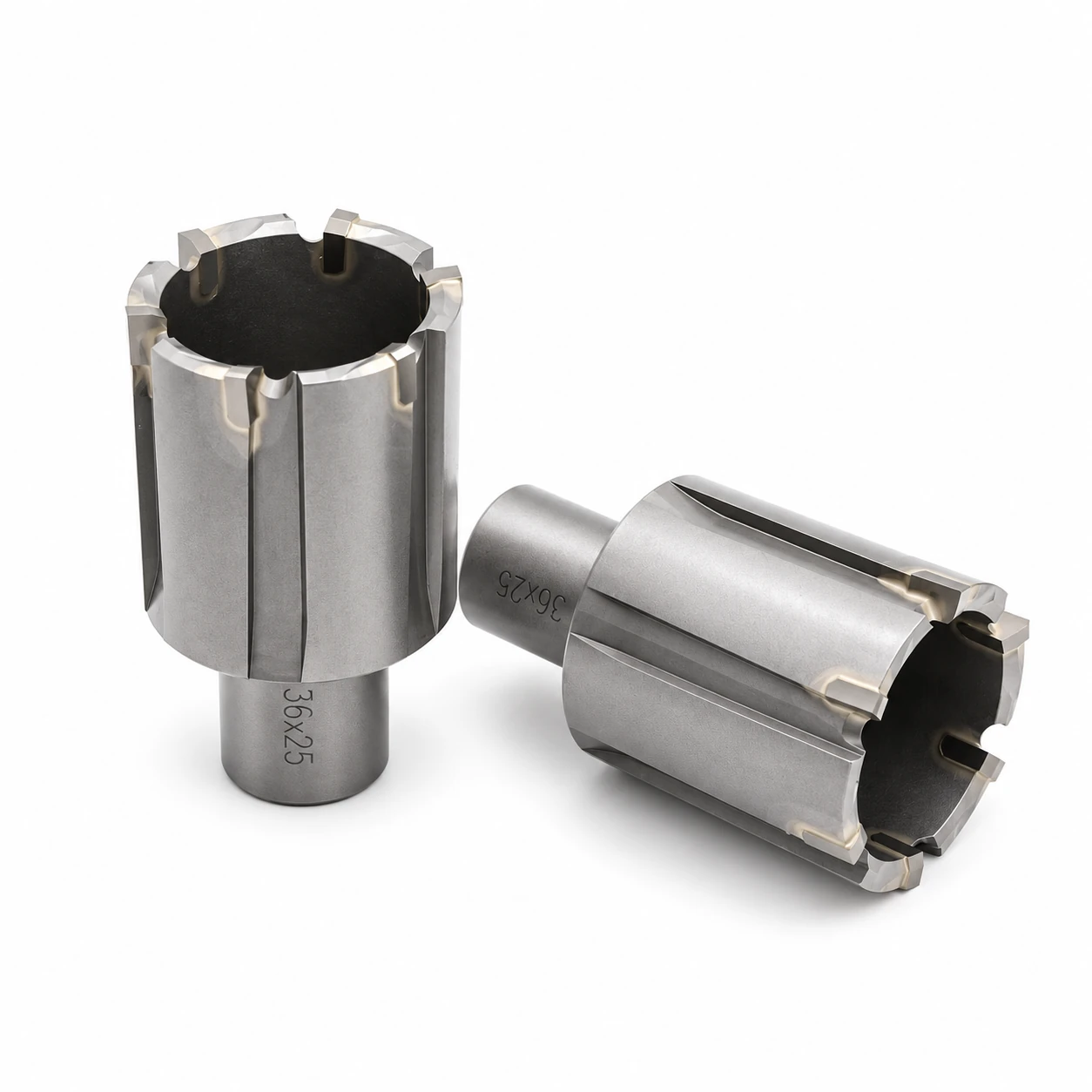
The Rail Drilling Tools collection separates the hollow and twist tooling shown in the supplied rail-tool catalogue.
Include Field Setup Conditions
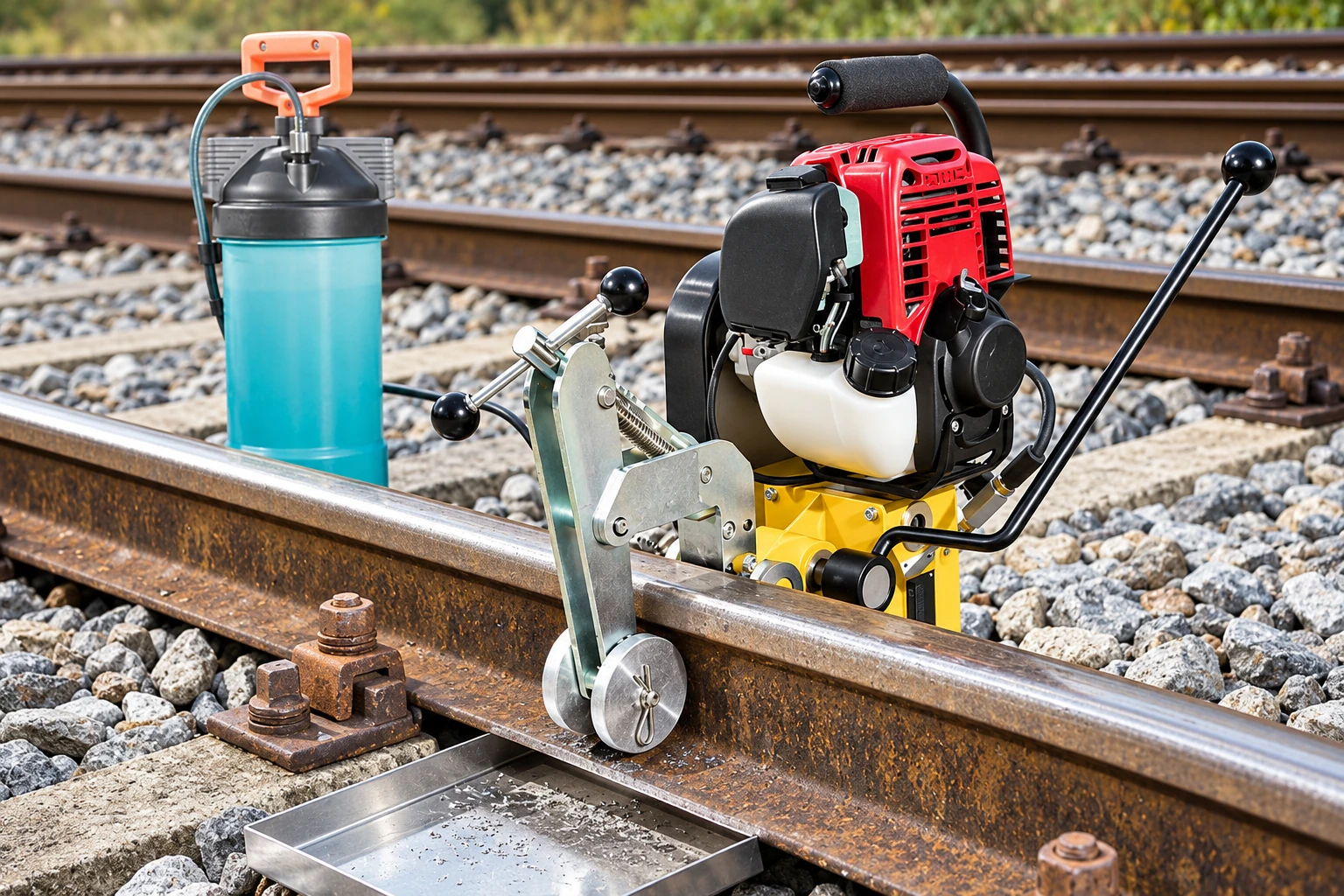
Access, clamping and coolant arrangements belong to the application record.
Use the machine and job instructions rather than an invented operating-speed recommendation.
Working position and access affect how the machine can be secured and fed. A tool photograph does not demonstrate a safe field setup.
| Site field | What to record |
|---|---|
| Access | Working clearance and hole position |
| Clamping | Approved machine attachment to the rail |
| Coolant | System and job requirements |
| Acceptance | Hole criteria from the approved procedure |
Prevent Ambiguous Replacement Orders
Do not order an unspecified “rail bit”, assume general steel tooling has rail approval or add an adapter without identifying it.
Replacement descriptions should retain the complete tool and holder references. Similar cutting heads do not prove interchangeable mounting arrangements.
Include the previous tool and holder references in the order. Photographs should show the connection as well as the cutting head.
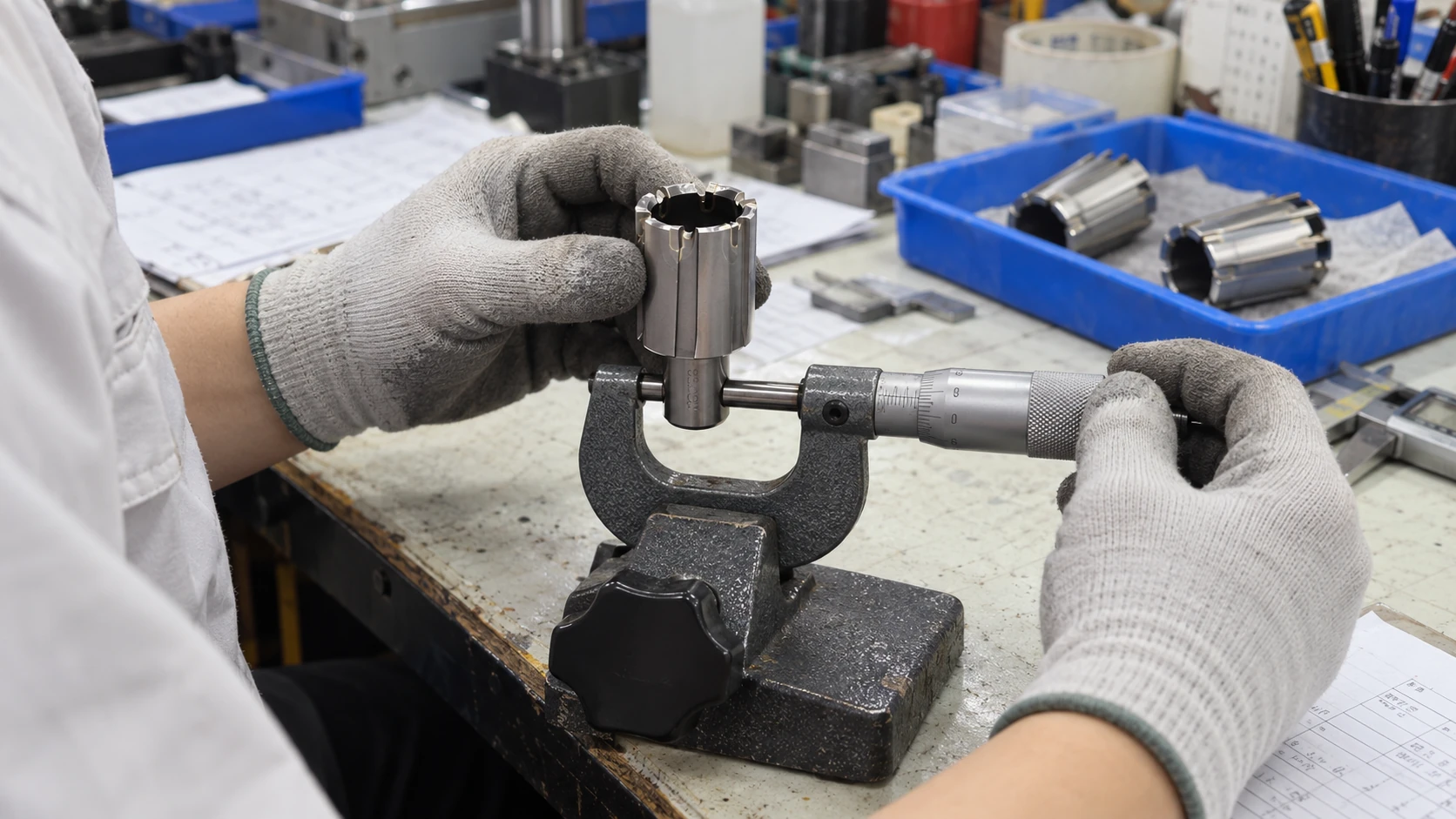
Use the rail drilling tools collection to identify the pictured tool forms before sending machine and hole details.
Frequently Asked Questions
Is equal diameter enough for a replacement?
No. Match cutting depth, connection and machine-holder requirements.
Are hollow cutters and twist drills interchangeable?
They are different tool forms. Select within the approved machine setup.
Can ordinary steel-cutting suitability prove rail approval?
No. Use the rail requirement and approved procedure.
Should a holder photograph replace dimensions?
A photograph helps identification but should be accompanied by the connection specification or a confirmed reference.
What should remain in the repeat-order record?
Rail requirement, hole specification, cutter reference and machine-holder connection.
Conclusion
An accurate rail cutter request combines the rail requirement, hole dimensions and installed interface. Preserve that combination for replacements instead of relying on a similar-looking shank.