
TCT saw blade tooth selection cannot be reduced to ‘more teeth means better.’ Tooth count changes engagement and chip space, while tooth geometry, carbide, kerf, plate, machine condition, workpiece and feed practice also shape the cut. B2B buyers should compare complete configurations against a defined application.
Use this guide as a procurement record. Connect every decision to the application, machine, approved blade configuration and source evidence. Similar names or product photographs do not establish interchangeability, and unresolved specifications or order terms must remain visible until the supplier confirms them.
Start with material and cutting direction
Material and cutting direction define the problem that tooth design must solve.
Separate ripping, crosscutting, sizing and other verified jobs, then record solid wood, panel or non-ferrous application boundaries.For this how to select tct saw blade tooth count and geometry decision, record who supplied the information, which drawing, quotation, sample or test it belongs to, and whether the field is approved or still pending. Review the same field at quotation, sample approval, receiving and repeat order so a change cannot pass unnoticed between teams.
Include thickness, coating, stack or hollow section where relevant because material name alone is incomplete.For this how to select tct saw blade tooth count and geometry decision, record who supplied the information, which drawing, quotation, sample or test it belongs to, and whether the field is approved or still pending. Review the same field at quotation, sample approval, receiving and repeat order so a change cannot pass unnoticed between teams.
Identify whether feed is manual or controlled and whether output priority is throughput, finish or a balanced position.For this how to select tct saw blade tooth count and geometry decision, record who supplied the information, which drawing, quotation, sample or test it belongs to, and whether the field is approved or still pending. Review the same field at quotation, sample approval, receiving and repeat order so a change cannot pass unnoticed between teams.

Understand what tooth count changes
Tooth count influences chip space and the number of teeth engaged, but it is not a stand-alone quality score.
Fewer teeth can provide more chip space in some configurations, while more teeth can change engagement and finish behavior.For this how to select tct saw blade tooth count and geometry decision, record who supplied the information, which drawing, quotation, sample or test it belongs to, and whether the field is approved or still pending. Review the same field at quotation, sample approval, receiving and repeat order so a change cannot pass unnoticed between teams.
The appropriate balance depends on diameter, material, section and feed rather than an isolated tooth number.For this how to select tct saw blade tooth count and geometry decision, record who supplied the information, which drawing, quotation, sample or test it belongs to, and whether the field is approved or still pending. Review the same field at quotation, sample approval, receiving and repeat order so a change cannot pass unnoticed between teams.
Compare tooth counts within the same blade and application family before drawing conclusions.For this how to select tct saw blade tooth count and geometry decision, record who supplied the information, which drawing, quotation, sample or test it belongs to, and whether the field is approved or still pending. Review the same field at quotation, sample approval, receiving and repeat order so a change cannot pass unnoticed between teams.
Review tooth geometry without shortcuts
Geometry names are useful only when the supplier confirms the actual form and intended application.
Ask for the actual tooth form, angles or drawing fields that the supplier controls for the quoted variant.For this how to select tct saw blade tooth count and geometry decision, record who supplied the information, which drawing, quotation, sample or test it belongs to, and whether the field is approved or still pending. Review the same field at quotation, sample approval, receiving and repeat order so a change cannot pass unnoticed between teams.
Do not assume every alternate-top, triple-chip or other named form is identical across manufacturers.For this how to select tct saw blade tooth count and geometry decision, record who supplied the information, which drawing, quotation, sample or test it belongs to, and whether the field is approved or still pending. Review the same field at quotation, sample approval, receiving and repeat order so a change cannot pass unnoticed between teams.
Connect geometry to carbide selection, attachment and final grinding as one system.For this how to select tct saw blade tooth count and geometry decision, record who supplied the information, which drawing, quotation, sample or test it belongs to, and whether the field is approved or still pending. Review the same field at quotation, sample approval, receiving and repeat order so a change cannot pass unnoticed between teams.
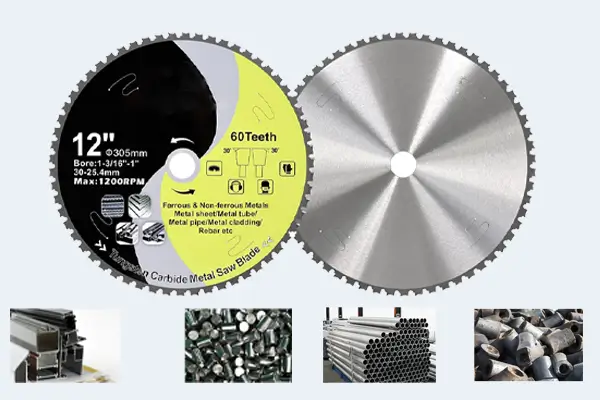
Check kerf, plate and machine stability
Tooth design cannot compensate for an incompatible bore, unsuitable dimensions or an unstable machine setup.
Confirm outside diameter, bore, kerf, plate thickness, permitted speed and machine guarding before evaluating a tooth option.For this how to select tct saw blade tooth count and geometry decision, record who supplied the information, which drawing, quotation, sample or test it belongs to, and whether the field is approved or still pending. Review the same field at quotation, sample approval, receiving and repeat order so a change cannot pass unnoticed between teams.
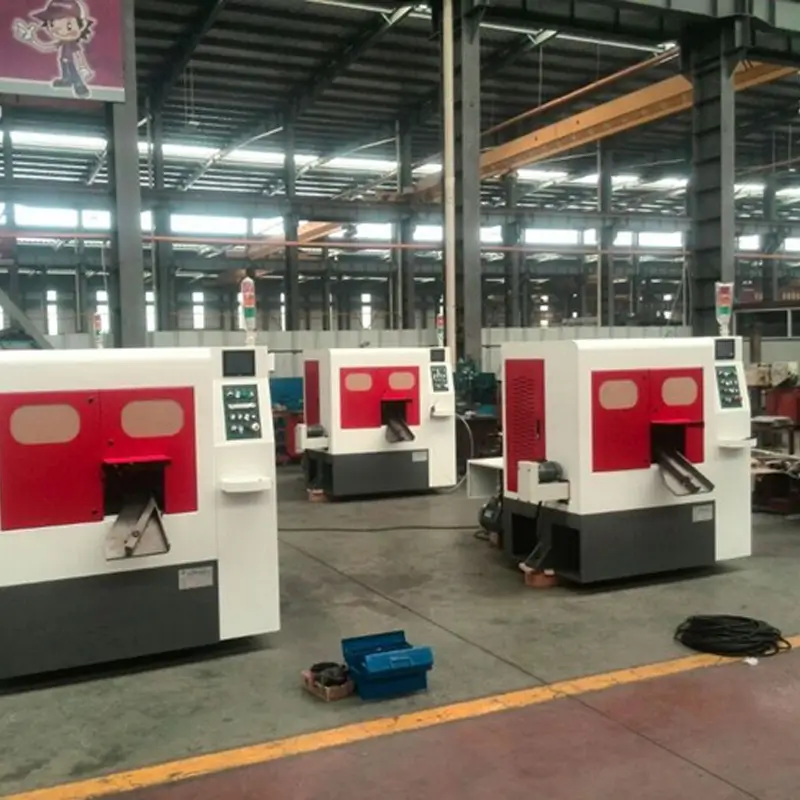
Machine condition, spindle accuracy, support and feed practice can influence observations and should be recorded.For this how to select tct saw blade tooth count and geometry decision, record who supplied the information, which drawing, quotation, sample or test it belongs to, and whether the field is approved or still pending. Review the same field at quotation, sample approval, receiving and repeat order so a change cannot pass unnoticed between teams.
A thin kerf or other feature is not automatically advantageous if the total setup cannot support it.For this how to select tct saw blade tooth count and geometry decision, record who supplied the information, which drawing, quotation, sample or test it belongs to, and whether the field is approved or still pending. Review the same field at quotation, sample approval, receiving and repeat order so a change cannot pass unnoticed between teams.
| Decision field | Evidence | Release control |
|---|---|---|
| Application and machine | Requirement and compatibility record | Approved or pending |
| Blade configuration | Drawing, sample or quotation | Revision identified |
| Packaging and supply | Artwork and packing scope | Written approval |
Compare configurations with controlled trials
Trials are meaningful when only known variables change and the method and observations are recorded.
Define the baseline blade and the single variable being compared wherever practical.For this how to select tct saw blade tooth count and geometry decision, record who supplied the information, which drawing, quotation, sample or test it belongs to, and whether the field is approved or still pending. Review the same field at quotation, sample approval, receiving and repeat order so a change cannot pass unnoticed between teams.
Record workpiece, machine, feed approach, observed cut quality, chip behavior and any safety or stability concern.For this how to select tct saw blade tooth count and geometry decision, record who supplied the information, which drawing, quotation, sample or test it belongs to, and whether the field is approved or still pending. Review the same field at quotation, sample approval, receiving and repeat order so a change cannot pass unnoticed between teams.
Use the result for the tested configuration and avoid unsupported universal performance claims.For this how to select tct saw blade tooth count and geometry decision, record who supplied the information, which drawing, quotation, sample or test it belongs to, and whether the field is approved or still pending. Review the same field at quotation, sample approval, receiving and repeat order so a change cannot pass unnoticed between teams.
Translate selection into an SKU structure
A commercial range should express distinct tooth-selection roles without unnecessary neighboring variants.
Create clear coarse, general and finishing roles only where the application evidence supports them.For this how to select tct saw blade tooth count and geometry decision, record who supplied the information, which drawing, quotation, sample or test it belongs to, and whether the field is approved or still pending. Review the same field at quotation, sample approval, receiving and repeat order so a change cannot pass unnoticed between teams.
Keep diameter and bore families visible so a tooth-count recommendation is never separated from compatibility.For this how to select tct saw blade tooth count and geometry decision, record who supplied the information, which drawing, quotation, sample or test it belongs to, and whether the field is approved or still pending. Review the same field at quotation, sample approval, receiving and repeat order so a change cannot pass unnoticed between teams.
Train sales teams to ask material, machine and finish questions before recommending a SKU.For this how to select tct saw blade tooth count and geometry decision, record who supplied the information, which drawing, quotation, sample or test it belongs to, and whether the field is approved or still pending. Review the same field at quotation, sample approval, receiving and repeat order so a change cannot pass unnoticed between teams.
Document approval and future changes
The approved drawing, application and sample reference should control production and substitutions.
Store drawing revision, tooth count, geometry, carbide or controlled material reference, kerf, plate, marking and packaging identity.For this how to select tct saw blade tooth count and geometry decision, record who supplied the information, which drawing, quotation, sample or test it belongs to, and whether the field is approved or still pending. Review the same field at quotation, sample approval, receiving and repeat order so a change cannot pass unnoticed between teams.
Require written review when a supplier proposes a substitution, even if the catalogue name remains the same.For this how to select tct saw blade tooth count and geometry decision, record who supplied the information, which drawing, quotation, sample or test it belongs to, and whether the field is approved or still pending. Review the same field at quotation, sample approval, receiving and repeat order so a change cannot pass unnoticed between teams.
Link repeat orders to the approved record and reopen validation when application or construction changes.For this how to select tct saw blade tooth count and geometry decision, record who supplied the information, which drawing, quotation, sample or test it belongs to, and whether the field is approved or still pending. Review the same field at quotation, sample approval, receiving and repeat order so a change cannot pass unnoticed between teams.
- Application and machine reference
- Controlled blade dimensions and construction
- Quantities and SKU roles
- Packaging, language and destination
- Open items requiring written confirmation
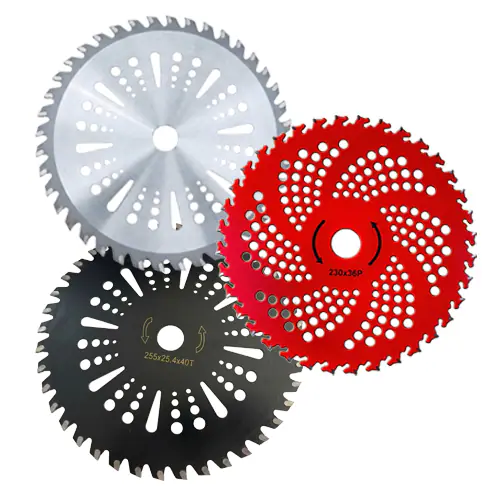
Review theTCT circular saw blade range, compareAXIMET product families, readcompany and quality information, orsend a controlled requirement.
Frequently Asked Questions
Can one circular saw blade cover every material?
No. Suitability must be confirmed for the material, machine, blade dimensions, tooth configuration and intended cut.
Is a higher tooth count always better?
No. Tooth count changes chip space and engagement; the correct choice depends on the complete application and blade configuration.
What information should a B2B buyer send?
Send material, section, machine, diameter, bore, cut objective, quantities, market, packaging and any controlled drawing or sample reference.
Do product photographs prove specifications?
No. Images can show product or process context but specifications and supply scope require controlled records.
Can private-label packaging change product facts?
No. Branding and packaging must preserve the approved product identity and verified technical information.
How should substitutions be handled?
Review and approve any change affecting material, dimensions, tooth design, process, marking or package identity in writing before supply.
Conclusion
A sound B2B saw blade decision is traceable from the customer’s cutting task to one approved blade configuration and supply record. Keep application, machine compatibility, dimensions, tooth design, evidence, packaging and revisions connected. Where evidence is missing, request confirmation rather than converting an assumption into a product promise.