CATEGORY DEFINITION · PRODUCT DETAILHow buyers specify forstner bits for the intended operation
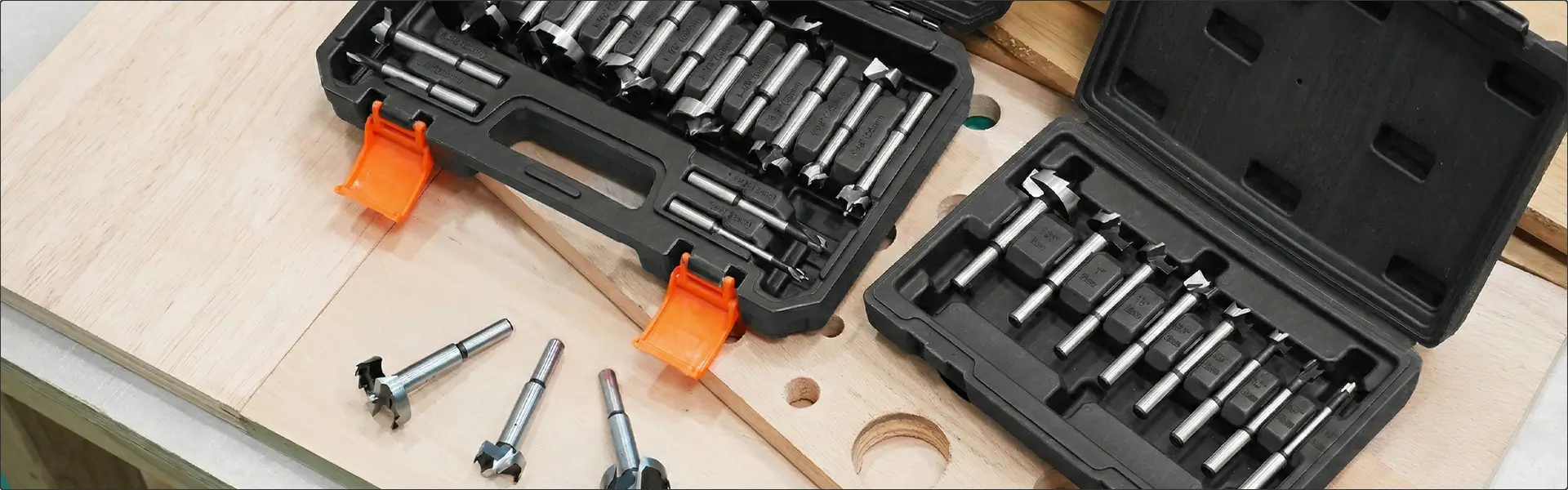
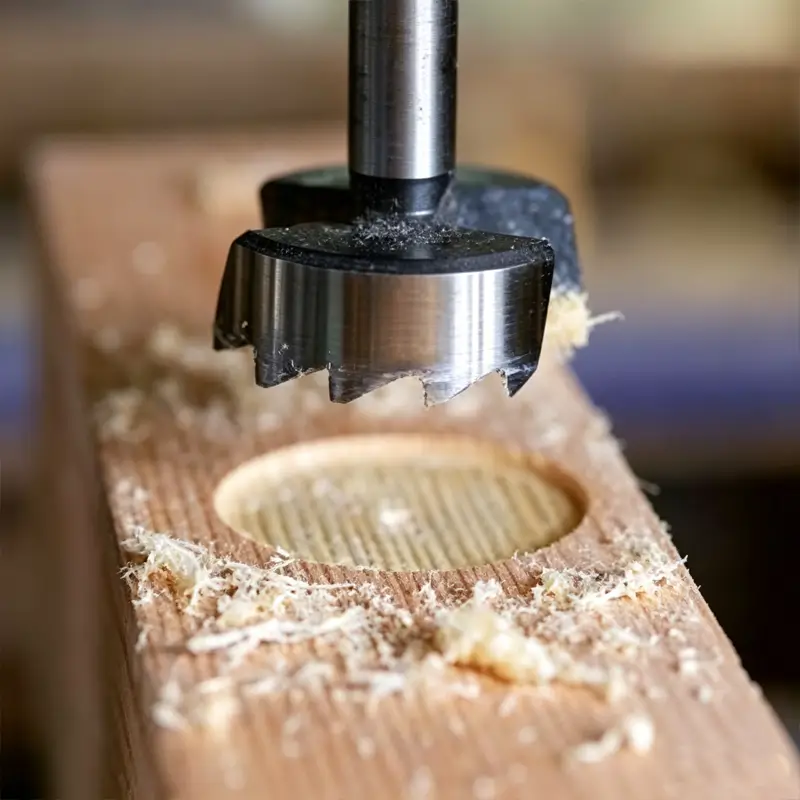
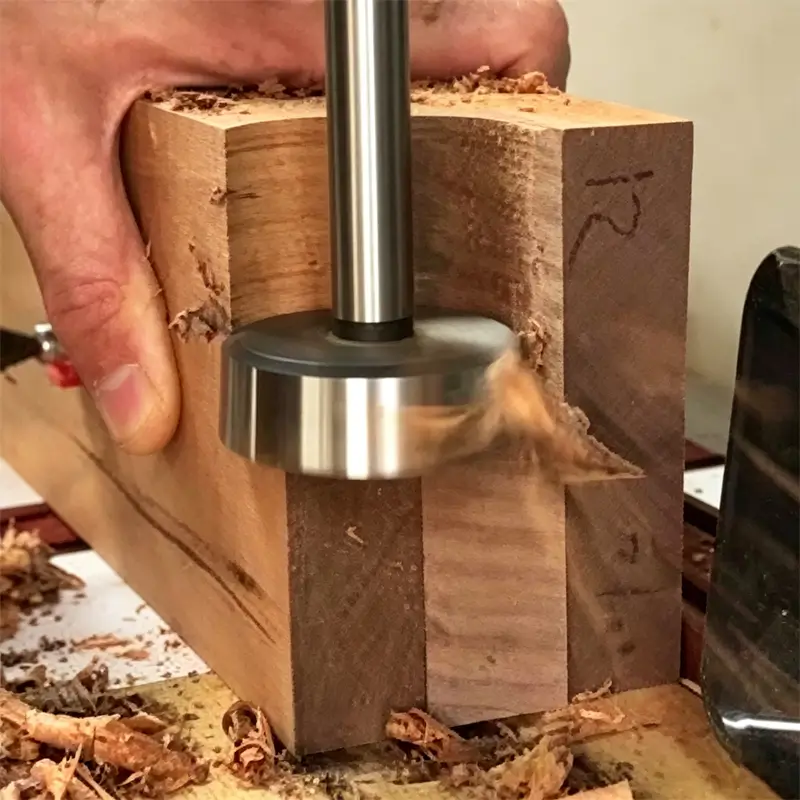
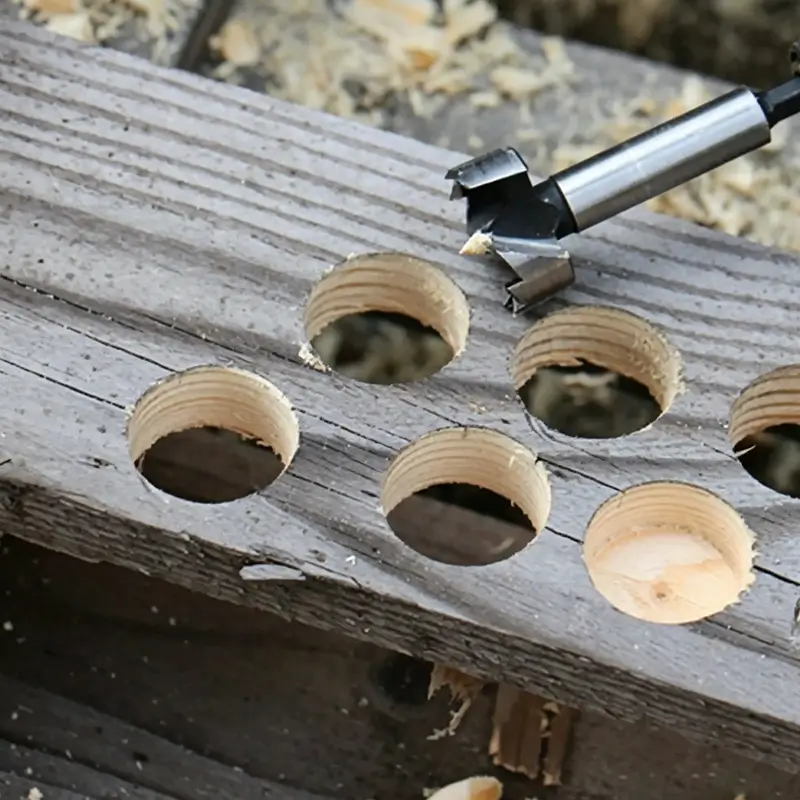
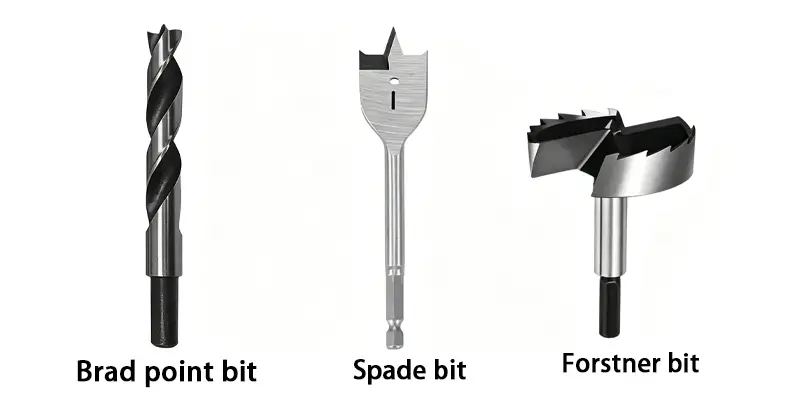
Forstner bits create controlled flat-bottom holes; spade and auger bits have different geometry. Buyers compare hole diameter, flat-bottom depth, rim/tooth form, center point, material before building a wholesale range.
- hole diameterBuild the forstner bits hole diameter list by SKU instead of giving only a minimum and maximum. The mix separates core sizes, project additions and replacement stock.
- flat-bottom depthState the usable flat-bottom depth needed from forstner bits at the workpiece. Nominal length alone does not resolve clearance, rigidity or accessory fit.
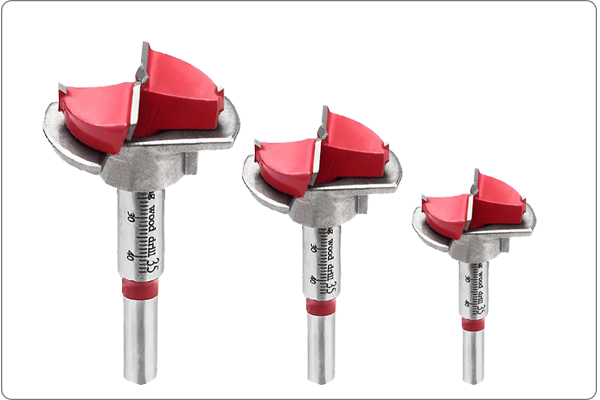
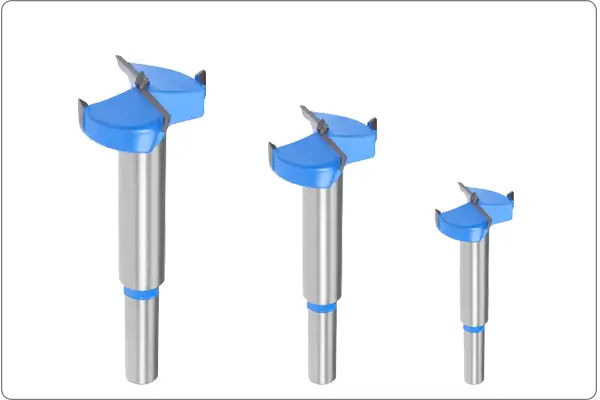
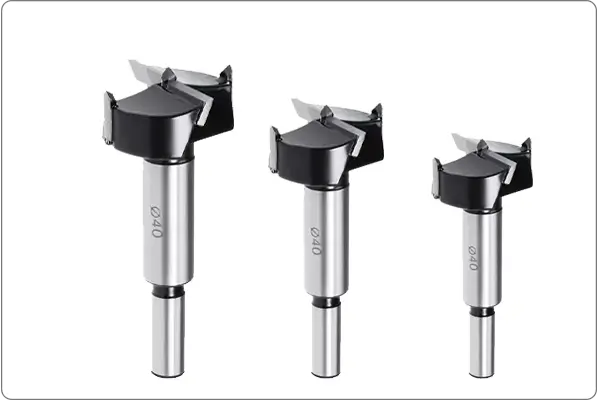
- rim/tooth formSeparate the forstner bits range by rim/tooth form. Keep each material or geometry claim on the exact SKU rather than extending it to every visible variant.
- center pointSeparate the forstner bits range by center point. Keep each material or geometry claim on the exact SKU rather than extending it to every visible variant.
- materialFor forstner bits, name the exact material and operation first. This determines which construction should remain on the shortlist.
- shankFor forstner bits, identify both sides of the shank: machine or holder, then tool or accessory. Similar appearance does not establish interchangeability.
Forstner bits create controlled flat-bottom holes; spade and auger bits have different geometry.
Review the Selection Guide →