01
Pilot Pins
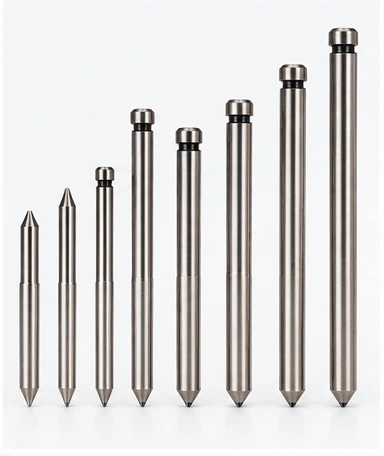
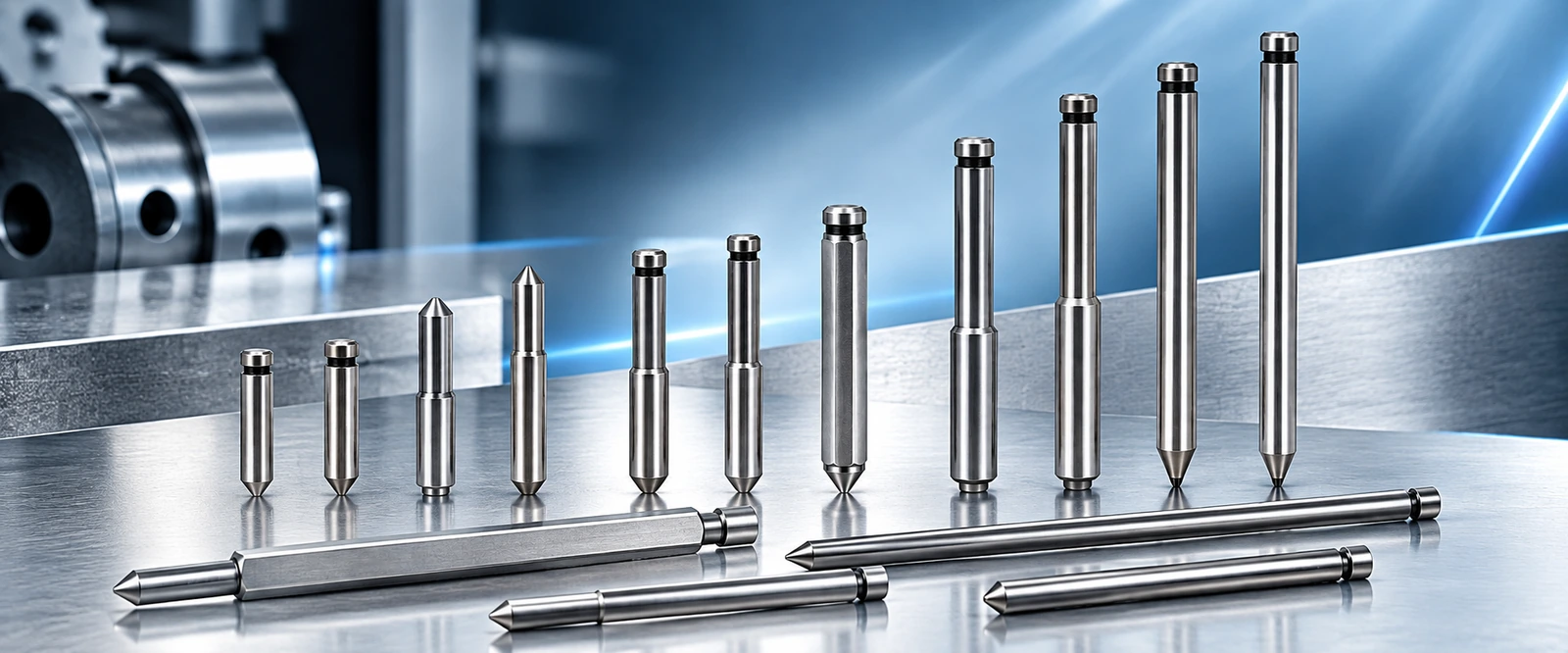
Pilot pins locate the center of the hole, guide the cutter during entry and assist slug ejection after the cut.
Request a Quote · Pilot Pins →
Are the pilot pin, arbor and adapter actually matched to your magnetic drill and annular cutter - or do they only look compatible?
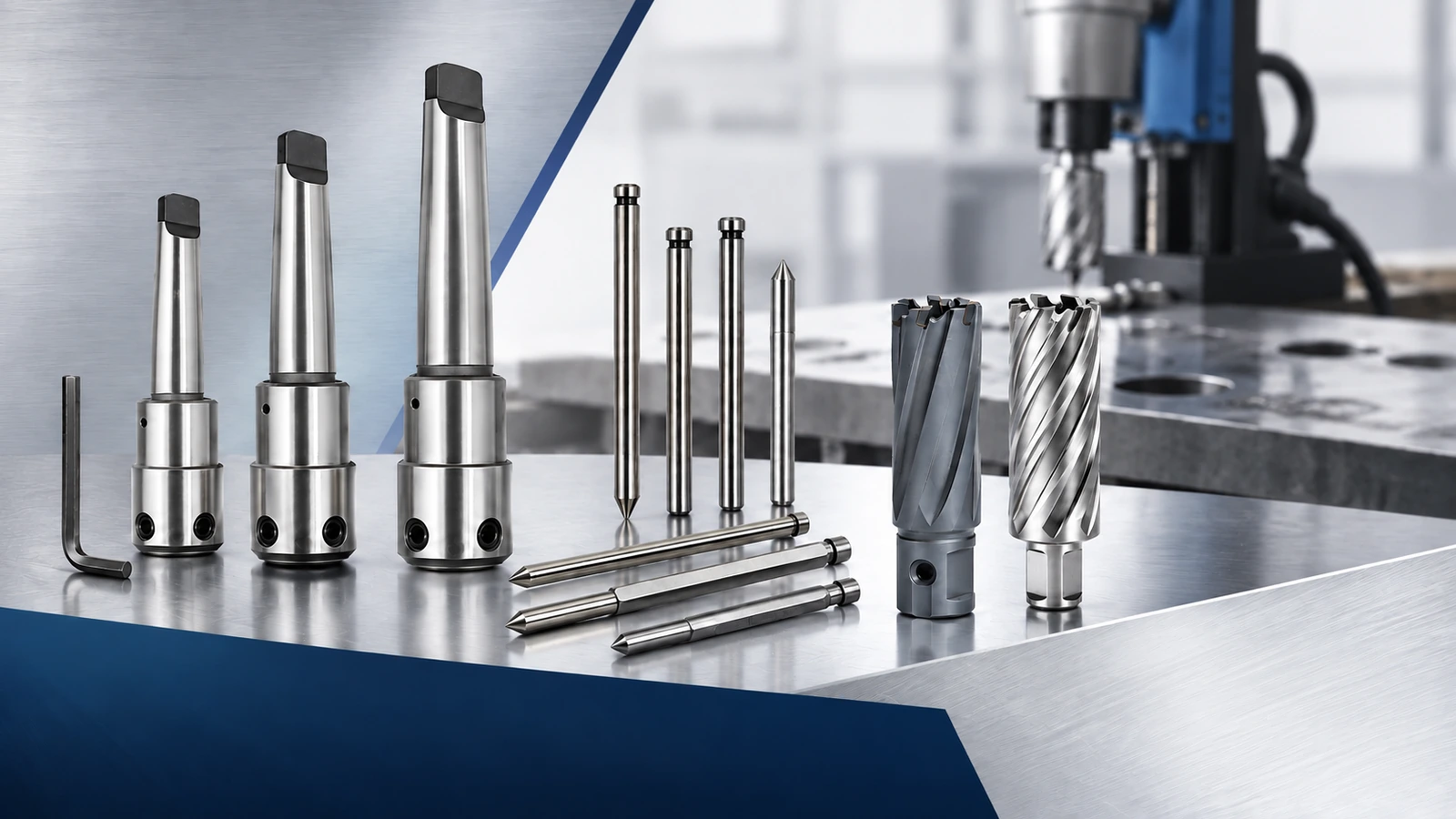
Magnetic drilling accessories are not secondary add-ons. They determine whether the machine, cutter and drilling process work as one system. A pilot pin that is too short, an arbor with the wrong machine interface, or an adapter selected only by appearance can stop a job even when the magnetic drill and annular cutter are otherwise correct.
For distributors, this creates a replacement problem: the customer often knows the machine model and cutter diameter but not the accessory code. AXIMET therefore organizes accessory sourcing around interface, cutter family and usable cutting depth, so the quotation can be checked before the order is packed. If you are building a distributor or private-label range, use the selection fields on this page to define the product before you compare unit price. That approach makes sample approval, incoming QC and repeat ordering more reliable.
Pilot pins locate the center of the hole, guide the cutter during entry and assist slug ejection after the cut.
Request a Quote · Pilot Pins →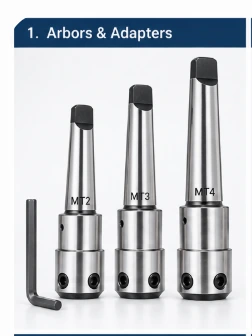
An arbor forms the mechanical connection between the drilling machine or holder and the annular cutter.
Request a Quote · Annular Cutter Arbors →Morse taper adapters are used when a taper-shank machine must accept another holder or cutter system.
Request a Quote · Morse Taper Adapters →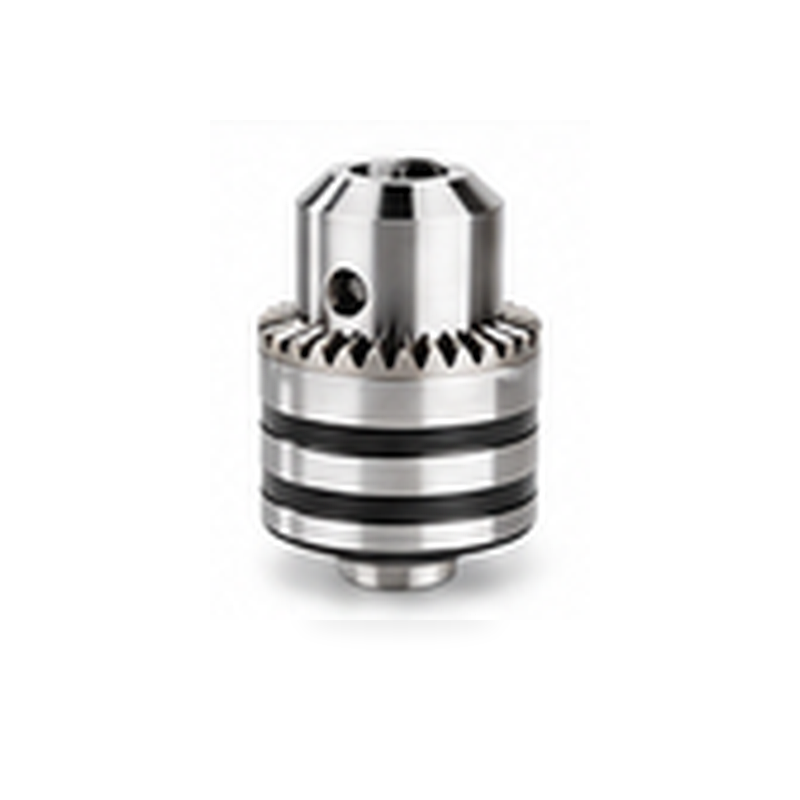
Some magnetic drills can perform twist drilling or tapping when fitted with the correct accessory and when the machine itself supports the operation.
Request a Quote · Drill Chucks and Tapping Adaptors →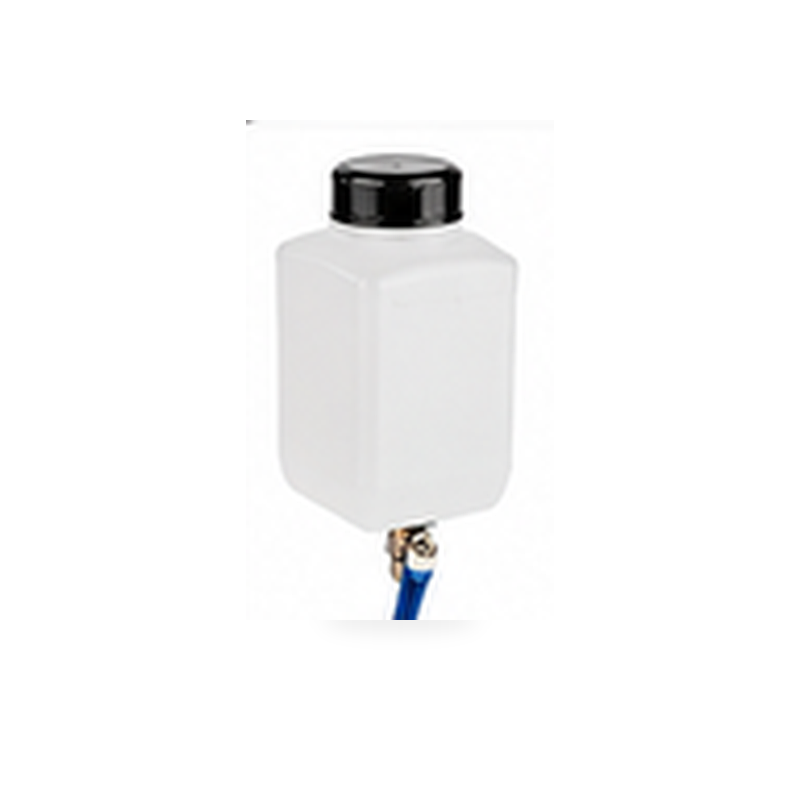
Coolant tanks, hoses and delivery components support lubrication and chip evacuation during applicable annular cutting.
Request a Quote · Coolant and Lubrication Components →You confirm the machine interface and cutter interface before the accessory is approved.
Pilot-pin length is matched to the approved cutter family and cutting depth.
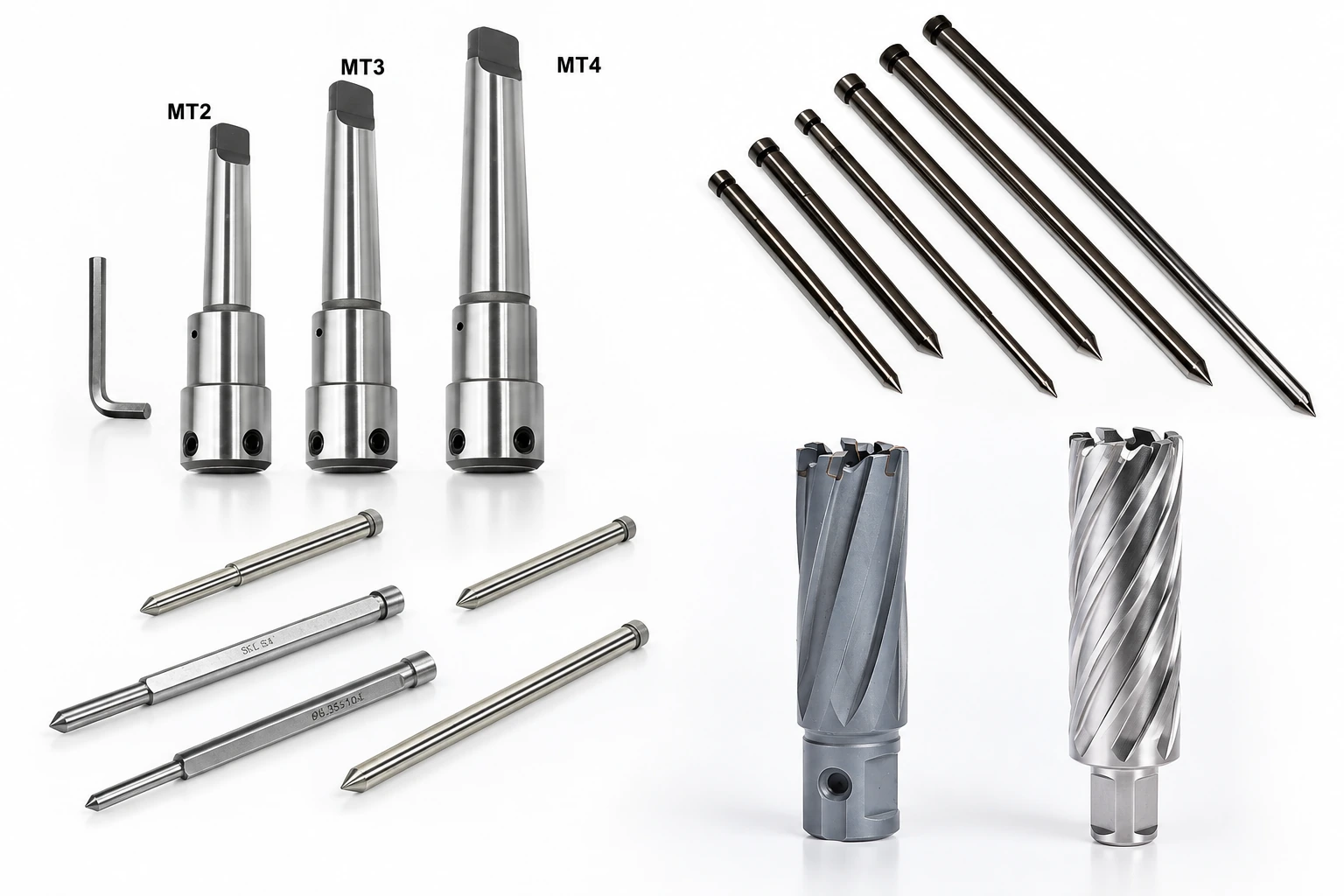
Confirmed supplier material includes MT2, MT3 and MT4 adapter families.
Accessory references can be tied to the machine and cutter system for easier repeat orders.
Fit, runout, taper condition and pilot movement can be checked as an assembly.
Labels and kits can identify compatible systems instead of relying on appearance.
Record the magnetic drill model, spindle or Morse taper. This defines the first connection in the system.
Record the cutter shank or holder standard. Do not assume all annular cutters use the same retention method.
The usable cutter depth affects pilot-pin length and may affect the holder arrangement.
Confirm diameter and overall length against the approved cutter family.
Keep an accessory code together with the compatible machine/cutter reference so repeat orders do not rely on photographs.
| Decision | What You Should Confirm | Why It Matters |
|---|---|---|
| Machine interface | Record the magnetic drill model, spindle or Morse taper. This defines the first connection in the system. | Controls fit, application and repeat-order accuracy |
| Cutter interface | Record the cutter shank or holder standard. Do not assume all annular cutters use the same retention method. | Controls fit, application and repeat-order accuracy |
| Cutting depth | The usable cutter depth affects pilot-pin length and may affect the holder arrangement. | Controls fit, application and repeat-order accuracy |
| Pilot-pin dimensions | Confirm diameter and overall length against the approved cutter family. | Controls fit, application and repeat-order accuracy |
| Replacement identity | Keep an accessory code together with the compatible machine/cutter reference so repeat orders do not rely on photographs. | Controls fit, application and repeat-order accuracy |
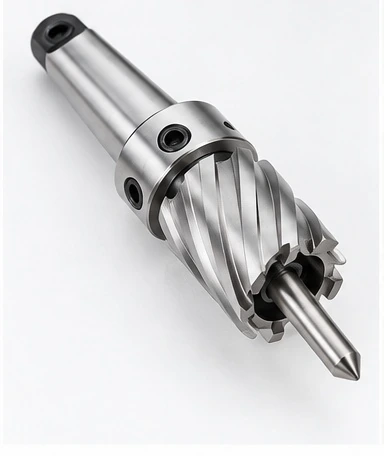
When you source magnetic drill accessories, the biggest risk is not cosmetic quality; it is a part that fits one side of the system but not the other. Record the machine spindle or taper, the cutter shank and the cutting depth before you approve an arbor, adapter or pilot pin. This turns a vague replacement request into a controlled compatibility check.
Request a Quote →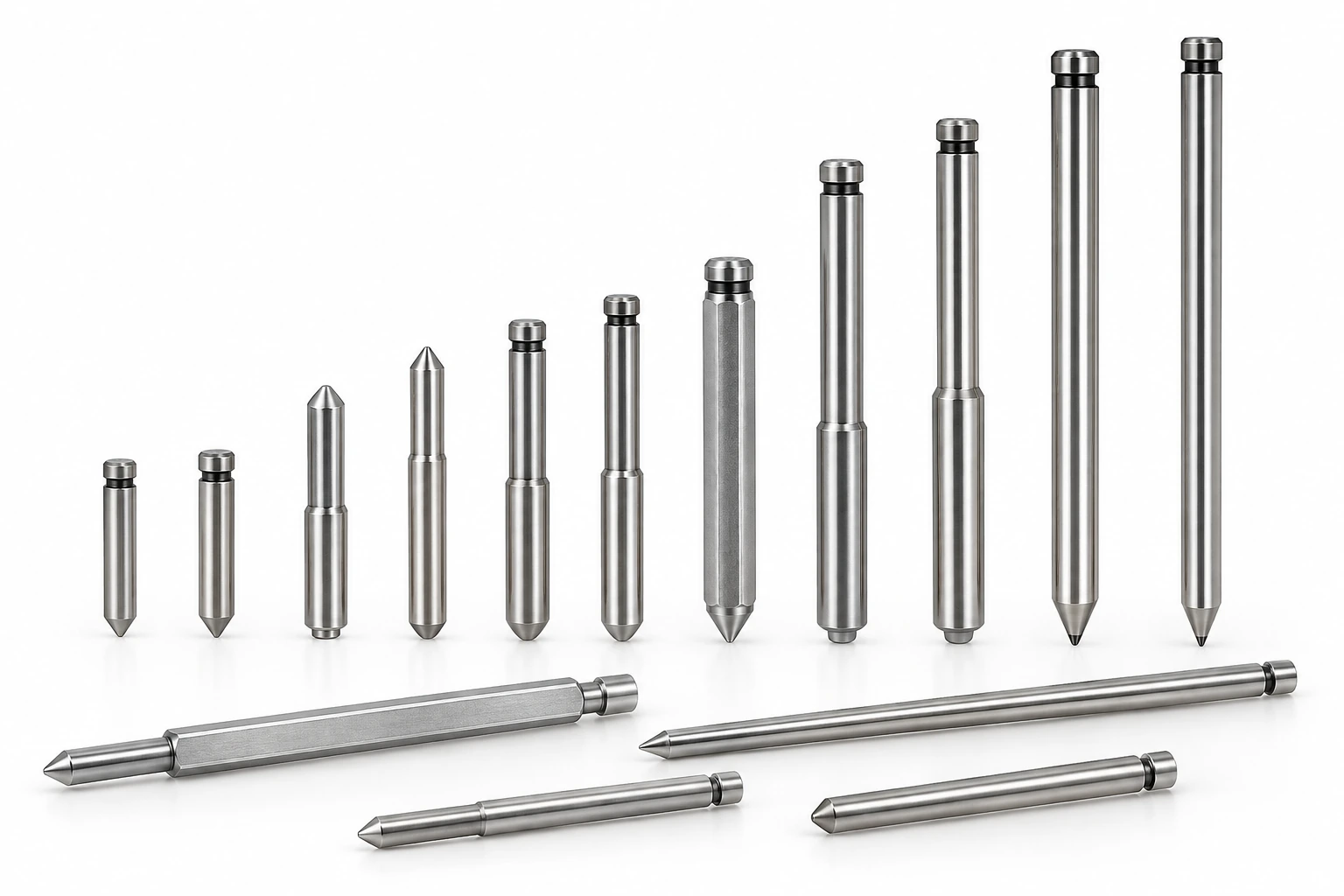
Your customer may return months later with only a machine model or worn pilot pin. Keep the accessory code linked to the compatible machine, cutter family and depth in your quotation and packaging records. That simple replacement matrix reduces wrong shipments and makes the accessory range more valuable to distributors that support several magnetic-drill models.
Request a Quote →A pilot pin or arbor should not be called universal unless the compatible systems are documented.
Request a Quote →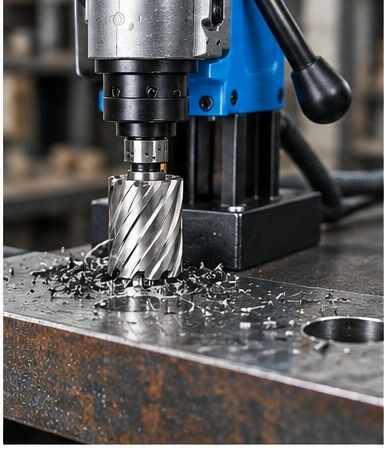
When your customers drill beams, plate or profiles, a missing pilot pin or wrong arbor can stop an otherwise correct magnetic-drill setup. Match the replacement accessory to the installed machine and annular cutter so field and workshop users can return to drilling without changing the complete system.
Bridge and rail maintenance teams often work away from a fully stocked workshop. If you keep machine, holder, cutter depth and pilot-pin references together, your customer can reorder the correct replacement faster and avoid trial-and-error at the jobsite.

Where the magnetic drill supports twist drilling or tapping, the correct chuck or tapping adaptor can broaden the machine's use. Confirm the machine capability first; the accessory should support an existing function, not be used to imply a function the machine does not have.
| Comparison | Selection Guidance |
|---|---|
| Arbor vs Adapter | An arbor primarily holds or connects the cutting tool, while an adapter changes one interface into another. Some assemblies combine these functions, so the approved drawing or model specification is the final reference. |
| Weldon vs Morse Taper | Weldon describes a cutter or holder shank arrangement, while Morse taper describes a tapered machine/tool interface. They solve different connection problems. A suitable arbor or adapter may be required between them. |
| 35 mm vs 50 mm Cutter Systems | A deeper cutter normally needs a pilot arrangement with enough usable length for centering and slug ejection. A pilot pin approved for a shorter cutter should not automatically be reused with a deeper cutter. |
For magnetic drill accessories, your QC plan should check the fields that can change fit or application rather than rely on a generic 'high quality' statement.
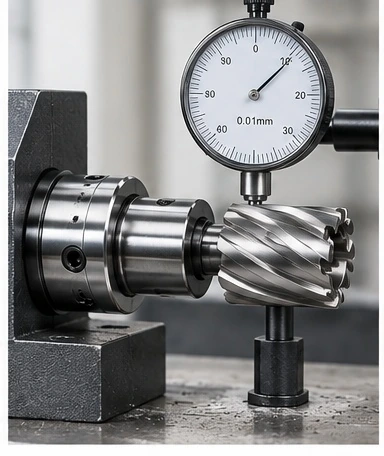
Keep the inspection result with the exact Magnetic Drill Accessories SKU and lot. If you use a functional test, record the workpiece, machine or setup and acceptance result so later shipments can be checked against the same baseline.
For accessory programs, keep machine/cutter compatibility on the label or replacement record. Kits should group parts that genuinely belong to the same system. Confirm actual MOQ, mixed-SKU rules, artwork charges and lead time for the specific order rather than publishing them as universal terms.
Discuss OEM Requirements →Request evidence tied to the quoted product: dimensional records, construction or material data where relevant, close-up working-geometry photos, representative application tests, and applicable documentation. Competitor specifications can show what the market asks, but they are not AXIMET product data.
For after-sales support, keep the machine model and cutter family in the accessory record. When a customer asks for a replacement pilot pin or arbor, sales staff should be able to retrieve the approved interface without relying on the customer's memory. This is especially useful when a distributor sells several magnetic-drill brands or cutter depths.
Typical accessory groups include pilot pins, annular-cutter arbors, Morse taper adapters, drill chucks, tapping adaptors and coolant components. The exact range depends on the machine and cutter system.
Start with the exact annular-cutter family and cutting depth. Match the specified pilot-pin diameter and length; do not choose by appearance or cutter diameter alone.
An arbor primarily holds or connects the cutting tool. An adapter converts between two interfaces. Always identify both the machine side and tool side before ordering.
Only when the machine and holder system support them. A compatible arbor or adapter may be required, and both interfaces must be confirmed.
Send the magnetic drill model, spindle or taper, cutter shank, cutter diameter and cutting depth, plus the accessory you want to replace or add.
Yes, where the actual supplier capability supports it. For B2B programs, confirm the technical accessory first, then review laser marking, labels, barcodes, kits and packaging.
Send your magnetic drill model, spindle or taper, annular-cutter shank and cutting-depth range. AXIMET can map the accessory interface before quotation.
When you request a quote for magnetic drill accessories, start with the application and then provide the required sizes or range, workpiece or substrate, machine/interface where relevant, quantity by SKU, target market and packaging requirements. If you are replacing an existing item, add the current model, drawing or clear product photo. For a new range, separate launch SKUs from optional extensions.