01What are metal hole saws?
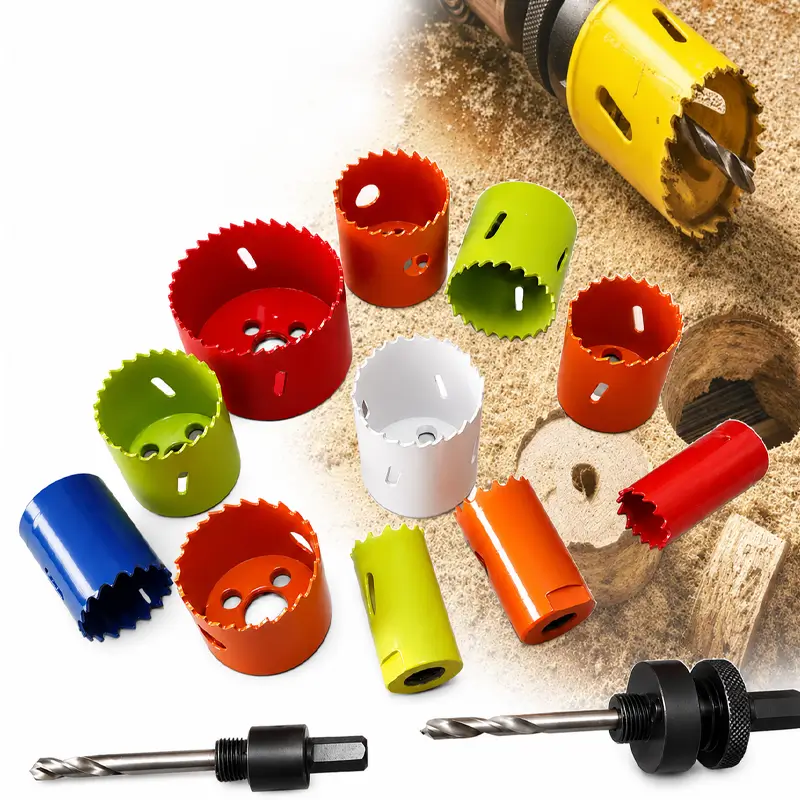
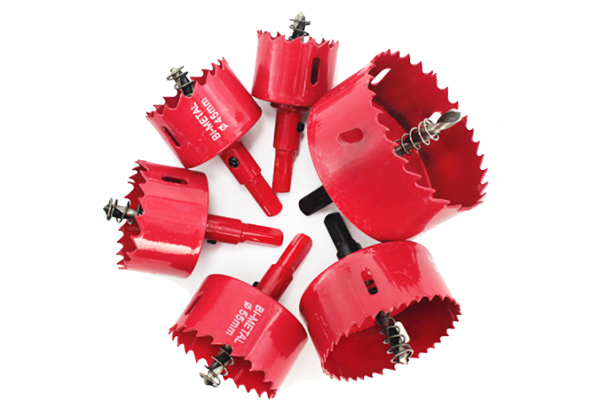
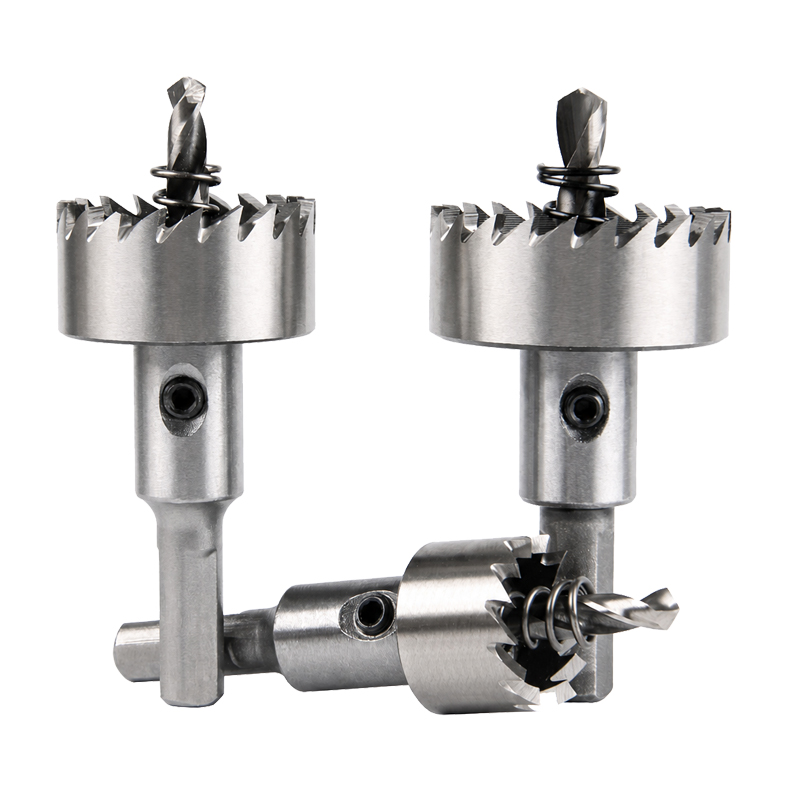
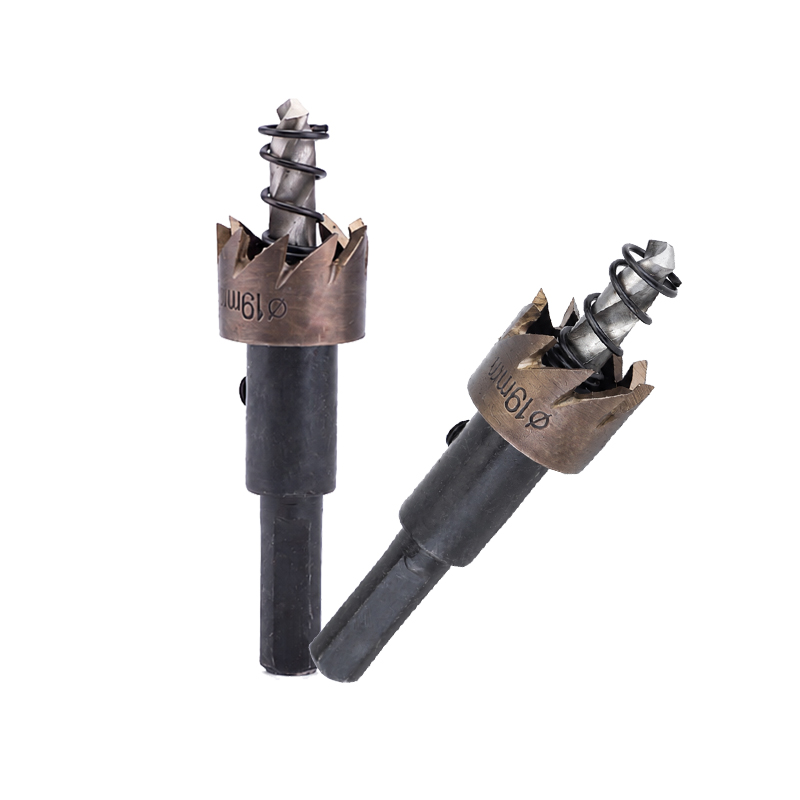
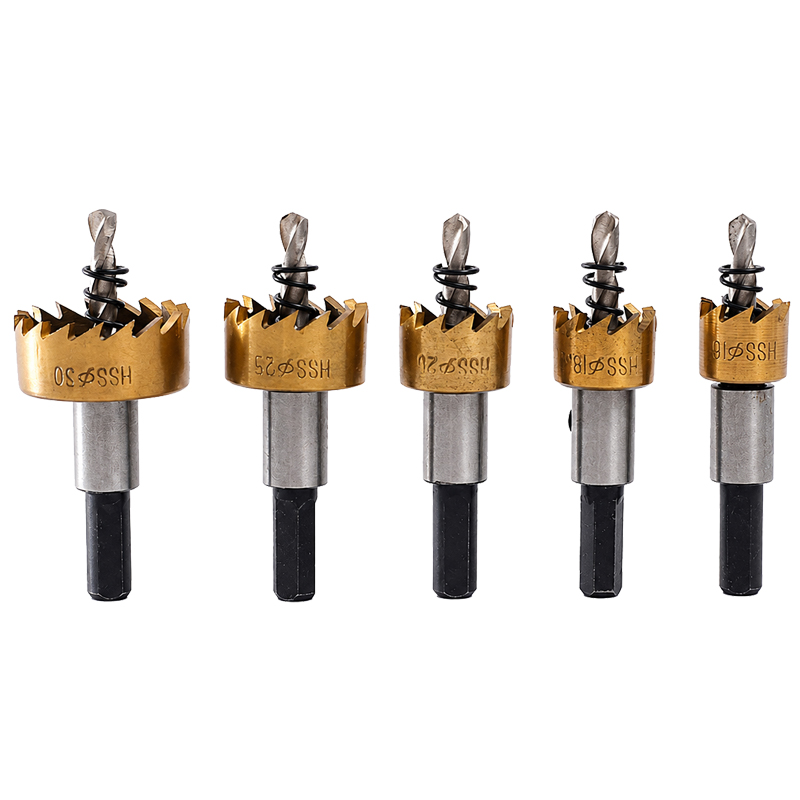
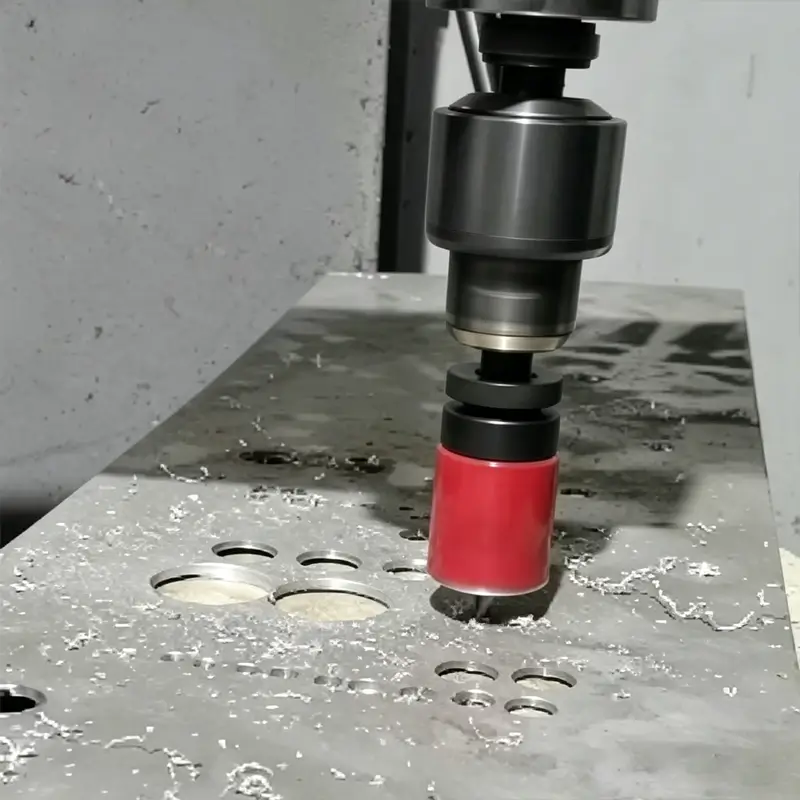
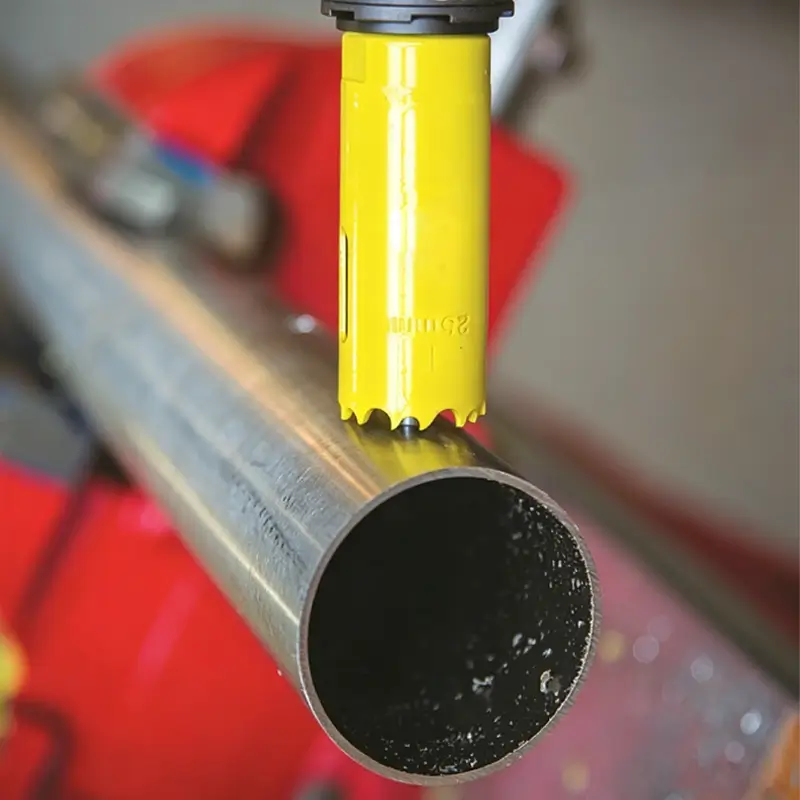
Metal hole saws are circular hole-making tools selected for compatible metal workpieces. The broad category can contain solid HSS and bi-metal constructions, individual tools, cups, integrated products and sets. A purchasing specification should identify construction, material series, diameter, depth, tooth format, arbor, pilot drill, machine and target metal.
02Are hole saws for metal and metal hole saws the same?
These terms normally support the same broad search and purchasing concept. Sheet-metal hole cutter and metal hole cutter can also be related market expressions. They do not prove that two products share HSS grade, bi-metal series, dimensions, tooth geometry or drive system, so the exact product remains controlled by its specification.
03What is the difference between HSS and bi-metal hole saws?
HSS and bi-metal describe different construction directions. A solid HSS product should remain connected to its applicable grade, coating, dimensions and shank, while a bi-metal product combines a documented high-speed-steel cutting edge with a flexible body. Neither direction is universally better; the workpiece, thickness, diameter, depth, machine and range strategy determine selection.
04What sizes of bi-metal hole saws are shown in the catalog?
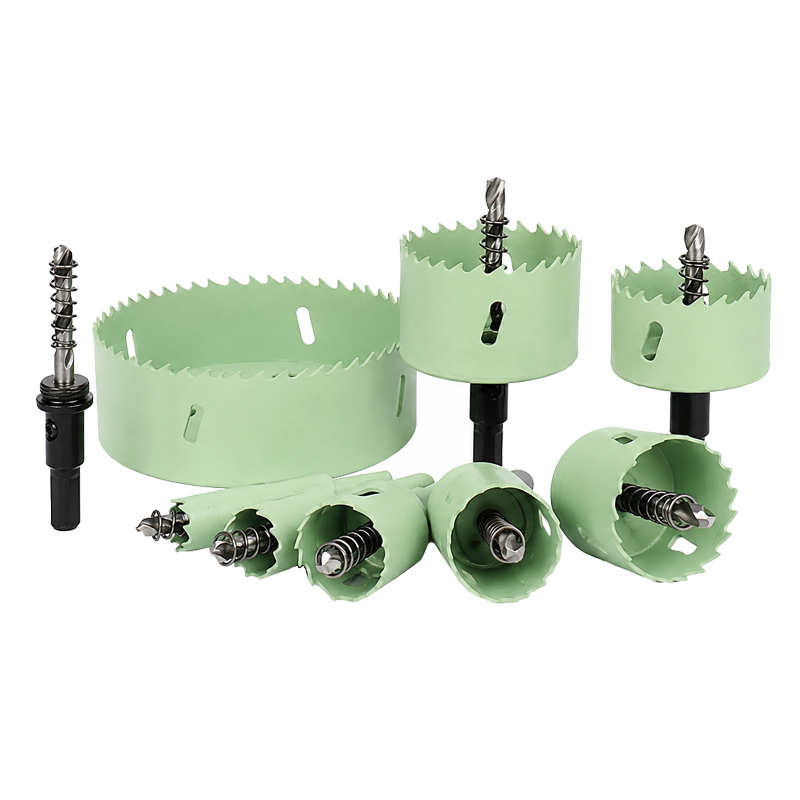
The approved individual bi-metal hole saw catalog lists sizes from 14 mm through 210 mm. Availability and working data must still be confirmed for the selected M3 or M42 series and item number. A broad catalog span should not be interpreted as one universal stock, cutting depth, speed, arbor or application claim for every diameter.
05What is the difference between M3 and M42 bi-metal hole saws?
M3 and M42 identify two documented high-speed-steel bi-metal product directions in the AXIMET catalog. They should remain separate in specifications and quotations. The correct choice depends on the actual workpiece, thickness, diameter, cutting requirement, machine and buyer program. AXIMET does not infer universal performance or suitability from material wording or product color alone.
06What does 4/6 variable pitch mean on a hole saw?
The integrated bi-metal hole saw section documents a 4/6 vari-pitch tooth design, meaning tooth spacing varies across the cutting edge rather than following one constant pitch. That fact belongs to the cataloged integrated family. It should not be copied to every individual M3 or M42 cup unless the applicable product record confirms the same geometry.
07How do I choose the correct bi-metal hole saw diameter?
Start with the finished opening required by the drawing or installation. Then confirm the workpiece material, thickness, available access, machine, arbor, pilot drill and cutting depth. For a distributor range, separate core fast-moving diameters from extension sizes and keep every diameter linked to its material series, item number and compatible drive components.
08How do I select cutting speed for a bi-metal hole saw?
Use a speed reference that matches both the hole-saw diameter and workpiece material. The catalog provides operating-speed guidance across mild steel, stainless steel, cast iron, brass, aluminum and wood. Larger diameters and different materials require different review. The final machine setting should follow the confirmed tool, machine and operating instructions rather than one universal RPM statement.
09Can bi-metal hole saws cut stainless steel?
Stainless steel appears in the approved catalog’s application and speed references. Suitability for a specific job still depends on the confirmed series, diameter, material grade, thickness, tooth condition, speed, feed, cooling method, arbor, machine and workholding. Provide these details so AXIMET can identify the applicable product row without making a blanket all-stainless-steel claim.
10Can bi-metal hole saws cut wood and plastic?
The approved catalog includes wood and plastics among the application directions for the integrated bi-metal series and provides a wood speed reference for individual products. The workpiece construction, required edge, diameter, depth and machine still matter. A product selected for metal distribution should not automatically be described as the best solution for every wood or plastic task.
11What is an integrated bi-metal hole saw?
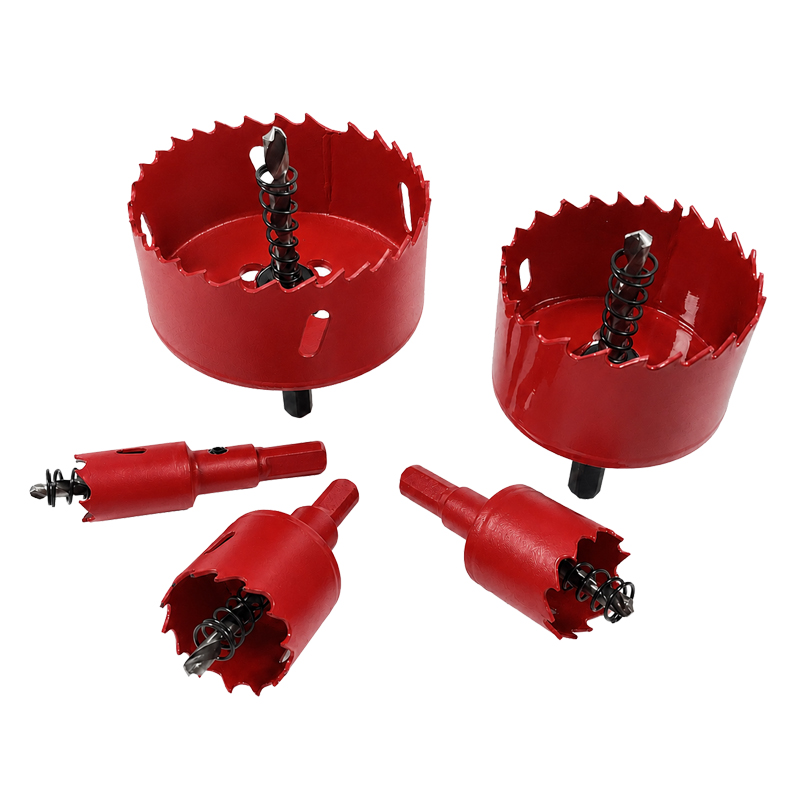
An integrated bi-metal hole saw is presented as a defined assembly rather than only a loose cutting cup awaiting a separately chosen arbor. The cataloged integrated family includes a 4/6 vari-pitch direction. Buyers must still confirm the actual shank, pilot arrangement, diameter, workpiece, machine and package because integrated products can have different interfaces and included components.
12Which arbors are available for bi-metal hole saws?
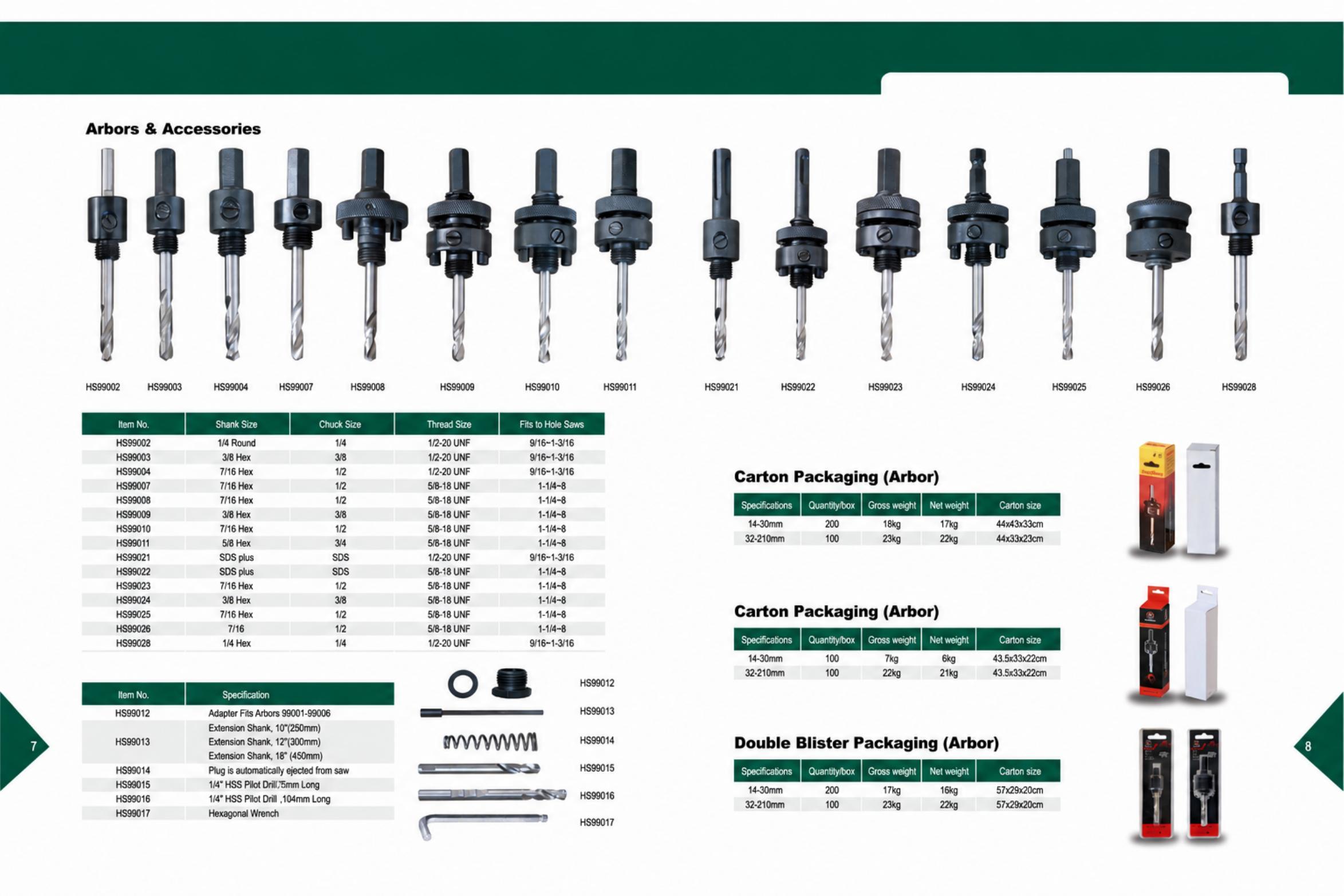
The approved accessory catalog shows multiple arbor, adapter and extension directions, including documented 1/2-20 UNF and 5/8-18 UNF references, plus pilot drills, an ejector spring and a hex wrench. Selection depends on cup diameter and thread, chuck or spindle, shank preference, machine and required reach. One arbor should not be advertised as universally compatible.
13What is included in a bi-metal hole saw kit?
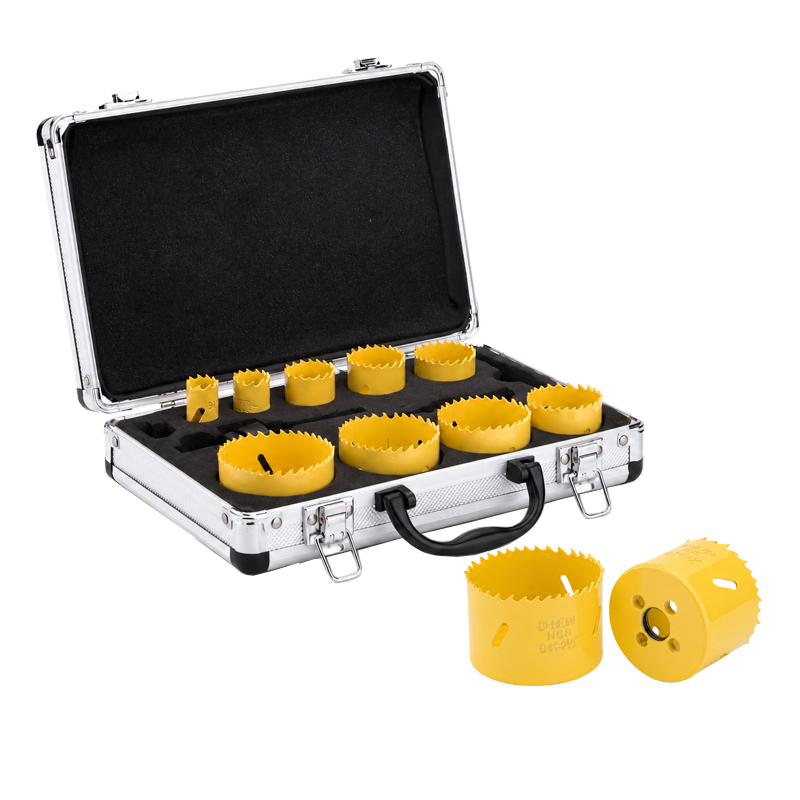
Contents vary by the exact kit code. The catalog shows 7PC, 9PC, 11PC, 13PC, 14PC and 16PC examples in several case formats, with different combinations of cups, arbors, adapters and pilot components. A quotation should list every diameter and accessory instead of relying on the piece count or an illustrative case photo.
14Can I order individual replacement cups instead of a kit?
Yes. The catalog includes individual bi-metal hole saw rows as well as kits. Replacement purchasing is useful when a distributor needs to replenish fast-moving diameters while retaining existing compatible arbors. Provide the current series, diameter, thread or arbor reference, cutting depth and machine information so the replacement is checked against the existing system.
15What information should I provide for a bi-metal hole saw quotation?
Provide workpiece material, thickness, required diameter range, cutting depth, M3 or M42 preference if applicable, individual or kit format, machine and chuck, arbor or shank requirement, pilot drill, quantity, destination country and OEM packaging scope. For kits, include every cup size, arbor, adapter and desired case position. A current sample or drawing can support compatibility review.
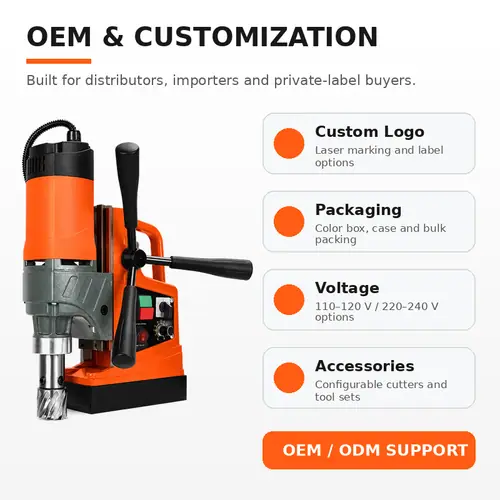
16Can AXIMET make a private-label bi-metal hole saw range?
AXIMET supports confirmed OEM directions including logo or product marking, size and series labels, barcode, selected color direction, individual carton or blister packaging, plastic or aluminum cases where applicable, soft cases, kit composition and outer-carton coordination. Available options, quantity, timing and cost are confirmed according to the selected product rows and customization requirements.
17How should an importer structure a bi-metal hole saw assortment?
Begin with the customer’s materials and opening sizes, then create separate M3 or M42 product groups if the market requires both. Define core replacement diameters, extension sizes, integrated options, kit tiers and compatible arbors. Keep technical data, labels, case contents and packaging revisions connected to each SKU so sales explanations and replenishment remain consistent.
18How should images for bi-metal hole saws be selected and named?
Images must be matched by the verified product entity, visible construction, source context, synonyms and market terms—not by the old filename alone. Each website filename uses one accurate primary name such as bi-metal-hole-saw, then adds a truthful material, format or application. Other synonyms belong naturally in ALT text and page copy, not stuffed into filenames.