
Use the comparison as a controlled buying record. It should identify the application, the exact tool variants, the evidence reviewed and every field still requiring supplier confirmation.
Define What the Quoted Cabinet Saw Must Include
Begin with the cutting program and required configuration, not a target price. State the normal stock range, table and fence needs, blade and guarding interface, extraction connection, electrical destination and documentation. Ask each supplier to identify the exact base machine and every included component. A low quotation may exclude extensions, outfeed support, blade, extraction adaptors, electrical items or packaging features that another offer includes.
Create separate lines for required, optional and site-supplied items. This prevents accessories shown in photographs from being assumed part of the purchase. It also shows whether two offers describe the same operational result. If a field is unknown, keep it open rather than inserting an estimated specification. The first value decision is whether the quoted machine can perform the work as delivered and commissioned.
Create a scope boundary drawing or checklist showing what arrives with the machine and what the buyer must provide. Include work supports, extraction connection, electrical preparation, handling equipment and commissioning labor where relevant. Assign an owner to every open item. This turns hidden assumptions into visible responsibilities and reduces the chance that a low base price produces an incomplete installation at receiving.
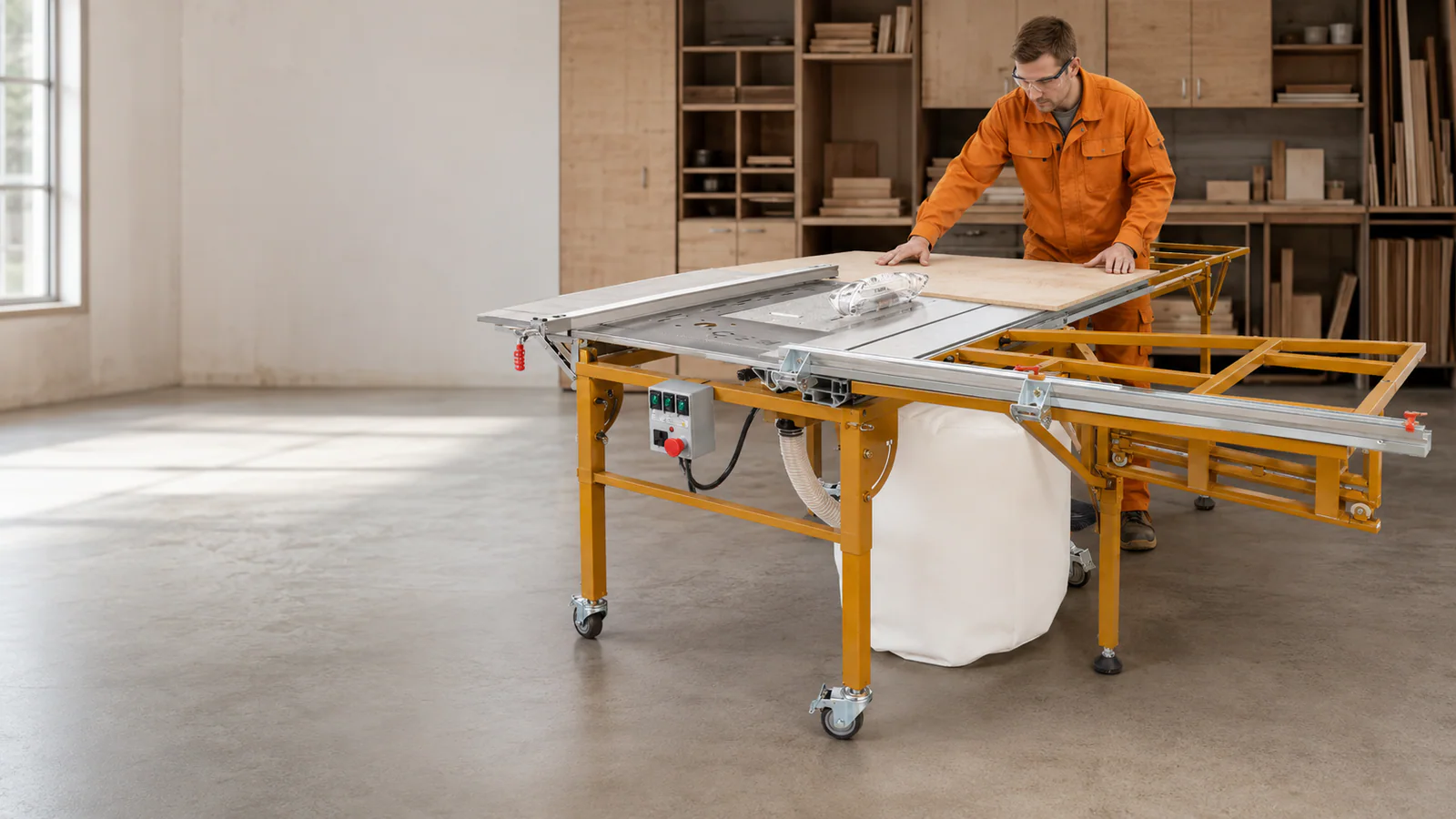
Normalize Table, Fence and Cutting-System Scope
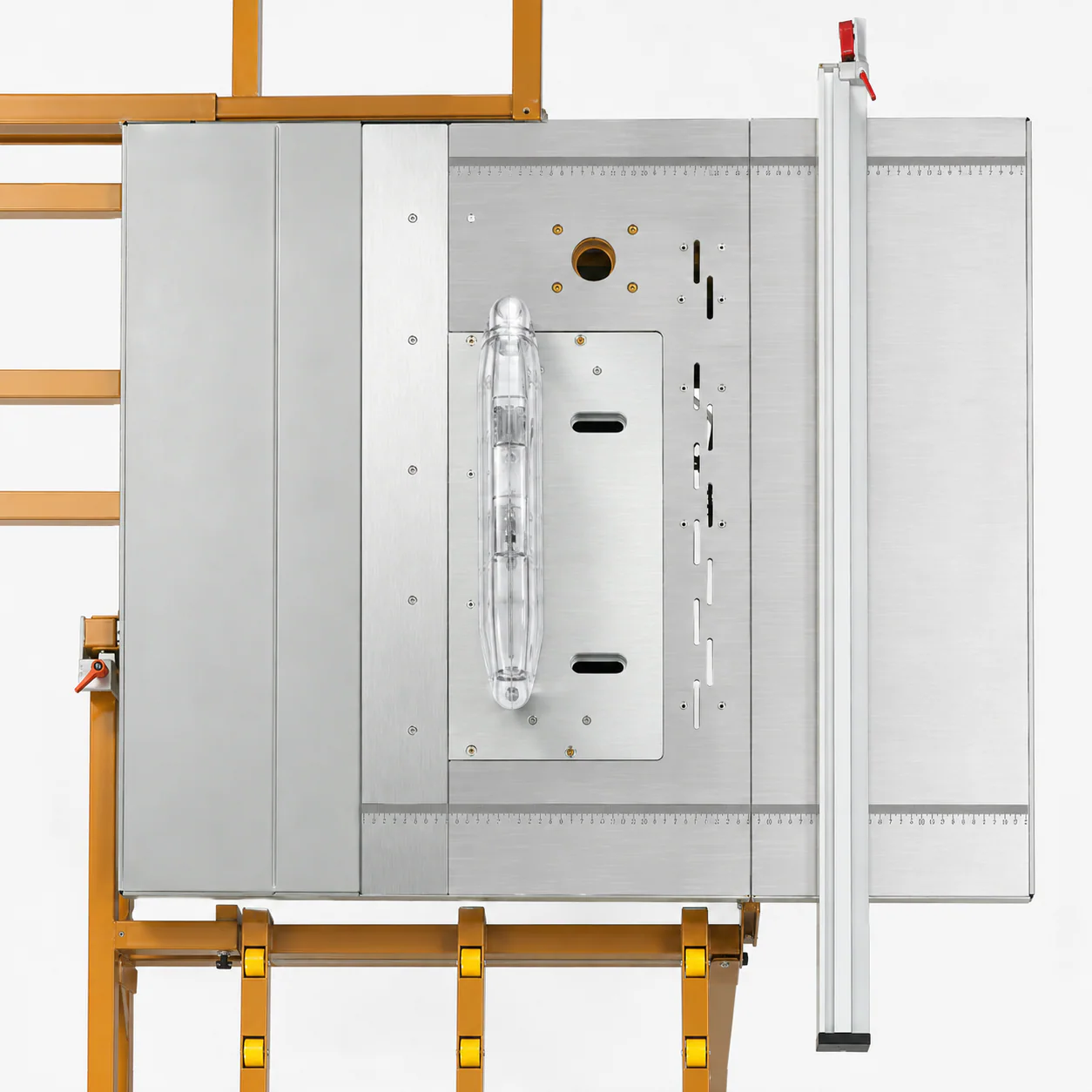
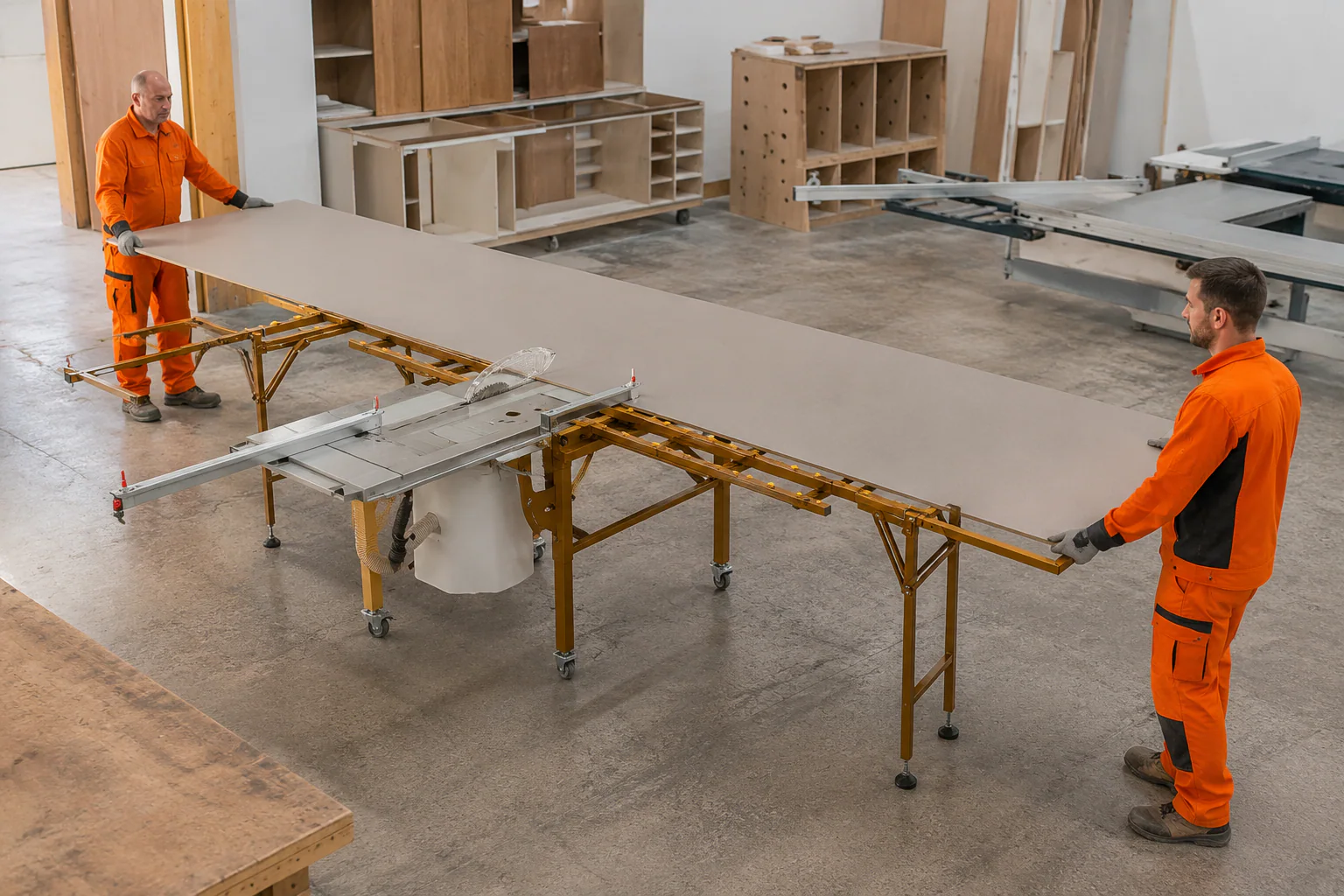
Table construction, extensions, rails, fence and support components can materially change both purchase scope and workshop usefulness. Record controlled dimensions and included quantities for the exact configuration. Do not compare a base cabinet with a machine supplied as a wider working system without adjusting the scope. The same rule applies to mobility bases, outfeed tables and material supports.
Blade, arbor components, throat inserts, riving knife or splitter and guard scope should be itemized. Ask whether the supplied blade is suitable for the planned work or only a general item. Optional scoring or specialty systems, where applicable, must be identified rather than implied. Value comes from a configuration that supports the normal cutting program without immediate unplanned purchases or unsupported modifications.
When table or fence options differ, price them against the required work envelope rather than automatically choosing the largest configuration. Unused capacity can add handling, space and freight burden, while insufficient support can create immediate retrofit needs. Record the normal and occasional stock cases, then identify which components satisfy them. Keep optional future expansion separate from the approved first-order scope.
Account for Electrical Version and Site Preparation
The machine's electrical version must match the destination and planned installation. Confirm voltage, frequency, phase where applicable and whether a plug, cable or fixed connection is part of the supply. Site protection, qualified connection work and local compliance responsibilities may sit outside the machine quotation. These costs should be recognized without inventing a standard installation amount.
Ask for the applicable manual and connection information before shipment so the buyer can plan the site. An apparently lower-priced electrical variant has little value if it cannot be commissioned in the destination workshop or if the required work was omitted from the comparison. Importers should control electrical versions as separate SKUs and prevent substitutions based solely on available inventory.
Site preparation should be scheduled alongside procurement. Confirm the destination electrical version, planned location, isolation arrangements and responsibility for qualified connection before shipment. If information is pending, record it as a gating item rather than estimating a cost. This protects both the buyer and supplier from treating an incompatible or uncommissioned machine as a price-value failure.
Separate Packaging and Logistics From Machine Value
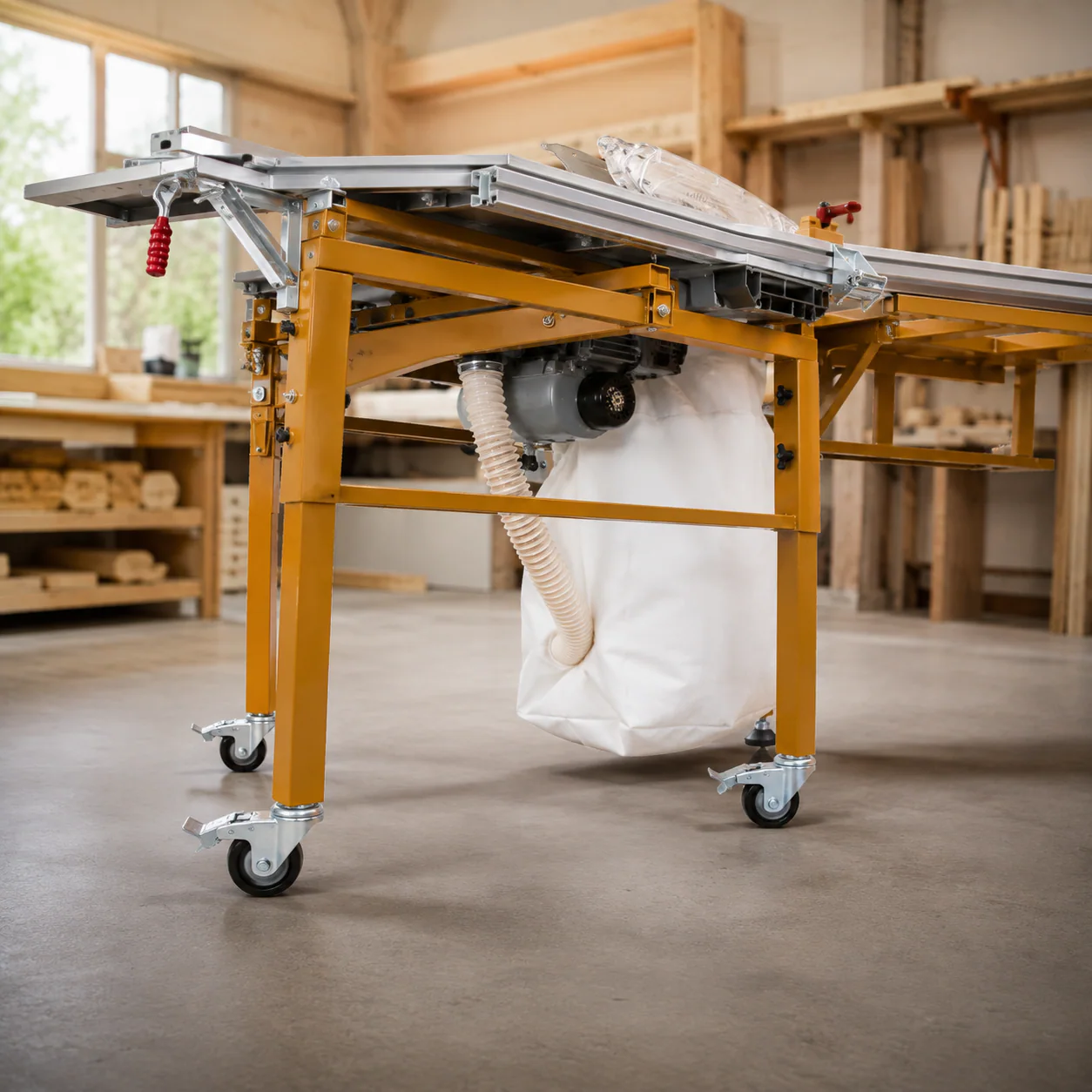
Packaging protects tables, rails, fence components, guards and alignment-sensitive assemblies during handling. Request a description of the approved package, component separation and receiving checks. Packaging cost should not be evaluated only as waste; inadequate protection can create concealed damage, missing parts and commissioning delay. At the same time, no unsupported claim should be made about surviving a particular transport condition without evidence.
Keep machine price, packaging, freight basis, insurance where applicable, destination charges and local handling as separate commercial fields. A supplier's quoted total may cover a different delivery point or responsibility than another offer. Normalize these terms before calculating landed cost. At receiving, verify identity, package condition, included items and visible damage before assembly, and retain records for any claim process.
Logistics review should include package dimensions and mass only when supplied by controlled documentation for the exact configuration. Use those facts to plan handling and receiving, but avoid promising a freight total that depends on route and commercial terms. At delivery, compare package identity and included-item records with the order before discarding protection or moving loose components into workshop inventory.
| Requirement | Tool A | Tool B |
|---|---|---|
| Application | Confirm | Confirm |
| Machine/interface | Record | Record |
| Dimensions/depth | Approve | Approve |
| Sample/revision | Trace | Trace |
Include Commissioning, Training and Documentation
Cabinet saws may require unloading, assembly, leveling, rail and fence installation, electrical connection, alignment verification, guard setup and extraction connection before production. Define who performs each task and what evidence closes it. A machine price without commissioning scope can hide significant internal work even when no supplier service fee is listed.
Documentation affects value because operators and service personnel need correct instructions, parts identification and safety information. Confirm the supplied language and revision and whether distributor training materials correspond to the exact configuration. Avoid turning training into a vague promise; specify the deliverable, format and responsibility. A commissioning checklist and approved sample cut provide a stronger acceptance basis than arrival alone.
Training value can be assessed through defined outcomes: operators can identify controls and guards, follow the approved setup sequence, perform permitted adjustments and recognize conditions that require escalation. Specify who delivers the information and in what language or format. Attendance alone does not prove competence, while an undefined training promise cannot fairly distinguish two quotations.
Evaluate Service Items, Downtime and Replenishment
Identify routine wear and service items that can affect readiness: blades, inserts, guards, belts or drive items where applicable, switches, extraction adaptors and other model-specific components. The exact list must come from controlled product information. Ask how parts are referenced and ordered and which items are included with the first shipment. Do not claim a fixed service life without evidence from the stated conditions.
Value includes the buyer's ability to restore the machine after normal wear or a documented fault. Review access for adjustment and cleaning, parts diagrams, troubleshooting boundaries and escalation routes. For distributors, establish SKU mapping and replenishment records before selling a broad range. A higher initial quotation may or may not provide better lifetime value; the conclusion depends on the actual service scope and expected downtime, not a generic durability statement.
Estimate downtime exposure through scenarios rather than fabricated currency figures. Consider blade and normal wear-item replenishment, access for cleaning and adjustment, documentation quality, parts identification and supplier escalation. Record which interruption types are likely in the buyer's workflow and what evidence supports the response plan. This provides a defensible value comparison without claiming a universal lifetime cost.
Build a Landed-Value Comparison and Approval Record
Combine technical scope and commercial responsibility in one matrix. Include base machine, extensions and fence, blade and guards, extraction parts, electrical version, packaging, delivery basis, documentation, commissioning responsibility, initial service items and optional accessories. Keep taxes, duties, freight and local work in their correct categories rather than mixing them into a misleading unit-price comparison.
Approve the selected configuration through document review and a representative sample where practical. Retain the model, revision, included-item list, packaging identity and acceptance result for receiving and repeat orders. If an OEM version changes appearance or labeling, do not allow that work to alter the technical baseline without review. This record turns price into a transparent landed-value decision without publishing unsupported market prices or claiming one cabinet saw is always the cheapest to own.
The approval record should preserve both selected and rejected scope differences. When a later buyer asks why one quotation appeared lower, the matrix can show omitted options, delivery responsibilities or unresolved fields. For repeat orders, compare the proposed revision with this baseline before accepting substitutions. Price remains meaningful only while the underlying configuration, evidence and commercial boundary remain visible.
What Should Buyers Check Before Choosing a Cabinet Table Saw?·View available products·Contact AXIMET
Frequently Asked Questions
Why do cabinet table saw prices vary?
Quotations can cover different tables, fences, blades, guards, electrical versions, extraction parts, packaging, delivery responsibilities, documentation and service scope. Normalize these fields before comparing totals.
Should buyers compare only the base machine price?
No. Compare the complete configuration required to install and operate the saw, plus clearly separated logistics and local commissioning responsibilities.
How do table extensions and fences affect value?
They determine usable work support and may be included, optional or absent. Record their controlled scope and confirm that it matches the normal stock range.
Which electrical costs should be considered?
Confirm the machine version and identify supplier-supplied connection items, destination-site preparation and qualified electrical work. Do not assume these responsibilities are included.
Why should packaging be part of the comparison?
Packaging protects alignment-sensitive and exposed components and affects freight volume and receiving work. Compare the approved package and delivery basis separately from machine capability.
How should lifetime value be evaluated?
Review normal service items, parts identification, maintenance access, documentation and expected downtime under the buyer's real operating conditions. Avoid universal service-life claims.
What record is needed for repeat orders?
Retain the exact model and revision, configuration and included-item matrix, electrical version, packaging identity, sample approval and written substitution-control process.
Conclusion
Cabinet table saw value is the cost of receiving, commissioning and supporting the correct working configuration—not the smallest number on an unmatched quotation. Normalize the table, fence, cutting system, electrical version, packaging, logistics and service scope, then approve one traceable baseline. This approach lets buyers compare landed value without inventing prices, operating costs or service-life promises.