
Use the comparison as a controlled buying record. It should identify the application, the exact tool variants, the evidence reviewed and every field still requiring supplier confirmation.
Where a Contractor Table Saw Fits in a Woodworking Shop
A contractor table saw commonly serves as a primary ripping station and a preparation tool for dimensioned parts. In a small shop it may share floor space with a planer, jointer, router table or assembly bench, so material flow matters as much as machine footprint. Place it where long stock can approach the blade without striking walls or stored work. The outfeed route should deliver parts to a stable surface rather than forcing an operator to catch weight after the cut.
Solid wood introduces grain direction, bow, twist and internal stress. Plywood and MDF are more dimensionally uniform but can be wide, heavy and difficult to balance on a modest table. Other panel materials may impose manufacturer-specific blade, dust or handling requirements. Separate the recurring stock list by material, thickness range, normal width and length, then identify which pieces are realistically controlled on the saw. Large sheets may need a panel-breaking step before table-saw processing.
Workshop limitations should be explicit. A contractor saw does not replace a dedicated crosscut station, panel saw or sliding table when those processes dominate. It can, however, support mixed work when the blade, references and auxiliary tables are changed deliberately. Record the setup for each recurring operation so a useful rip arrangement is not assumed to be equally suitable for narrow crosscuts or joinery cuts.
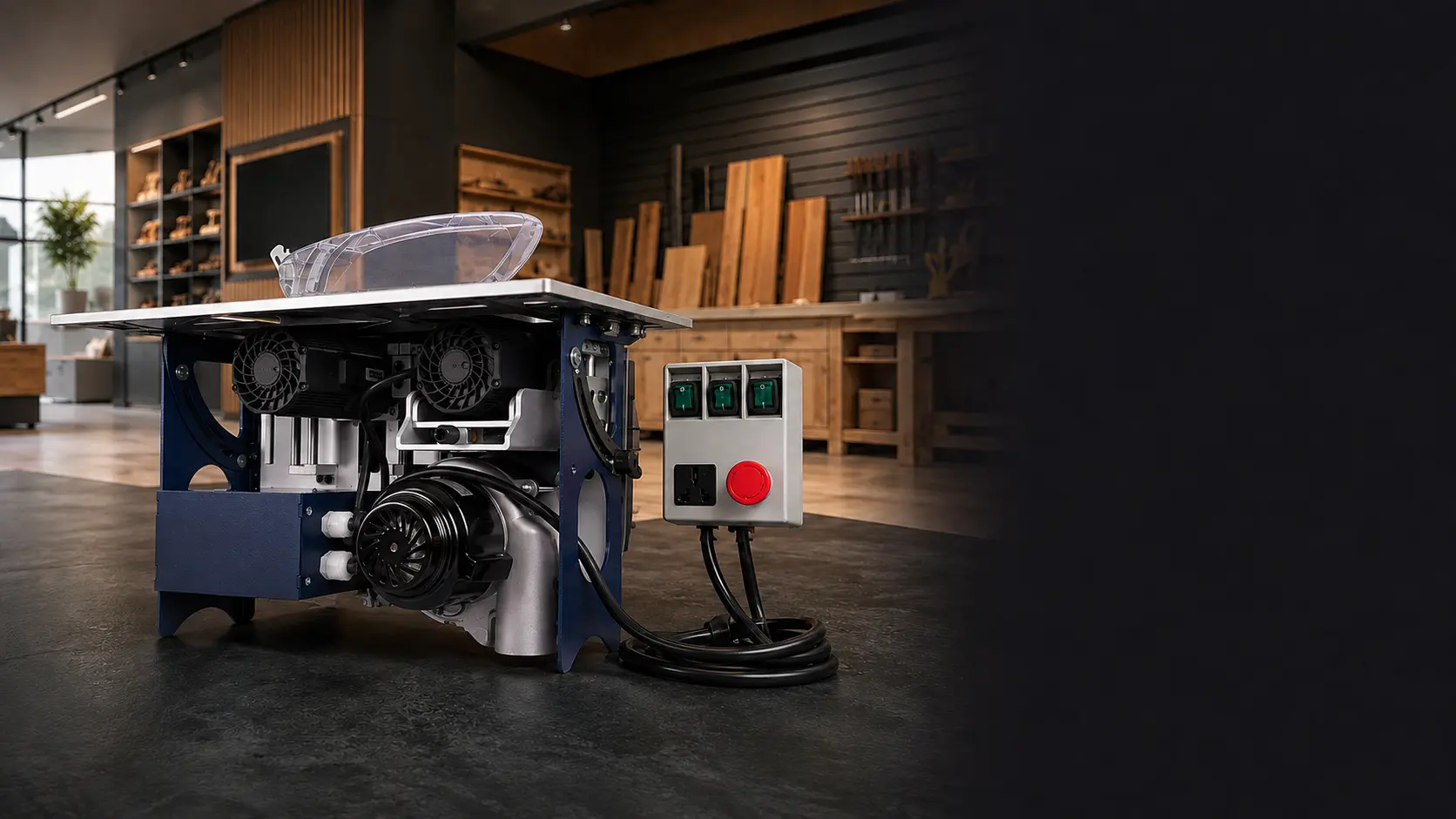
Match the Blade and Setup to the Material
Blade selection begins with the saw manufacturer's approved diameter and arbor interface. Within that boundary, tooth form and tooth count are chosen for material and cut direction. A ripping blade for solid timber emphasizes chip clearance along the grain; a higher-tooth crosscut or panel blade may favor a cleaner edge across grain or on sheet goods. These are selection principles, not universal prescriptions. Feed rate, stock quality and the exact blade design still affect the result.
Plywood veneers can chip if the blade is unsuitable, dull or set at an unhelpful height. MDF produces fine dust and can accelerate wear, making extraction and inspection important. Resinous wood may leave deposits that change cutting behavior. Keep a blade record that identifies the blade used for a sample, its condition and the material. Without that record, two cuts made weeks apart cannot support a meaningful repeatability judgment.
The throat insert, riving knife and blade guard must match the approved setup. A dado stack or other joinery cutter should never be assumed compatible merely because it fits an arbor dimension; confirm the saw's instructions, maximum permitted tooling and required insert. After any blade or insert change, rotate and inspect the system while isolated, verify clearances according to the manual, and restore protective components required for the intended operation.

Set Up the Fence, Miter Gauge and Workpiece Support
The rip fence controls a workpiece moving parallel to the blade. Check its reference face, locking action and alignment through the range used in the shop. A fence that shifts when locked or changes relationship across its travel undermines repeat work. Avoid trapping stock between the fence and another fixed stop during a crosscut. The miter gauge follows a table slot and serves a different purpose; its bar fit, face and angle reference should be checked independently.
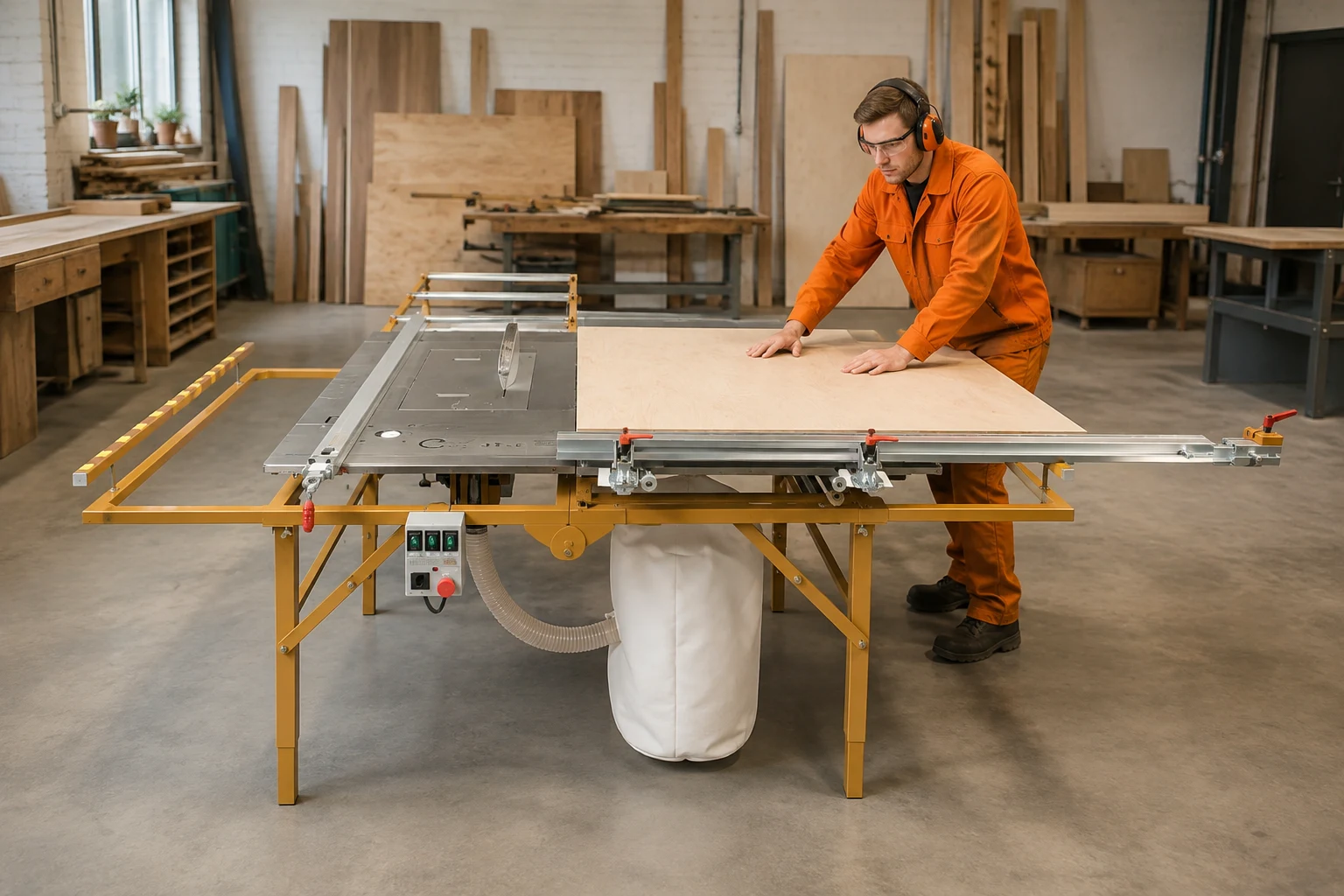
Long boards need infeed and outfeed support at a height that does not steer them into or away from the blade. Wide panels may also need lateral support before their center of gravity reaches the table. Rollers, extension tables and work benches must be stable and placed so they assist rather than redirect the work. Label which supports are part of the normal cell and which are temporary, because moving one can change an otherwise validated cut.
The operator needs room for stance, push-stick use and a path clear of the blade line. Plan where the offcut will travel and who, if anyone, assists with long stock. A helper should support weight without pulling or twisting the workpiece. Before production, pass the unpowered stock through the intended route to identify collisions, loss of support or awkward reach that may not be visible in a machine-only drawing.
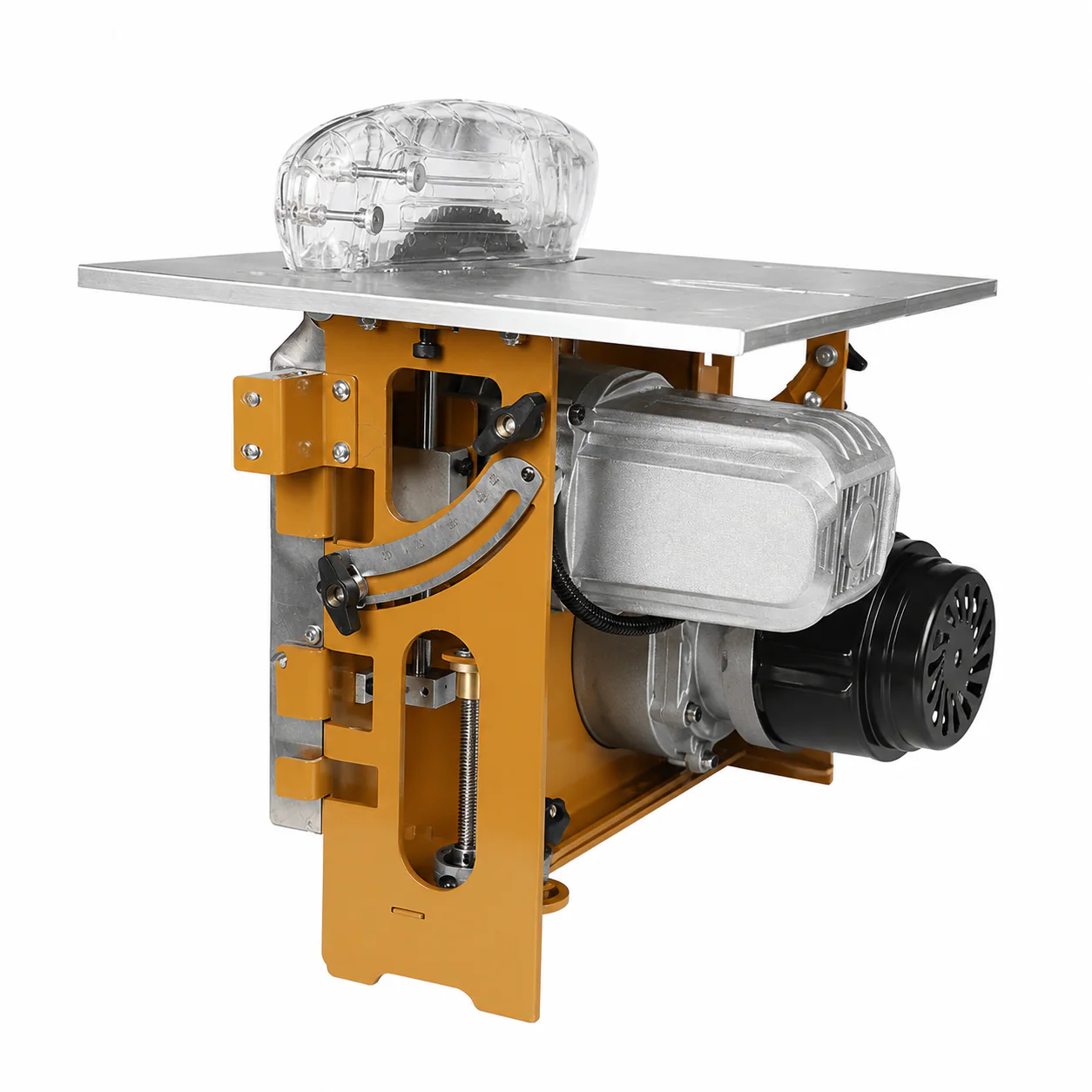
Plan Rip Cuts, Crosscuts, Dados and Joinery
For a rip cut, reference a suitable edge against the fence and consider whether bowed or twisted stock can remain controlled. Rough lumber often needs jointing or another reference-making process before precision ripping. Set a finish allowance based on the next step rather than forcing one saw cut to deliver a final dimension it cannot consistently support. Narrow ripping requires an approved push device and a setup that keeps hands away from the cutting path.
Crosscuts use the miter gauge, a suitable sled or another approved guiding method rather than the rip fence as a parallel guide. The workpiece needs support on both sides of the cut without being trapped. Repeated length work may use a properly arranged stop that releases the stock before it reaches the blade, depending on the fixture and instructions. Test square and angled settings with representative pieces, then label the setup so operators do not confuse angle-scale indication with verified cut geometry.
Dados, grooves and joinery cuts require a separate method statement. Confirm permitted tooling, width, depth, insert and guarding arrangement for the exact saw. Use test pieces from the same material to fit mating parts, because nominal cutter width does not guarantee the final joint after blade condition and material response are considered. Where protective devices must change for a permitted non-through cut, follow the manufacturer's procedure and restore the normal configuration immediately afterward.
| Requirement | Tool A | Tool B |
|---|---|---|
| Application | Confirm | Confirm |
| Machine/interface | Record | Record |
| Dimensions/depth | Approve | Approve |
| Sample/revision | Trace | Trace |
Improve Accuracy Through Alignment and Calibration
Start with a stable, level installation and a clean table. Inspect the blade or a suitable reference against the miter slot using the method specified for the machine; then check the fence relative to the same working reference. A scale pointer can indicate position only after the mechanical relationship is correct. Calibration should not become an improvised adjustment sequence: use the manual, appropriate measuring tools and isolated-machine procedures.
Repeatability is tested by returning to settings, not by measuring one favorable piece. Select a normal material and dimension, make several adjustments away from and back to the target, and record results with the same measuring method. Note whether variation follows fence locking, stock pressure, support, blade condition or operator technique. This diagnosis is more actionable than claiming the saw is accurate to a value unsupported by controlled evidence.
Wood movement and process allowances also affect perceived accuracy. A board can change after cutting, and sheet edges may not be factory-square. Reference preparation, material conditioning and downstream sanding or planing must be part of the evaluation. Schedule periodic checks after blade changes, transport, impact or maintenance, and keep the frequency appropriate to use and the manufacturer's instructions rather than copying a generic calendar.
Control Dust, Kickback and Workshop Safety
Kickback risk increases when stock closes on the blade, twists against the fence, loses support or contacts the rising rear teeth. Use the approved riving knife or splitter, blade guard and anti-kickback features supplied for the setup. Stand out of the likely ejection line, maintain controlled feed and use push sticks or push blocks where appropriate. Do not process pieces too small or unstable to guide with the approved method.
Dust control combines capture, extraction and housekeeping. Connect compatible lower and upper collection points where provided, minimize obstructive hose routing and inspect buildup around the blade enclosure only after isolation. MDF and other fine-dust materials make respiratory and workshop controls especially important. The dust port does not replace suitable extraction, and extraction does not replace personal protective measures or cleaning procedures defined for the workplace.
Safety planning includes blade-change isolation, eye and hearing protection, loose-clothing control, adequate lighting and a clear floor. Operators should understand which cuts the current guard arrangement permits and which require another approved process. A production target is not a reason to remove support or protection. Record near misses, difficult stock and repeated setup errors so the woodworking program can be changed before those conditions become normal practice.
Specify a Contractor Saw for a Woodworking Program
Describe the program in woodworking terms: solid-wood species or groups, plywood, MDF and other panels; normal stock dimensions; rip, crosscut, dado, groove and joinery tasks; finish allowance; and expected frequency. Then request model-specific blade diameter, arbor, cutting depth, rip range, table and extension arrangement. Any joinery tooling requirement should be highlighted for written compatibility review rather than hidden inside a general table-saw inquiry.
List the working references and supports: fence, rails, miter gauge or approved sled interface, throat inserts, riving knife, blade guard, push devices, infeed and outfeed equipment. Add extraction connections, destination power and available workshop space. Ask suppliers to separate included components from optional accessories and local equipment. This prevents a sample cut made with an upgraded blade or external table from being mistaken for the base package.
Define acceptance around representative material and downstream needs. A sample plan can check setting return, cut surface, squareness where relevant, handling and dust path without inventing a universal tolerance. Retain the blade identity, stock condition, measuring method and setup notes. The final specification should also request manuals, adjustment information and replacement references so the shop can maintain the woodworking process after installation.
Plan a contractor saw woodworking setup·View available products·Contact AXIMET
Frequently Asked Questions
Which wood materials can be considered for a contractor table saw?
Solid wood, plywood, MDF and other approved panel products may be considered when the exact saw, blade and extraction system support them. Solid timber requires attention to grain, bow and reference-edge preparation. Sheet goods require adequate area and balance. Confirm manufacturer limitations and use representative samples; do not infer material suitability from blade diameter or motor rating alone.
Can the same setup be used for rip cuts and crosscuts?
The blade may serve both operations if appropriate, but the guiding method changes. Rip cuts normally reference the fence parallel to the blade. Crosscuts use a miter gauge, suitable sled or another approved crosscut guide. Stock support and offcut behavior also differ. Never use a fixed arrangement that traps a crosscut piece between the fence and blade path.
What must be checked before cutting a dado or groove?
Confirm that the exact saw permits the intended cutter or blade arrangement, including diameter, arbor, width, insert and guarding requirements. Prepare a test piece to establish fit and depth. Non-through cuts may require a different protective setup under the manufacturer's instructions; restore normal guards afterward. If compatibility is absent from controlled documentation, ask the supplier rather than experimenting.
How should a rip fence be calibrated?
Use the machine manual and a consistent reference, commonly the miter slot or another manufacturer-defined datum. Inspect the fence face and rail, set the mechanical relationship, lock and recheck at several positions. Calibrate the scale pointer only after alignment. A production check should include returning to a setting and cutting multiple representative pieces, because one measurement does not establish repeatability.
How is blade tooth count selected for woodworking?
Tooth count is considered together with tooth form, kerf, material and cut direction. Ripping solid wood usually needs chip clearance, while crosscut and panel work may use more teeth for edge quality. The saw's approved blade diameter, arbor and speed limitations remain controlling. Select from blade-manufacturer guidance and validate with the actual stock instead of treating one tooth count as universal.
When is outfeed support necessary?
Use outfeed support whenever the workpiece would lose stable control as it leaves the table. Long boards and large panels commonly need it, but the exact requirement depends on center of gravity, cut line and operator position. The support surface should not steer stock or interfere with offcuts. Include it in layout and sample checks rather than adding an improvised stand during production.
Which safety controls matter most in contractor-saw woodworking?
Use the approved blade guard, riving knife or splitter, push devices and stable stock support for the operation. Maintain alignment, a clear feed path and effective dust control, and isolate power before blade or internal cleaning work. Operators should stay outside the likely kickback line and reject unstable cuts. Workplace rules and the exact machine manual take priority over general web guidance.
Conclusion
A contractor table saw becomes a useful woodworking station when material preparation, blade choice, fence and miter references, support and calibration are treated as one process. Solid wood and sheet goods create different handling and finish demands, while rip, crosscut and joinery operations require different controls. Document the shop's real operations and protective setup first; the resulting specification will describe a workable station instead of a machine chosen from nominal capacity alone.