
A purchasing specification should tell the supplier what surface is being processed and which grinder will carry the wheel. A segment photograph is useful for identifying form, but it is not the whole application record.
Describe the Surface and Required Result
State whether the job is removal, levelling or finish work.
Include the substrate and any layer on its surface; the layer and substrate can require different selection checks.
Identify what is to be removed and what surface must remain.
Describe the acceptance target independently of removal rate.
Identify whether the job is levelling, local edge work or general surface preparation. These operations create different contact and finish requirements.
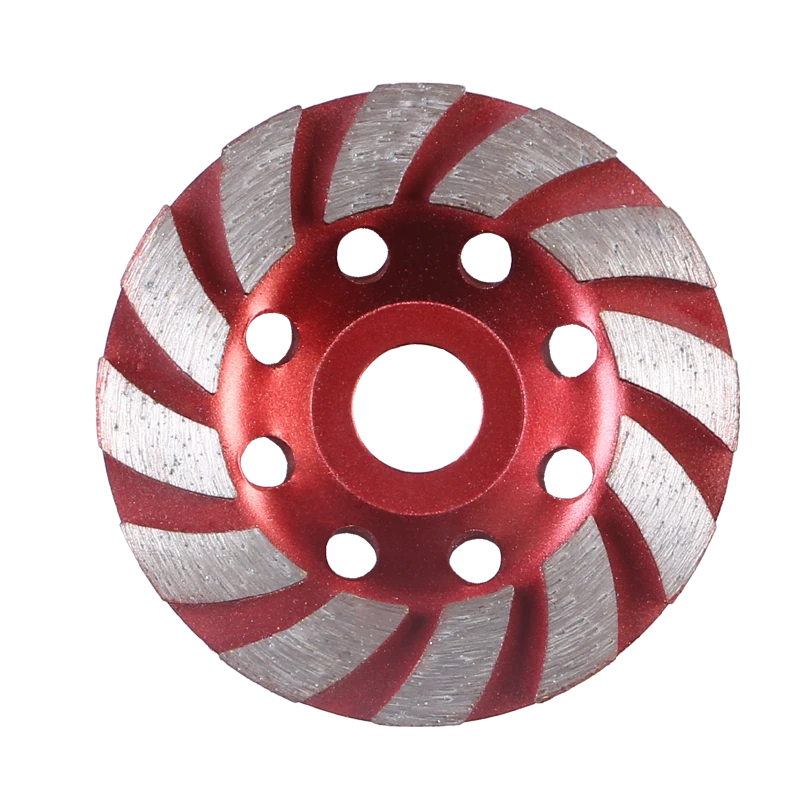
Compare the Pictured Segment Layouts
Use layout names to identify the geometry being discussed, then request the application details of the selected item.
The pictured layouts describe segment arrangement. They do not reveal bond formulation, diamond concentration or suitability for every stone.
Count segment rows and describe the visible layout when identifying a replacement. Obtain the item specification separately for bond and permitted substrate.
| Layout | Visible distinction | Further information needed |
|---|---|---|
| Single row | One segment row | Item application and operating marking |
| Double row | Two segment rows | Substrate and finish suitability |
| Arrow segments | Angled segment groups | Selected item specification |
| Turbo style | Perimeter arrangement | Mounting and operating instructions |
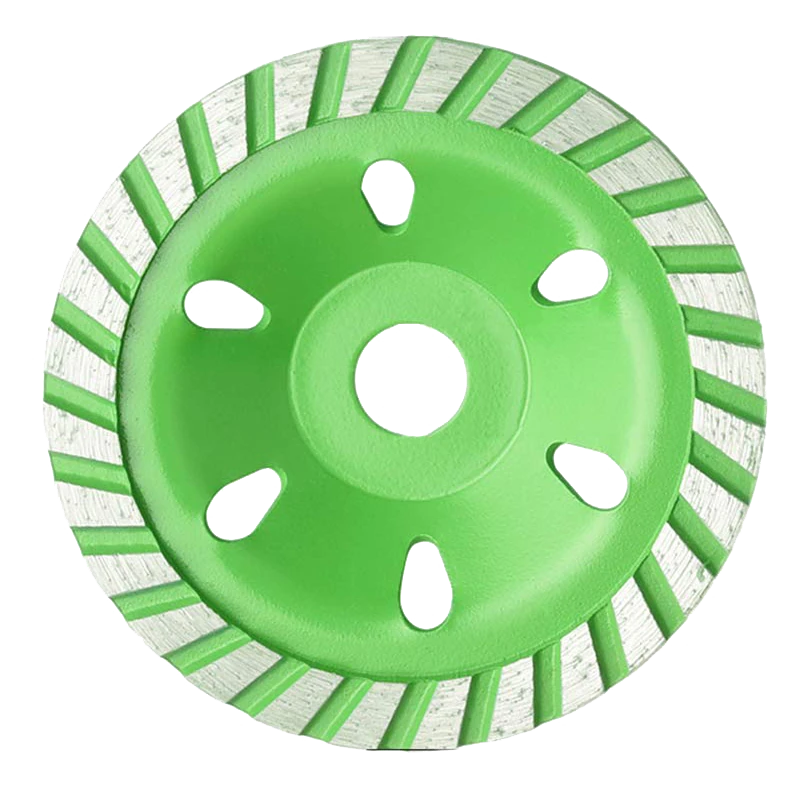
Confirm Grinder Compatibility
Diameter and mounting are only part of the fit check.
Guard clearance and the selected wheel’s speed limits must also match the machine.
State the bore or thread and the grinder reference.
Use the wheel marking and machine manual for dry/wet use and permitted speed.
Mounting dimensions and guard clearance belong to the complete grinder setup. Treat them separately from the segment pattern.
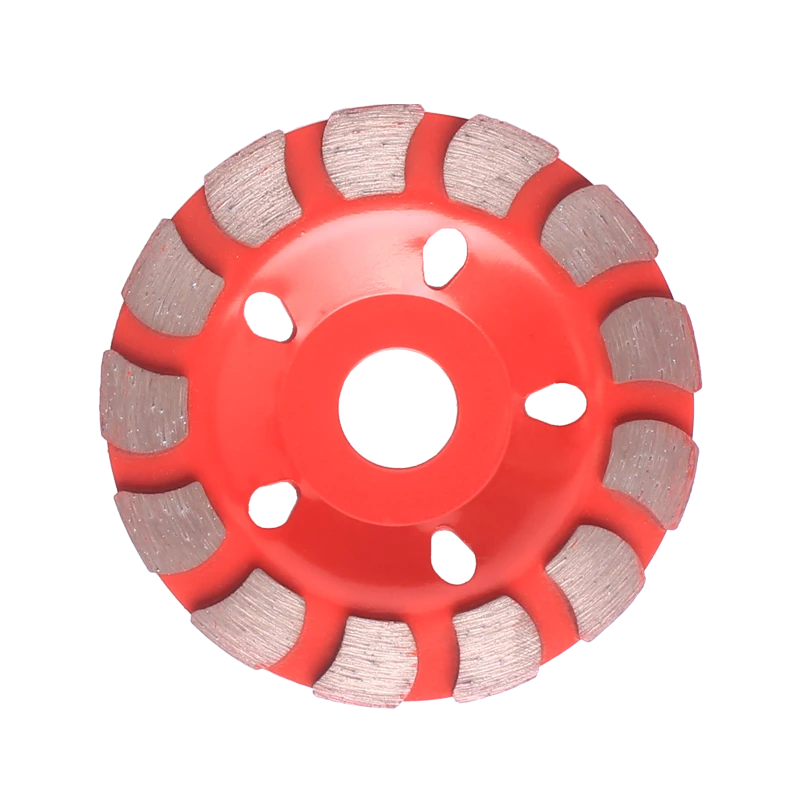
Use the Diamond Grinding Wheels collection to identify segment layouts after checking the grinder connection.
Assess a Sample on the Intended Surface
Keep the sample substrate and operating conditions consistent when comparing wheels.
Record the finish result and any unacceptable marks rather than turning an informal trial into a service-life claim.
Record the remaining surface condition as well as material removal. A wheel that removes the defect may still leave a finish unsuitable for the next process.
| Sample record | Purpose |
|---|---|
| Substrate and surface layer | Identify the actual job |
| Machine and wheel reference | Make the setup traceable |
| Permitted operating conditions | Keep the trial within instructions |
| Finish result | Compare with the required surface |
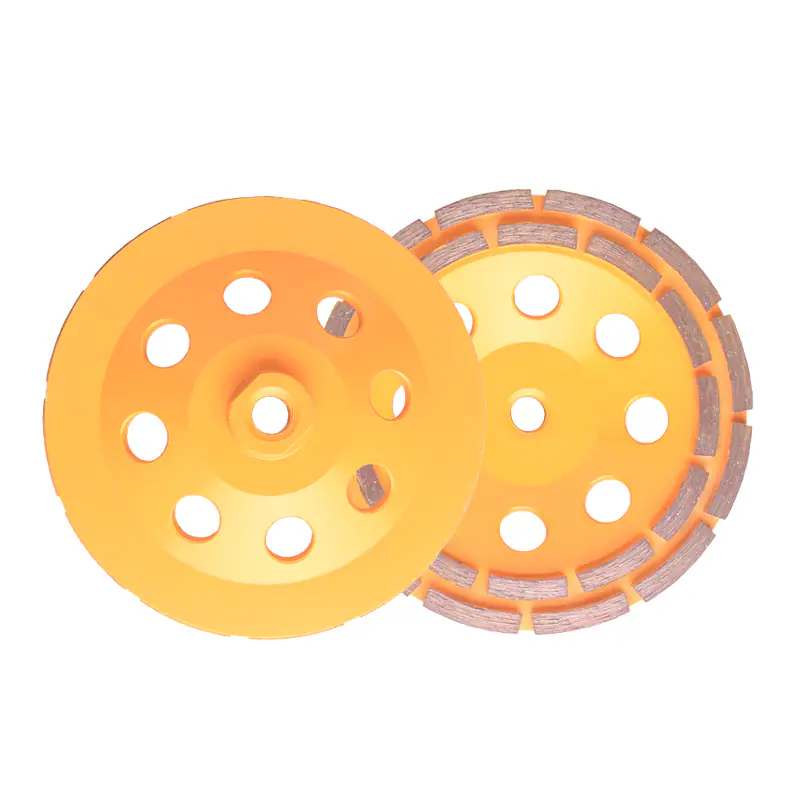
Avoid Selection by Shape Alone
More visible segments do not establish a universal advantage.
Do not infer bond, grit or compatibility from layout or colour.
Use a saw blade for a cutting kerf and a permitted grinding tool for surface work.
Obtain the mounting specification before ordering.
A catalogue outline is useful for identifying the form. Final application selection requires the instructions and specification of the exact item.
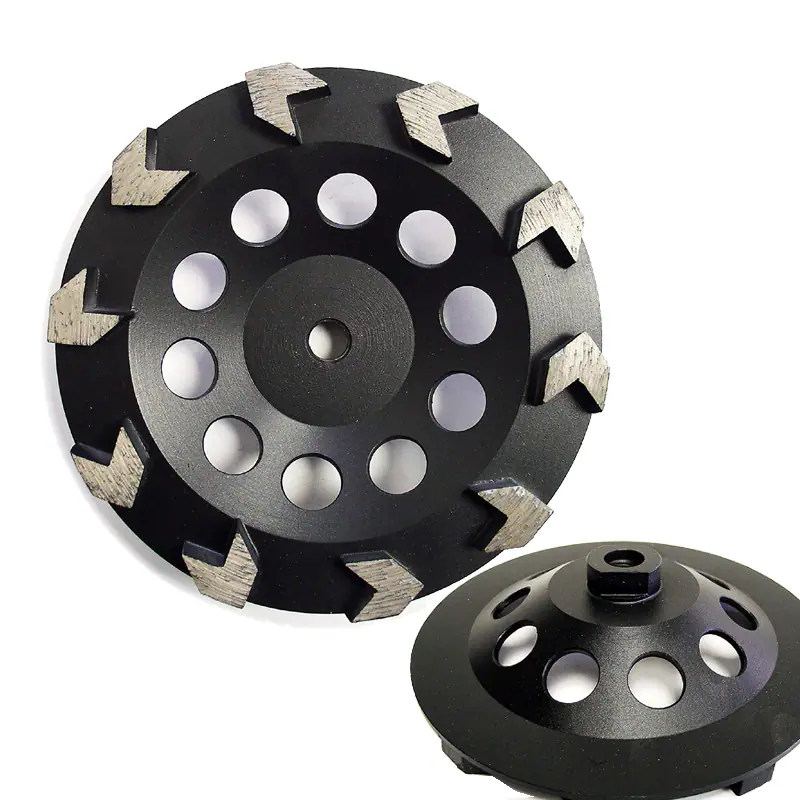
Compare the diamond cup-wheel range with substrate and grinder details included in the enquiry.
Frequently Asked Questions
Does double row always outperform single row?
No universal ranking follows from row count. Compare selected items on the intended substrate under their instructions.
Can layout identify bond or grit?
No. Request the selected item specification.
Can a cup wheel make a cutting kerf?
It should not be selected as a replacement for a cutting blade. Use the tool permitted for the operation.
What is needed to confirm mounting?
Wheel diameter, bore or thread, grinder model and guard clearance.
Can wet use be assumed?
No. Follow the wheel and machine instructions for the selected setup.
Conclusion
Select the application first, identify the pictured layout second and verify the machine fit before trial use. Keep the item instructions and finish requirement with the purchase specification.