
A grit range is useful only when each grade has a job. For wholesale purchasing, connect the grit reference to the material and required surface result instead of filling a catalogue with overlapping items.
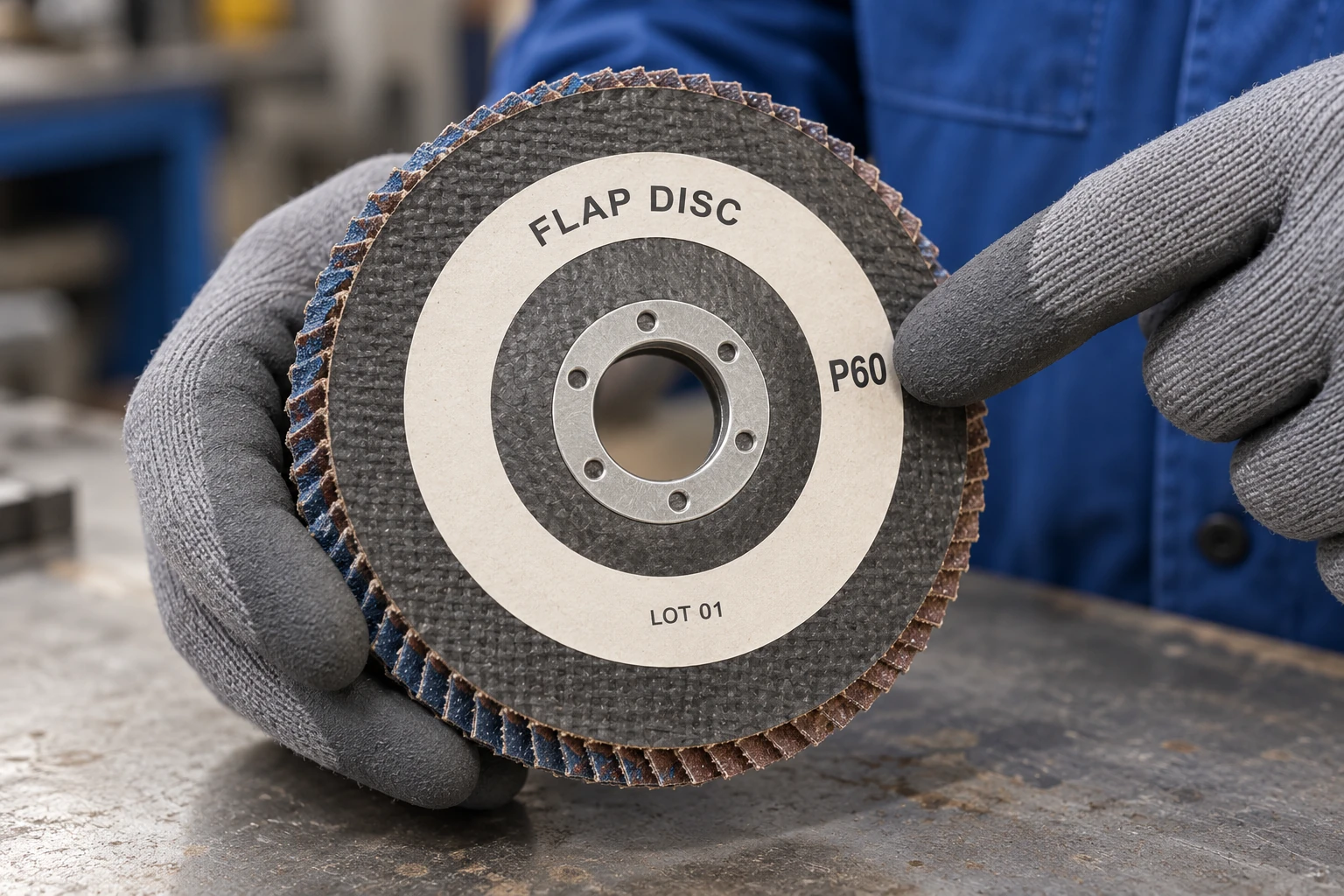
Read Grit from the Item Record
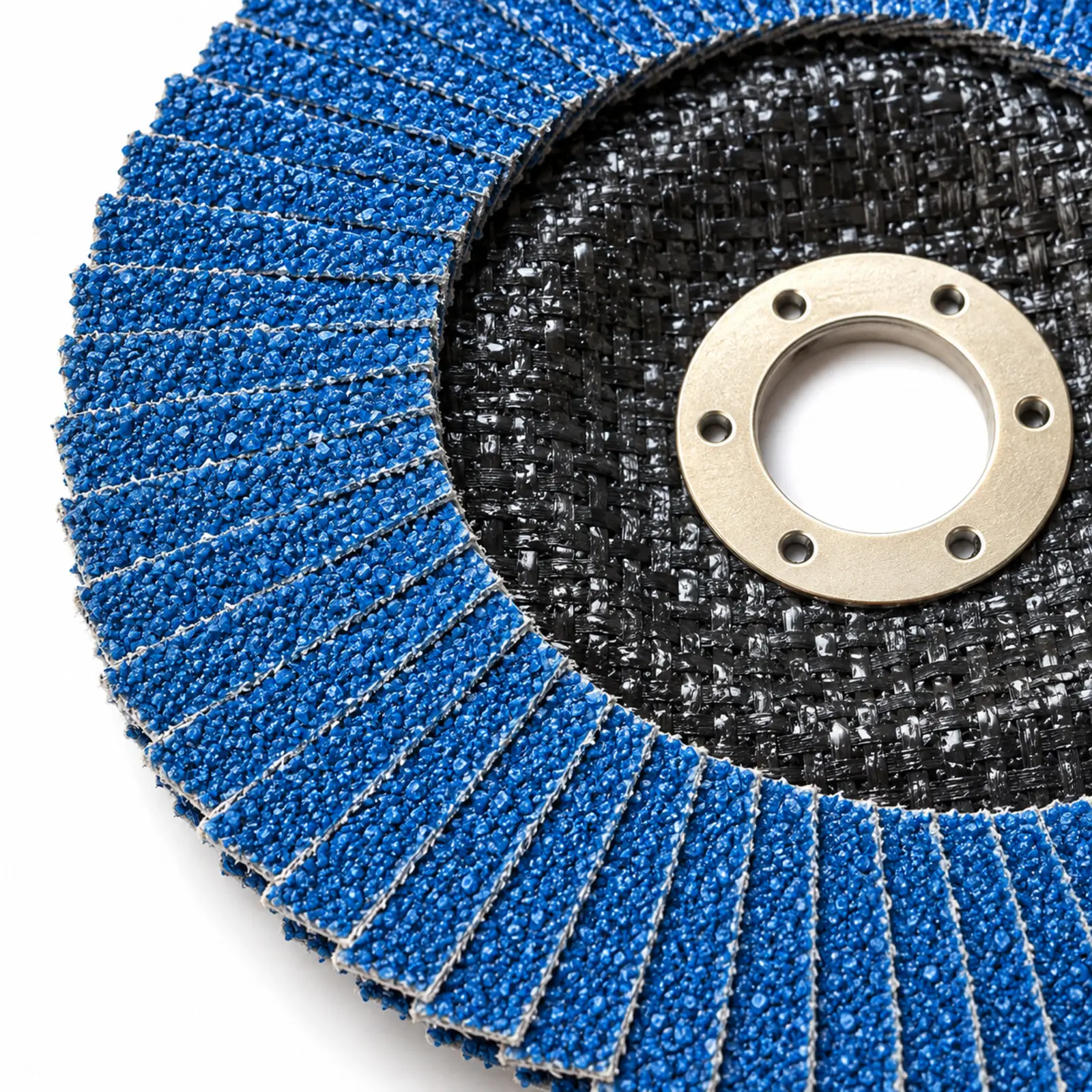
Abrasive colour and visible flap texture do not establish a grit designation.
Use the actual item label or specification when comparing grades.
Record the complete grit designation used by the supplier.
Keep abrasive type, grit, disc size and form distinct.
A grit designation identifies the abrasive specification, not the flap colour. Use item markings or the supplier record for a named grit.
Choose by the Stage of Work
Start with what must be removed and what finish must remain.
A sequence can be evaluated without inventing a universal grit-to-material chart.
Material removal and finishing are different stages. Specify the starting surface and the finish needed before deciding whether another grit is justified.
| Stage | Required information | Assessment |
|---|---|---|
| Initial removal | Defect and permitted stock removal | Removal without unacceptable damage |
| Blending | Transition into the surrounding surface | Consistent profile and marks |
| Finish work | Required surface acceptance | Appearance or measured criterion for the job |
| Repeat operation | Approved item and conditions | Consistent result |
Keep Workpiece and Grinder Conditions in the Record
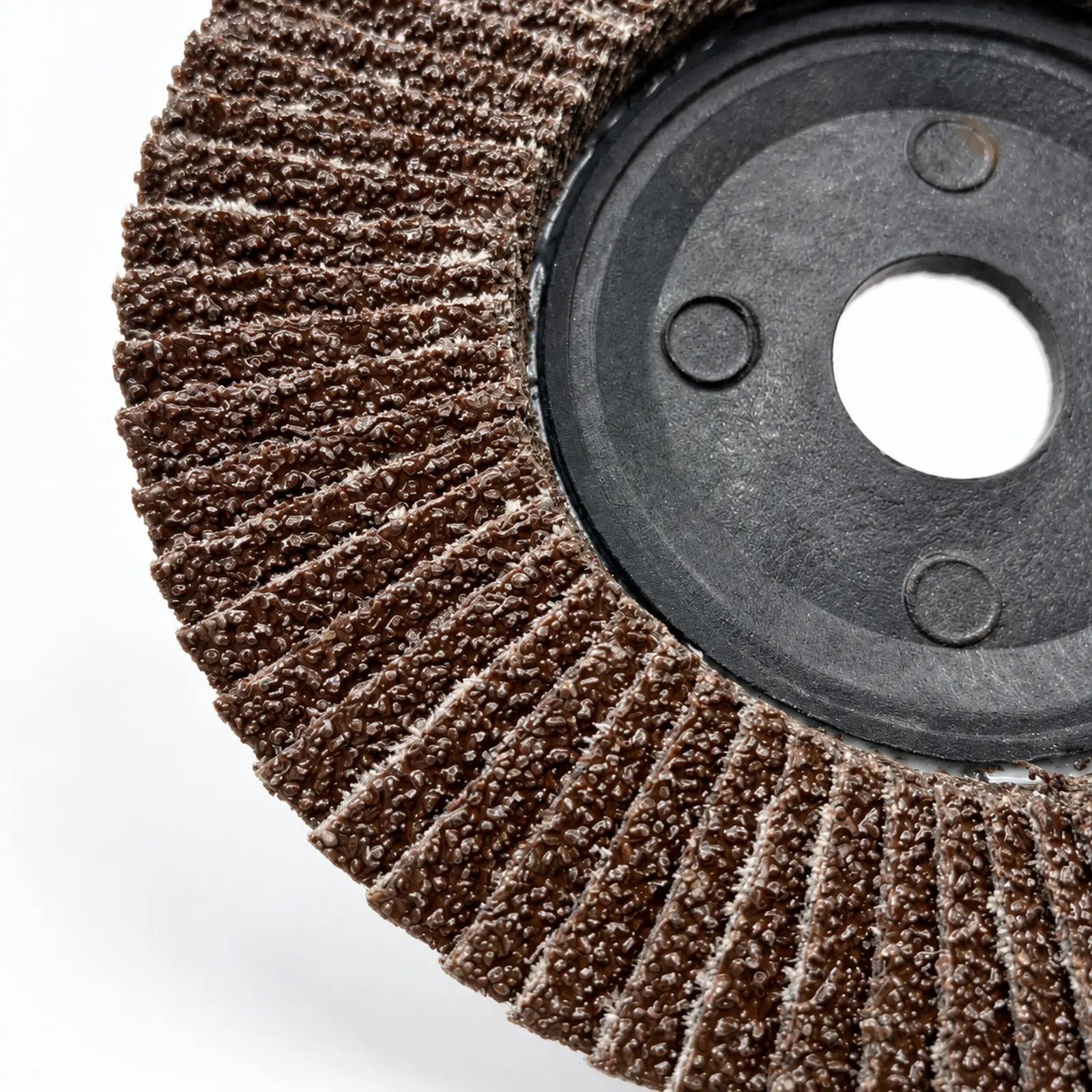
The same grit designation does not eliminate differences in abrasive, disc form or working conditions.
Compare selected items with the actual material and machine identified.
Name the workpiece and its surface condition.
Use the permitted disc size, mounting and speed.
The grinder setup and workpiece form affect contact. The purchasing record should identify both without prescribing a speed unsupported by the item instructions.

Use the Flap Discs collection for product-form identification; obtain grit identity from the selected item label.
Evaluate the Proposed Grit Sequence
Keep sample conditions consistent and judge the surface after each stage.
Record where a grade is used, rather than promising a fixed reduction in time or disc consumption.
Compare the resulting surface between stages. Adding more grits to a list does not by itself prove a useful finishing sequence.
| Trial field | Record |
|---|---|
| Workpiece | Material and starting surface |
| Disc | Item reference, grit, abrasive and form |
| Setup | Grinder and permitted conditions |
| Result | Removal and final-surface assessment |
Avoid Grit-Range Duplication
Do not list several grades with identical claimed uses and no acceptance target.
Separate removal, blending and finish stages in the customer specification.
Check whether remaining scratches meet the finish requirement before changing the sequence.
Use the actual grit and item reference instead.
Two order lines with the same item specification may be duplicates even when descriptions differ. Keep a separate line when there is a documented difference in grit, size or construction.
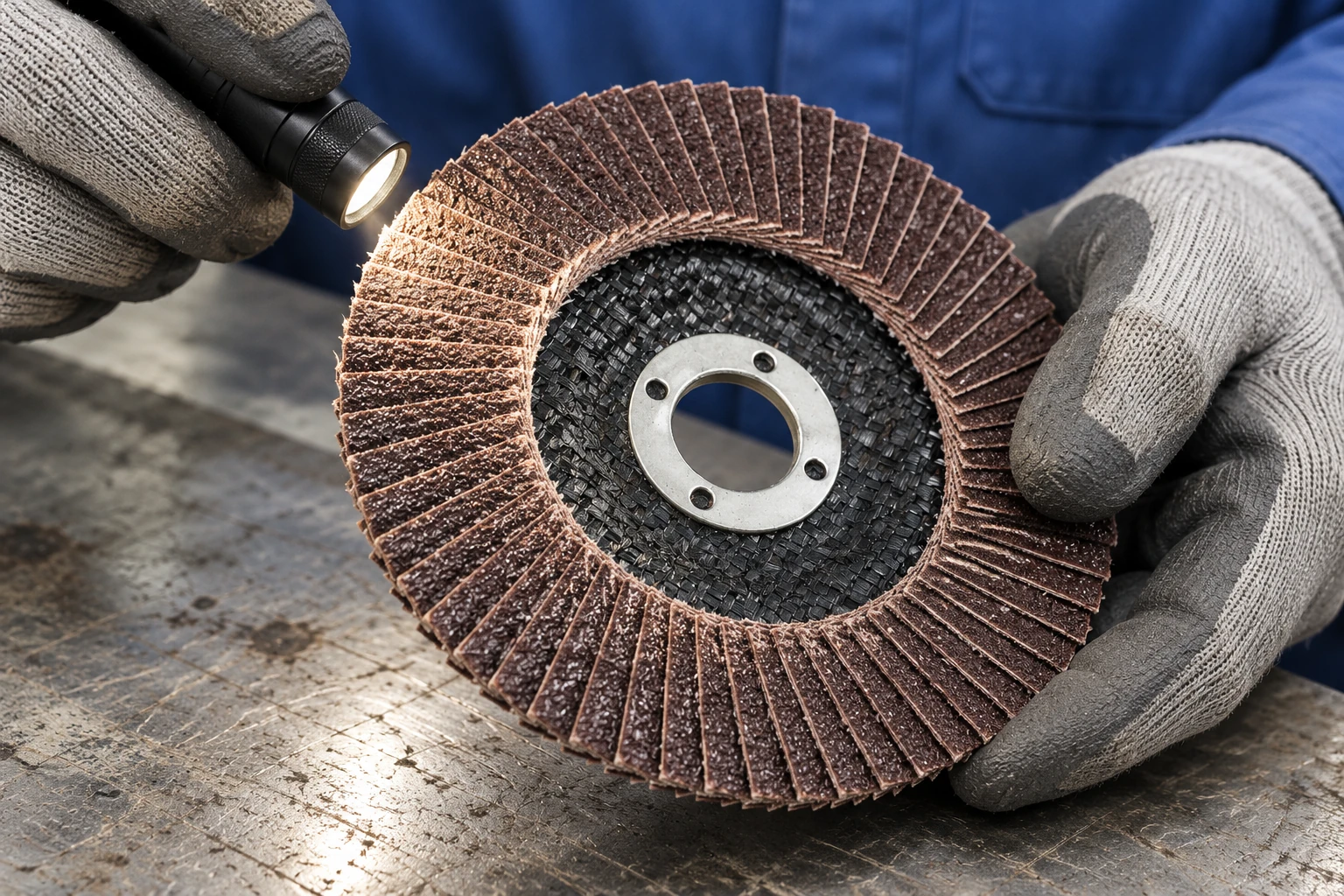
Prepare the surface requirements before comparing the flap disc range for a distributor order.
Frequently Asked Questions
Can colour identify flap disc grit?
No. Use the actual item marking or specification.
Does one grit suit every material?
Do not assume it does. Check the selected disc’s application and the required result.
Should grit and abrasive type be combined in one field?
Record them separately so a substitution is clear.
Does a coarse grade have to be the last step?
The final grade depends on the finish requirement, not the starting removal stage.
How can a distributor avoid redundant grades?
Associate each item with a distinct removal, blending or finishing requirement.
Conclusion
A practical grit choice is traceable to an item marking, a workpiece and a surface result. Keep that record for repeat purchasing rather than relying on colour or a generic grit list.