For a distributor, these products should have separate descriptions and application records. A customer asking for weld cleanup may need a different working contact and finish from one asking for heavier stock removal.
Identify the Abrasive Structure
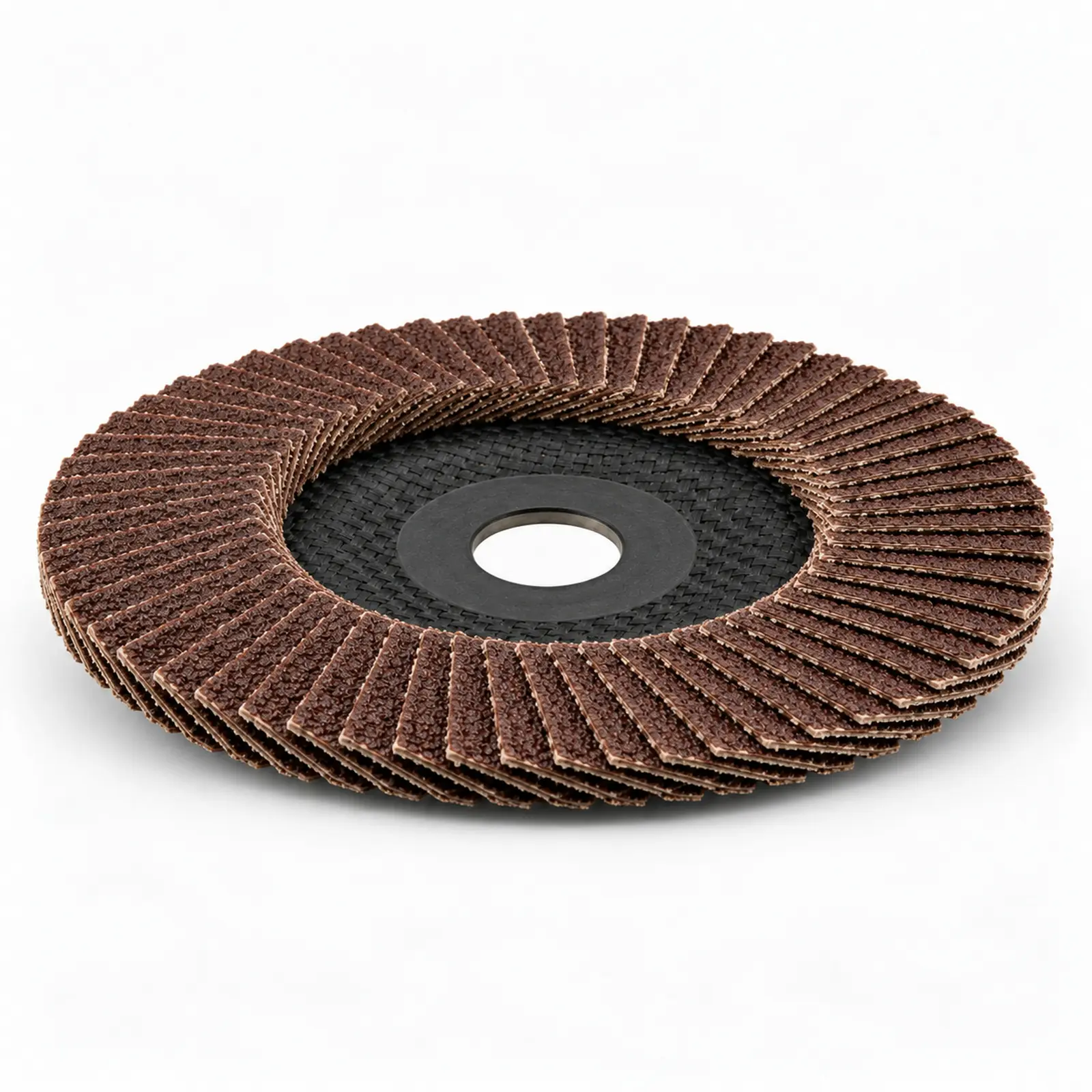
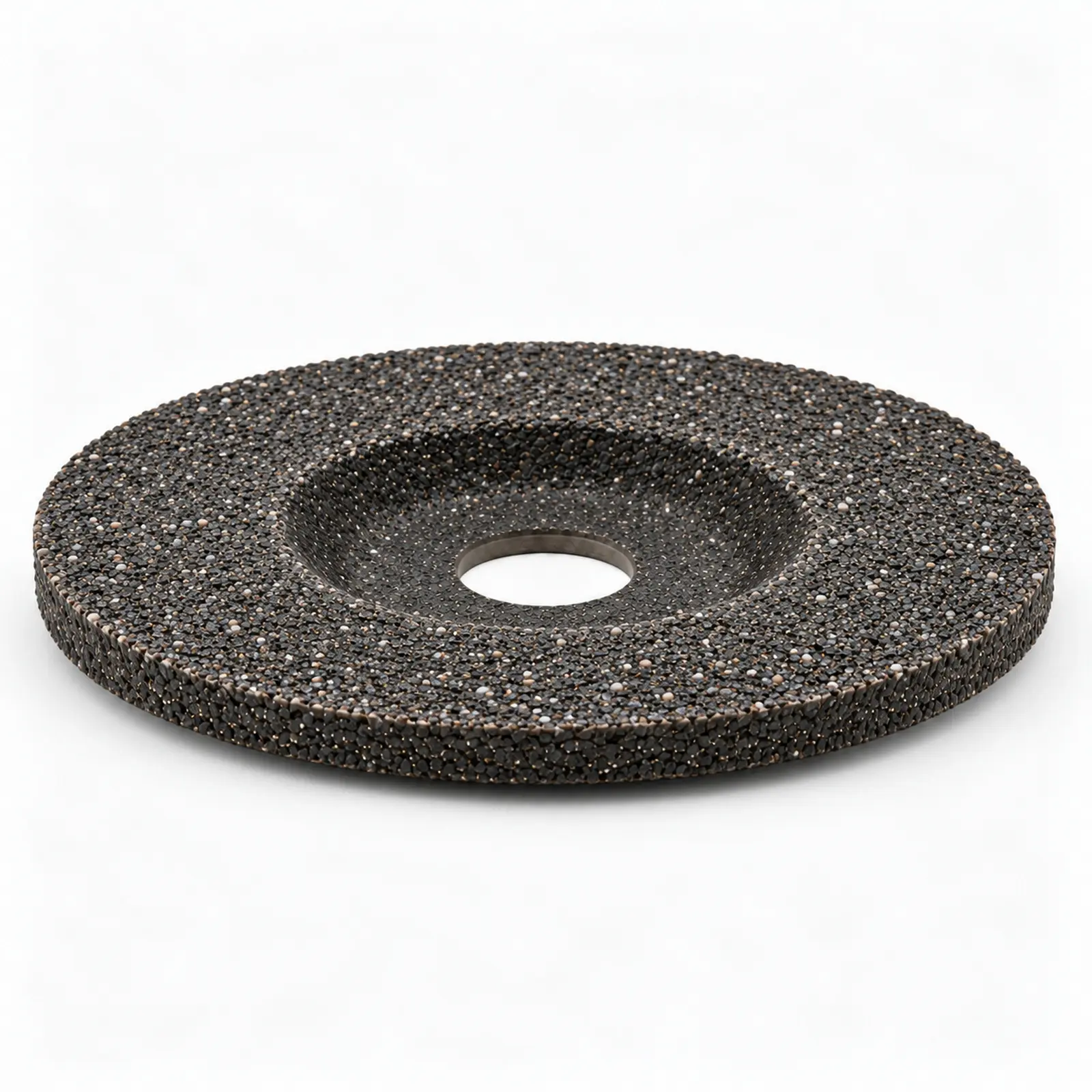
Start by identifying the physical tool form.
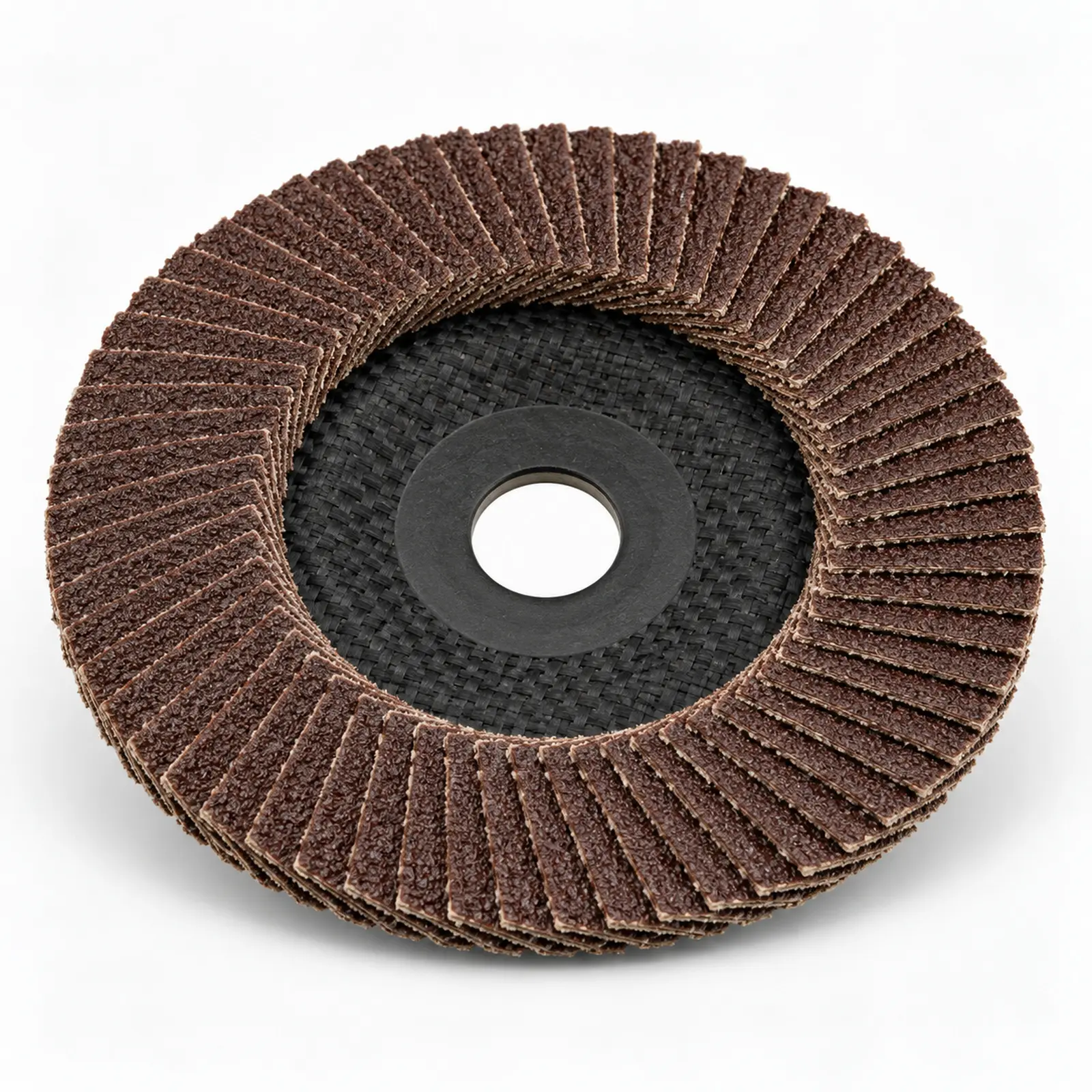
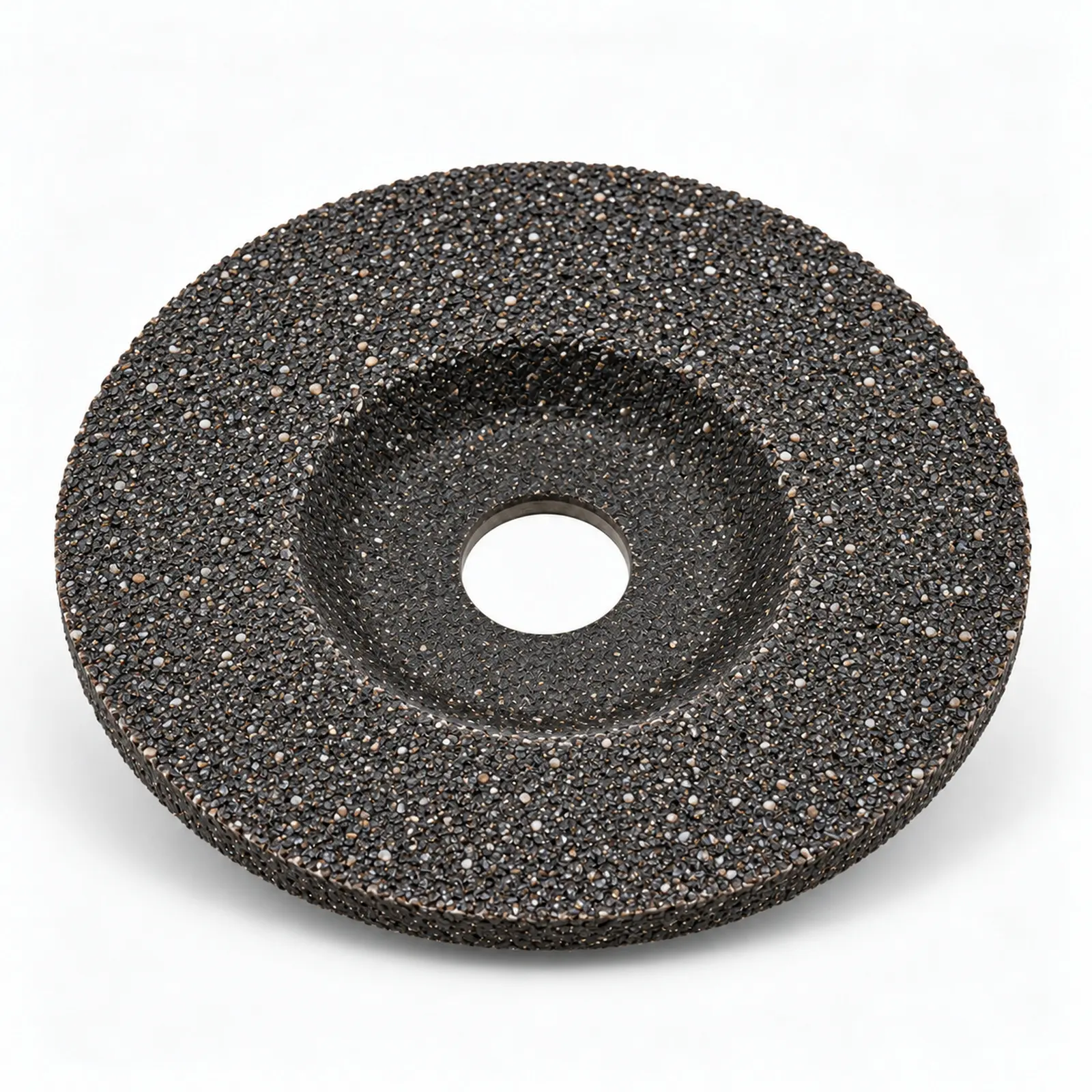
The flap stack and the bonded wheel body present different working surfaces.
Overlapping abrasive flaps are supported on a backing.
A continuous bonded-abrasive body provides the working form.
A layered abrasive surface and a bonded wheel body are visibly different constructions. Neither image establishes abrasive chemistry or an approved operating speed.
Compare the Job, Not a Universal Ranking
Removal and finish are separate requirements.
Describe the actual defect, workpiece and required surface rather than calling one tool “better”.
The amount of material to remove and the scratch pattern allowed afterwards are separate requirements. They should not be collapsed into a claim that one tool is better.
| Selection field | Flap disc enquiry | Grinding wheel enquiry |
|---|---|---|
| Structure | Abrasive flaps and backing | Bonded wheel form |
| Job | Removal/blending/finish requirement | Grinding/removal requirement |
| Specification | Item abrasive, grit and disc form | Item abrasive, grade and wheel form |
| Machine check | Size, mounting and permitted use | Size, mounting and permitted use |
Define the Surface Result
State whether weld marks, edge irregularities or surface scratches must be removed.
The tool has to meet that result without exceeding the permitted material removal.
Describe the transition into the surrounding surface.
Specify how the finished surface will be accepted.
A weld area may need local blending while the adjoining face needs a consistent finish. State the boundary of the work rather than describing the whole part as one grinding task.
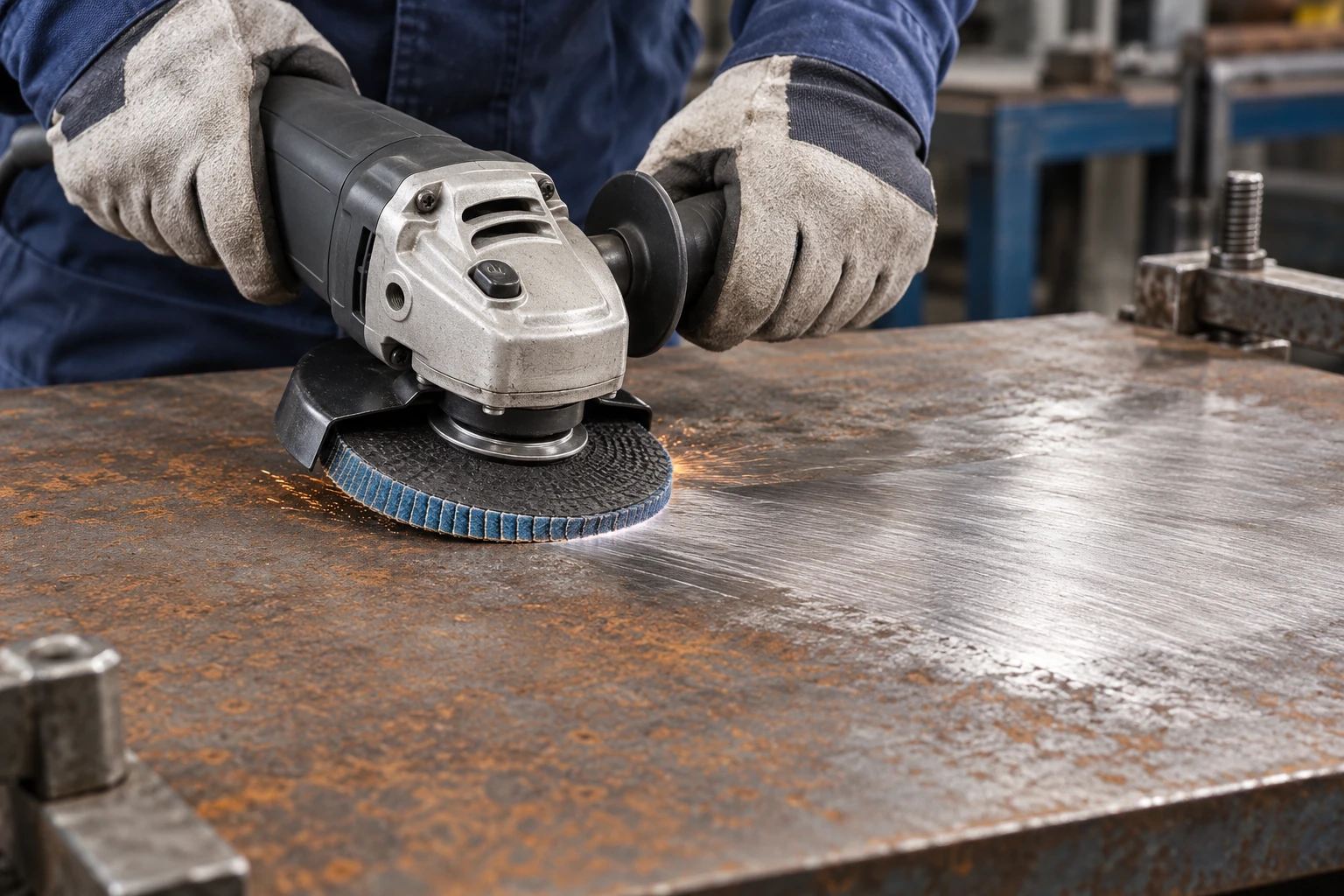
The Flap Discs collection shows the flap-based product form discussed in this comparison.
Verify Machine and Operating Fit
Check the tool marking, mounting, guard and permitted operating speed.
Use the selected tool’s instructions for the working face and contact angle.
A matching bore does not establish permission to use a different tool form.
Do not apply side-grinding loads to a disc that is not permitted for them.
The grinder, guard and wheel must be approved for the proposed operation together. Diameter alone does not establish compatibility.
Avoid Misleading Product Comparisons
Do not rank tools by colour, promise a fixed life improvement or select a product solely from a side-view image.
Compare actual item instructions and the required surface result. Colour, photographs and marketing names cannot demonstrate cutting life.
Compare the tools under the same documented job conditions. A change in workpiece, grinder or required finish makes a simple product ranking unreliable.
| Mistake | Purchasing correction |
|---|---|
| Treating all discs as equivalent | Name the tool form and intended operation |
| Buying by colour | Use the selected item specification |
| Ignoring the finish | State the final surface requirement |
| Using a cutting disc for grinding | Check permitted use and choose the correct tool |
The flap disc collection organizes flap-disc enquiries around workpiece, finish and grinder requirements.
Frequently Asked Questions
Is a flap disc a bonded grinding wheel?
No. Its overlapping flap structure differs from a bonded-abrasive wheel body.
Can matching diameter and bore prove interchangeability?
No. Check the tool’s permitted operation and machine instructions.
Which is best for every job?
There is no universal answer. Match the item to material removal, finish and operating conditions.
Can a thin cutting disc be used for side grinding?
Only use a disc for operations permitted by its instructions; do not assume side grinding is allowed.
What should a comparison trial record?
Tool reference, workpiece, machine, permitted conditions and the required surface result.
Conclusion
Keep flap discs, bonded grinding wheels and cutting discs distinct in the product range. Choose by the job and the permitted operating setup, then retain the item specification for repeat purchasing.