Annular-cutter life cannot be reduced to one guaranteed hole count.
Use the comparison as a controlled buying record. It should identify the application, the exact tool variants, the evidence reviewed and every field still requiring supplier confirmation.
Start with the hole and assembly requirement
Define the cutter identity and acceptance endpoint.
Define the cutter identity and acceptance endpoint.
Compare cutting structure and operating behavior
Record material, thickness, scale and interrupted features.
Record material, thickness, scale and interrupted features.
Confirm machine, interface and workholding
Log diameter, depth and holes completed by application group.
Log diameter, depth and holes completed by application group.
Specify dimensions and controlled product fields
Inspect runout, holder, base stability and coolant delivery.
Inspect runout, holder, base stability and coolant delivery.
| Requirement | Tool A | Tool B |
|---|---|---|
| Application | Confirm | Confirm |
| Machine/interface | Record | Record |
| Dimensions/depth | Approve | Approve |
| Sample/revision | Trace | Trace |
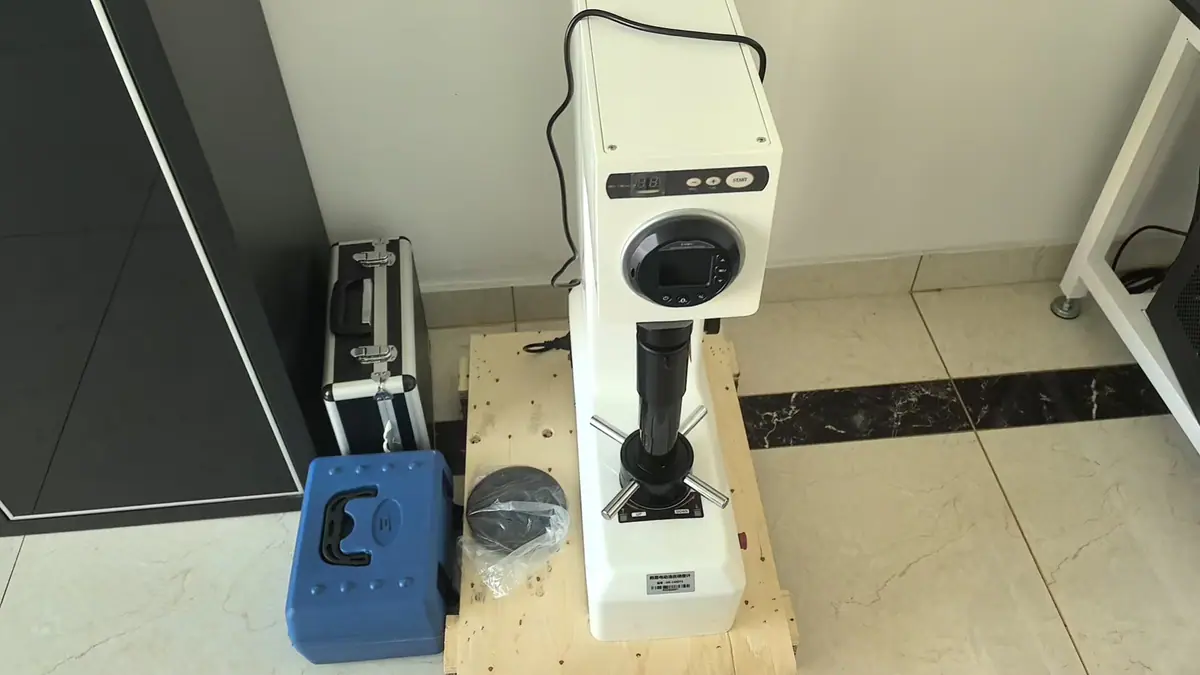
Evaluate samples with a stated method
Separate gradual wear from chipping, overheating and accidental damage.
Separate gradual wear from chipping, overheating and accidental damage.
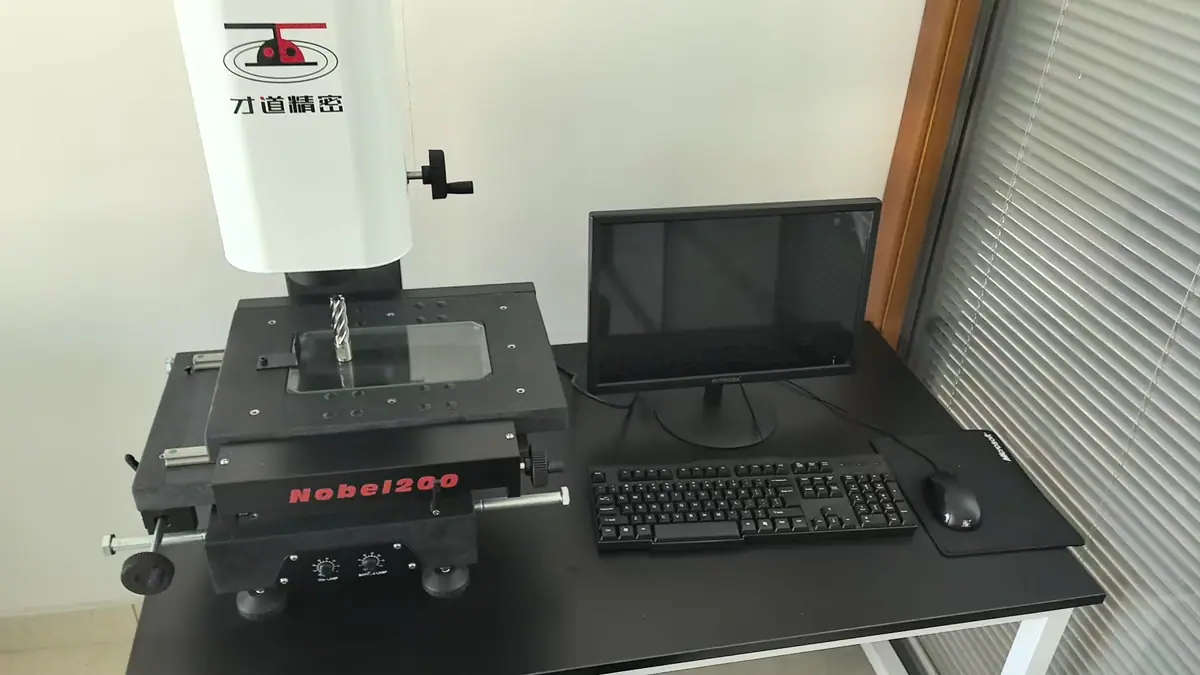
Build a clear distributor assortment
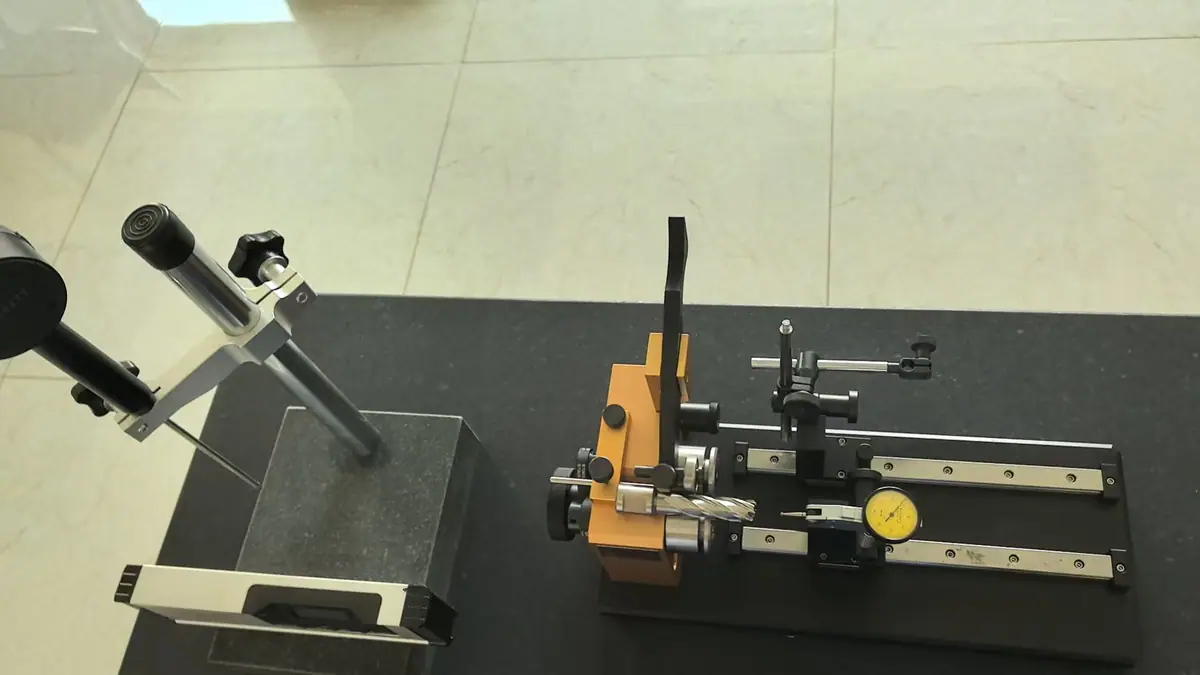
Evaluate regrinding only where the exact construction and condition permit it.
Evaluate regrinding only where the exact construction and condition permit it.

Release quotations and repeat orders
Compare suppliers with the same test scope and endpoint.
Compare suppliers with the same test scope and endpoint.
Annular Cutters·Magnetic Drills·Applications·Contact AXIMET
Frequently Asked Questions
How many holes will a cutter make?
There is no universal count; it depends on stated conditions.
What shortens life?
Material, depth, instability, runout, cooling, feed and damage can all contribute.
Does TCT always last longer than HSS?
No universal conclusion applies across all work.
When should a cutter be replaced?
At the documented wear, damage, quality or behavior endpoint.
Can worn cutters be reground?
Only when the exact construction and condition are approved for professional regrinding.
How should suppliers be compared?
Use identical material, holes, machine, method and replacement endpoint.
Conclusion
Tool life is a measured application result. A useful record explains not only how long a cutter ran, but under exactly which conditions and why it was retired.