Use this guide as a controlled decision record: connect every recommendation to the stated application, applicable AXIMET source and quoted configuration. Keep unknown specifications and commercial conditions visible for confirmation so the final approval remains traceable from enquiry through receiving and repeat ordering.
Inspect after transport and before setup
For inspect after transport and before setup, record the requirement, controlled source, approval decision and every unresolved field before the purchase is released.
Check visible machine, base, cable, controls, feed movement, fasteners and case condition. Confirm that the workpiece and contact surface are suitable before energizing the magnet.
Within Portable Magnetic Drill Maintenance and Inspection Guide, the section “Inspect after transport and before setup” should become a documented procurement check rather than a general discussion. Define the application, named model or configuration, responsible reviewer and controlled source used for the decision. If a value is not present in an applicable product table, quotation or written confirmation, keep it open. A similar name, photograph or headline specification does not prove that two configurations are equivalent. This section primarily controls application and model identity.
Issue the same requirement sheet to every supplier and record inclusions, exclusions, deviations and pending answers in separate fields. This prevents a price difference from hiding a different machine, cutter interface, accessory package, electrical version or documentation scope. Product and factory images can support identification and process context, but they are not substitutes for model traceability, compatibility confirmation, inspection criteria or order-specific evidence.
Consider how the decision will be used after quotation. The receiving team should be able to verify product identity, quantity, marking, visible condition, electrical or interface references and agreed package contents. Warehouse and sales teams need the same controlled names so compatible machines, cutters and accessories are not mixed. For a repeat order, cite the approved revision and review any proposed substitute as a new controlled option.
Close “Inspect after transport and before setup” with a verifiable answer and an owner for every remaining action. Confirm with AXIMET any interface, performance statement, certificate, inspection record, delivery term, minimum quantity or private-label detail that remains open. Do not fill the gap with an industry assumption or transfer data from a nearby model. Keeping technical facts, commercial conditions and OEM presentation separate makes the approval more useful for procurement, quality control and replenishment.
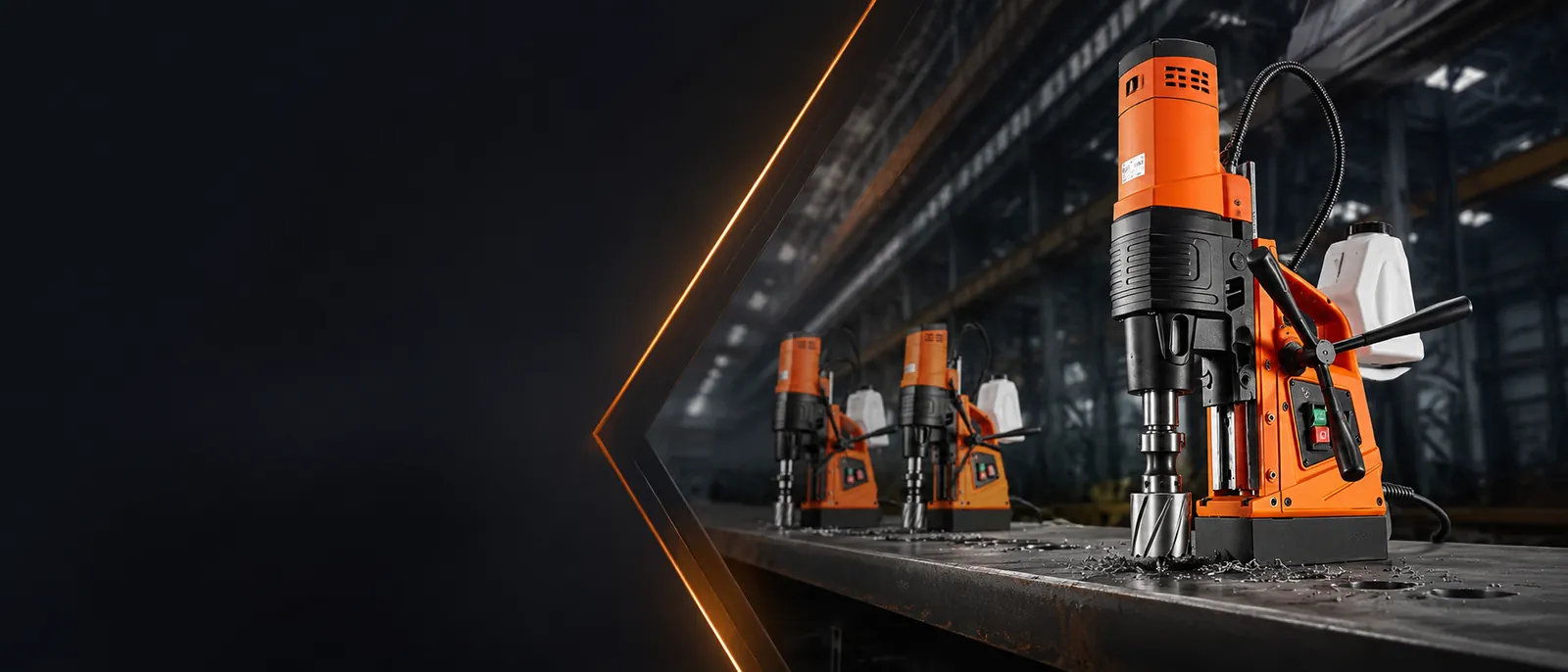
Check the tool system as one assembly
For check the tool system as one assembly, record the requirement, controlled source, approval decision and every unresolved field before the purchase is released.
Verify cutter condition, shank, arbor or adaptor, pilot pin, depth, stroke, coolant arrangement and clearance. Do not force mismatched parts.
Within Portable Magnetic Drill Maintenance and Inspection Guide, the section “Check the tool system as one assembly” should become a documented procurement check rather than a general discussion. Define the application, named model or configuration, responsible reviewer and controlled source used for the decision. If a value is not present in an applicable product table, quotation or written confirmation, keep it open. A similar name, photograph or headline specification does not prove that two configurations are equivalent. This section primarily controls technical and commercial comparability.
Close “Check the tool system as one assembly” with a verifiable answer and an owner for every remaining action. Confirm with AXIMET any interface, performance statement, certificate, inspection record, delivery term, minimum quantity or private-label detail that remains open. Do not fill the gap with an industry assumption or transfer data from a nearby model. Keeping technical facts, commercial conditions and OEM presentation separate makes the approval more useful for procurement, quality control and replenishment.
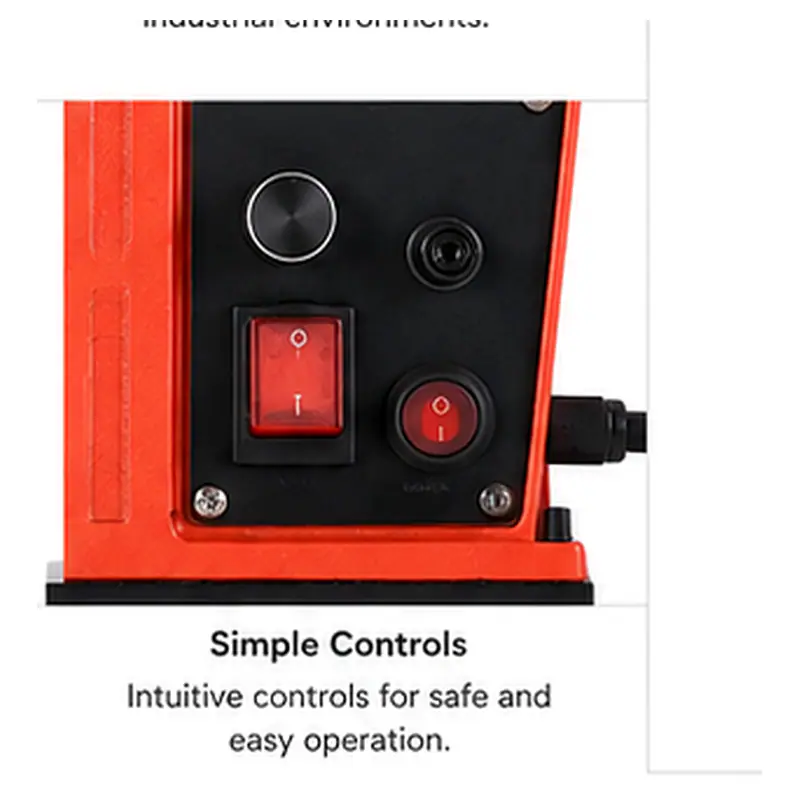
Control cleaning, storage and fault records
For control cleaning, storage and fault records, record the requirement, controlled source, approval decision and every unresolved field before the purchase is released.
Remove chips and contamination according to applicable instructions, protect contact and tool surfaces, organize accessories and record abnormal behavior with model and setup details.
Within Portable Magnetic Drill Maintenance and Inspection Guide, the section “Control cleaning, storage and fault records” should become a documented procurement check rather than a general discussion. Define the application, named model or configuration, responsible reviewer and controlled source used for the decision. If a value is not present in an applicable product table, quotation or written confirmation, keep it open. A similar name, photograph or headline specification does not prove that two configurations are equivalent. This section primarily controls evidence and acceptance.
Close “Control cleaning, storage and fault records” with a verifiable answer and an owner for every remaining action. Confirm with AXIMET any interface, performance statement, certificate, inspection record, delivery term, minimum quantity or private-label detail that remains open. Do not fill the gap with an industry assumption or transfer data from a nearby model. Keeping technical facts, commercial conditions and OEM presentation separate makes the approval more useful for procurement, quality control and replenishment.
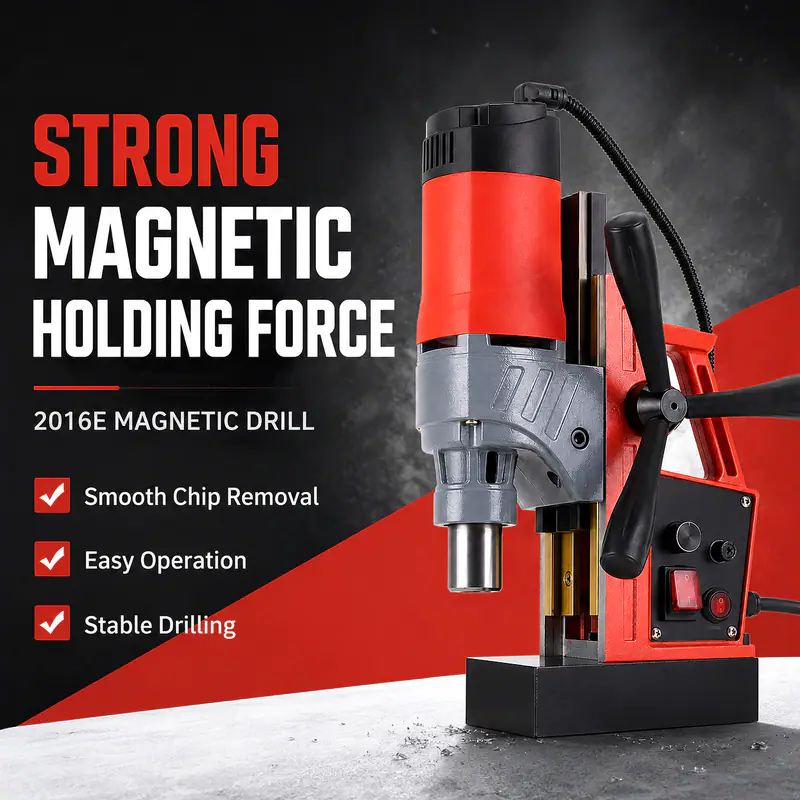
Use a portable-machine inspection record
For use a portable-machine inspection record, record the requirement, controlled source, approval decision and every unresolved field before the purchase is released.
The applicable manual controls service procedures and intervals.
Within Portable Magnetic Drill Maintenance and Inspection Guide, the section “Use a portable-machine inspection record” should become a documented procurement check rather than a general discussion. Define the application, named model or configuration, responsible reviewer and controlled source used for the decision. If a value is not present in an applicable product table, quotation or written confirmation, keep it open. A similar name, photograph or headline specification does not prove that two configurations are equivalent. This section primarily controls change control and repeat ordering.
Close “Use a portable-machine inspection record” with a verifiable answer and an owner for every remaining action. Confirm with AXIMET any interface, performance statement, certificate, inspection record, delivery term, minimum quantity or private-label detail that remains open. Do not fill the gap with an industry assumption or transfer data from a nearby model. Keeping technical facts, commercial conditions and OEM presentation separate makes the approval more useful for procurement, quality control and replenishment.
| Stage | Record | Escalate when |
|---|---|---|
| Receiving/transport | Case, machine and accessory condition | Damage or missing parts |
| Pre-use | Base, cable, controls, feed and tooling | Holding or function is abnormal |
| Setup | Surface, position, cutter and clearance | Configuration cannot be confirmed |
| Post-use | Cleaning, storage and anomaly note | Wear, heat or vibration is unusual |
| Supplier review | Model, workpiece, cutter, photos and symptom | Cause remains unknown |
Send structured troubleshooting evidence
For send structured troubleshooting evidence, record the requirement, controlled source, approval decision and every unresolved field before the purchase is released.
Describe observed facts rather than guessing the cause.
Within Portable Magnetic Drill Maintenance and Inspection Guide, the section “Send structured troubleshooting evidence” should become a documented procurement check rather than a general discussion. Define the application, named model or configuration, responsible reviewer and controlled source used for the decision. If a value is not present in an applicable product table, quotation or written confirmation, keep it open. A similar name, photograph or headline specification does not prove that two configurations are equivalent. This section primarily controls buyer risk and final approval.
Close “Send structured troubleshooting evidence” with a verifiable answer and an owner for every remaining action. Confirm with AXIMET any interface, performance statement, certificate, inspection record, delivery term, minimum quantity or private-label detail that remains open. Do not fill the gap with an industry assumption or transfer data from a nearby model. Keeping technical facts, commercial conditions and OEM presentation separate makes the approval more useful for procurement, quality control and replenishment.
- Model and order reference
- Workpiece and mounting surface
- Cutter, diameter and depth
- Position and electrical version
- Photos or safe video
- Action already taken
Continue with the controlledmagnetic drill range,annular cutter families,AXIMET company and quality information, orsend a procurement requirement.
Frequently Asked Questions
How often should a portable magnetic drill be serviced?
Follow the applicable model manual and operating conditions; no universal interval is claimed.
What should be checked after transport?
Inspect case, body, base, controls, cable, feed, accessories and visible damage.
Why can holding change between jobs?
Material, thickness, flatness, coating, contamination and contact area can differ.
Can any cutter be installed?
No. Confirm cutter, shank, pilot pin, adaptor, speed, stroke and capacity.
How should a machine be stored?
Clean and protect it according to applicable instructions and keep accessories organized and identifiable.
What should be sent to the supplier after a fault?
Send model, workpiece, setup, cutter, electrical version, observed symptom and supporting images.
Conclusion
Portable equipment benefits from consistent inspection after movement and before every setup. Use matched tooling, controlled records and the applicable manual instead of a generic maintenance promise.