


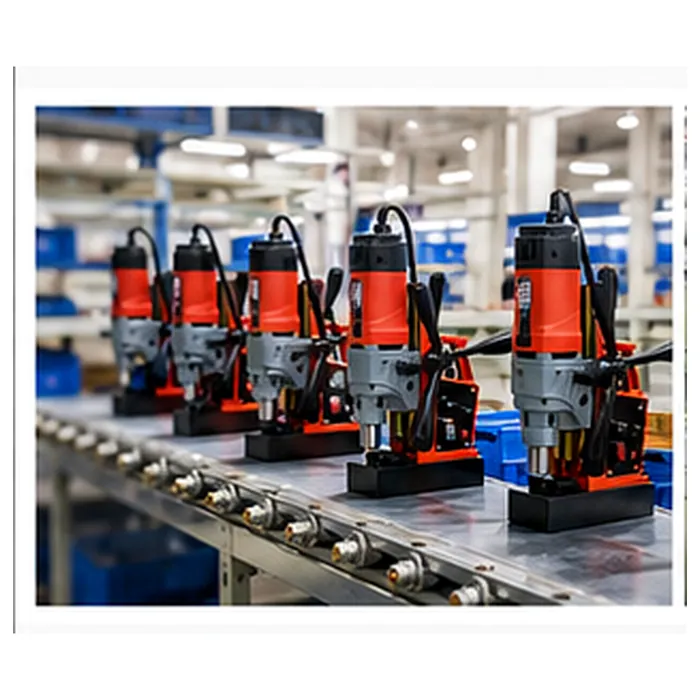
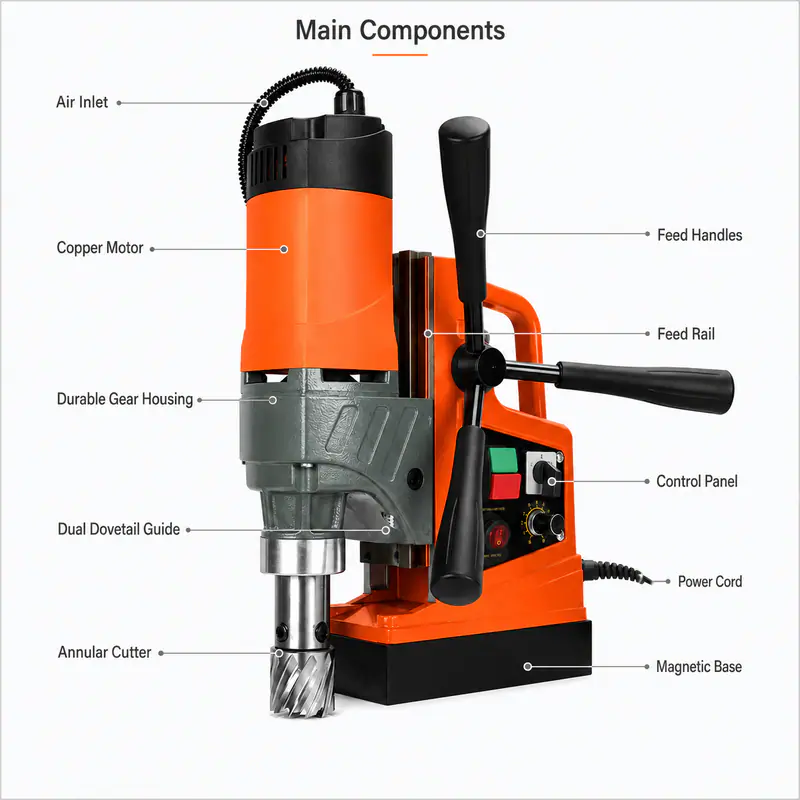
Magnetic base positioning
Supports stable machine placement on a suitable ferrous mounting surface.
Compare 18 confirmed AXIMET magnetic drill models for portable hole making on steel plates, beams and structural components. The range covers compact machines, general fabrication models, higher-capacity configurations and specialized pipe-drilling options.
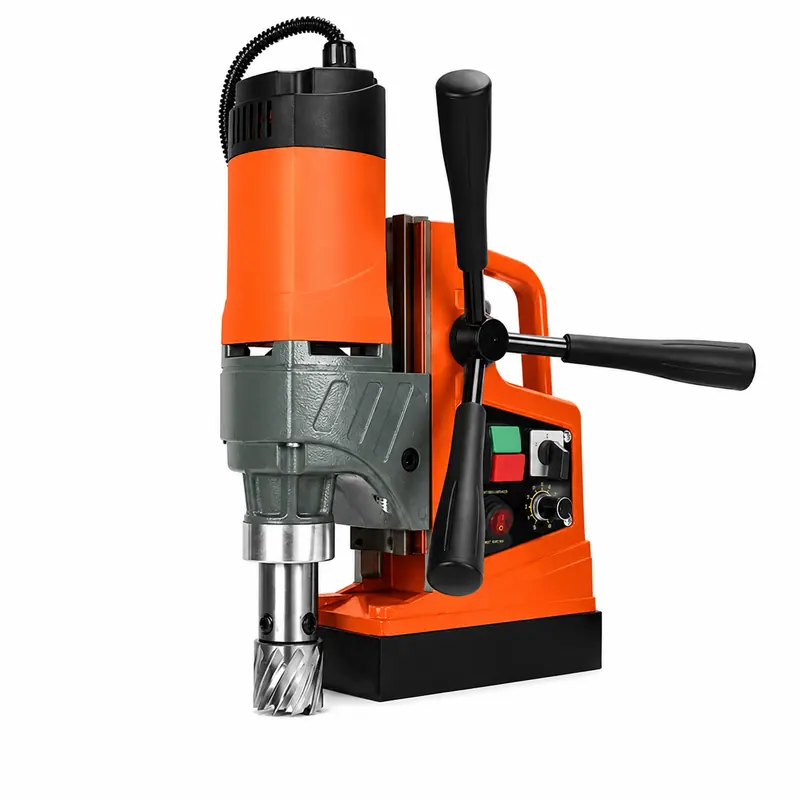
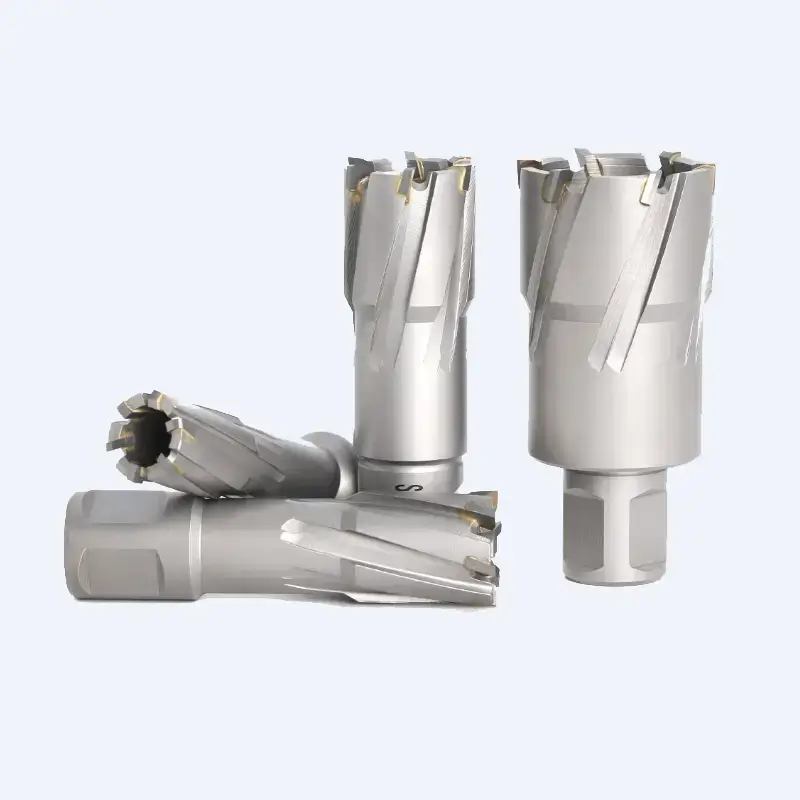
A magnetic drilling machine—also called a magnetic drill press or magnetic base drill—brings hole making to steel plates, beams and fixed structural components. Its magnetic base holds the drilling unit on a suitable ferrous surface, helping you work where moving the component to a conventional machine is impractical.
This collection helps importers, distributors, private-label buyers and industrial users compare 18 confirmed AXIMET models. Select by required diameter and depth, mounting surface, workpiece shape, access, working position, speed, stroke, weight and cutter interface. Published values stay linked to each model; functions, accessories and electrical configuration are confirmed before ordering.
Model images, compatible cutting tools, application views and factory evidence are grouped by their actual use—not by exact filename wording alone.
These features describe documented portfolio capabilities. Availability remains model-specific and is checked during selection.
Supports stable machine placement on a suitable ferrous mounting surface.
Choose from documented fixed-speed or adjustable-speed model configurations.
Compare confirmed maximum drilling diameters across the complete 18-model range.
AX8120E includes confirmed pipe-range data for specialized selection.
Coordinate magnetic drills with compatible HSS or TCT annular cutters.
Coordinate logo, color, label, packaging and manual requirements.
Use the model groups as a starting point, then compare the confirmed diameter, speed, stroke, holding information and weight. Final function and accessory details remain model-specific.
| Model | Group | Max. drilling diameter | Rated input | No-load speed | Holding / pipe capacity | Stroke | Net weight | Action |
|---|---|---|---|---|---|---|---|---|
| AX8813E | Compact | 13 mm | 1000 W | 0–700 rpm | 11,000 N | 120 mm | 10 kg | View details → |
| AX8813RE | Compact | 13 mm | 1000 W | 0–700 rpm | 11,000 N | 120 mm | 10 kg | View details → |
| AX8816 | Compact | 16 mm | 1350 W | 600 rpm | 11,500 N | 120 mm | 10.5 kg | View details → |
| AX8816E | Compact | 16 mm | 1350 W | 0–600 rpm | 11,500 N | 120 mm | 10.5 kg | View details → |
| AX8816RE | Compact | 16 mm | 1350 W | 0–600 rpm | 11,500 N | 120 mm | 10.5 kg | View details → |
| AX8823 | General | 23 mm | 1500 W | 450 rpm | 13,500 N | 230 mm | 22 kg | View details → |
| AX8823E | General | 23 mm | 1500 W | 0–450 rpm | 13,500 N | 230 mm | 22 kg | View details → |
| AX8823RE | General | 23 mm | 1500 W | 0–450 rpm | 13,500 N | 230 mm | 22 kg | View details → |
| AX8828 | General | 28 mm | 1600 W | 350 rpm | 14,000 N | 225 mm | 23 kg | View details → |
| AX8828E | General | 28 mm | 1600 W | 0–350 rpm | 14,000 N | 225 mm | 23 kg | View details → |
| AX8828RE | General | 28 mm | 1600 W | 0–350 rpm | 14,000 N | 225 mm | 23 kg | View details → |
| AX8840 | General | 40 mm | 1400 W | 650 rpm | 12,000 N | 120 mm | 11 kg | View details → |
| AXD8840 | Heavy-duty | 40 mm | 1500 W | 0–650 rpm | 12,000 N | 120 mm | 11 kg | View details → |
| AXD8860 | Heavy-duty | 60 mm | 1800 W | 0–450 rpm | 15,000 N | 225 mm | 24 kg | View details → |
| AXD8880 | Heavy-duty | 80 mm | 2000 W | 0–350 rpm | 16,000 N | 225 mm | 24 kg | View details → |
| AX8860 | Special | 60 mm | 1800 W | 300 rpm | Adjustable max. 320 mm | 225 mm | 24 kg | View details → |
| AXG8860 | Special | 60 mm | 1800 W | 300 rpm | Adjustable max. 320 mm | 225 mm | 16 kg | View details → |
| AX8120E | Special | 120 mm | 1800 W | 80–400 rpm | Pipe Ø165–219 mm | 190 mm | 13.5 kg | View details → |
The comparison is based on the confirmed 18-model workbook. Reference electrical data is 220 V, 50/60 Hz. Market-specific electrical requirements can be coordinated, but voltage, plug, functions, accessories and package contents must be confirmed in the applicable quotation. Similar model names do not imply identical functions.
A useful inquiry starts with the drilling task. These six checks help a supplier compare the right model data and reduce assumptions during quotation.
State the required hole diameter and drilling or cutting depth. The largest required hole should remain within the confirmed capacity of the selected machine and the corresponding cutter range.
Identify the steel material, plate or section shape, thickness and condition of the mounting surface. A magnetic base requires a suitable ferrous surface and enough contact area for the selected machine.
Measure the available working area around the hole. Machine dimensions, weight, feed movement and handle clearance matter when drilling on fixed structures or in restricted locations.
Use the confirmed model value rather than assuming every machine has variable speed or reverse. Explain the tool and operation you intend to use so the relevant functions can be checked.
Specify the annular cutter material, diameter, cutting depth and shank interface. Pilot pins, adaptors and chucks are not automatically universal across every machine and cutter family.
Provide voltage, frequency, plug, labeling, manual language, packaging and private-label requirements. These commercial details should be recorded separately from the drilling specification.
A model table is most useful when each value is interpreted in relation to the actual drilling task. These points explain how to use the confirmed data without treating one headline number as the complete selection rule.
The listed maximum diameter is an upper capacity reference, not a complete selection rule. Cutter type, cutting depth, shank interface, material and working conditions still need review. If you order several cutter sizes, provide the full required range rather than only the largest hole. The 13–120 mm span belongs to the portfolio as a whole, not every model.
Rated input identifies the documented electrical class, while no-load speed records spindle speed before cutting load. Neither value alone predicts productivity or tool life. Cutter diameter, cutter material, workpiece material and feed practice also matter. Confirmed models include fixed and adjustable speeds; similar names do not prove identical control functions.
The magnetic base is intended for a suitable ferrous mounting surface. Published holding-force data is a product specification, not a guarantee that every workpiece will provide the same holding condition. Surface material, thickness, flatness, coatings, contamination and available contact area can affect setup. Curved workpieces and pipe drilling require the applicable confirmed configuration rather than an assumption based on a flat-base model. Buyers should include workpiece shape and mounting information with the inquiry, especially for vertical, overhead or restricted-access work.
Stroke indicates the documented feed travel, but usable setup also depends on cutter length, adaptor arrangement and the space above and around the drilling point. Net weight is relevant when the machine must be carried between locations or positioned on a fixed structure. A lighter unit can assist handling, while the required diameter and configuration may call for a larger machine. Selection should balance capacity with access instead of treating either low weight or high power as the only priority.
After identifying suitable rows, send AXIMET the application, required diameters and depths, material, position, quantity and electrical requirements. Also state whether annular cutters, pilot pins, adaptors, chucks or other related items are needed. For OEM and private-label supply, add the required logo, color, labels, packaging and manual language. The resulting quotation should identify the selected model and agreed supply scope so that technical data, accessories and branding decisions remain traceable.
 APPLICATION-MATCHED SUPPLY
A magnetic drilling machine performs as part of a complete hole-making system. The machine capacity must cover the hole, while the annular cutter, pilot pin and interface must match the selected configuration. If a conventional twist drill, chuck or adaptor is required, that requirement should be stated before the supply package is confirmed.
AXIMET materials include HSS and carbide-tipped annular cutter families with Weldon, one-touch, FEIN Quick-in and threaded interface options documented across the relevant catalog ranges. These interface names describe available cutter families; they do not mean every interface fits every machine. The correct combination is checked against the applicable machine and cutter data.
For distributors and private-label buyers, the supply plan may also cover the size range, individual or set presentation, labeling, packaging and manuals. Separating technical compatibility from packaging choices keeps the quotation clear and makes later product-range expansion easier.
These are application areas identified in the confirmed AXIMET materials. They describe suitable work contexts, not named customer projects or guaranteed performance results.
A portable magnetic drill can bring hole making to plates, beams and structural components that are difficult to move. To shortlist the right model, provide your hole diameter and depth, steel-section geometry, mounting area and working position. AXIMET can then compare the confirmed machine data and compatible annular cutter requirements.
Explore steel fabrication drilling →Bridge and railway construction or maintenance may involve fixed steel parts outside a conventional workshop setup. Your inquiry should identify access around the hole, mounting orientation, required capacity and job-site electrical configuration. These details help match a magnetic drilling machine to the task without assuming that one capacity suits every component.
Explore bridge and railway drilling →Shipbuilding and repair work can require drilling on suitable ferrous structures in varied positions. Describe the workpiece, surface condition, available contact area, access and hole schedule before selection. This allows the magnetic base, machine weight, documented capacity and cutter system to be reviewed for the actual fabrication or maintenance requirement.
Explore shipbuilding and repair →Machinery manufacturers and metalworking companies may need several hole sizes across different components. A documented hole schedule helps you compare compact, general and heavy duty magnetic drill options by capacity, speed, stroke and handling needs. It also gives distributors a clearer basis for selecting a focused range for professional buyers.
Explore industrial metalworking →AXIMET manufactures magnetic drilling machines and supports B2B product-range development. You can start with a focused model selection or discuss a broader machine-and-cutter program. Technical configuration stays controlled by the applicable product data, while branding and presentation are coordinated as separate order requirements.
Discuss B2B Supply →Confirmed support includes logo, color, label, packaging and manual coordination. Selected configuration requirements are reviewed against the relevant model.
Model values, functions and accessories stay linked to their source records. Unconfirmed commercial options are not presented as standard equipment.
Confirmed quality-control information covers materials, dimensions, hardness, machining, assembly, machine function and cutting performance.
Send the application, specification, quantity, electrical requirement, destination and OEM needs so the applicable model data can be reviewed.
Answers are limited to the confirmed AXIMET product and supply information. Model-specific compatibility is finalized during requirement review.
Browse all FAQ →Begin with the required hole diameter and drilling depth, then check the workpiece material, available mounting area, working position and functions required. Compare speed, stroke, holding force, weight and electrical configuration only after these application requirements are clear. AXIMET can review the confirmed model table against the information supplied in your inquiry.
Yes. AXIMET supplies magnetic drilling machines together with suitable HSS or TCT annular cutters and related accessories. Cutter diameter, cutting depth, shank interface and pilot-pin compatibility must be checked against the selected machine and cutter variant before quotation.
The confirmed magnetic drill data records 220 V and 50/60 Hz as the reference electrical configuration. Voltage and electrical presentation can be coordinated according to applicable market standards and the buyer’s confirmed requirements. The final voltage, plug and labeling must be stated in the quotation and order documentation.
No. The portfolio contains different configurations. Some models have a fixed no-load speed, while other confirmed variants show an adjustable speed range. Reverse or other special functions must be verified from the corresponding model file rather than assumed from a similar model name.
Provide the workpiece material, hole diameter, drilling or cutting depth, working position, quantity, destination country, voltage and plug requirement, cutter interface, required accessories and any OEM packaging or labeling needs. This information allows the model and supply package to be checked without guessing.
AXIMET supports confirmed OEM and private-label work including logo, color, label, packaging and manual coordination. Product configuration changes are reviewed separately because they depend on the selected model and the applicable technical data.
Include material, hole diameter, cutting depth, working position, quantity, voltage, cutter interface and private-label requirements.