
Choose TPI by workpiece material and section thickness. Keep several teeth engaged in the cut while leaving enough gullet space for chip clearance. Thin-wall metal generally needs a finer pitch; thicker sections need room for larger chips. Confirm the exact blade construction, machine and intended application before comparing price.
For purchasing, record material, section thickness, blade length, TPI and construction together with sample approval criteria. Do not choose by blade color or a single pitch number alone; use the workpiece and machine to narrow the choice.
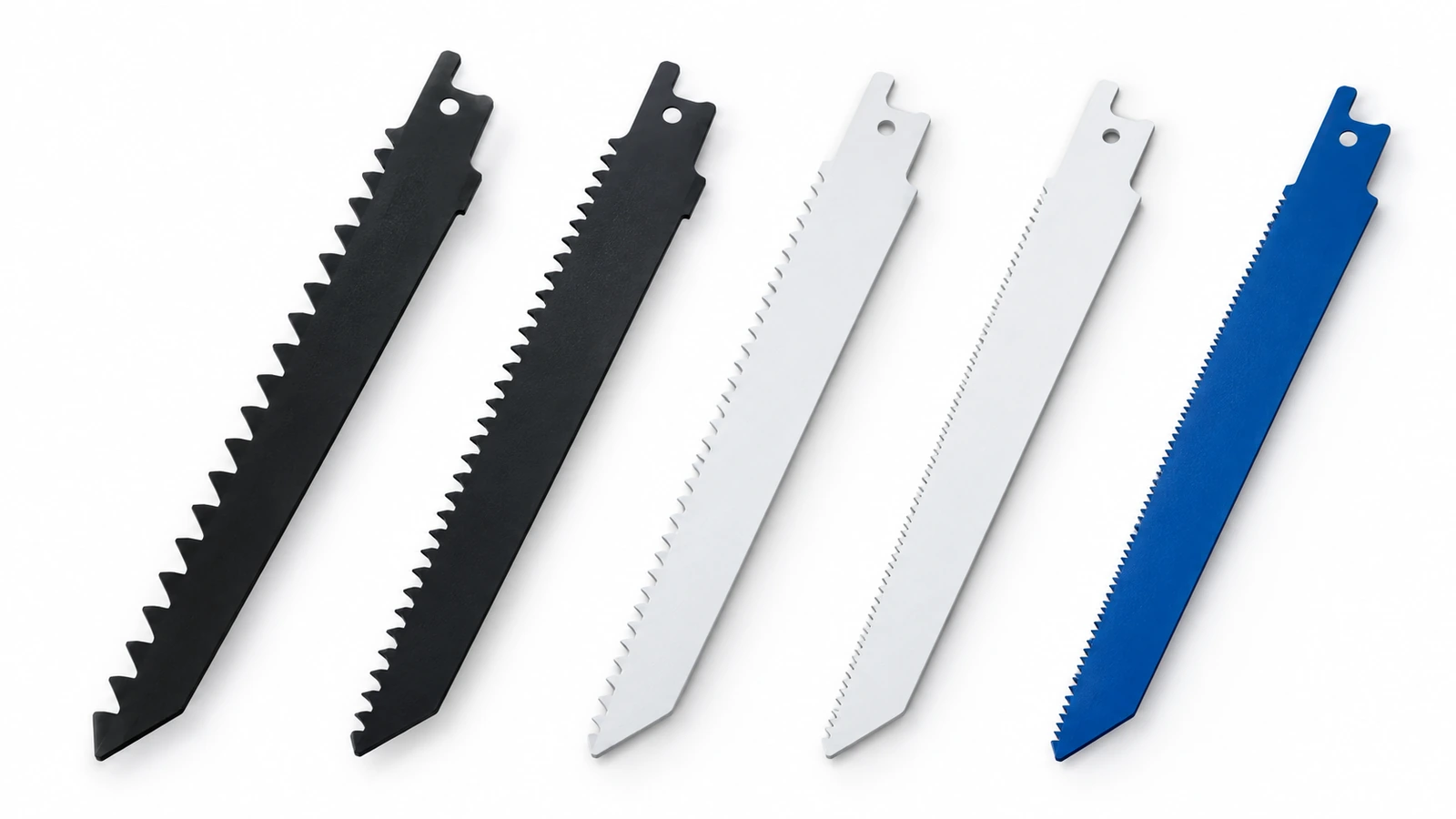
How to Choose TPI by Material Thickness
The most useful TPI rule is based on tooth engagement, not a single magic number.
Thin-wall tube and sheet need enough teeth in contact to prevent snagging; thicker sections need larger gullets so chips can leave the cut. Blade construction, machine stroke and operator feed also affect the result.
Distributors should label metal blades by both TPI and a simple section/application band. This makes the assortment easier to sell and reduces the common complaint that a blade 'doesn't cut' when the real problem is a pitch chosen for the wrong thickness.
If you are building a distributor range around reciprocating saw blade tpi guide, you need a rule your sales team can repeat. Start with the customer's job, confirm the machine or interface, and record the variables that change the result. That gives you a stronger basis for samples, pricing and repeat orders than a generic premium-versus-economy label.
Use these variables to narrow the range of reciprocating saw blades before comparing individual pitches or prices.
Low TPI vs High TPI
Low TPI removes larger chips and suits thicker sections; high TPI gives more tooth engagement for thinner sections.
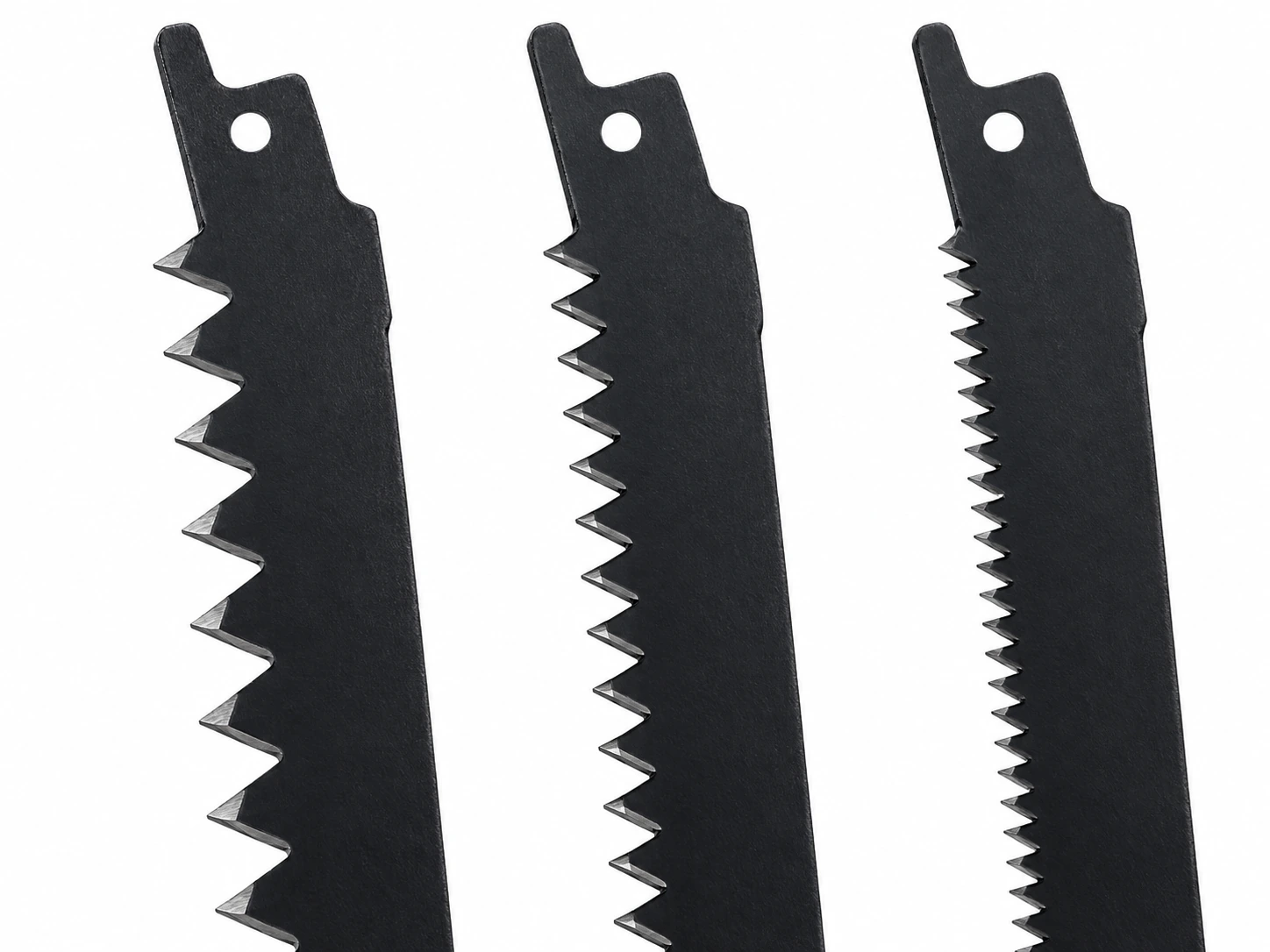
Read the table by workpiece and section thickness. The recommended direction is a starting point for blade selection, rather than a fixed TPI specification.
| Situation | Recommended Direction | Why |
|---|---|---|
| Thin metal | Finer pitch / higher TPI | Keeps more teeth engaged and reduces tooth snagging |
| Thicker metal | Coarser pitch / lower TPI | Provides larger gullets for chip removal |
| Wood | Coarse tooth pattern | Prioritizes chip clearance and cutting speed |
| Mixed demolition | Application-specific demolition blade | Balances tooth strength and mixed-material cutting |
This is a selection framework. Confirm the material, section thickness and exact blade specification for the real setup before approving the SKU.
How to Apply the TPI Selection Table
Apply the table to the actual section being cut, then confirm the workpiece, machine or interface and product-specific limits before approval.
Thin-Wall Metal
For thin metal, start with finer pitch / higher tpi. Keeps more teeth engaged and reduces tooth snagging. Before you lock the SKU, confirm the actual workpiece, machine or interface and any product-specific limit. If those conditions change, run the selection again instead of assuming the same product remains correct.
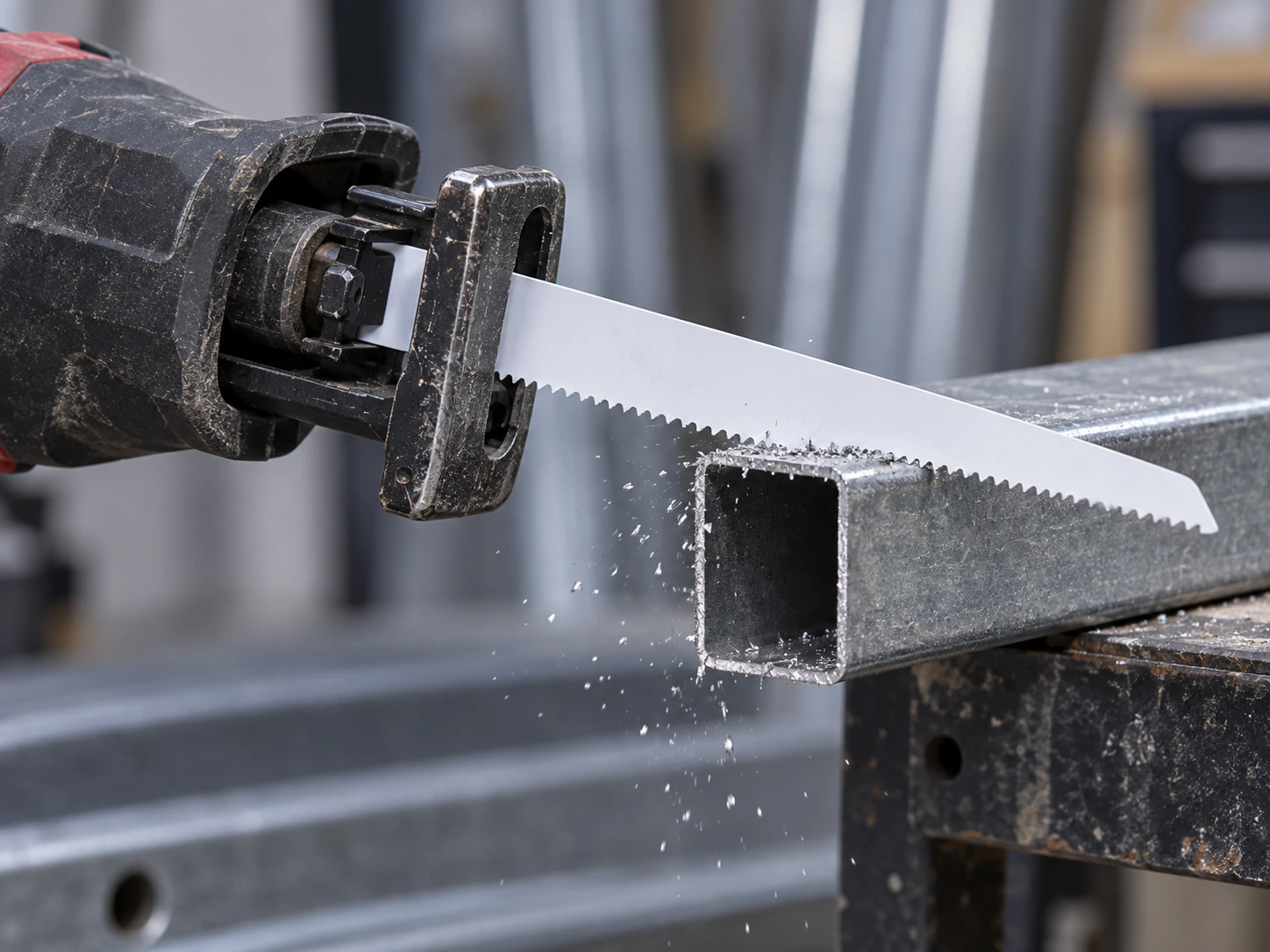
Thicker Metal Sections
For thicker metal, start with coarser pitch / lower tpi. Provides larger gullets for chip removal. Before you lock the SKU, confirm the actual workpiece, machine or interface and any product-specific limit. If those conditions change, run the selection again instead of assuming the same product remains correct.
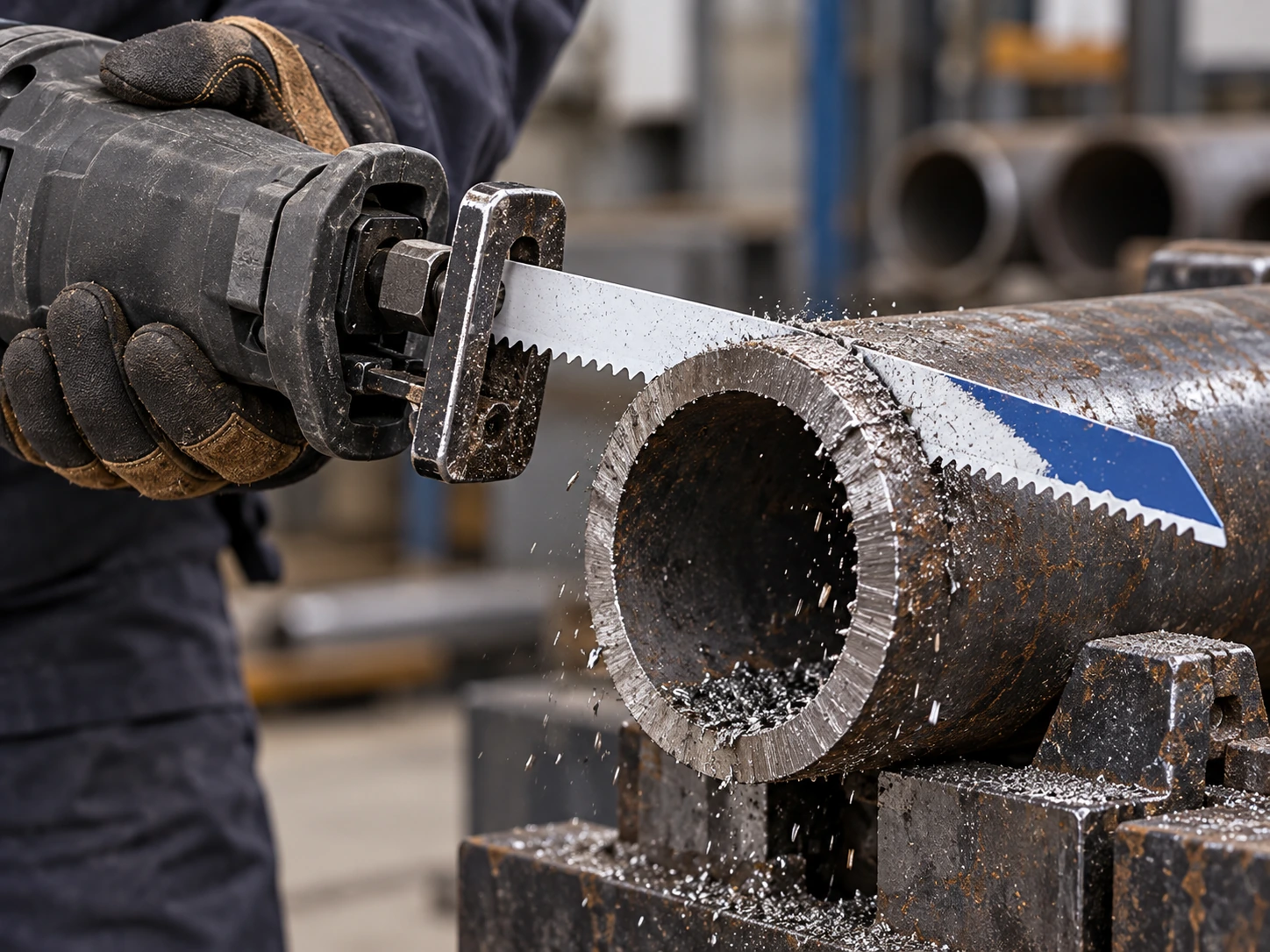
Metal vs Wood Reciprocating Saw Blades
Metal blades generally use finer or application-specific teeth; wood blades use coarser teeth and larger gullets.
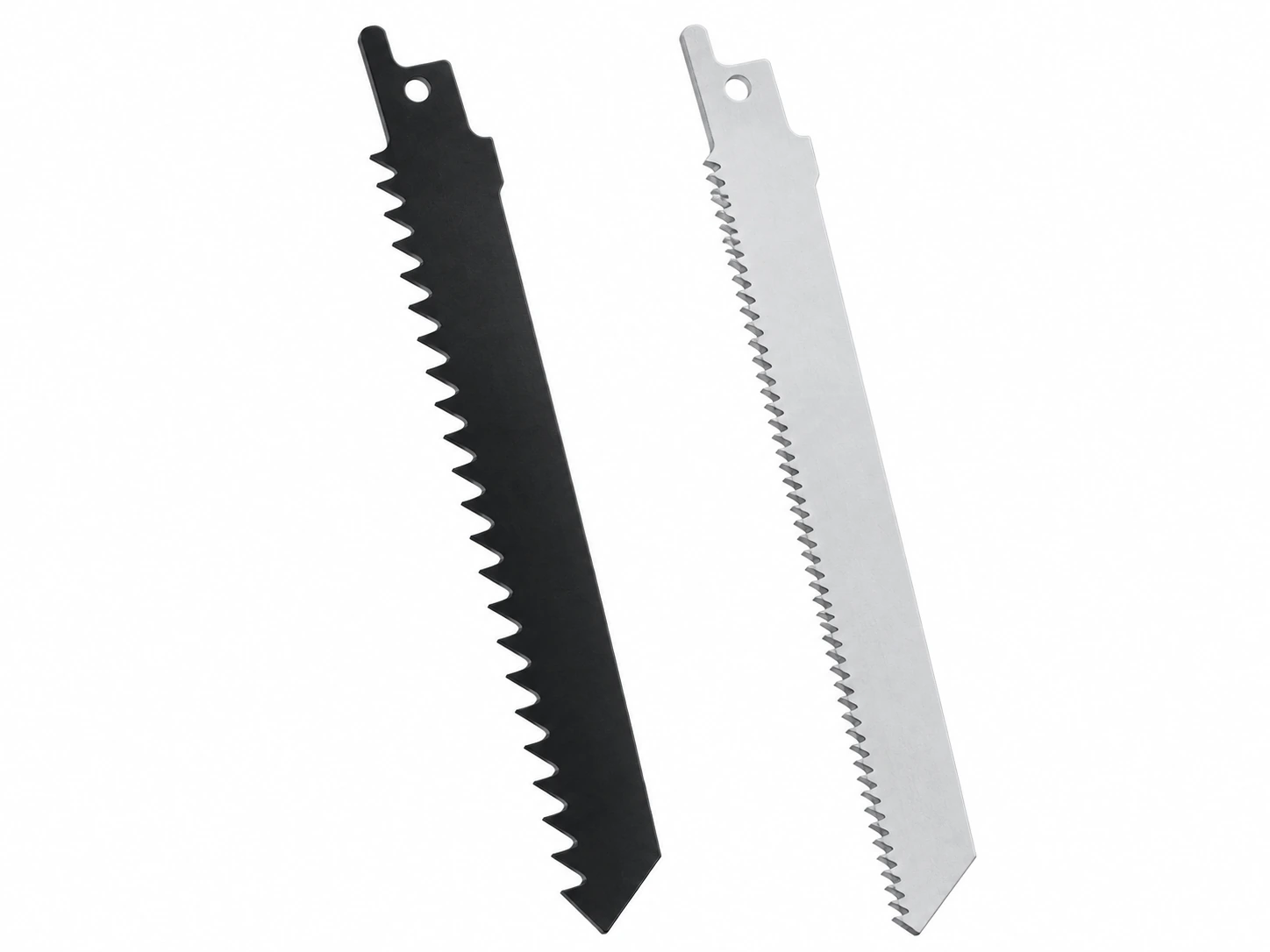
Compare saw blade categories by tooth geometry and application, rather than treating blade color as a specification.
Wood Cutting
For wood, start with coarse tooth pattern. Prioritizes chip clearance and cutting speed. Before you lock the SKU, confirm the actual workpiece, machine or interface and any product-specific limit. If those conditions change, run the selection again instead of assuming the same product remains correct.
Demolition Applications
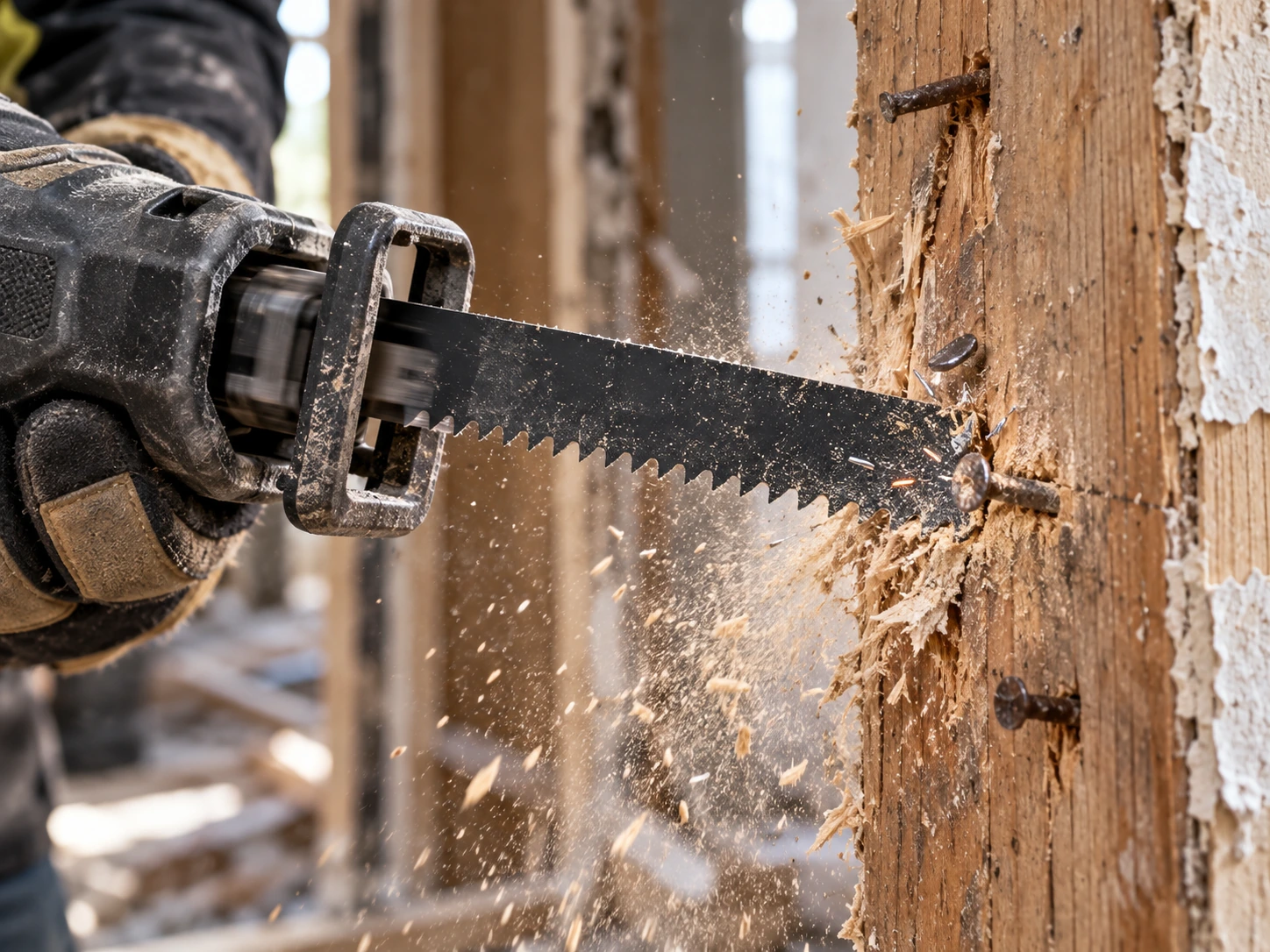
For mixed demolition, start with application-specific demolition blade. Balances tooth strength and mixed-material cutting. Before you lock the SKU, confirm the actual workpiece, machine or interface and any product-specific limit. If those conditions change, run the selection again instead of assuming the same product remains correct.
Technical Notes and Blade Fit
For reciprocating saw blade tpi guide, keep the selection record close to the real job.
When the situation is thin metal, your starting direction is finer pitch / higher tpi because keeps more teeth engaged and reduces tooth snagging. When the job moves toward thicker metal, the starting direction changes to coarser pitch / lower tpi because provides larger gullets for chip removal. Record that change in the quotation or sample sheet instead of relying on a sales person's memory. You should also note the machine or holder, the workpiece dimensions and the visible result you expect from the sample. If the product has a controlled material, tooth, grit, bond, interface or electrical field, keep that field with the SKU. This technical record makes later supplier comparisons more useful because you can see whether two quotations are actually offering the same application solution.
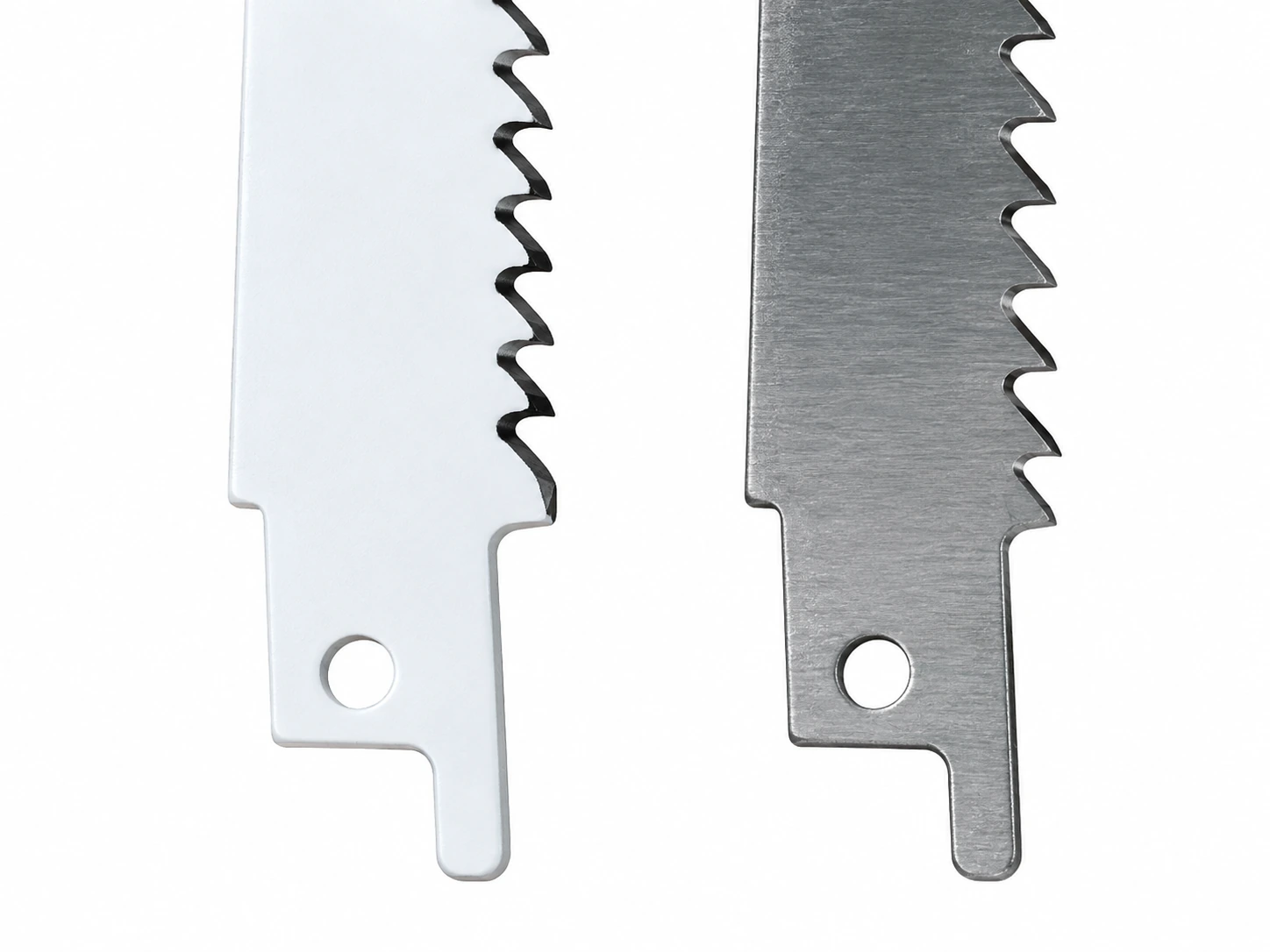
Keep the material and operation in the buying record when reviewing related metalworking applications; the machine and blade connection still need configuration-level confirmation.
What Changes the Result in Real Use?
For reciprocating saw blade tpi guide, the selection table is a starting point, not a substitute for the real setup. Your result can change with the machine, workpiece consistency, operator method and whether the product is used inside its intended range. When you compare samples, keep those conditions as consistent as possible so you are comparing the products rather than two different tests.
When to Reconsider the First Choice
Recheck your reciprocating saw blade tpi guide selection when the workpiece material changes, the section or hole range moves outside the original band, the customer uses a different machine, or the required finish changes. A product that performed well in the first sample is not automatically the correct replacement under a new setup. You should also review the choice if the customer reports abnormal wear, chatter, loading, tooth damage or poor finish. Start by confirming that the same SKU and setup were used before you treat the complaint as a product-quality failure. For distributors, this troubleshooting discipline protects both the supplier relationship and your own private-label reputation.
How to Approve Samples
Choose a sample that represents the SKU and job you plan to sell, keeping the application and specification in the same buying record.
Record the reciprocating saw blade tpi guide product code, workpiece or substrate, machine/setup and acceptance criteria before the test. Keep the result with the approved specification so your production order and incoming inspection can be checked against the same baseline.
What Evidence Should You Request?
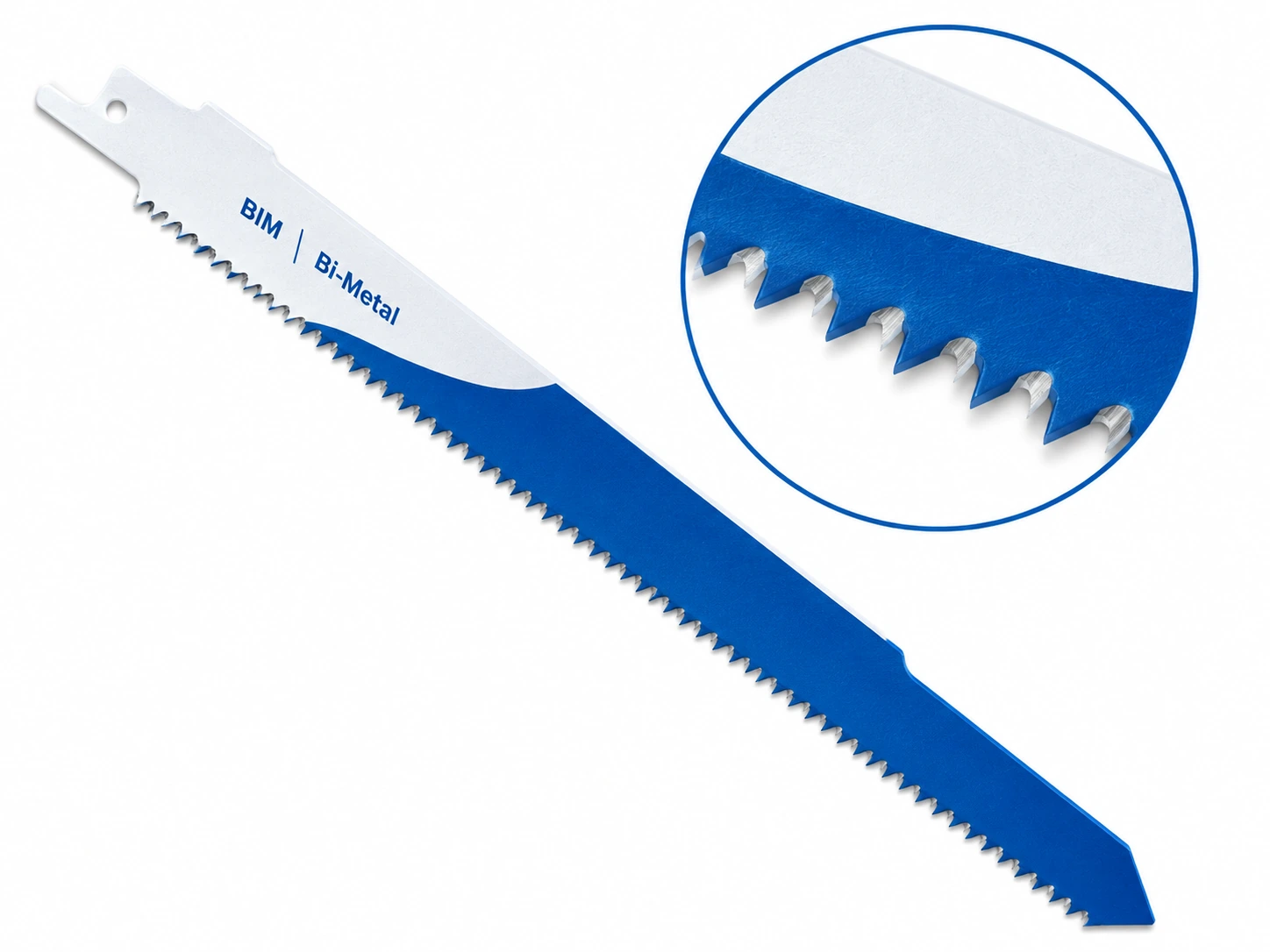
Ask for evidence tied to the exact reciprocating saw blade tpi guide product being quoted. Depending on the category, that may include dimensions, material or construction records, close-up working-geometry photos, a representative application test, marking and packaging photos, and applicable documentation. Use competitor pages to identify questions, never as proof of AXIMET specifications.
If a supplier claims that one reciprocating saw blade tpi guide option cuts faster, lasts longer or produces a better finish, ask what workpiece, machine and test conditions produced the result.
Review the quality-control process alongside the approved SKU and sample record, without treating general factory information as proof of a particular blade's performance.
Distributor Range Planning
Do not copy every reciprocating saw blade tpi guide option from a supplier catalog, keeping the application and specification in the same buying record.
Start with variants that solve distinct customer jobs. Add a new size, grit, TPI, construction or machine option when it covers a meaningful application band or replacement demand. If two SKUs do the same job with no clear buyer benefit, carrying both can add inventory without improving conversion.
Discuss OEM and private-label options after the technical product is identified, with marking and packaging requirements tied to the approved SKU.
Common Sourcing Mistakes
- Choosing reciprocating saw blade tpi guide from a product photo or color code instead of the specification.
- Treating a higher grade, finer grit or higher TPI as automatically better when the application may need something else.
- Copying a competitor performance number without evidence for the quoted AXIMET product.
- Approving packaging before the technical SKU and replacement code are frozen.
- Comparing samples under different workpiece or machine conditions and calling the result a fair test.
Procurement Workflow
Turn this guide into a short RFQ before you ask for price, keeping the application and specification in the same buying record.
State what your customer is cutting, drilling or grinding; identify the machine or interface; define the required range; and state what an acceptable sample must achieve. Ask competing suppliers to quote against the same fields. This gives you a cleaner comparison and reduces the chance that two different specifications are being compared as if they were equivalent.
B2B Buyer Checklist
- Your Application and Workpiece
- Your Machine, Holder or Interface
- Required Dimensions or Operating Range
- Verified Construction or Material
- Sample Acceptance Method
- Quantity by SKU
- Marking, Barcode and Packaging
- Target Market and Replacement Plan
What You Should Put in the RFQ
When you request a reciprocating saw blade tpi guide quote, tell the supplier what the product must do, not only the quantity. Include the workpiece or substrate, machine or interface, required sizes or range, quantity by SKU and target market. If you are replacing an existing item, add the current model, drawing or clear photo. Add private-label marking and packaging requirements after the technical product is identified.
Send your blade requirements with the application, verified specification and quantity by SKU so the quotation can follow the same buying record.
Frequently Asked Questions
What TPI Is Used For Metal?
Match the TPI to section thickness rather than using one metal TPI for every job.
Does Higher TPI Mean A Better Cut?
No. Too many teeth in a thick section can pack chips; too few teeth in thin material can snag or strip teeth.
How Should A Distributor Build A TPI Assortment?
Cover distinct material/thickness bands and label them clearly instead of stocking overlapping pitches with no defined job.
How Many Teeth Should Stay In The Cut?
You want several teeth engaged at the same time. The exact number depends on blade design and section, so use the blade maker's TPI guidance rather than one universal rule.
Should You Stock Every TPI?
No. Build a clear ladder for thin, medium and thick sections, then add specialty pitches only when customer demand justifies them.
Conclusion
Choose TPI from material and section thickness, balancing tooth engagement with chip clearance. Confirm the machine, blade fit and verified blade specification before approving a sample or comparing quotations. Keep those conditions with the SKU so repeat orders follow the same buying record. Review the reciprocating saw blade range to narrow your options, then share the application, required range and quantities for a B2B recommendation.

Melody
Trade Expert20-year foreign trade veteran and proud mother who believes in the power of continuous growth and a helping hand. By integrating the practical wisdom of AXIMET Tools into my daily workflow, I strive to make global trade more accessible and efficient for everyone I work with.
Discuss Your Requirements
Share the material, section thickness, blade length, TPI range and quantities you are sourcing.