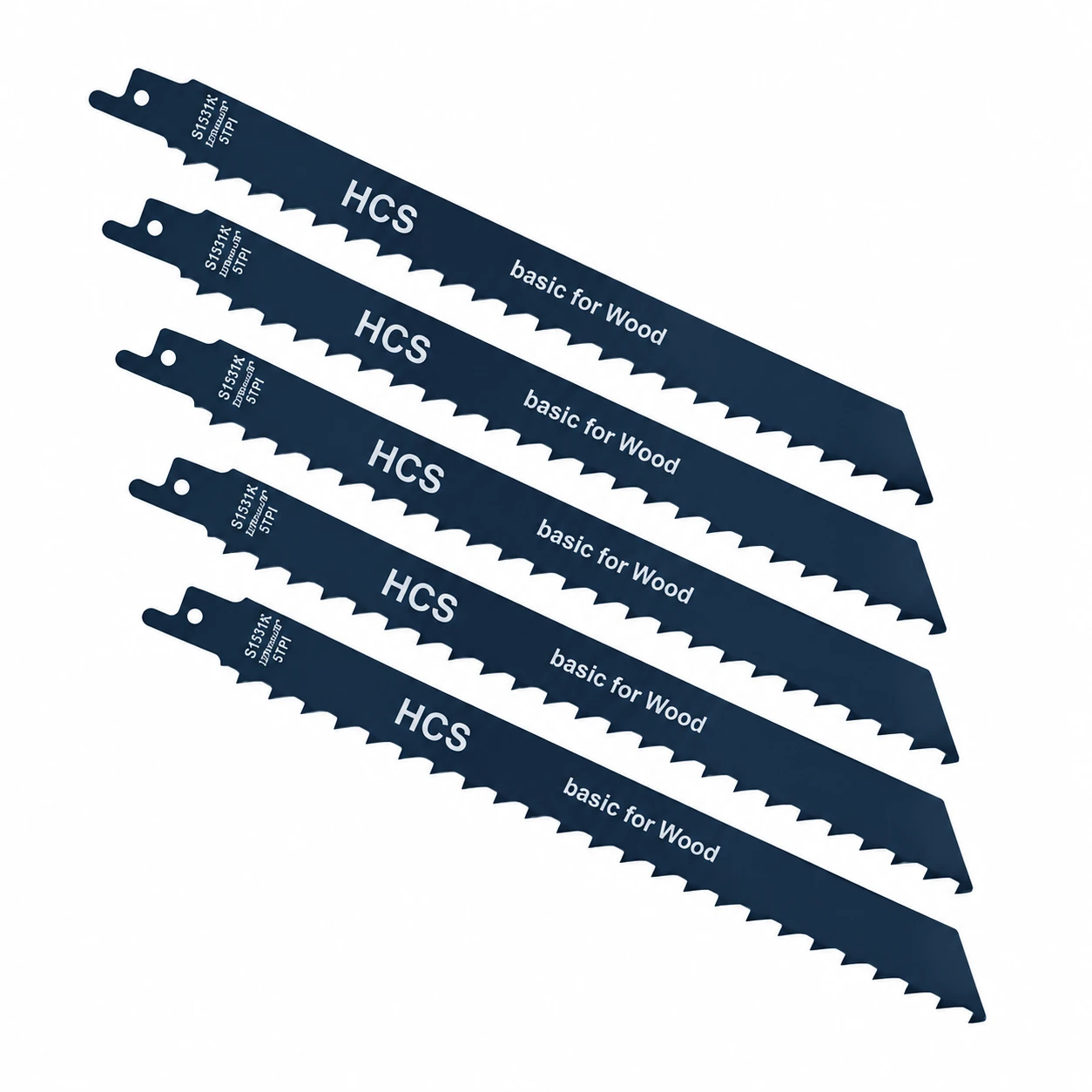
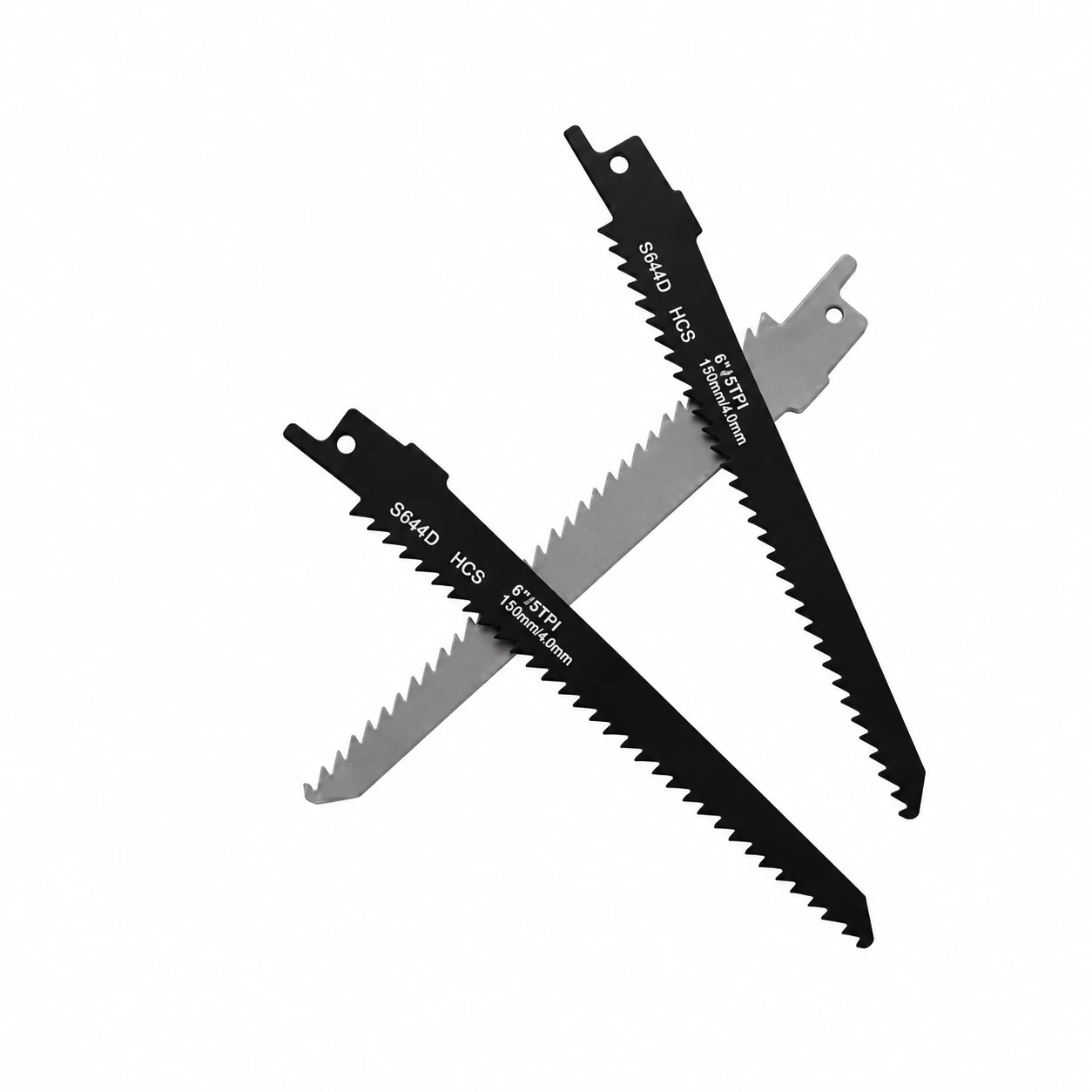
Reciprocating saw blade range with different blade profiles
AXIMET · PROFESSIONAL B2B TOOL SUPPLY

Reciprocating Saw Blade Manufacturer for Professional Distributors

Source reciprocating saw blades around the cuts your customers make: metal sections, timber or mixed demolition work. Specify the workpiece and blade connection before requesting a quote.

  • Metal and wood cutting profiles
  • Blade reach and connection checks
  • Application-based distributor ranges
  • Item quantities by cutting task
Crossed reciprocating saw blades with different tooth patterns
Crossed reciprocating saw blades showing coarse and finer tooth patterns
CATEGORY DEFINITION · PRODUCT DETAIL

Reciprocating Saw Blades for B2B Purchasing

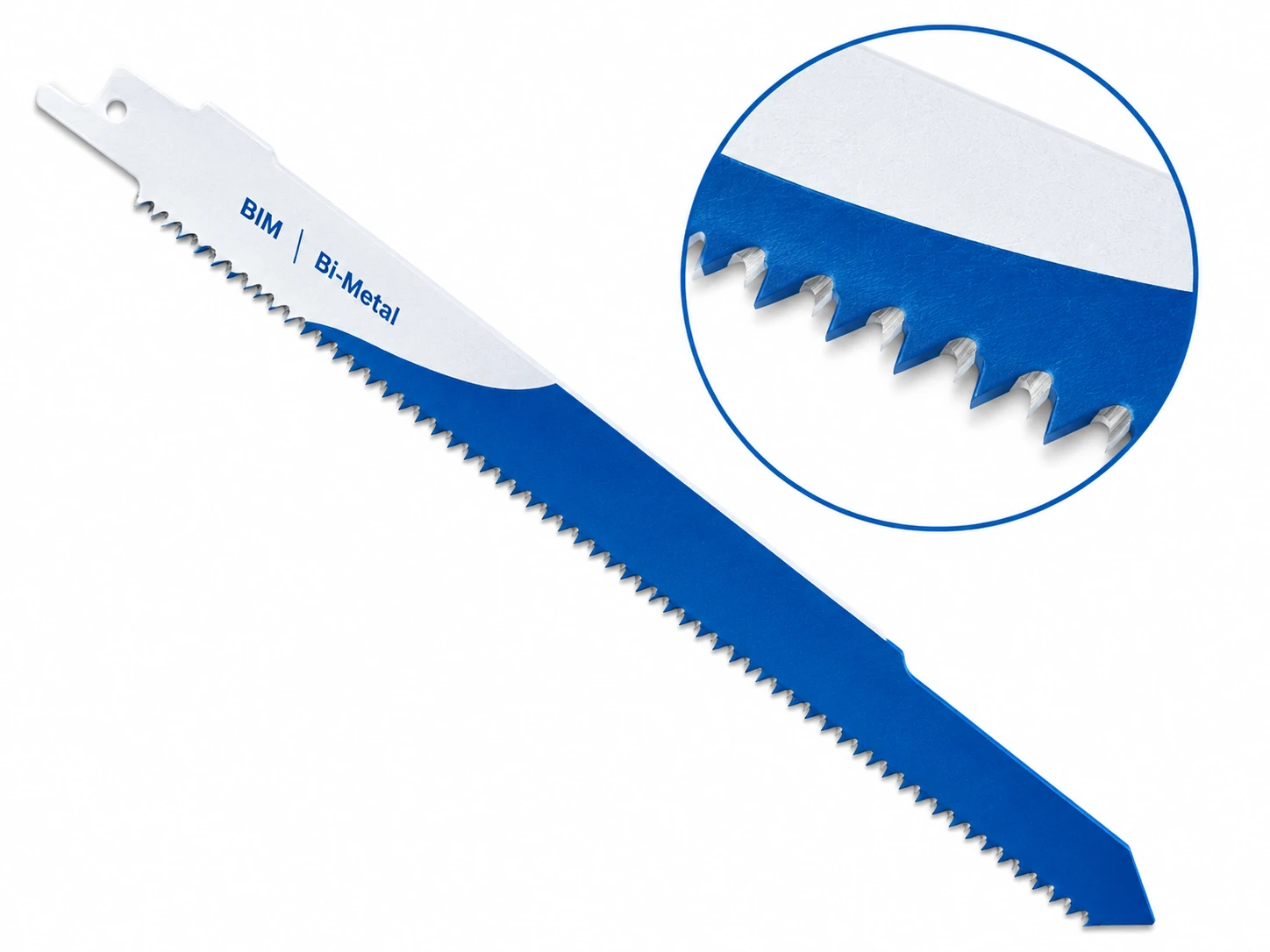
A reciprocating saw blade cuts with a straight, toothed strip held in the saw clamp. The supplied images show different tooth spacings and blade profiles, including a blade marked BIM/Bi-Metal.

  • Workpiece identityState the metal type or timber condition, including nails or other embedded objects.
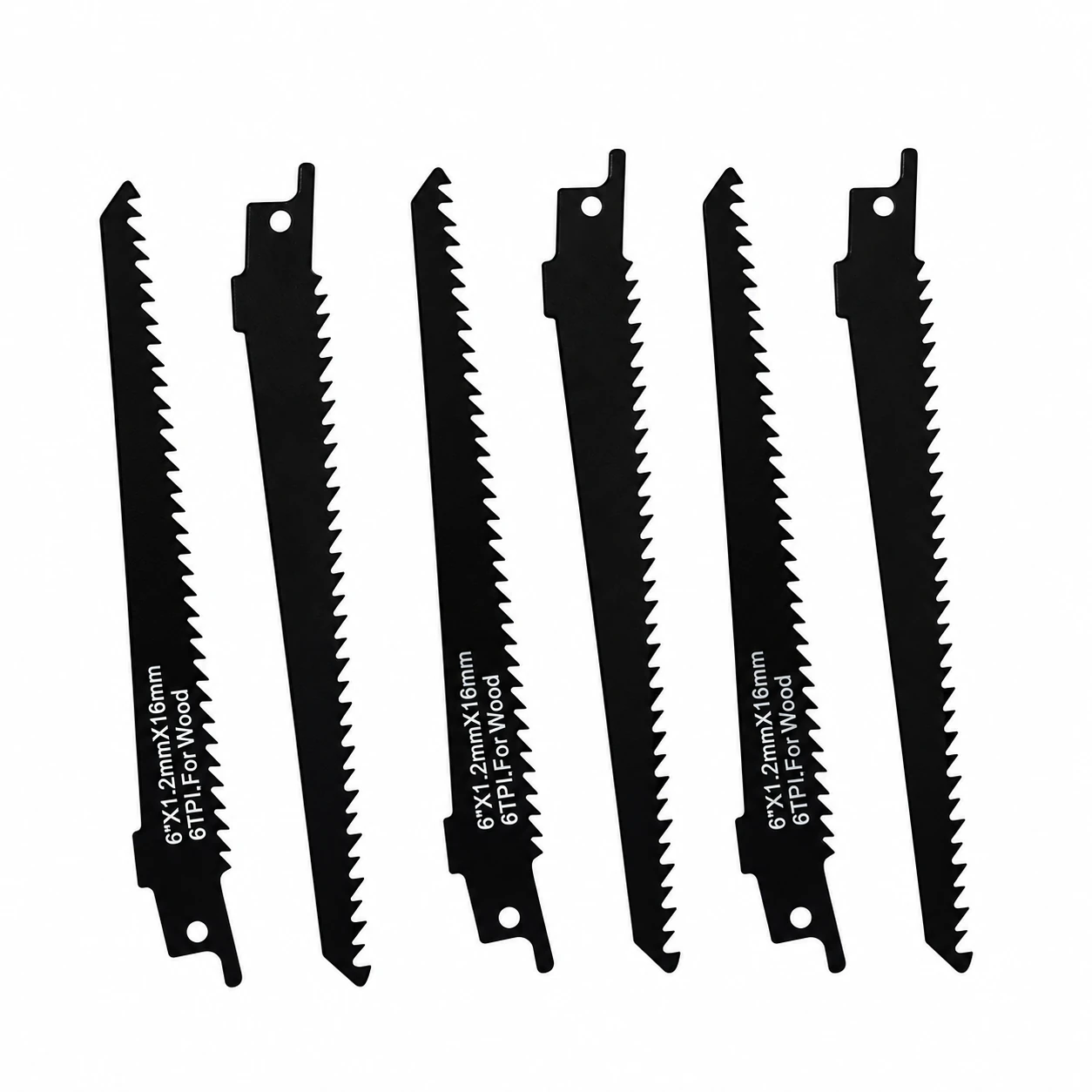
  • Tooth spacingRecord pitch for each line item; do not group different patterns under a single description.
  • Usable reachCheck the section and cutting access throughout the saw stroke.
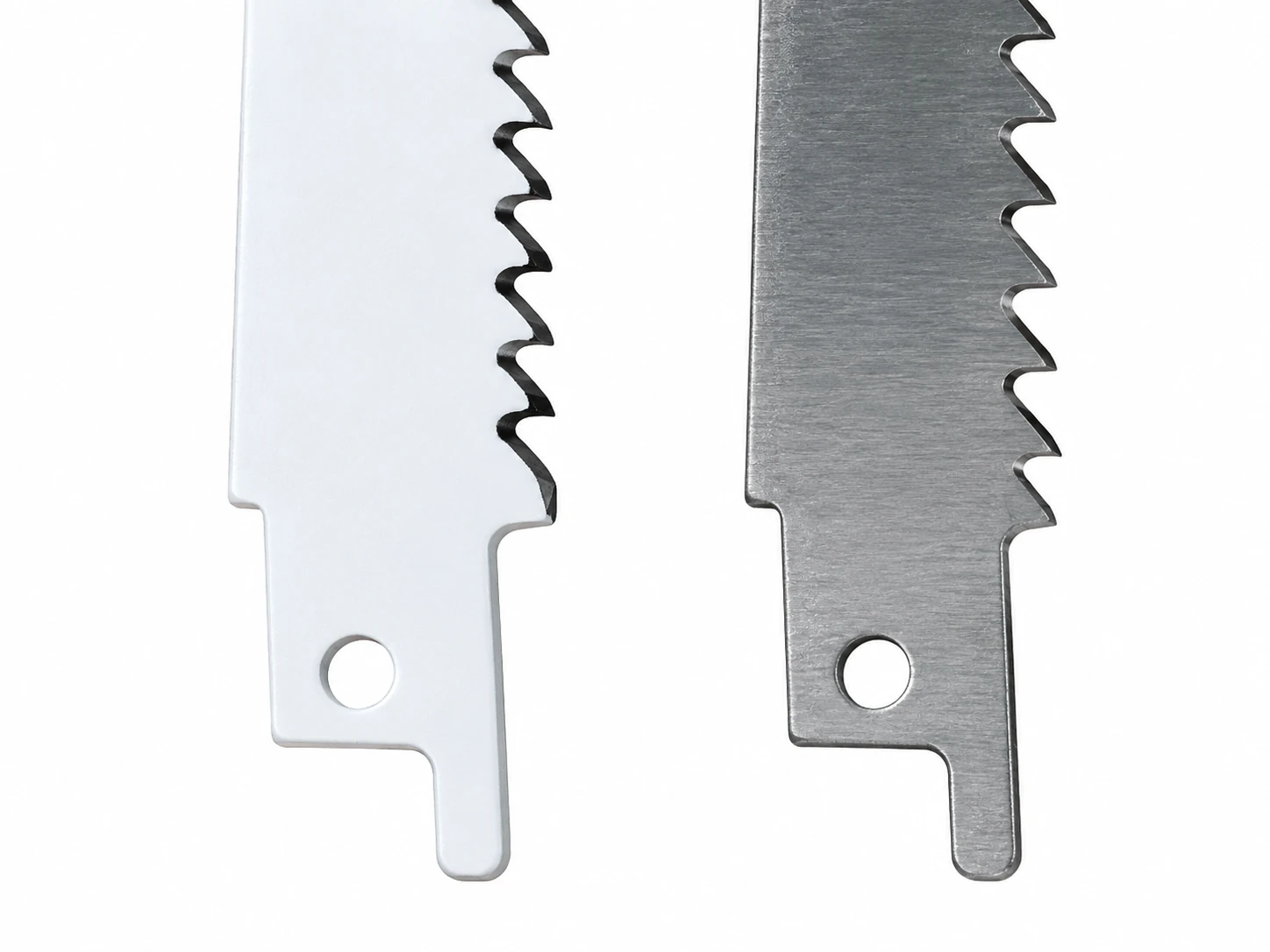
  • Connection endCompare the tang and retaining features with the intended saw clamp.

Industrial blade importers, maintenance suppliers and hardware distributors.

Review the Selection Guide →
PRODUCT RANGE

Reciprocating Saw Blades Product Range

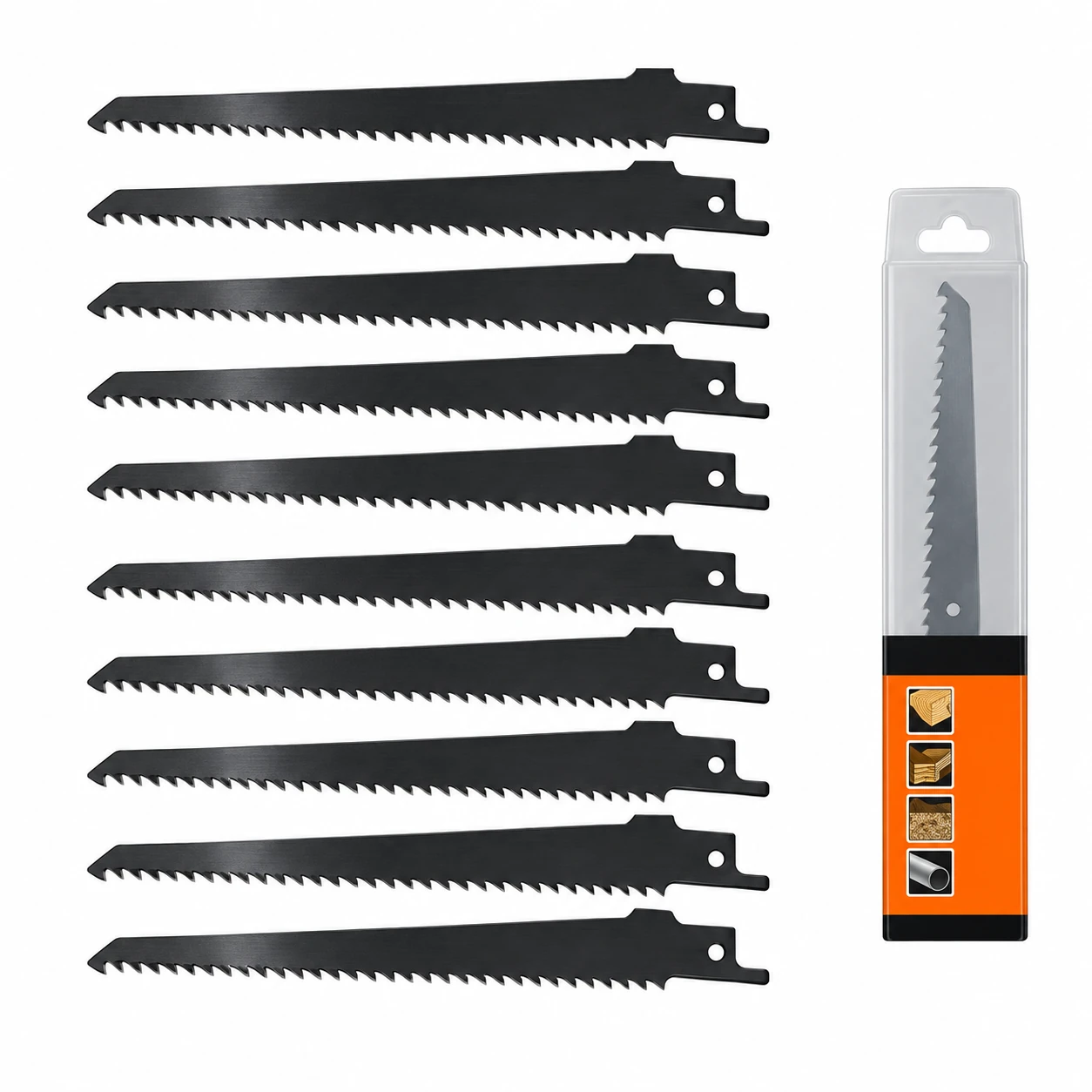
Build the distributor range from recurring customer jobs. Keep clean-wood, metal-section and mixed-material requests separate rather than duplicating similar-looking blades.

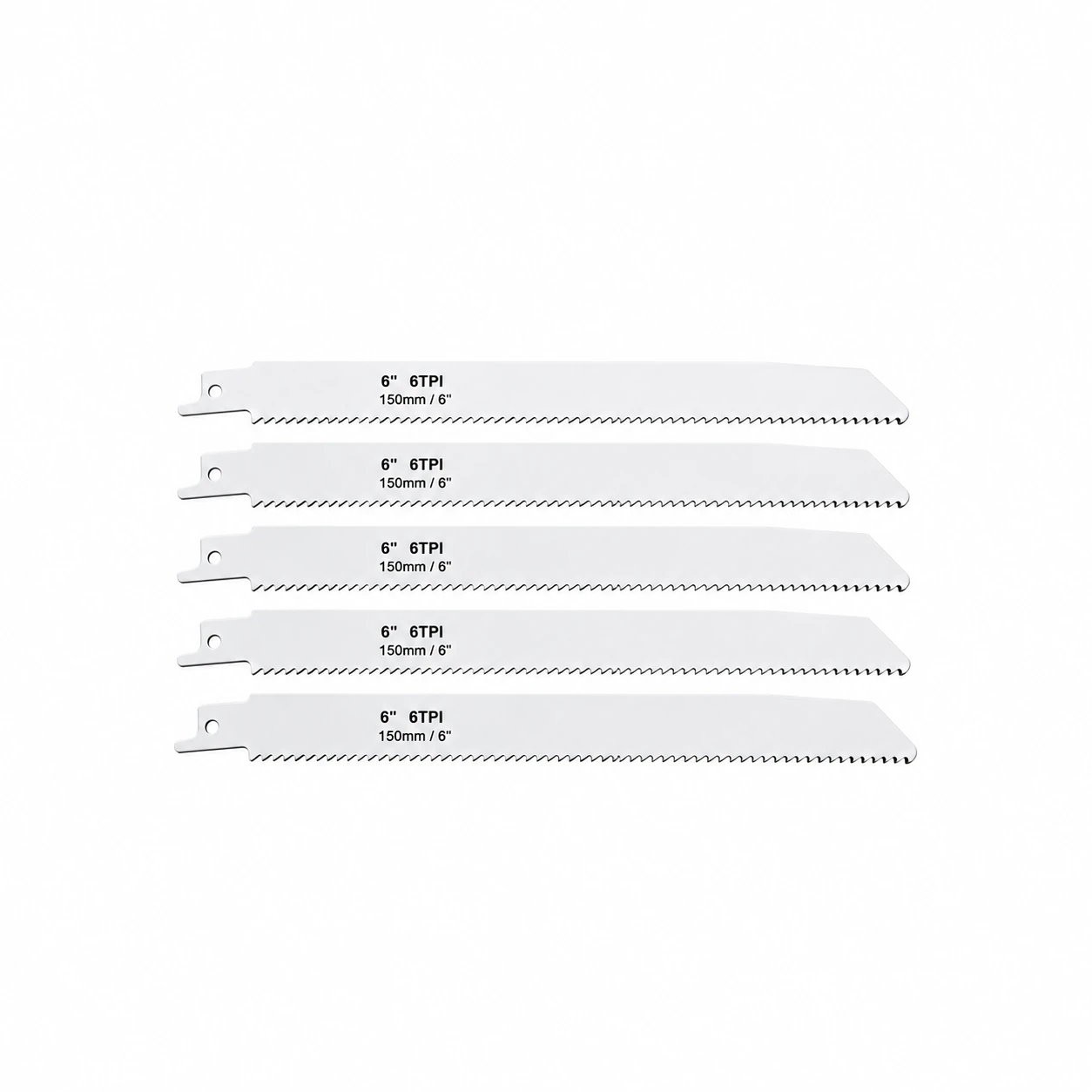
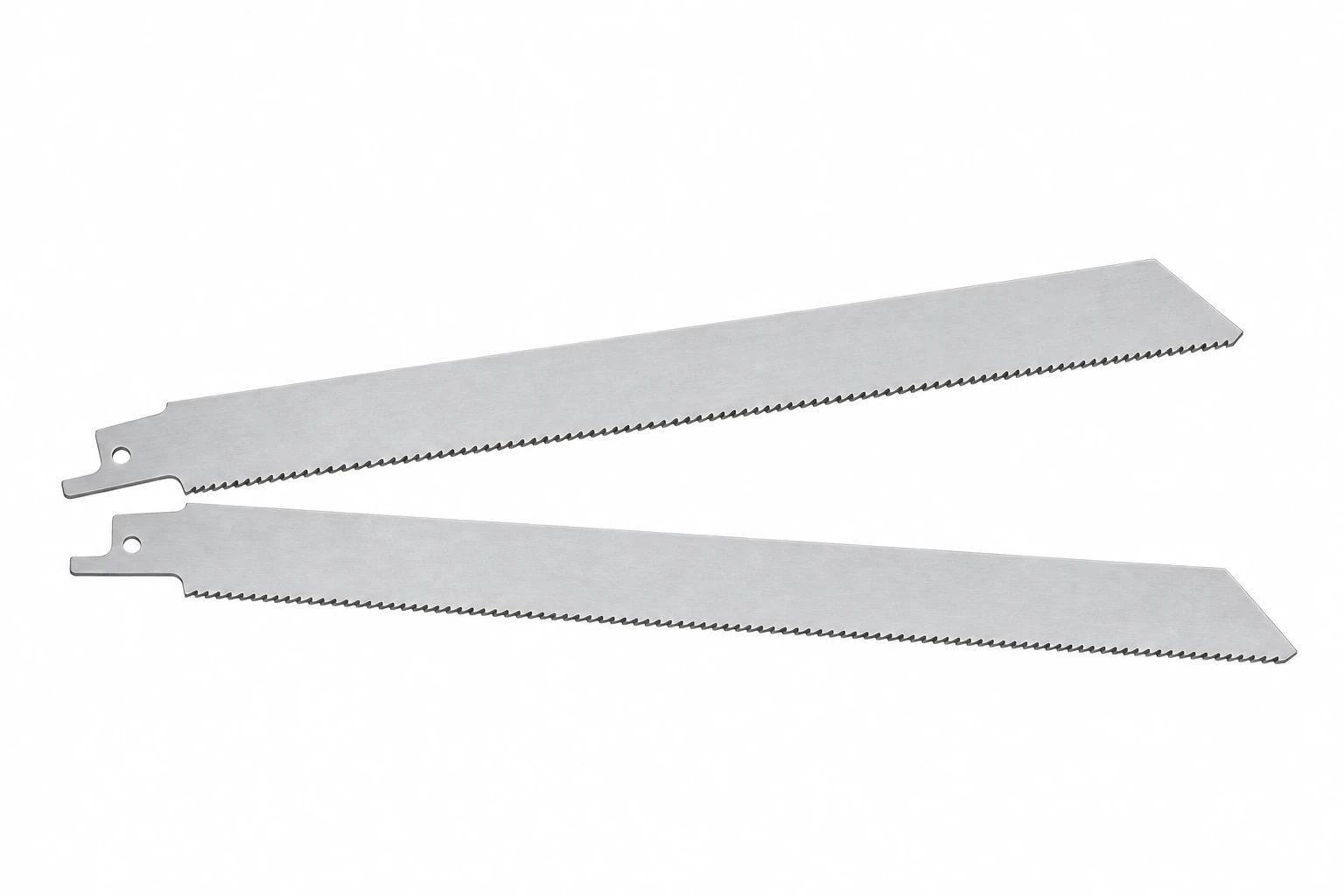
Two reciprocating saw blades with relatively fine teeth
01 · RANGE OPTION

Fine-Tooth Blade Profiles

Compare the finer tooth patterns for metal-section requirements; identify the actual tooth pitch on the item being ordered.

  • Difference: Finer visible spacing along the cutting edge.
  • Buyer: Metalworking maintenance buyers
  • Confirm: Clean wood, metal section or a mixed demolition job.
Request specifications · Fine-Tooth Blade Profiles →
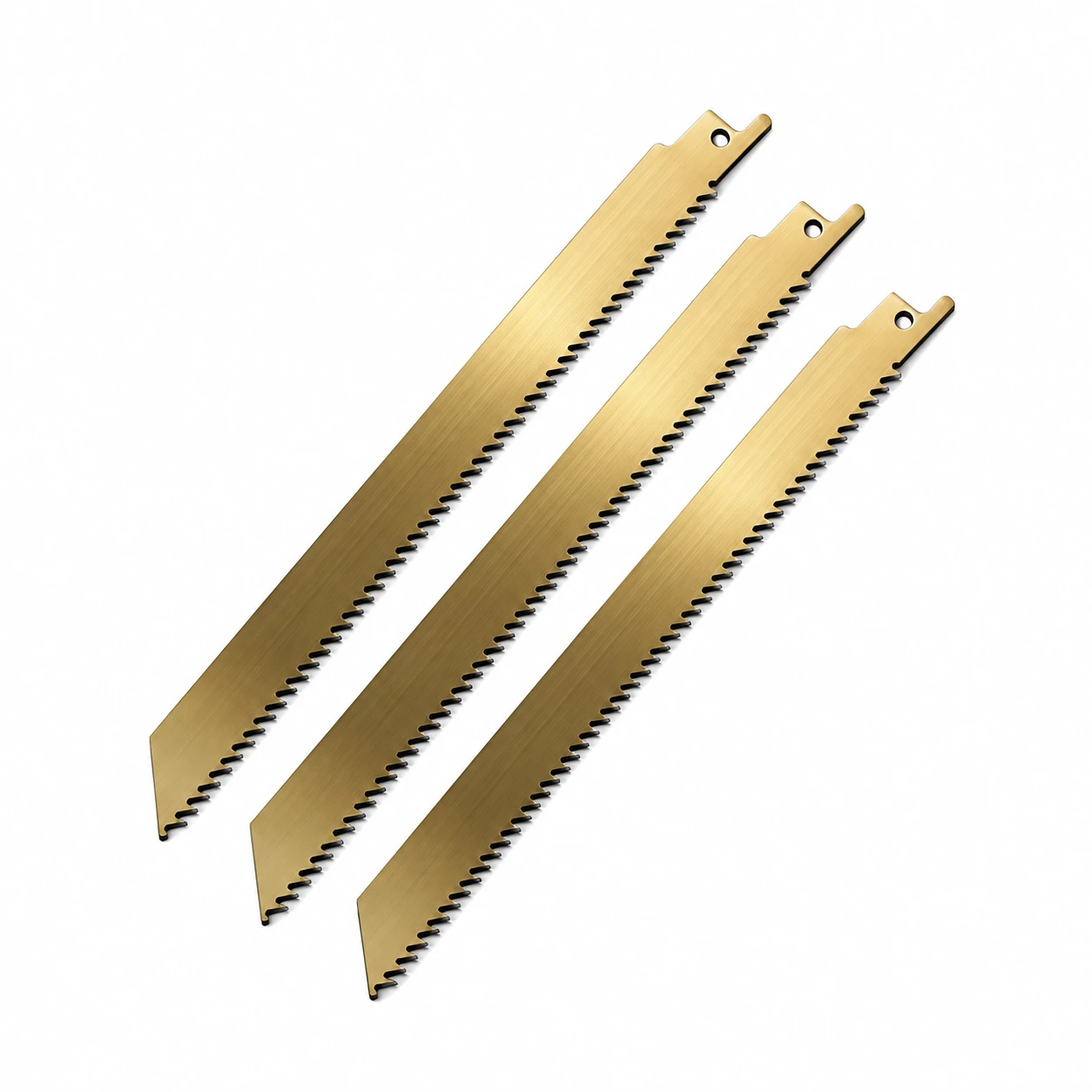
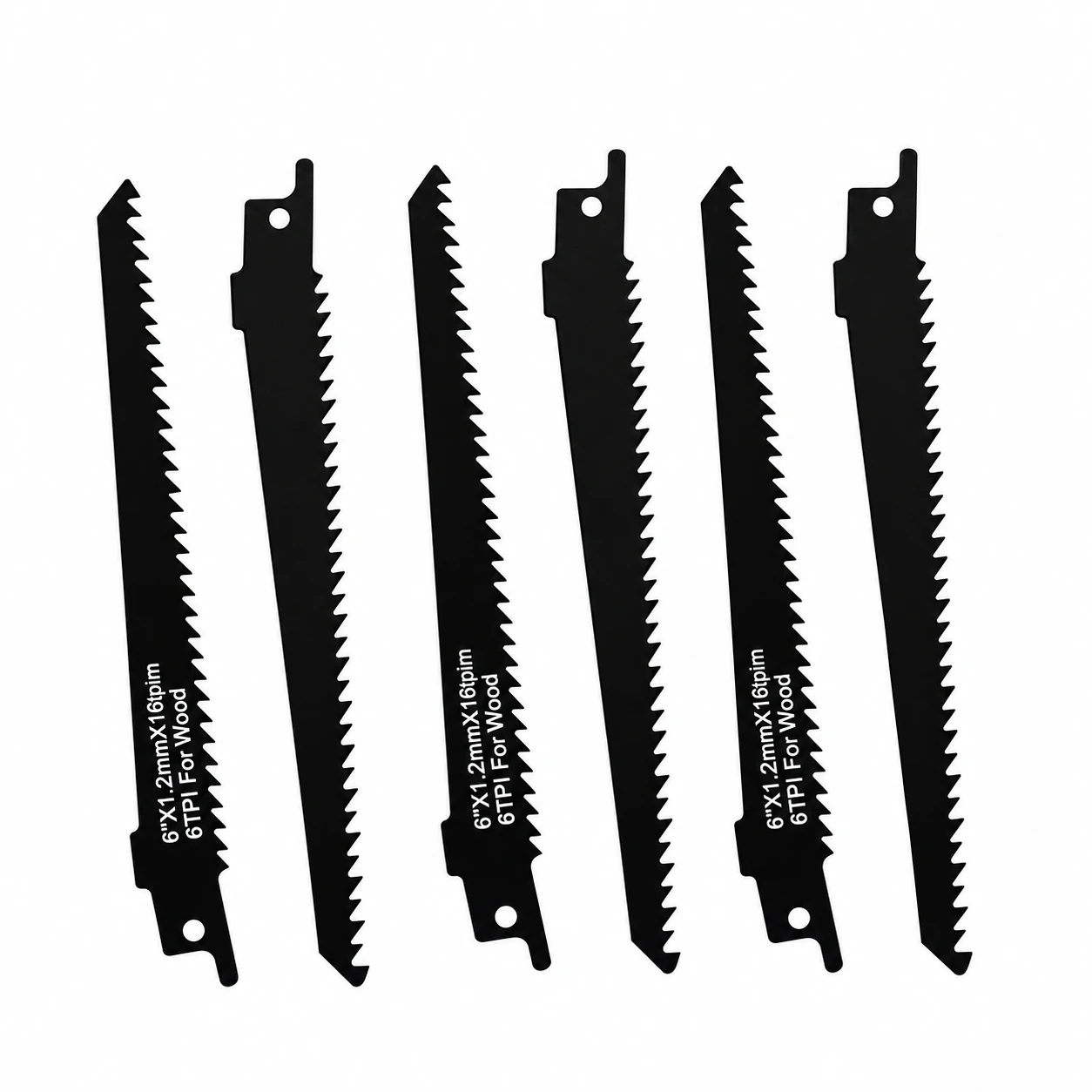
Reciprocating saw blades with coarse tooth profiles
02 · RANGE OPTION

Coarse-Tooth Blade Profiles

Use the coarser profiles as a starting point for clean timber selection, with blade reach and workpiece support checked together.

  • Difference: Wider visible tooth spacing than the fine-tooth examples.
  • Buyer: Timber-workshop buyers
  • Confirm: Record wall thickness or solid section and available access.
Request specifications · Coarse-Tooth Blade Profiles →
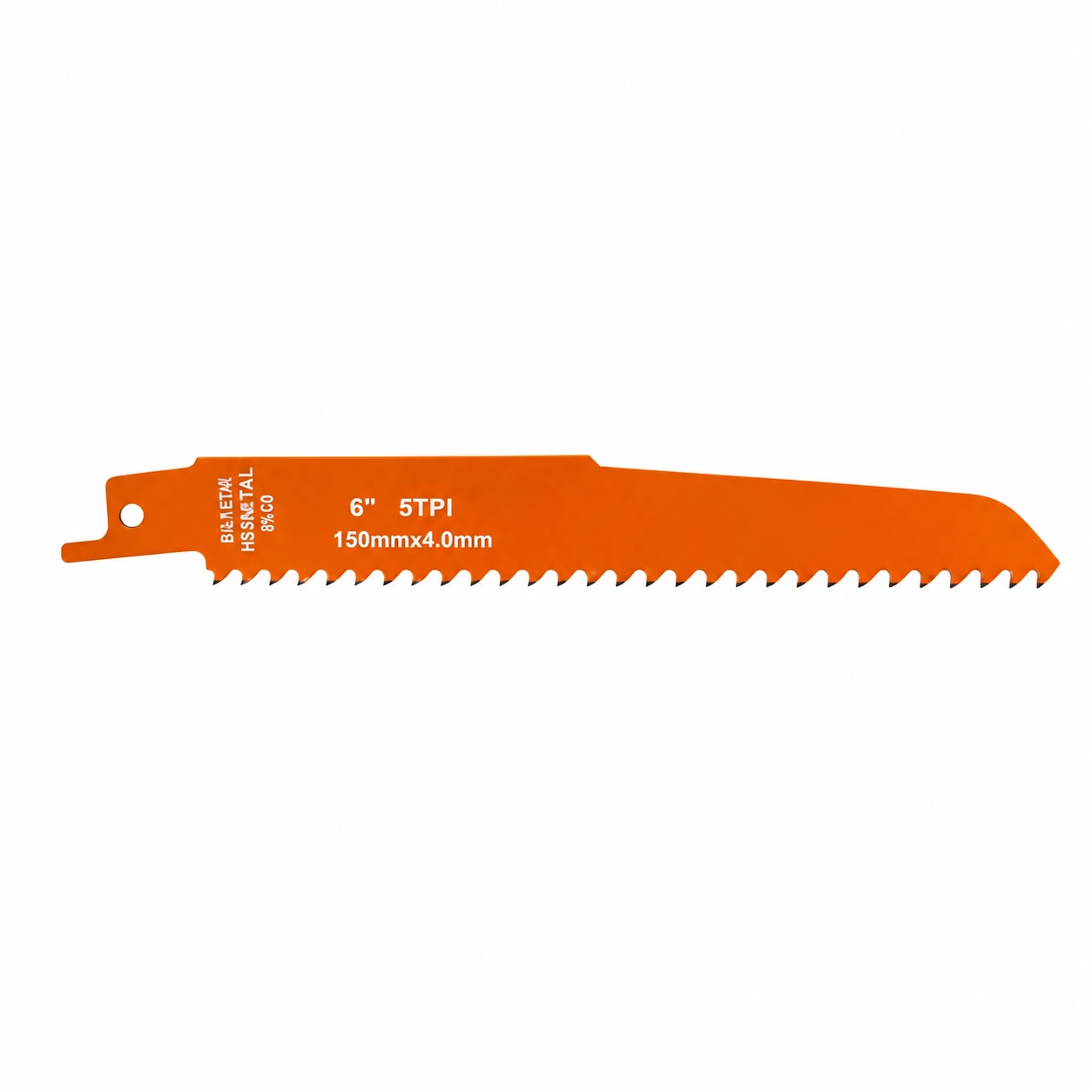
Reciprocating saw blade presented as a bi-metal blade
03 · RANGE OPTION

Bi-Metal Blade Example

The BIM marking identifies the construction shown. Confirm the construction of each quoted item rather than extending it to the whole range.

  • Difference: Construction identified by the visible BIM marking.
  • Buyer: Construction and demolition tool distributors
  • Confirm: List total length, toothed length, width, thickness and pitch.
Request specifications · Bi-Metal Blade Example →
B2B SELECTION GUIDE

How to Select Reciprocating Saw Blades

Thin-wall tubing and solid stock present different tooth-engagement conditions. Include section details in the RFQ rather than requesting a generic metal blade.

01

Identify the cut

Clean wood, metal section or a mixed demolition job.
02

Measure the workpiece

Record wall thickness or solid section and available access.

03

Specify the blade

List total length, toothed length, width, thickness and pitch.

04

Check the saw

Confirm clamp fit and the permitted blade type in the tool manual.

Reciprocating Saw Blades · selection table
Selection stepWhat to check
Identify the cutClean wood, metal section or a mixed demolition job.
Measure the workpieceRecord wall thickness or solid section and available access.
Specify the bladeList total length, toothed length, width, thickness and pitch.
Check the sawConfirm clamp fit and the permitted blade type in the tool manual.

Include workpiece details, blade dimensions, tooth pitch, connection reference and quantity for each item.

Send Selection Requirements →
PRODUCT DETAIL

Range Planning for Reciprocating Saw Blades

Total length, usable toothed length, width and thickness. Record this information separately for each purchasing line.

Fine-Tooth Blade Profiles

Range role: metalwork maintenance purchasing

Keep tube-wall and solid-section blade requests separate. State section thickness beside the pitch requirement.

Coarse-Tooth Blade Profiles

Range role: timber fabrication purchasing

Separate clean timber references from blades requested for embedded fasteners. This preserves the workpiece requirement on repeat orders.

Bi-Metal Blade Example

Range role: mixed-material removal purchasing

Retain the marked construction on the identified item record. Do not apply the marking to an unmarked blade with a similar outline.

INDUSTRIAL APPLICATIONS

Reciprocating Saw Blades Applications

A clean timber blade should not be selected for hidden metal solely because it has coarse teeth. Identify the mixed-material requirement separately.

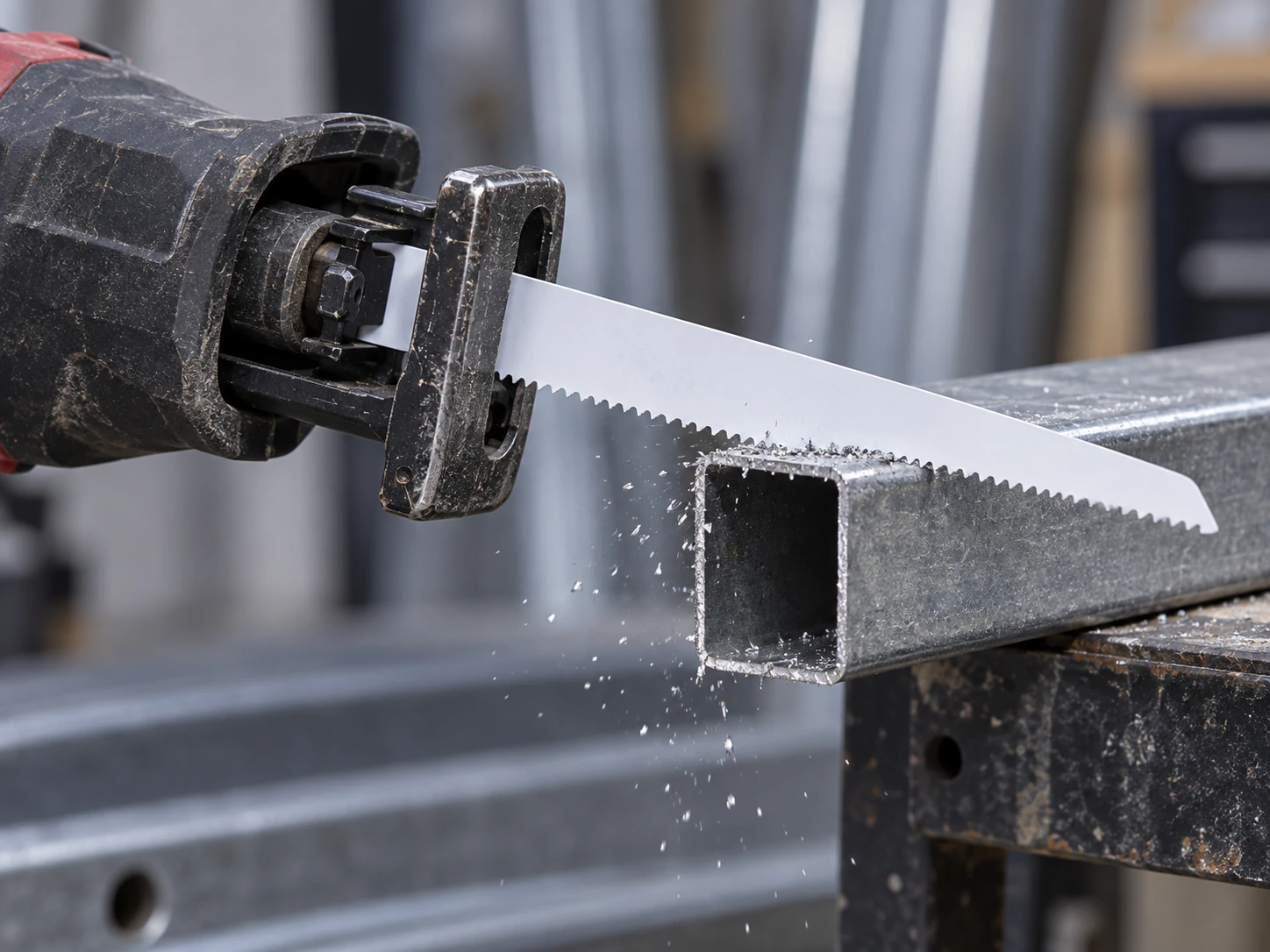
Reciprocating saw blade cutting a square metal tube
01

Metalwork maintenance

Specify tube, profile or solid section and access around the cut.

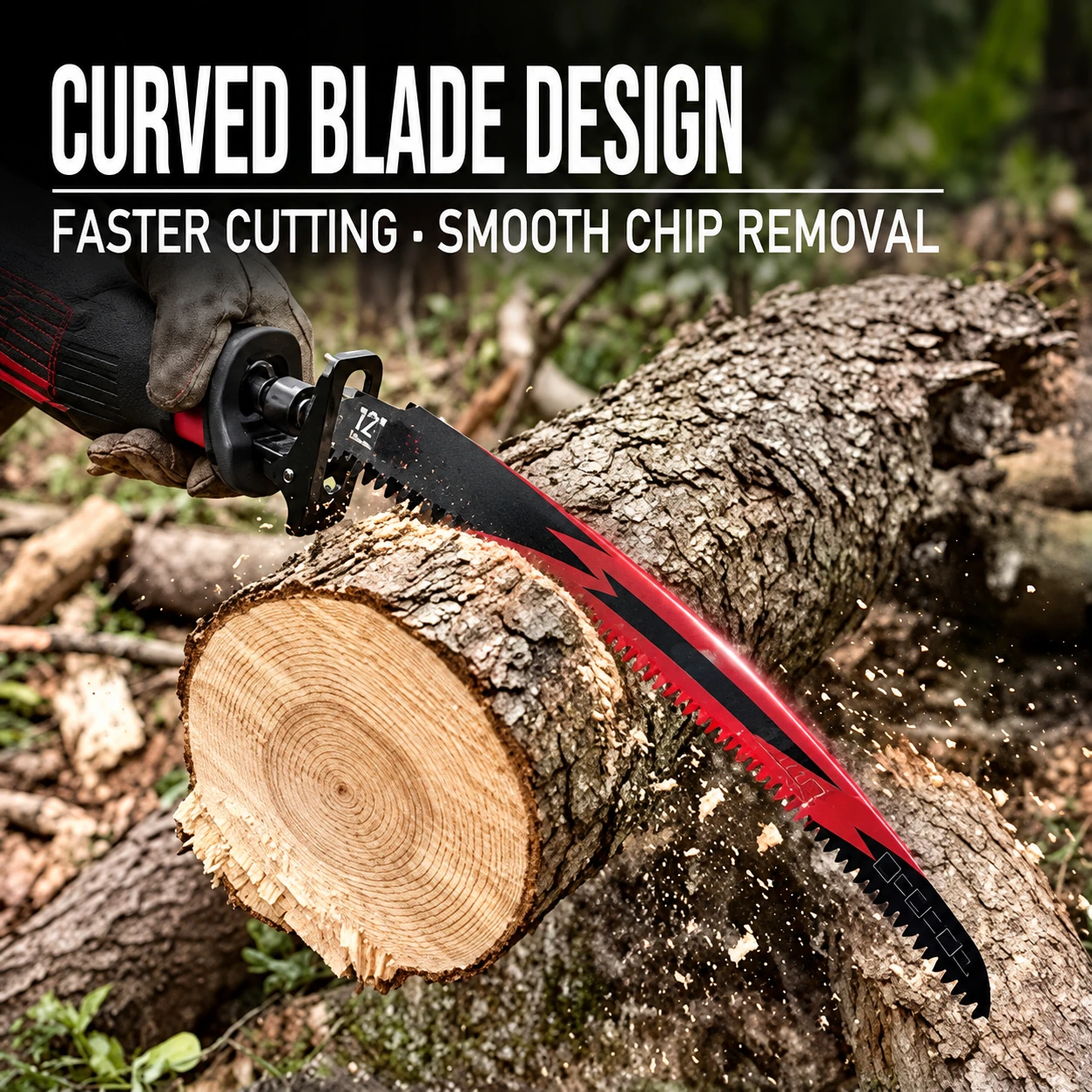
Curved reciprocating saw blade cutting wood
02

Timber fabrication

Record timber dimensions and whether the cut is straight, flush or restricted.

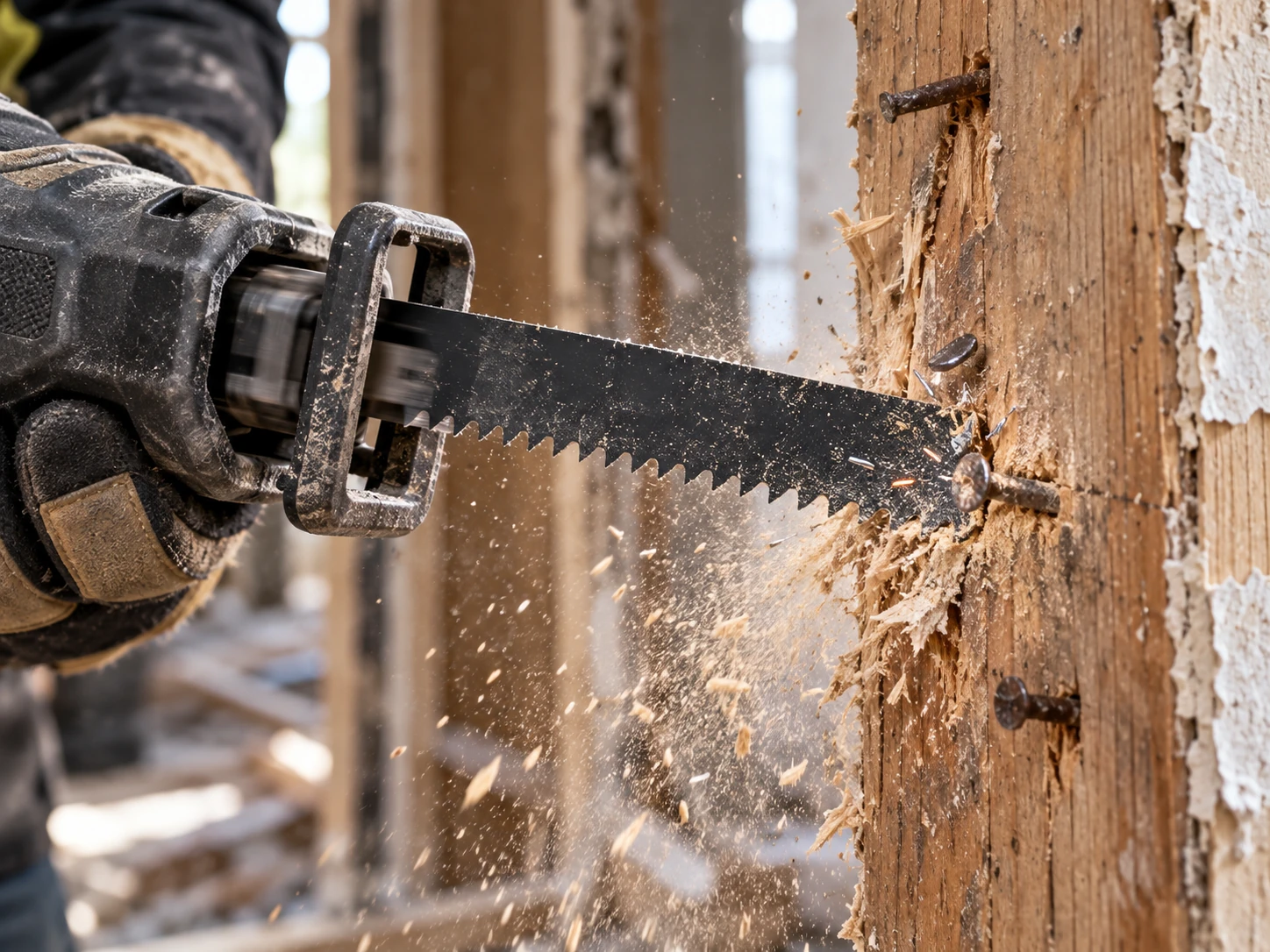
Reciprocating saw blade cutting nail-embedded wood
03

Mixed-material removal

Tell the supplier when embedded fasteners or layered construction are expected.

PRODUCT COMPARISON

Reciprocating Saw Blades Product Comparisons

A description such as “metal/wood blade” is too broad for repeat purchasing. Separate the workpiece, connection and tooth pattern for every order line.

Reciprocating Saw Blades · procurement comparison
Product distinctionBuying implication
Fine and coarse teethDifferent spacing changes tooth engagement and chip clearance; selection depends on the workpiece.
Metal and clean woodUse separate application descriptions and blade references.
Longer and shorter bladesCompare needed reach and support, not length alone.

Check the connection first, then the reach needed over the complete stroke. Excess exposed blade length is not a substitute for secure support.

Send the proposed reciprocating saw blades shortlist with its intended applications.

Compare for My Program →
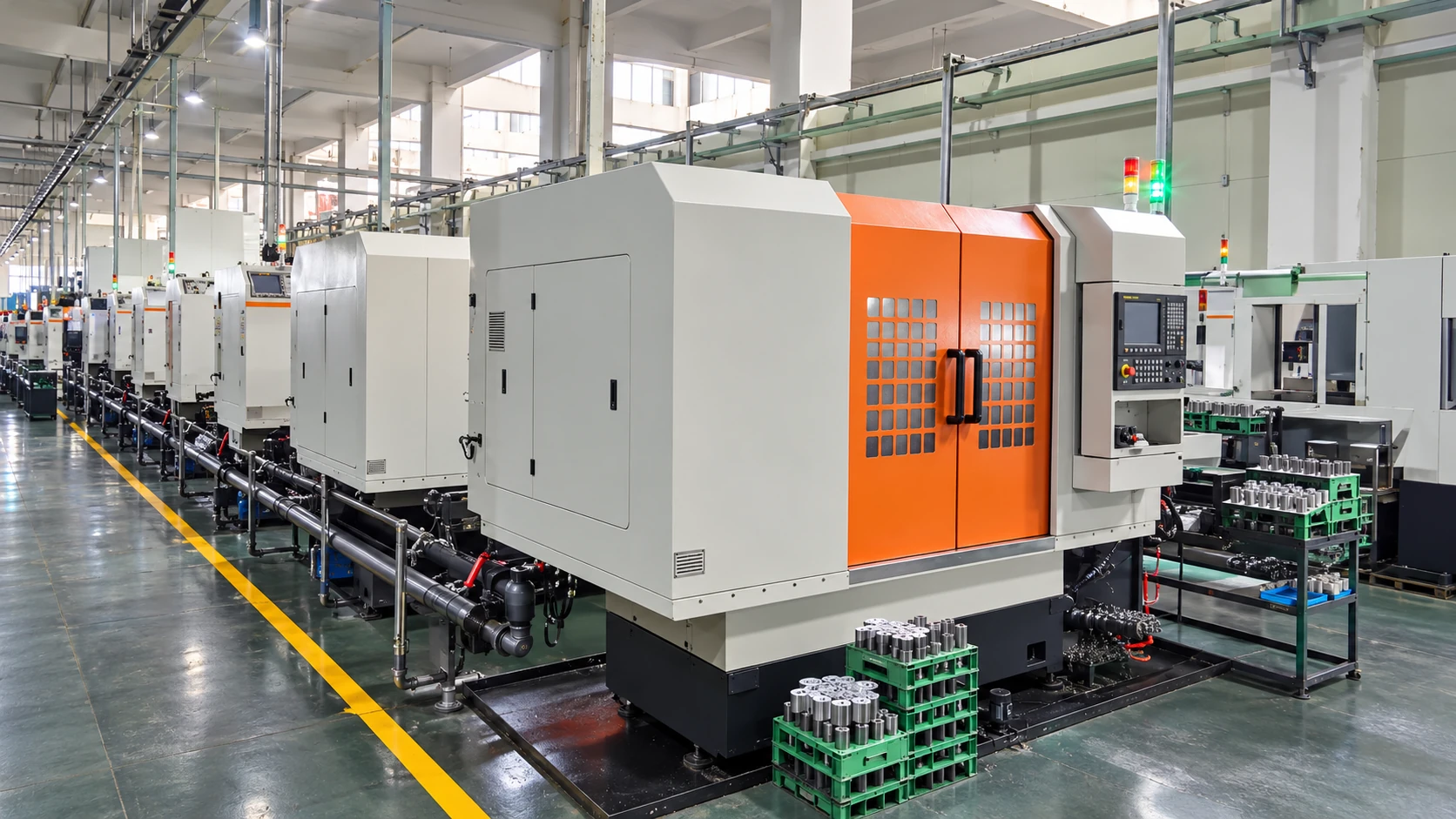
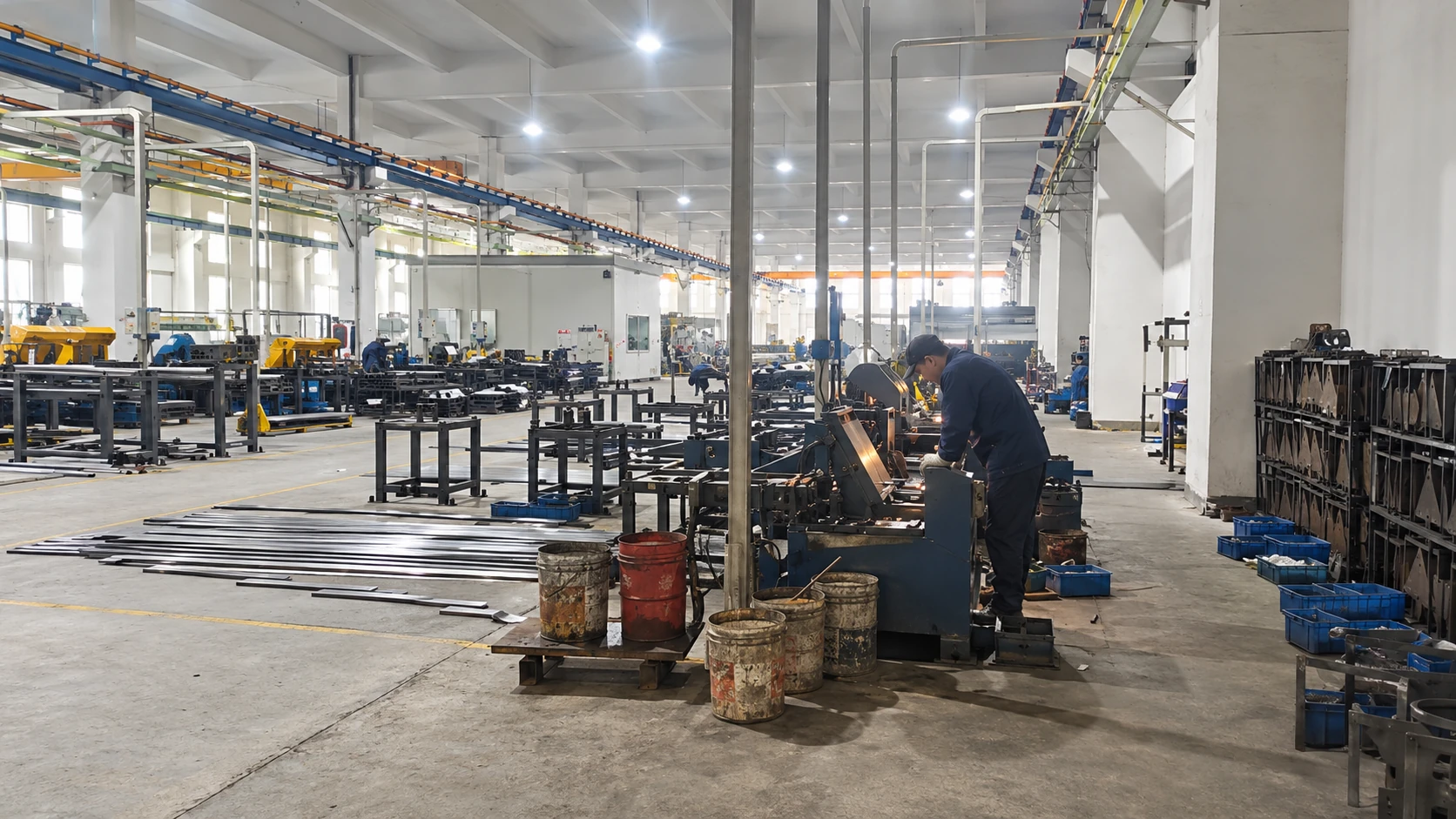
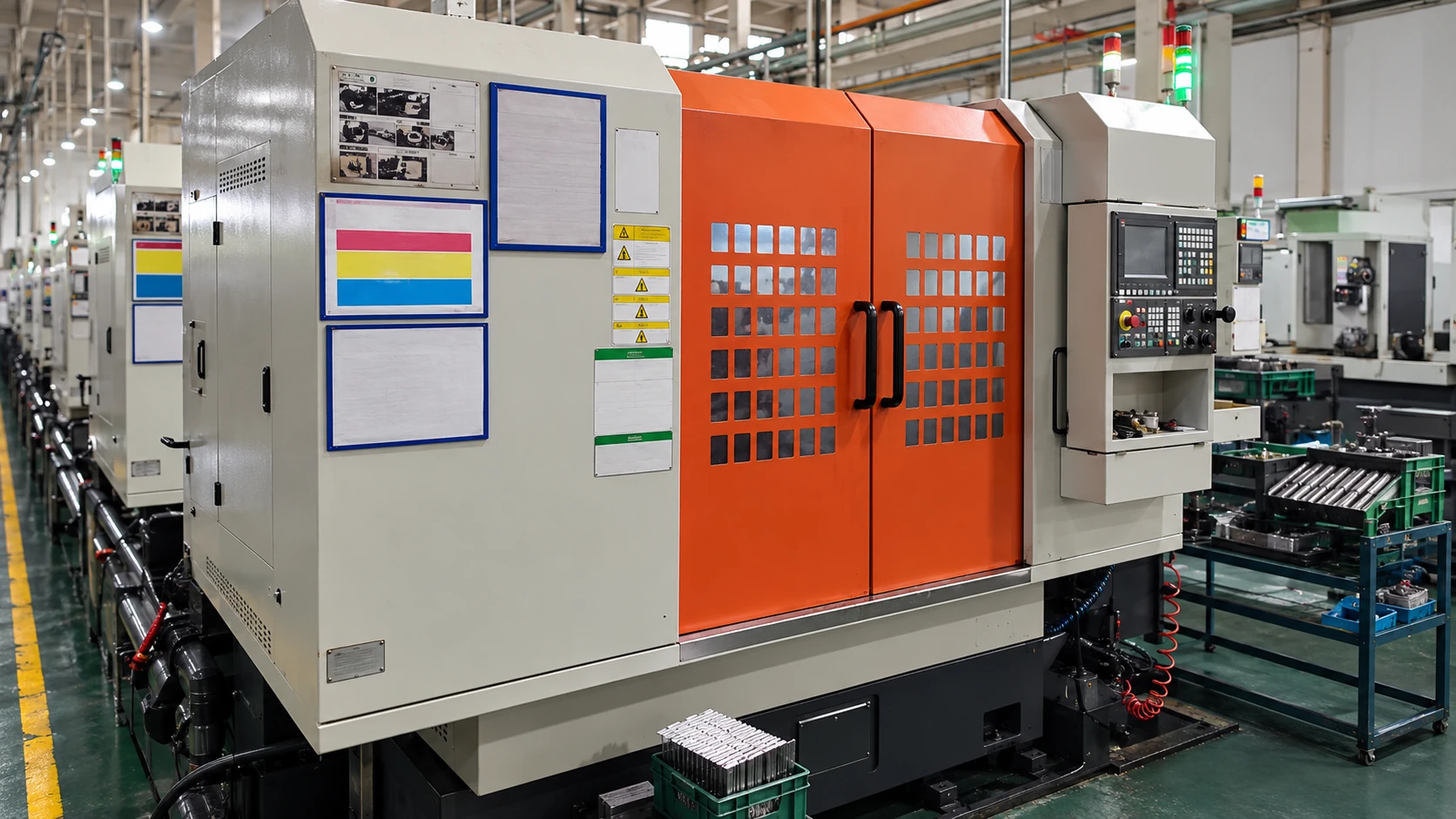
MANUFACTURING CAPABILITY

Construction and Product Details to Review

Retain the approved item drawing, tooth-pitch record and sample identification with the purchase specification.

Rough machining equipment in an industrial production line
Fine-Tooth Blade ProfilesCompare the finer tooth patterns for metal-section requirements; identify the actual tooth pitch on the item being ordered.
Metal cutting equipment in an industrial workshop
Coarse-Tooth Blade ProfilesUse the coarser profiles as a starting point for clean timber selection, with blade reach and workpiece support checked together.
CNC lathe used in an industrial production environment
Bi-Metal Blade ExampleThe BIM marking identifies the construction shown. Confirm the construction of each quoted item rather than extending it to the whole range.

Request the construction record for the selected reciprocating saw blades item.

Request Factory Information →
QUALITY CONTROL

Reciprocating Saw Blades: Incoming Inspection Checklist

For incoming blade approval, examine the connection, body and tooth edge before a trial in the intended saw. Product photographs do not establish a cutting-life rating.

Close-up of a reciprocating saw blade tooth edge
Visible features for reviewCrossed reciprocating saw blades showing coarse and finer tooth patterns
Close-up of reciprocating saw blade shank and connection end
Visible features for reviewTwo fine-tooth reciprocating saw blades with complete shanks
01

Tang and retention

Check the received connection end against the approved saw reference, including its retaining features.

02

Blade outline

Inspect the blade for bending or visible damage and compare its usable toothed reach with the approved item.

03

Cutting edge

Review tooth continuity and the specified pitch; a construction marking belongs to that blade rather than every blade in the order.

04

Order segregation

Keep metal, clean-timber and mixed-material blade references separate during receiving so similar silhouettes do not hide a substitution.

Include the inspection requirements for your reciprocating saw blades order.

Request Quality Information →
OEM & PRIVATE LABEL

OEM and Private-Label Enquiry Requirements

Reciprocating saw blades arranged with retail-style packaging components

For an OEM or ODM inquiry, attach the blade drawing or reference and the intended application. Identify which geometry and connection features must remain fixed.

List quantities by blade reference and any label or pack-content requirements. Keep different tooth patterns identifiable in the purchasing list.

    Discuss OEM Requirements →
    BUYING CHECKLIST

    Information to prepare before requesting a quotation

    01Total length, usable toothed length, width and thickness
    02Pitch or TPI from the actual blade record
    03Material/construction stated for the selected item
    04Tang drawing, replacement reference or clear photograph
    05Include workpiece details, blade dimensions, tooth pitch, connection reference and quantity for each item.
    BULK ORDER VERIFICATION

    Bulk Order Verification Checklist

    Compare blade dimensions with the purchasing requirement: Total length, usable toothed length, width and thickness.

    01 · ORDER RECORD

    Blade dimensions

    Total length, usable toothed length, width and thickness

    02 · ORDER RECORD

    Tooth pattern

    Pitch or TPI from the actual blade record

    03 · ORDER RECORD

    Construction

    Material/construction stated for the selected item

    B2B FAQ

    Reciprocating Saw Blades: questions from professional buyers

    01What information is needed for a reciprocating saw blade quote?

    Provide the workpiece, section thickness, blade dimensions, tooth pattern, connection and item quantities.

    02Can the same blade be specified for metal and clean wood?

    Do not assume this from appearance. Match the selected blade’s stated application and tooth pattern to the job.

    03Does BIM identify every blade in the range?

    No. BIM/Bi-Metal is visible on the supplied example; the construction of other items must be stated separately.

    04How should replacement blades be identified?

    Use the existing item reference, connection photograph and dimensions alongside the intended saw model.

    05How can a distributor avoid overlapping items?

    Group by distinct applications and keep a single item reference for each approved combination of connection, dimensions and tooth pattern.

    REQUEST A QUOTE

    Request a Reciprocating Saw Blades Quote

    Send your reciprocating saw blade requirements with the workpiece and saw connection. We can review the requested items for a B2B quotation.

    We use these details only to prepare and follow up your quotation.

    Chat on WhatsApp