
Use the comparison as a controlled buying record. It should identify the application, the exact tool variants, the evidence reviewed and every field still requiring supplier confirmation.
Define the purchase requirement
Define the purchase requirement is stage 1 of the specific guide “Table Saw Blade Types: Tooth Count, Kerf and Application” and a defensible table saw blade types decision. Start with the actual workpiece, expected result, operating location, production frequency and available source evidence. The Table Saw label describes a product family, but it does not prove that every machine, stand, blade or accessory has the same structure. Buyers should record what must be cut or supported, how the work is handled, and which fields require supplier confirmation. This prevents a high-volume phrase such as table saw manufacturer, table saw supplier, table saw for woodworking, professional table saw, table saw for sale from becoming a substitute for an engineering brief. It also keeps this types-and-uses article useful without claiming an unsupported ranking, capacity, price, certification or delivery term.
For the “Table Saw Blade Types: Tooth Count, Kerf and Application” topic, stage 1 should end with a written acceptance point linked to a drawing, product page, catalog field, image, sample or quotation line. Compare only like-for-like configurations and keep voltage, plug, blade, rail, table, extraction, package and optional accessories visible as separate order fields when they apply. If a value is absent from the approved source, ask for confirmation instead of copying it from a similar-looking product. This evidence-first method makes the article practical for distributors, workshop buyers and OEM programs while protecting the boundary between guidance and a final technical agreement.
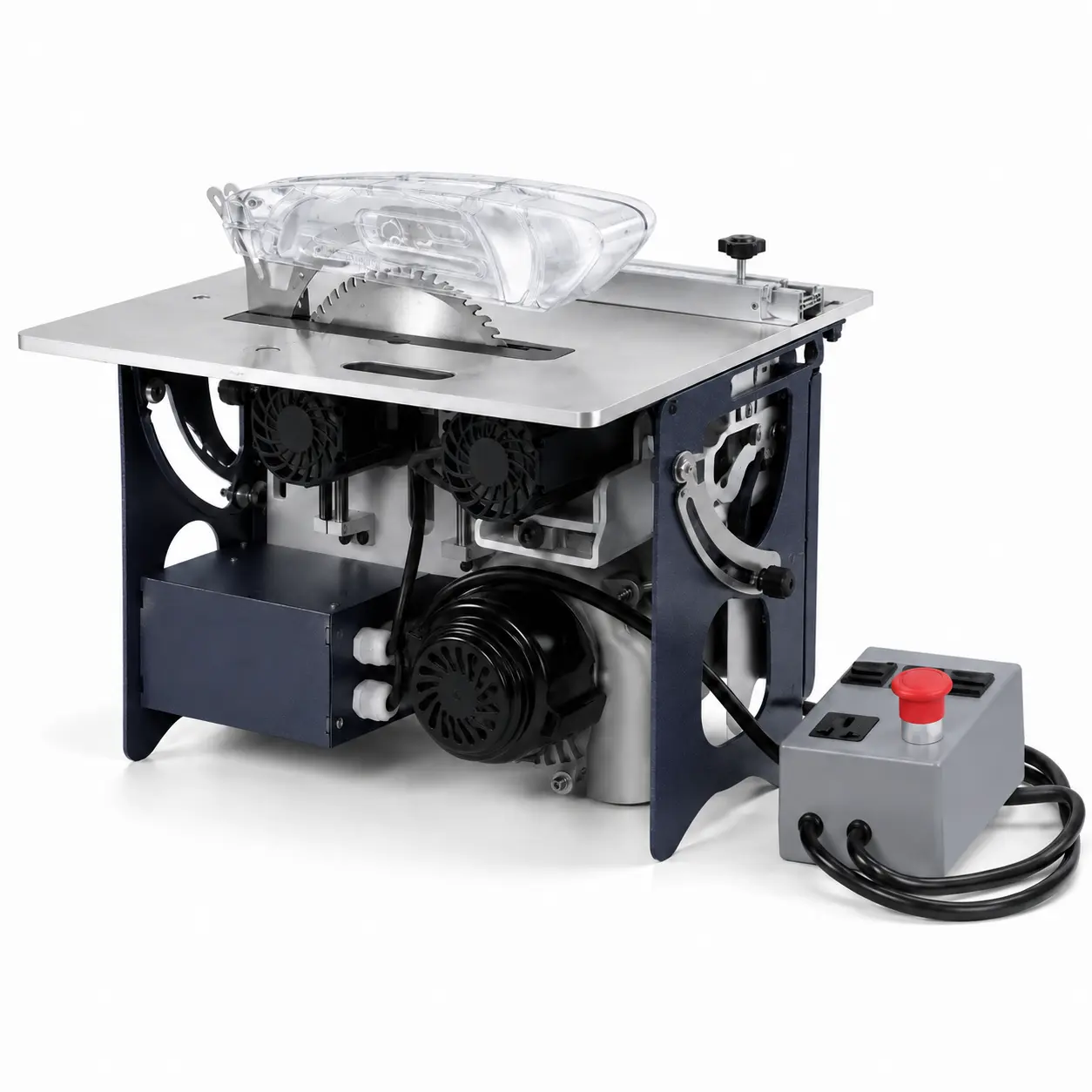
Separate product entities
Separate product entities is stage 2 of the specific guide “Table Saw Blade Types: Tooth Count, Kerf and Application” and a defensible table saw blade types decision. Start with the actual workpiece, expected result, operating location, production frequency and available source evidence. The Table Saw label describes a product family, but it does not prove that every machine, stand, blade or accessory has the same structure. Buyers should record what must be cut or supported, how the work is handled, and which fields require supplier confirmation. This prevents a high-volume phrase such as table saw manufacturer, table saw supplier, table saw for woodworking, professional table saw, table saw for sale from becoming a substitute for an engineering brief. It also keeps this types-and-uses article useful without claiming an unsupported ranking, capacity, price, certification or delivery term.
For the “Table Saw Blade Types: Tooth Count, Kerf and Application” topic, stage 2 should end with a written acceptance point linked to a drawing, product page, catalog field, image, sample or quotation line. Compare only like-for-like configurations and keep voltage, plug, blade, rail, table, extraction, package and optional accessories visible as separate order fields when they apply. If a value is absent from the approved source, ask for confirmation instead of copying it from a similar-looking product. This evidence-first method makes the article practical for distributors, workshop buyers and OEM programs while protecting the boundary between guidance and a final technical agreement.
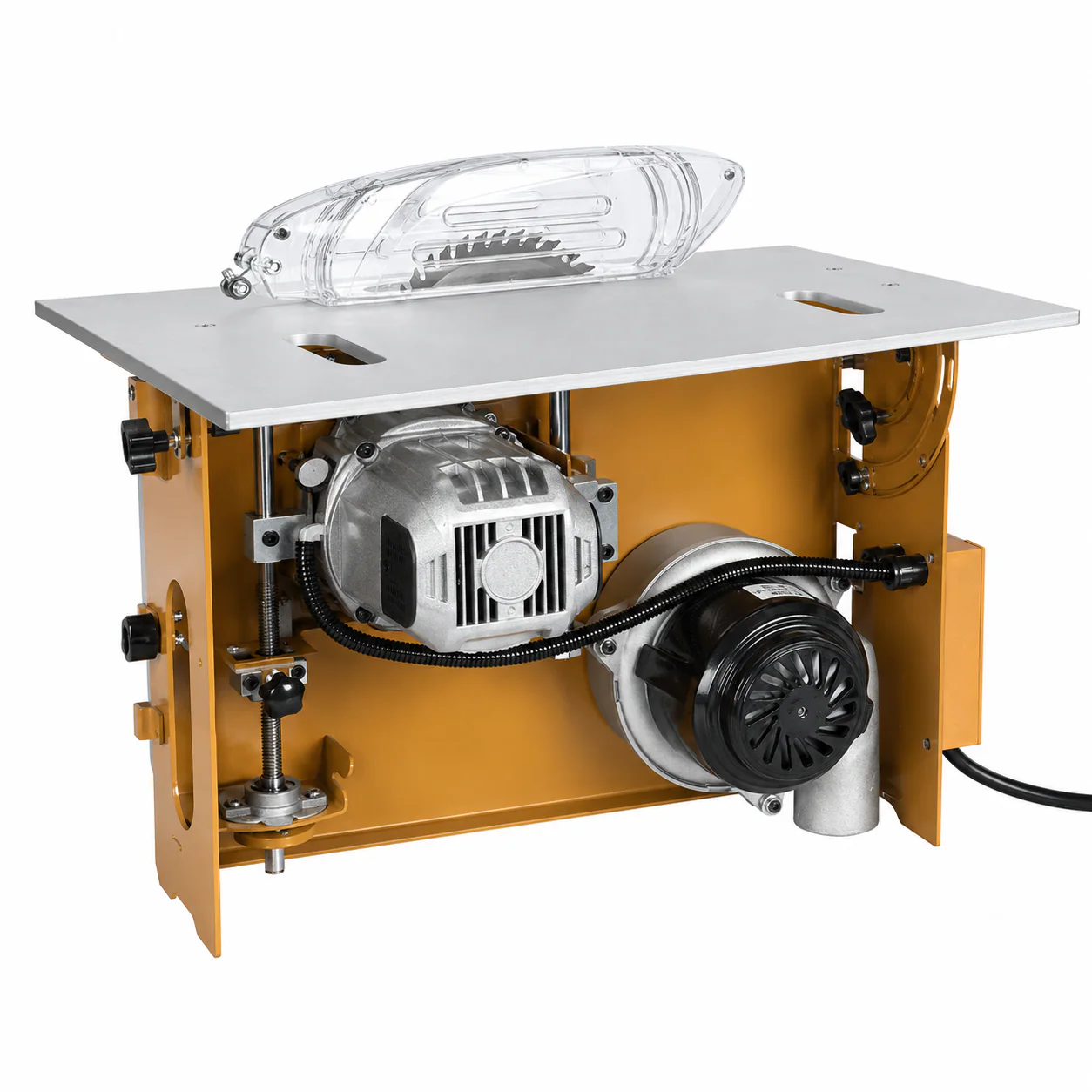
Map the cutting task
Map the cutting task is stage 3 of the specific guide “Table Saw Blade Types: Tooth Count, Kerf and Application” and a defensible table saw blade types decision. Start with the actual workpiece, expected result, operating location, production frequency and available source evidence. The Table Saw label describes a product family, but it does not prove that every machine, stand, blade or accessory has the same structure. Buyers should record what must be cut or supported, how the work is handled, and which fields require supplier confirmation. This prevents a high-volume phrase such as table saw manufacturer, table saw supplier, table saw for woodworking, professional table saw, table saw for sale from becoming a substitute for an engineering brief. It also keeps this types-and-uses article useful without claiming an unsupported ranking, capacity, price, certification or delivery term.
For the “Table Saw Blade Types: Tooth Count, Kerf and Application” topic, stage 3 should end with a written acceptance point linked to a drawing, product page, catalog field, image, sample or quotation line. Compare only like-for-like configurations and keep voltage, plug, blade, rail, table, extraction, package and optional accessories visible as separate order fields when they apply. If a value is absent from the approved source, ask for confirmation instead of copying it from a similar-looking product. This evidence-first method makes the article practical for distributors, workshop buyers and OEM programs while protecting the boundary between guidance and a final technical agreement.
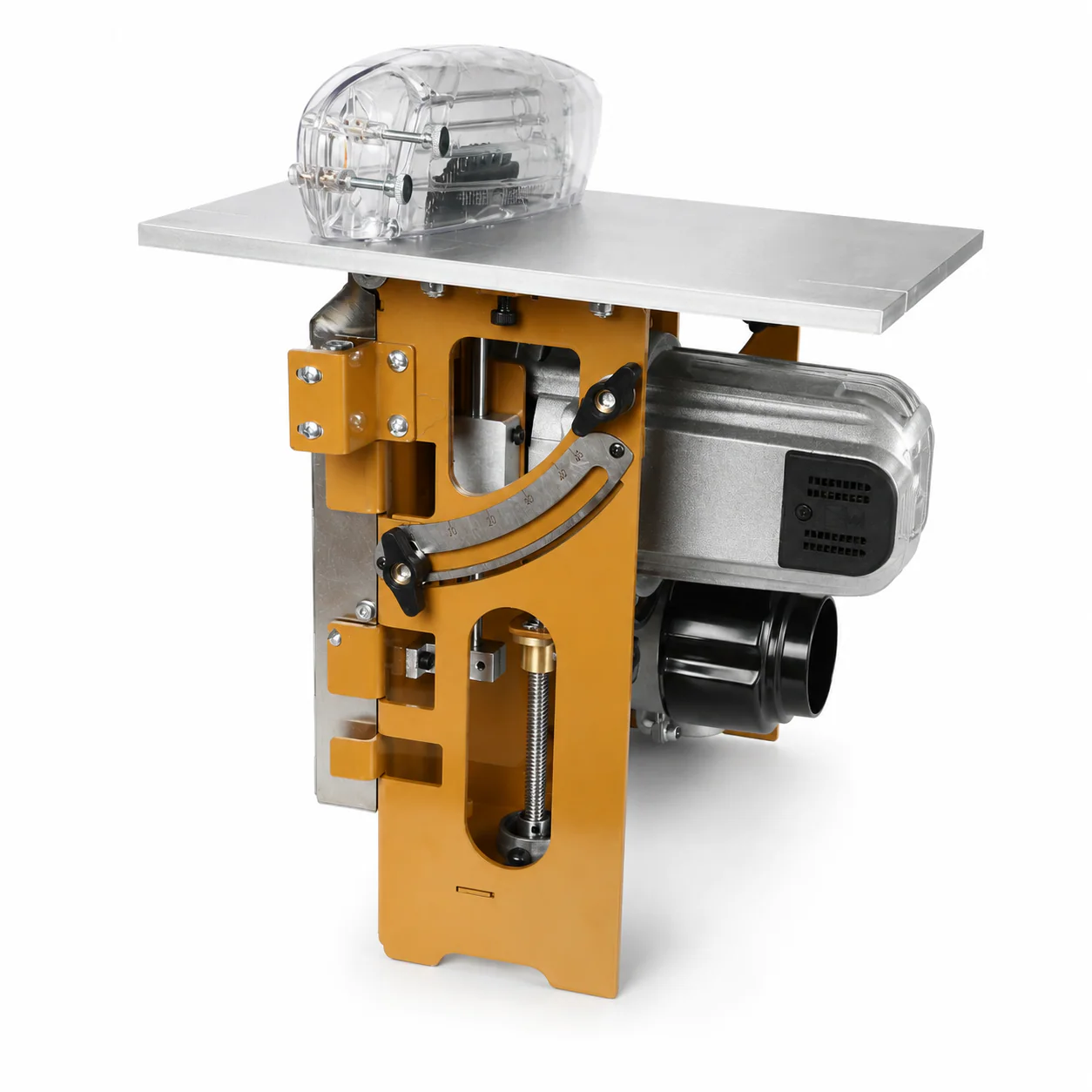
Compare working structures
Compare working structures is stage 4 of the specific guide “Table Saw Blade Types: Tooth Count, Kerf and Application” and a defensible table saw blade types decision. Start with the actual workpiece, expected result, operating location, production frequency and available source evidence. The Table Saw label describes a product family, but it does not prove that every machine, stand, blade or accessory has the same structure. Buyers should record what must be cut or supported, how the work is handled, and which fields require supplier confirmation. This prevents a high-volume phrase such as table saw manufacturer, table saw supplier, table saw for woodworking, professional table saw, table saw for sale from becoming a substitute for an engineering brief. It also keeps this types-and-uses article useful without claiming an unsupported ranking, capacity, price, certification or delivery term.
For the “Table Saw Blade Types: Tooth Count, Kerf and Application” topic, stage 4 should end with a written acceptance point linked to a drawing, product page, catalog field, image, sample or quotation line. Compare only like-for-like configurations and keep voltage, plug, blade, rail, table, extraction, package and optional accessories visible as separate order fields when they apply. If a value is absent from the approved source, ask for confirmation instead of copying it from a similar-looking product. This evidence-first method makes the article practical for distributors, workshop buyers and OEM programs while protecting the boundary between guidance and a final technical agreement.
| Requirement | Tool A | Tool B |
|---|---|---|
| Application | Confirm | Confirm |
| Machine/interface | Record | Record |
| Dimensions/depth | Approve | Approve |
| Sample/revision | Trace | Trace |
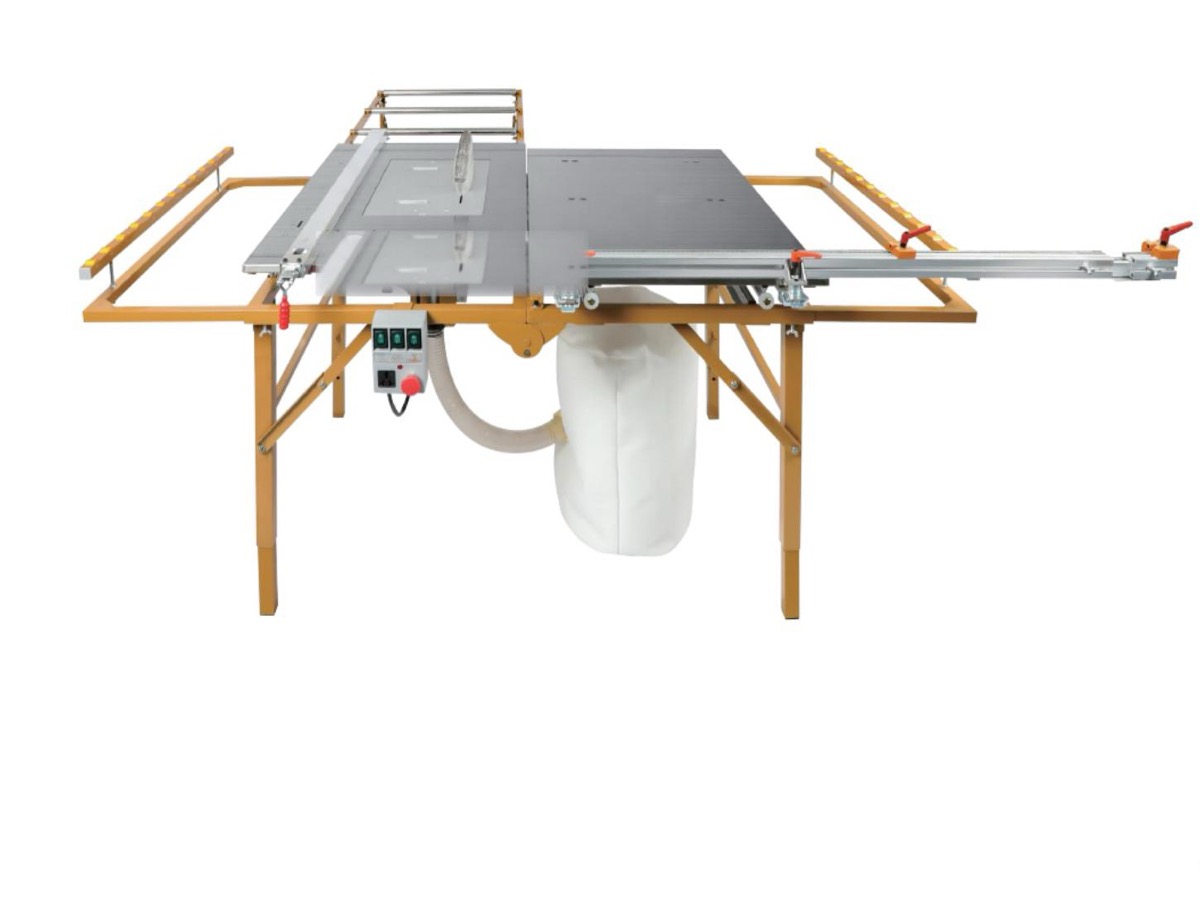
Check the material and result
Check the material and result is stage 5 of the specific guide “Table Saw Blade Types: Tooth Count, Kerf and Application” and a defensible table saw blade types decision. Start with the actual workpiece, expected result, operating location, production frequency and available source evidence. The Table Saw label describes a product family, but it does not prove that every machine, stand, blade or accessory has the same structure. Buyers should record what must be cut or supported, how the work is handled, and which fields require supplier confirmation. This prevents a high-volume phrase such as table saw manufacturer, table saw supplier, table saw for woodworking, professional table saw, table saw for sale from becoming a substitute for an engineering brief. It also keeps this types-and-uses article useful without claiming an unsupported ranking, capacity, price, certification or delivery term.
For the “Table Saw Blade Types: Tooth Count, Kerf and Application” topic, stage 5 should end with a written acceptance point linked to a drawing, product page, catalog field, image, sample or quotation line. Compare only like-for-like configurations and keep voltage, plug, blade, rail, table, extraction, package and optional accessories visible as separate order fields when they apply. If a value is absent from the approved source, ask for confirmation instead of copying it from a similar-looking product. This evidence-first method makes the article practical for distributors, workshop buyers and OEM programs while protecting the boundary between guidance and a final technical agreement.
Review capacity evidence
Review capacity evidence is stage 6 of the specific guide “Table Saw Blade Types: Tooth Count, Kerf and Application” and a defensible table saw blade types decision. Start with the actual workpiece, expected result, operating location, production frequency and available source evidence. The Table Saw label describes a product family, but it does not prove that every machine, stand, blade or accessory has the same structure. Buyers should record what must be cut or supported, how the work is handled, and which fields require supplier confirmation. This prevents a high-volume phrase such as table saw manufacturer, table saw supplier, table saw for woodworking, professional table saw, table saw for sale from becoming a substitute for an engineering brief. It also keeps this types-and-uses article useful without claiming an unsupported ranking, capacity, price, certification or delivery term.
For the “Table Saw Blade Types: Tooth Count, Kerf and Application” topic, stage 6 should end with a written acceptance point linked to a drawing, product page, catalog field, image, sample or quotation line. Compare only like-for-like configurations and keep voltage, plug, blade, rail, table, extraction, package and optional accessories visible as separate order fields when they apply. If a value is absent from the approved source, ask for confirmation instead of copying it from a similar-looking product. This evidence-first method makes the article practical for distributors, workshop buyers and OEM programs while protecting the boundary between guidance and a final technical agreement.
Plan dust and chip control
Plan dust and chip control is stage 7 of the specific guide “Table Saw Blade Types: Tooth Count, Kerf and Application” and a defensible table saw blade types decision. Start with the actual workpiece, expected result, operating location, production frequency and available source evidence. The Table Saw label describes a product family, but it does not prove that every machine, stand, blade or accessory has the same structure. Buyers should record what must be cut or supported, how the work is handled, and which fields require supplier confirmation. This prevents a high-volume phrase such as table saw manufacturer, table saw supplier, table saw for woodworking, professional table saw, table saw for sale from becoming a substitute for an engineering brief. It also keeps this types-and-uses article useful without claiming an unsupported ranking, capacity, price, certification or delivery term.
For the “Table Saw Blade Types: Tooth Count, Kerf and Application” topic, stage 7 should end with a written acceptance point linked to a drawing, product page, catalog field, image, sample or quotation line. Compare only like-for-like configurations and keep voltage, plug, blade, rail, table, extraction, package and optional accessories visible as separate order fields when they apply. If a value is absent from the approved source, ask for confirmation instead of copying it from a similar-looking product. This evidence-first method makes the article practical for distributors, workshop buyers and OEM programs while protecting the boundary between guidance and a final technical agreement.
What Should Buyers Check Before Choosing a Table Saw?·View available products·Contact AXIMET
Frequently Asked Questions
What does “Table Saw Blade Types: Tooth Count, Kerf and Application” mean for a professional buyer?
Define the purchase requirement is stage 1 of the specific guide “Table Saw Blade Types: Tooth Count, Kerf and Application” and a defensible table saw blade types decision. Start with the actual workpiece, expected result, operating location, production frequency and available source evidence. The Table Saw label describes a product family, but it does not prove that every machine, stand, blade or accessory has the same structure. Buyers should record what must be cut or supported, how the work is handled, and which fields require supplier confirmation. This prevents a high-volume phrase such as table saw manufacturer, table saw supplier, table saw for woodworking, professional table saw, table saw for sale from becoming a substitute for an engineering brief. It also keeps this types-and-uses article useful without claiming an unsupported ranking, capacity, price, certification or delivery term. This answer applies to the exact question “What does “Table Saw Blade Types: Tooth Count, Kerf and Application” mean for a professional buyer?”.
How should buyers compare configurations for “Table Saw Blade Types: Tooth Count, Kerf and Application”?
For the “Table Saw Blade Types: Tooth Count, Kerf and Application” topic, stage 2 should end with a written acceptance point linked to a drawing, product page, catalog field, image, sample or quotation line. Compare only like-for-like configurations and keep voltage, plug, blade, rail, table, extraction, package and optional accessories visible as separate order fields when they apply. If a value is absent from the approved source, ask for confirmation instead of copying it from a similar-looking product. This evidence-first method makes the article practical for distributors, workshop buyers and OEM programs while protecting the boundary between guidance and a final technical agreement. This answer applies to the exact question “How should buyers compare configurations for “Table Saw Blade Types: Tooth Count, Kerf and Application”?”.
Which size and specification fields matter in “Table Saw Blade Types: Tooth Count, Kerf and Application”?
Map the cutting task is stage 3 of the specific guide “Table Saw Blade Types: Tooth Count, Kerf and Application” and a defensible table saw blade types decision. Start with the actual workpiece, expected result, operating location, production frequency and available source evidence. The Table Saw label describes a product family, but it does not prove that every machine, stand, blade or accessory has the same structure. Buyers should record what must be cut or supported, how the work is handled, and which fields require supplier confirmation. This prevents a high-volume phrase such as table saw manufacturer, table saw supplier, table saw for woodworking, professional table saw, table saw for sale from becoming a substitute for an engineering brief. It also keeps this types-and-uses article useful without claiming an unsupported ranking, capacity, price, certification or delivery term. This answer applies to the exact question “Which size and specification fields matter in “Table Saw Blade Types: Tooth Count, Kerf and Application”?”.
Is the “Table Saw Blade Types: Tooth Count, Kerf and Application” approach suitable for every material and workflow?
For the “Table Saw Blade Types: Tooth Count, Kerf and Application” topic, stage 4 should end with a written acceptance point linked to a drawing, product page, catalog field, image, sample or quotation line. Compare only like-for-like configurations and keep voltage, plug, blade, rail, table, extraction, package and optional accessories visible as separate order fields when they apply. If a value is absent from the approved source, ask for confirmation instead of copying it from a similar-looking product. This evidence-first method makes the article practical for distributors, workshop buyers and OEM programs while protecting the boundary between guidance and a final technical agreement. This answer applies to the exact question “Is the “Table Saw Blade Types: Tooth Count, Kerf and Application” approach suitable for every material and workflow?”.
What setup and maintenance checks support “Table Saw Blade Types: Tooth Count, Kerf and Application”?
Check the material and result is stage 5 of the specific guide “Table Saw Blade Types: Tooth Count, Kerf and Application” and a defensible table saw blade types decision. Start with the actual workpiece, expected result, operating location, production frequency and available source evidence. The Table Saw label describes a product family, but it does not prove that every machine, stand, blade or accessory has the same structure. Buyers should record what must be cut or supported, how the work is handled, and which fields require supplier confirmation. This prevents a high-volume phrase such as table saw manufacturer, table saw supplier, table saw for woodworking, professional table saw, table saw for sale from becoming a substitute for an engineering brief. It also keeps this types-and-uses article useful without claiming an unsupported ranking, capacity, price, certification or delivery term. This answer applies to the exact question “What setup and maintenance checks support “Table Saw Blade Types: Tooth Count, Kerf and Application”?”.
How do OEM branding and export packaging relate to “Table Saw Blade Types: Tooth Count, Kerf and Application”?
For the “Table Saw Blade Types: Tooth Count, Kerf and Application” topic, stage 6 should end with a written acceptance point linked to a drawing, product page, catalog field, image, sample or quotation line. Compare only like-for-like configurations and keep voltage, plug, blade, rail, table, extraction, package and optional accessories visible as separate order fields when they apply. If a value is absent from the approved source, ask for confirmation instead of copying it from a similar-looking product. This evidence-first method makes the article practical for distributors, workshop buyers and OEM programs while protecting the boundary between guidance and a final technical agreement. This answer applies to the exact question “How do OEM branding and export packaging relate to “Table Saw Blade Types: Tooth Count, Kerf and Application”?”.
What information affects a quotation connected with “Table Saw Blade Types: Tooth Count, Kerf and Application”?
Plan dust and chip control is stage 7 of the specific guide “Table Saw Blade Types: Tooth Count, Kerf and Application” and a defensible table saw blade types decision. Start with the actual workpiece, expected result, operating location, production frequency and available source evidence. The Table Saw label describes a product family, but it does not prove that every machine, stand, blade or accessory has the same structure. Buyers should record what must be cut or supported, how the work is handled, and which fields require supplier confirmation. This prevents a high-volume phrase such as table saw manufacturer, table saw supplier, table saw for woodworking, professional table saw, table saw for sale from becoming a substitute for an engineering brief. It also keeps this types-and-uses article useful without claiming an unsupported ranking, capacity, price, certification or delivery term. This answer applies to the exact question “What information affects a quotation connected with “Table Saw Blade Types: Tooth Count, Kerf and Application”?”.
Conclusion
A sound decision for “Table Saw Blade Types: Tooth Count, Kerf and Application” converts the search phrase into a documented application, controlled comparison and complete RFQ. Keep unverified fields open until the model, configuration and order evidence are approved.