
An annular cutter is a hollow metal-cutting tool with teeth around its rim. It cuts the circumference of a hole instead of removing the entire cross-section as chips.
Use the comparison as a controlled buying record. It should identify the application, the exact tool variants, the evidence reviewed and every field still requiring supplier confirmation.
Start with the hole and assembly requirement
Define the finished hole diameter, required depth, workpiece material and whether the cut passes through the plate.
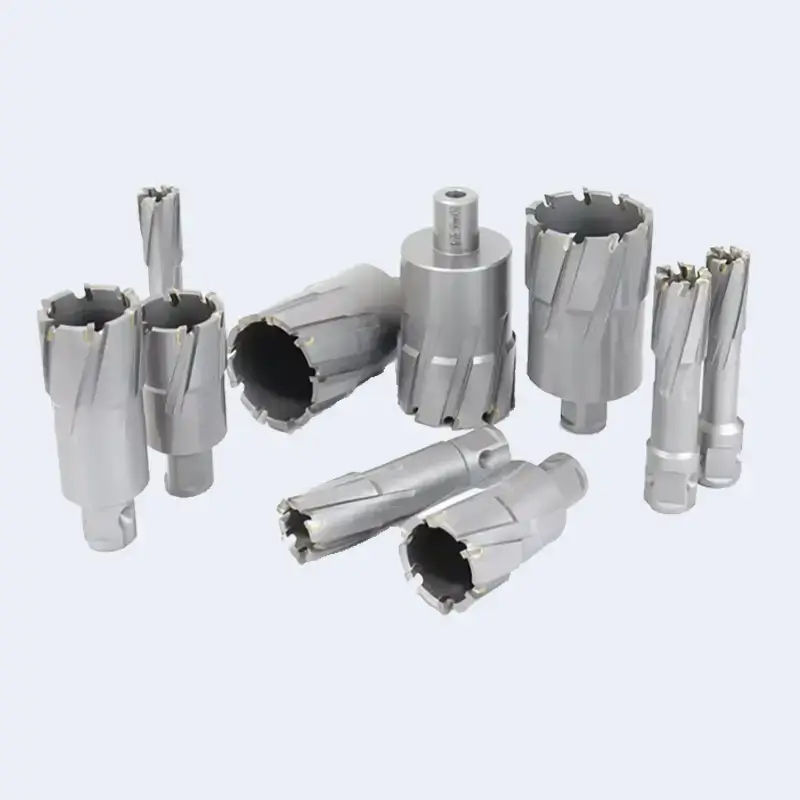
Compare cutting structure and operating behavior
Teeth around the rim remove an annular path. The center slug remains inside the cutter until the pilot pin ejects it after breakthrough.
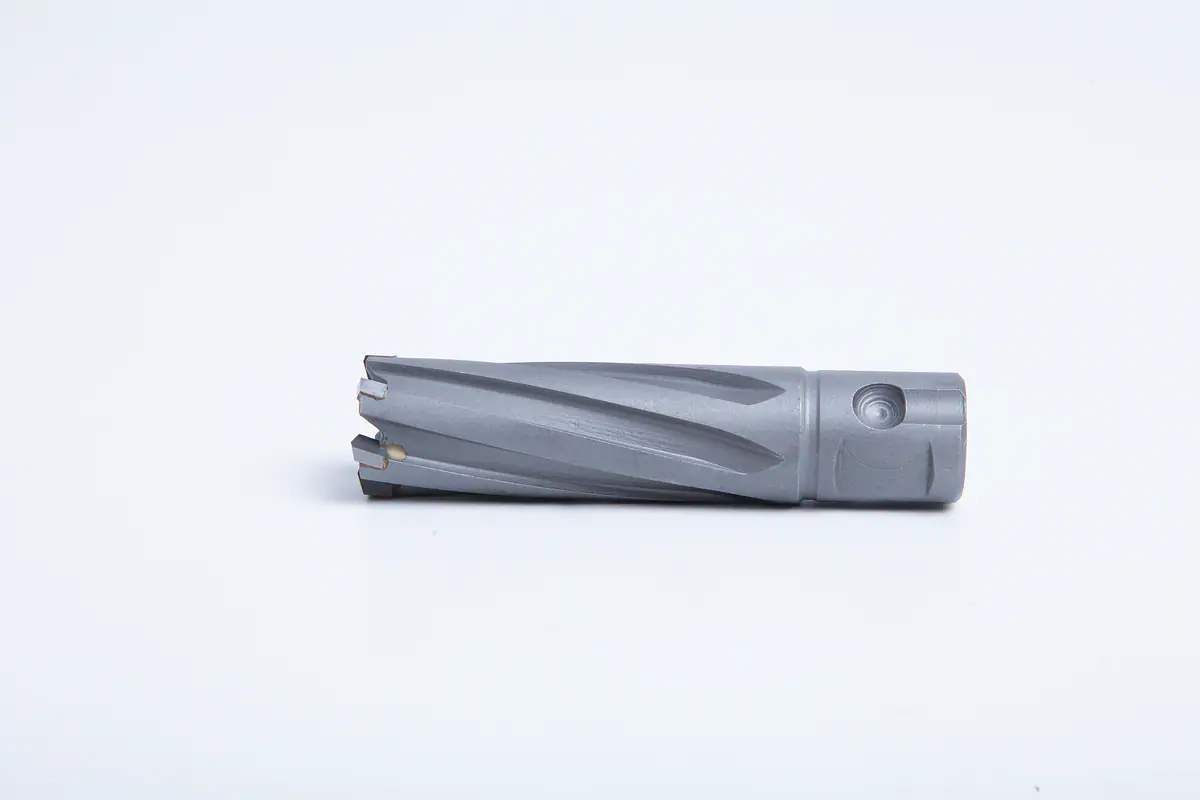
Confirm machine, interface and workholding
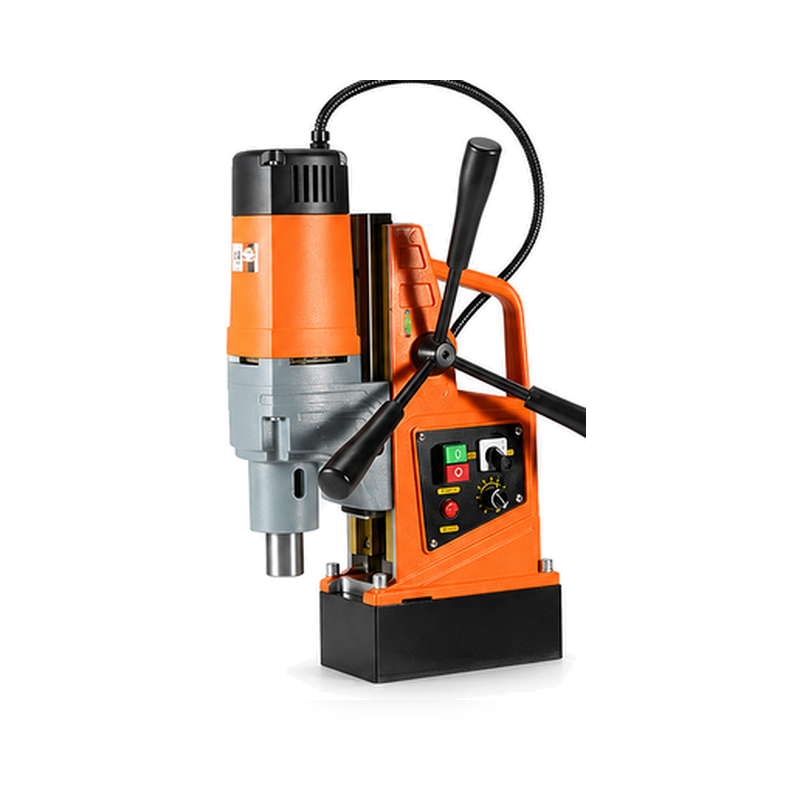
The magnetic drill provides guided feed and mounting. Confirm machine capacity, arbor, shank and pilot pin before fitting the cutter.
Specify dimensions and controlled product fields
Cutter diameter defines hole size; cutting depth defines usable reach. HSS or TCT construction, shank type and pilot pairing are separate controlled fields.
| Requirement | Tool A | Tool B |
|---|---|---|
| Application | Confirm | Confirm |
| Machine/interface | Record | Record |
| Dimensions/depth | Approve | Approve |
| Sample/revision | Trace | Trace |
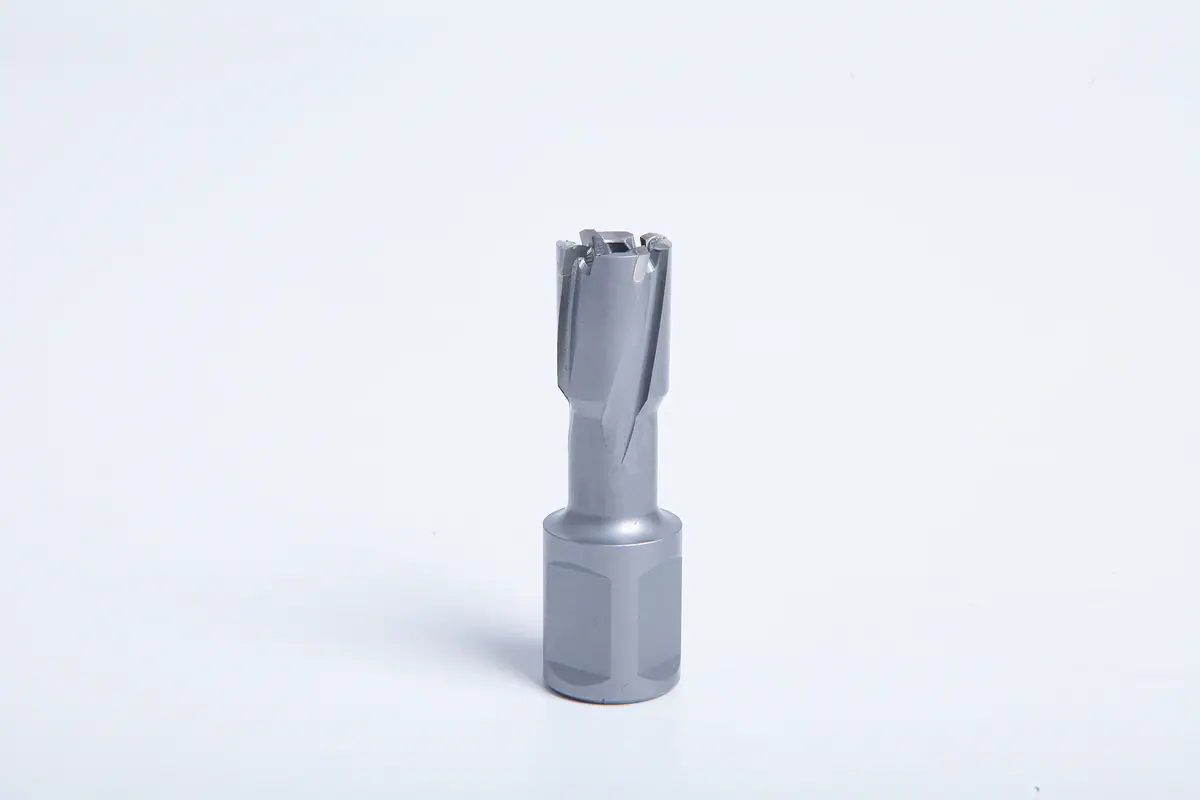
Evaluate samples with a stated method
A representative test confirms entry, feed, breakthrough, core release, edge condition and hole quality on the intended material.
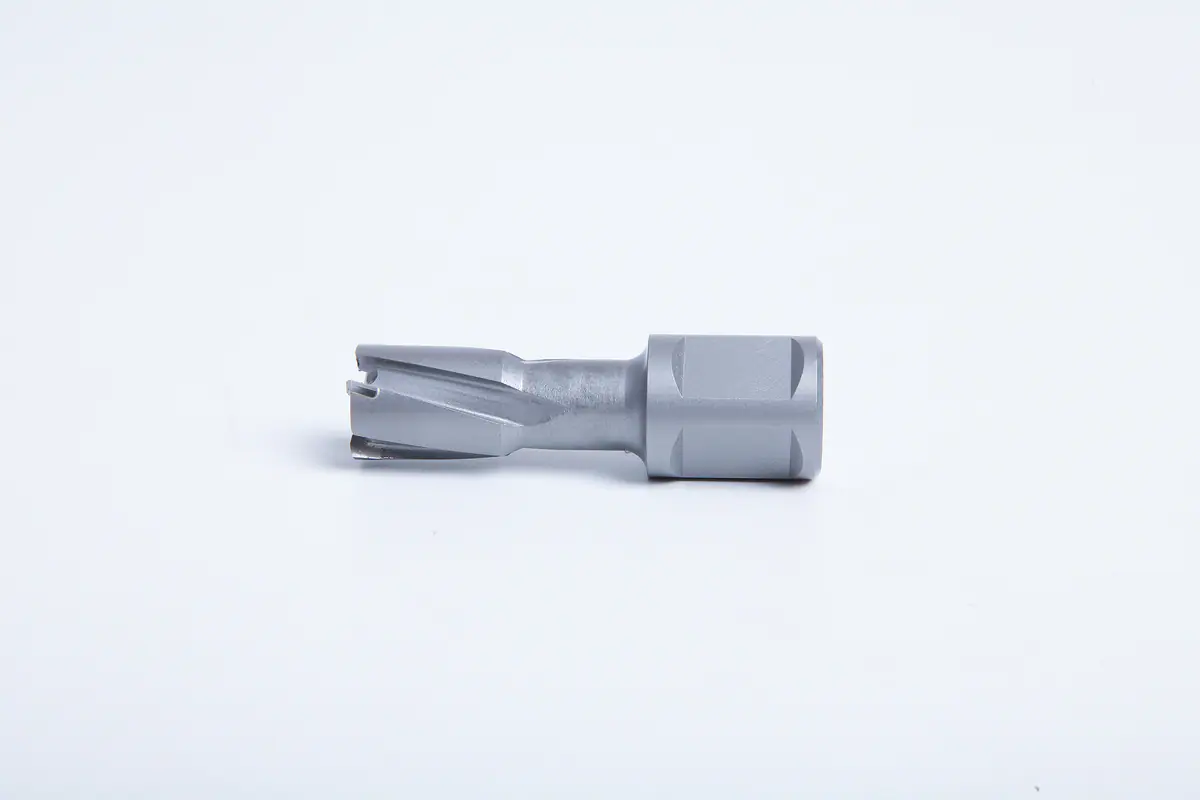
Build a clear distributor assortment
A practical assortment groups cutters by material family, diameter, depth and shank, with matching pilot pins and clear replacement references.
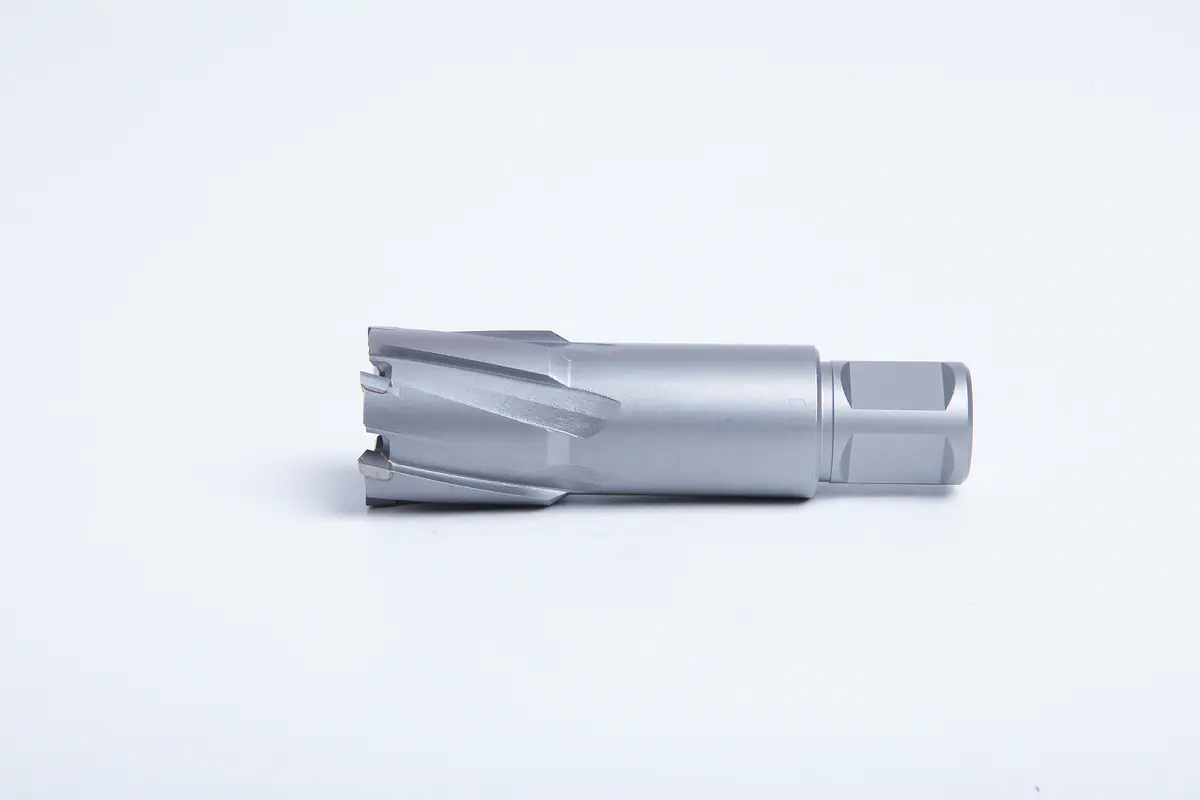
Release quotations and repeat orders
The purchase record should state all controlled fields and avoid substituting a hole saw or visually similar cutter without review.
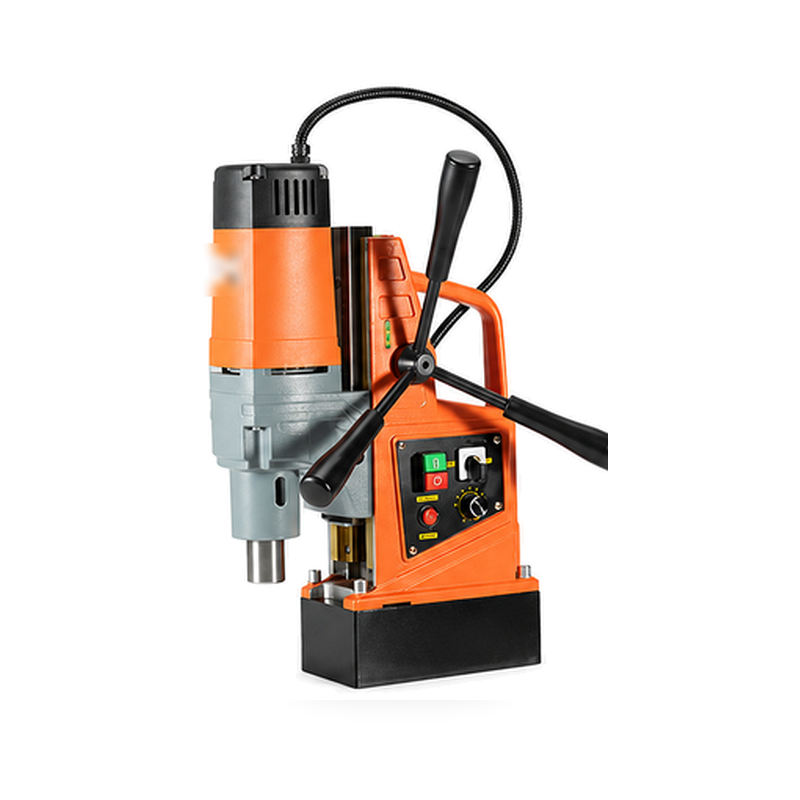
Annular Cutters·TCT Annular Cutters·Magnetic Drills·Contact AXIMET
Frequently Asked Questions
How does an annular cutter make a hole?
Its rim teeth cut a ring of material, leaving a central core rather than turning the whole hole into chips.
Is an annular cutter the same as a hole saw?
No. They may share a hollow appearance, but construction, holder, intended machine and operating conditions differ.
Does it need a pilot hole?
Normally the pilot pin locates the center but does not drill a conventional pilot hole.
Can it be used in any drill?
No. Confirm machine capacity, arbor, shank, speed guidance and workholding.
What measurements matter?
Hole diameter, cutting depth, shank system, cutter construction and the matching pilot pin.
Conclusion
An annular cutter is a hollow, rim-cutting tool that forms a hole by removing a ring and ejecting a core. Correct results depend on matching the cutter and pilot to a stable, compatible machine setup.