01 · ALU Cut
Cylindrical Aluminum Cut Carbide Burr
For leveling flat surfaces, dressing straight edges and removing material where side cutting is the main requirement.
Request specifications · Cylindrical Aluminum Cut Carbide Burr →
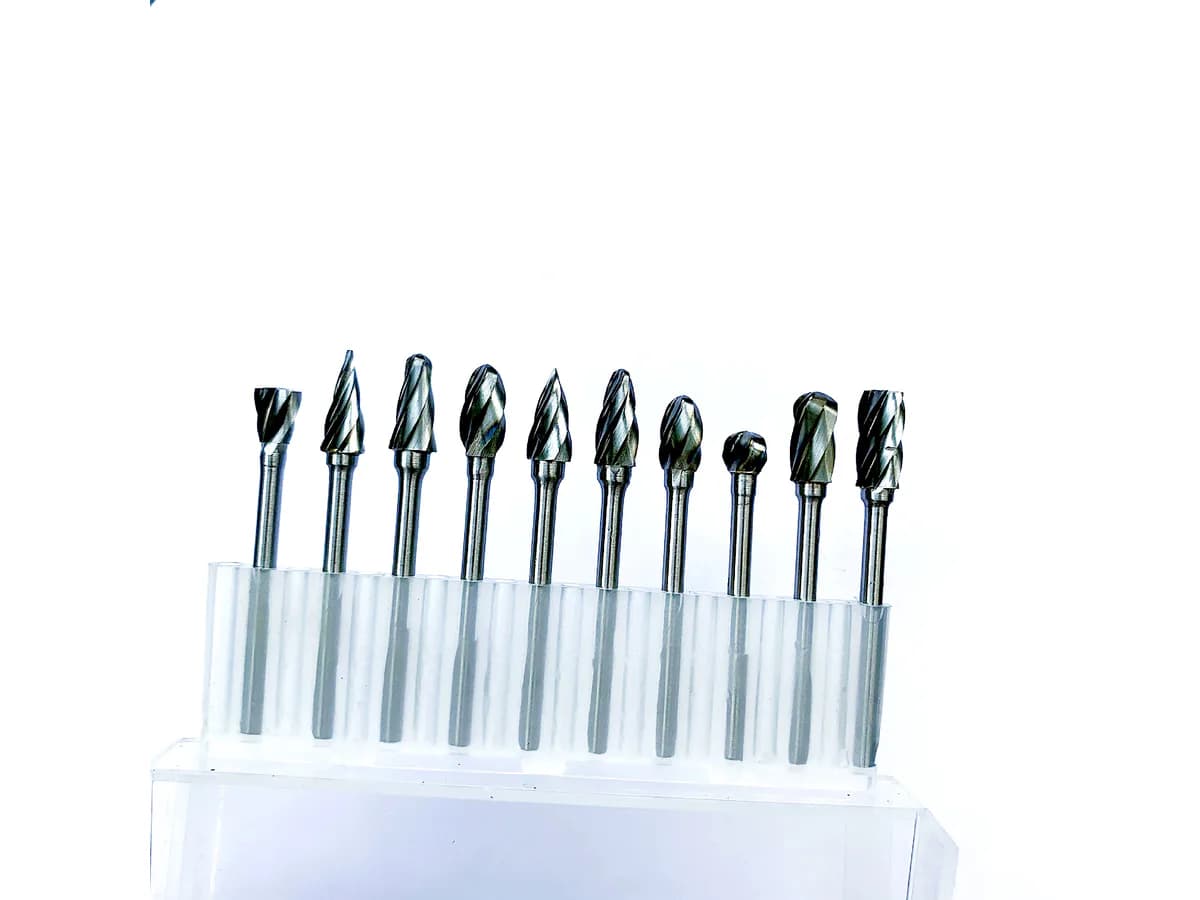
Build a market-ready ALU cut burr range with open-flute geometry, application-focused shapes and OEM packaging for importers, distributors and industrial suppliers.
AXIMETOOLS aluminum cut carbide burrs use an open-flute cutting design that creates more space for chips to leave the cutting area. This geometry is intended for aluminum and other non-ferrous materials that can load conventional burrs. Buyers may also identify this open-flute range as aluma cut carbide burrs or an aluminium carbide burr range.
Choose from application-focused head shapes for surface work, radii, cavities, contours, chamfers and edge preparation. For distributors and private-label buyers, the range can be organized by shape, dimensions, shank size and packaging format.
Compare this material-specific range with the complete tungsten carbide burr collection.
Review the Selection Guide →Select the head profile according to the surface, access angle and amount of material your customers need to remove. Final model availability is quoted against the requested dimensions and shank specification. For sourcing lists, individual items may be described as an aluma cut carbide burr or a burr bit for aluminum.
For leveling flat surfaces, dressing straight edges and removing material where side cutting is the main requirement.
Request specifications · Cylindrical Aluminum Cut Carbide Burr →Combines side and end cutting for corners, shoulders, closed surfaces and controlled plunge work in non-ferrous parts.
Request specifications · End-Cut Cylindrical Aluminum Carbide Burr →Supports flat-surface work while the rounded end blends internal radii and transitions without leaving a sharp corner.
Request specifications · Ball-Nose Cylindrical Aluminum Carbide Burr →A versatile profile for concave surfaces, rounded cavities, hole enlargement and multidirectional contouring on aluminum components.
Request specifications · Ball-Shaped Aluminum Cut Carbide Burr →Blends broad curves and internal profiles with smooth transitions, making it useful for casting cleanup and curved surfaces.
Request specifications · Oval Aluminum Cut Carbide Burr →Reaches tapered contours and narrow areas while the rounded tip supports blending without cutting an aggressive point.
Request specifications · Tree Radius Aluminum Cut Carbide Burr →Designed for narrow profiles, acute angles and detailed contour work where a pointed shape improves access and control.
Request specifications · Tree Pointed Aluminum Cut Carbide Burr →Handles concave profiles, long radii and gradual transitions in molds, castings, fabricated parts and repair applications.
Request specifications · Flame Aluminum Cut Carbide Burr →Suitable for beveling, countersinking, chamfering and enlarging tapered openings across different access angles and surface requirements.
Request specifications · Cone and Taper Aluminum Carbide Burrs →Used for rear chamfers, undercuts and edge work where a reverse-angle cutting profile is required.
Request specifications · Inverted Cone Aluminum Cut Carbide Burr →Large flute spaces support chip evacuation and help limit loading in soft, gummy metals.
Positive cutting action removes aluminum cleanly while reducing repeated passes and unnecessary grinding.
Organized shapes and item codes make quoting, stocking and reordering easier across a distributor catalog.
Choose shapes for flat surfaces, radii, cavities, contours, chamfers and hard-to-reach areas.
Customize product marking, labels and packaging to support your brand and chosen sales channel.
Build the range around customer applications instead of carrying unnecessary duplicate models.
Use the machining task as the starting point, then confirm the head dimensions, cut length, overall length and shank diameter required by the target tool.
Aluminum is soft and can adhere to tightly spaced cutting teeth. An open-flute ALU cut provides more chip space, helping the burr continue cutting instead of loading rapidly. For distributors, this creates a clearer material-specific recommendation and reduces the risk of customers choosing a general-purpose burr for the wrong application.
A complete catalog does not require every possible dimension. Start with shapes that cover flat work, internal radii, cavities, contours and chamfers, then add sizes according to local demand. This application-led structure makes the assortment easier for sales teams to explain and helps buyers control inventory without leaving major use cases uncovered.
Standard product names, shape codes, dimensions and packaging references make repeat purchasing easier. Your team can compare the new order with the approved specification instead of relying on informal descriptions such as large ball or small cone. Clear item identification also reduces quotation errors when one shipment contains several shapes and sizes.
The product is only one part of a distributor offer. Product marking, retail presentation, barcode information and carton identification must also fit the sales channel. AXIMETOOLS organizes the burr range and packaging requirements under the approved order specification so your brand can present a consistent product family across different models.
| Customer Application | Recommended Profile | Selection Reason |
|---|---|---|
| Flat surfaces and straight edges | Cylindrical | Straight sides provide controlled contact across flat work and edge-dressing tasks. |
| Corners and closed surfaces | End-cut cylindrical | End cutting improves access where a side-only profile cannot reach the working face. |
| Internal radii and transitions | Ball-nose cylinder | The radius end blends transitions while the cylindrical side remains useful on adjacent surfaces. |
| Cavities and curved surfaces | Ball or oval | Rounded profiles move smoothly across concave areas and multidirectional contours. |
| Narrow contours and angles | Tree or pointed tree | The tapered body improves access to restricted areas and detailed profiles. |
| Long radii and gradual contours | Flame | The elongated curve supports blending across changing profiles. |
| Chamfers and tapered openings | Cone or taper | Select the included angle and diameter according to the required bevel or opening. |
| Rear chamfers and undercuts | Inverted cone | The reverse profile reaches edges that cannot be approached with a standard cone. |
Send the required shapes, dimensions, shank sizes and quantities for a model-specific quotation.
Request Range Pricing →Support deburring, edge preparation, weld dressing and contour correction on fabricated aluminum parts. Distributors serving fabrication shops can build a practical range around cylindrical, ball, tree and flame profiles, then adjust head sizes to the thicknesses and component types commonly handled in their market.
Open-flute carbide burrs help remove flash, blend parting lines and correct irregular surfaces on aluminum and other non-ferrous castings. Rounded and tapered shapes give operators access to cavities, transitions and difficult contours, allowing suppliers to serve both general casting cleanup and more detailed finishing work. Some procurement lists group this assortment under non ferrous carbide burrs when the material scope covers several compatible alloys.
Aluminum housings, brackets, wheels and fabricated components often require localized deburring or contour adjustment. A shape-based burr assortment helps repair shops and component producers select the correct profile for ports, holes, radii and weld areas while keeping the material recommendation clearly focused on non-ferrous applications. An individual model may also be listed as a non ferrous carbide burr when its approved material scope is clear.
Toolrooms and maintenance teams need different profiles because access conditions change from one component to another. Ball, oval, tree, flame and cone-shaped aluminum cut burrs give distributors a versatile offering for cavity work, profile correction, edge preparation and repair tasks involving aluminum and compatible non-ferrous materials.
Review the supplied workshop and equipment images together with the approved product matrix, sample result and bulk-order inspection requirements.
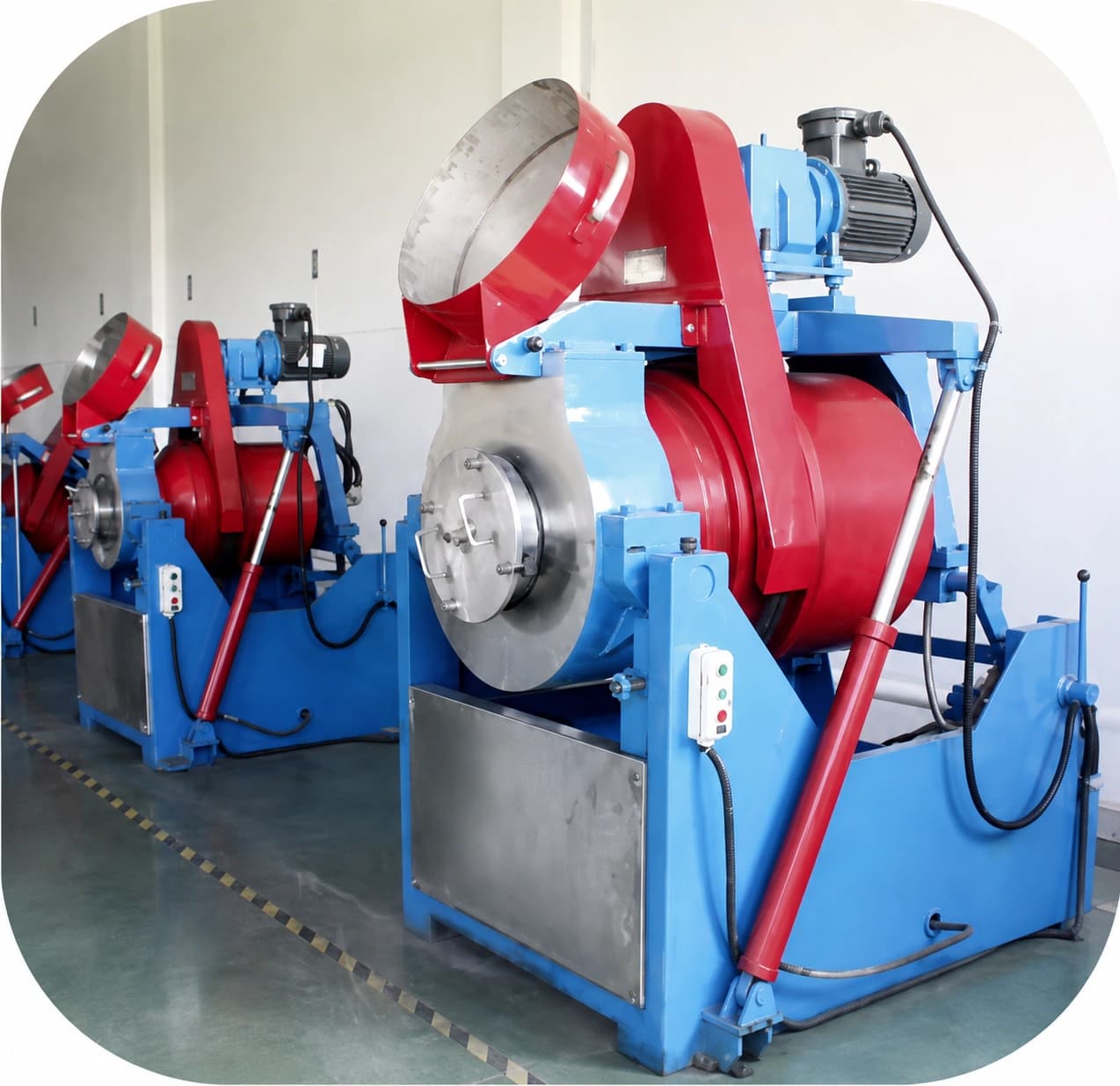
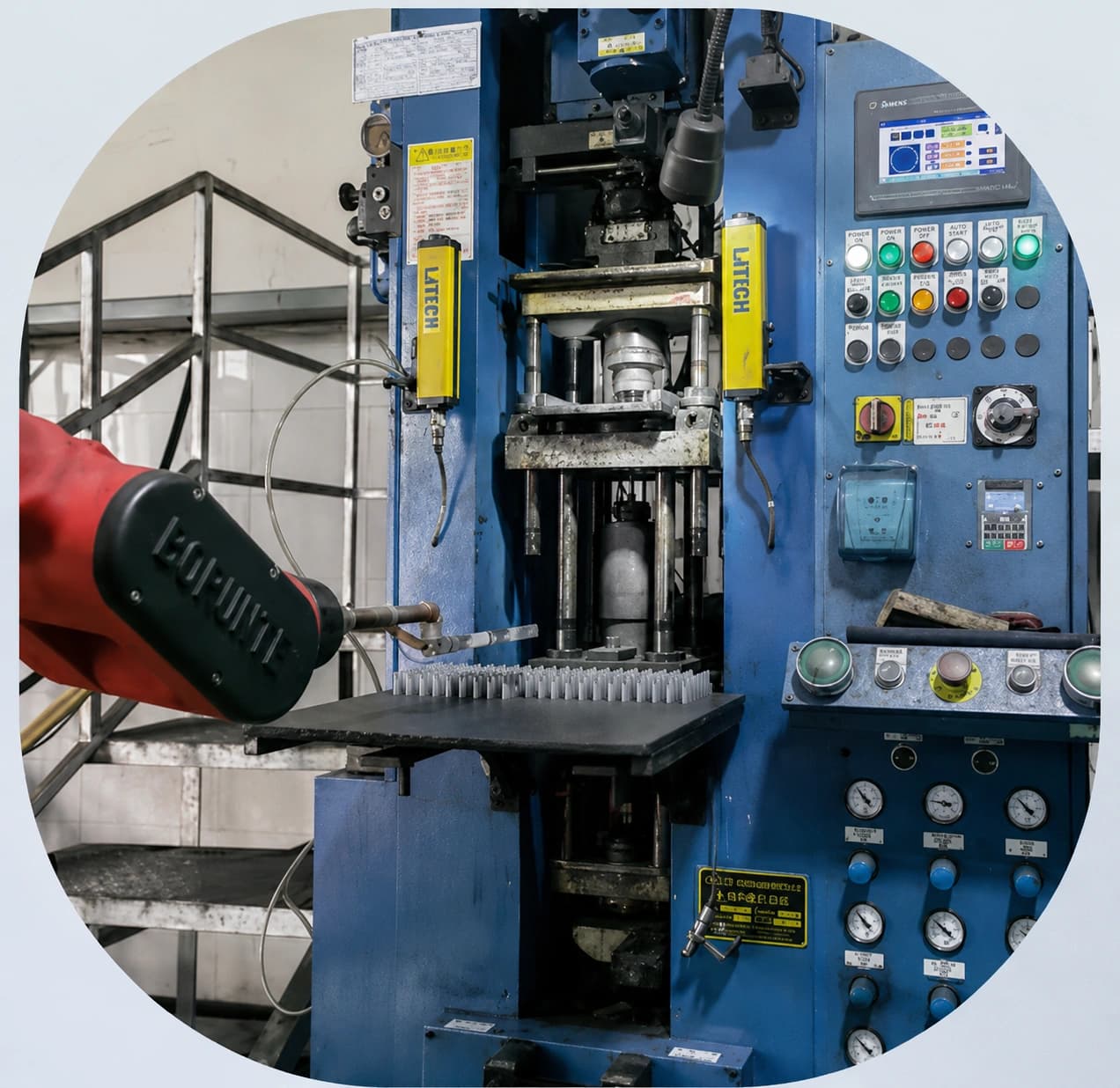
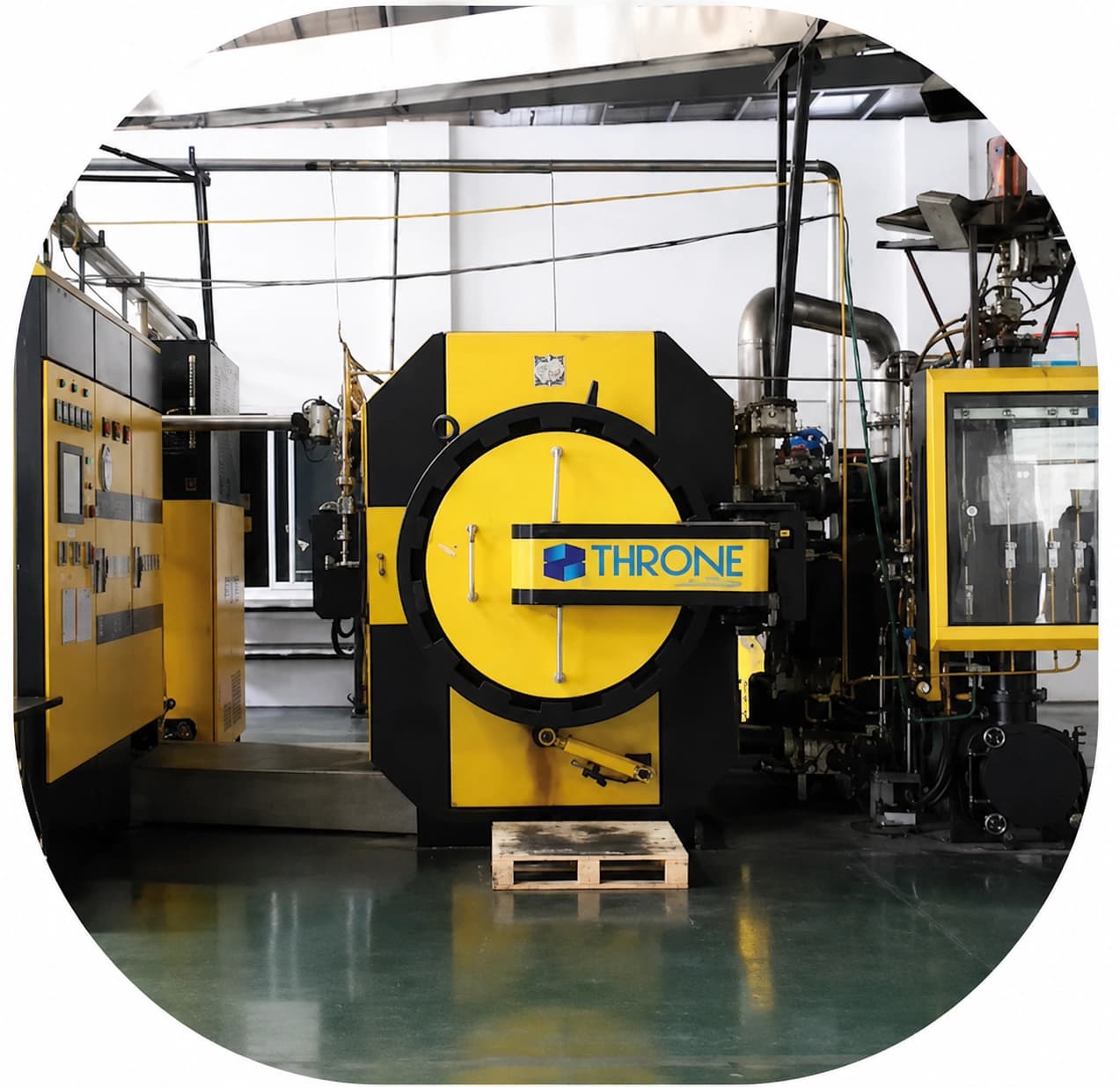
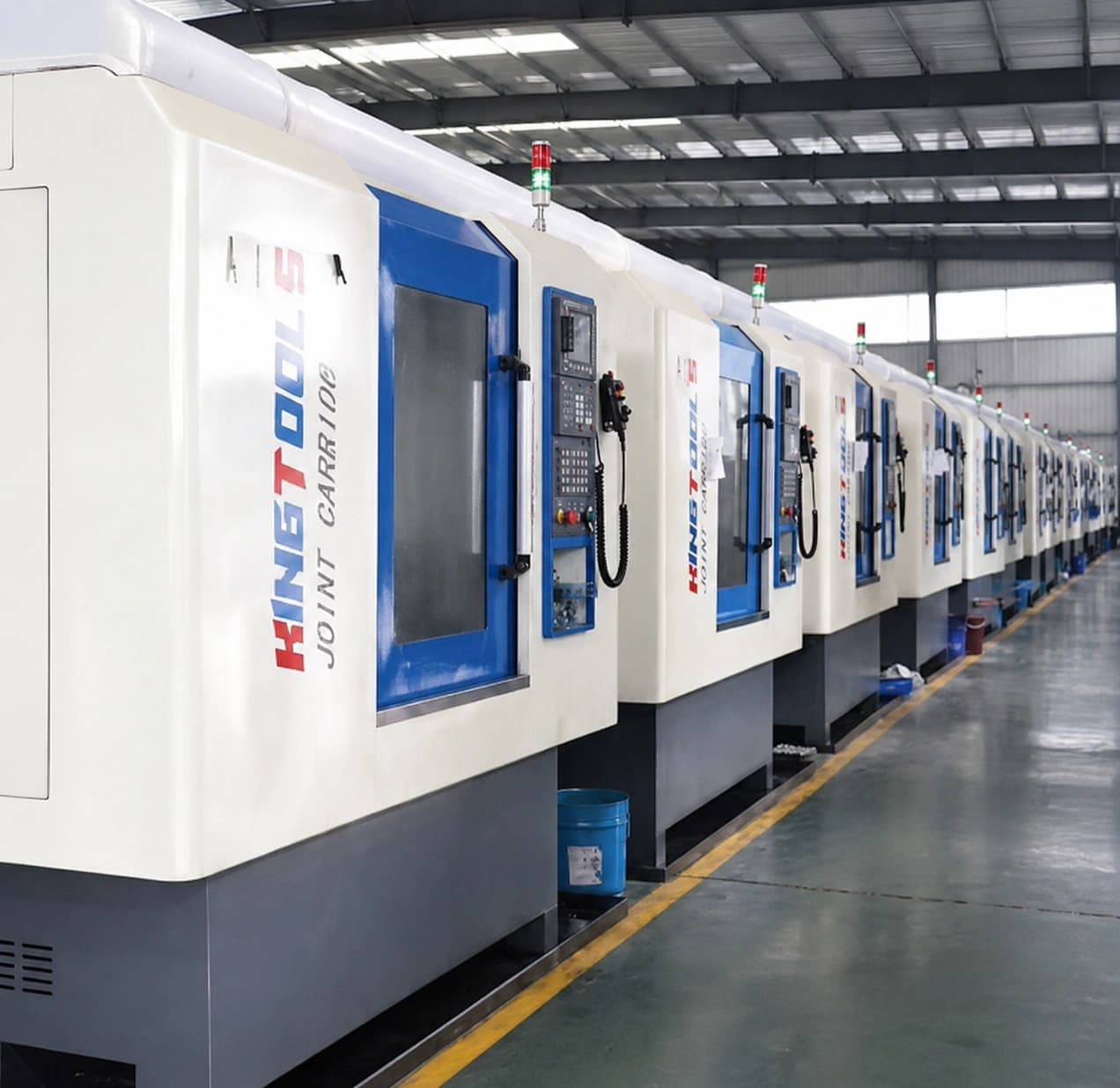
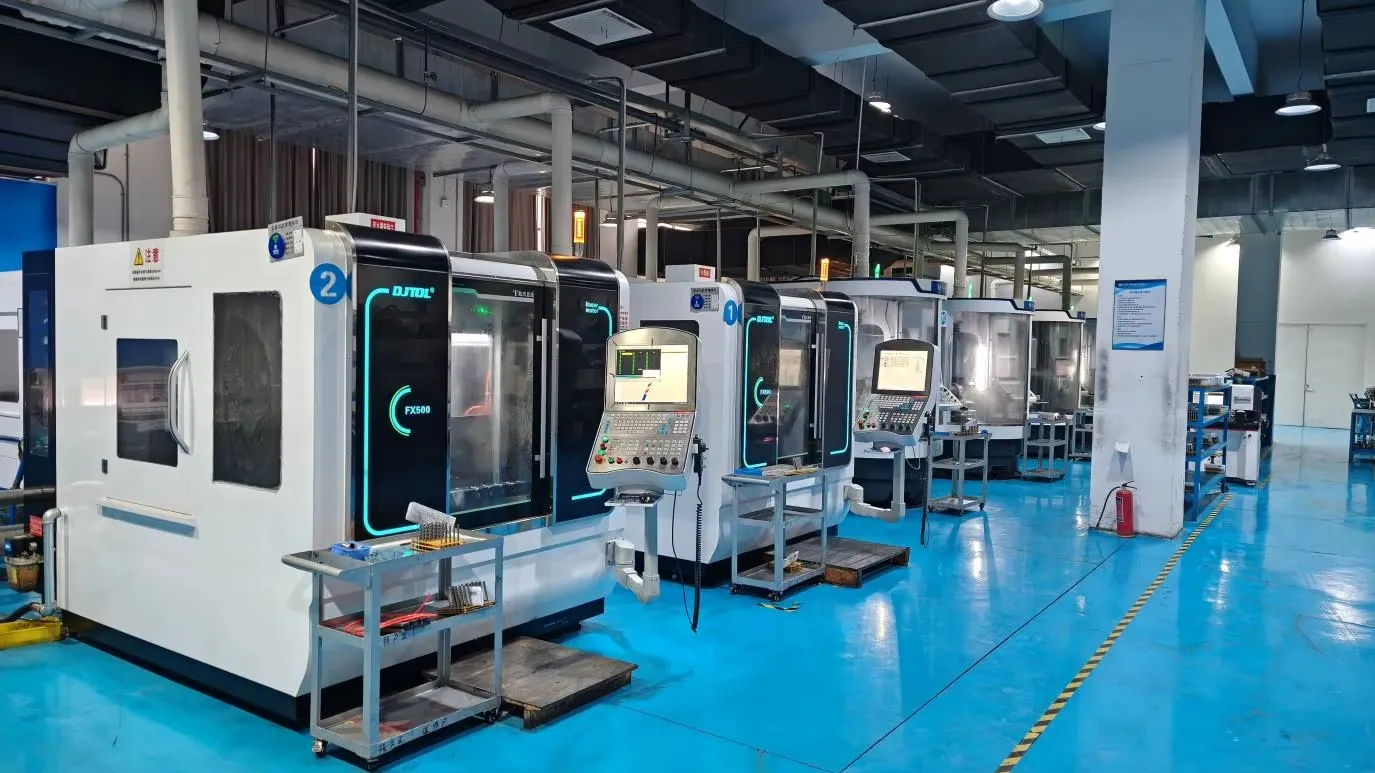
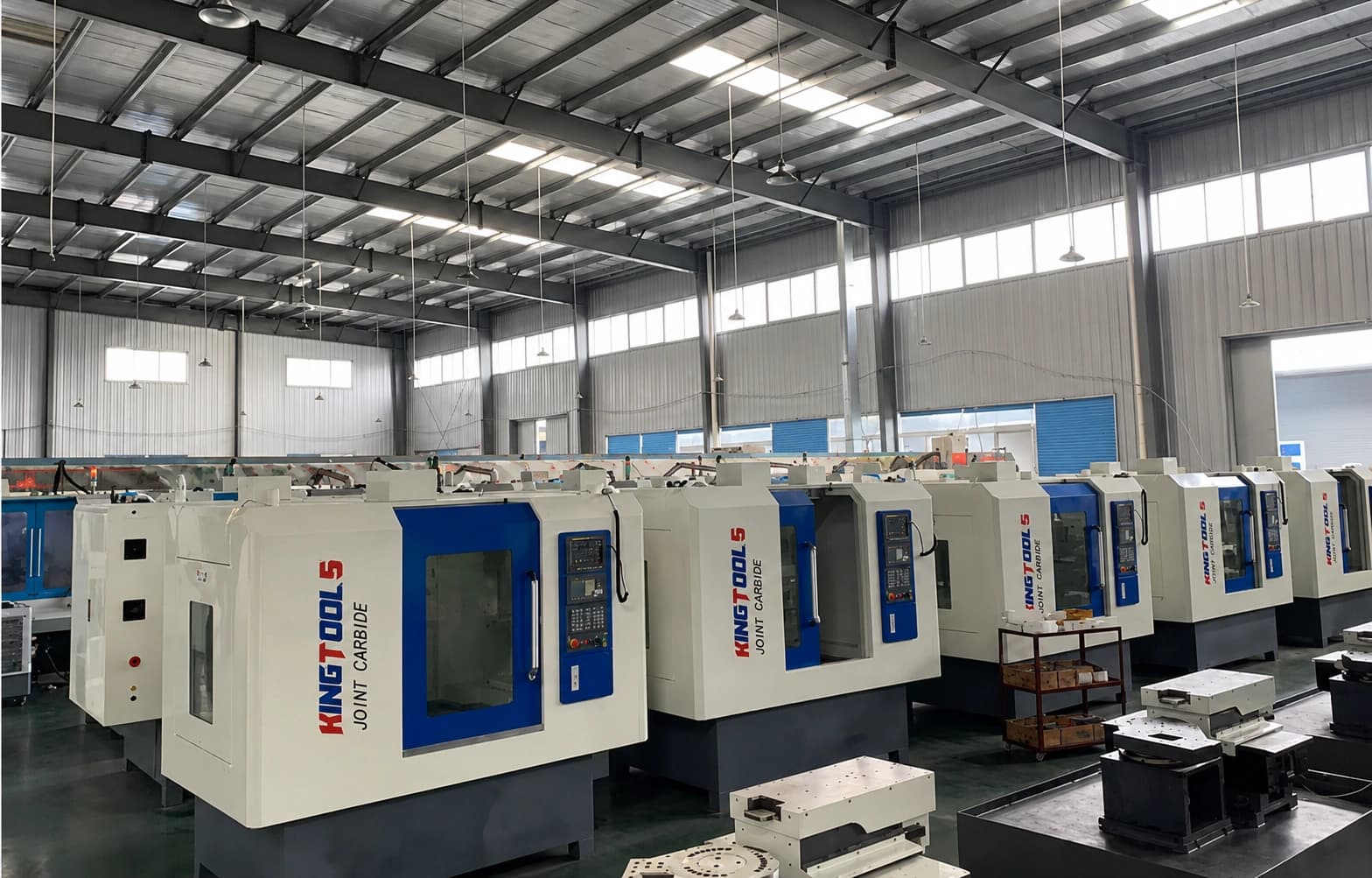
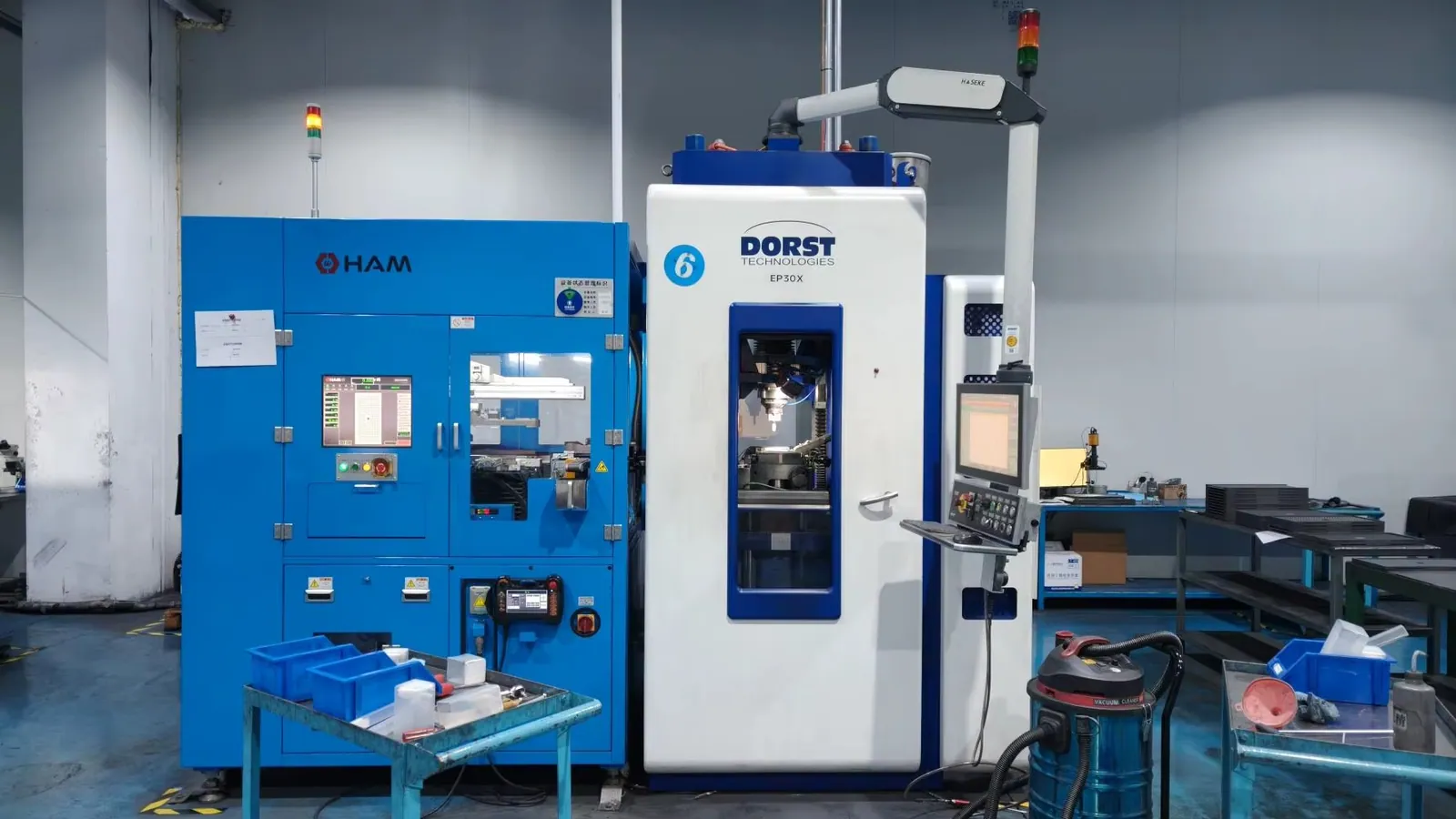
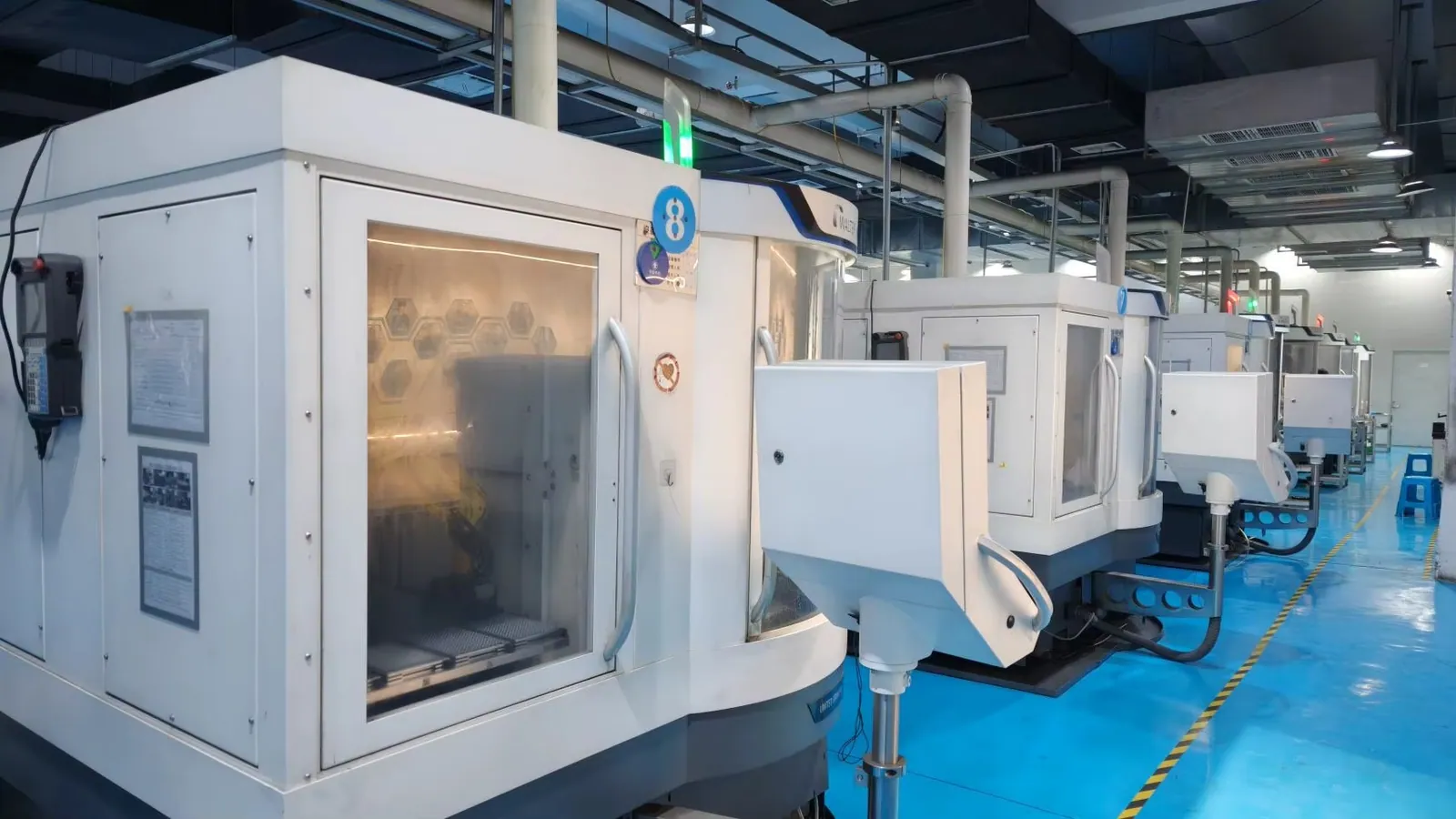
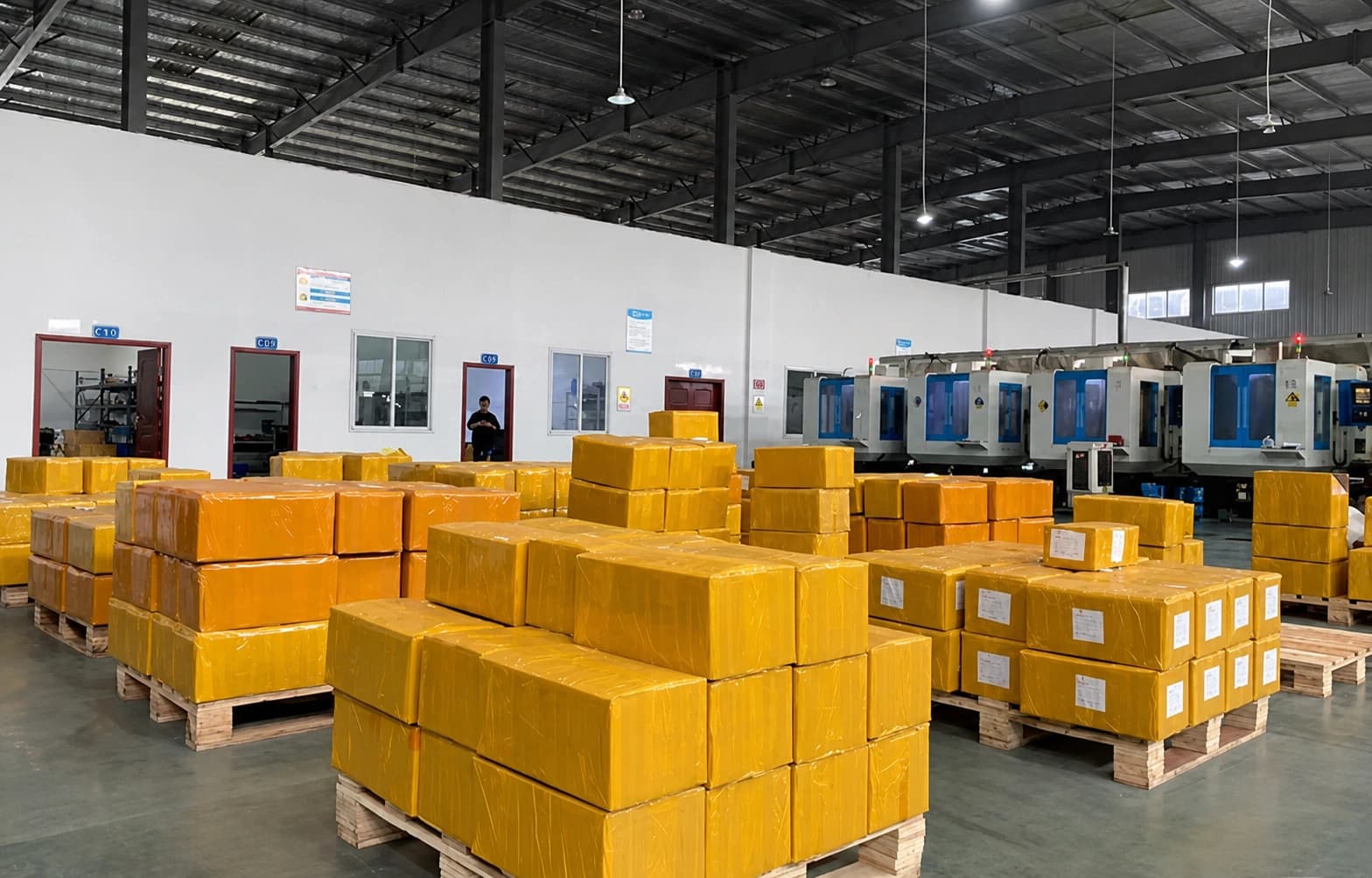
Repeat orders depend on the product matching the specification approved for the first shipment. Order requirements are recorded by model, dimensions, cut type, shank, marking and packaging.

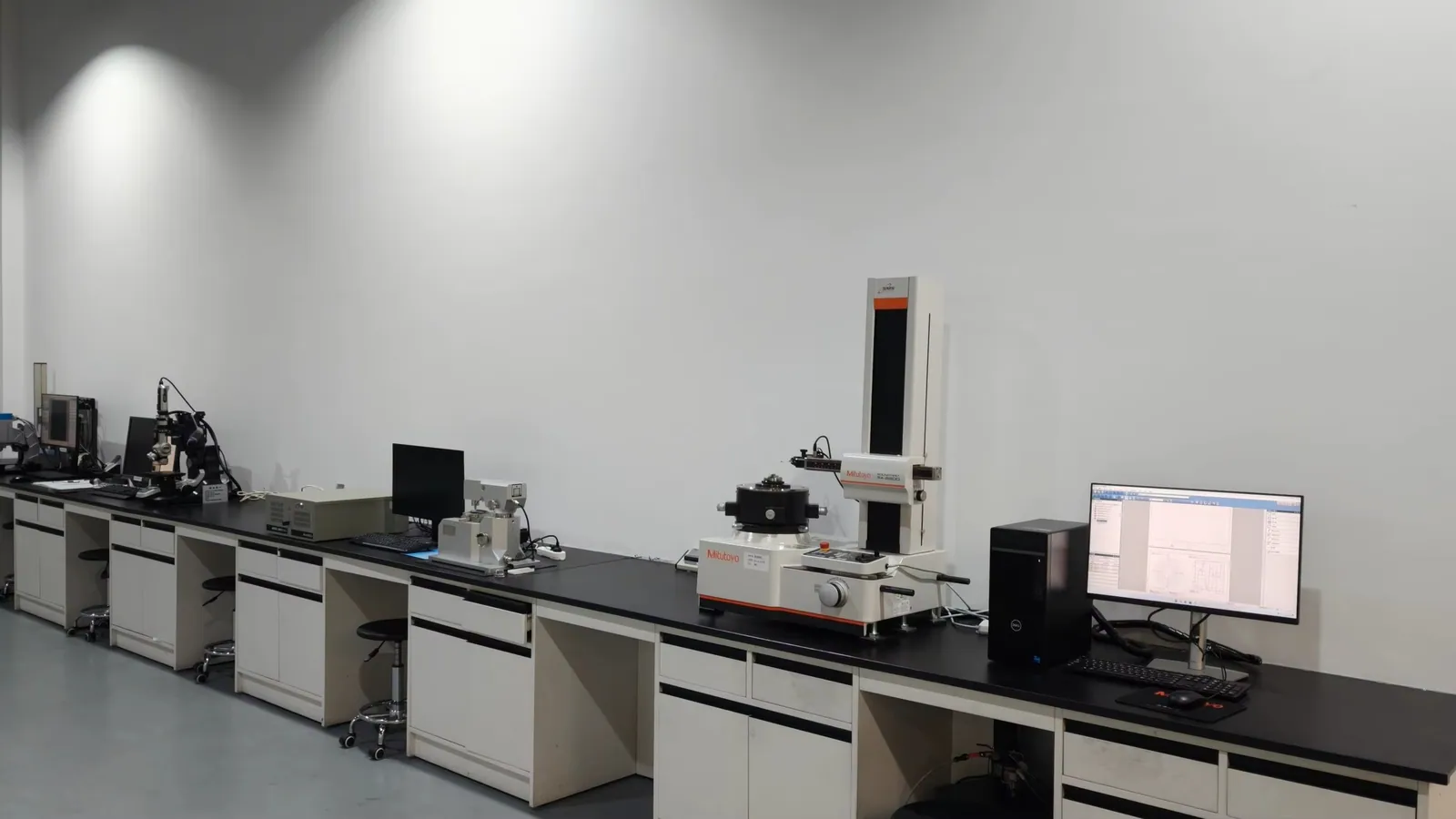
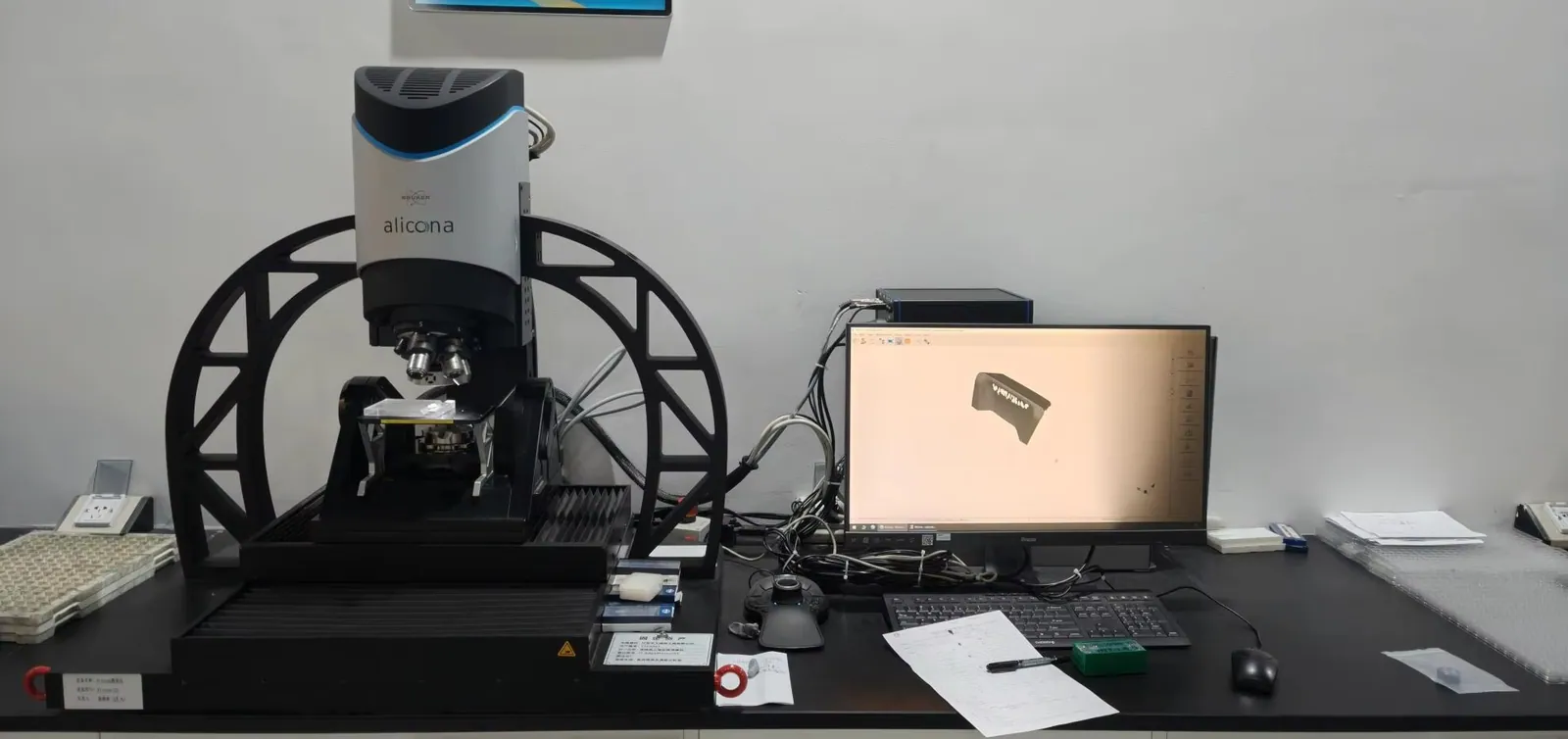
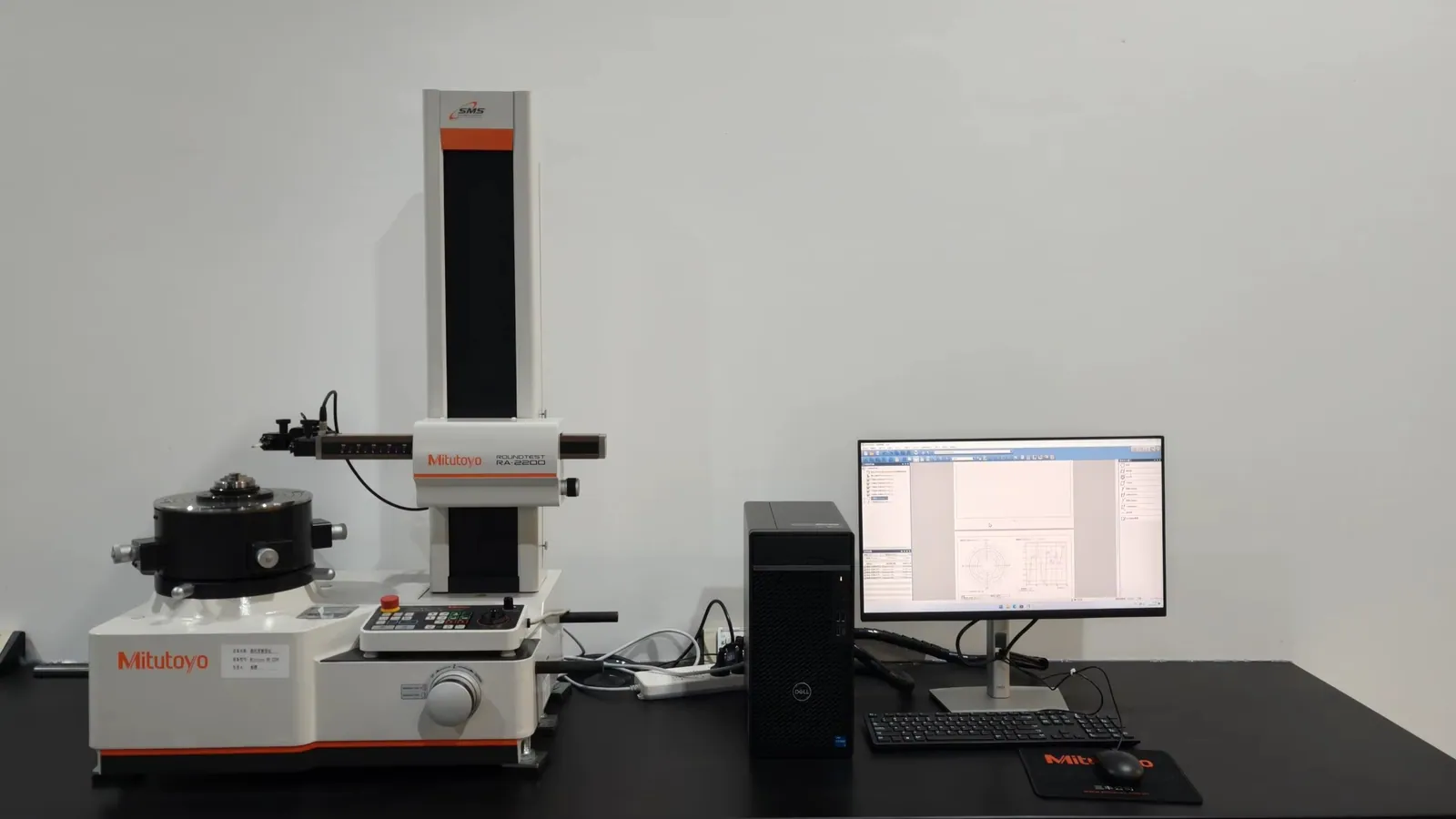
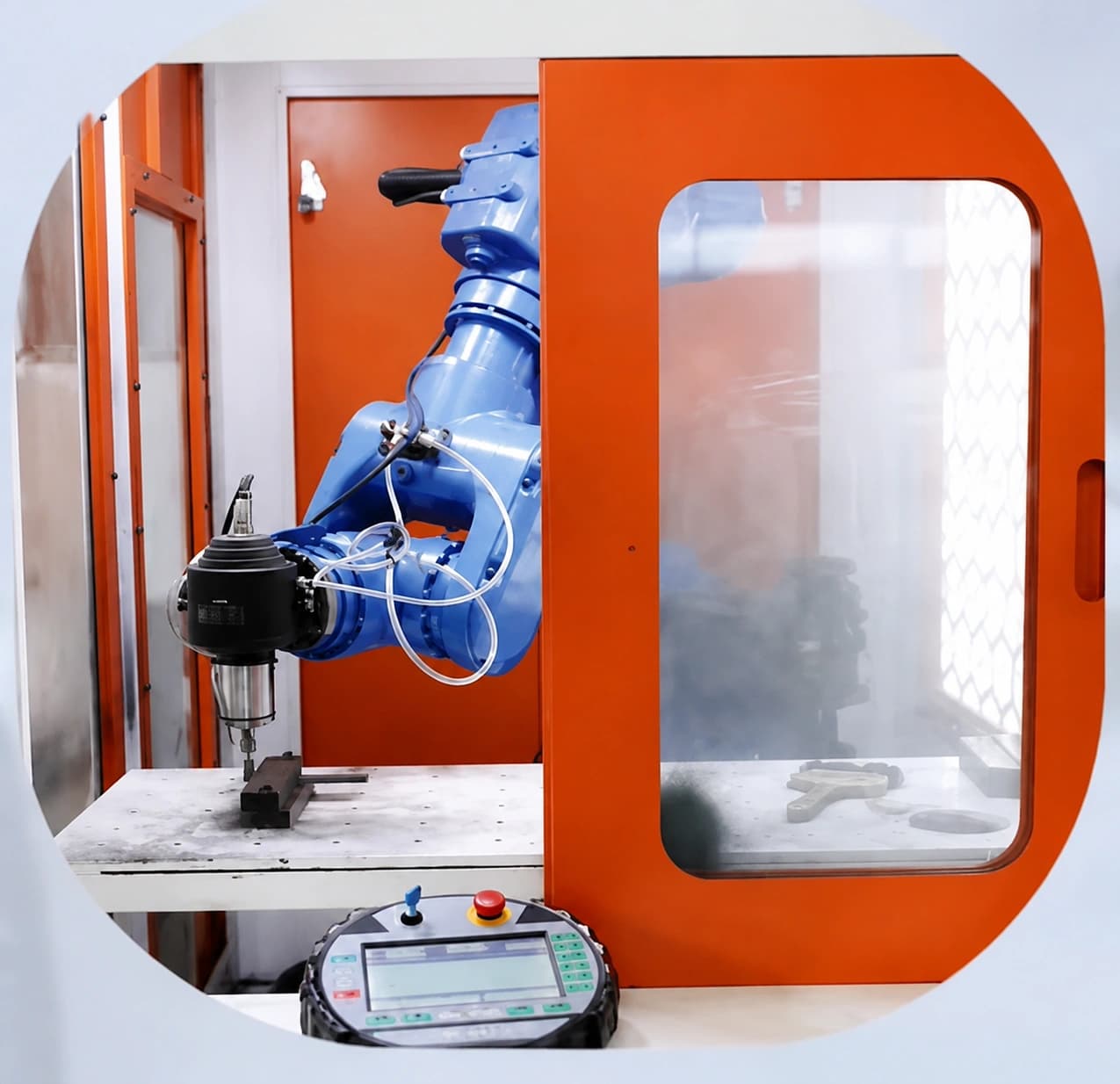
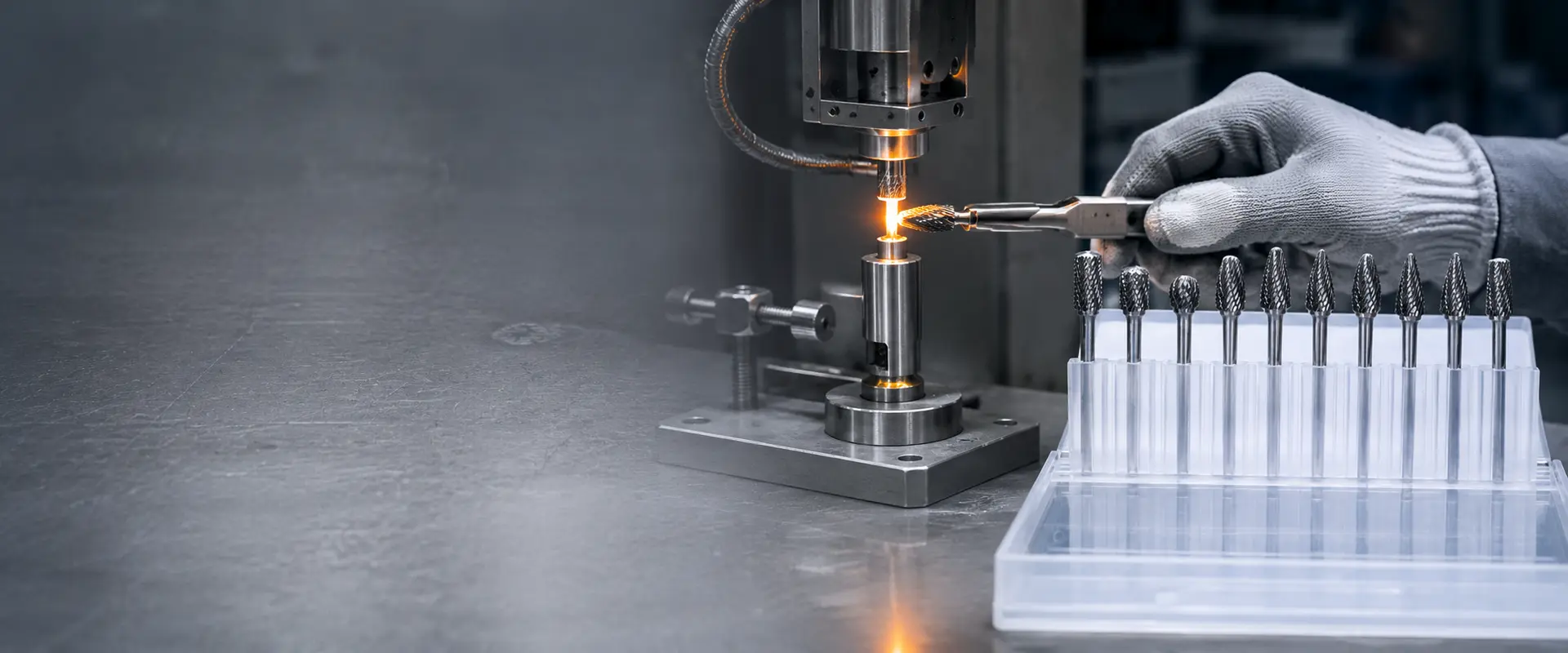



Inspection focuses on characteristics that can affect fit, cutting behavior, identification and resale presentation, helping purchasing teams compare deliveries against one consistent reference.
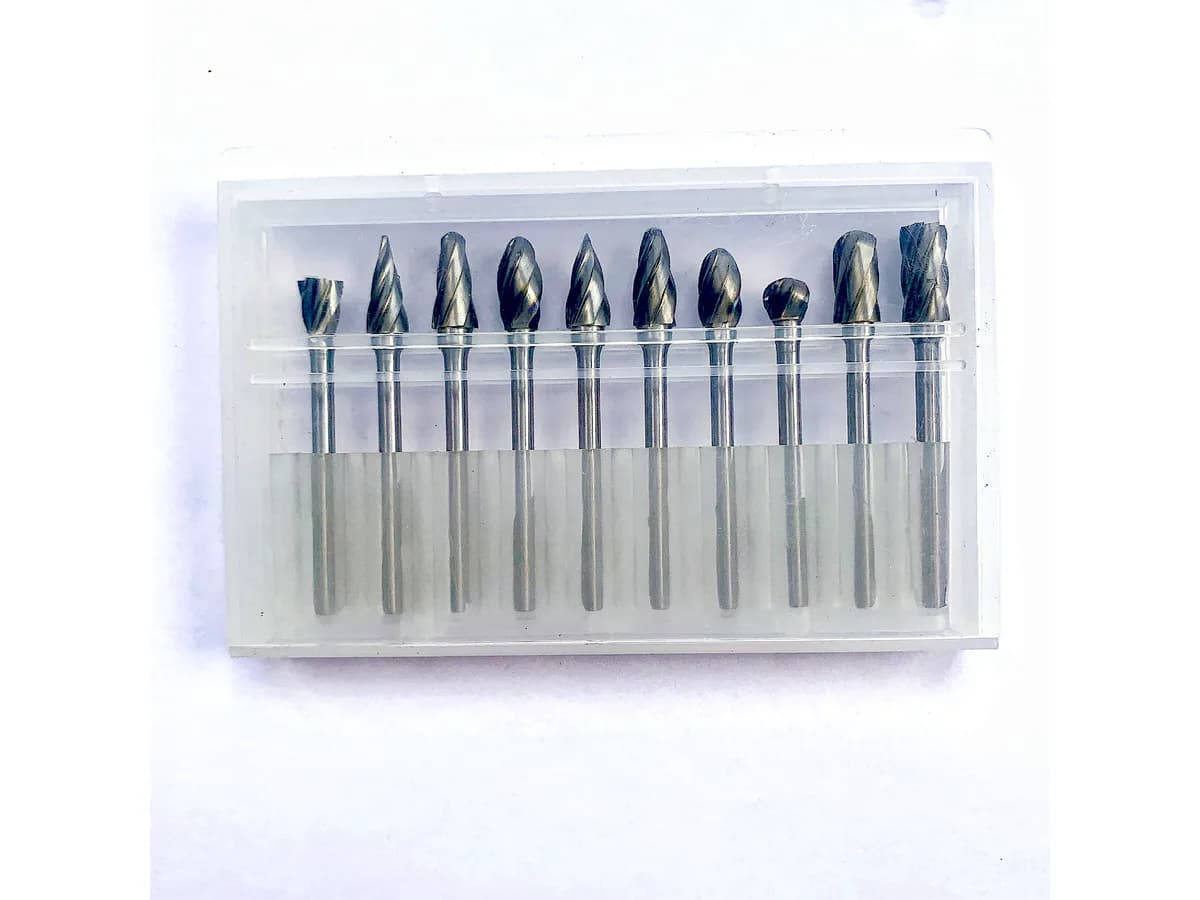
Build the product and packaging presentation around your distribution model. AXIMETOOLS can organize product identification, assortment configuration and packaging information under one approved order specification, giving your purchasing, warehouse and sales teams a clearer reference for future replenishment.
An aluminum cut carbide burr uses wider, more open flutes that create additional space for chips to leave the cutting area. This helps limit loading when working with soft, gummy non-ferrous metals. A general-purpose cut may load more quickly in aluminum, while a dedicated ALU cut gives distributors a clearer material-specific recommendation for customers.
An aluminum cut, often labeled ALU cut, is generally the best choice. Its coarse, widely spaced flutes provide more chip clearance than fine or double-cut geometry. This makes it suitable for aluminum and many other non-ferrous metals when the burr shape, diameter and operating speed are matched to the application.
The larger flute valleys and lower tooth density give displaced material more room to move away from the cutting edge. Chips are therefore less likely to pack between the teeth, helping the burr continue cutting instead of rubbing. Correct speed, light pressure and regular chip clearing remain important because flute geometry alone cannot prevent all loading.
They are primarily selected for aluminum and other non-ferrous materials such as copper, brass and zinc. Some compatible plastics can also benefit from the open-flute design. The burr shape and operating conditions must still match the application. For steel or stainless steel, use a cut designed for those materials rather than treating ALU cut as a universal option.
Yes. ALU cut burrs are commonly suitable for brass, copper and similar non-ferrous metals, although cutting behavior varies by alloy and hardness. Test the selected shape and operating speed on the actual workpiece, and do not apply the same setup automatically to steel or stainless steel. Where alloy suitability has been confirmed, a buyer may specify a carbide burr for brass or a carbide burr for copper in the RFQ.
Begin with the applications most common in your market. Cylindrical profiles cover flat surfaces and edges, ball and oval shapes cover cavities and curves, tree and flame shapes reach contours, and cone shapes cover chamfering. A distributor starter range should cover these main tasks before adding less frequently requested dimensions or specialized profiles.
They may physically remove steel, but they are not the preferred general-purpose choice. Their flute geometry is optimized for chip evacuation in softer non-ferrous materials. For consistent performance and a clearer product recommendation, stock steel and stainless-steel burrs with cut patterns selected for those materials, and keep ALU cut products positioned specifically for aluminum and compatible non-ferrous applications.
Use the speed range recommended for the burr diameter and grinder, with light, steady pressure instead of forcing the tool. Larger burr heads generally require lower rpm than smaller heads. Keep the burr moving, allow chips to clear, and use a compatible cutting lubricant or burr wax when the application permits. Never exceed the speed rating of the burr or grinder.
Yes, provided the grinder has the correct collet, controlled runout and a speed range compatible with the burr. Match the shank exactly—6 mm is not interchangeable with 1/4 inch, and 3 mm is not interchangeable with 1/8 inch. Secure the burr according to the tool manufacturer's instructions before use. Distributor catalogs may group them as die grinder bits for aluminum or aluminum die grinder bits.
Match the shank diameter exactly to the collet used by the target die grinder or rotary tool. Do not treat 6 mm as interchangeable with 1/4 inch, or 3 mm as interchangeable with 1/8 inch. Include the required shank dimension in the RFQ so the quotation and packaging identify the correct version for your market. An aluminium die grinder bit should therefore be ordered against the exact collet dimension.
Yes. Private-label orders can be organized with product marking, labels, barcode information, carton identification and different packaging formats. Send your brand files, required label content, target retail presentation and model list. The quotation can then separate standard product costs from packaging or branding requirements, making the commercial terms easier to review.
MOQ depends on the selected models, dimensions, order mix and packaging format. Standard bulk packaging generally requires a different starting quantity from customized retail packs or assortment cases. Send the quantity per model together with your branding and packaging requirements so AXIMETOOLS can provide one consolidated quotation for the complete range.
You can request samples for fit, cut selection and application evaluation before finalizing a bulk assortment. Provide the required shapes, dimensions, shank specification and target material so the sample request reflects the products you intend to purchase. After evaluation, the approved references can be used to prepare the commercial order and repeat-order specification.
Send your required shapes, dimensions, shank sizes, quantities and packaging plan. AXIMETOOLS will organize the request into a clear model list and quotation for your wholesale, distribution or private-label program.
If you are still defining the range, share your target market and main applications so the first selection is built around real customer demand.