Simplify Model Selection
Compare shape, cut and dimensions before preparing your purchase list.

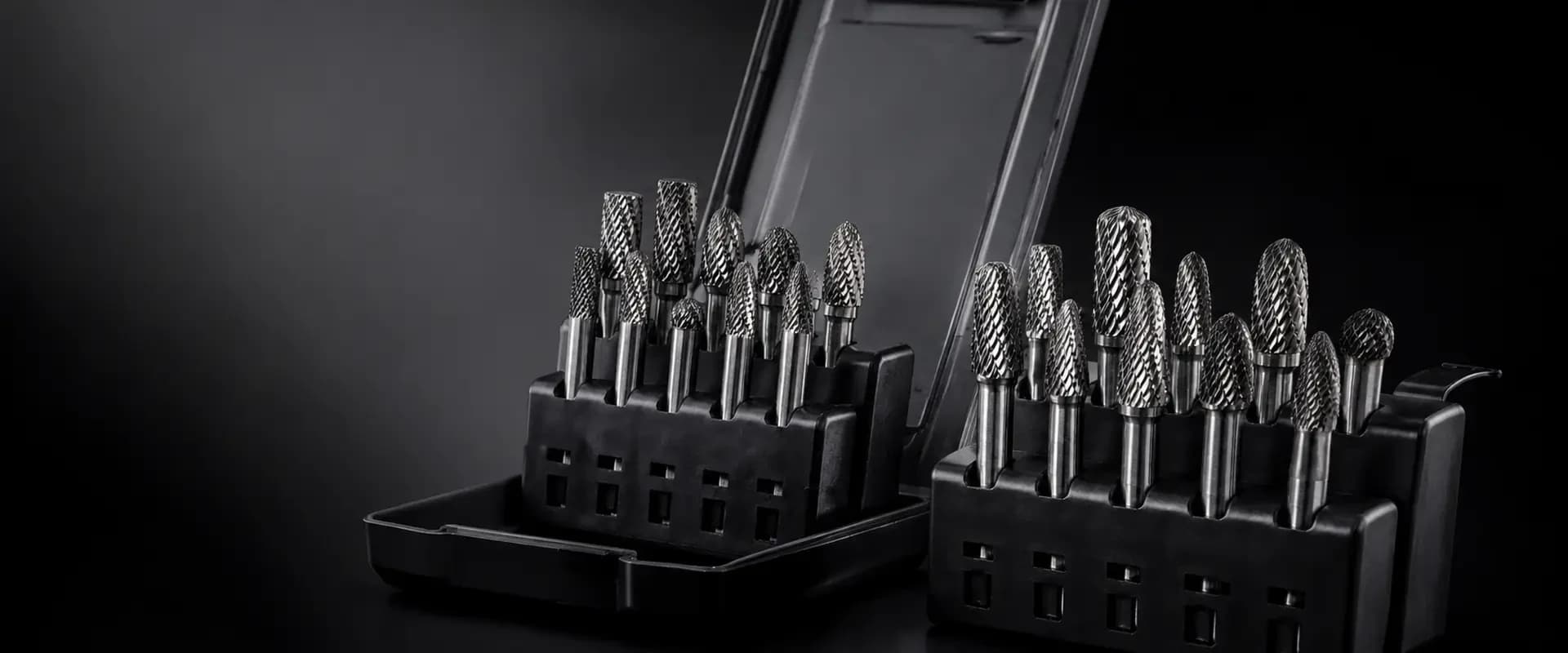
Build a complete carbide burr range for your market with 13 standard shape families, multiple cut options and OEM support for importers and distributors.
Compare shape, cut and dimensions before preparing your purchase list.
Use consistent model references across quotations, approvals and repeat orders.
Build product ranges for steel, stainless steel, cast iron and aluminum.
Send one specification list for pricing, MOQ and delivery confirmation.
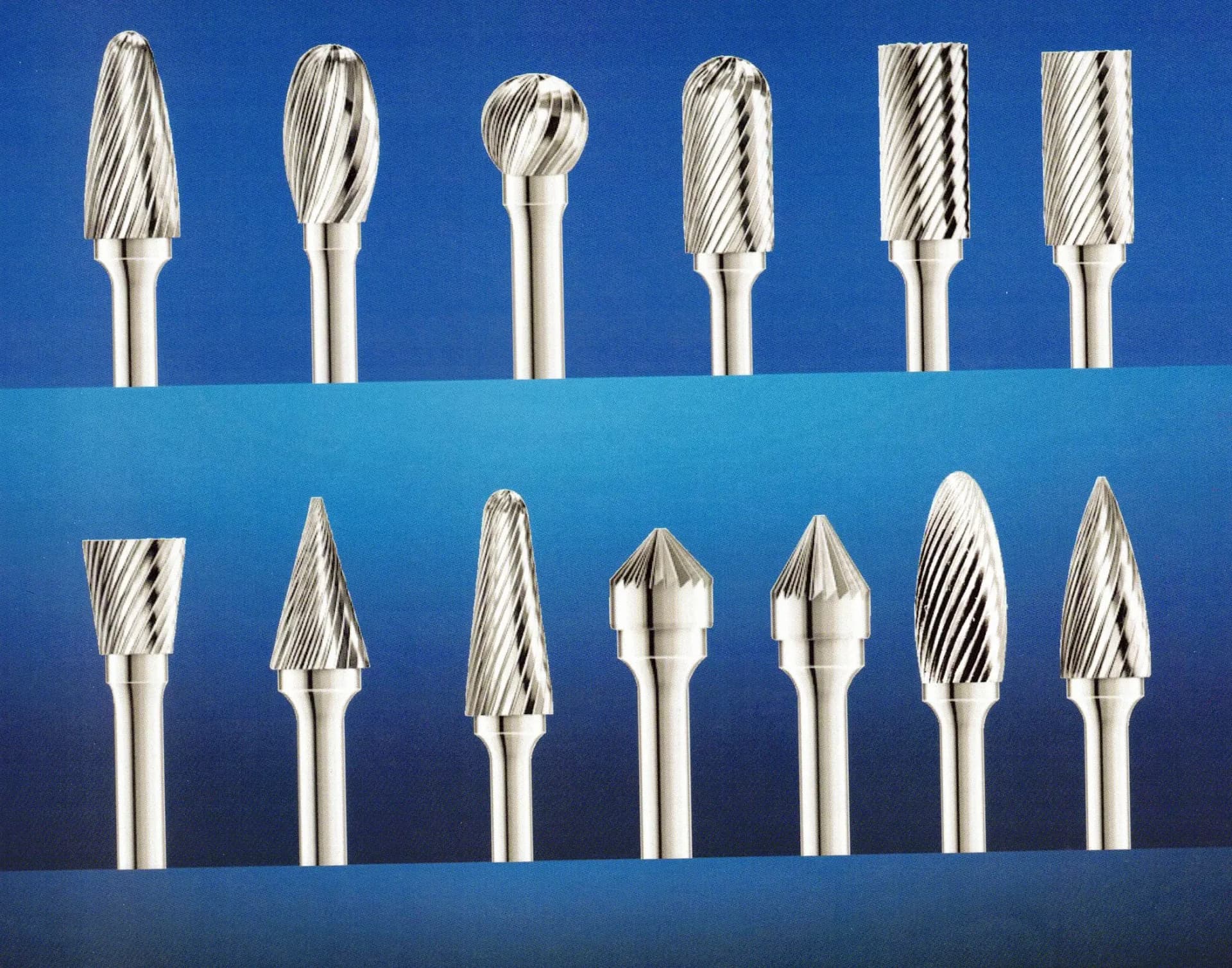
Our tungsten carbide burrs are organized for industrial buyers who need a practical product range rather than isolated tools. The catalog covers 13 standard shape families from Type A to Type N, 74 cataloged models with 6 mm shanks, and single, double and aluminum cut options. This structure also helps buyers compare each rotary burr and organize carbide burr bits by shape and cut.
You can compare burr shape, head diameter, cutting length, shank size and target material before preparing an RFQ. This structure helps importers and distributors build assortments for deburring, weld preparation, contouring and metal finishing. It also gives sourcing teams a clearer basis for selecting a rotary burr cutter and planning tungsten carbide rotary burrs by application.
Request Current Product Catalog →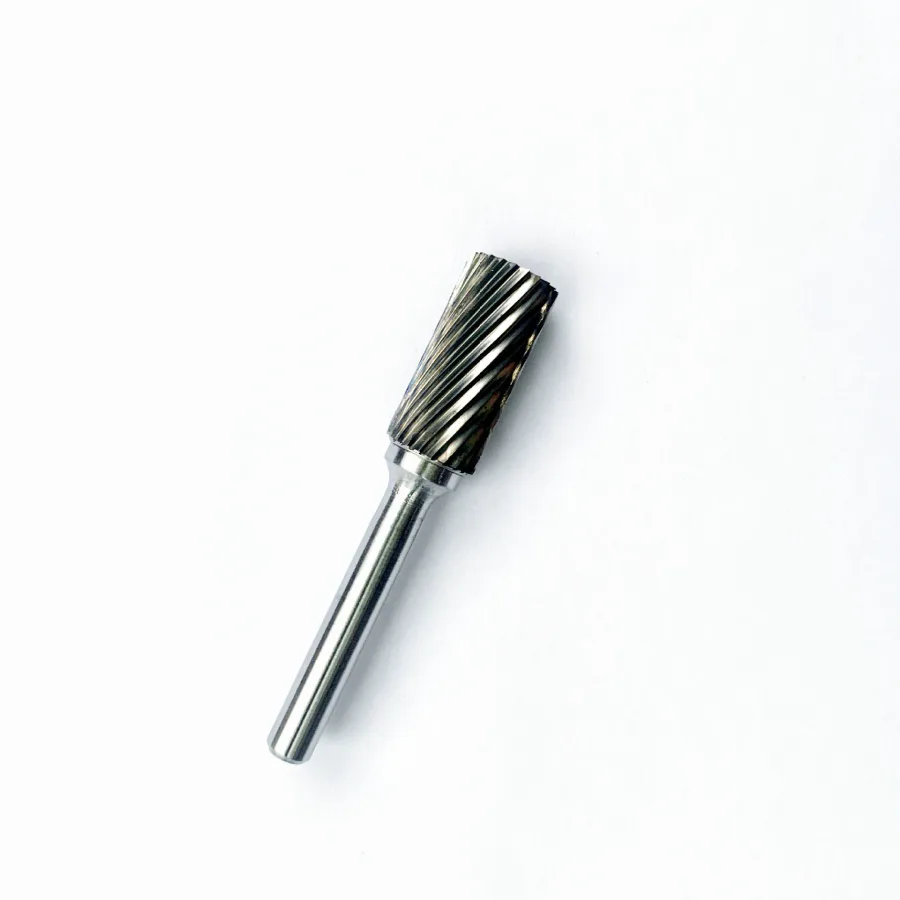
For flat surfaces and edge processing where a non-cutting end helps protect an adjacent surface.
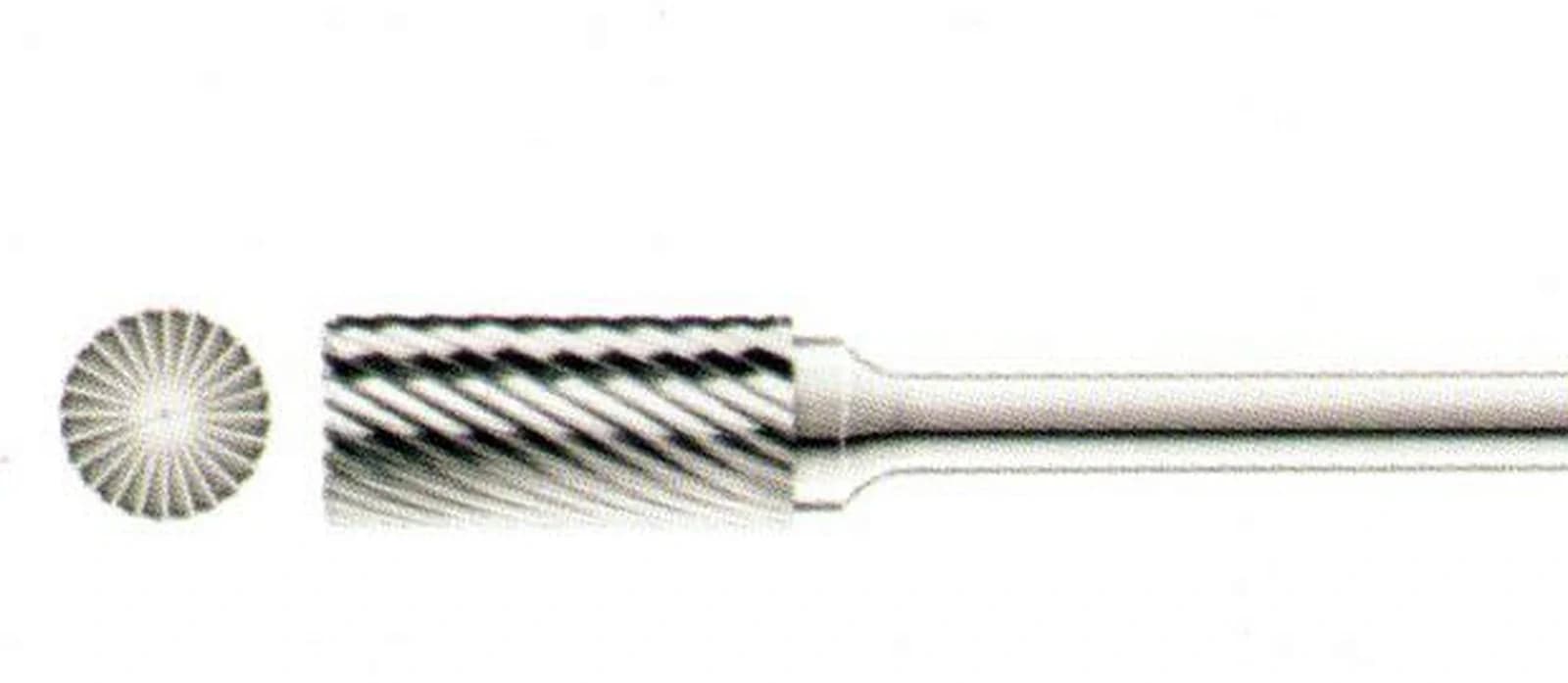
Combines side and end cutting for flat surfaces, internal corners and controlled face-entry work.
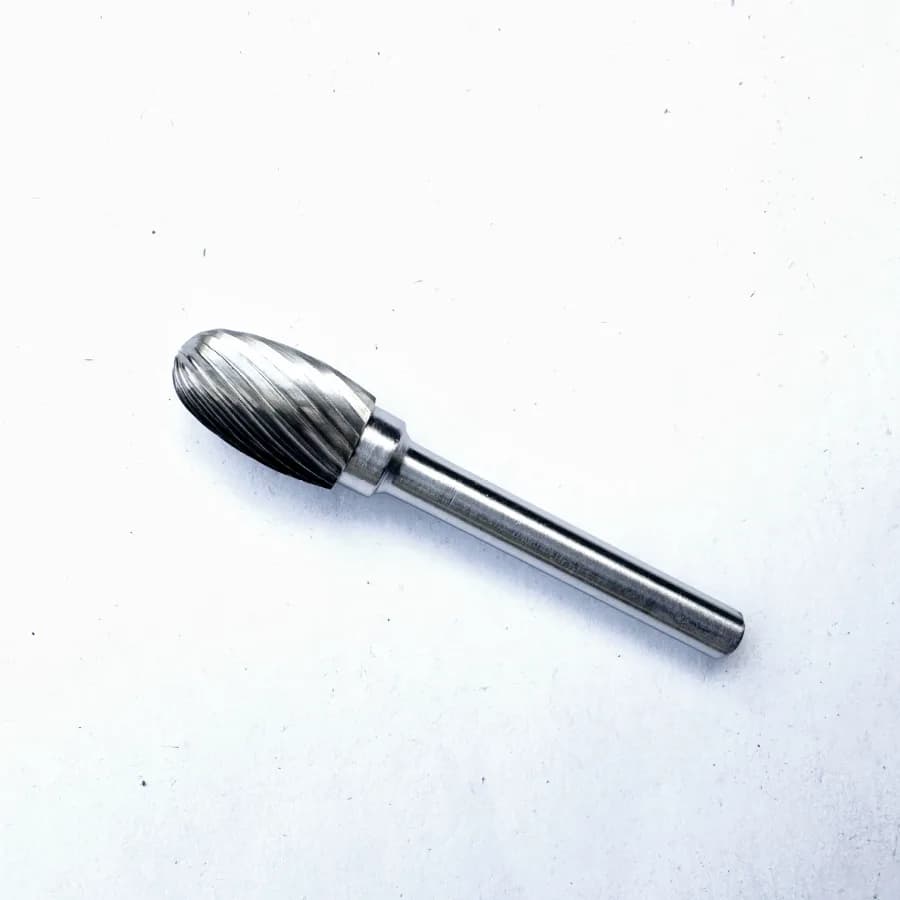
The radius end supports contouring, fillet work and transitions between flat and curved surfaces.
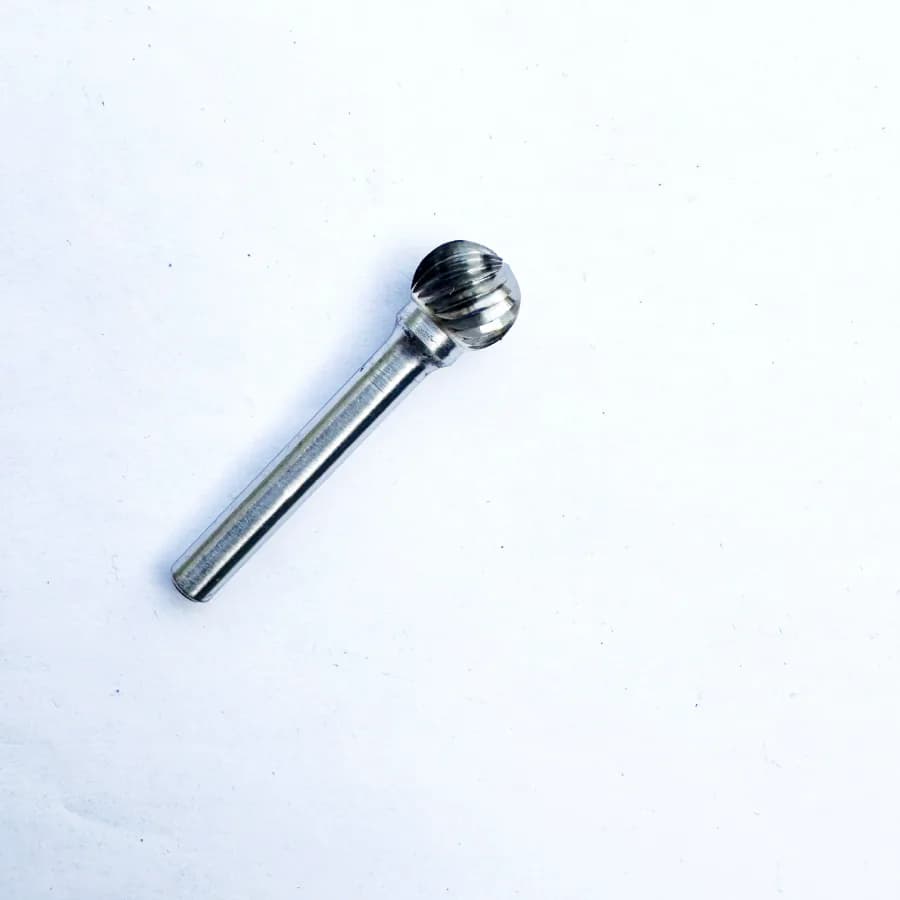
The spherical head reaches concave surfaces, rounded cavities and internal radii from multiple working angles.
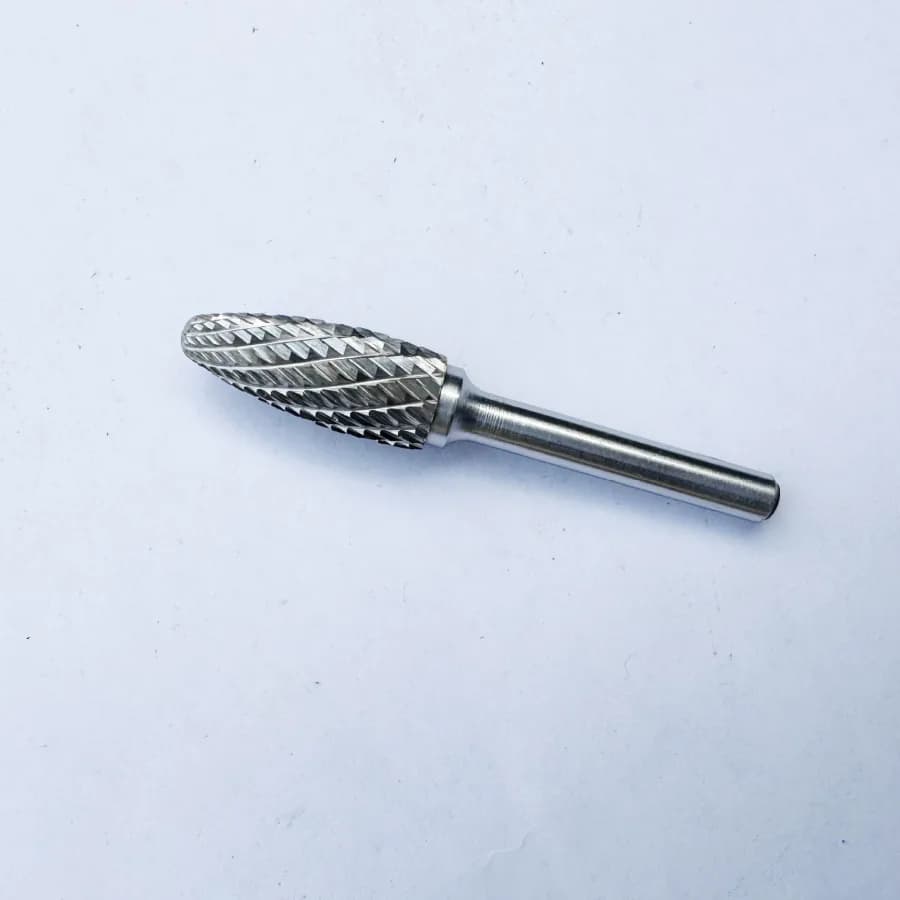
The oval profile follows curved surfaces and supports controlled shaping on rounded or irregular metal components.
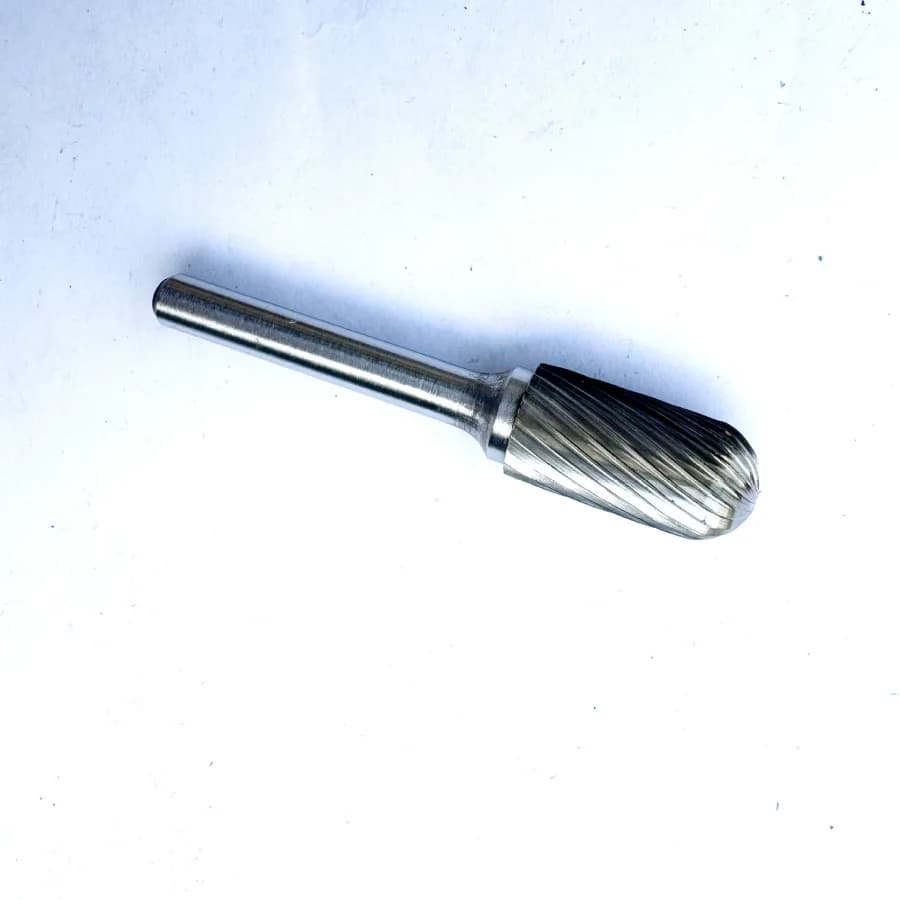
The rounded tree profile suits narrow contours, fillets and curved transitions without sharp internal corners.
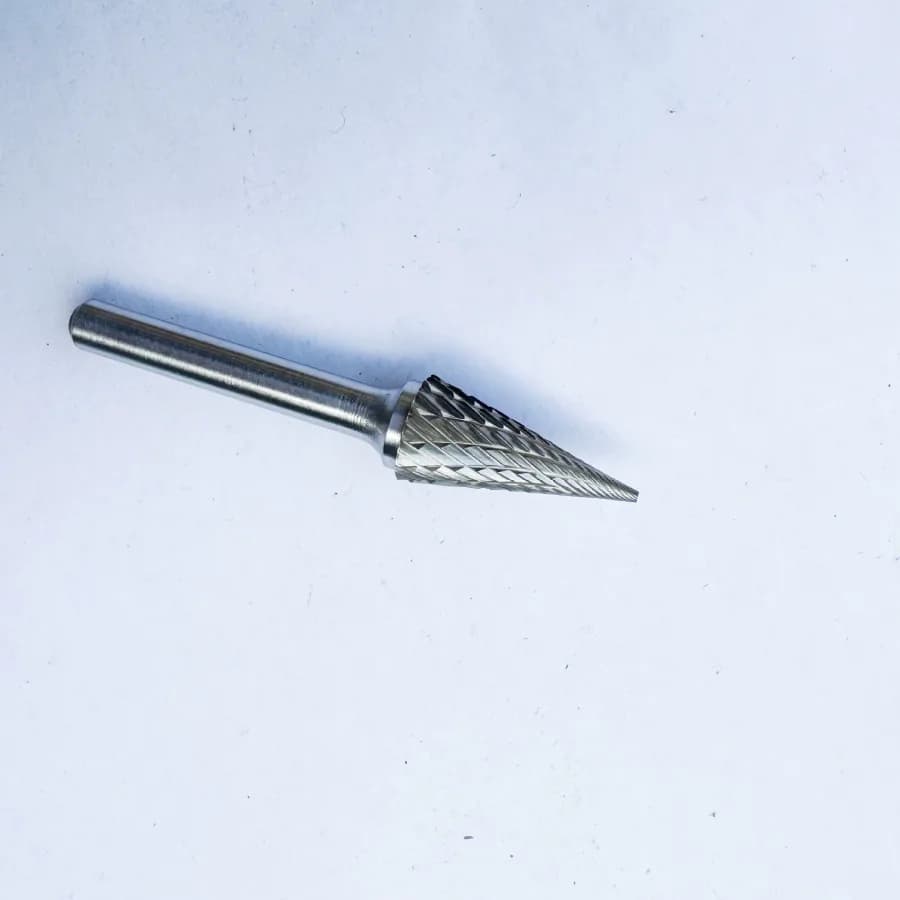
A pointed tree profile reaches V-grooves, tight angles and narrow areas requiring precise access.
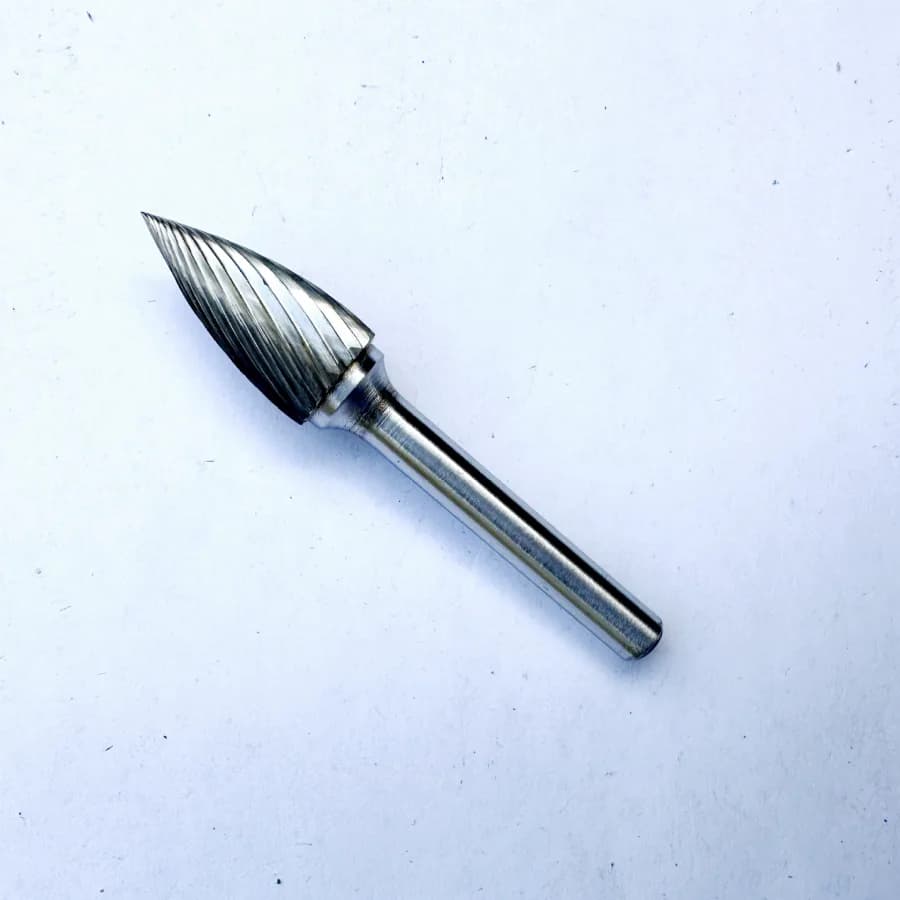
The flame profile supports elongated contours, concave areas and gradual transitions in hard-to-reach sections.
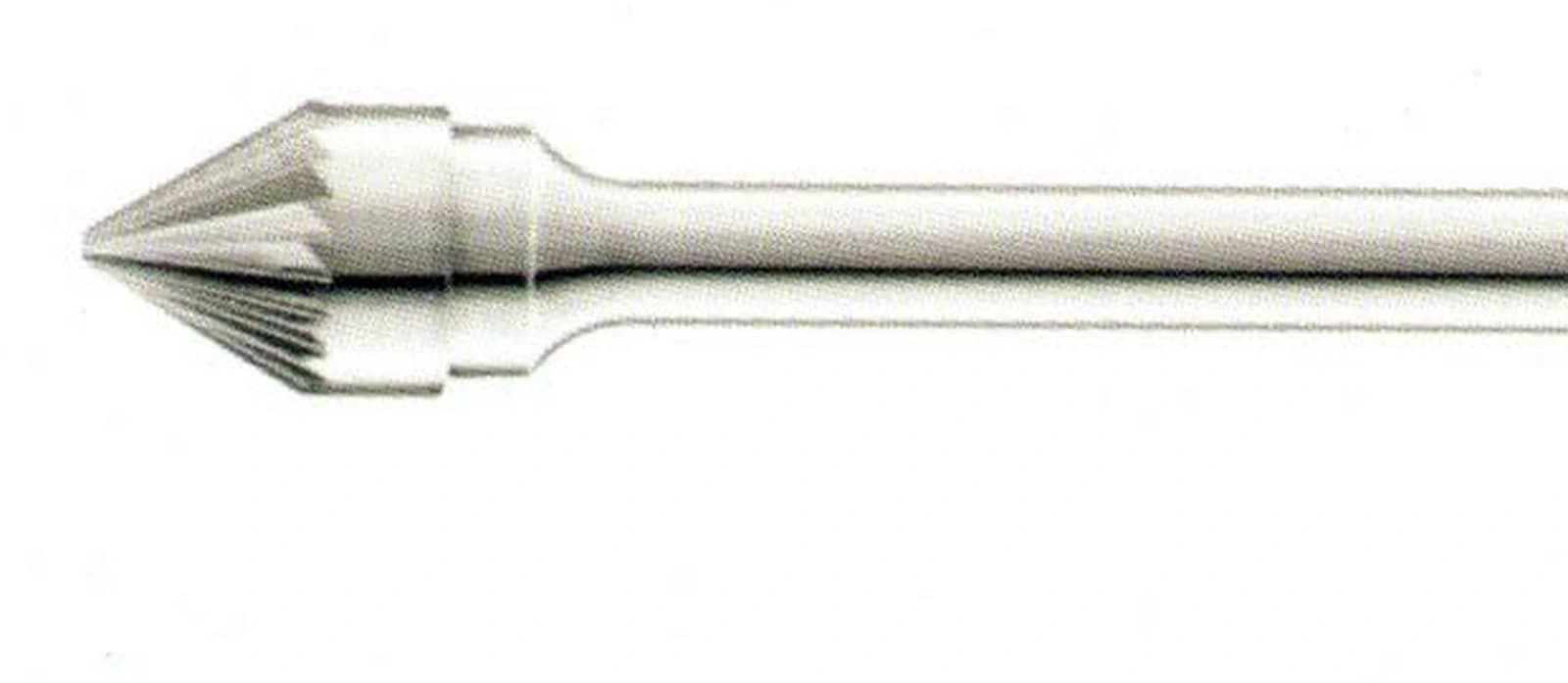
The 60-degree cone is suitable for chamfering, countersinking and angled groove preparation.
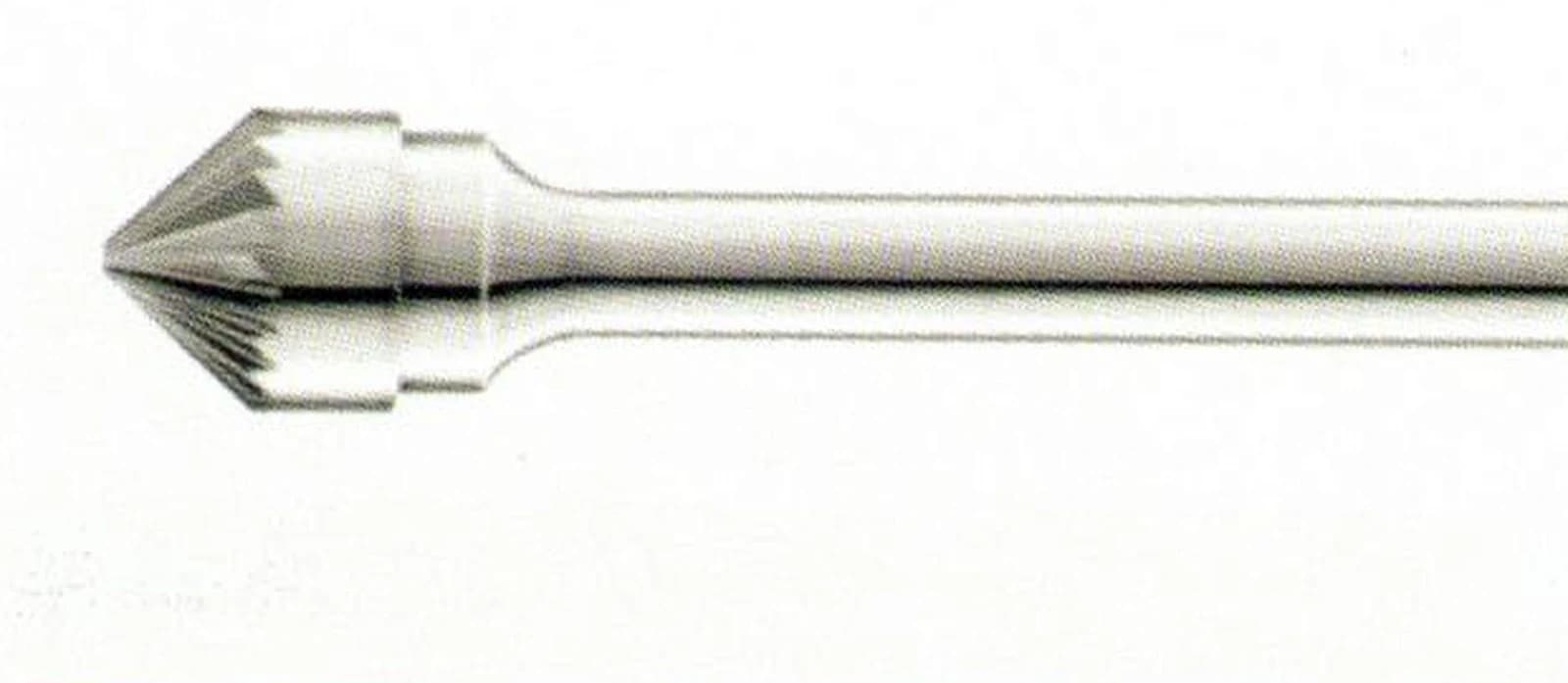
The 90-degree cone supports wider countersinks, edge chamfers and angular recesses.
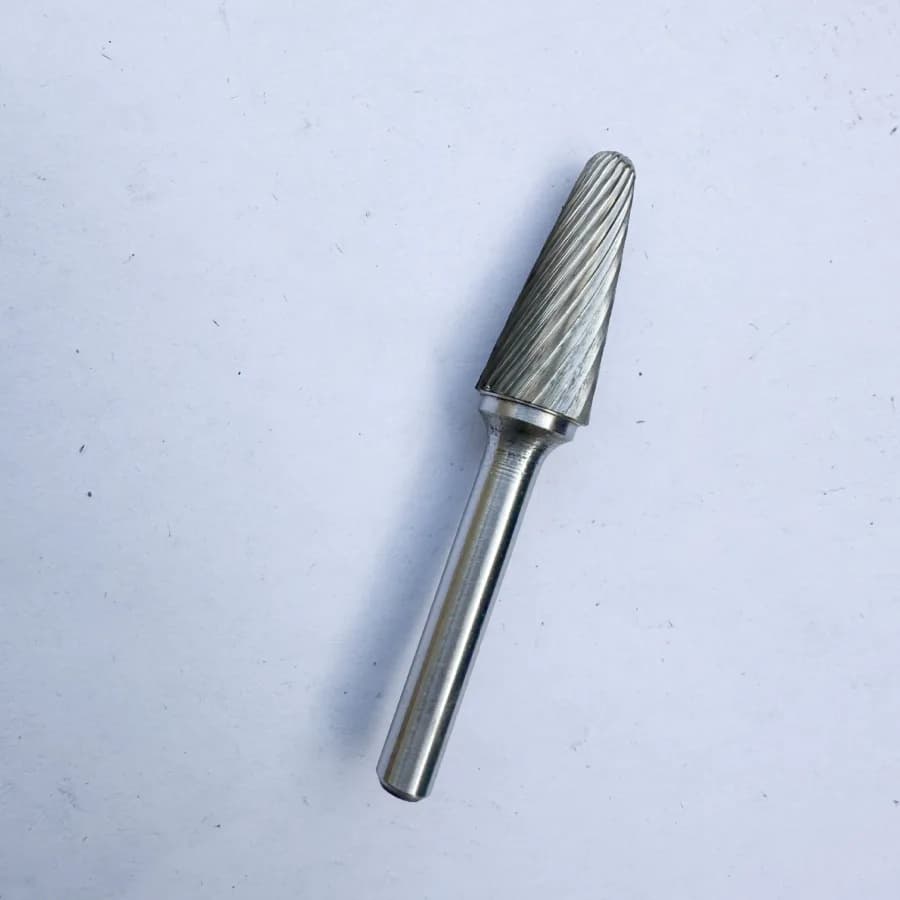
A tapered head with radius end works on narrow contours, rounded slots and internal transitions.
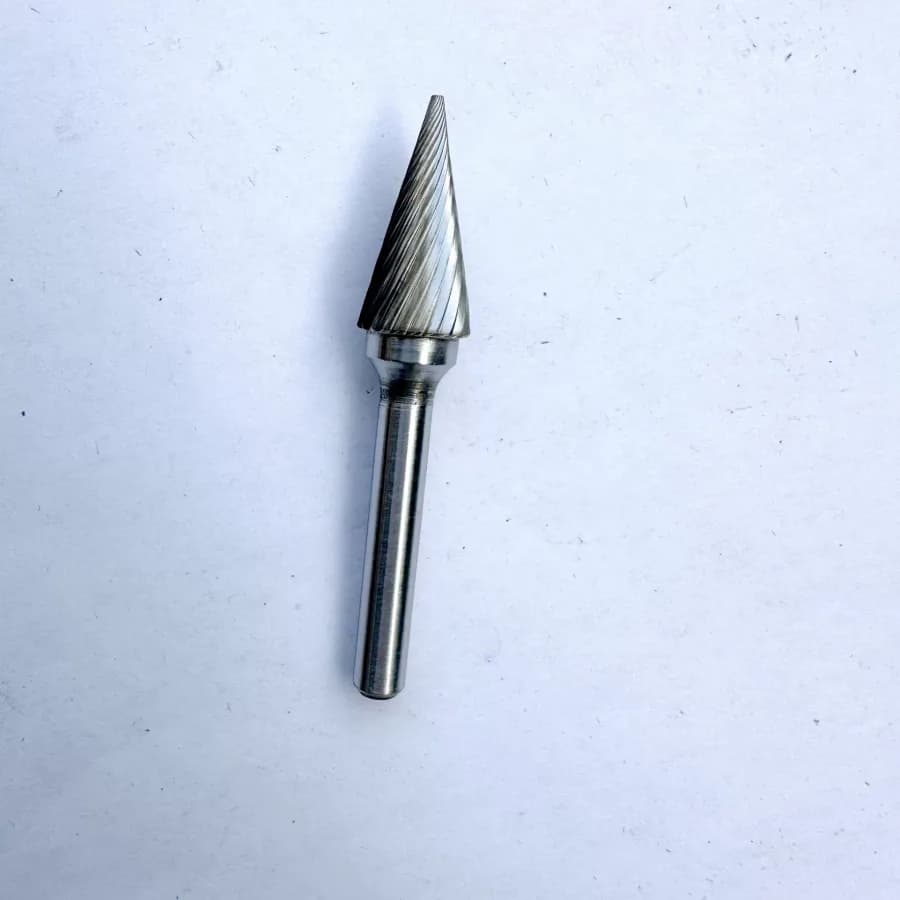
The pointed cone reaches tapered cavities, angular profiles and confined areas requiring a narrow cutting point.
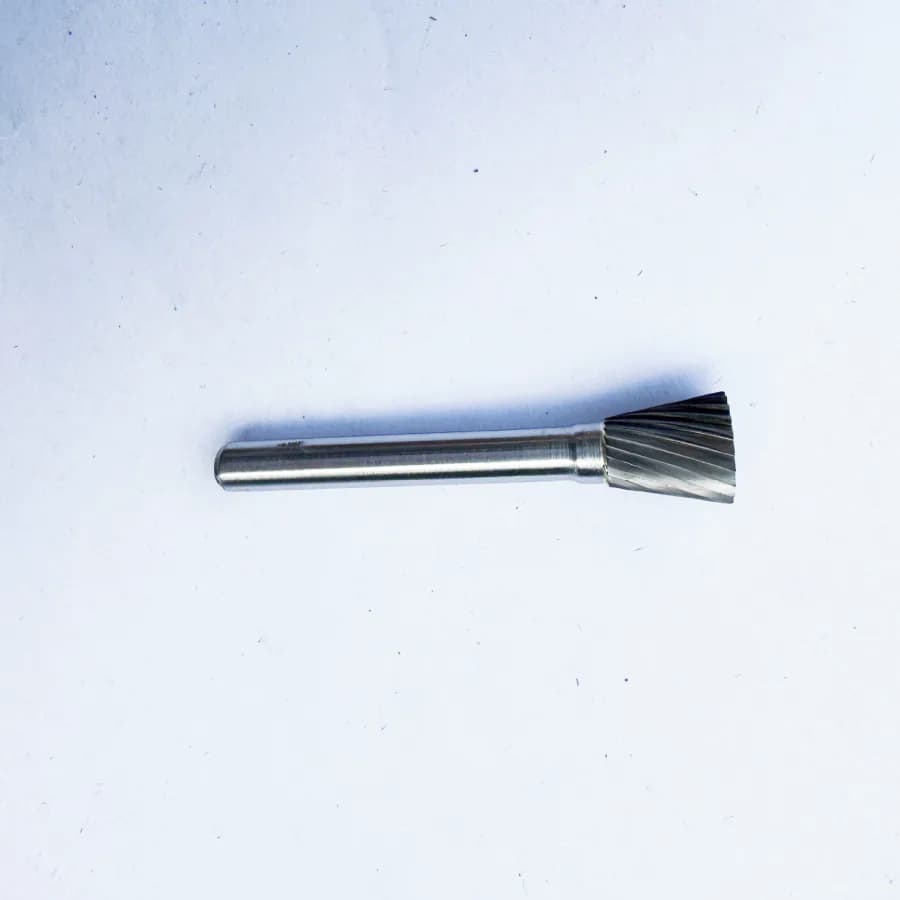
The inverted cone supports back chamfering, undercutting and processing rear-facing internal edges.
Each shape is designed to reach different surfaces, contours, corners or recesses.
View All Shapes and Sizes →The selected cut affects chip formation, tool control, material removal and surface condition. Compare the three main options before deciding which models should be included in your product range. This comparison also helps buyers distinguish carbide die grinder bits from other cutting tools.
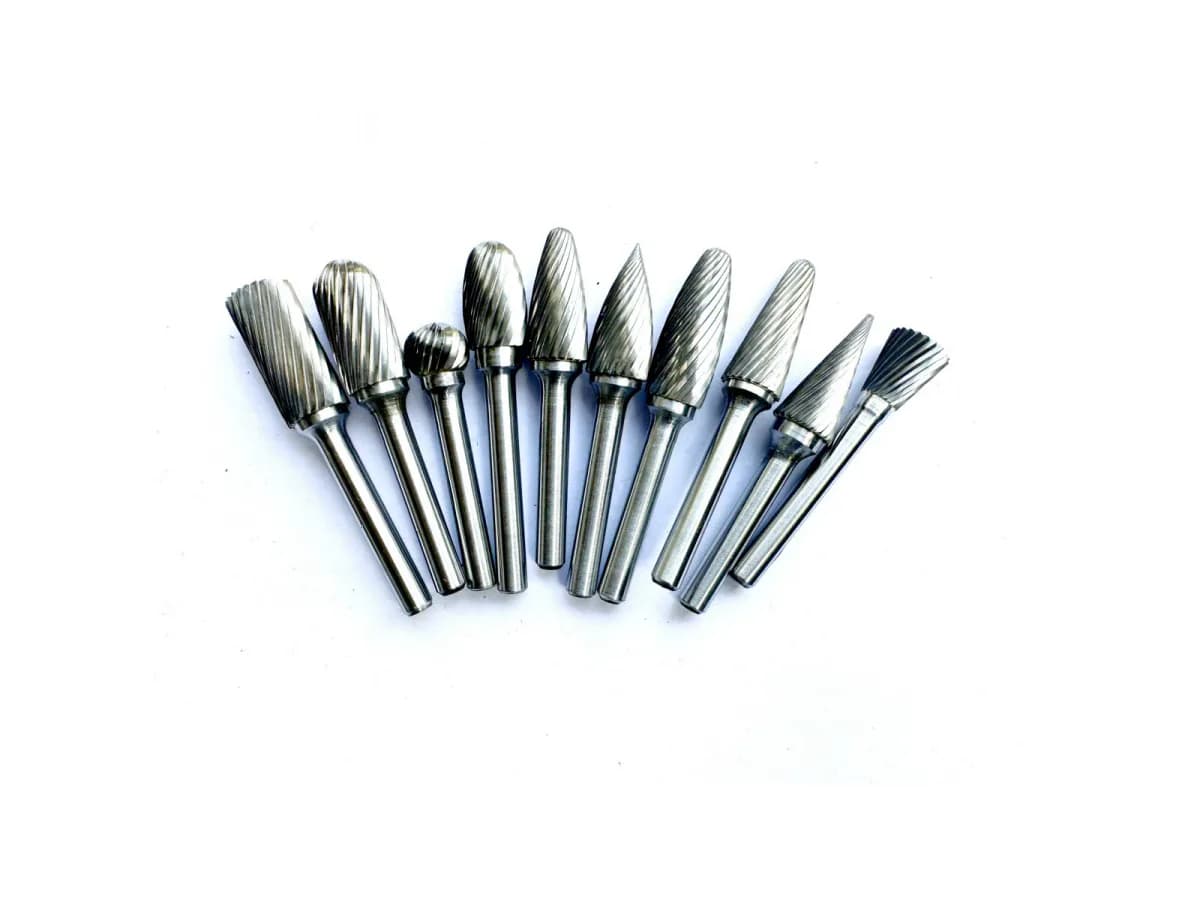
Single-direction flutes provide strong material removal with a controlled surface finish. They are commonly selected for cast iron, carbon steel, stainless steel, nickel-based alloys and titanium alloys.
View Single Cut Carbide Burrs →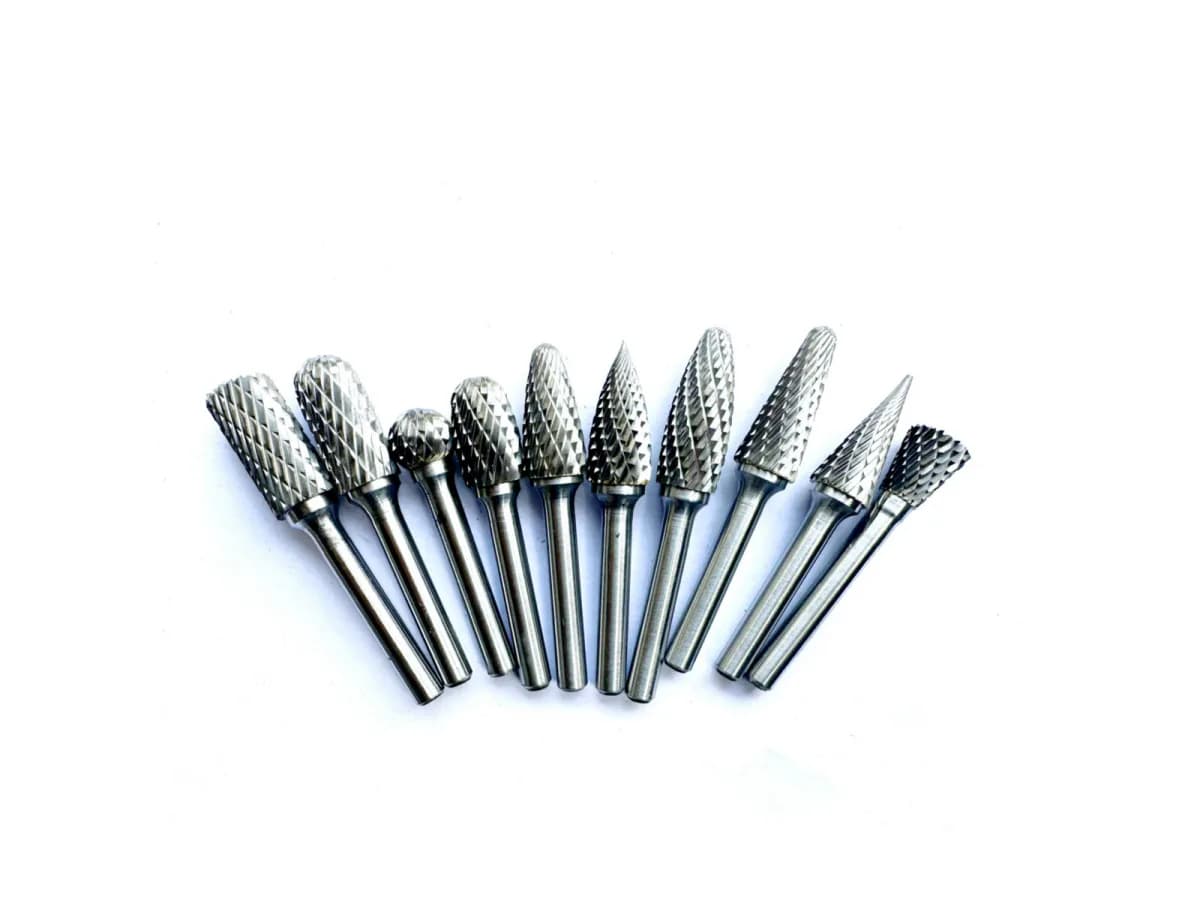
Crossed flutes break removed material into shorter chips and provide easier tool control. Double cut models are widely used for general-purpose work on steel, stainless steel, cast iron and other industrial alloys.
View Double Cut Carbide Burrs →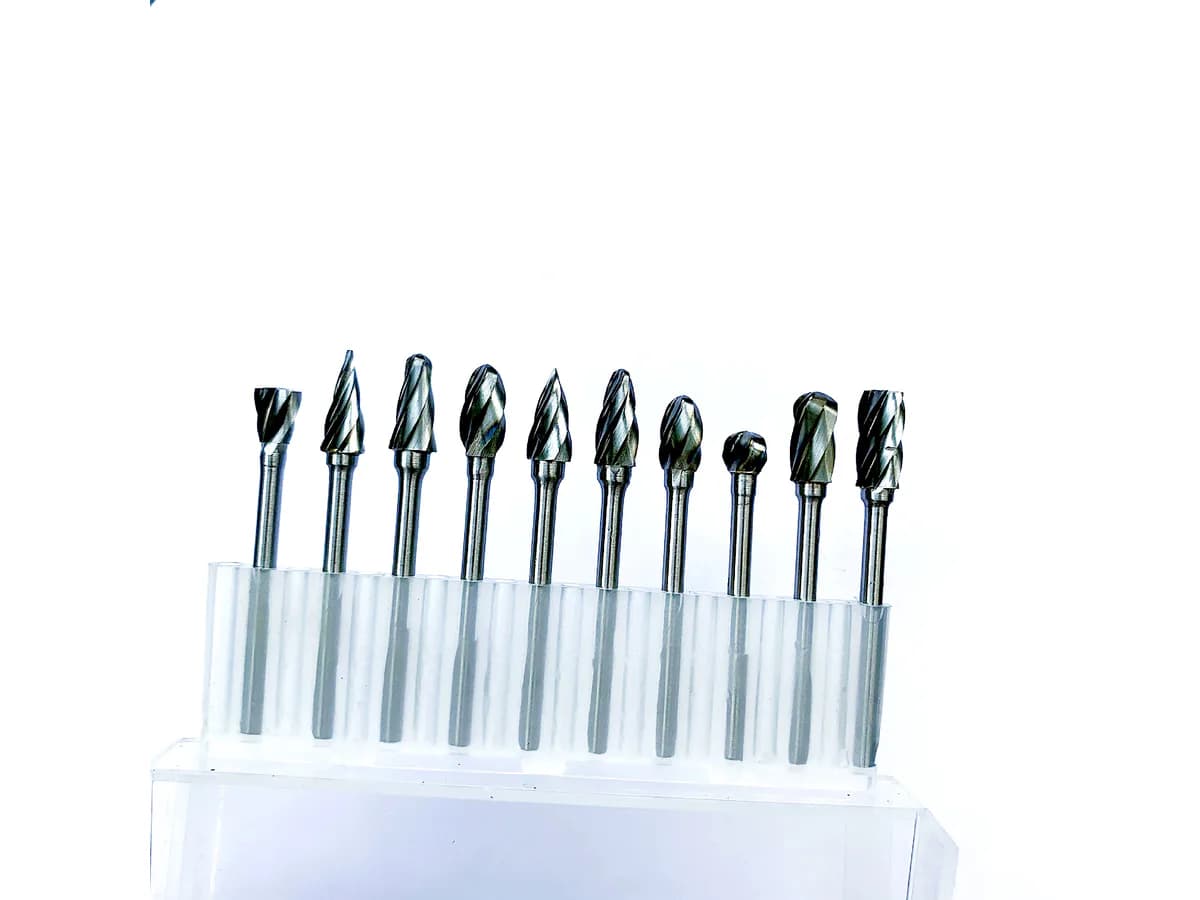
Wide, open flutes improve chip evacuation when machining aluminum and other soft, long-chipping non-ferrous materials. The open geometry helps reduce material loading during use.
View Aluminum Cut Carbide Burrs →A professional quotation should be based on identifiable product specifications rather than photographs alone. Use the model table to compare:
Providing this information helps both sides compare the same product and reduces mistakes involving visually similar models.
Providing this information helps both sides compare the same product and reduces mistakes involving visually similar models.
Send Selected Models for Quotation →Different head profiles provide access to flat surfaces, curves, slots, corners, radii and recessed areas.
Select plain-end, end-cut or radius-end designs according to the surface and direction of material removal.
Single-direction flutes support strong material removal and a controlled finish on suitable industrial metals.
Crossed cutting edges produce shorter chips and provide greater control during general metalworking applications.
Wide flute spacing supports chip evacuation when processing aluminum and other soft non-ferrous materials.
The cataloged 6 mm-shank series provides a consistent basis for model comparison and assortment planning.
A broad catalog is useful only when every model is clearly identified. Use shape code, head diameter, cutting length, shank diameter and cut type as the minimum product reference.
This gives your purchasing team a clearer basis for comparing quotations and prevents visually similar rotary burrs from being treated as identical products.
Approve one model list before the first commercial order and retain the same product references for future replenishment. The list should include dimensions, cut type, quantity and packaging requirements.
When specifications change, record the revision instead of relying on messages or product photographs. This provides a clearer standard for quotation, production and receiving inspection.
Terms such as “high quality,” “professional grade” and “long life” are not complete purchasing specifications. Define the dimensions, cut pattern, packaging and acceptance requirements that matter to your market.
A detailed RFQ allows both sides to compare the same product and reduces disagreements caused by unclear or incomplete descriptions. It also gives the carbide burr manufacturer and carbide burr supplier the same reference for review.
A detailed RFQ allows both sides to compare the same product and reduces disagreements caused by unclear or incomplete descriptions.
Request a Specification-Based Quote →Build a fabrication-focused range around cylindrical, tree, flame and cone profiles for weld preparation, edge blending, chamfering and contour work.
Combine the appropriate shape and cut with the target material instead of offering one general-purpose burr for every task. This gives your customers a clearer selection path for fabrication applications. The required burr bit should still be matched to the workpiece and task.
Foundries and casting workshops need burr shapes that can reach flash, seams, internal radii and irregular contours.
Ball, oval, tree and flame profiles provide different access options, while the selected cut should match the casting material. Use the product matrix to build a focused assortment rather than stocking unrelated models.
Mold and die customers often require controlled access to cavities, radii, slots and detailed profiles. Ball, oval, flame and tapered shapes cover different contouring requirements.
A well-organized range should separate aggressive material removal from controlled finishing work so buyers can select by task instead of relying only on the burr shape. The selected tungsten carbide rotary burr should remain tied to the intended contouring or finishing task.
Automotive workshops and industrial maintenance suppliers use rotary burrs for deburring, component modification, weld preparation and localized material removal. A carbide rotary burr can then be specified by the workpiece and required operation.
A practical assortment should cover cylindrical, ball, tree and cone profiles with clear shank and cut information that helps buyers match the burr to the workpiece and die grinder. This makes burr bits for die grinder use easier to compare across the assortment.
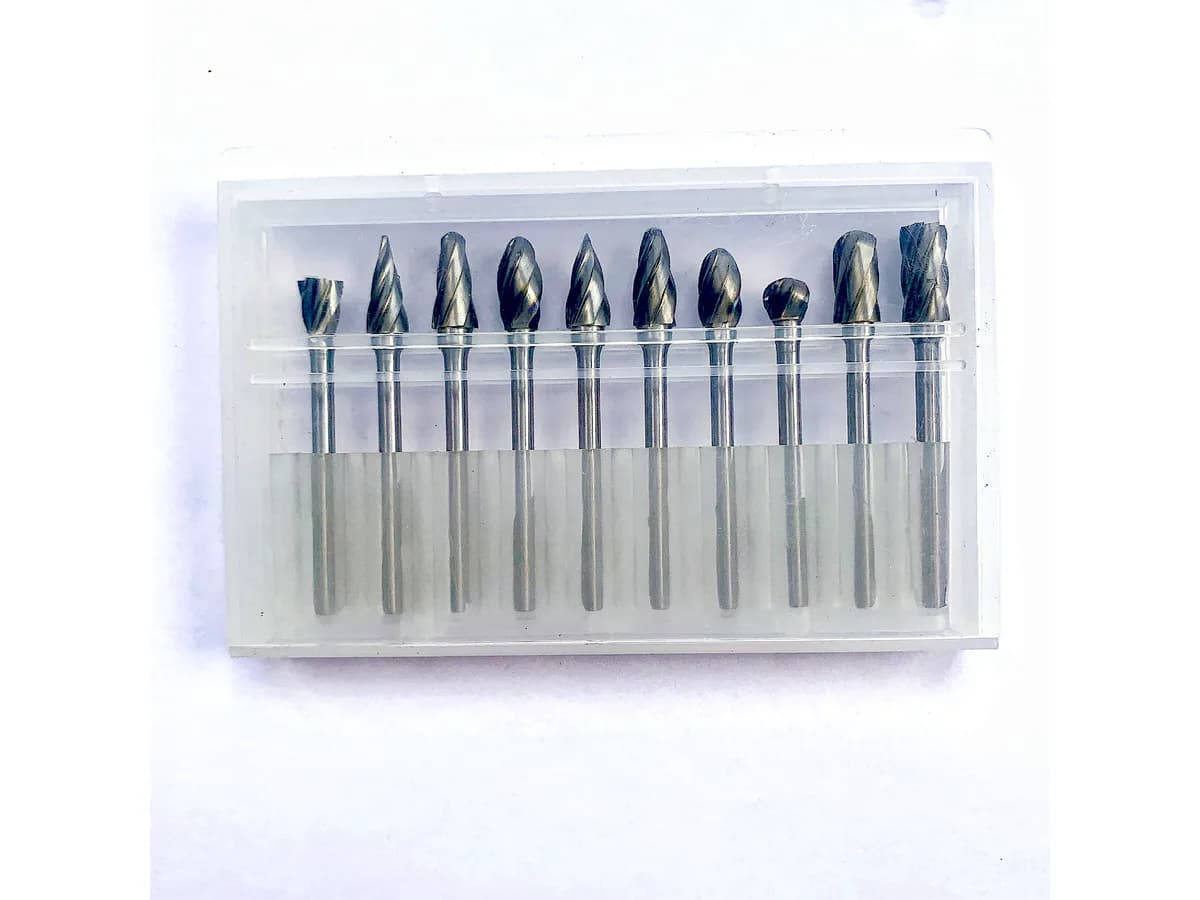
Start by selecting the shapes, cuts, sizes and quantities required for your market. Then include your branding, labeling and packaging requirements in the RFQ. This gives buyers a clear basis for comparing wholesale carbide burrs and defining OEM carbide burrs for the requested range.
The final quotation can identify the applicable OEM options, MOQ, pricing and delivery terms for the requested product list. Product names, model codes, cut types and sizes should remain consistent across the product, label and outer carton.
Request OEM Carbide Burr Options →Review the supplied workshop and equipment images together with the approved product matrix, sample result and bulk-order inspection requirements.
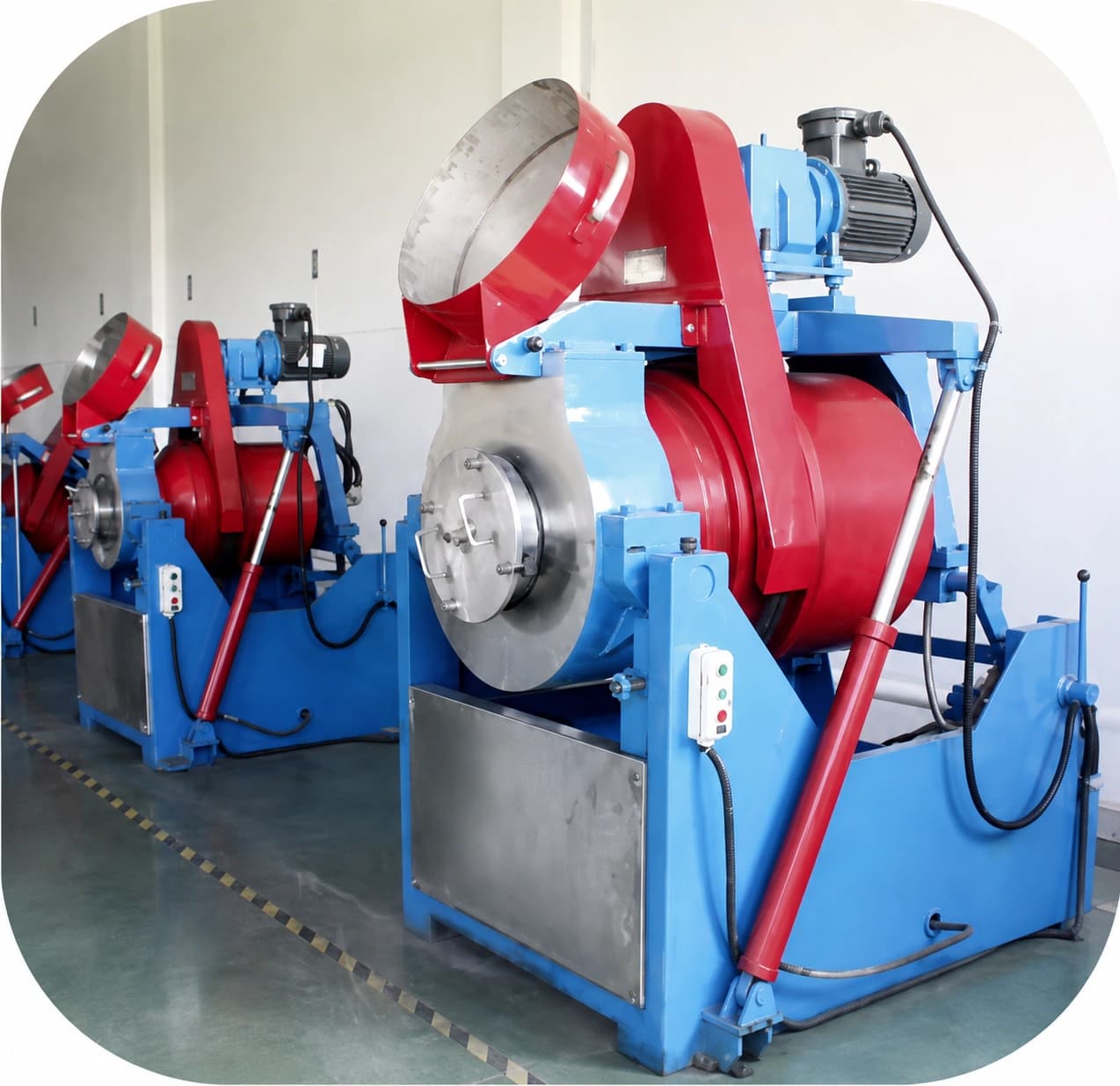

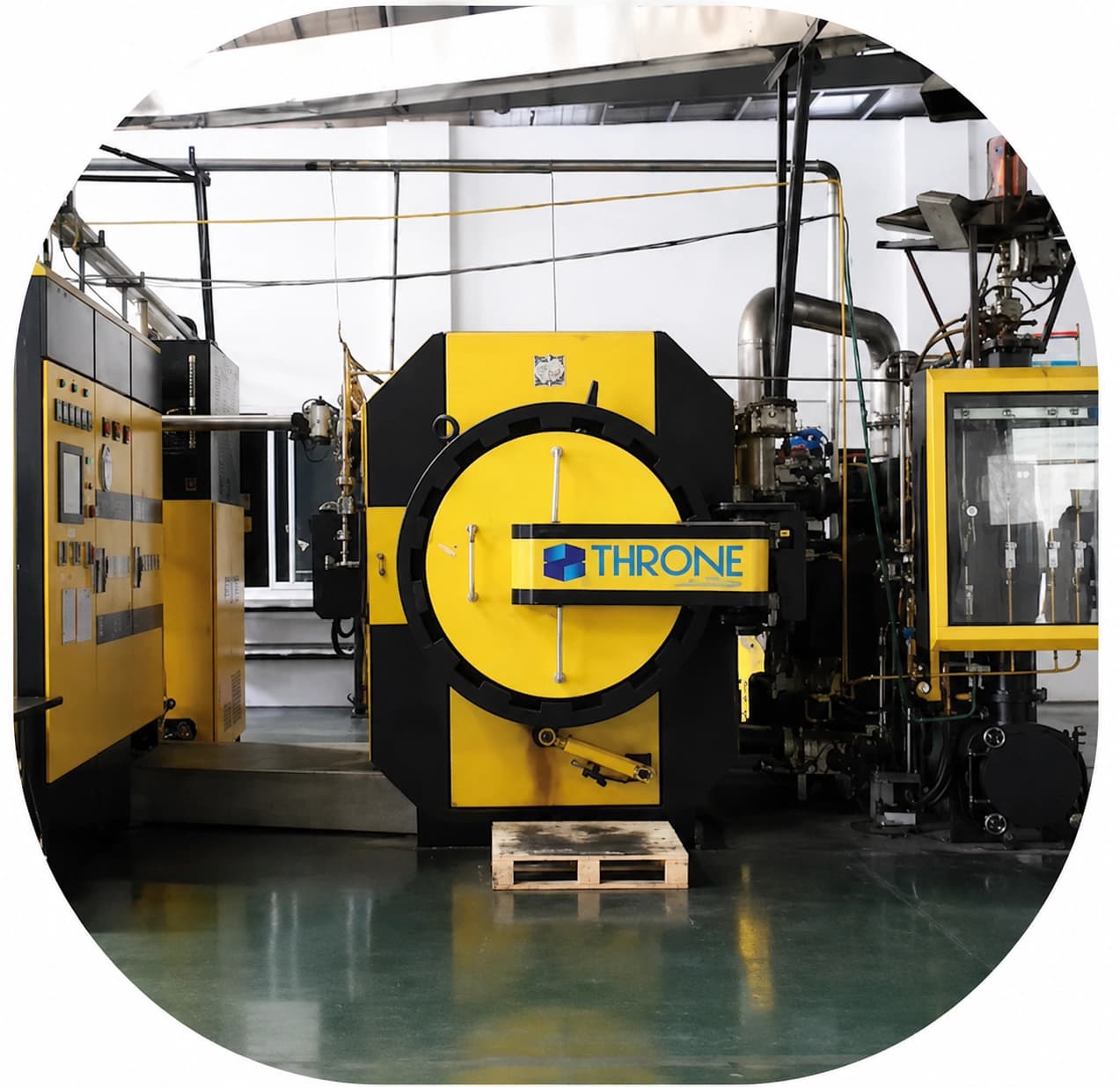
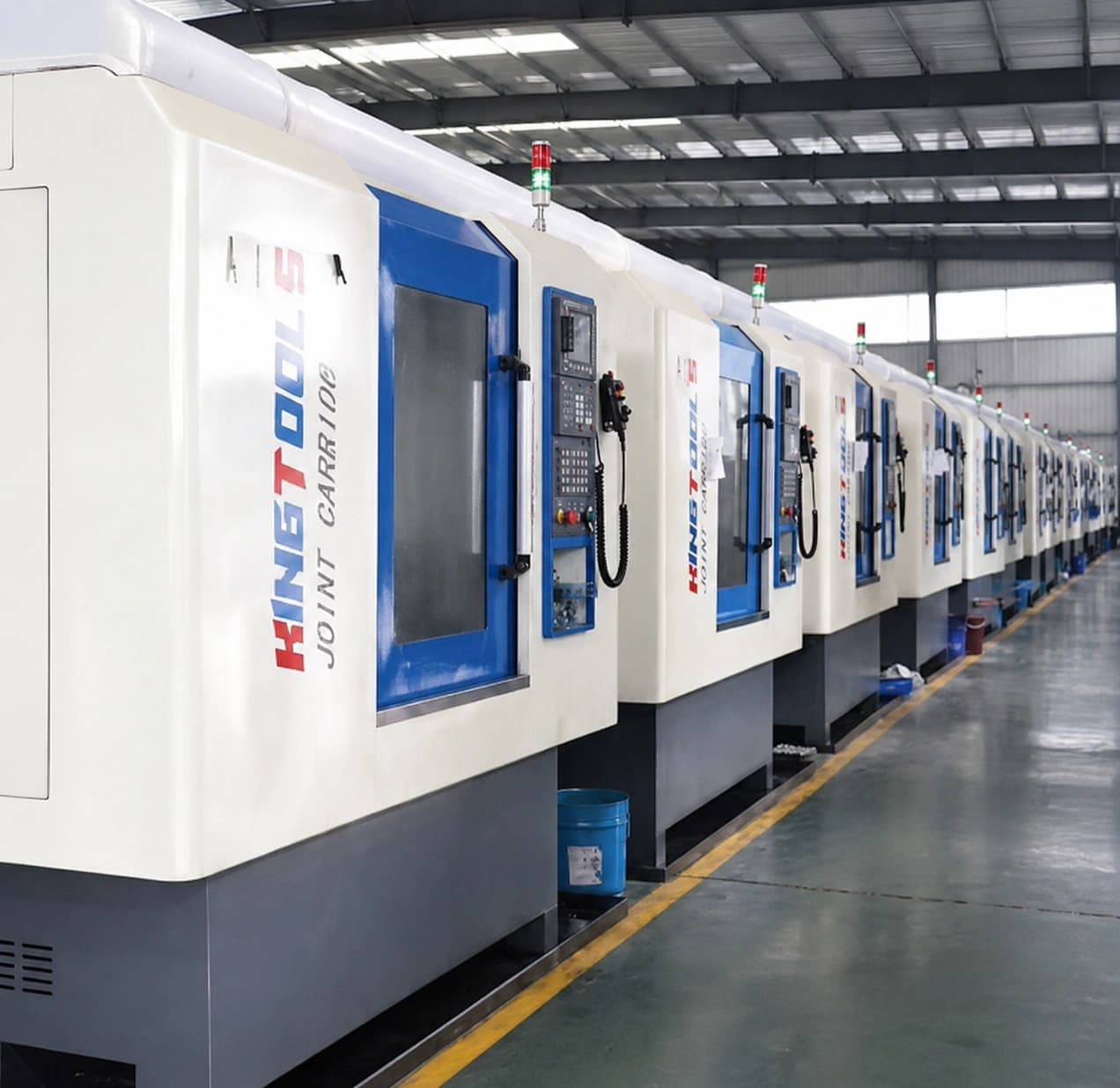
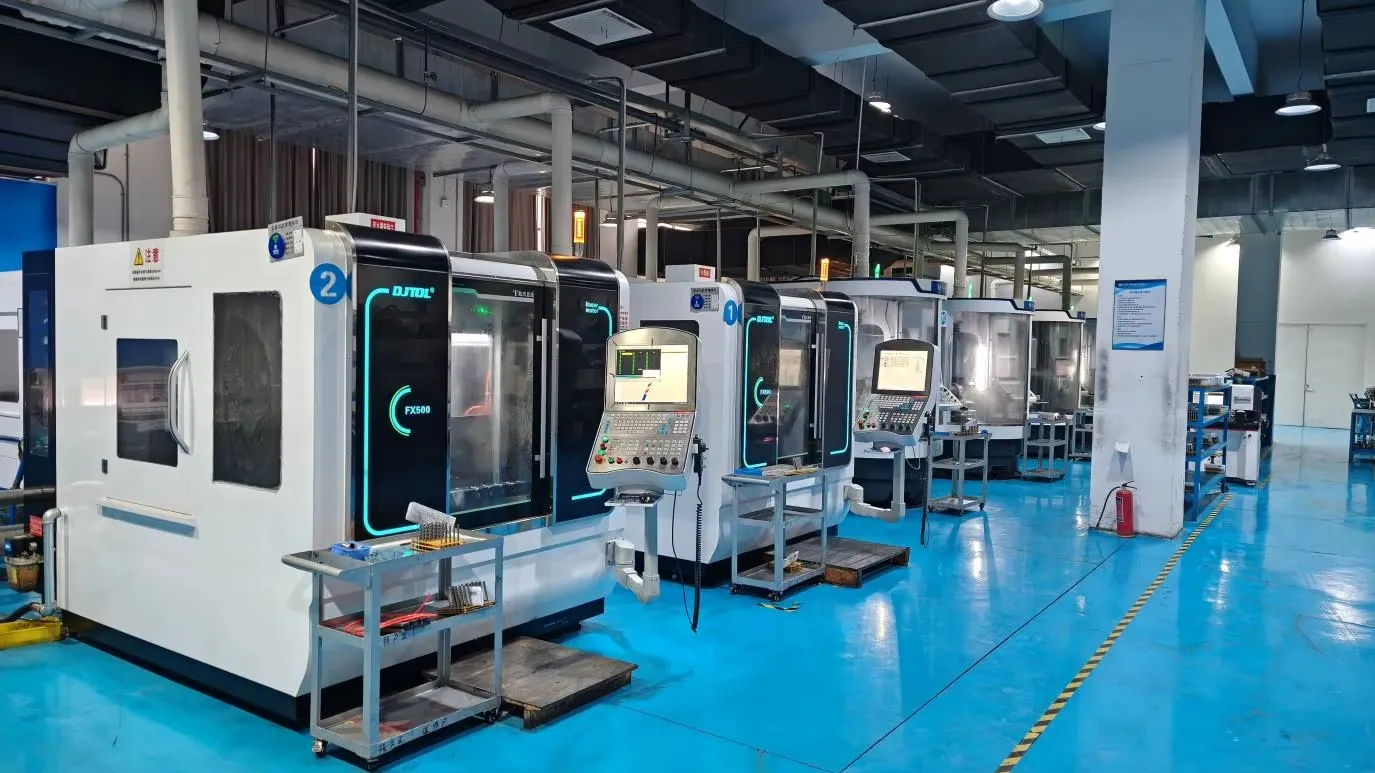
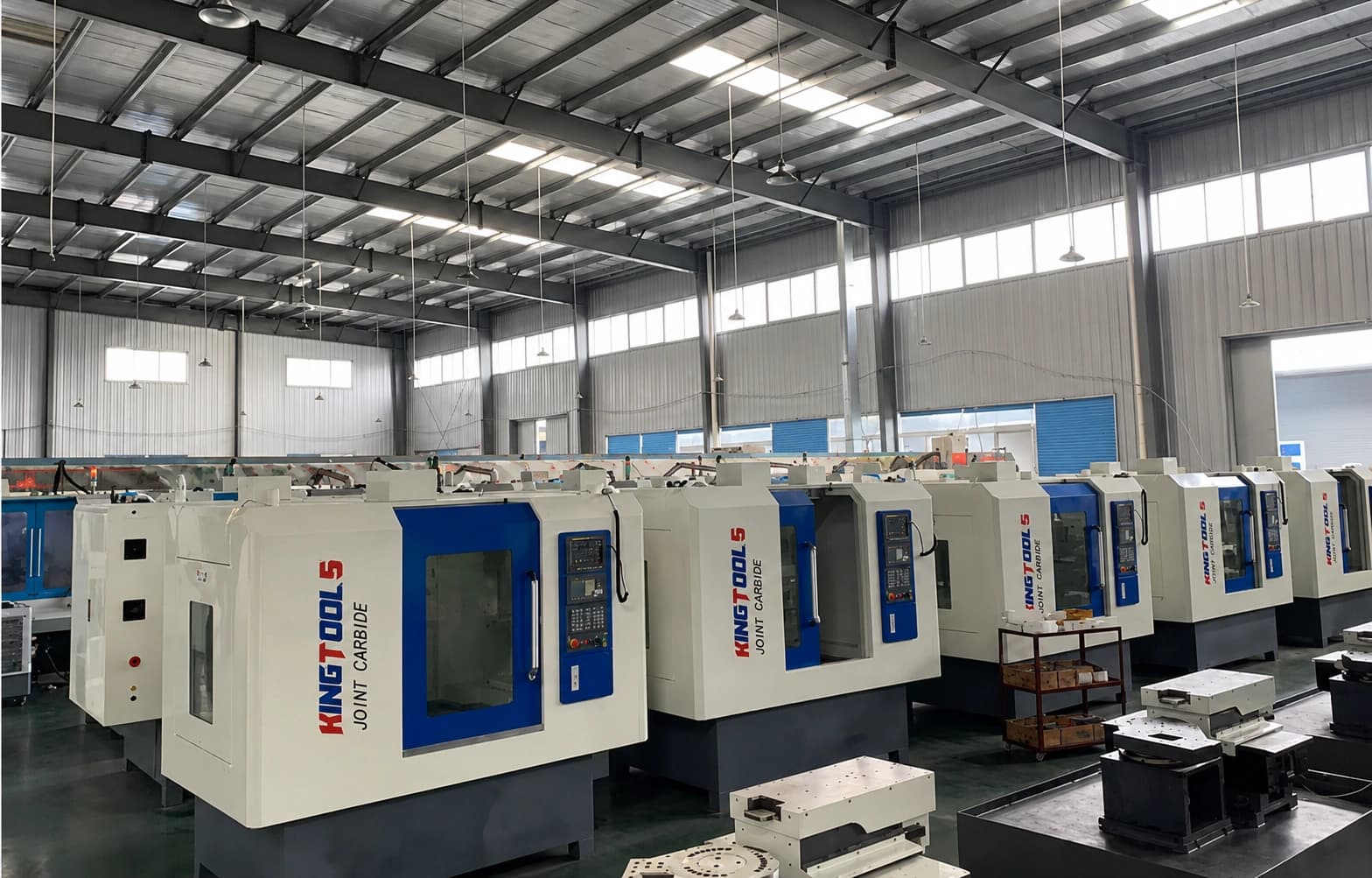
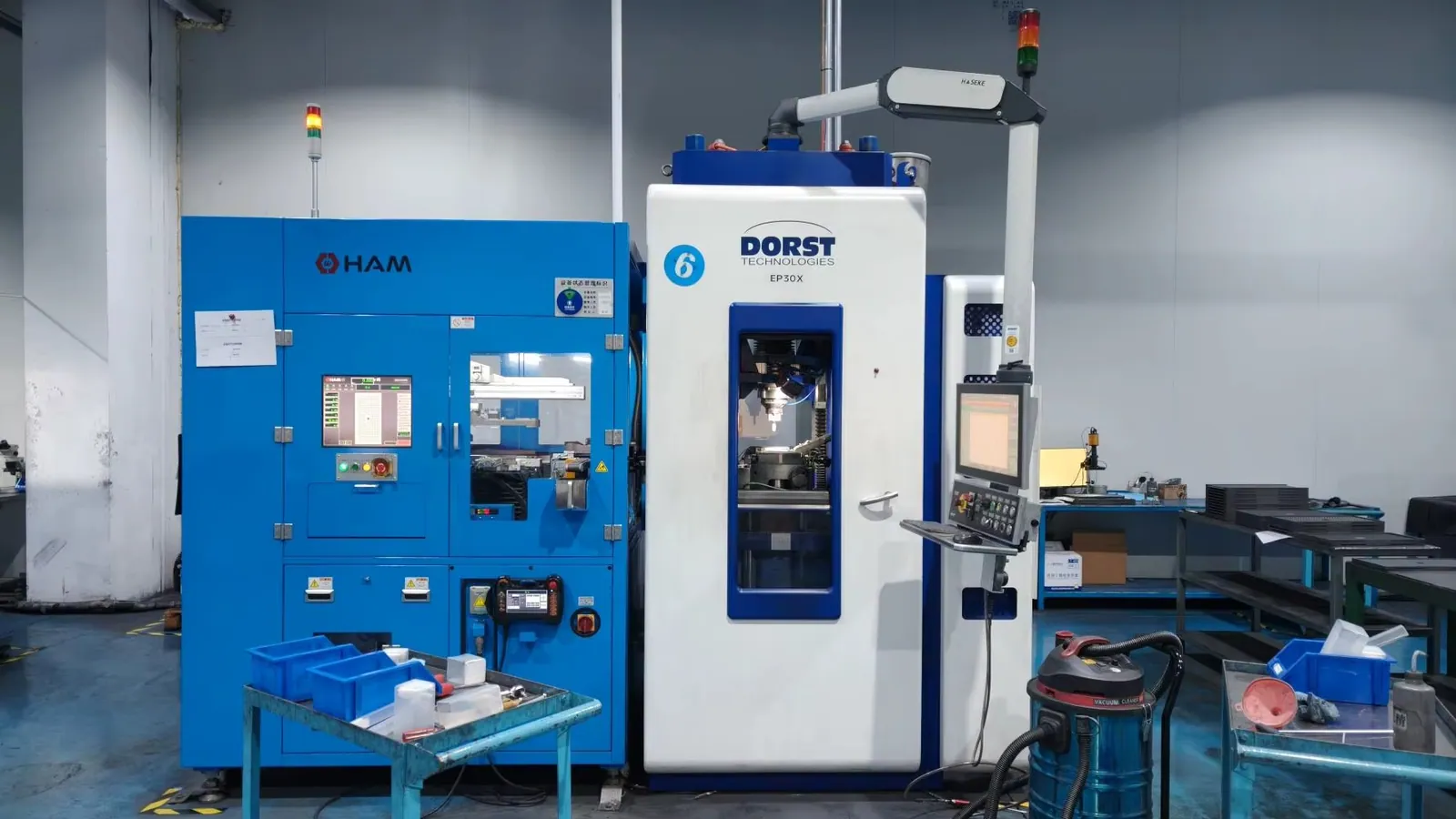
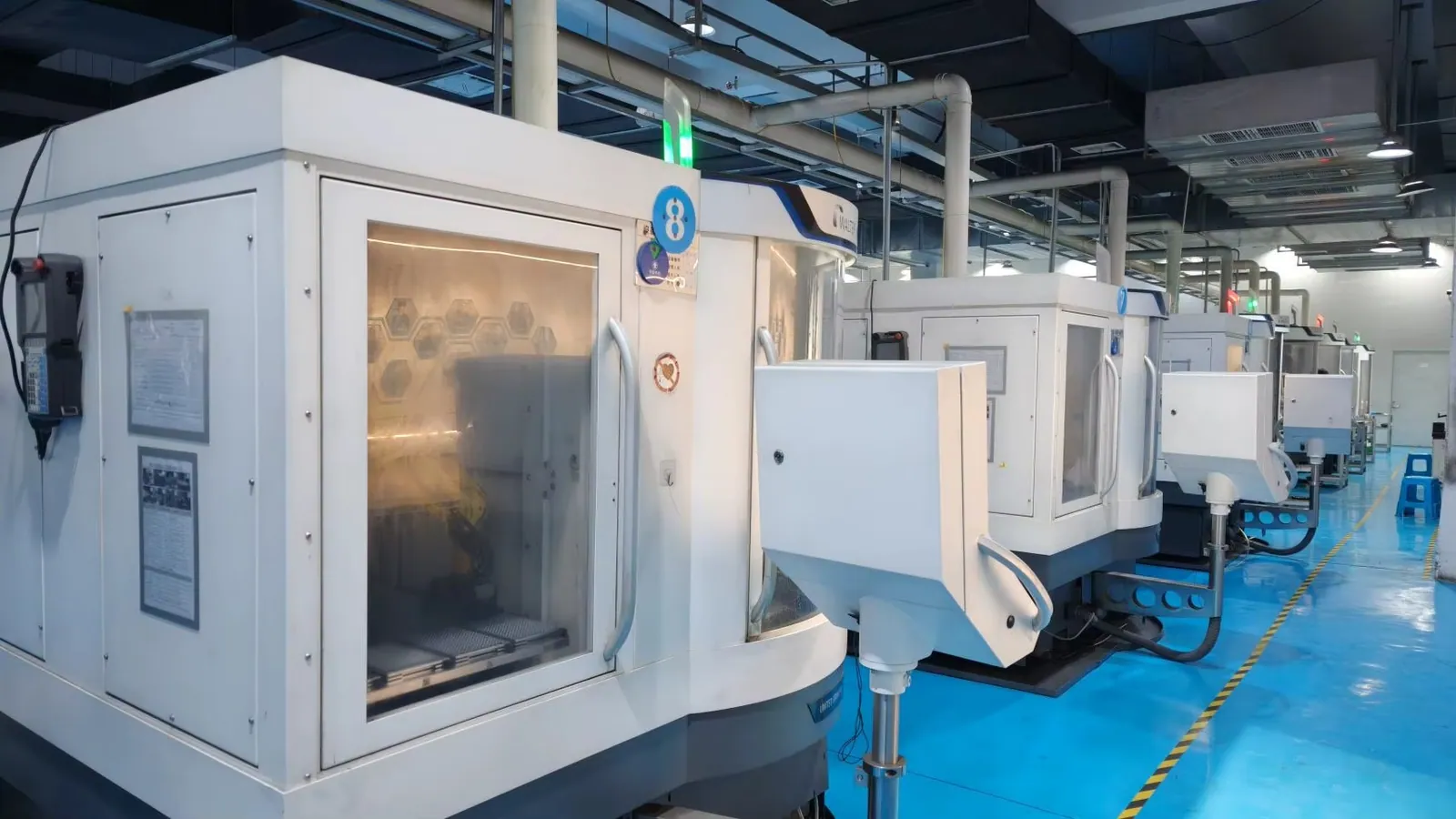
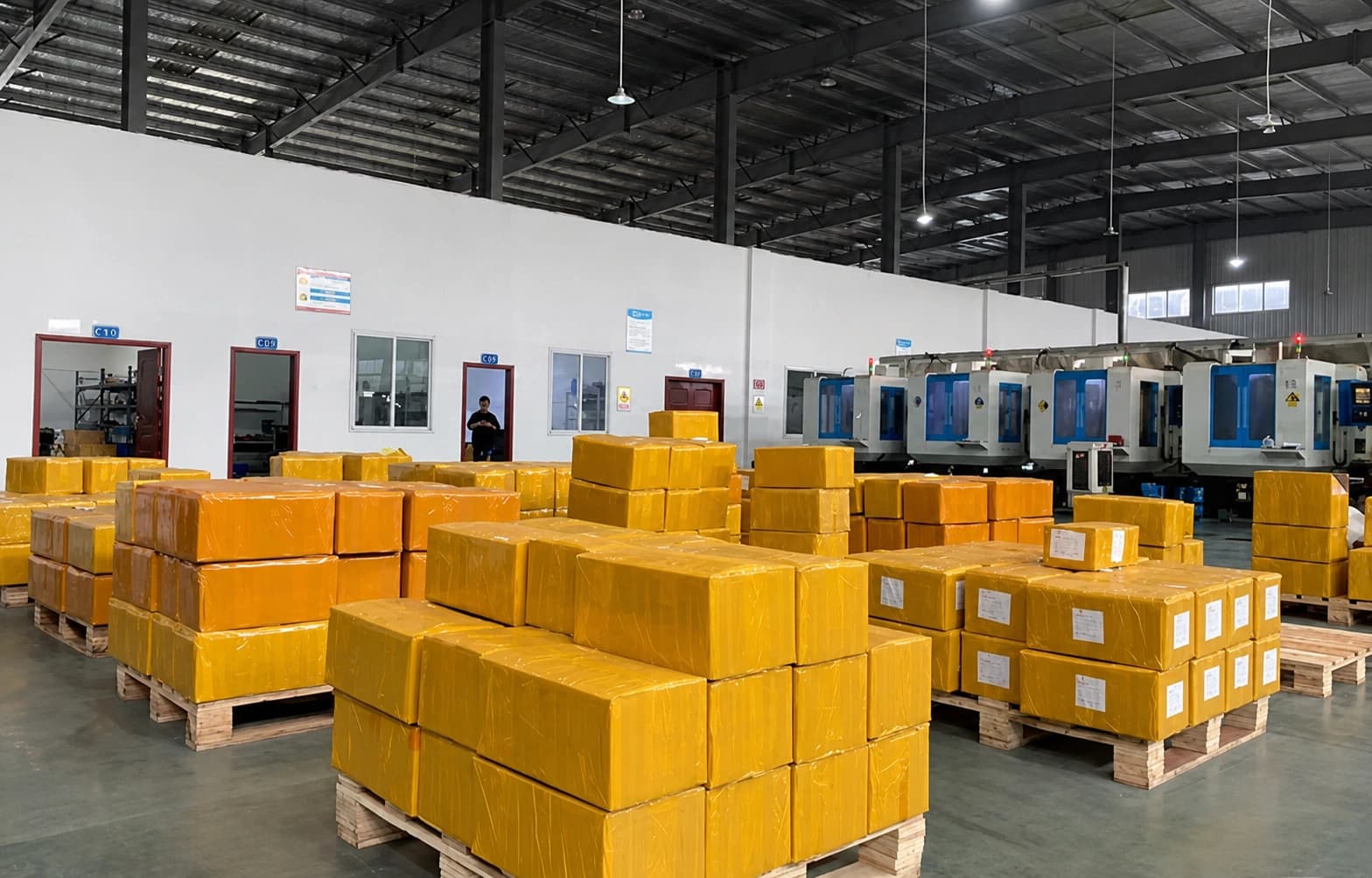
Quality requirements should be connected to an approved product specification. The order list should clearly identify:

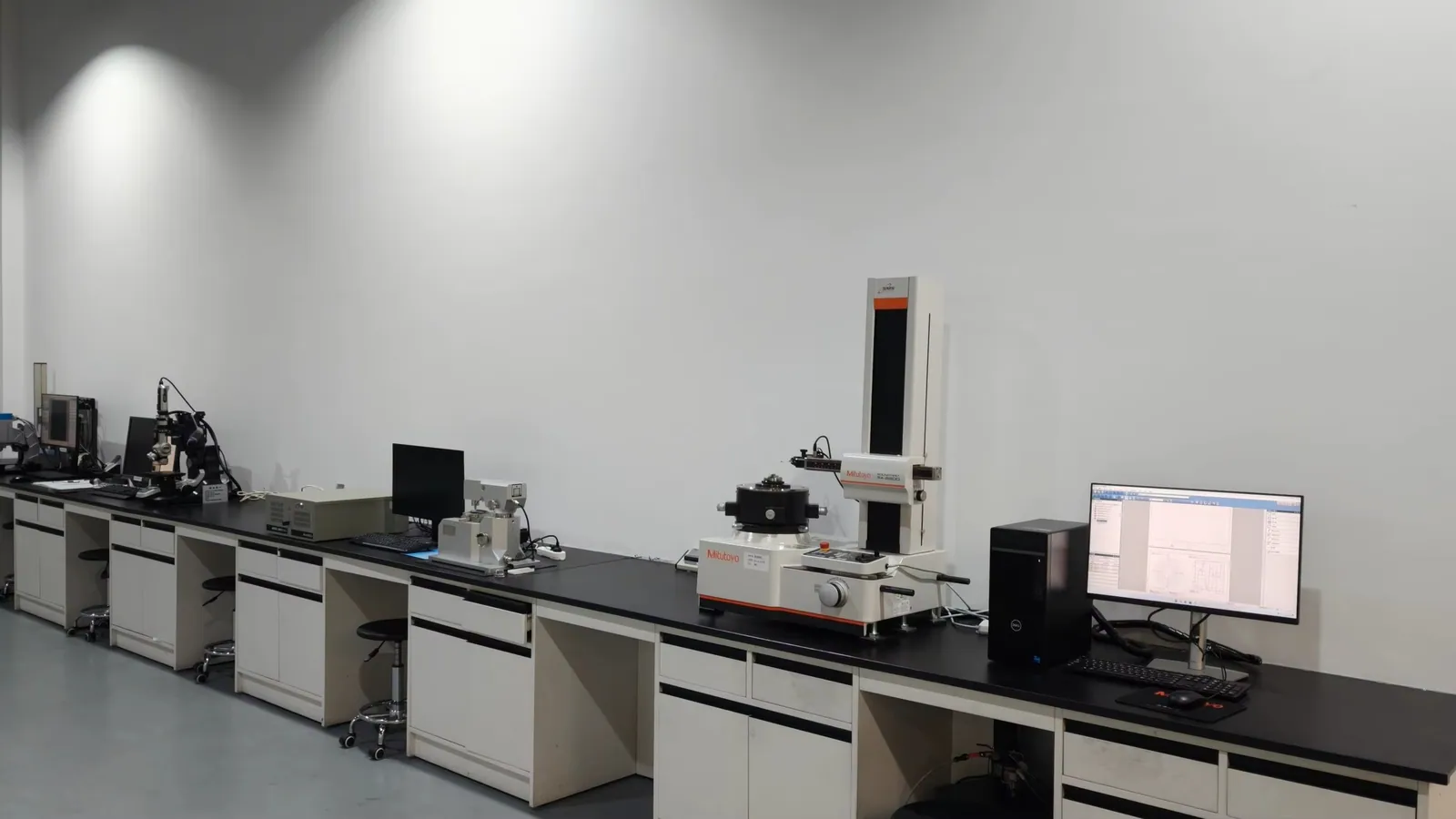
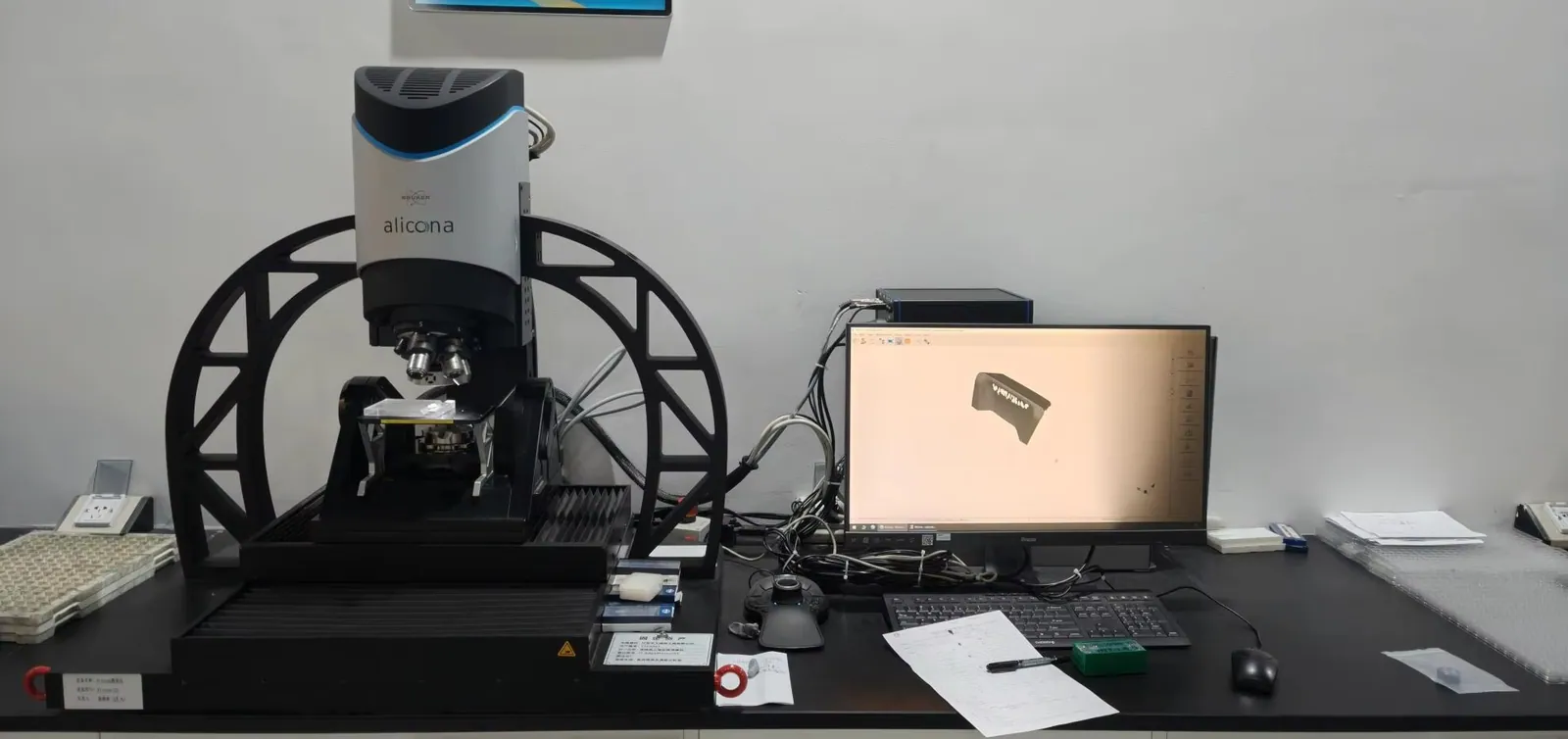
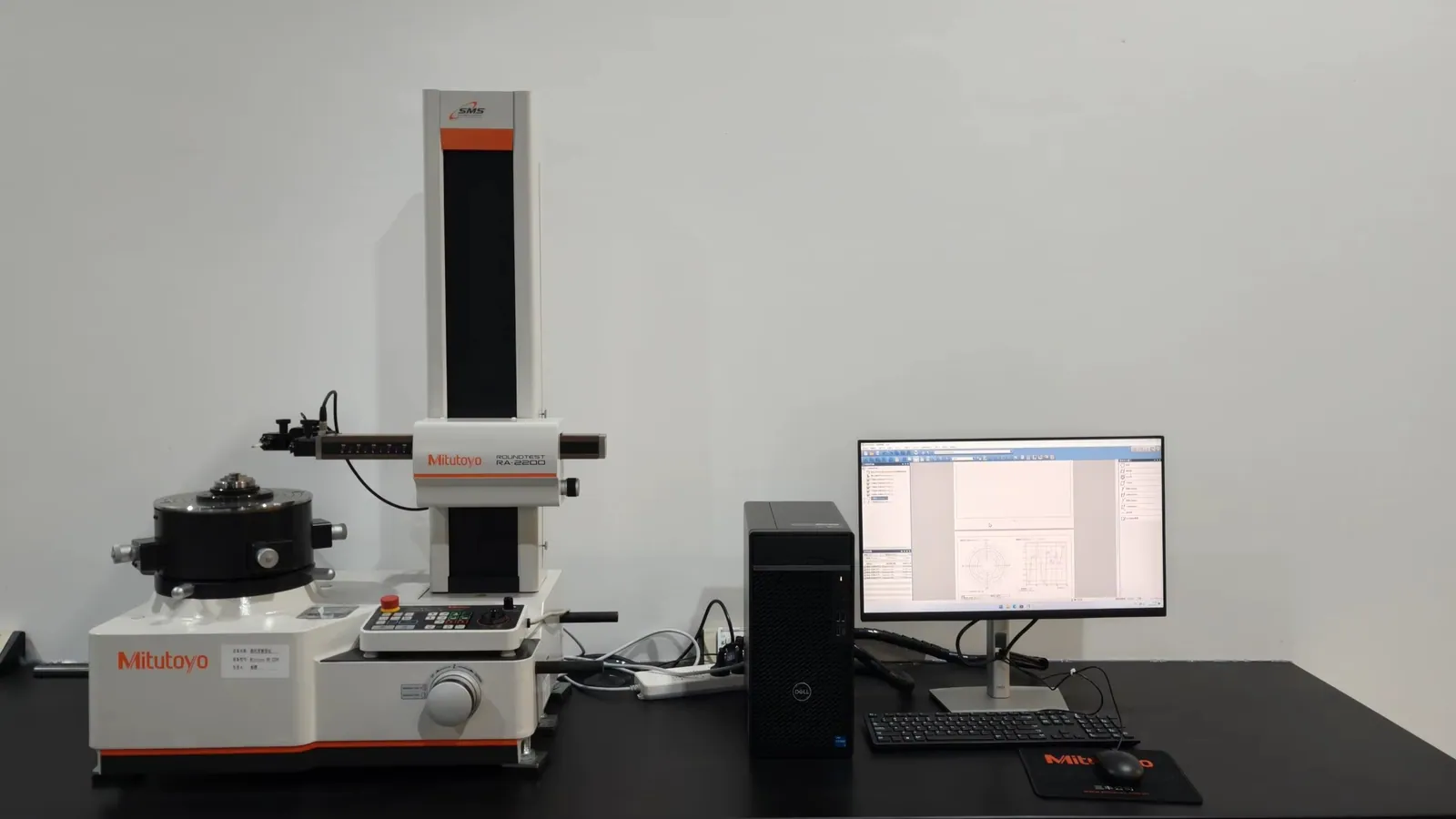



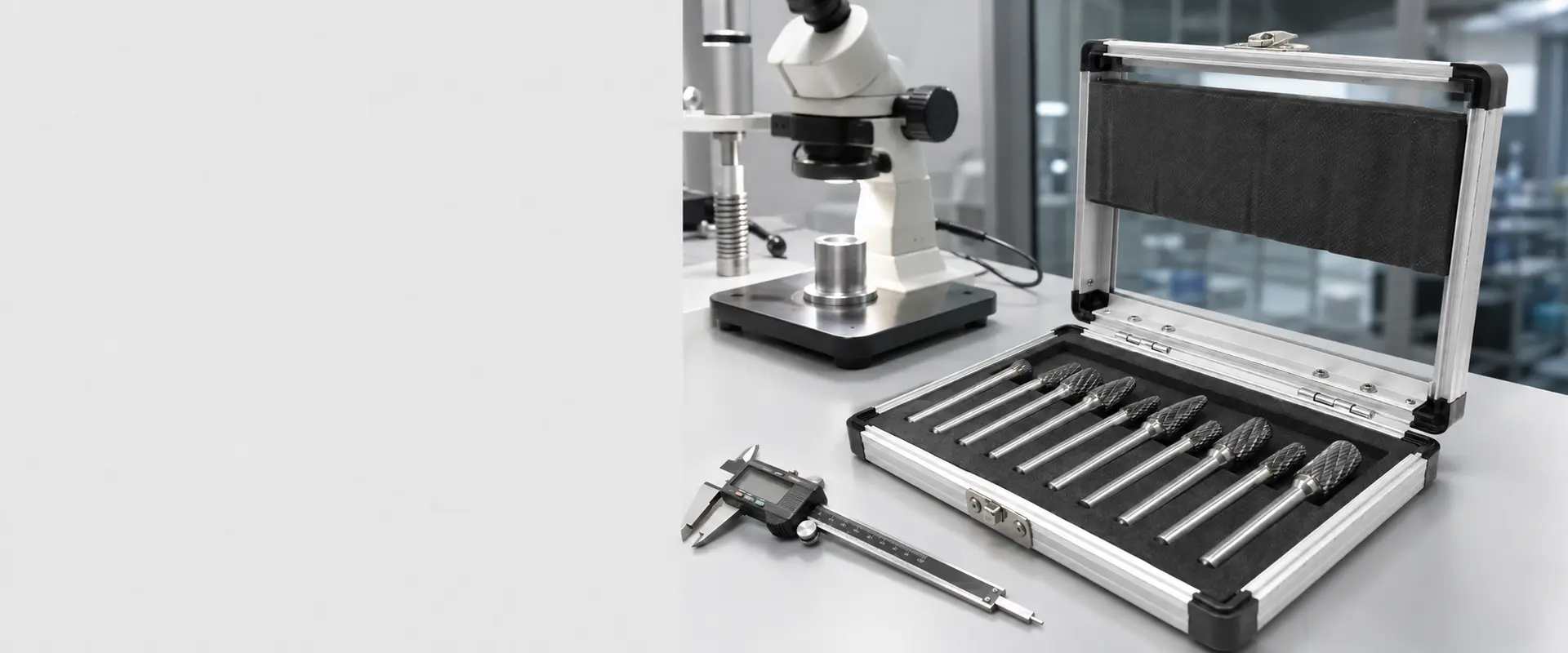

Clear acceptance requirements provide a stronger purchasing basis than general claims such as “premium quality” or “industrial grade.”
Quality requirements should be connected to an approved product specification.
Discuss Your Product Requirements →Please provide the shape or model code, head diameter, cutting length, shank diameter, cut type, target material, quantity and packaging requirement. If you already have a supplier code, product list or drawing, include it in your inquiry. These details allow the quotation to be based on the correct models instead of photographs alone.
Single cut burrs use one primary flute direction and provide strong material removal with a controlled finish. Double cut burrs use intersecting flutes that produce shorter chips and generally provide easier handling. The correct choice depends on the workpiece material, burr shape and required surface condition.
Aluminum and other soft, long-chipping non-ferrous metals generally require an aluminum or open-flute cut. The wider flute spacing improves chip evacuation and helps reduce loading. A general double cut should not automatically be treated as the best option for aluminum.
The catalog covers 13 standard shape families: cylindrical plain end, cylindrical end cut, cylindrical radius end, ball, oval, tree radius, tree pointed, flame, 60-degree cone, 90-degree cone, taper radius, pointed cone and inverted cone. Each shape is designed to reach different surfaces, contours, corners or recesses.
This collection is based on 74 cataloged models with 6 mm shanks. Metric 6 mm and 1/4 inch shanks are not identical because 1/4 inch equals 6.35 mm. Buyers should specify the required measurement system and exact shank diameter in the inquiry.
Send the required model list and quantity for each item. The quotation will show the applicable MOQ, pricing and ordering terms for the selected combination. Do not assume that every model has the same MOQ or production arrangement.
State whether you require private-label branding, product labels, barcodes, individual packaging, burr sets or bulk packing. Include the target market, required quantity and product list so the applicable OEM options can be included in the quotation.
Use measurable product information such as head diameter, cutting length, shank diameter, overall length and cut type. If you have specific acceptance requirements, include them in the RFQ and approved order specification. This is more reliable than using descriptions such as “high quality” without measurable criteria.
A successful product line requires more than a long list of shapes. You need clear model references, verified dimensions, material-specific cut selection, consistent packaging information and defined purchasing requirements.
Send your required shapes, sizes, cuts and quantities to receive the corresponding product information and commercial terms.
Please include: