AXIMET INDUSTRIAL SUPPLY
Carbide Burr for Weld Removal for Industrial Supply
Build a market-ready carbide burr for weld removal range around removing excess weld metal without losing control at adjacent surfaces, with application-led selection, repeat-order specifications and OEM packaging support.
01
Product Detail
Carbide Burr for Weld Removal Built Around Real Applications
- Range focus: shape and cut combinations for weld dressing
- Shapes selected by surface and access condition
- Cut selected by material and finish requirement
- Shank matched exactly to the target collet
- Model references retained for repeat purchasing
02
Product Description
Source Carbide Burr for Weld Removal with a Clear Buying Specification
AXIMETOOLS organizes carbide burr for weld removal for B2B buyers who need more than a generic rotary-tool listing. The range is structured around removing excess weld metal without losing control at adjacent surfaces for steel fabrication, stainless fabrication, repair and maintenance. Buyers can define the workpiece material, operating task, head profile, cut type, key dimensions, shank and packaging before quotation. This turns a broad product request into an auditable model list for sampling and repeat orders. Burr choice depends on weld location, material and required final profile. Final availability is confirmed against the requested model matrix rather than assumed from a general catalog.
Supplier catalogs may describe related products as Rotary Burr, Carbide Burr Bits, Tungsten Carbide Burrs, Rotary Burr Cutter. Procurement searches may also use Tungsten Carbide Rotary Burrs, Carbide Die Grinder Bits, Carbide Rotary Burr, Burr Bits for Die Grinder, Carbide Burr Manufacturer, Carbide Burr Supplier, Wholesale Carbide Burrs, OEM Carbide Burrs, Burr Bit, Tungsten Carbide Rotary Burr. These terms should be mapped to the actual geometry, cut, shank and application rather than treated as automatic equivalents.
03
Range and Selection Structure
How to Build a Sellable Carbide Burr for Weld Removal Range
| Selection Layer | Available Direction | Confirm Before Quote |
|---|---|---|
| Workpiece | Steel, stainless steel, cast iron or non-ferrous alloy | Exact grade and hardness |
| Operation | Deburring, weld dressing, contouring, chamfering or shaping | Removal and finish target |
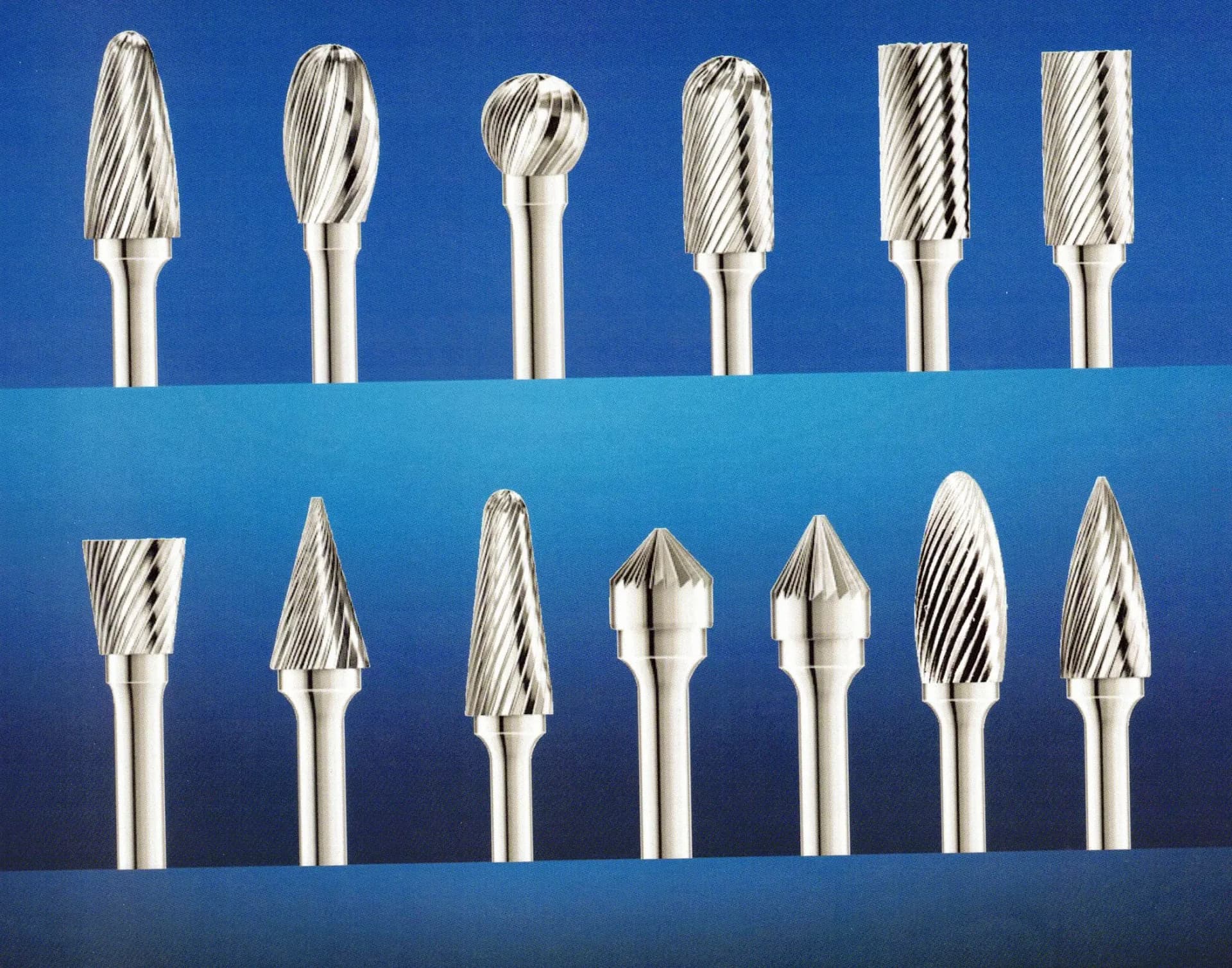
| Head profile | Cylinder, ball, oval, tree, flame, cone or inverted cone | Access and contact geometry |
| Cut type | Single, double, aluminum or application-specific cut | Chip form and surface requirement |
| Dimensions | Head diameter, cut length, overall length and shank | Model-level size matrix |
| Packaging | Individual pack, set, bulk pack or private-label format | Artwork, barcode and quantity |
04
Product Features
| Application-Led Selection Start with the material, task and access condition before choosing a model. |
|---|
| Controlled Product Mapping Keep shape, cut, dimensions and shank under one approved item reference. |
|---|
| Repeat-Order Clarity Use the same model matrix for samples, quotations, labels and replenishment. |
|---|
| Distributor Range Planning Combine complementary profiles instead of stocking slow-moving duplicate sizes. |
|---|
| Private-Label Readiness Define logo, label language, barcode, case and carton requirements in the RFQ. |
|---|
| Qualified Technical Claims Publish only operating limits and availability supported by the exact product data. |
|---|
05
Why Industrial Buyers Choose This Range
Reduce Wrong-Model Orders
A broad request for carbide burr for weld removal can hide critical differences in shape, cut, shank and dimensions. AXIMETOOLS converts the request into a model-level matrix so purchasing, quality and warehouse teams use the same reference. This reduces substitutions between similar-looking profiles and creates a clearer basis for samples, price comparison and future replenishment.
Match the Tool to the Work
The buying decision begins with removing excess weld metal without losing control at adjacent surfaces. A supplier should not recommend a burr only from the product name. The workpiece, contact area, access path, removal rate and finish determine the appropriate profile and cut. This approach helps distributors give customers a defensible recommendation instead of relying on a one-size-fits-all product description.
Protect Repeat-Order Consistency
Repeat orders fail when the buyer approves a sample but does not retain the exact dimensions, cut and packaging reference. AXIMETOOLS keeps those fields together under the quoted item. Incoming inspection can then compare later deliveries against the same reference rather than against a marketing photo or an incomplete line description.
Build a Range for Your Market
A distributor does not need every possible carbide burr for weld removal variation. Start with the materials and tasks that generate repeat demand, then add complementary shapes and sizes. This keeps the initial assortment commercially focused while leaving room to expand after sales data shows which profiles, cuts and pack formats turn fastest.
06
Applications
Fabrication and Weld Dressing
Use application-matched profiles to deburr cut edges, dress weld areas and correct localized geometry. Cylindrical and ball-nose heads handle broad transitions, while tree, flame and cone shapes improve access around joints and contours.
Foundry and Casting Cleanup
Ball, oval and flame shapes follow cavities and curved casting surfaces; cylindrical forms address flatter flash and parting lines. Select the cut according to the casting material, stock allowance and required surface.
Toolroom and Maintenance
Maintenance teams encounter changing materials, damaged edges, restricted access and one-off corrections. A structured range lets technicians select by task while purchasing retains consistent model and shank references.
Industrial Distribution
Distributors can organize stock by material, task, shape, cut and shank instead of relying on one generic category. This improves technical selling and makes replacement orders easier to identify.
07
Quality Control for Repeat Orders
Inspection should focus on the features that affect fit, cutting behavior, identification and resale presentation. Agree the acceptance method before production and keep it linked to the approved item reference.
- Head profile and specified dimensions
- Cut pattern and visible tooth condition
- Shank diameter and overall product condition
- Concentricity and head-to-shank alignment
- Marking, quantity and packaging accuracy
08
OEM and Private-Label Options
Make the Product Range Fit Your Sales Channel
Organize the product, identification and packaging around your distribution model. Include the requested logo method, item code, barcode, label language, pack type, assortment layout and carton marks in the RFQ. Commercial limits such as minimum quantity, tooling cost and lead time must be confirmed for the final model and packaging combination.
- Product and case identification
- Labels, barcodes and carton marks
- Individual, bulk or set packaging
- Application-focused assortments
- Consistent reorder references
09
Information Required for an Accurate Quote
- Workpiece material, grade and hardness where relevant.
- Main operation, removal target and required finish.
- Required shapes or existing product references.
- Head diameter, cut length, overall length and shank diameter.
- Cut type and target drive or collet.
- Quantity required for each model.
- Logo, label, barcode, packaging and destination-market requirements.
PRODUCT REFERENCES
Compare Related Carbide Burr Profiles
Use these profile pages to define the required working geometry. Final cut, material suitability, dimensions and availability are confirmed against the requested model matrix.
FAQ
Frequently Asked Questions
01How should distributors specify carbide burr for weld removal for a quotation?
State the workpiece material, main operation, required shapes, cut type, head dimensions, shank diameter, quantity and packaging format. For carbide burr for weld removal, a model-by-model matrix prevents a supplier from substituting a nearby shape or shank and gives purchasing teams a repeatable basis for samples and later orders.
02Can carbide burr for weld removal be supplied as mixed assortments?
A mixed assortment can be discussed when the required shapes, sizes, cut types and packaging arrangement are defined. The final combination should follow the target market and real applications, not an arbitrary list of popular profiles. Ask for the approved model list to appear on the quotation, labels and repeat-order reference.
03Which information should appear on carbide burr for weld removal packaging?
At minimum, use a consistent item reference, product description, cut type, key dimensions, shank size and quantity. Private-label programs may also require a logo, barcode, country-specific language and carton marks. Packaging text should match the approved quotation so warehouse and sales teams can identify each model without opening the pack.
04How can buyers compare samples of carbide burr for weld removal?
Compare equivalent shapes and dimensions on the same workpiece material under controlled operating conditions. Record cutting behavior, chip form, surface result, vibration, visible tooth condition and dimensional consistency. A fair comparison keeps the drive, collet, operator method and application constant rather than judging tools on unrelated jobs.
05What quality checks matter for repeat orders of carbide burr for weld removal?
Check head shape, specified dimensions, shank diameter, tooth pattern, visible edge condition, runout or concentricity, head-to-shank alignment, marking, quantity and packaging accuracy. The acceptance plan should use the buyer's approved reference and agreed specification instead of broad statements such as industrial grade or premium quality.
WHOLESALE · OEM · PRIVATE LABEL
Build a Traceable Carbide Burr for Weld Removal Range
Send your materials, applications, required profiles, dimensions, shanks, quantities and packaging plan. We will organize the request into a model-level quotation.