
There is no single RPM for every annular cutter.
Use the comparison as a controlled buying record. It should identify the application, the exact tool variants, the evidence reviewed and every field still requiring supplier confirmation.
Start with the hole and assembly requirement
Identify cutter construction and diameter.
Identify cutter construction and diameter.
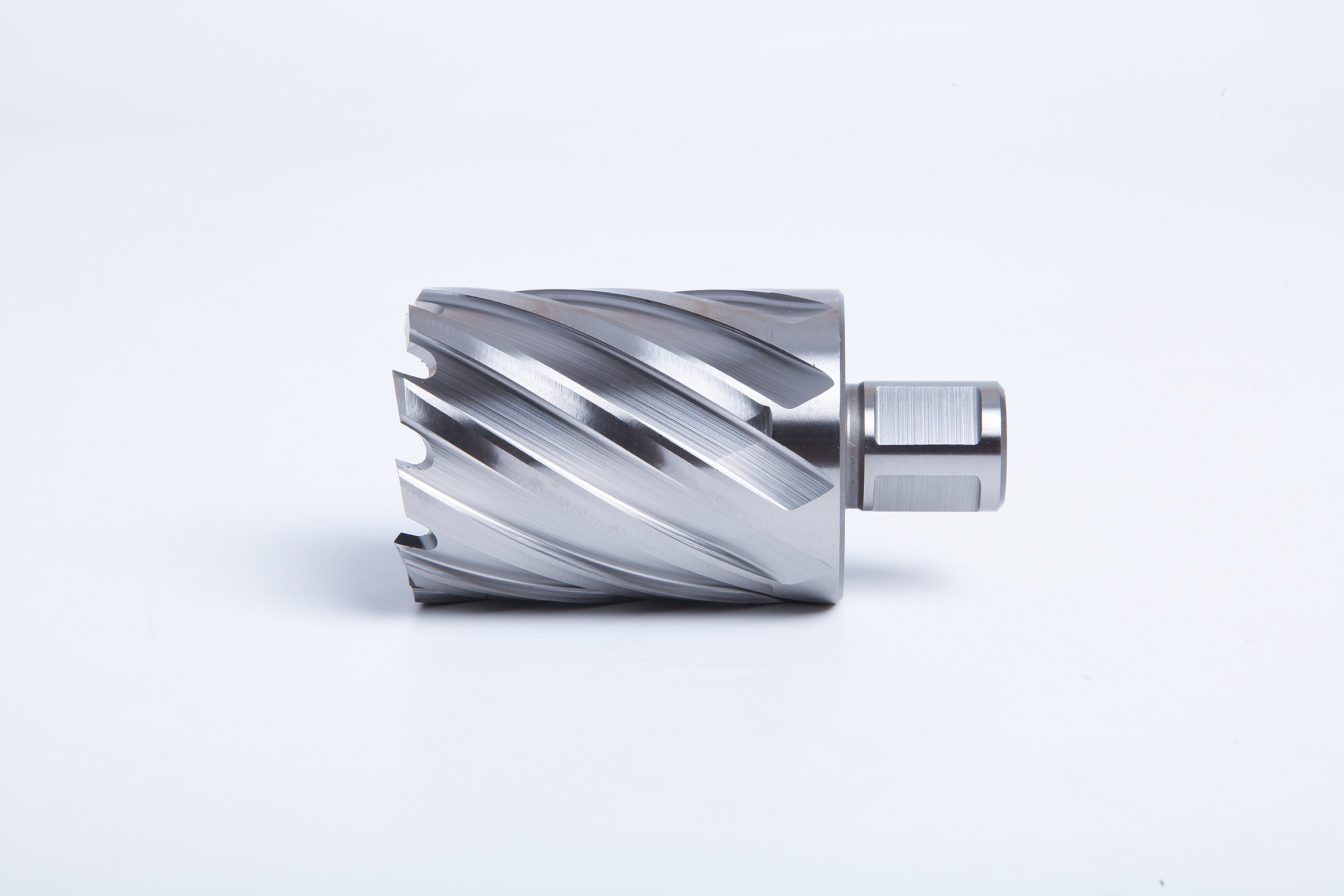
Compare cutting structure and operating behavior
Confirm workpiece grade, surface and interrupted features.
Confirm workpiece grade, surface and interrupted features.
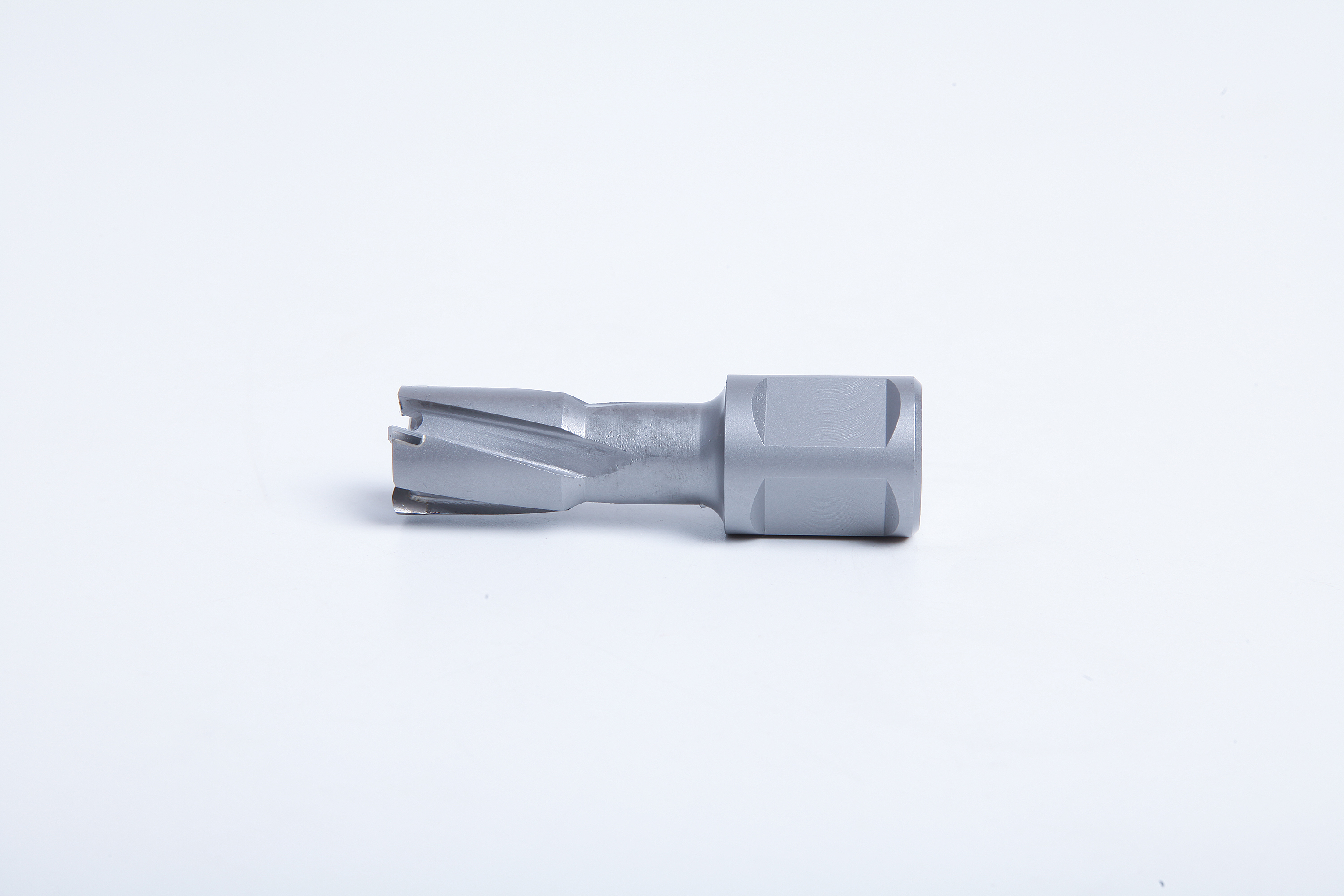
Confirm machine, interface and workholding
Match the required range to the machine's actual controls.
Match the required range to the machine's actual controls.
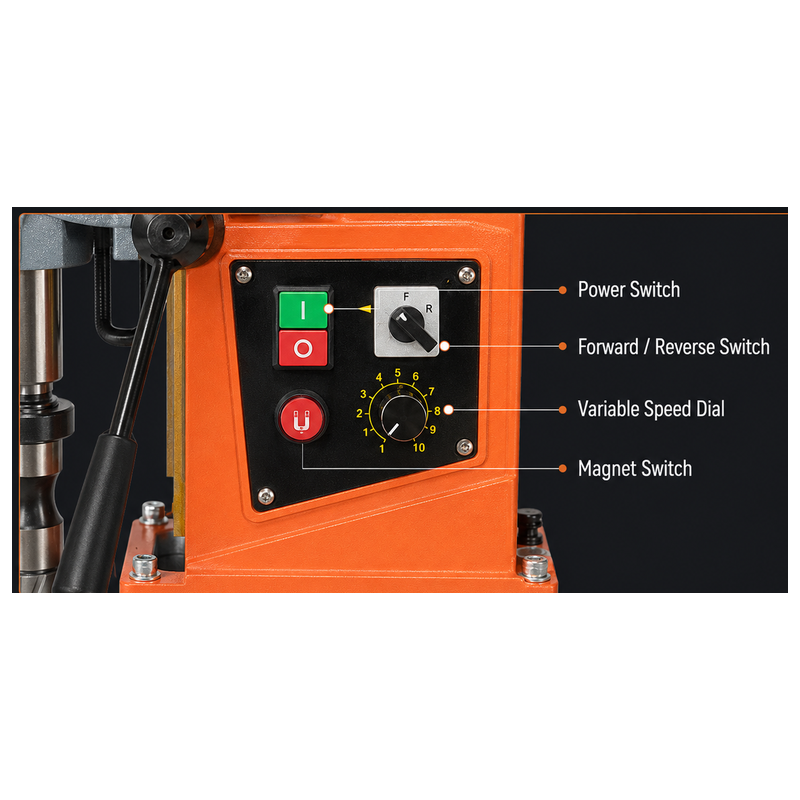
Specify dimensions and controlled product fields
Keep speed, feed and coolant instructions together.
Keep speed, feed and coolant instructions together.
| Requirement | Tool A | Tool B |
|---|---|---|
| Application | Confirm | Confirm |
| Machine/interface | Record | Record |
| Dimensions/depth | Approve | Approve |
| Sample/revision | Trace | Trace |

Evaluate samples with a stated method
Test the combination and observe chip formation, sound and edge condition.
Test the combination and observe chip formation, sound and edge condition.
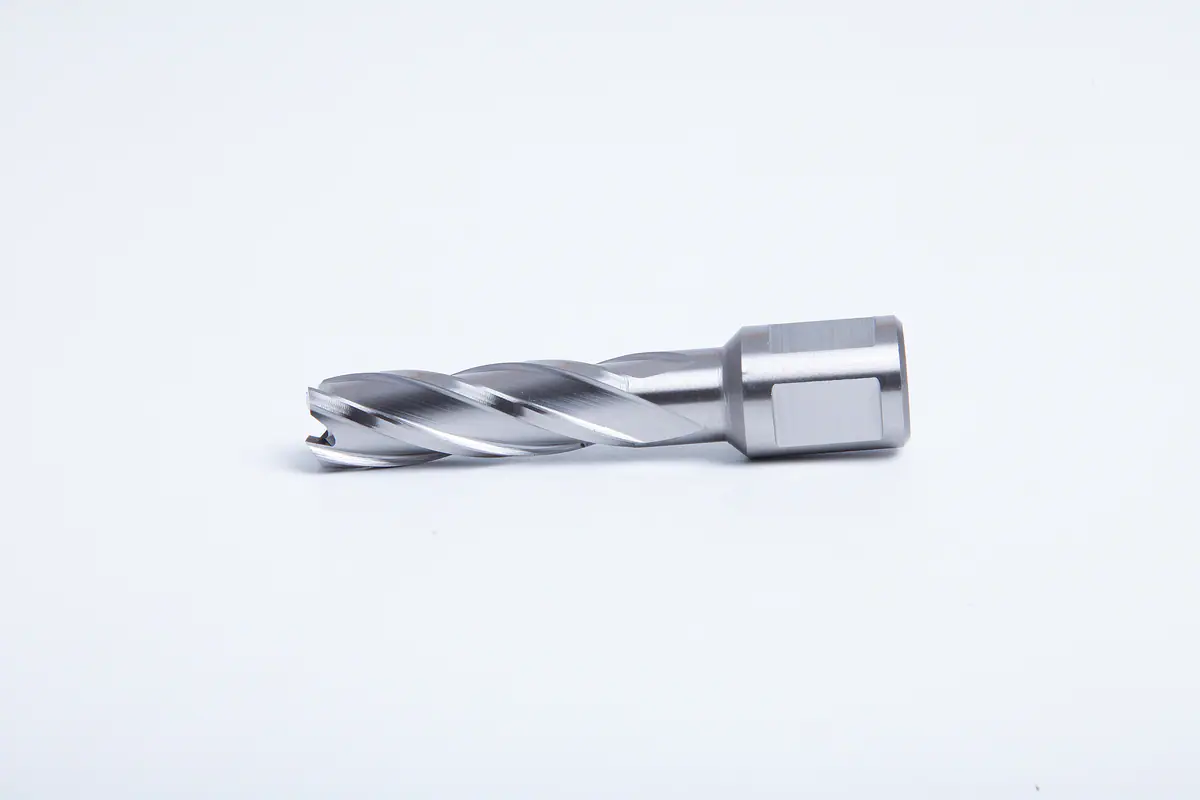
Build a clear distributor assortment
Publish a speed table only when every value maps to a named cutter series.
Publish a speed table only when every value maps to a named cutter series.

Release quotations and repeat orders
Record the selected range with cutter, machine and workpiece in production documents.

Annular Cutters·Magnetic Drills·Applications·Request Speed Confirmation
Frequently Asked Questions
What RPM should I use?
Use the value or range supplied for the exact cutter and application.
Do larger cutters use the same speed?
Do not assume so; diameter affects the applicable range.
Can HSS data be used for TCT?
No. Treat the constructions separately.
Does variable speed choose the setting automatically?
No; the operator still needs approved guidance.
What if cutting becomes unstable?
Stop and inspect setup, edge, material and operating conditions.
Can suppliers publish a generic chart?
Only if every value is traceable to the stated product series.
Conclusion
A defensible speed is a traceable setting for one cutter, diameter, material and machine—not a universal number.