
Speed control should follow the hole schedule; it is not a stand-alone quality grade.
Use the comparison as a controlled buying record. It should identify the application, the exact tool variants, the evidence reviewed and every field still requiring supplier confirmation.
Start with the hole and assembly requirement
Group holes by diameter, cutter construction and workpiece material.
Group holes by diameter, cutter construction and workpiece material.
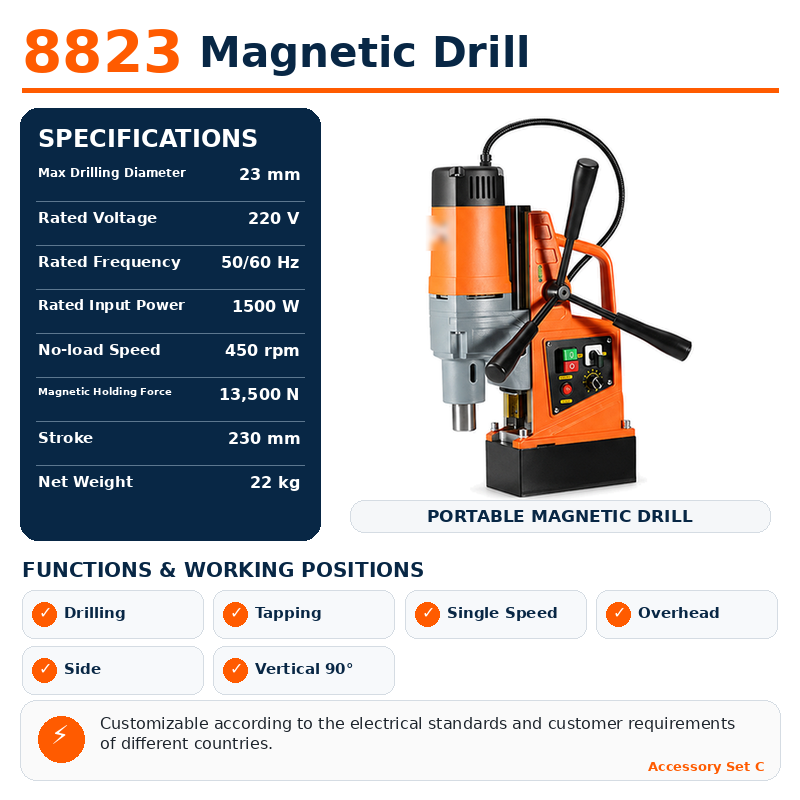
Compare cutting structure and operating behavior
Keep spindle speed separate from feed pressure and cutting-edge condition.
Keep spindle speed separate from feed pressure and cutting-edge condition.
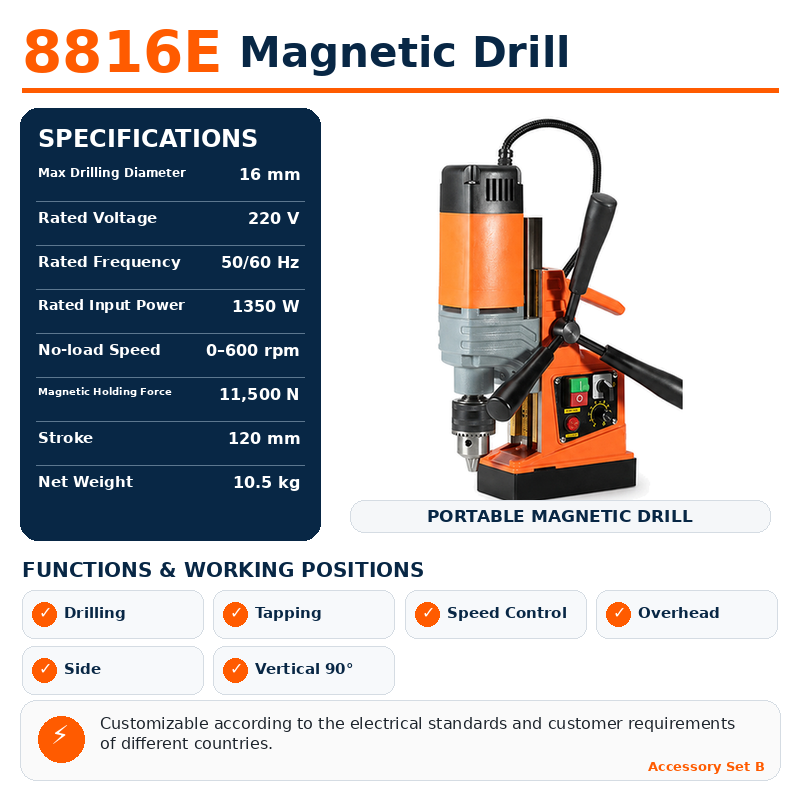
Confirm machine, interface and workholding
Confirm that the base, holder and cutter remain compatible across the planned range.
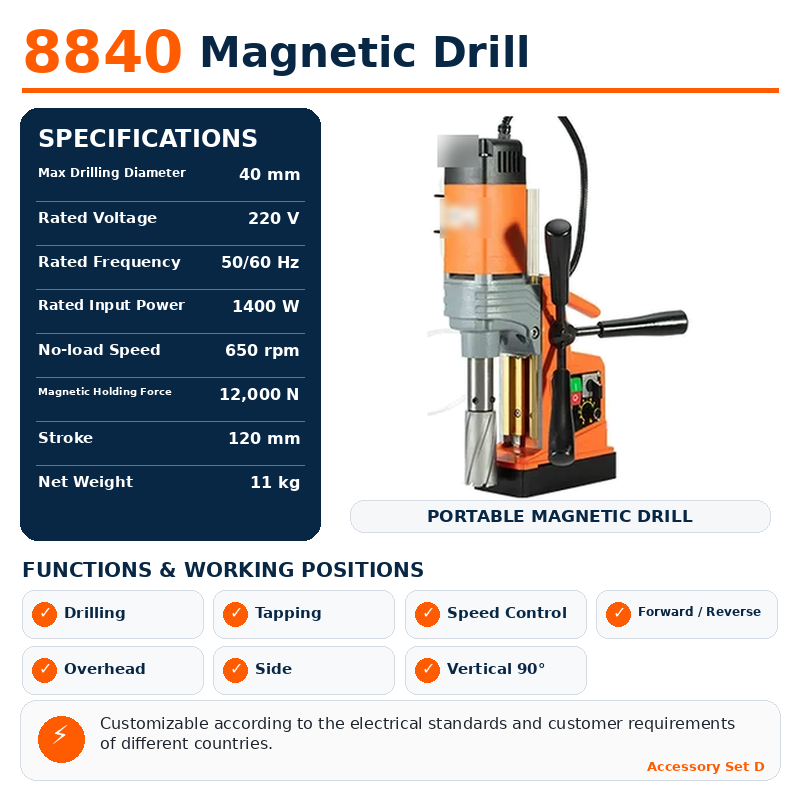
Specify dimensions and controlled product fields
Read the actual speed range and control method from the exact model record.
Read the actual speed range and control method from the exact model record.
| Requirement | Tool A | Tool B |
|---|---|---|
| Application | Confirm | Confirm |
| Machine/interface | Record | Record |
| Dimensions/depth | Approve | Approve |
| Sample/revision | Trace | Trace |
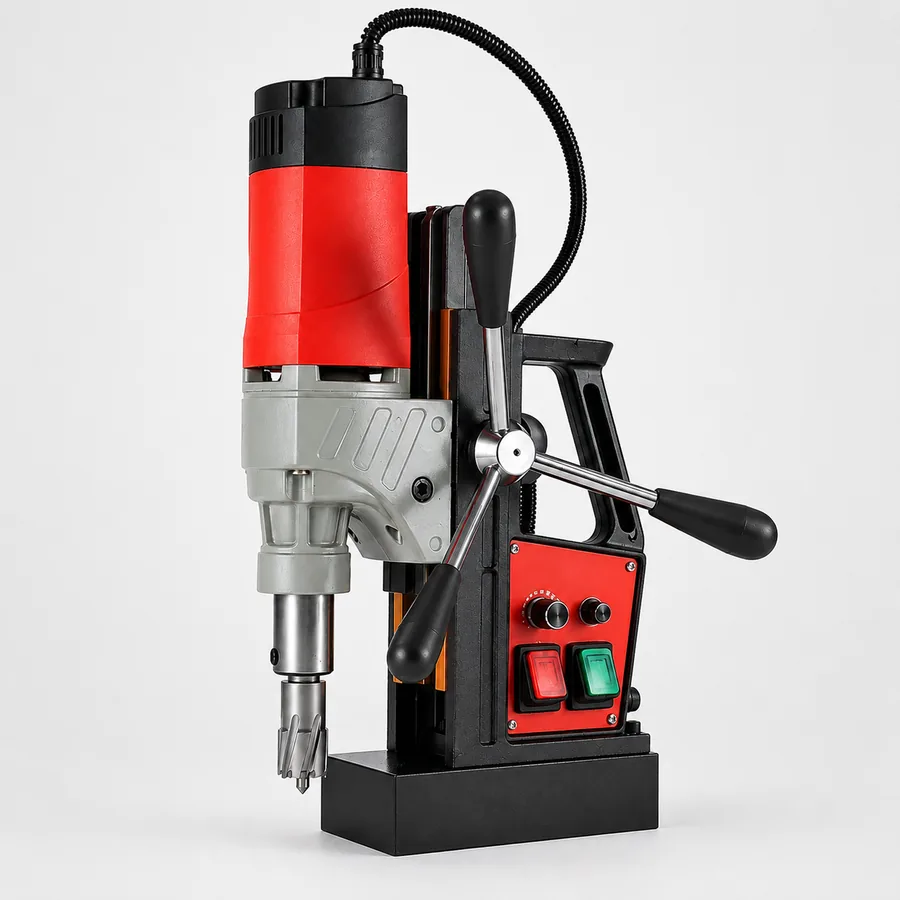
Evaluate samples with a stated method
Test representative small and large cutters rather than assuming the range is equally suitable throughout.
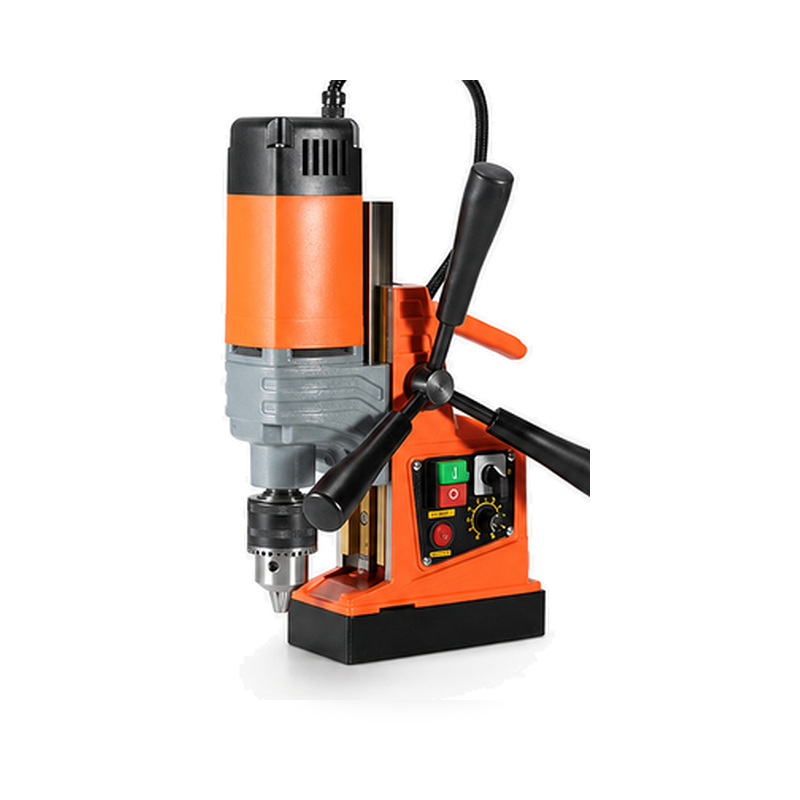
Build a clear distributor assortment
Stock fixed-speed machines for stable applications and variable-speed models where customer work genuinely varies.
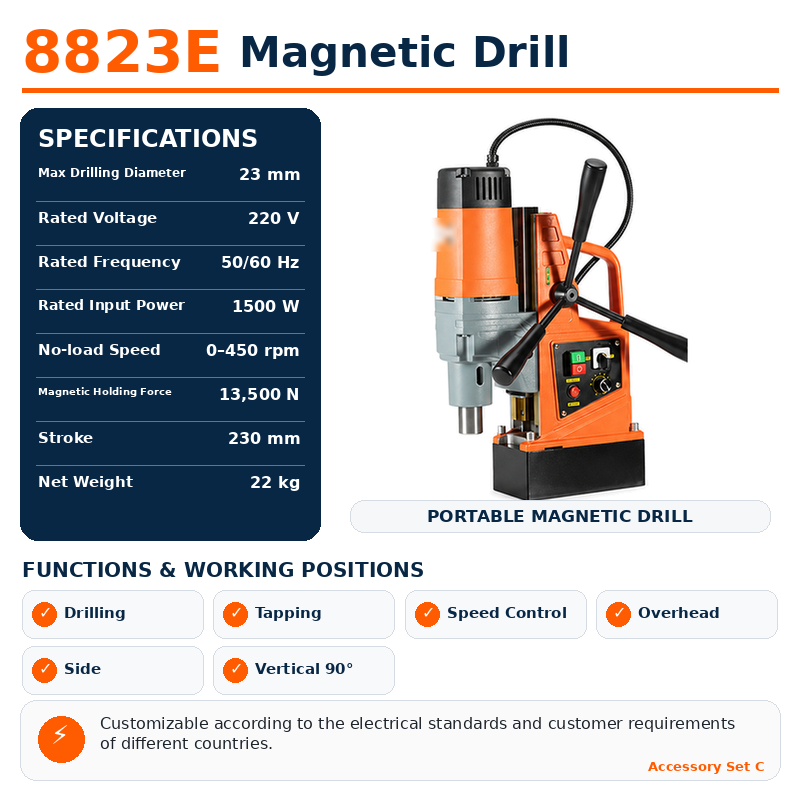
Release quotations and repeat orders
Quote voltage, speed system, capacity and accessories as separate fields.
Quote voltage, speed system, capacity and accessories as separate fields.
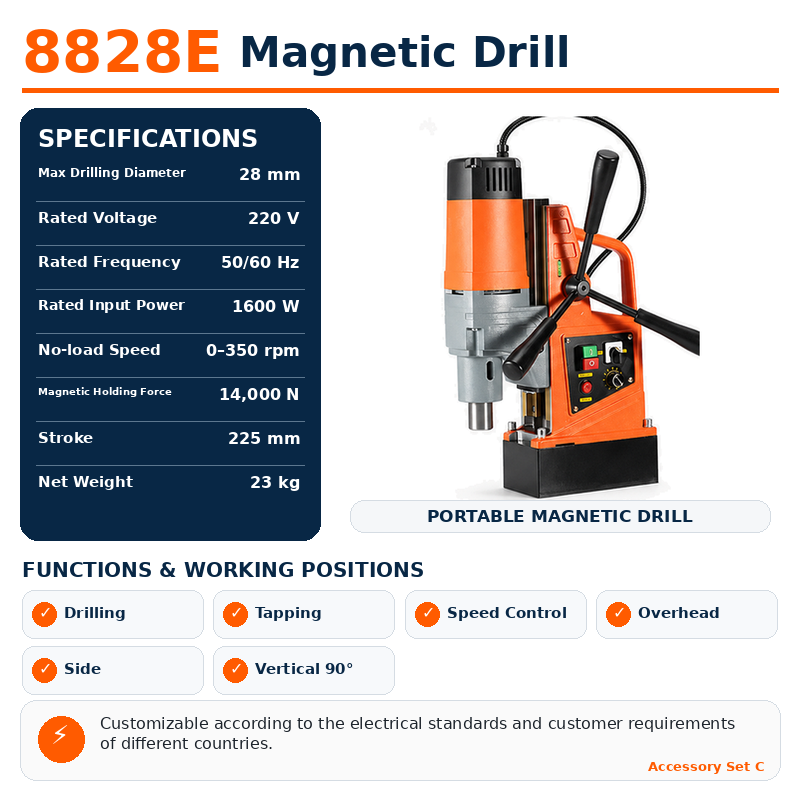
Magnetic Drills·Annular Cutters·Applications·Compare Model Requirements
Frequently Asked Questions
Is variable speed always better?
No; it adds range only when the application and operating data require it.
What suits repetitive production?
A confirmed fixed-speed setup may be efficient for a stable hole schedule.
Does variable speed correct a wrong cutter?
No. Cutter, interface, feed and coolant still need to be correct.
Is no-load speed the cutting speed?
Not necessarily; use the applicable product guidance.
What determines the required range?
Cutter diameter and construction, workpiece and approved machine data.
Can speed alone extend tool life?
No; setup, feed, cooling, runout and material also matter.
Conclusion
Match the control system to the real cutter mix: fixed for a stable verified window, variable for a justified broader window.