
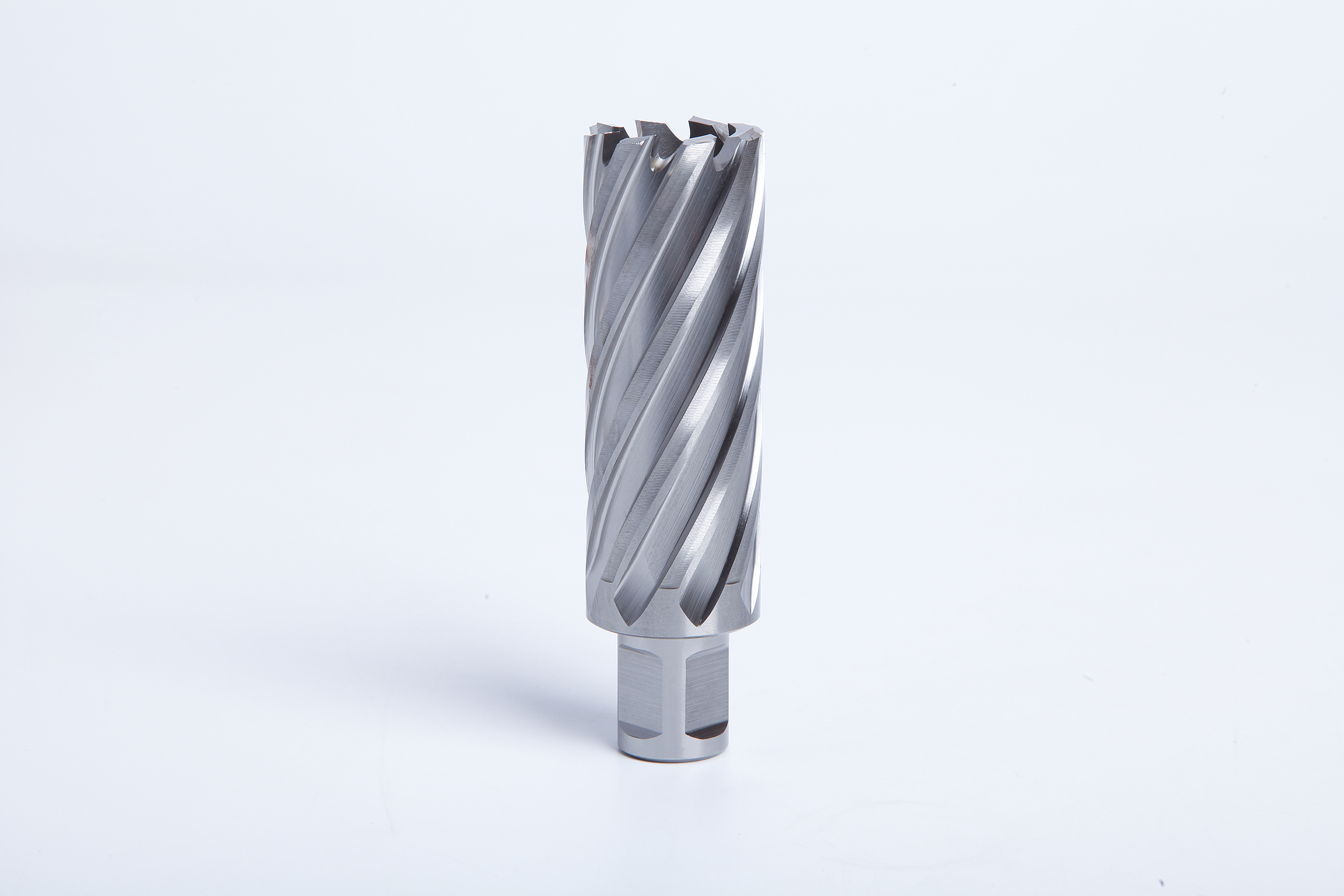
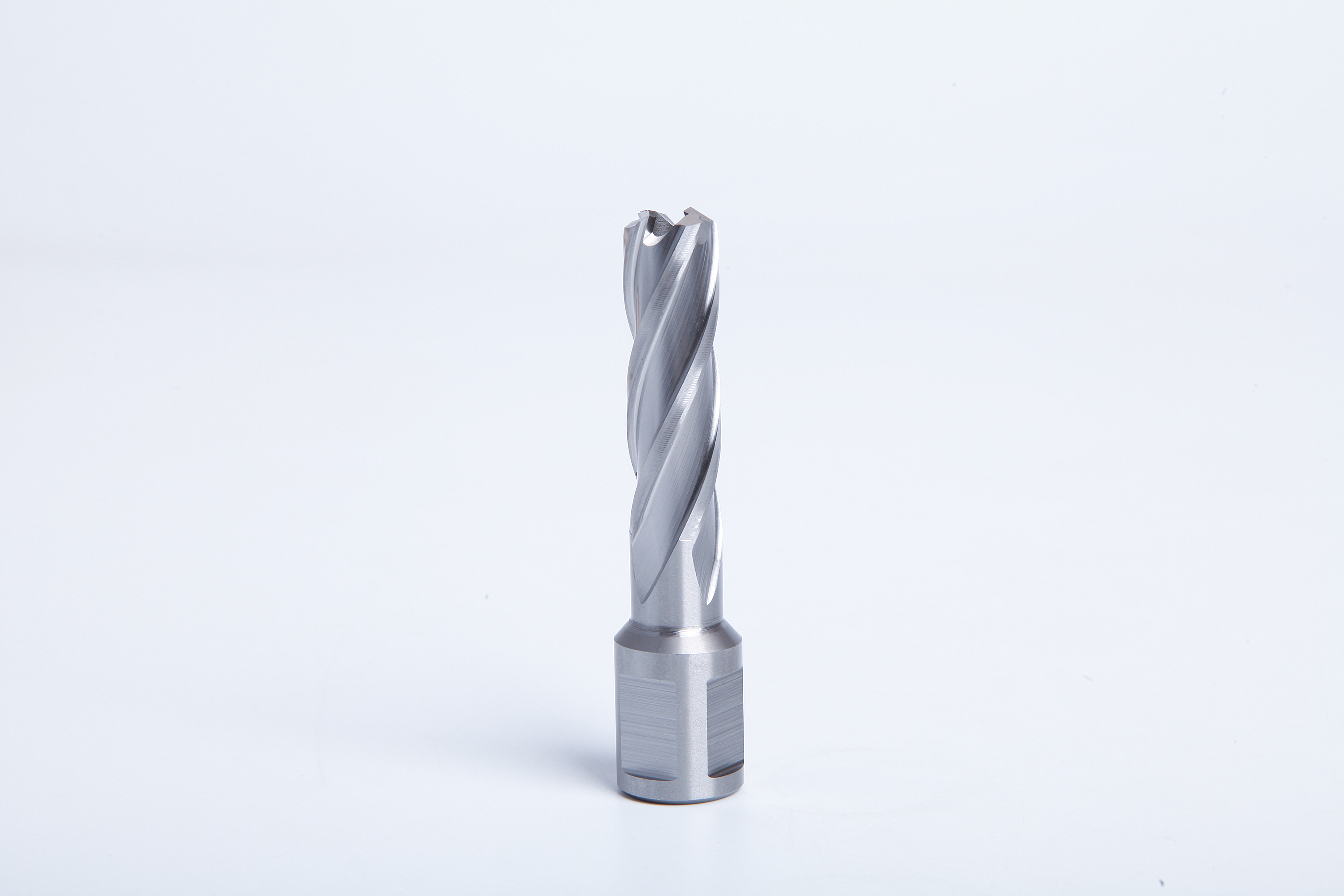
HSS and TCT annular cutters form holes by annular cutting, but they use different cutting constructions and should not be treated as interchangeable grades of the same tool.
Use the comparison as a controlled buying record. It should identify the application, the exact tool variants, the evidence reviewed and every field still requiring supplier confirmation.
Start with the hole and assembly requirement
Define the workpiece grade and condition, hole diameter, depth, quantity and whether the cut is continuous or interrupted.
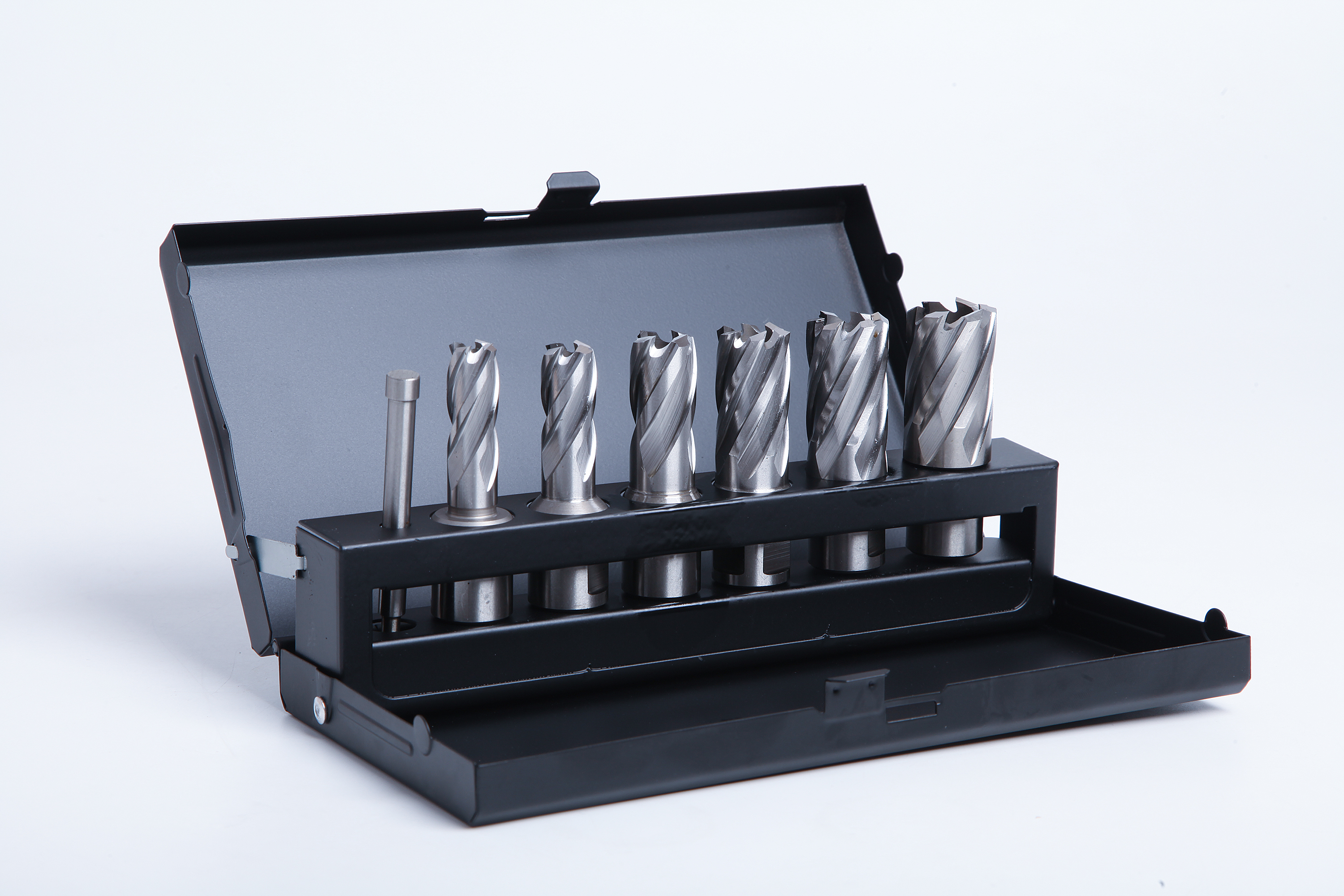
Compare cutting structure and operating behavior
HSS presents an integral cutting edge that may tolerate different workshop conditions; TCT concentrates cutting at replaceable-style carbide tooth positions but damaged teeth require specific assessment.
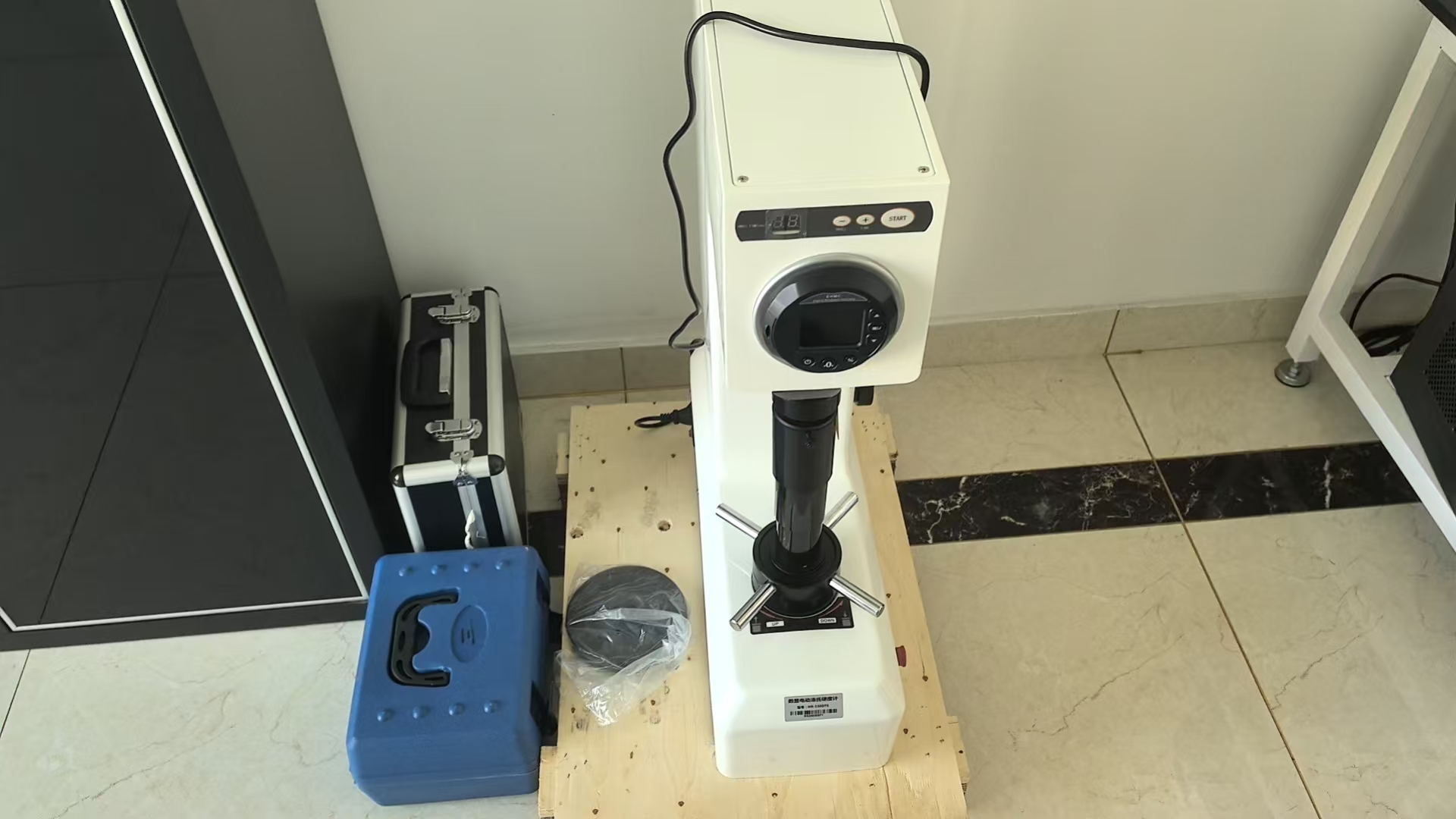
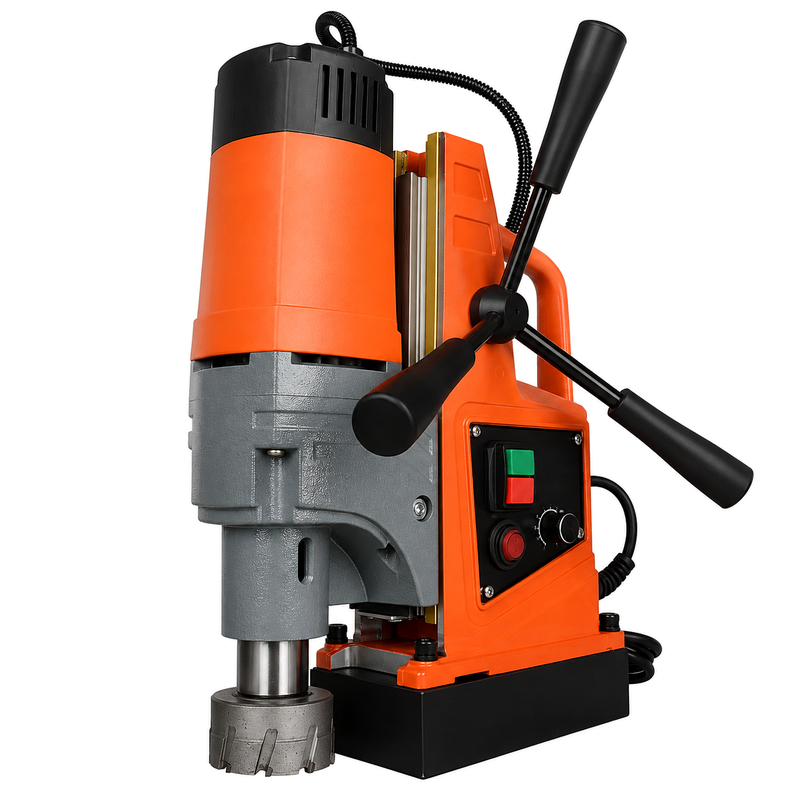
Confirm machine, interface and workholding
Both families require a compatible magnetic drill, shank and pilot pin. Stable mounting and appropriate operating data remain essential.
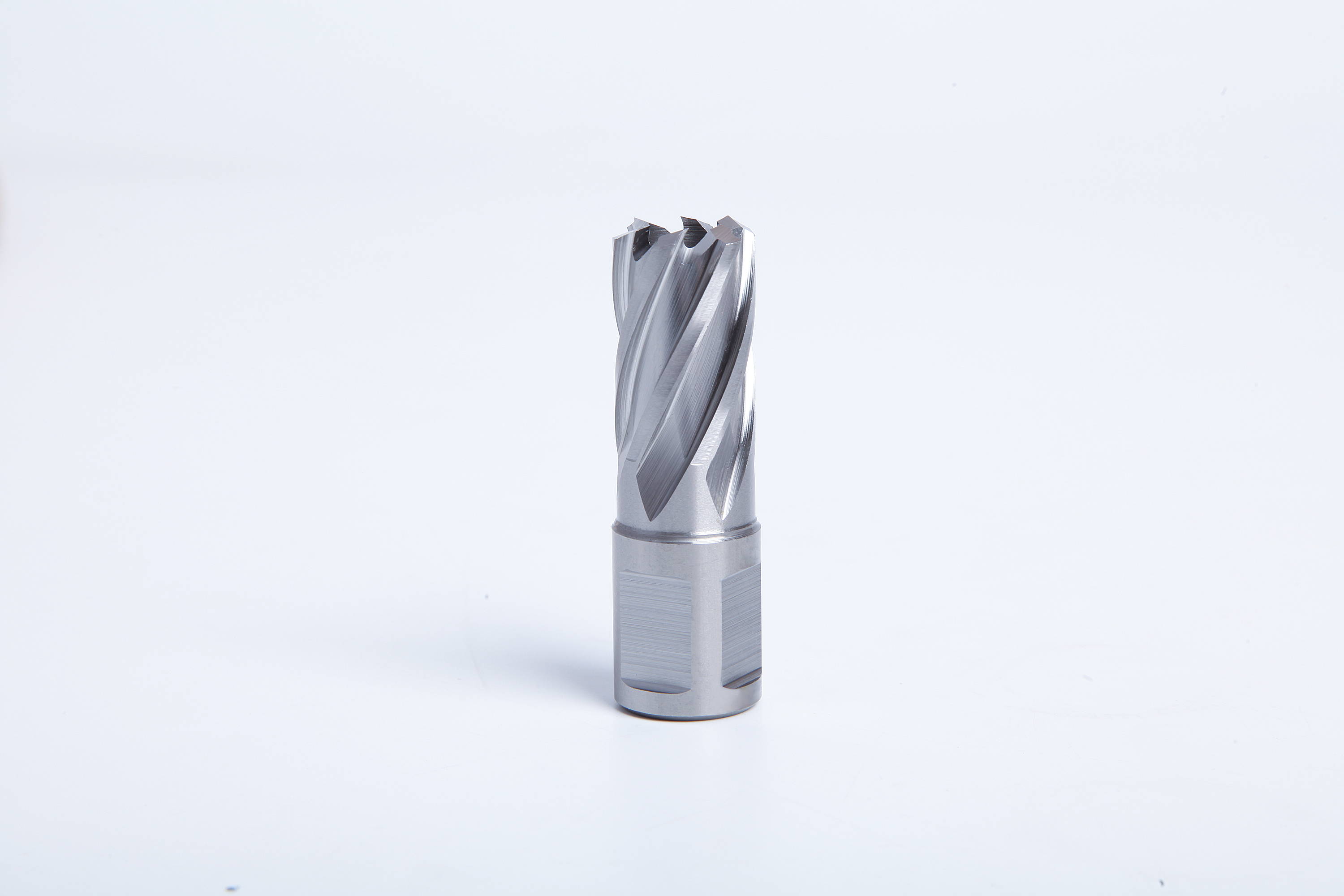
Specify dimensions and controlled product fields
Compare usable cutting depth, shank, pilot system, tooth geometry and confirmed operating guidance within each product family.
| Requirement | Tool A | Tool B |
|---|---|---|
| Application | Confirm | Confirm |
| Machine/interface | Record | Record |
| Dimensions/depth | Approve | Approve |
| Sample/revision | Trace | Trace |
Evaluate samples with a stated method
Run samples on the intended material and record cut time, edge condition, hole quality, core release and failure mode rather than relying on one initial result.
Build a clear distributor assortment
For stocking, separate HSS and TCT by verified diameter, depth and interface, then align the range with customer materials and service capability.

Release quotations and repeat orders
Quotations should preserve cutter family, dimensions, shank and pilot pairing. A substitution between HSS and TCT requires technical review.
HSS Annular Cutters·TCT Annular Cutters·Magnetic Drills·Compare a Requirement
Frequently Asked Questions
Is TCT always faster than HSS?
No universal result applies; material, diameter, machine, stability and operating conditions affect cutting.
Can HSS annular cutters be reground?
Some HSS cutters may be suitable for professional regrinding, subject to condition, geometry and the manufacturer's guidance.
What happens if a TCT tooth chips?
Stop and assess the cutter; continued use can worsen damage and the cutter may need specialist evaluation.
Do HSS and TCT use the same pilot pin?
Not automatically. Match the pilot pin to cutter family, diameter, depth and holder.
Can buyers replace one with the other?
Only after confirming machine capacity, interface, material, operating conditions and the complete cutter setup.
Conclusion
HSS versus TCT is a choice between two cutting constructions. A defensible decision comes from the workpiece, stable setup, compatible interface, sample evidence and the buyer's maintenance and replenishment plan.