
Portable and heavy-duty describe roles within a magnetic-drill range; they do not create a universal performance boundary.
Use the comparison as a controlled buying record. It should identify the application, the exact tool variants, the evidence reviewed and every field still requiring supplier confirmation.
Start with the hole and assembly requirement
List every required hole diameter and cutting depth before considering machine size.
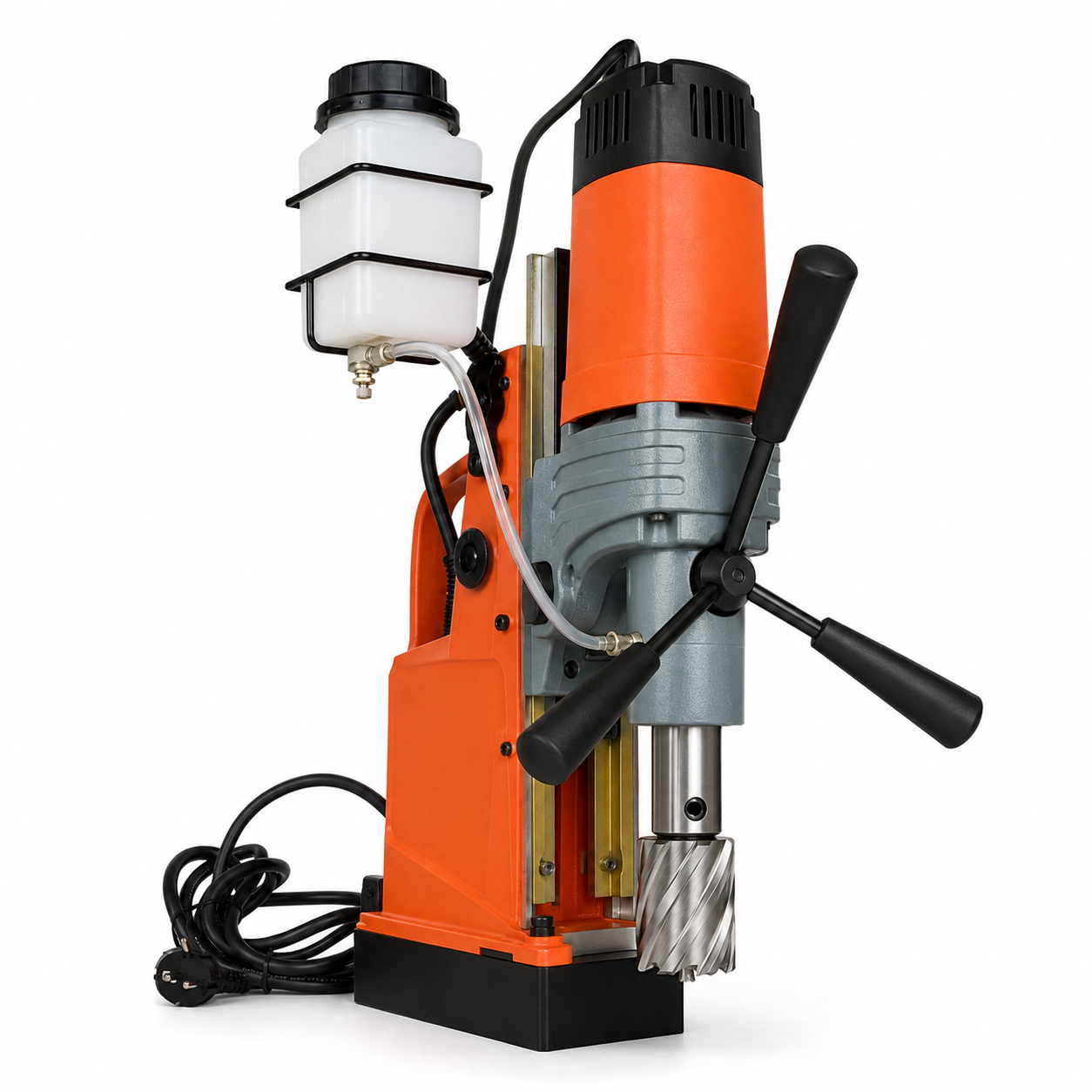
Compare cutting structure and operating behavior
Compare cutter interface and cutting behavior separately from the machine's physical weight.
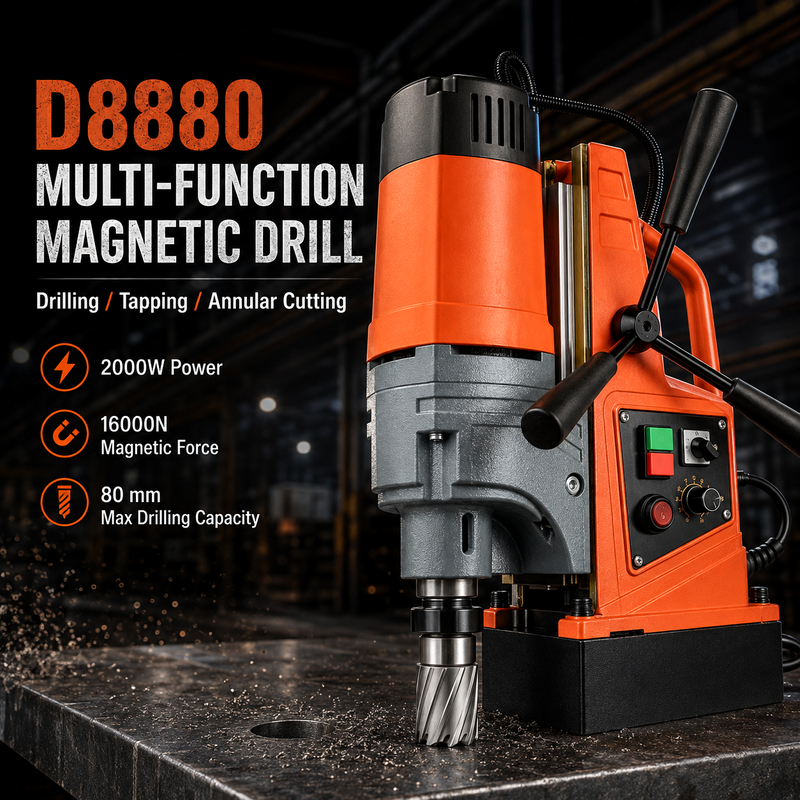
Confirm machine, interface and workholding
Check base footprint, feed-handle clearance and lifting route at the real work position.
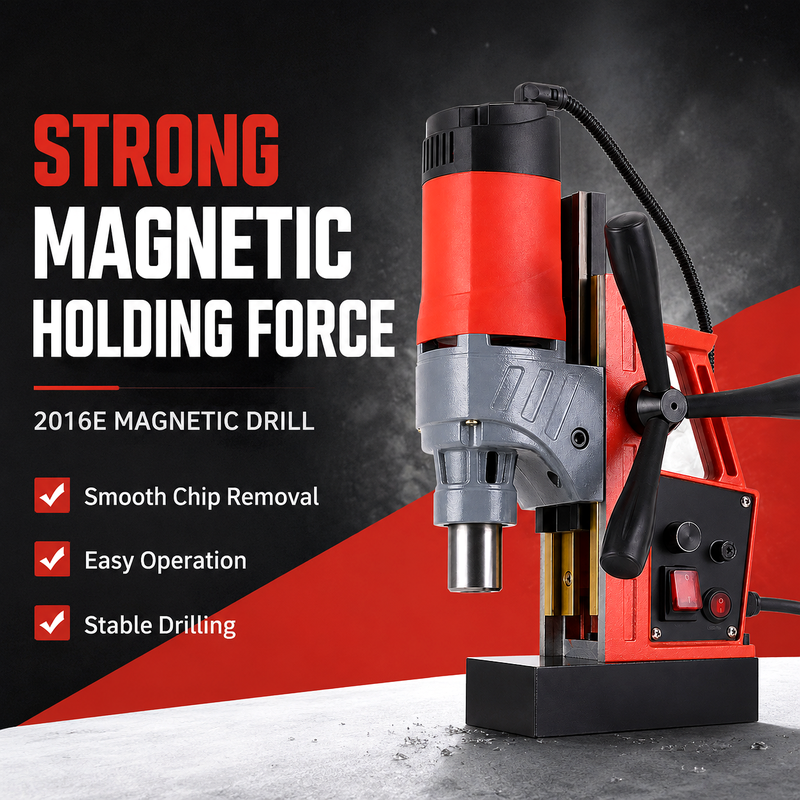
Specify dimensions and controlled product fields
Confirm capacity, stroke, speed system, electrical version and included accessories for the exact model.
| Requirement | Tool A | Tool B |
|---|---|---|
| Application | Confirm | Confirm |
| Machine/interface | Record | Record |
| Dimensions/depth | Approve | Approve |
| Sample/revision | Trace | Trace |
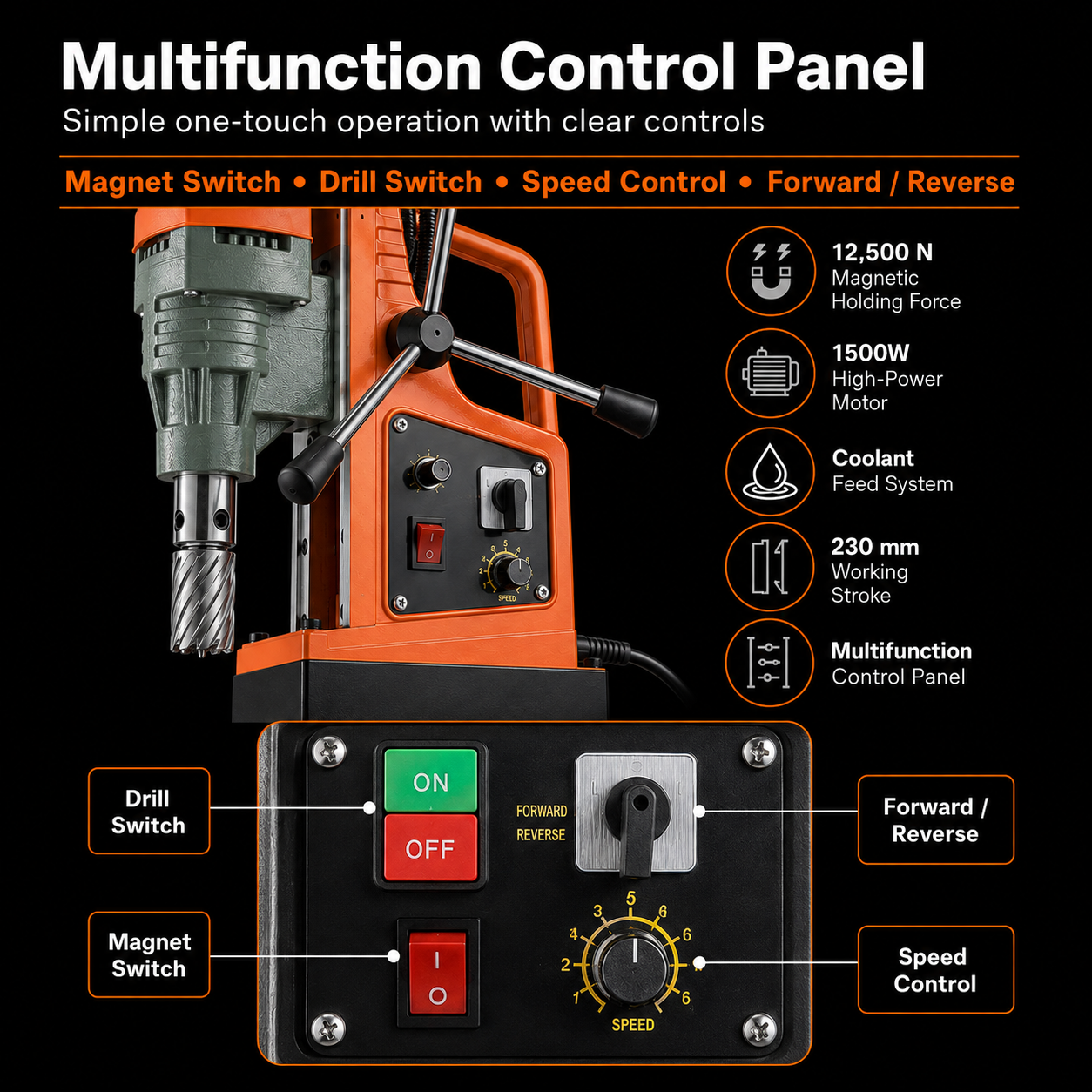
Evaluate samples with a stated method
Trial the shortlisted machine with the intended cutter and workpiece, recording setup time and handling as well as the hole result.
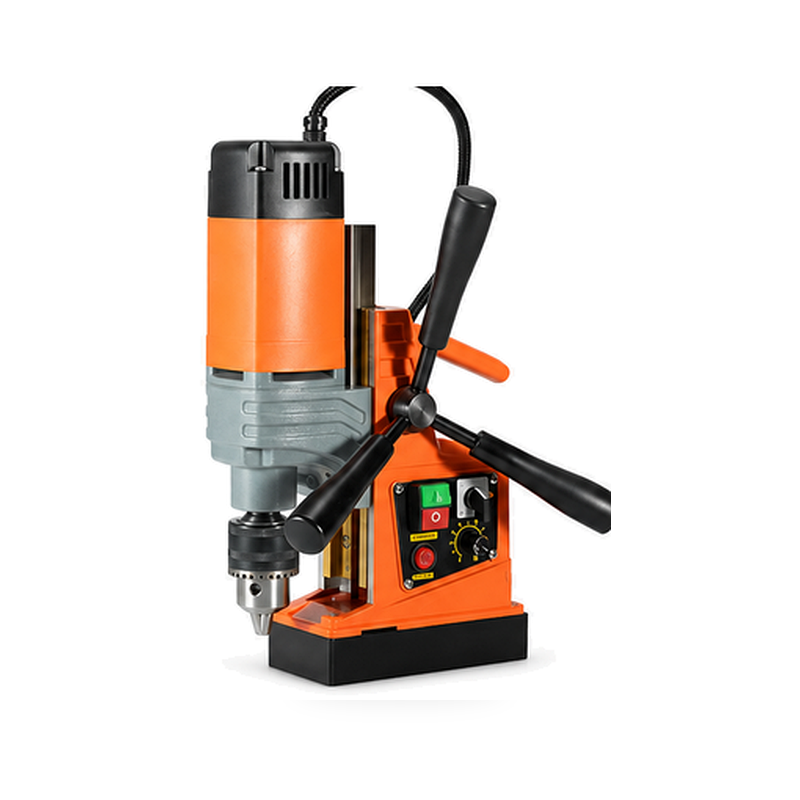
Build a clear distributor assortment
For distribution, separate compact access models, general portable machines and verified high-capacity configurations.
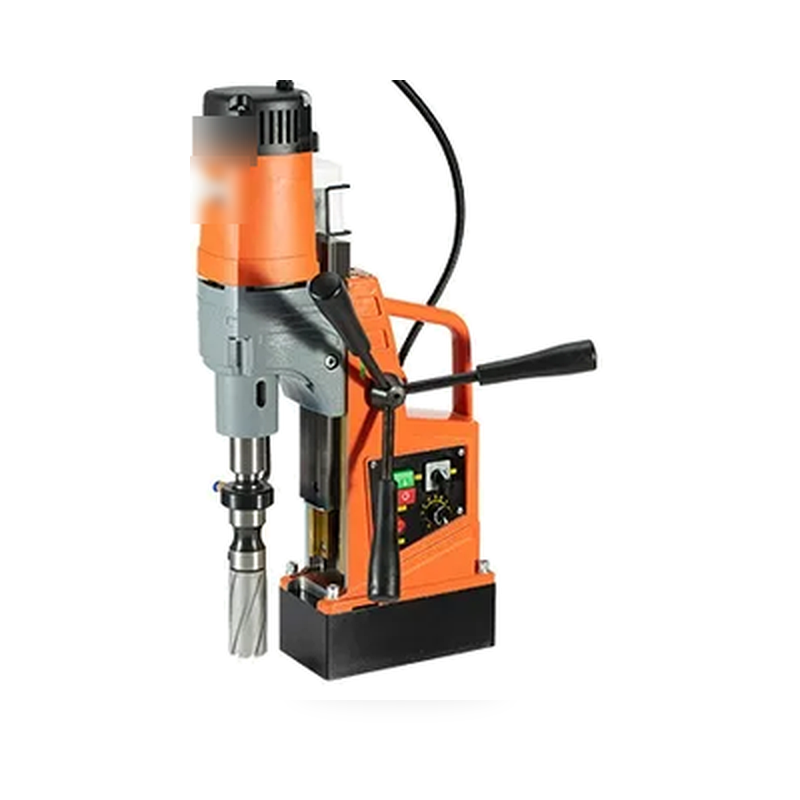
Release quotations and repeat orders
Keep model, voltage, plug, interface and package contents fixed in quotation and repeat-order records.
Portable Magnetic Drills·Heavy-Duty Magnetic Drills·Compare Magnetic Drills·Request a Model Review
Frequently Asked Questions
Is a heavier magnetic drill always more powerful?
No. Weight alone does not confirm capacity, functions or suitability.
When is a compact magnetic drill preferable?
When access and positioning matter and the model still covers the required hole schedule.
What makes a model heavy-duty?
Use the supplier's exact capacity, construction and intended-duty evidence rather than the label alone.
Should stroke be compared with cutting depth?
Yes. Confirm the complete cutter, holder and available travel.
Can one model cover every site job?
Usually not; access, hole size, position and functions create different requirements.
What belongs in a distributor comparison?
Exact models, capacities, functions, electrical versions, accessories and approved applications.
Conclusion
The correct class is the lightest practical system that safely covers the complete hole, access and function requirement—not automatically the smallest or largest machine.