Complete scraper
Start with the hammer and holder. Choose the compact form or identify the connection on the long assembly.

Specify the scraper assembly, blade and connection as one clear purchasing list.
AXIMET floor scrapers use a bolted blade assembly for floor-covering and residue-removal work. The range includes a 280 mm scraper head, two different 640 mm scraper assemblies and a 250 mm compact form.
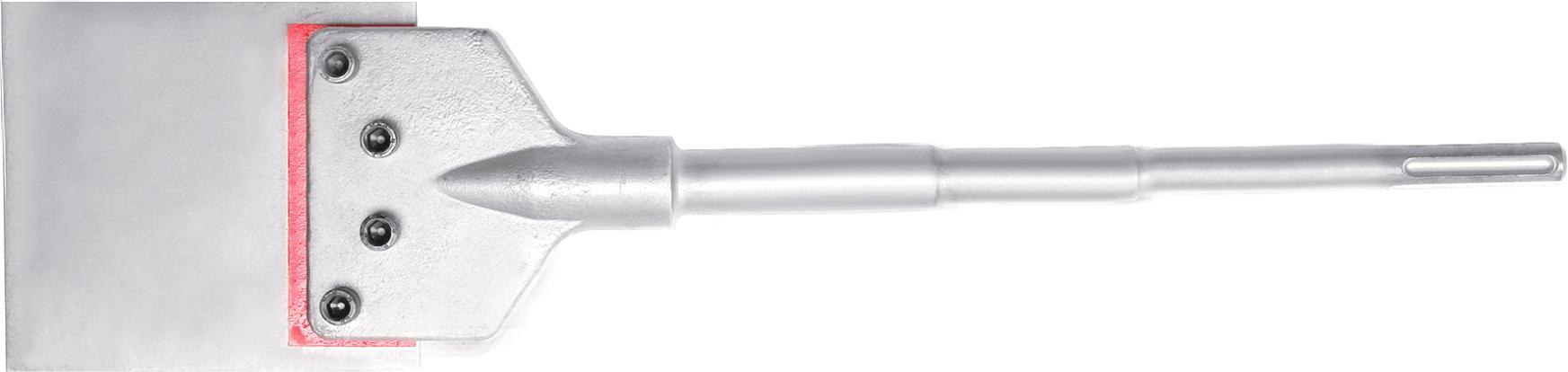
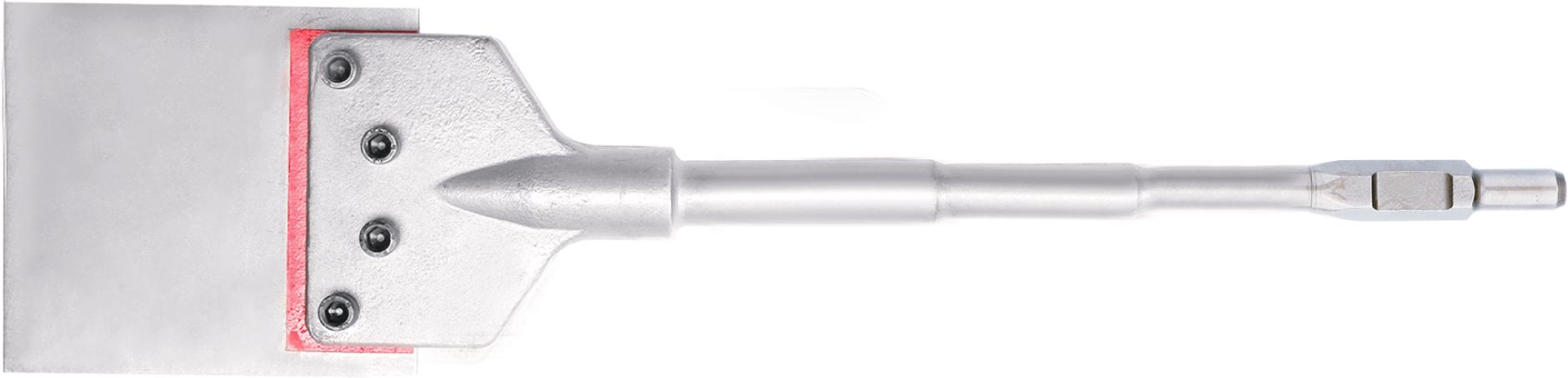
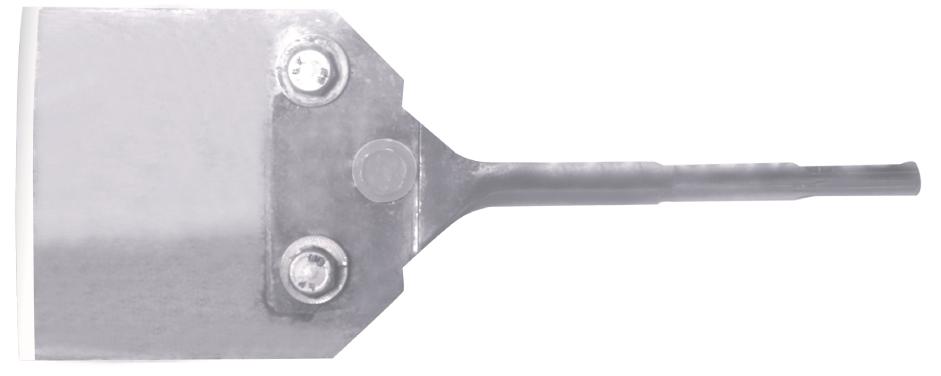
A 400 mm five-groove SDS stem is listed as a separate component. Importers and distributors can specify complete tools and replacement items on the same enquiry while keeping each configuration distinct. The 640 mm slotted round-shank version and the 640 mm hex-shank version have the same listed overall length but different machine connections. They are separate order items. The 280 mm head and 400 mm stem are also separate listed components; their lengths must not be added together and presented as a listed complete-tool dimension.
Match the actual connection to the hammer holder. The slotted round-shank and hex-shank assemblies shown here must not be interchanged on the basis of their shared 640 mm length. The separately listed five-groove SDS stem belongs on its own order line.
Use the hammer’s prescribed chiselling or hammer-only mode for the selected accessory. Keep machine approval separate from the choice of floor covering, blade edge and working angle.
Start with the hammer and holder. Choose the compact form or identify the connection on the long assembly.
Start with the assembly already in service. Match the carrier, blade seat, hole pattern and fasteners before ordering.
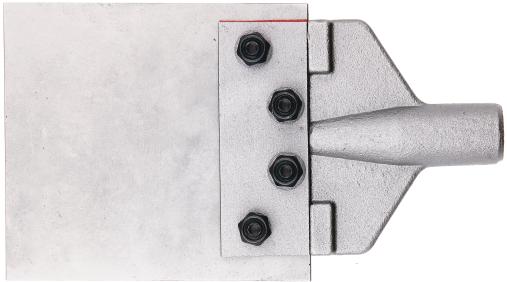
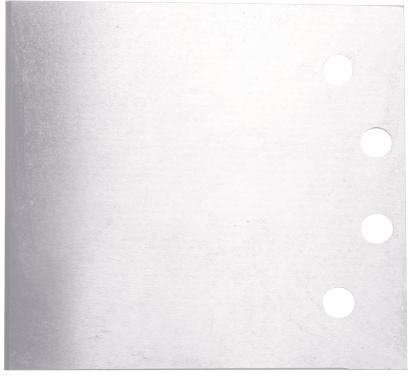
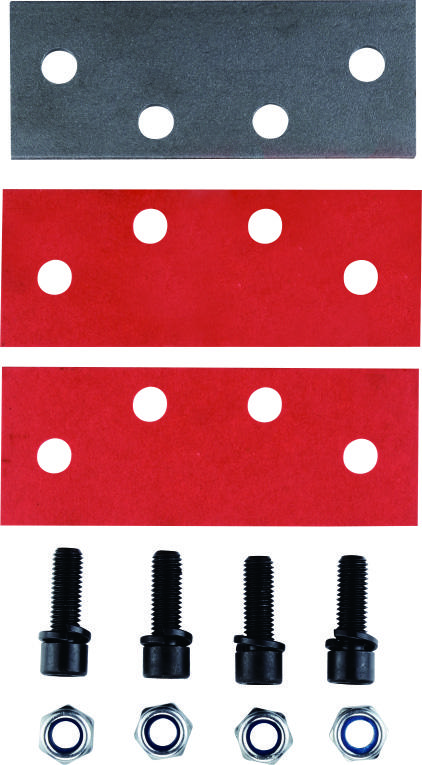
Quote complete tools and spare parts as separate items. Dimensions are in millimetres.
| Form | Connection / construction | Listed overall length (mm) | Enquiry |
|---|---|---|---|
| Long scraper assembly | Slotted round shank, bolted blade | 640 | |
| Long scraper assembly | Hexagonal connection, bolted blade | 640 | |
| Compact scraper form | Short stem and bolted blade | 250 |
| Form | Connection / construction | Listed overall length (mm) | Enquiry |
|---|---|---|---|
| Scraper head | Head with bolted blade, shown separately from long stems | 280 |
| Item | Listed dimension | Ordering distinction | Enquiry |
|---|---|---|---|
| Replacement blade | Overall length 170 mm; thickness 2.0 mm | Match the blade and fastening layout to the assembly |
| Item | Listed dimension | Ordering distinction | Enquiry |
|---|---|---|---|
| Five-groove SDS stem | Overall length 400 mm | Separate stem item, not the length of a complete scraper | |
| Repair kit | Components shown in the gallery | Order separately from complete tools and blades |
A complete scraper is the starting point when a customer has a compatible hammer but no scraper. Specify the connection and the exact assembly, then decide how many replacement blades and kits the customer should keep with it. A spare blade order starts at the other end of the tool. Identify the blade carrier already in service, then check how the blade seats and fastens. Replacing a worn edge, replacing damaged fastening hardware and replacing an entire scraper are three different purchasing decisions.
| What the customer needs | What to quote | What to match first |
|---|---|---|
| An accessory for a hammer that has no scraper | A complete assembly | Hammer model, holder, listed assembly and access |
| A working edge for an existing assembly | Replacement blade | Existing assembly, blade seat, thickness and hole layout |
| Parts to restore a known assembly | Repair kit or separately identified components | Parts list, fasteners and support arrangement |
| A stem for a separately ordered head | Head and stem on distinct order lines | Both mating features and the machine end |
| Stock for several hammer platforms | Separate assemblies and spare packs by compatible group | Machine fleet, compatible assembly list and projected demand |
If the buyer only knows the hammer model, establish the holder before preparing the assembly list. If the buyer only has a detached blade, request photographs of both sides with a scale and identify its mounting points. A detached blade gives useful dimensions but cannot show how the head and stem fit the hammer. A machine photograph alone cannot establish the hole pattern in a replaceable blade. Combine both sets of evidence when supplying a complete system and its future spares.
The length printed against a complete assembly describes the whole item. Working width describes the part of the edge intended to engage the floor. A replacement blade dimension describes the separate blade. These are different purchasing fields. When a customer asks for a 170 mm scraper, first establish which dimension they measured and whether they want a blade or a working tool. The listed 170 mm blade length is useful for identification. Confirm the working width and how it is measured on the drawing rather than using that number automatically as the installed contact width.
A wider engagement may suit an open area, while a confined boundary can limit the edge that can enter the work. The head and the hammer body also occupy space. Ask the installer for the open approach, the nearest fixed obstruction and whether there is an edge from which work can begin. A drawing with the floor line and obstacle locations is useful if the job is mainly around fixtures. For a trial, compare the ability to position the blade, clear displaced material and keep the intended floor layer intact under the same conditions.
For a repeat blade order, use a drawing or approved sample with a common measurement reference. Record the overall outline, thickness, count of mounting positions, spacing between the hole centres and any direction that matters when mounting. Identify the hardware and its seating arrangement. If a buyer sends a photograph, take the view square to the blade face and put the scale in the same plane. Perspective can shift apparent spacing enough to make a visual match misleading.
Use the actual supporting head for fit review. A blade may have a similar footprint yet sit differently on a support or interfere with the hardware when assembled. Confirm the shape and seat as a set. For a repair kit, record the individual parts expected in the pack and which assembly they serve. Identify any parts that the installer expects to reuse, because a repair request can otherwise be priced with an incomplete set of components.
The working blade is held against a support by fasteners. The blade, support and machine connection therefore have different roles: the edge contacts the floor material, the support carries the blade and the shank connects the tool to the hammer.
For a replacement order, identify the complete assembly before selecting the blade. Hole pattern, blade thickness, support shape and fasteners matter together. A blade that looks similar from the front is not automatically a replacement for another assembly.
For floor-covering removal, name the covering and the substrate underneath it. For residue removal, describe the remaining adhesive or mortar and the condition required after scraping. These are different jobs even when the same area of floor is involved.
Choose the 250 mm compact form where the shorter tool layout suits access. Compare the two 640 mm assemblies by their connections rather than treating length as the machine-fit specification. For a head-and-stem enquiry, list the head and stem as separate items and describe the required connection.
For spares, record the existing assembly, blade dimensions, hole layout and quantity of blades or fastening kits. The listed 170 mm blade dimension and 2.0 mm thickness do not establish universal compatibility with every scraper shown.
A refurbishment job may include a covering, bedding or adhesive, and a retained base. Decide which layer to remove in each pass. For lifting, describe the covering and the exposed starting edge. For scraping residue, describe the ridge thickness or condition and the surface the following trade needs. A combination of the two jobs can require different tools or approaches even on a single site.
Compare a bolted scraper with an integral tile chisel when the primary work is lifting individual tiles at an accessible edge. The scraper is a serviceable assembly whose blade choice and future parts need planning. The tile chisel places the working profile and connection on one tool, so its width, bend and access dominate the selection. Compare a flat chisel where the job becomes localized chipping around a hard projection. Use the substrate and removal boundary to decide which form to test first.
For a buyer evaluating two samples, keep the machine, material, access and surface objective comparable. Record whether the assembly can enter the planned work area and whether the blade remains seated after the agreed trial. Review the retained floor before deciding which tool and spare mix to buy. If the job changes from lifting to residue removal, record the new condition as a separate evaluation.
The production configuration of a scraper includes more than the outline of the blade. The blade thickness, fastening layout, support and connection define the assembly that will be supplied and later serviced. Keep those features tied to the same assembly description in repeat orders.
For distributors building a replacement range, separate complete scrapers, blades, stems and repair kits in the item list. This keeps spare-part purchasing aligned with the construction of the tool rather than with a generic “floor scraper” label.
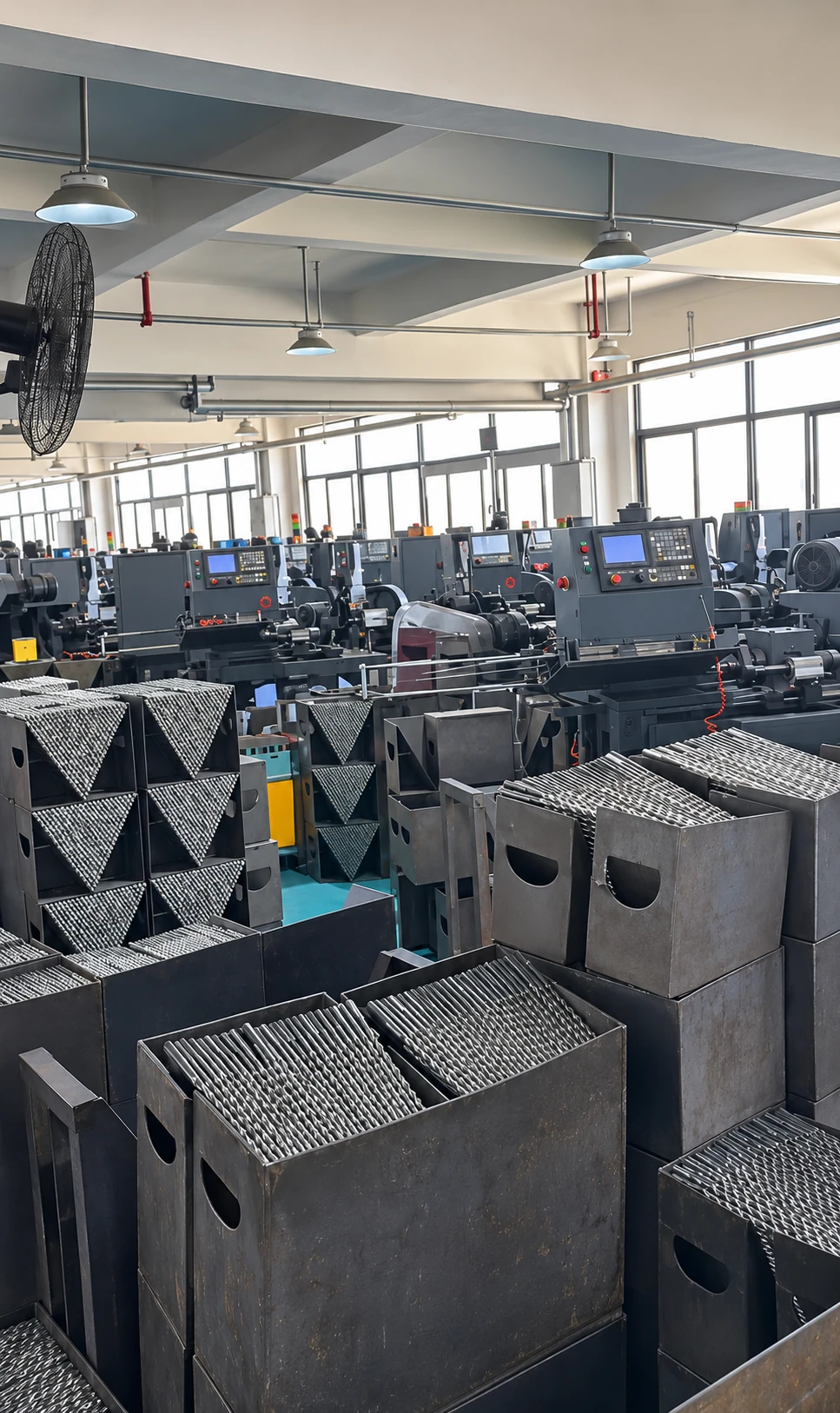
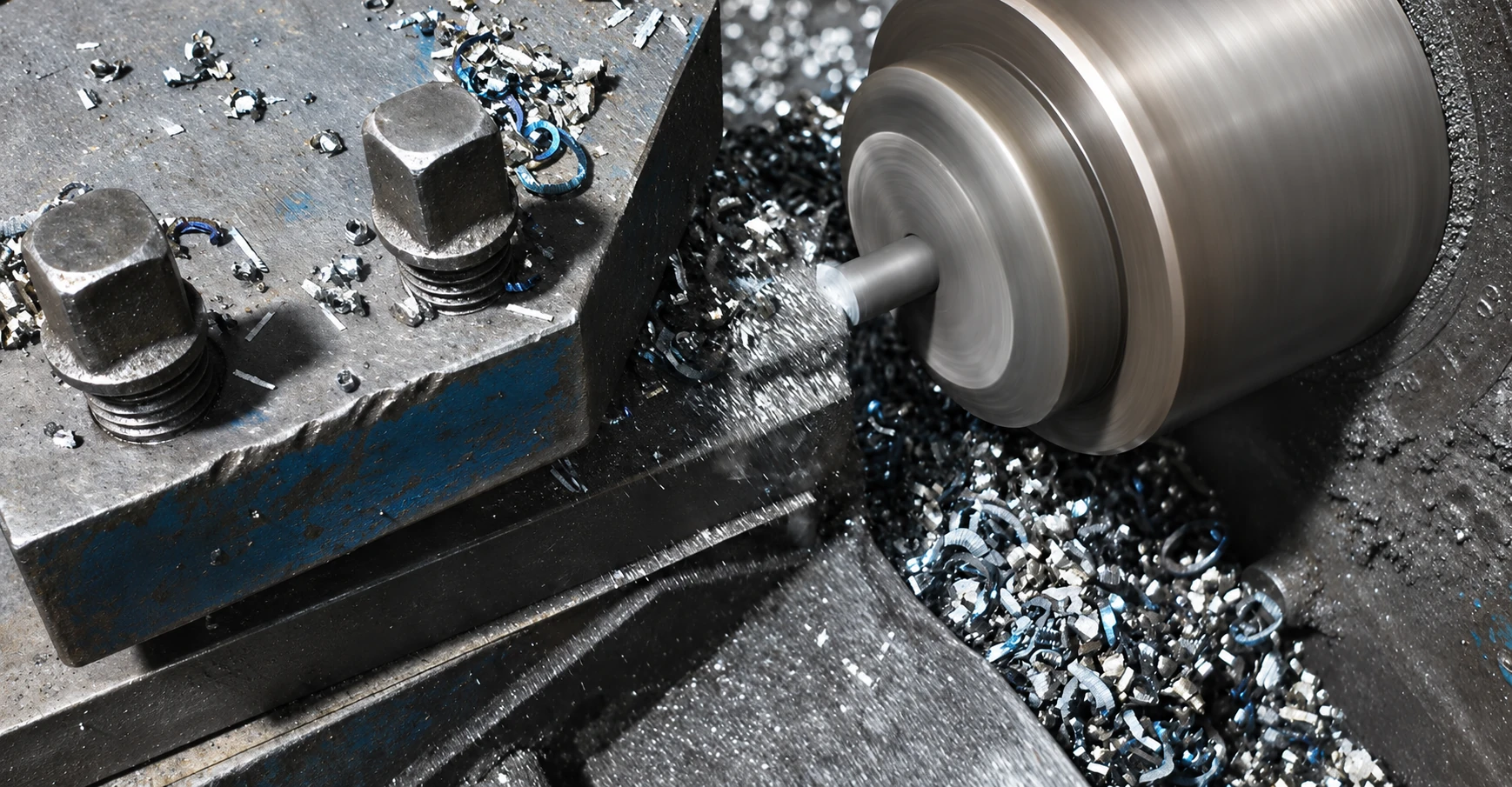
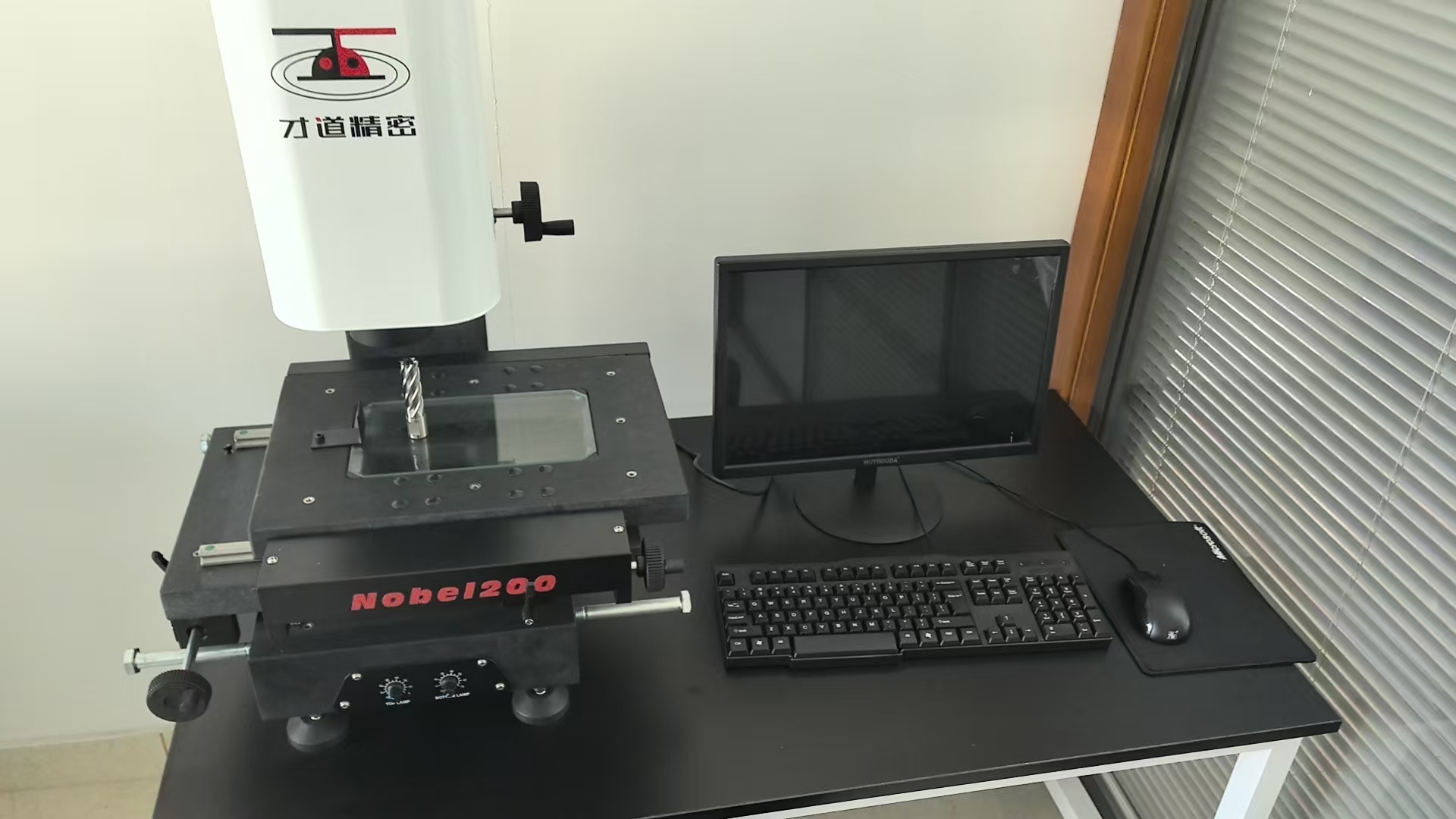
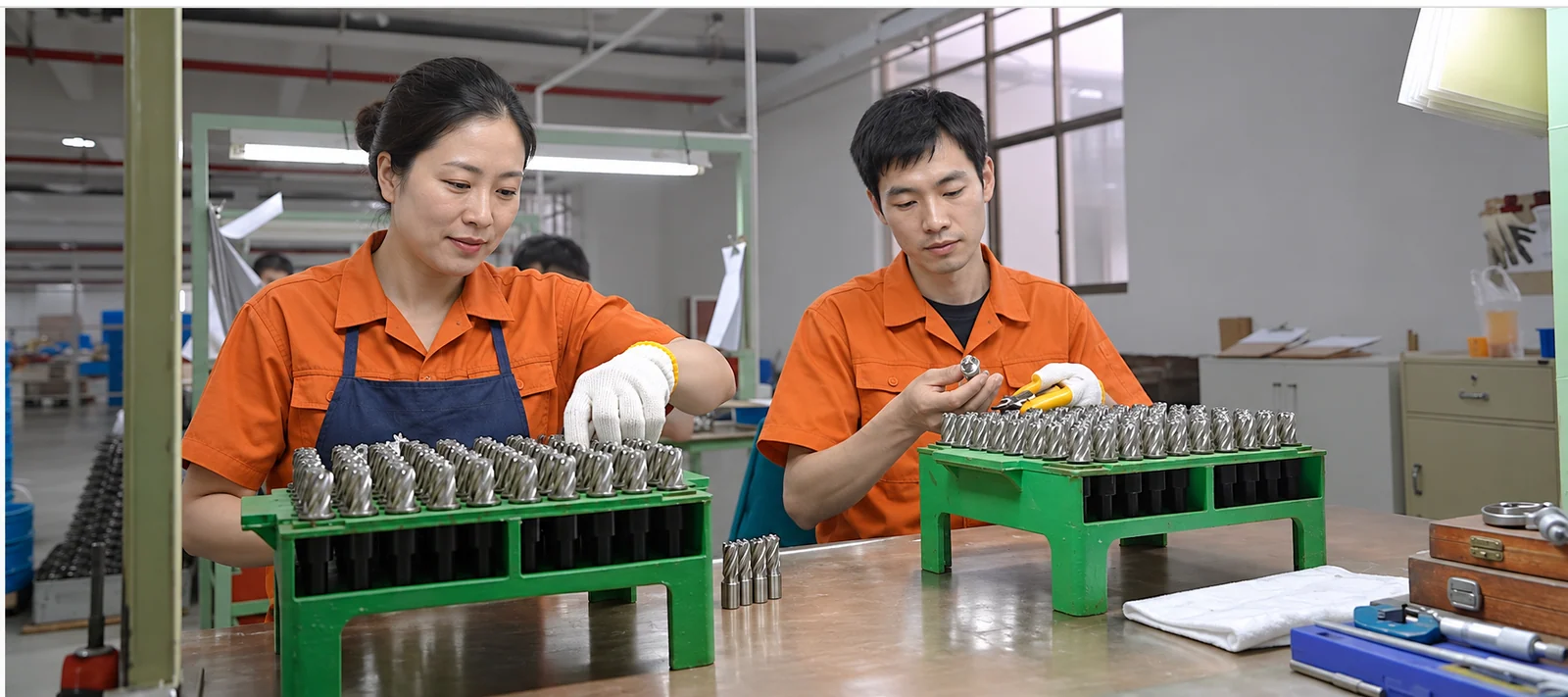
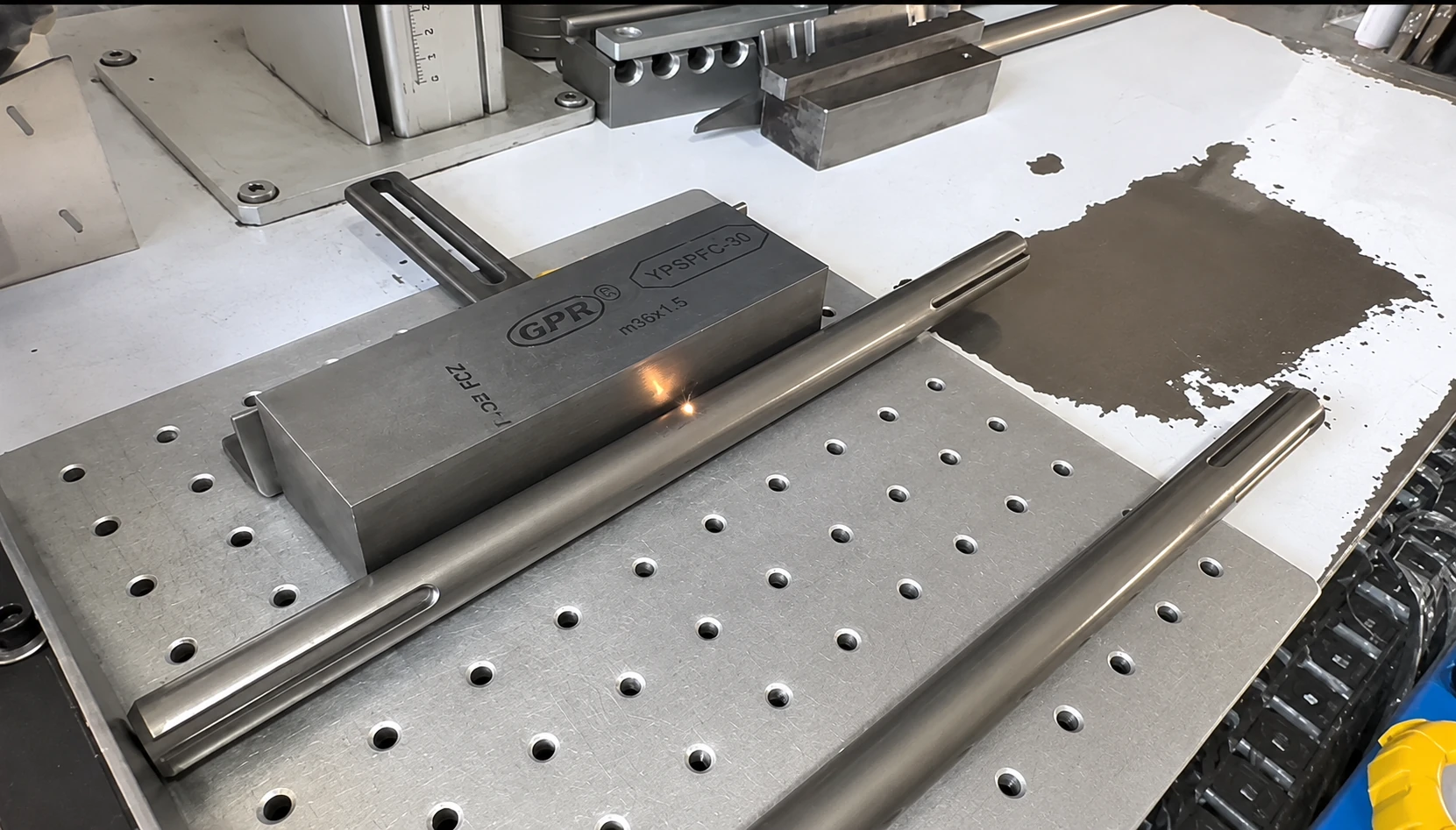
Shared AXIMET factory evidence covers forming, heating, machining and finishing for SDS and masonry accessories. For a scraper enquiry, connect the evidence to the components that need a controlled fit. A machined connection is relevant to machine fit. The shape of a carrier and blade seat is relevant to blade seating. Confirm those relationships using the selected assembly and its parts record. Use a sample or drawing to establish the assembly details that a general workshop photograph cannot convey.
Optical measurement, hardness equipment and component inspection illustrate the shared factory's inspection capability. For an assembly review, ask which dimensions will be compared with the accepted drawing and how the sample and packing record will identify the approved configuration. For spares, include a check against the relevant carrier and hardware arrangement. If the purchase requires a test method or a particular acceptance limit, attach that requirement and agree on the evidence before comparing quotes.
Use the complete assembly as the reference for sample and shipment acceptance. Check that the blade sits correctly on its support, the fastening positions align and the requested connection is present. For replacement blades, compare thickness and hole layout with the assembly record.
A practical application trial should record the covering, substrate, hammer and blade setup. Inspect both the removed material and the surface left behind, using the floor system intended for the order.
Start with one identified assembly and the intended blade and kit. Have the receiving team identify the parts from their labels before they open the packs. Compare the unpacked blade with the approved drawing and review seating on the carrier under the agreed assembly instructions. Record the part reference and revision with the result. This tests two things the purchase must deliver: an identifiable part and a part that fits the assembly identified on the label.
If an installed base includes tools sourced at different times, collect a sample or drawing for each apparent variant before pooling stock. Separate any visually similar blades whose mounting or support differs. Ask the supplier to confirm each accepted pairing in the quote. Record unmatched components as separate enquiries so that a distributor can still order the verified parts while resolving the rest of the fleet.
For private-label scraper enquiries, describe which items will carry the brand: the complete tool, replacement blade, spare kit or outer pack. Include the proposed marking position so the blade’s working edge, fastener seats and machine connection remain clearly identified.
Use separate descriptions for the main tool and replacement packs. This gives OEM brands a clearer ordering structure than applying one label to several incompatible assemblies.
State the number of complete scrapers per pack and list replacement blades and repair kits separately. Include any edge-protection and pack-labelling requirements in the enquiry. For distributor assortments, identify which spare items belong with each assembly so warehouse picking does not rely on appearance alone.
Order by assembly description, connection and overall length. Add blade and repair-kit quantities as separate lines. Keep the assembly description unchanged on repeat orders and state any intended change to blade thickness, fastening layout or packaging explicitly.
A distributor needs to be able to reorder the right spare after the original carton is gone. Give the complete tool and each spare pack a separate buyer item reference. Connect the blade or kit to the intended assembly in the stock record and on the pack label where appropriate. Keep a version identifier on drawings if the fastening arrangement changes. Review the text and packing quantities together so that the warehouse can distinguish a pack of blades from a pack containing a complete working assembly.
For branded orders, identify the label location, language, barcode and any artwork approval step. List edge protection and the desired number of items per inner and outer pack. Specify whether the blade is expected to be mounted or packed separately for shipment, then review that requirement with the quoted assembly. For a split shipment, carry the same item references into the packing list so that part kits and assemblies can be received separately and matched later.
A useful request might include a long assembly for a named holder, a compact assembly for the same project under a separately checked connection, and blade packs for an existing fleet. State the counts for each line. Attach a drawing or photographs of the existing head for the blade request. When a repair kit is needed, identify the failed or missing parts and the assembly to be repaired. Ask for a written line description that can be checked against the quotation and purchase order.
No. Match the blade to the assembly using its thickness, hole layout, support and fasteners. The listed 2.0 mm blade is a separate replacement item, not a statement that every scraper uses the same blade.
They are separate connection configurations: one has a slotted round shank and the other has a hexagonal connection. Their shared overall length does not make their machine connections interchangeable.
No. They are separately listed components. Adding their individual lengths does not account for their engagement and does not create a listed overall length.
Identify the complete scraper, then list the required blades, repair kits or stems and quantities. Include the blade thickness and fastening layout when ordering a replacement blade.
Name the covering or residue, the substrate, the machine and the required surface condition after removal. This distinguishes lifting a covering from removing the residue left underneath it.
In the message field, list the required scraper form and connection, overall length, quantity of complete tools, spare-blade or repair-kit quantities, floor material and packaging requirements. Keep the two 640 mm connection versions on separate lines.