SDS Max and SDS Plus Point Chisels
Match localized breaking work to the right point form, holder and working reach.
AXIMET point chisels concentrate contact at a pointed working end for localized breaking in concrete and masonry. The SDS Max standard range has eight listed overall lengths from 280 to 600 mm.
- SDS Max standard point chisels in eight lengths from 280 to 600 mm.
- SDS Plus standard points in 140 and 250 mm lengths.
- Round-body and hexagonal-body SDS Plus versions are separate configurations.
- 400 mm collared and self-sharpening SDS Max forms are listed separately.



Choose the machine connection
SDS Plus options are listed at 140 and 250 mm, with round-body and hexagonal-body forms. The range also includes separate 400 mm SDS Max collared and self-sharpening profiles. Importers and tool distributors can build a length assortment on one product page while preserving the differences between the point forms. A pointed chisel is a different product from a pointed spade with a broad shovel-shaped head.
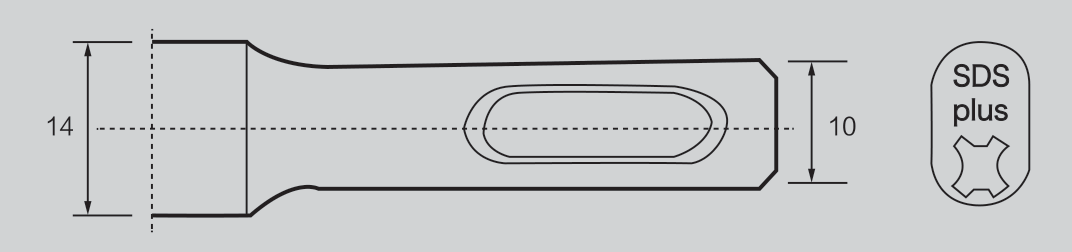
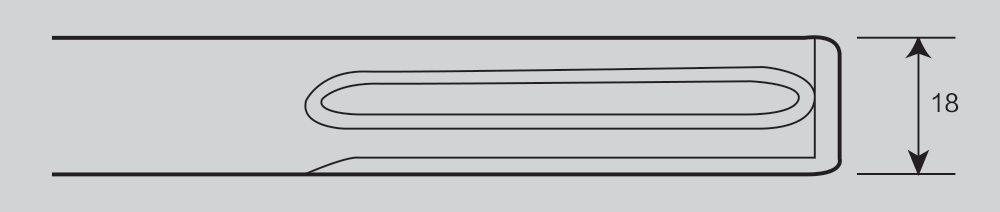
SDS Plus and SDS Max are different interfaces. Their listed shank diameters are 10 and 18 mm respectively; these values do not describe the width of the point. The SDS Plus hexagonal-body version still uses an SDS Plus connection.
Use the connection and chiselling operation specified for the exact hammer. Do not infer machine capacity, reinforcement-cutting ability or universal fit from the working-end shape.

Specifications and order configurations
| Interface / body | Working form | Overall length (mm) | Enquiry |
|---|---|---|---|
| SDS Plus / round body | Standard point | 140 | |
| SDS Plus / round body | Standard point | 250 | |
| SDS Plus / hexagonal body | Standard point | 140 | |
| SDS Plus / hexagonal body | Standard point | 250 | |
| SDS Max | Standard point | 280 | |
| SDS Max | Standard point | 300 | |
| SDS Max | Standard point | 360 | |
| SDS Max | Standard point | 400 | |
| SDS Max | Standard point | 460 | |
| SDS Max | Standard point | 500 | |
| SDS Max | Standard point | 550 | |
| SDS Max | Standard point | 600 | |
| SDS Max | Collared point | 400 | |
| SDS Max | Self-sharpening point profile | 400 |
Point geometry and working reach
The dash in the width column denotes a pointed working form, not a zero-width blade.
The steel chisel body and the working profile are distinct from the holder connection. SDS Plus uses a 10 mm shank diameter; SDS Max uses an 18 mm shank diameter.
Specify where the break needs to start
An SDS point chisel directs impact to a small contact area. Buyers use point or bull-point terminology for localized breaking in concrete and masonry. The pointed end is the selection feature when the work needs a concentrated start. A straight flat edge is relevant when contact should follow a line. Identify the material, the area to break and the retained boundary before deciding whether a pointed tool belongs in the order.
| Decision | What to record | Why it matters |
|---|---|---|
| Holder | Hammer model and SDS Plus or SDS Max | The connection must suit the machine |
| Reach | Listed overall length and working access | The installed tip position depends on the holder and workspace |
| Working end | Standard, collared or the listed self-sharpening point form | The 400 mm Max options share length but differ in form |
| Body | Round or hexagonal where specified | Equal-length Plus versions are distinct purchase lines |
| Job | Material, starting location and desired removal boundary | A concentrated point and a flat edge solve different contact problems |
For a distributor responding to “one 250 mm bull point,” ask for the machine holder and body description. In the listed Plus range, both round and hexagonal body forms appear at 250 mm. Both are separate from the standard Max series. For a 400 mm Max request, ask whether the customer means the standard point, collared point or specified self-sharpening form. Naming only the length can lead to a quotation for the wrong item even when the holder and overall length are correct.
Decide reach from the work position
A chisel's overall length includes the part held by the machine. Draw the working space with the hammer in position. Measure the distance to the point of contact and consider the machine nose, obstructions and the angle needed to reach it. A buyer working on an accessible face may prefer to compare a compact setup first. A deeper or obstructed position may justify a longer configuration if the holder and working mode are appropriate. The correct choice is the setup that reaches the intended location with room to position and control the machine.
For an SDS Max order that spans several job types, use the standard lengths in the table as separate stocked options. Test the relevant lengths with the same connection and working form so the trial answers the reach question. If the desired version also needs a collar or a different point profile, check the specific rows. The 600 mm standard length and the 400 mm collared form describe different items. A combined configuration needs its own confirmation.
For Plus users comparing 140 and 250 mm, ask where the tip must make contact and whether the hammer can be positioned close to the work. Record the overall length and the body form on each sample request. A hexagonal body changes the visible middle section of the accessory. The shank still determines compatibility. This distinction should survive catalogue import, customer-facing labels and warehouse descriptions.
The point, shaft transition and machine connection define the tool’s working geometry. A pointed end concentrates contact differently from a flat edge, so it is useful to distinguish localized breaking from removal along a straight boundary.
The self-sharpening profile is a named configuration in the range. Keep it separate from a standard point; a pointed appearance alone does not make every tool that version. The collared configuration also has its own description rather than being treated as an additional view of the standard form.
Application and selection
Choose the holder interface before selecting length. Then consider the reach needed, the room available for the hammer and where the point must contact the material. Overall length includes the portion engaging with the holder and must not be presented as usable reach or permitted penetration.
For breaking near a retained surface, describe the material to be removed and the boundary that must remain. If the task instead needs a defined cutting line, compare a flat chisel. For broad digging work in clay or soil, compare a spade rather than ordering a point because the word “pointed” appears in its name.
Keep the required machine, point form and length together on each purchasing line. The listed length range does not imply that the collared or self-sharpening form exists in every standard-series length.
Point vs Flat Chisel
Compare the point with the next tool in the sequence
Consider a point for initiating a localized break on a defined spot in concrete or masonry. Once the material has opened, the next operation may be to chip along a line or take down a projection. A flat chisel's straight edge gives a different contact shape for that work. A wider scaling or spade-like edge addresses another decision: how much of a surface to engage, what material remains and whether there is room for the blade. Choose each tool for the operation it will perform.
A buyer describing a job as “concrete removal” can help selection by specifying whether the first task is starting a break, removing isolated material or treating a broad exposed face. Describe the size of the target area and the retained material. Indicate whether work must proceed around a recess or from an open face. Ask for the machine's allowed accessory configuration and use instructions as part of the sample setup. Product shape alone cannot determine a demolition method for a structural task.
For side-by-side procurement trials, set out the job and outcome before comparing forms. Use comparable material and machine conditions. Record where the tip first engages, whether it reaches the spot and what the work looks like after the agreed trial. If the evaluation changes to following an edge, compare a flat form under the same procurement review instead of treating that different task as a point-chisel defect.
Manufacturing Process
The steel point-chisel configuration is controlled by the point form, body, connection and overall length. For repeat procurement, keep the standard, collared and self-sharpening descriptions attached to their own size rows.
Point alignment and the transition into the shaft are useful configuration details for a consistent assortment. They should be assessed alongside the machine connection rather than replaced by a general “demolition chisel” description.
Manufacturing evidence and repeat-order checks
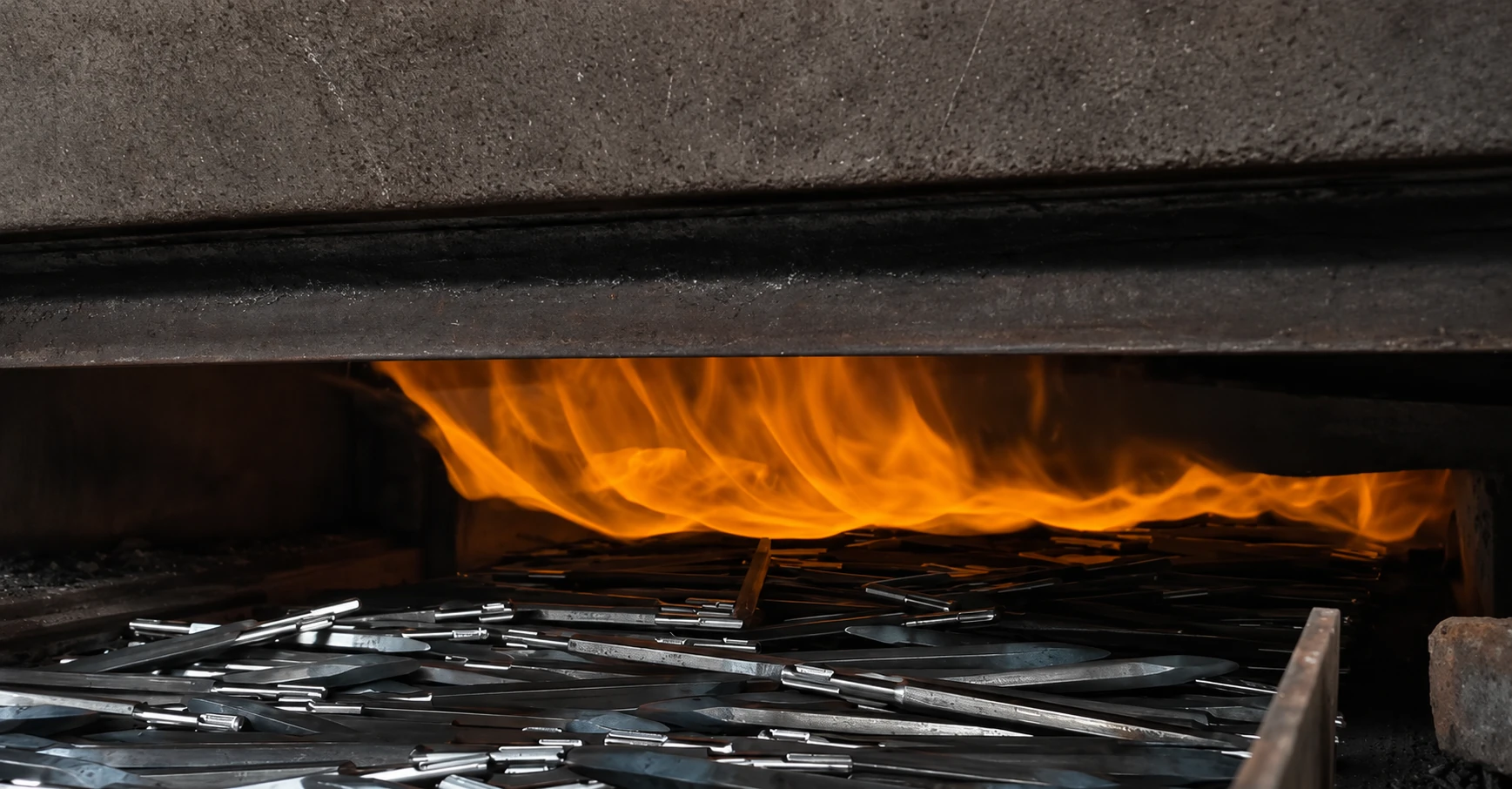
The same AXIMET factory handles forming, heat treatment, machining and finishing across SDS and masonry accessories. Point-tip grinding is relevant shared process evidence when discussing working-end geometry. The shank workholding views show why the connection is a separate part of the order description. For a particular point, review the selected sample, tip form and connection drawing to establish the actual geometry to be supplied.
Use the factory QC evidence to frame the checks that matter for the chosen item. Optical or dimensional review is relevant to the relationship between shank, body and working end. Hardness equipment illustrates a capability that can be discussed alongside the required method and acceptance criteria. Visual review can address the agreed finish and visible condition. Request an item-specific inspection or sample record if the purchasing process requires it. Confirm the applicable checks before approving repeat orders, especially when several lengths use the same pack artwork.
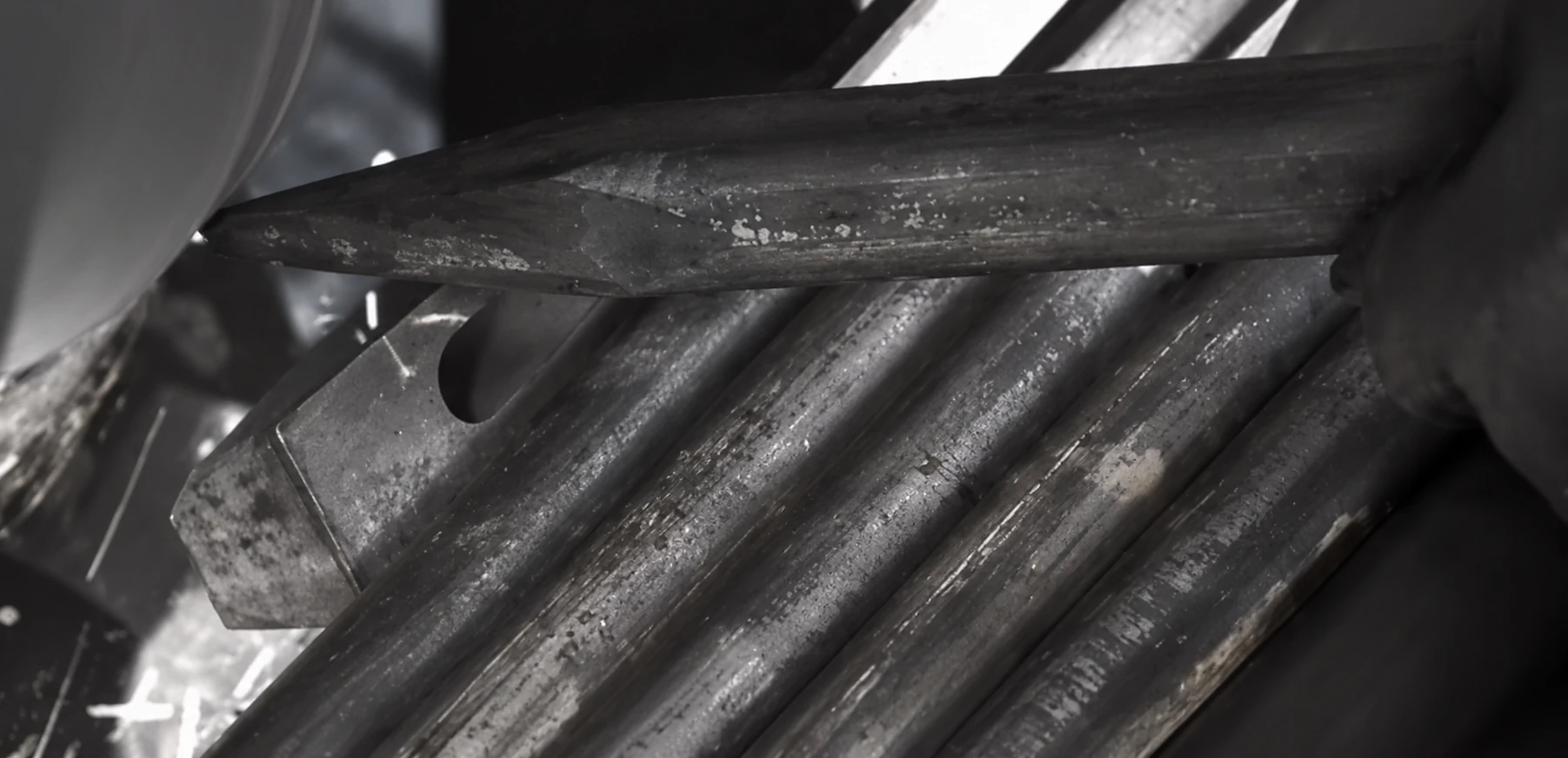
Quality Control
For sample and bulk acceptance, compare the ordered length and connection, point alignment, straightness and the specified point form. Check the condition of the point and shaft transition before comparing samples in the intended task.
A useful trial records the material, hammer and point configuration and inspects the resulting break location. Use the required removal boundary as part of the sample comparison.
Identify a point profile by shape and sample
A family photograph can establish that the tool has a pointed working end and show visible differences such as a collar. It cannot establish exact reach, taper dimensions or the profile that will be delivered for every length in the series. Where profile matters, ask for an approved view of the end and side with the relevant dimensions identified. Keep the sample linked to the corresponding order row. For a catalogue illustration, state when a photo represents the series form.
The self-sharpening term distinguishes a listed profile. Include that name only when specifying the matching configuration. Agree on any application trial or wear criteria before using the name as a performance promise to a customer. A review can record the original tip shape, the work material and the post-trial shape under agreed conditions. If an existing customer's specification includes additional detail, carry the drawing or sample reference with the enquiry so the quoted item can be compared against it.

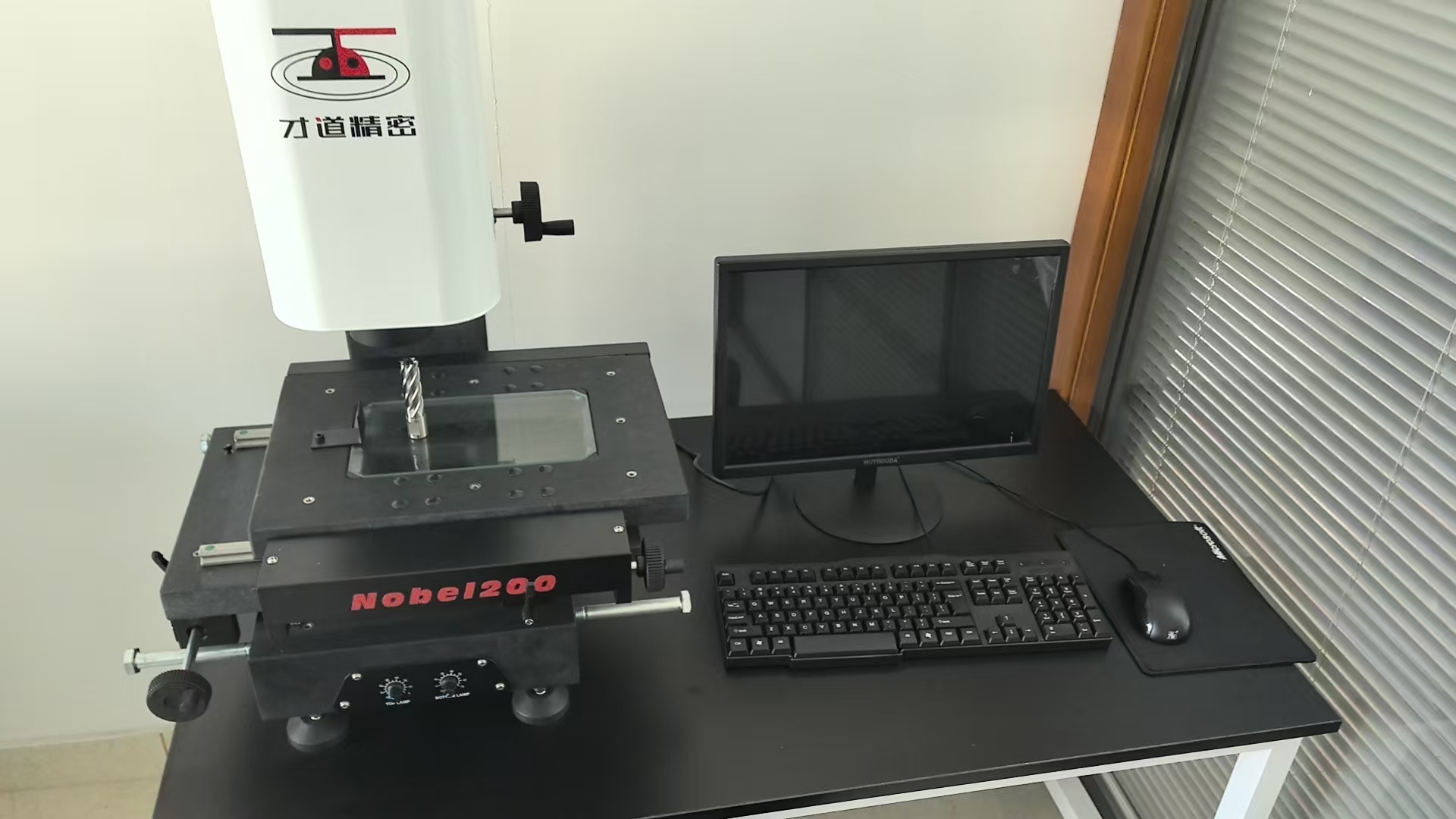
OEM & Packaging
For private-label point-chisel enquiries, keep the point form and length visible in the item and packaging description. State the proposed logo position and the information needed for identification after the tool is removed from its pack. Do not use a single profile description for standard and self-sharpening items.
List quantities and pack units for each connection, body and length. Include point protection and the required size/profile label wording. In mixed assortments, separate SDS Plus and SDS Max clearly so warehouse staff do not have to identify the connection from the tip.
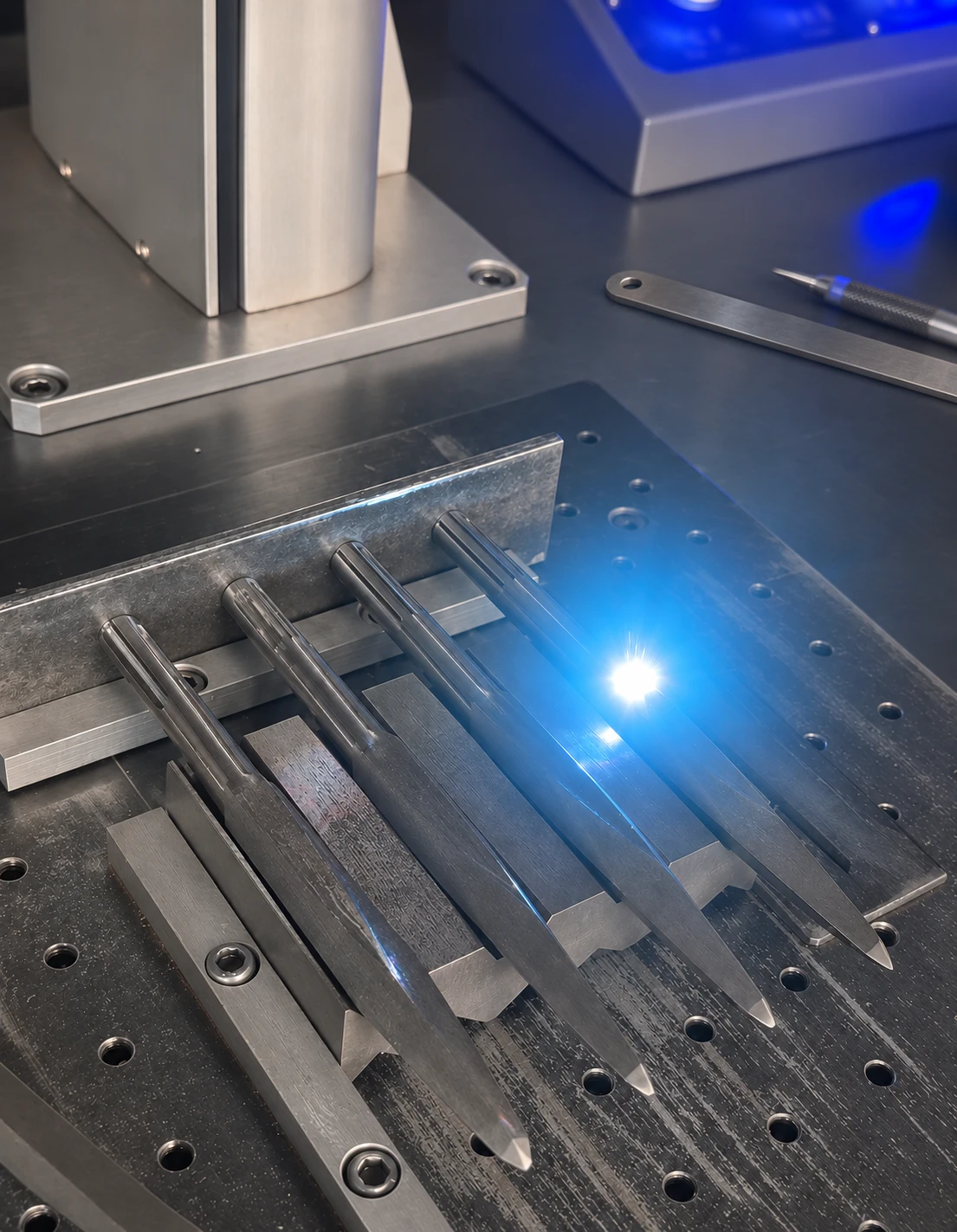

A repeat order should state interface, body form, point profile and overall length before quantity. Keep a 400 mm standard SDS Max point separate from the collared and self-sharpening 400 mm configurations, even when the overall length matches.
Keep product marking and pack identity separate
For a branded point range, specify what belongs on the tool and what belongs on the label. A tool marking may identify the buyer and item reference, while pack text can describe the holder, length and profile. Provide artwork, permitted marking location and required label language in the enquiry. Review the code mapping for all 400 mm Max variants so that customers can reorder the form they received. A shared length can look convincing on a label even when the working end differs.
State quantities by item and how tips and shanks should be protected in the desired pack. Describe whether the purchase is for individual presentation, bulk packing or a mixed distributor assortment. Record count per inner and outer pack and the buyer item reference for each line. Ask for a sample review if fit, geometry or private-label artwork is new to the programme. Keep sample approval and packing approval attached to the same item record.
Quote what the customer can identify later
For a new project, send the hammer model, intended point of contact, material and access dimensions. Select the exact configurations from the table and give quantities for each. For a replenishment order, include the prior buyer code or sample reference and state any desired change in length, profile or packaging explicitly. If the customer only has a worn tool, supply views of the shank and body as well as the tip so the supplier can compare the complete form against the available options.
Plan replacement stock for mixed hammer fleets
A fleet list gives a distributor a better starting point than an undifferentiated request for demolition points. Record the holders actually used and which reach options the operators need at their usual work positions. Reserve separate stock records for Plus and Max. Within each holder group, distinguish the point geometry and body where specified. A buyer comparing sample packs can ask the receiving team to identify the selected forms from their labels alone, then verify them against the sample record.
For replacement stock, describe a worn or failed tool with the original buyer reference wherever possible. A rounded used tip may conceal its starting profile, so include the connection and body views and any earlier drawing. Keep unusual or unidentified samples apart from confirmed replenishment lines. This allows the standard rows to be quoted while a sample comparison resolves the uncertain item.
Frequently asked questions
What is a bull point chisel used for?
Its pointed working end provides localized contact for breaking work in concrete and masonry. Choose the length and connection around the actual hammer, material and access.
What lengths are available in the standard SDS Max range?
The listed standard lengths are 280, 300, 360, 400, 460, 500, 550 and 600 mm. The collared and self-sharpening forms listed on this page are separate 400 mm configurations.
Are standard and self-sharpening point chisels the same configuration?
No. They are separately named point forms. Specify the required profile with the connection and length rather than treating the photographs as different angles of one item.
Is a pointed spade a point chisel?
No. A pointed spade has a broad shovel-shaped head. A point chisel concentrates contact at a narrow tip; the two should not share a product identity simply because both names contain “point”.
Does a longer point chisel have greater breaking capacity?
Length describes the listed overall dimension and affects reach and access. It does not by itself establish the hammer’s capacity or a higher removal rate.
Get a Wholesale Quote
In the message field, list SDS Max or SDS Plus, body form, standard/collared/self-sharpening point, overall length and quantity. Add the machine, breaking task, point-protection and pack or private-label requirements.