
SDS Plus and SDS Max Flat Chisels
Specify a defined cutting line with the blade width, reach and connection your assortment needs.
AXIMET flat chisels have a straight working edge for directional chipping, edge removal and localized masonry work. The SDS Plus configurations use a 20 mm blade, while the SDS Max configurations listed here use a 25 mm blade.
- 20 mm-wide SDS Plus flat chisels in 140 and 250 mm standard lengths.
- 25 mm-wide SDS Max standard chisels from 280 to 600 mm overall length.
- Round-body and hexagonal-body SDS Plus forms are distinguished.
- Separate self-sharpening and collared configurations keep profile choices clear.



Choose the machine connection
Standard, collared and self-sharpening forms are separate configurations rather than alternative photographs of one item. This page brings the related sizes together for wholesalers and distributors. Select the interface first, then the cutting profile, body form and length. The table preserves the actual combinations rather than implying that every profile is available in every listed length.
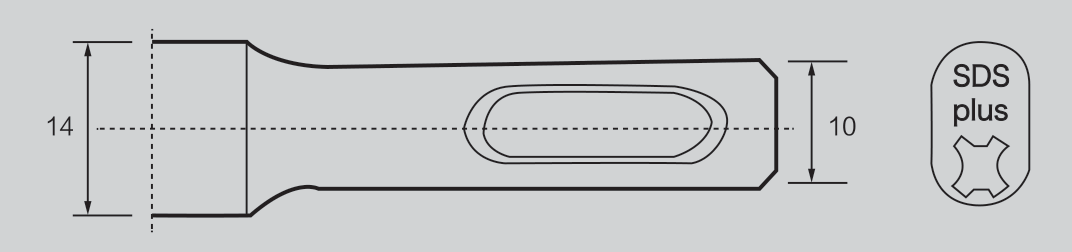
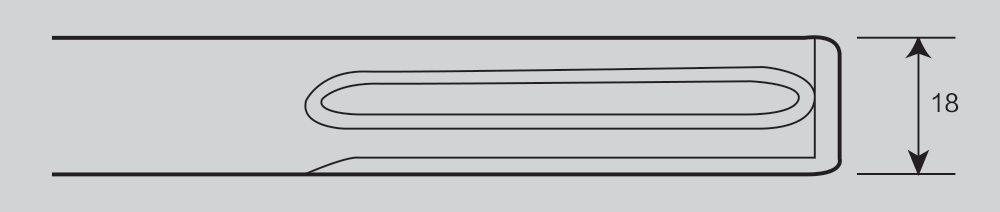
SDS Plus and SDS Max use different holder interfaces. The catalogue interface dimensions are 10 mm for SDS Plus and 18 mm for SDS Max; these shank dimensions are separate from the 20 mm and 25 mm cutting widths.
Use the matching holder and the machine’s chiselling mode. A hexagonal body on an SDS Plus tool does not turn it into a hex-shank hammer accessory. Check working clearance and the required edge orientation in the assembled setup.



Specifications and order configurations
| Interface / body | Working form | Overall length (mm) | Blade / head width (mm) | Enquiry |
|---|---|---|---|---|
| SDS Plus / round body | Standard flat | 140 | 20 | |
| SDS Plus / round body | Standard flat | 250 | 20 | |
| SDS Plus / round body | Self-sharpening flat profile | 250 | 20 | |
| SDS Plus / hexagonal body | Standard flat | 140 | 20 | |
| SDS Plus / hexagonal body | Standard flat | 250 | 20 | |
| SDS Max | Standard flat | 280 | 25 | |
| SDS Max | Standard flat | 300 | 25 | |
| SDS Max | Standard flat | 360 | 25 | |
| SDS Max | Standard flat | 400 | 25 | |
| SDS Max | Standard flat | 460 | 25 | |
| SDS Max | Standard flat | 500 | 25 | |
| SDS Max | Standard flat | 550 | 25 | |
| SDS Max | Standard flat | 600 | 25 | |
| SDS Max | Collared flat | 400 | 25 | |
| SDS Max | Self-sharpening flat profile | 400 | 25 |
Straight edge, width and working reach
The steel chisel body and the working profile are distinct from the holder connection. SDS Plus uses a 10 mm shank diameter; SDS Max uses an 18 mm shank diameter.
Start with the line the edge needs to contact
An SDS flat chisel puts impact along a straight working edge. It suits localized chipping where a defined line of contact fits the task. The useful choice begins with that line: how much material needs to come away, what boundary should remain and what clearance is available for the working end and the hammer. A blade that reaches the work can still be unsuitable if the body or holder cannot line up with the edge. Identify the holder and compare the complete configuration before evaluating a sample.
Select by interface, edge, length and profile
| Ordering decision | What the listed forms provide | What the buyer should verify |
|---|---|---|
| Machine connection | SDS Plus and SDS Max families | Exact hammer holder and approved chiselling mode |
| Contact width | 20 mm listed SDS Plus forms and 25 mm listed SDS Max forms | Width needed at the work and clearance beside retained material |
| Reach | Short and long lengths within the listed rows | Usable reach after insertion and room for the complete assembly |
| Body | Round and hexagonal body options in standard SDS Plus | Body description on the sample and item record |
| Working profile | Standard, specified self-sharpening profiles and a listed collared Max variant | Exact profile geometry and matching table row |
For a Plus order of standard 250 × 20 mm chisels, identify round or hexagonal body explicitly. Another round 250 × 20 mm row carries the self-sharpening profile. A label with only holder, length and width leaves that distinction unresolved. On the Max side, specify the profile for a 400 × 25 mm enquiry because multiple forms share those dimensions. Retain the full description from sample request through reordering.
Use the chart as a list of actual combinations. An order for 600 mm reach and a collared profile does not follow from two separate catalogue rows. Ask for a drawing or an item-specific response when a needed combination falls outside the list. Keep special requests separate from confirmed options in the quotation. This also helps a distributor explain which products can be stocked as listed and which are being evaluated against a separate brief.
Measure space for the complete setup
Overall length includes the shank. Working reach depends on how the accessory engages the holder, the hammer nose and the work area. For a task inside a recess, provide a sketch showing depth and entry clearance. Include the position of the hammer and the surface from which the operator can approach. If the only viable approach is near a corner or fitting, measure the available approach as well as the depth of the spot to be chipped.
For localized removal on an open face, compare a shorter setup with a longer one only after the working edge and connection are agreed. A longer body can extend the edge toward the work, while the installed tool occupies more room behind it. Discuss the application using the actual machine setup rather than specifying length from a photograph of the bare chisel. The 140 and 250 mm Plus options, for example, provide different overall lengths within the same listed width. Use that pair to plan a controlled comparison within the intended machine family.
Choose the first assortment from repeat jobs
Start with the holders that customers already use. Count orders by connection and task before deciding how many lengths to carry. A Plus assortment for local chipping in restricted access can use the short and longer standard rows as distinct stock choices. A Max assortment can add reach options for the intended working positions. Keep width, body and profile in the catalogue record so the sales team can distinguish the rows even when the front of the package shows the same general image.
For a new line, test the smallest useful assortment first. Select jobs that recur in the customer base, document the machine and material, and send the configurations needed for those jobs as separate quote lines. If the distributor wants to evaluate a special form, identify the standard sample it will be compared with and record the outcome the special form should address. A trial that mixes a different holder, different length and different working profile cannot isolate which difference mattered.
A narrow flat edge defines a line of contact, unlike the localized contact of a pointed chisel or the broader face of a scaling chisel. The shaft-to-blade transition and orientation of the edge affect access near a boundary.
The standard SDS Plus range has round-body and hexagonal-body versions. Both connect through SDS Plus shanks. For SDS Max, the collared 400 mm configuration and self-sharpening 400 mm configuration remain distinct from the standard length series.
Application and selection
Use the 20 mm or 25 mm cutting width to describe the intended line of removal. Choose the overall length around access, the position of the hammer and the material that must remain. Longer reach is a configuration choice, not a promised increase in removal capacity.
For distributors selling mixed lengths, keep the interface and width visible on each pack. An order for a “400 mm flat chisel” is incomplete when both standard and other profiles are involved. Name the profile as well as the length.
Where the task needs broader surface contact, compare a scaling chisel instead of treating a narrow flat chisel as an interchangeable substitute for every wide blade.
Flat vs Tile vs Scaling
Flat, tile or scaling for the removal sequence
A straight flat edge is useful where a local projection or narrow section of concrete or masonry needs a line of contact. Identify the amount of material to remove and whether an adjacent surface must remain. For lifting tiles, the blade must approach the boundary between the tile and bedding. The tile-removal range provides specific forms for that approach, including bent profiles. For a broad exposed surface, compare a scaling chisel when the width of the working strip and clearance make a broader straight edge relevant.
These are also useful distinctions in a single job. A contractor may lift the covering, chip isolated hard ridges and then assess whether the exposed surface needs broad removal. Ask which operation the buyer wants to stock for. A product request described as “tile renovation” could be for a tile blade or for a flat chisel used later in the sequence. Confirm the stage and contact geometry before recommending a range. Where material is difficult to start breaking in a localized spot, a pointed working end is a separate option to evaluate.
Manufacturing Process
The steel chisel configuration is defined by its connection, shaft/body form, working-edge profile, overall length and blade width. Keep those features together when maintaining a branded or distributor item description.
Standard, self-sharpening and collared versions retain separate order identities even when their dimensions coincide. This preserves the intended working form through repeat purchasing.
Link the inspection brief to the order
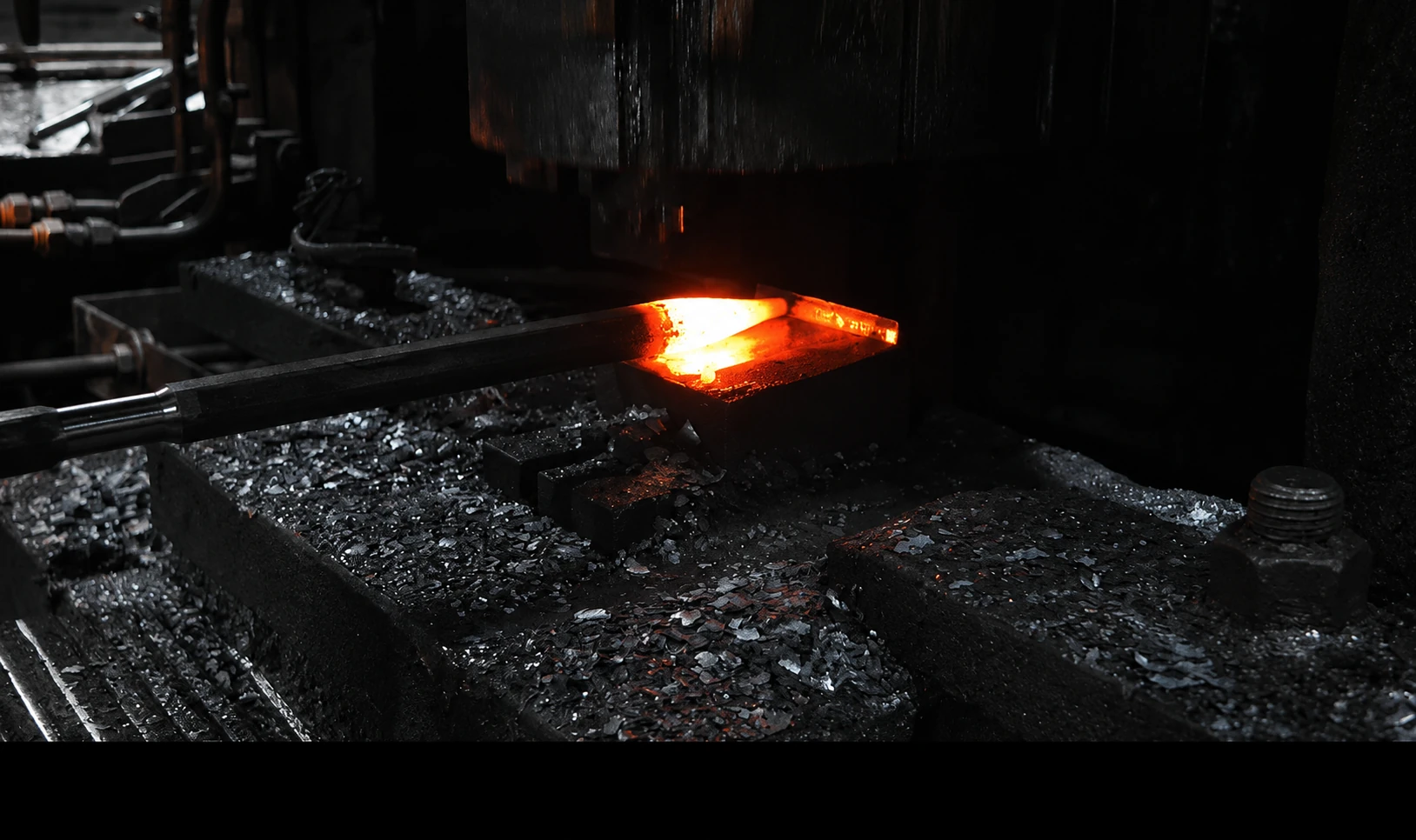
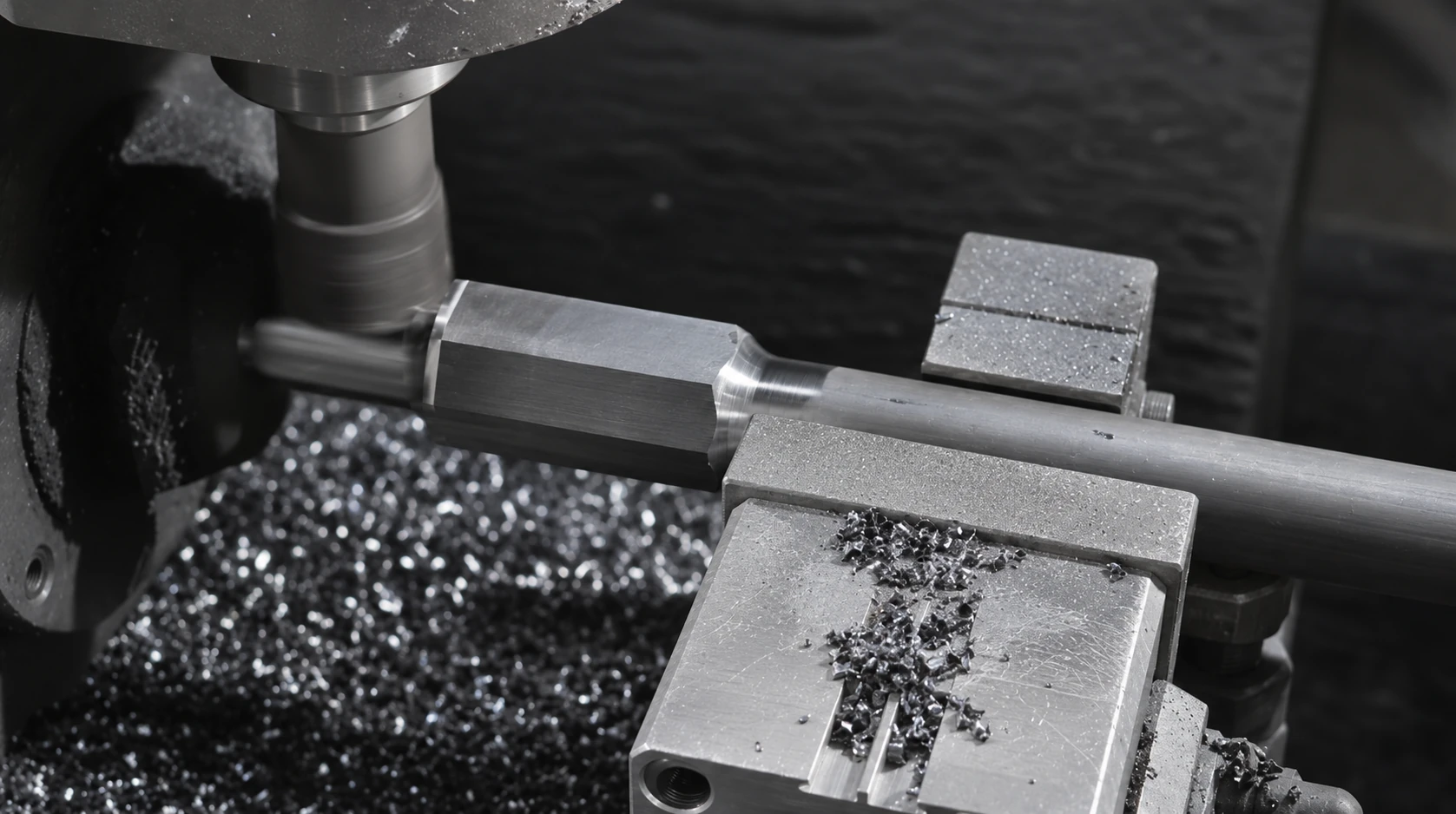
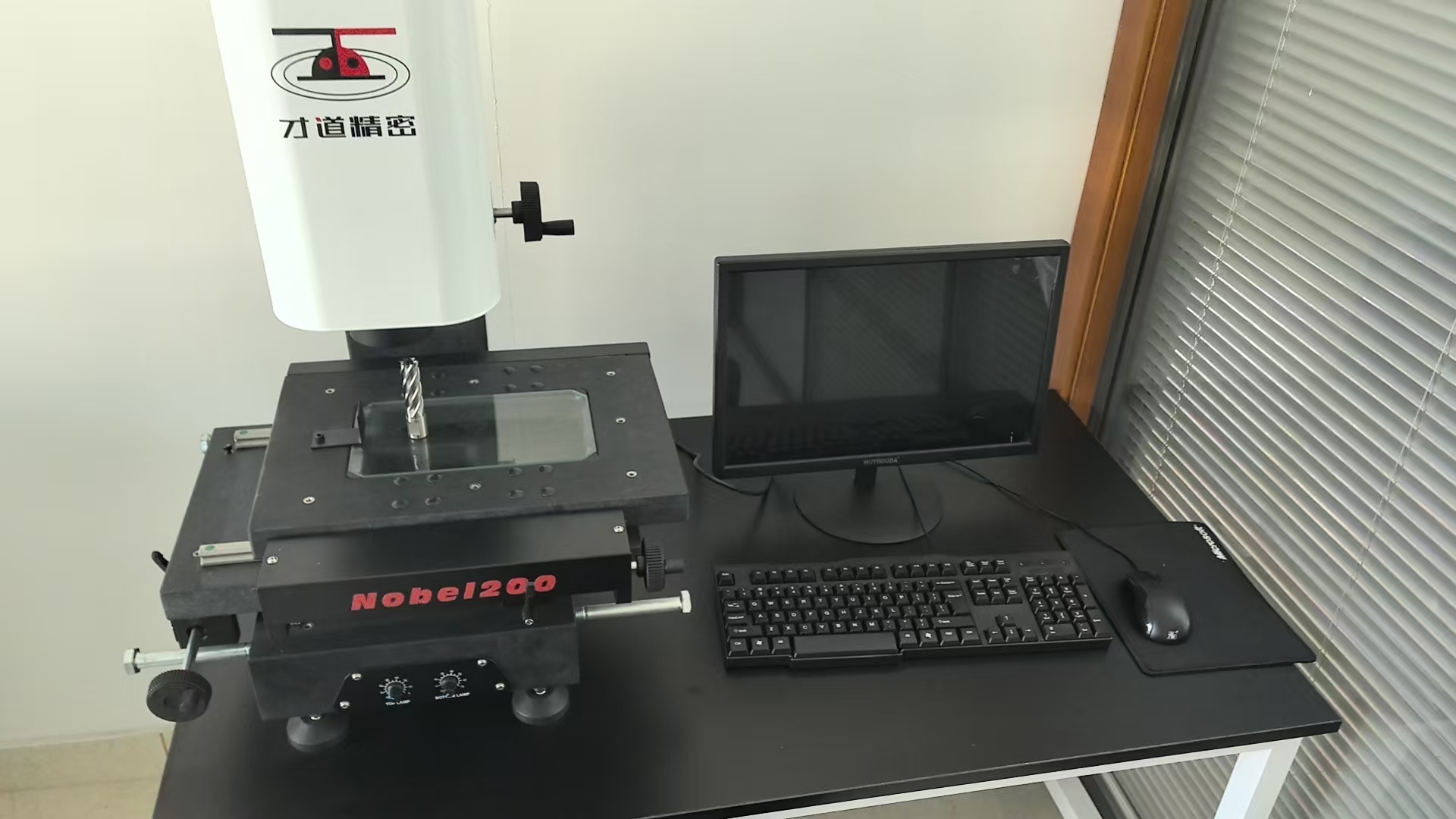
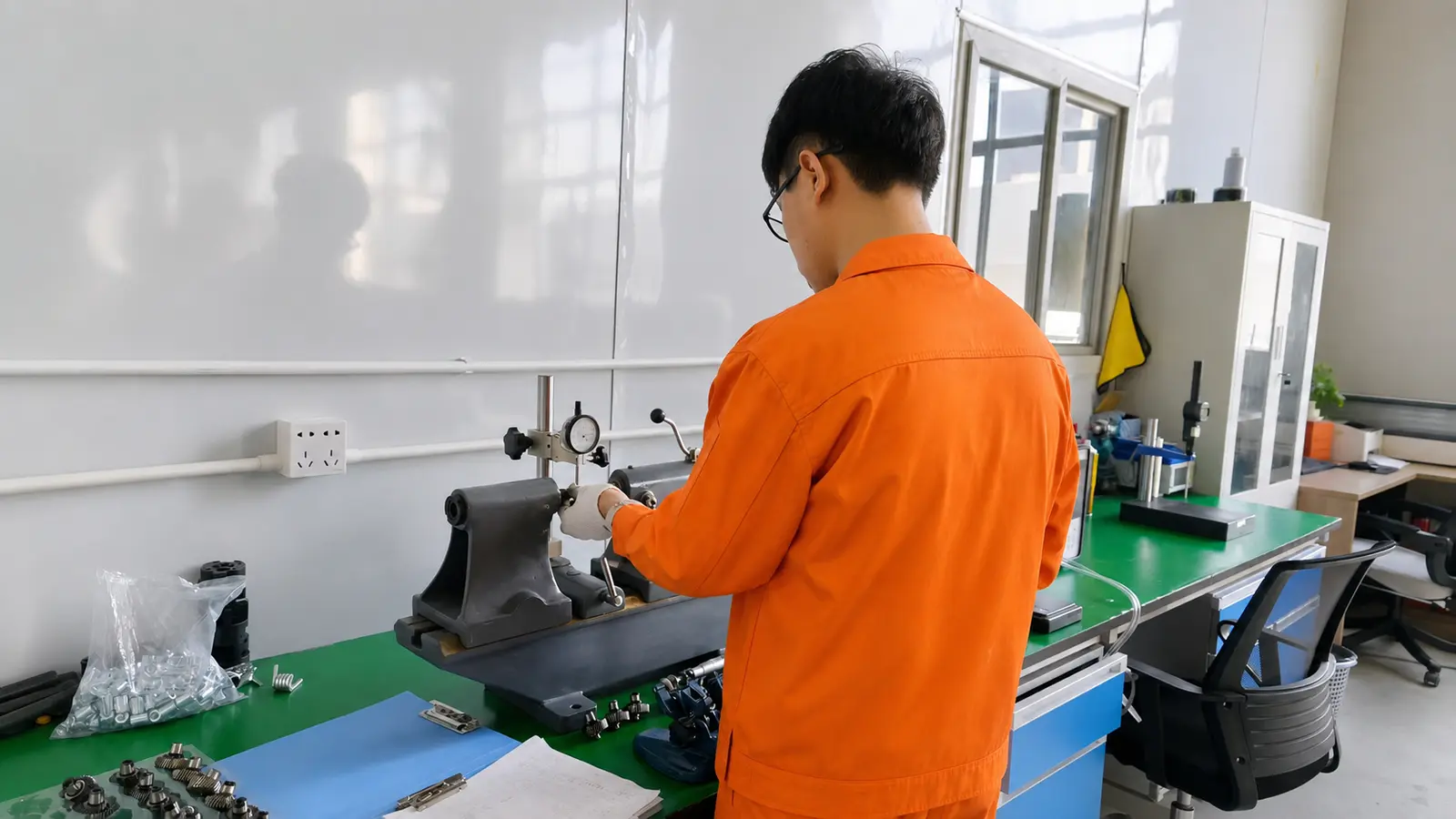
AXIMET's shared SDS and masonry production evidence includes forming, heat-treatment equipment, machining and finishing. For a flat-chisel purchase, the relevant questions concern how the connection and the straight working edge are represented in the approved configuration. Ask which drawing identifies the delivered form and which sample will act as the reference for later orders. Maintain the shank, body and edge fields separately so a change to one is visible during review.
The factory inspection examples show optical measurement, hardness equipment and component checks across the range. For the selected flat form, request the dimensions, geometry and any additional checks that matter to the purchase. State any required method, acceptance value and sampling arrangement in the enquiry. Agree on what records can accompany the sample or order. A buyer with a particular durability or finish requirement should explain the material and application used for acceptance.
Quality Control
For acceptance, compare overall length, edge width, edge symmetry, straightness and the correct connection. Include the blade orientation and shaft-to-head transition in a sample comparison, particularly when the tool is intended to work beside a retained edge.
A task trial should evaluate control at the required boundary as well as material removal. Keep the machine, material and chosen profile in the trial record so the comparison remains meaningful for repeat orders.
What to review on the working end
For sample approval, identify how the straight edge is measured and record its relationship to the body and shank. Ask for a clear face view and side view if the offer uses a series photo. An image can show the form but often cannot show edge thickness, bevel or an accurate width. Compare the drawing and the sample with the same definition of length and width. For a profile-sensitive order, document which dimensions distinguish the standard and special heads.
A collar visible on a tool is a useful identifying feature. Keep it in the description alongside the holder and dimensions. It should never substitute for the complete shank description. Likewise, the self-sharpening designation identifies the specified form in the catalogue. Decide what trial evidence the buyer needs before making a performance claim about a particular operation. Compare specimens under the same machine and material conditions and record the initial profile and the condition after the agreed evaluation.
OEM & Packaging
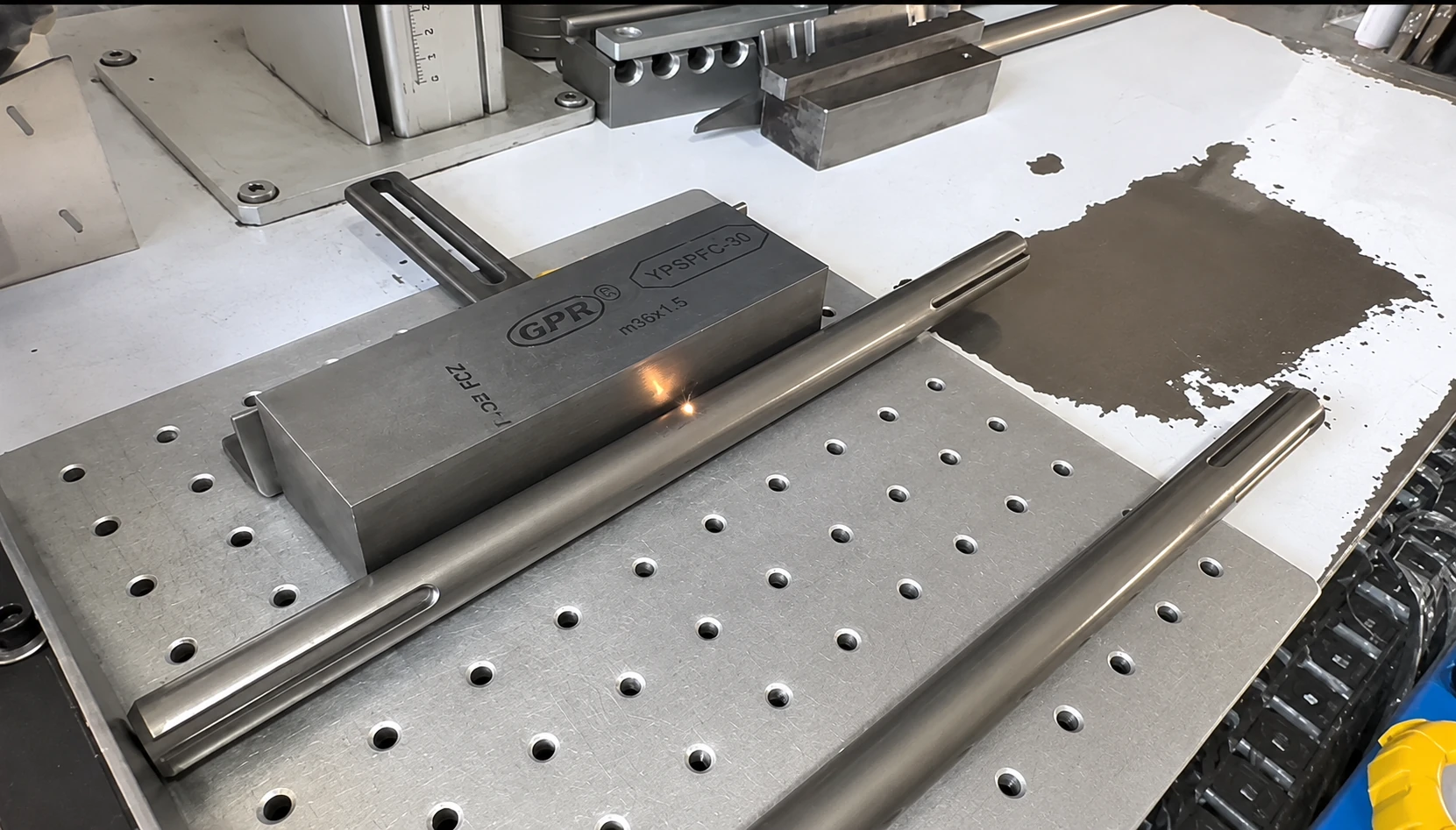
Private-label flat-chisel enquiries should identify each profile and length before marking artwork is assigned. Specify the logo location and the size information to appear on the pack. Keep the working edge and retention features separate from the proposed marking area.
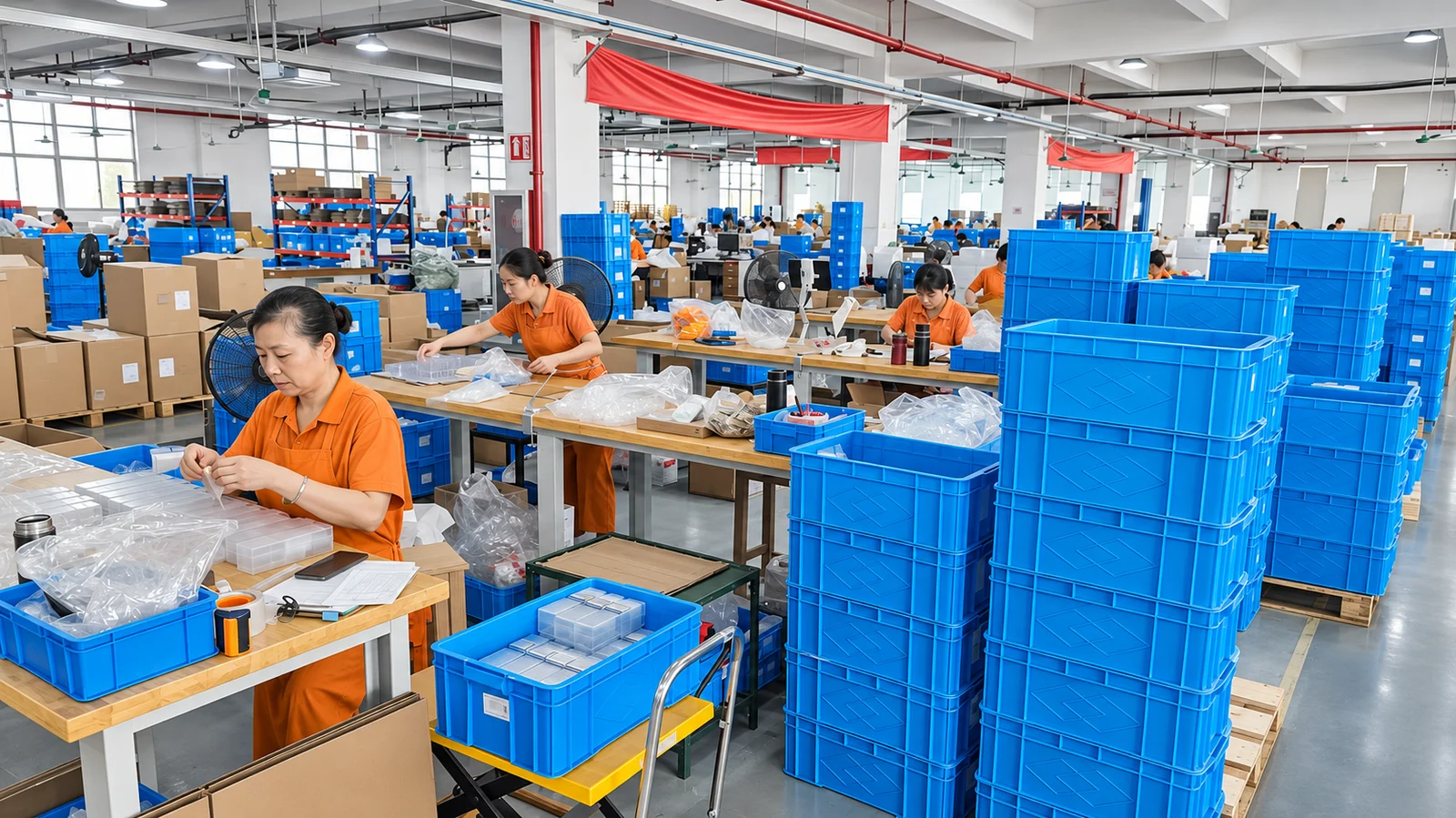
State whether the order is a single-size line or a mixed-length assortment. List pack quantities by interface, body form, profile and length, with the required edge protection and label information. For SDS Max assortments, do not label all 400 mm tools as the same profile.
Use one order line for each table row required. For example, a standard 250 × 20 mm SDS Plus round-body chisel and a self-sharpening 250 × 20 mm version have matching nominal dimensions but different cutting forms. Keep both descriptions in the order.
Design the label for warehouse selection
A private-label programme may carry several flat forms of equal width and length. Use a short front label for recognition and a complete item record for picking and repeat orders. A buyer item code should resolve to one row, including connection, body where specified, profile, length and width. Keep the artwork and any marking position distinct from the technical drawing. Review how the mark will be read when the tool is packed and how the item code will appear on the outer carton.
On an assortment order, give counts for each configuration and pack style. Define whether different items can share an outer carton and how each inner pack will be identified. If a distributor sells the standard and special forms separately, keep them on separate order and receiving lines even when the front photographs look similar. Review a pack sample against the item list before repeating the artwork across different sizes.
Prepare the line description for repeat purchasing
The purchasing record should tell the warehouse what to pick and tell the technical team what to approve. A short label can name a flat chisel and its holder. The order line should also carry the complete width and length, body where specified, working profile and quantity. Use the full description when requesting samples and again when approving a new packing layout. If a retailer's naming system allows only a few characters, use a buyer item code tied to the full specification.
When reviewing offers from different suppliers, compare equivalent rows first. Confirm whether the quoted length is overall length, whether the width refers to the working edge and how each offer identifies the profile. Check whether the item is quoted loose or in a specified pack. Ask for the same documentation and sample scope before comparing prices. For repeat orders, refer to the accepted configuration and pack record, then identify any revision separately.
Frequently asked questions
What widths are listed for SDS Plus and SDS Max flat chisels?
The SDS Plus flat chisels listed here have 20 mm blades. The SDS Max flat chisels have 25 mm blades. Blade width is separate from shank diameter.
Does a hexagonal body mean a hex-shank connection?
No. The hexagonal-body configurations in this table use SDS Plus connections. Body cross-section and holder interface describe different parts of the tool.
Is every flat-chisel profile available in every length?
No. The table lists the actual combinations. For example, the SDS Max standard series spans 280–600 mm, while the listed collared and self-sharpening versions are 400 mm long.
Should standard and self-sharpening versions share an order line?
Keep them separate. Where length and width coincide, the working profile still distinguishes the configuration.
When should a buyer compare a scaling chisel?
Compare a scaling chisel when the task calls for a broader working face. A narrow flat edge is useful for a defined removal line; a wider blade changes contact and access requirements.
Get a Wholesale Quote
In the message field, list the interface, body form, standard/collared/self-sharpening profile, overall length and quantity per configuration. Add the machine, work material, pack quantities and marking requirements.