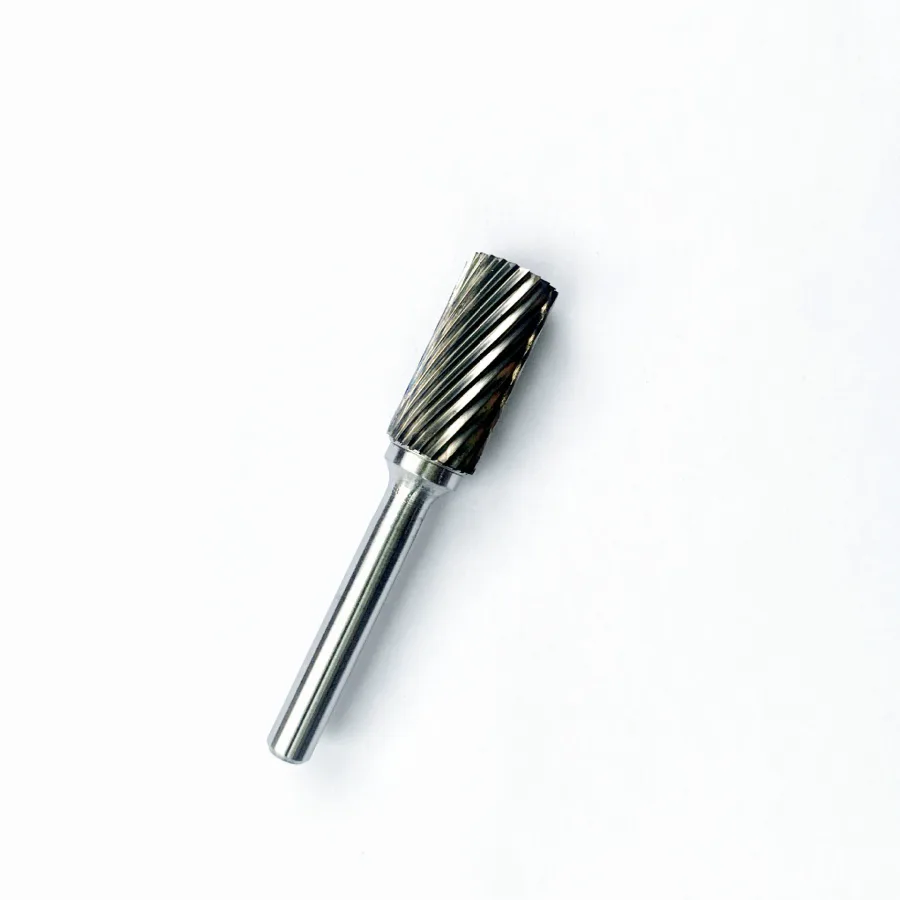
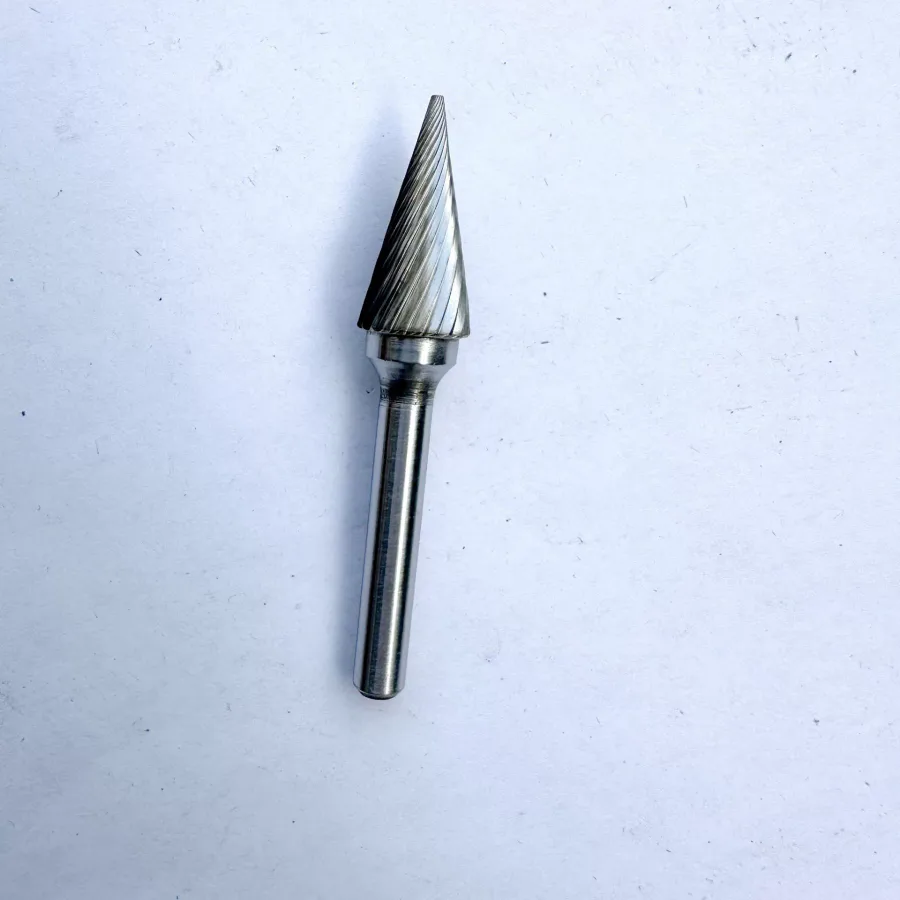
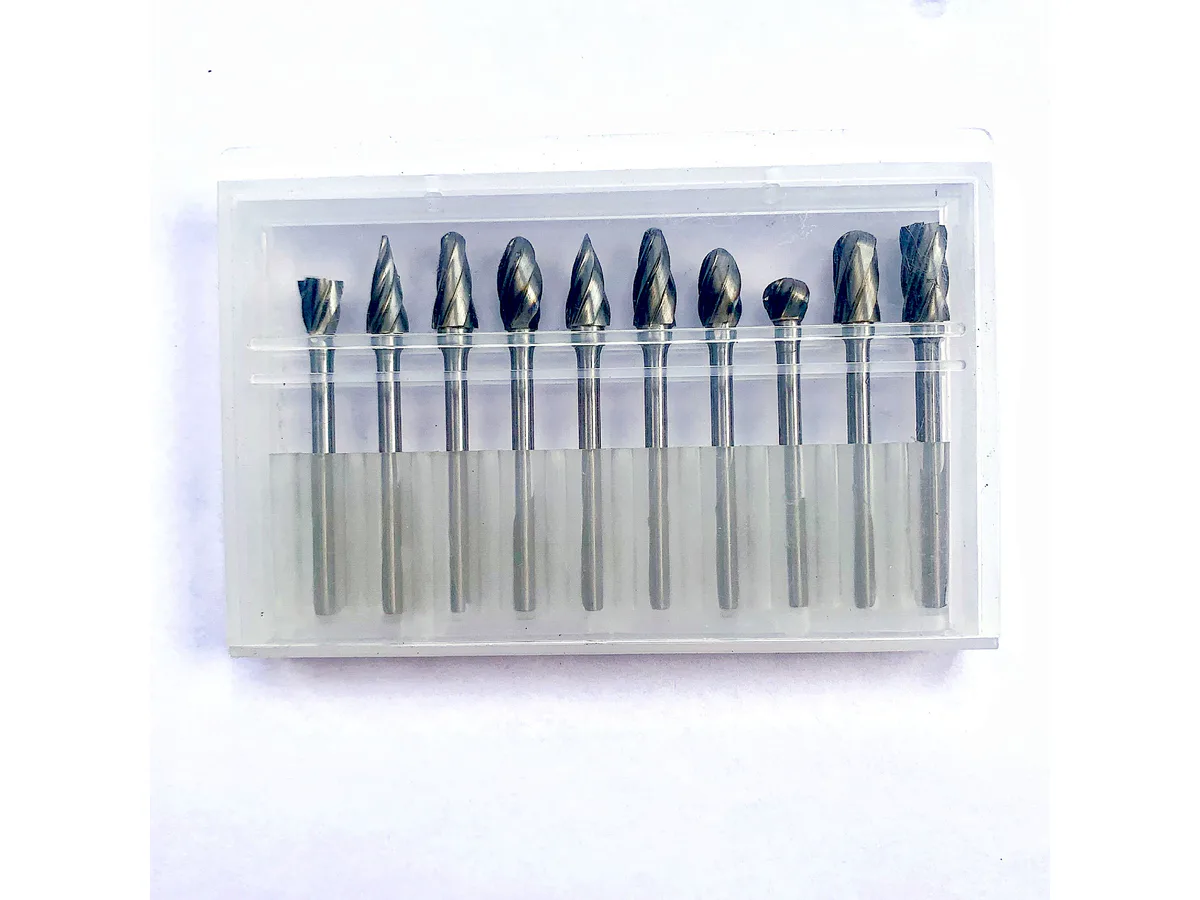
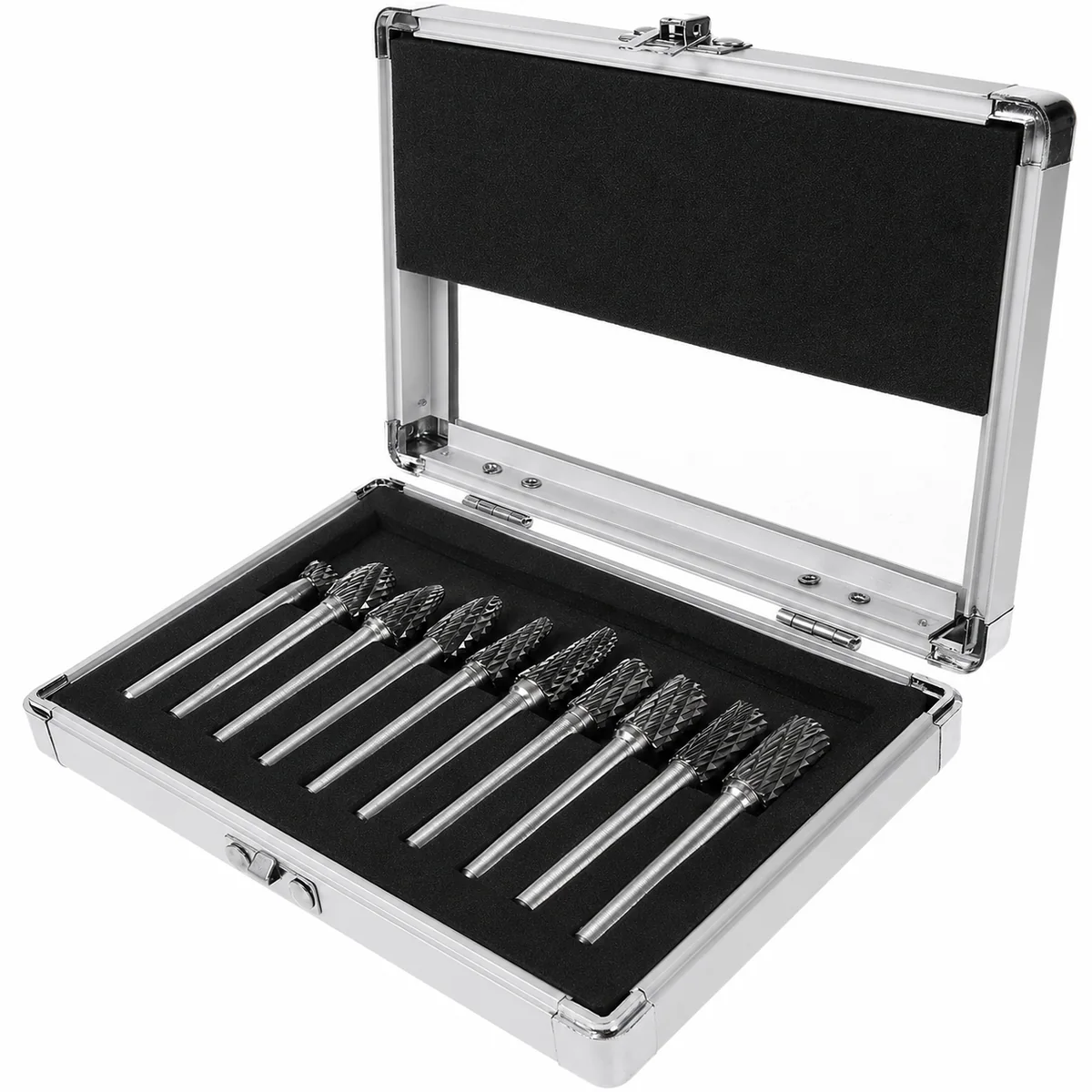
Cylindrical Profiles for Faces and Shoulders
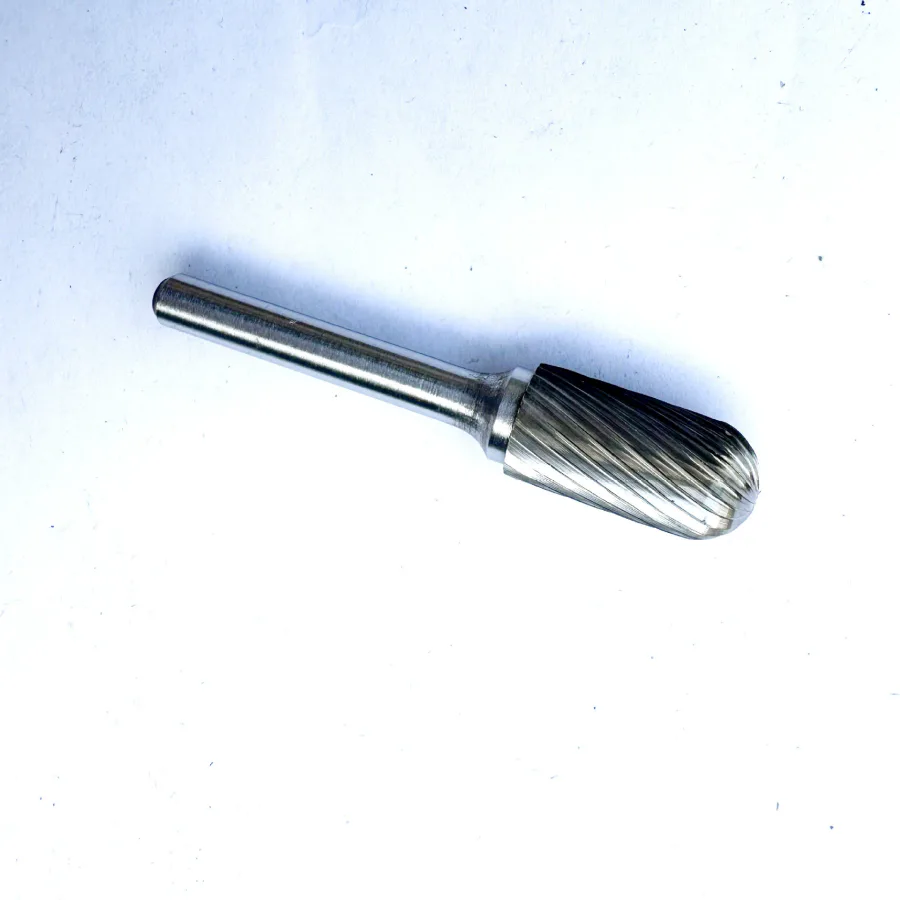
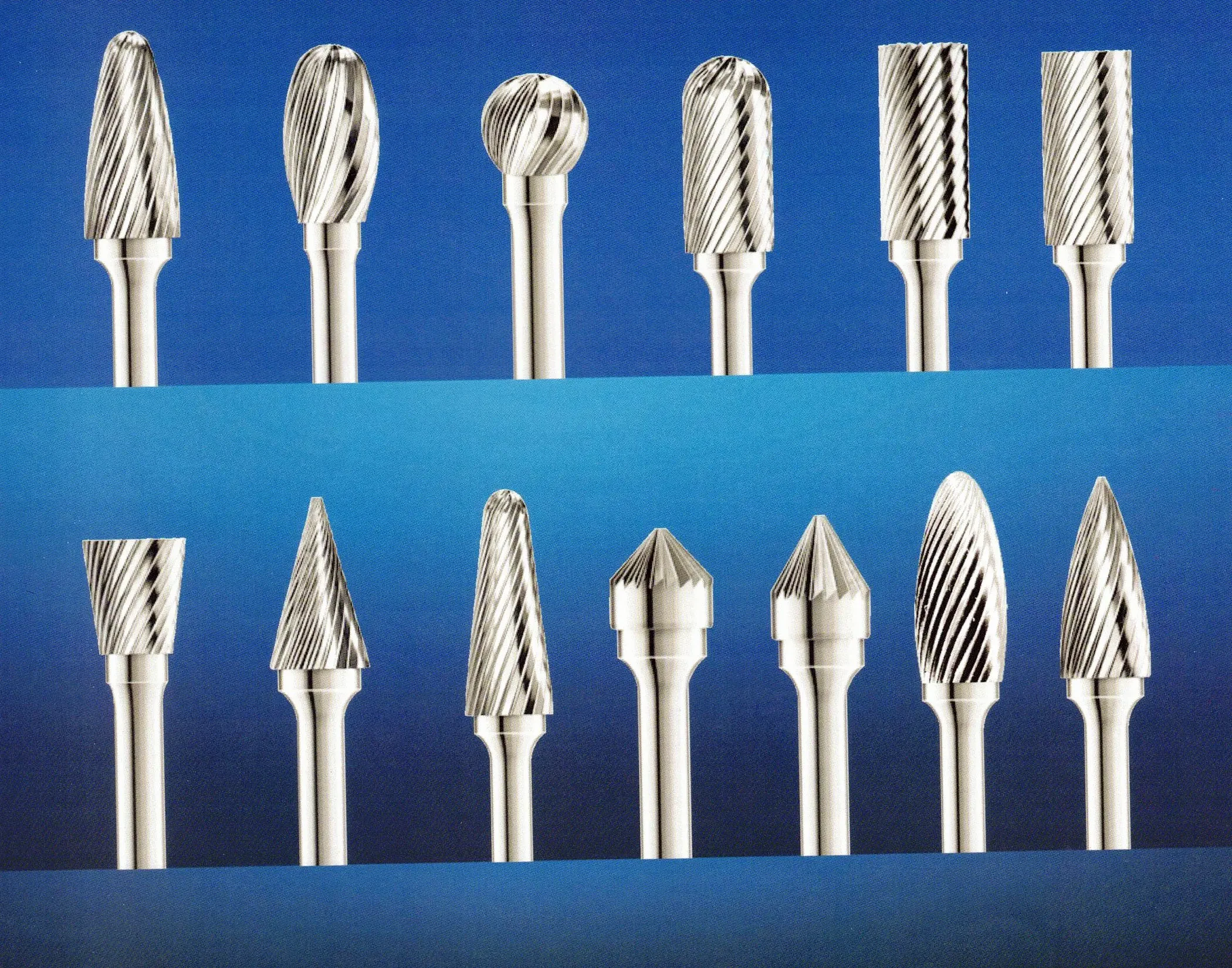
SA, SB and SC shapes suit accessible faces, straight edges, weld reduction and shoulder transitions. Confirm whether the end must cut before choosing a flat-end or radius-end version.

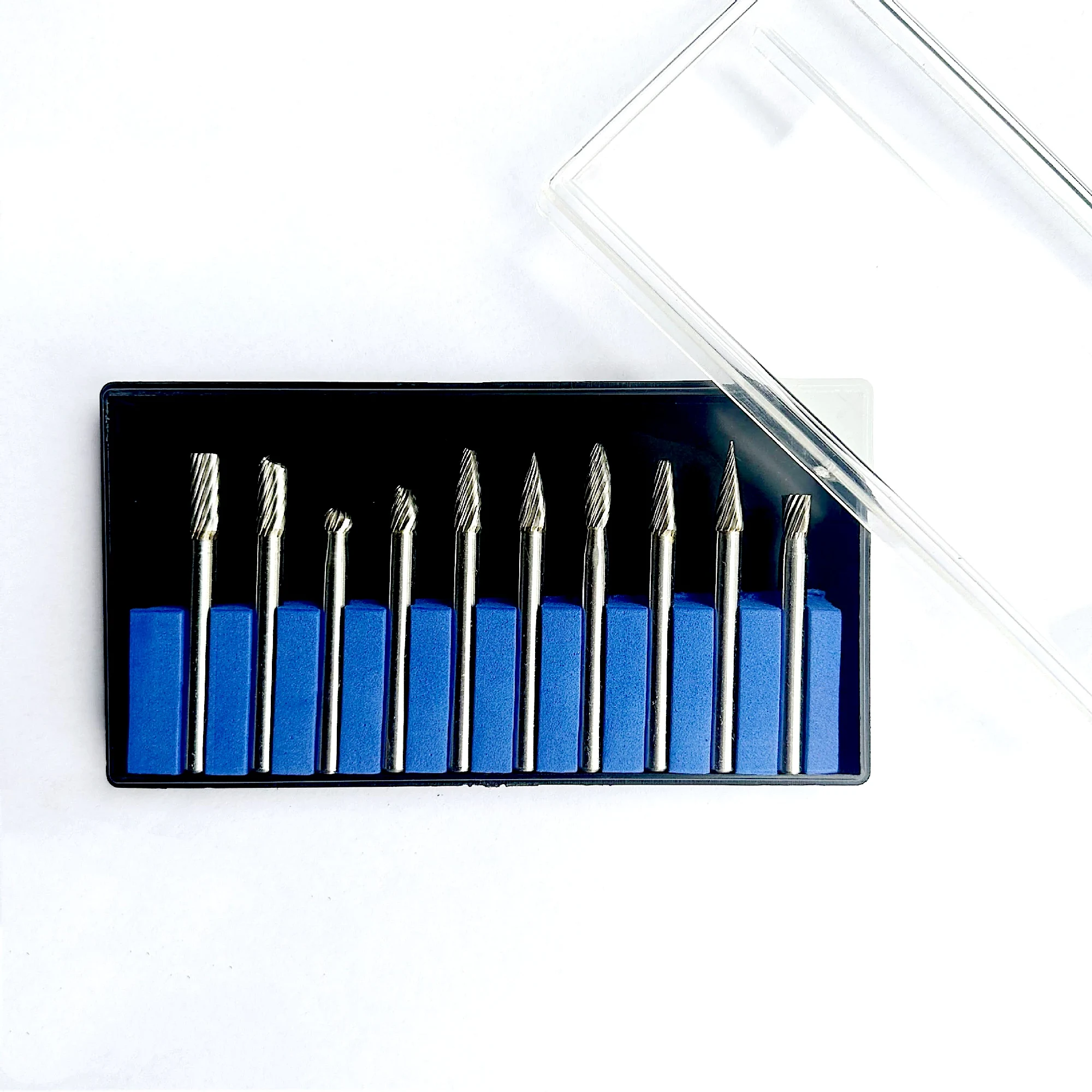
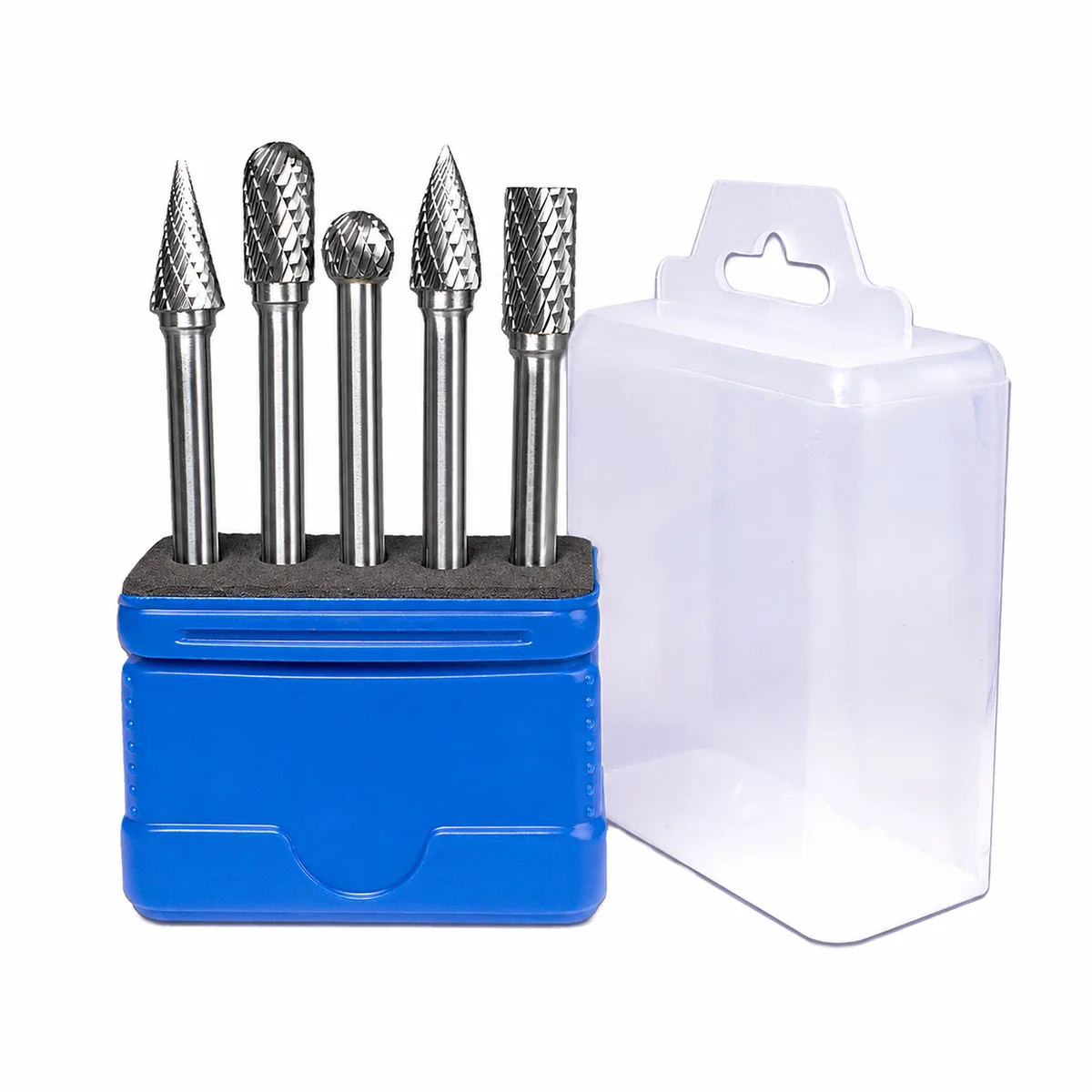
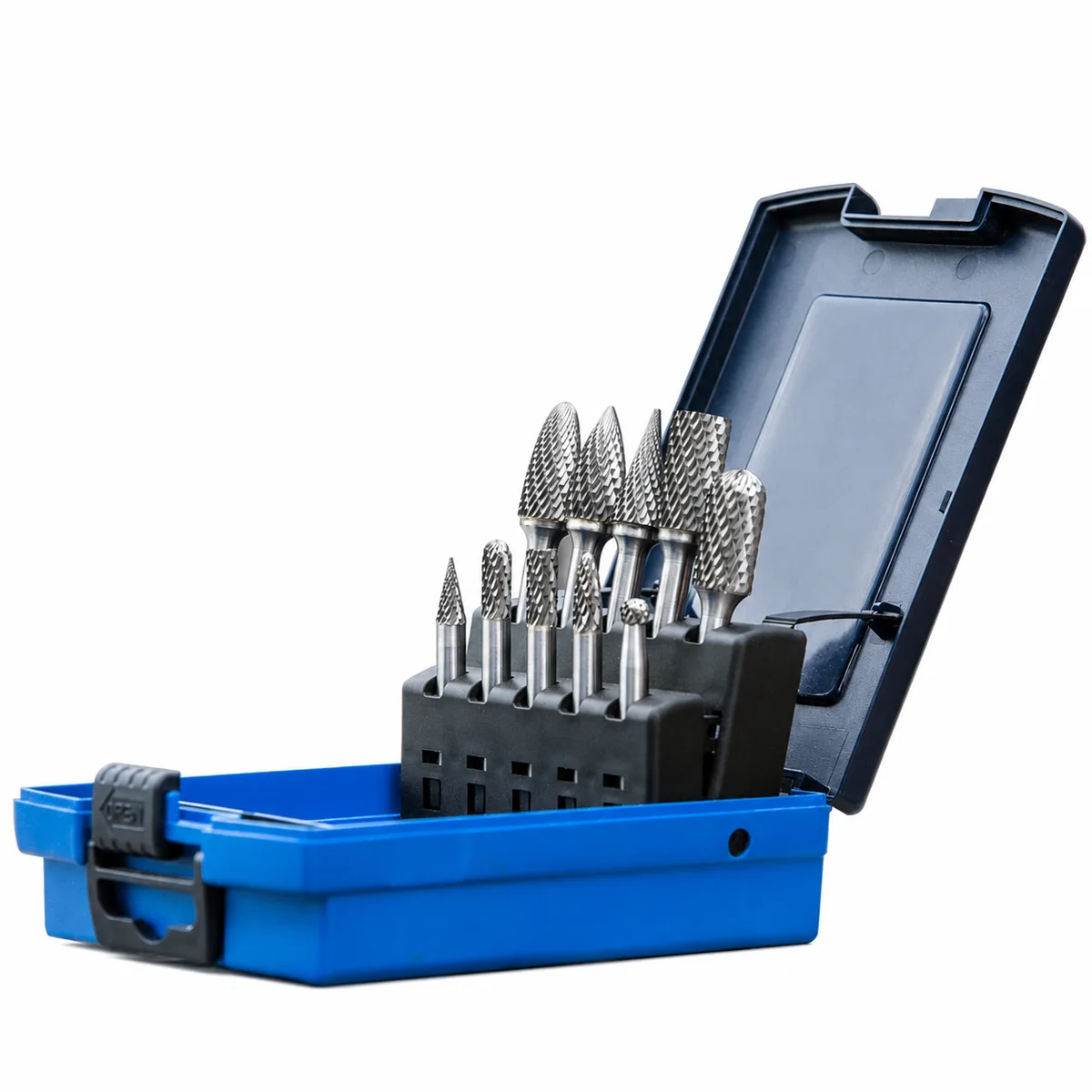
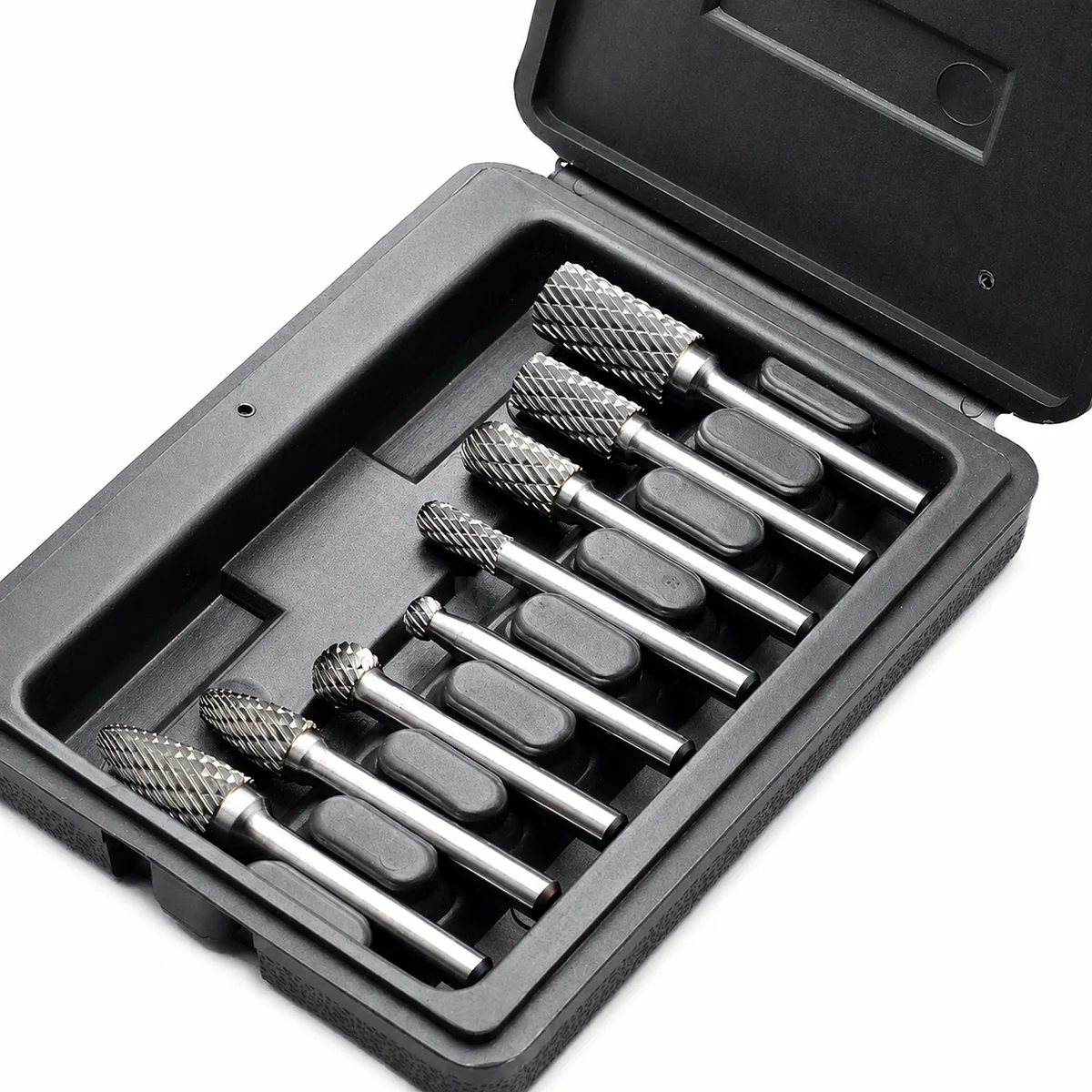
Tungsten Carbide 6mm Rotary Burrs are designed for compatible metric die-grinder collets used in fabrication, foundry, maintenance and tool-room work. The range covers SA-SN shapes, head diameters from 3 to 16 mm, standard cutting lengths and single, double or aluminum-cut geometries. YG8 or YS2T carbide head options are silver-brazed to steel shanks, while model-level inspection links the head size, cut, overall length and shank specification to each replacement SKU. Importers should approve the complete burr-and-collet system instead of testing the cutting head in isolation.
Each product option remains connected to its corresponding record so buyers can build a controlled assortment.

SA, SB and SC shapes suit accessible faces, straight edges, weld reduction and shoulder transitions. Confirm whether the end must cut before choosing a flat-end or radius-end version.

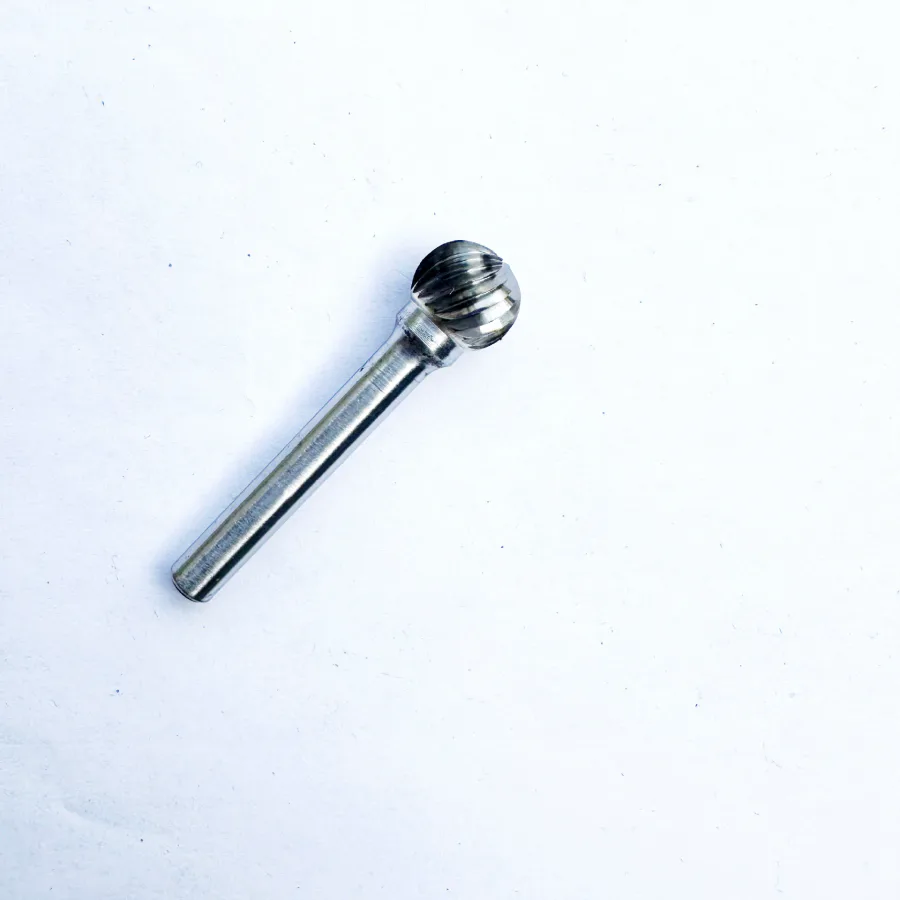
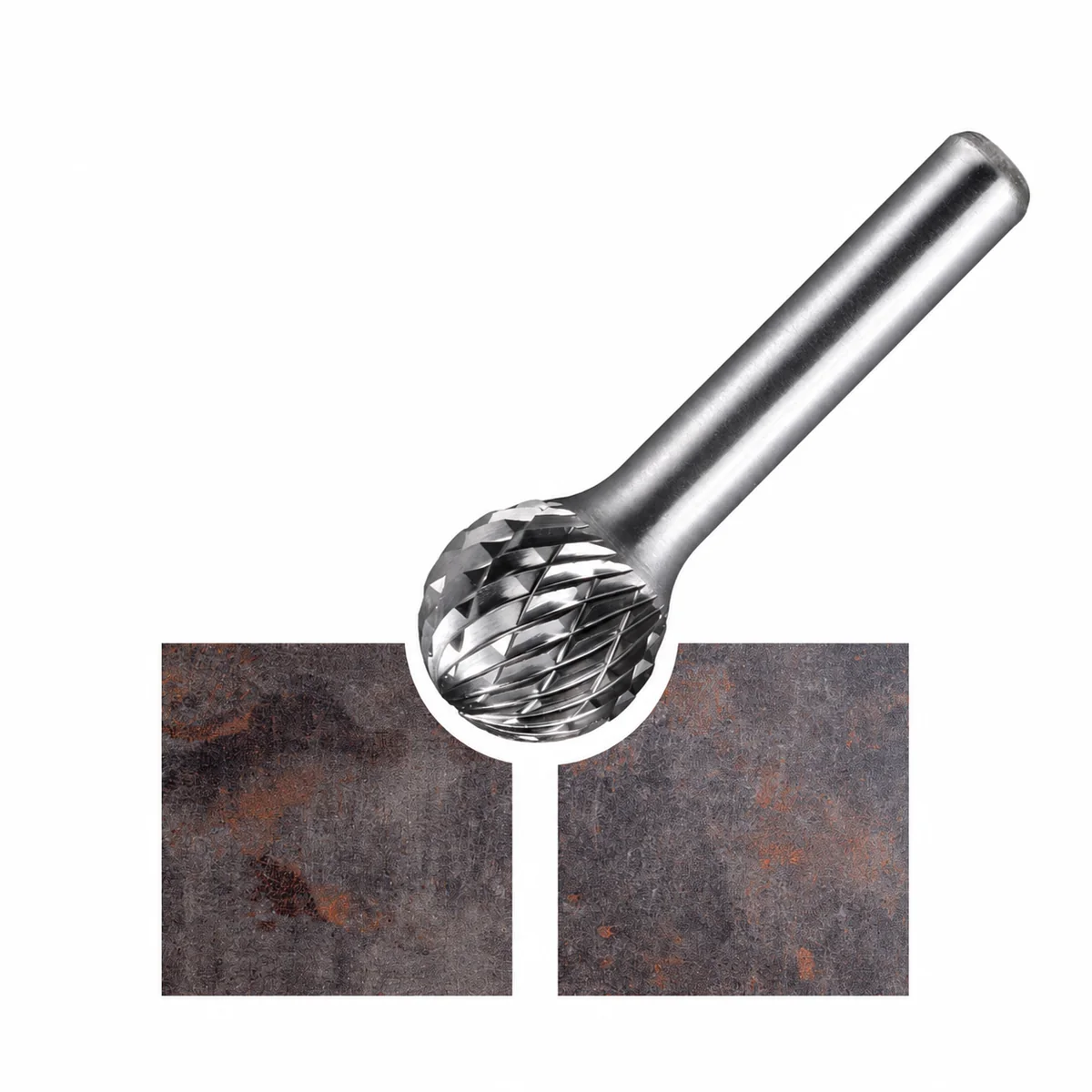
SD and SE shapes follow internal radii, curved castings and cavities. Head diameter should enter the feature without forcing the shank or rubbing nearby finished surfaces.

SF, SG and SH shapes reach fillets, weld toes and irregular contours. Avoid carrying the full load on a pointed tip because concentrated contact can increase chatter.

SJ-SN shapes support groove cleanup, back-edge work and controlled blending. A guided cutter remains preferable when a drawing requires a precise, repeatable angle or seat.
A 1/4-inch collet is nominally 6.35 mm, which is 0.35 mm larger than a 6 mm shank. Even when the nut appears able to tighten, safe grip depends on the collet's documented clamping range and condition. The clean solution for a metric product range is a genuine 6 mm collet assembly approved for the grinder model.
Choose a model that accepts a manufacturer-approved 6 mm collet and covers the required RPM band. Stable bearings, adequate power and a sound spindle are more important than headline wattage alone.
Confirm that the fixed no-load speed suits the intended head diameters and materials. A single-speed machine can be a poor match for a broad 3-16 mm range.
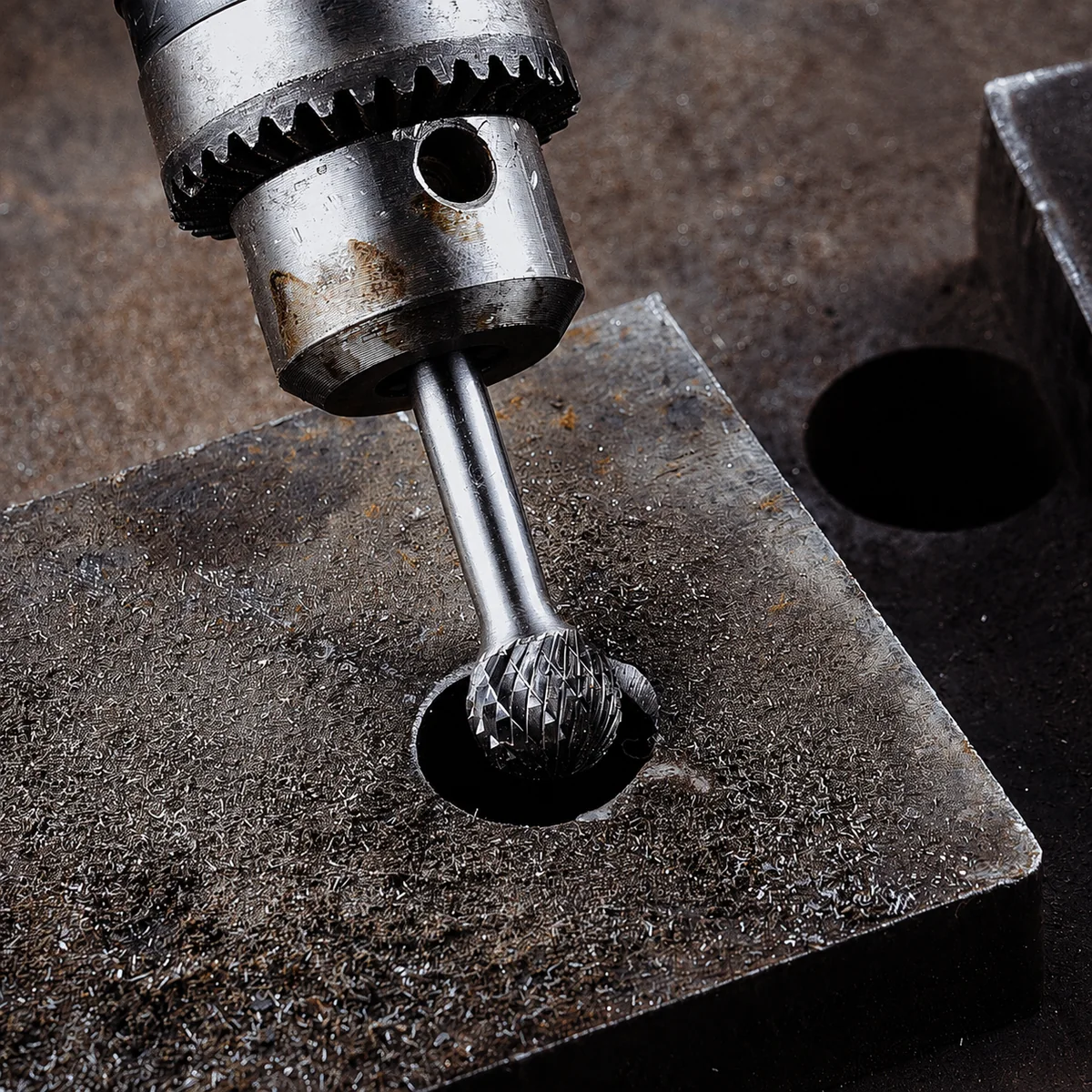
Use a grinder with a true 6 mm collet, suitable rated speed and adequate air supply. Hose size, regulator setting, tool condition and loaded speed all affect the real operating result.
Verify the available 6 mm collet accessory, speed range, battery platform and duty cycle. A tool supplied with a 1/4-inch collet is not automatically ready for a 6 mm shank.
| Component | What the Buyer Must Confirm | Incorrect Assumption to Avoid |
|---|---|---|
| 6.00 mm burr shank | A true 6 mm collet or an explicitly approved clamping range | That every 1/4-inch collet will close safely on 6 mm |
| 1/4-inch collet | Nominal size is 6.35 mm and must follow its stated accessory range | That 6 mm and 6.35 mm are interchangeable labels |
| Replacement collet | Correct grinder model, spindle interface, cone and locking nut | That an unbranded collet with the same printed size will fit |
| Reducer or adapter | Use only a grinder-manufacturer-approved part | That foil, improvised sleeves or field shims are acceptable |
| Extended shank | Reduced speed, rigid clamping and model-specific instructions | That standard-length RPM remains valid at greater overhang |
Request the 6 mm Model Matrix
Send Selection Requirements →Build a metric burr range around a true 6.00 mm shank - with verified collet compatibility, diameter-based speed guidance, multiple cuts and OEM identification for repeat industrial supply.
The model record, laser mark and packaging identify the shank as 6.00 mm rather than using 6 mm and 1/4 inch as interchangeable marketing terms.
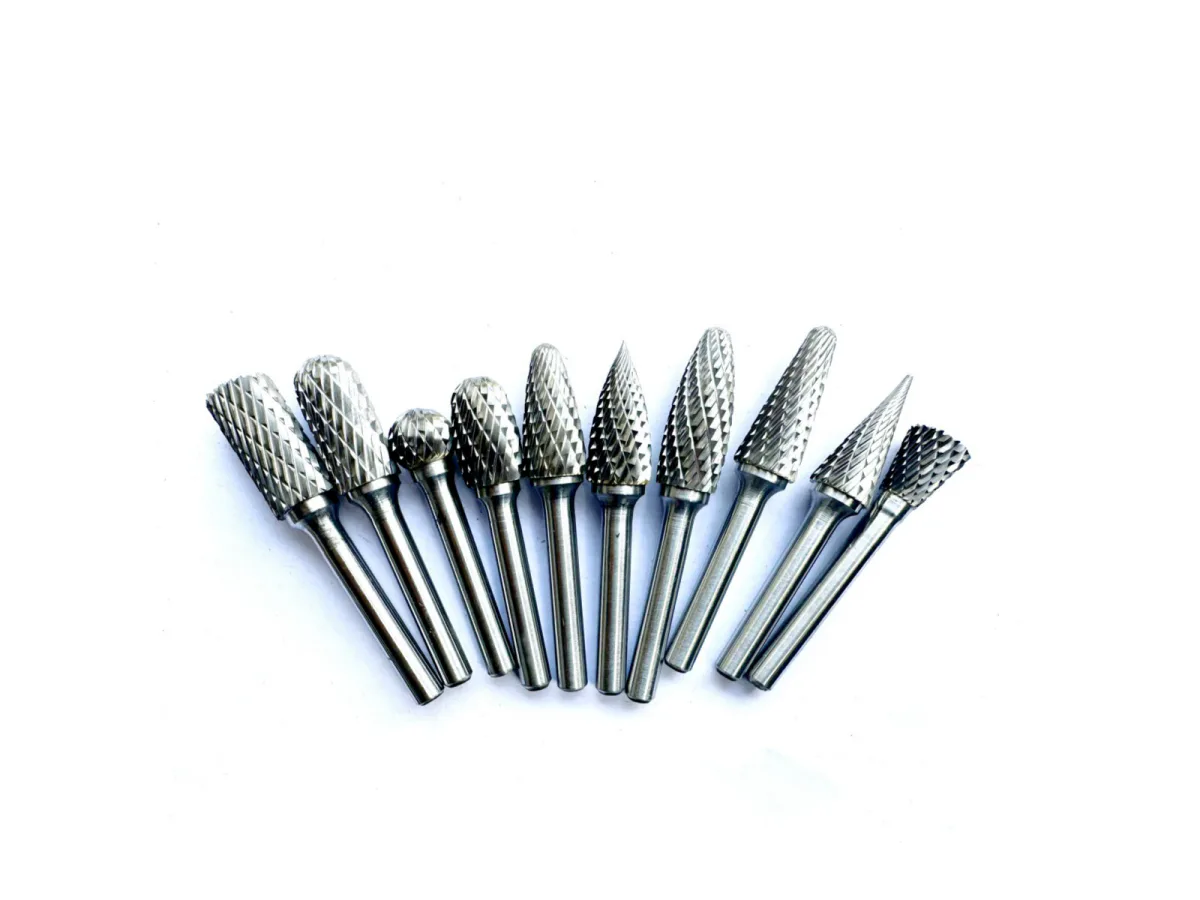
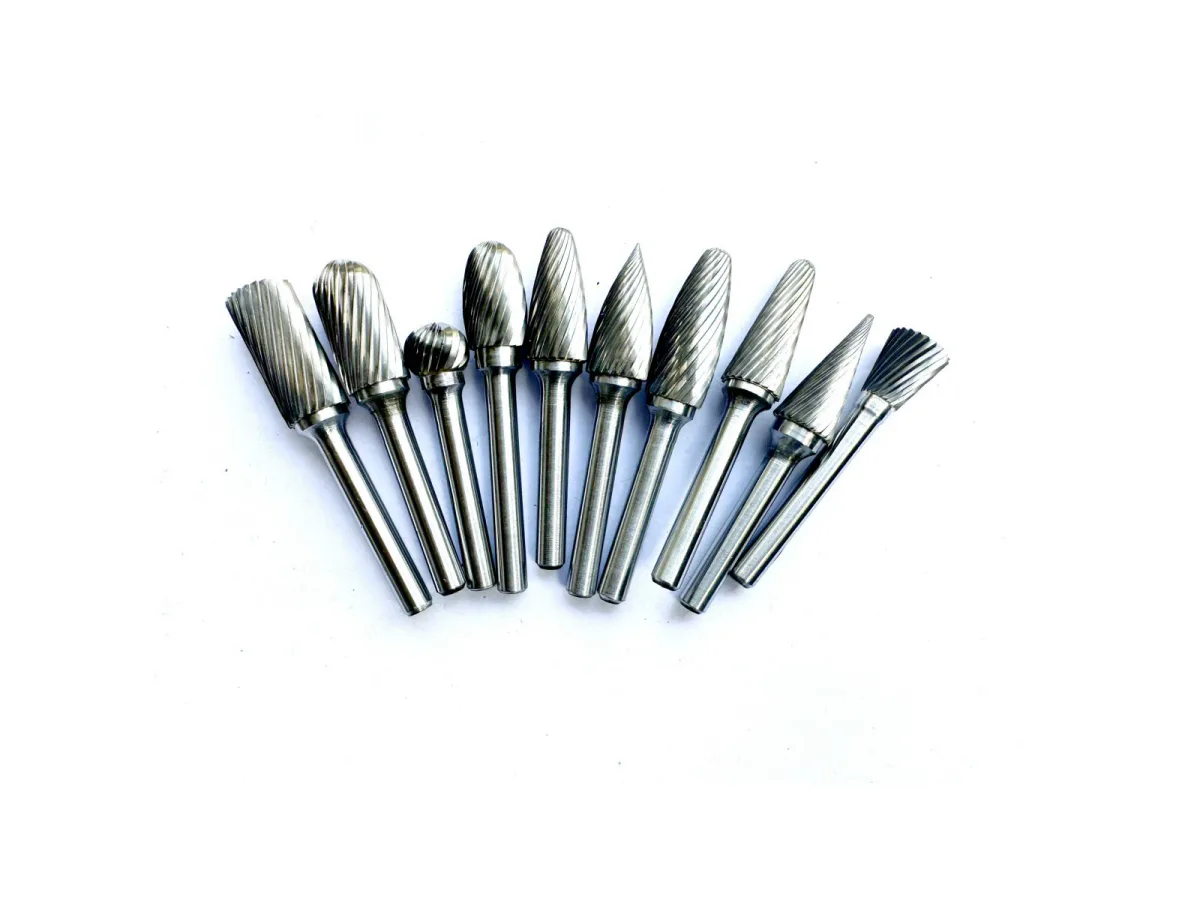
Cylinder, ball, oval, tree, flame, cone and taper profiles cover flat work, radii, fillets, grooves and restricted features.
A 3-16 mm head range lets distributors match access, contact width and stock-removal demand without changing the metric shank platform.
Carbide grade, joint alignment, braze coverage and shank straightness are linked to the approved production specification.
Every burr in an assortment remains available under its own shape, cut and dimension code.
Individual sleeves, plastic cases, foam trays, barcodes and private-label artwork can be organized around the target market's metric grinder base.
Build a metric burr range around a true 6.00 mm shank - with verified collet compatibility, diameter-based speed guidance, multiple cuts and OEM identification for repeat industrial supply.

Choose a model that accepts a manufacturer-approved 6 mm collet and covers the required RPM band. Stable bearings, adequate power and a sound spindle are more important than headline wattage alone.

Confirm that the fixed no-load speed suits the intended head diameters and materials. A single-speed machine can be a poor match for a broad 3-16 mm range.

Use a grinder with a true 6 mm collet, suitable rated speed and adequate air supply. Hose size, regulator setting, tool condition and loaded speed all affect the real operating result.

Verify the available 6 mm collet accessory, speed range, battery platform and duty cycle. A tool supplied with a 1/4-inch collet is not automatically ready for a 6 mm shank.
Build a metric burr range around a true 6.00 mm shank - with verified collet compatibility, diameter-based speed guidance, multiple cuts and OEM identification for repeat industrial supply.
| Material or Objective | Cut Starting Point | Buyer Validation |
|---|---|---|
| General steel deburring | Double cut | Chip size, control, removal rate and surface result |
| Open stock removal | Single cut or aggressive double cut | Tool power, chatter and operator control |
| Stainless steel | Controlled double cut | Heat, work hardening, tooth wear and grade-specific trial |
| Aluminum and non-ferrous | Open-flute aluminum cut | Chip evacuation, loading and lubricant policy |
| Closer surface preparation | Finer controlled cut | Whether an abrasive finishing step is still required |
Build a metric burr range around a true 6.00 mm shank - with verified collet compatibility, diameter-based speed guidance, multiple cuts and OEM identification for repeat industrial supply.
Request the 6 mm Model Matrix
Compare for My Program →Each guide below preserves the page-specific purchasing information, limits and qualification notes supplied for this product collection.
Head diameter, workpiece material, cut geometry and unsupported length all affect the correct speed. The following bands are practical qualification starting points for standard-length burrs with limited overhang; they are not maximum-speed claims. Use the lower end for stainless steel and harder alloys, and never exceed the ratings of the burr, collet or grinder.
A grinder rated only to 25,000 rpm may suit larger heads but may not place a small head in its efficient cutting range. Conversely, high-speed air grinders require deliberate speed control for larger heads. Distributors should map each burr group to a realistic grinder speed envelope before publishing one universal RPM statement.
| Head Diameter | Qualification Starting Band | Grinder and Process Check |
|---|---|---|
| 3 mm | 30,000-50,000 rpm | Confirm the grinder can reach the required band without excessive runout |
| 6 mm | 30,000-45,000 rpm | Check cut, material and actual no-load speed under the approved setup |
| 8 mm | 20,000-35,000 rpm | Validate chip formation, vibration and available power |
| 10 mm | 15,000-30,000 rpm | Control contact width, dwell and remaining surface |
| 12 mm | 11,000-25,000 rpm | Use firm support and compare heat, chatter and removal rate |
| 16 mm | 9,000-20,000 rpm | Keep overhang low and confirm head-to-shank stability |
As a general clamping rule, insert at least two-thirds of the available shank length unless the burr or grinder instructions require more. Do not clamp on the braze area, and do not extend the burr farther than necessary to reach the work.
Provide the target market, common grinder models, required shapes, head diameters, cuts, materials and operations. Confirm standard or extended shanks, individual versus set packaging, replacement-SKU requirements and annual demand. If the market also uses 1/4-inch tools, state whether a separate inch-shank range is required.
Use a clean, manufacturer-approved 6 mm collet on a grinder with sound bearings. Measure the shank, clamp it to the instructed depth, check visible rotation at low speed and measure runout with one documented fixture. Repeat the test across representative samples and record the collet, overhang, head size and speed.
Usually not. The two shank sizes require different collet confirmation and can be confused easily at workshop level. Separate sets, labels and replacement codes make compatibility clearer. A mixed set is defensible only when every piece is unmistakably marked and the included grinder system is approved for both collet sizes.
Pneumatic, corded electric and cordless die grinders can accept the burr when they are fitted with a genuine 6 mm collet approved for that exact model. Do not rely only on the grinder's maximum collet diameter or on a supplied 1/4-inch collet. Also confirm that the grinder speed range and power suit the selected head diameters.
Not by default. A 1/4-inch collet is nominally 6.35 mm, so safe clamping of a 6.00 mm shank must be explicitly allowed by the collet or grinder manufacturer. The preferred solution is the correct 6 mm collet and matching nut. Never use improvised shims, foil or an unapproved reducer sleeve.
Yes, provided the grinder has an approved 6 mm collet, adequate power, sound bearings and a speed range suited to the burr diameter. Pneumatic tools also need adequate regulated air supply, while electric and cordless models must be checked for their actual collet accessory and duty cycle.
For standard-length burrs with low overhang, practical qualification bands are about 30,000-50,000 rpm for 3 mm heads, 30,000-45,000 for 6 mm, 20,000-35,000 for 8 mm, 15,000-30,000 for 10 mm, 11,000-25,000 for 12 mm and 9,000-20,000 for 16 mm. Material, cut and contact area determine where to start within the band, and the lowest rated component sets the limit.
Use a grinder-specific 6 mm collet cone, the matching locking nut and the prescribed spanners or spindle lock. Keep the collet and shank clean, clamp the burr deeply, minimise overhang and verify the speed range. Pneumatic setups also need a suitable regulator and air supply; sample qualification benefits from a tachometer and a documented runout fixture. Request the 6 mm Model Matrix | Get an OEM Quotation
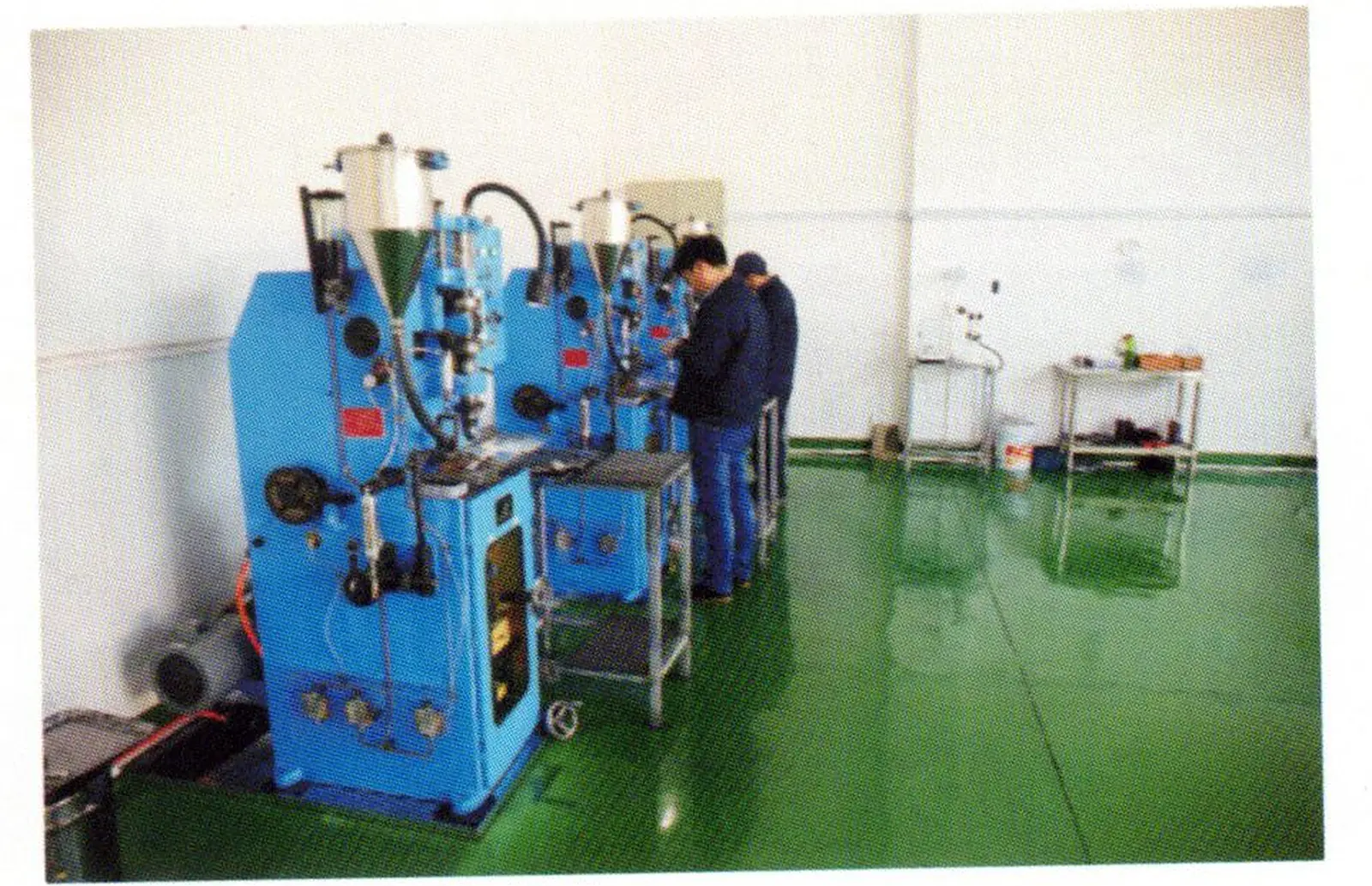
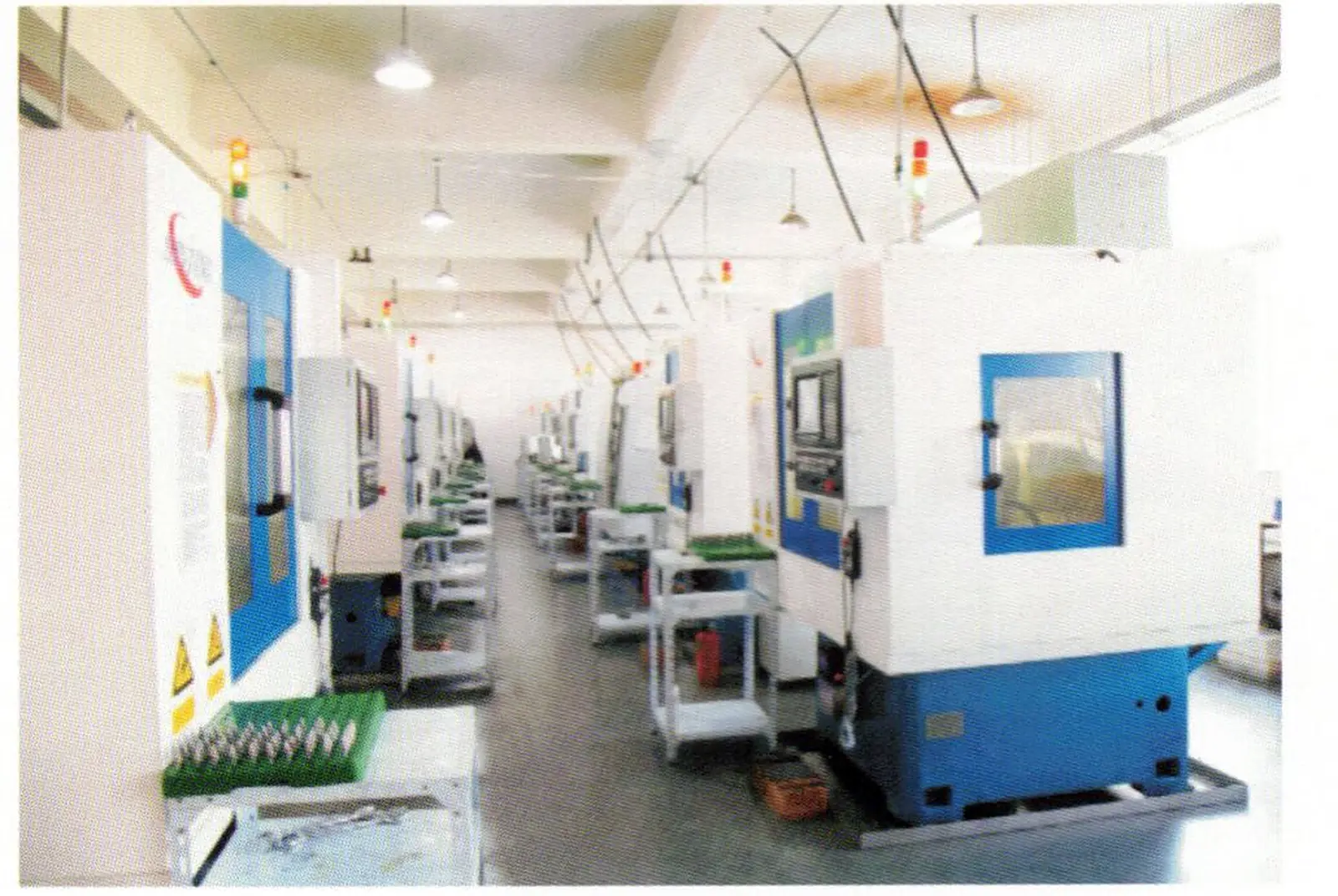
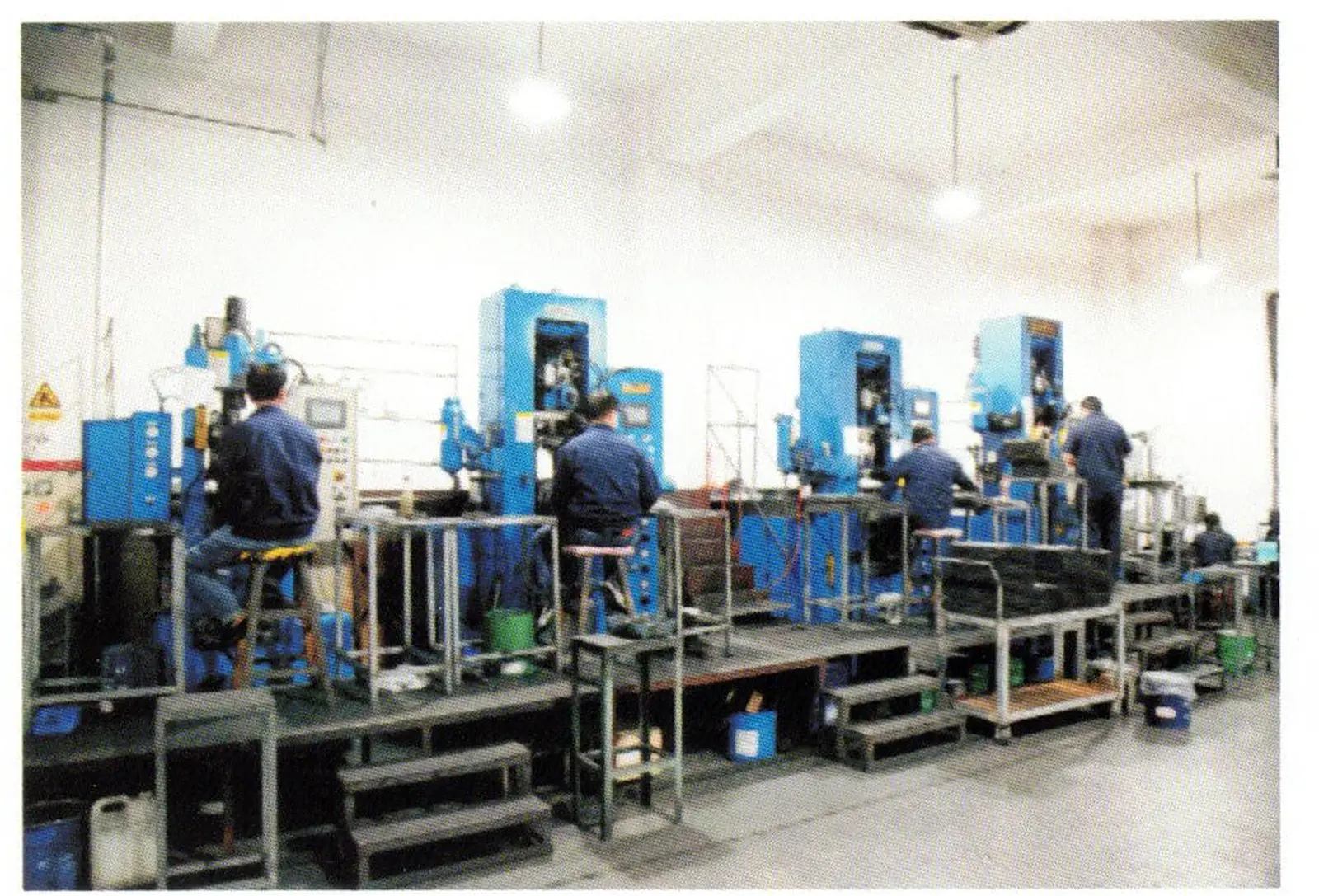
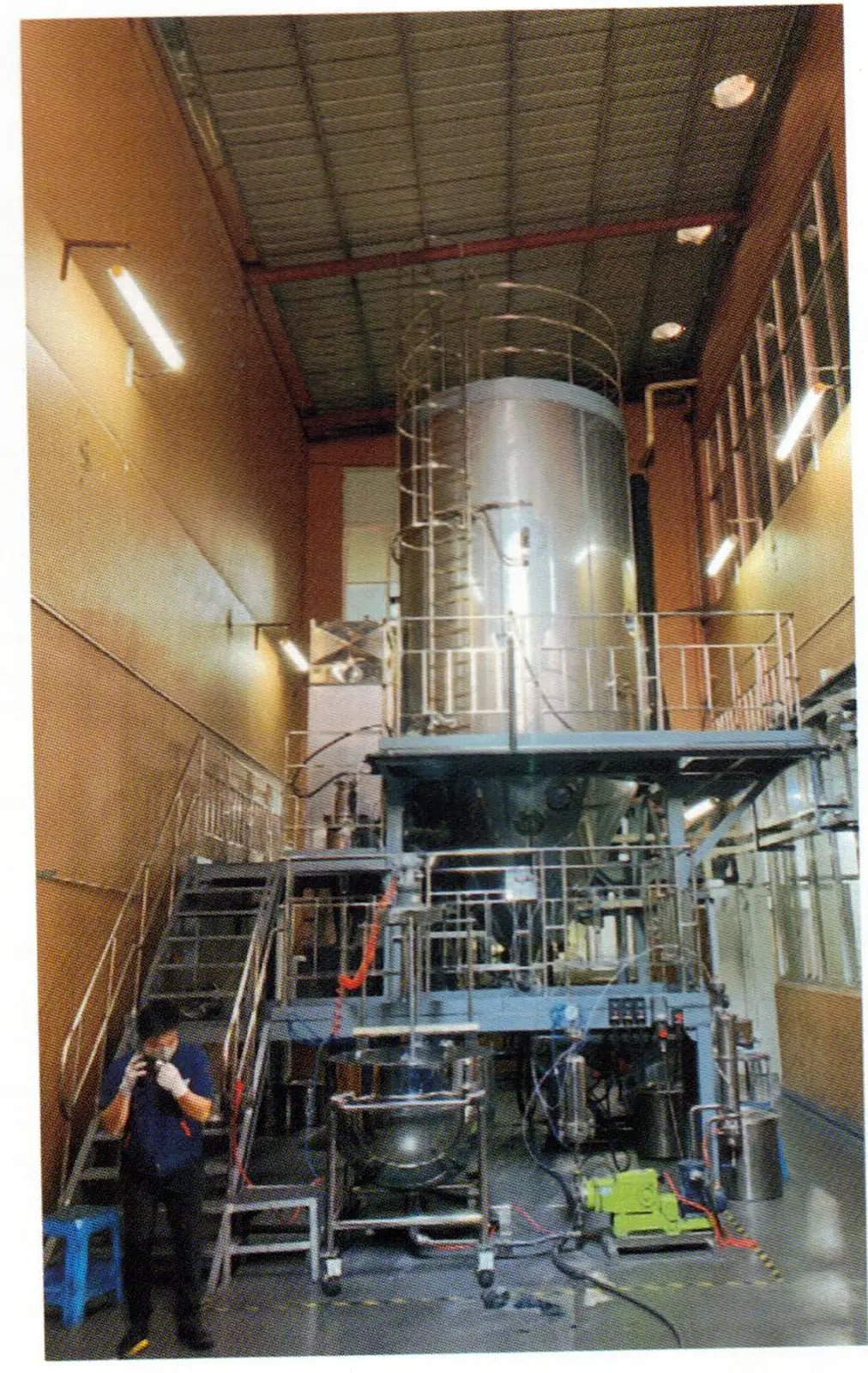
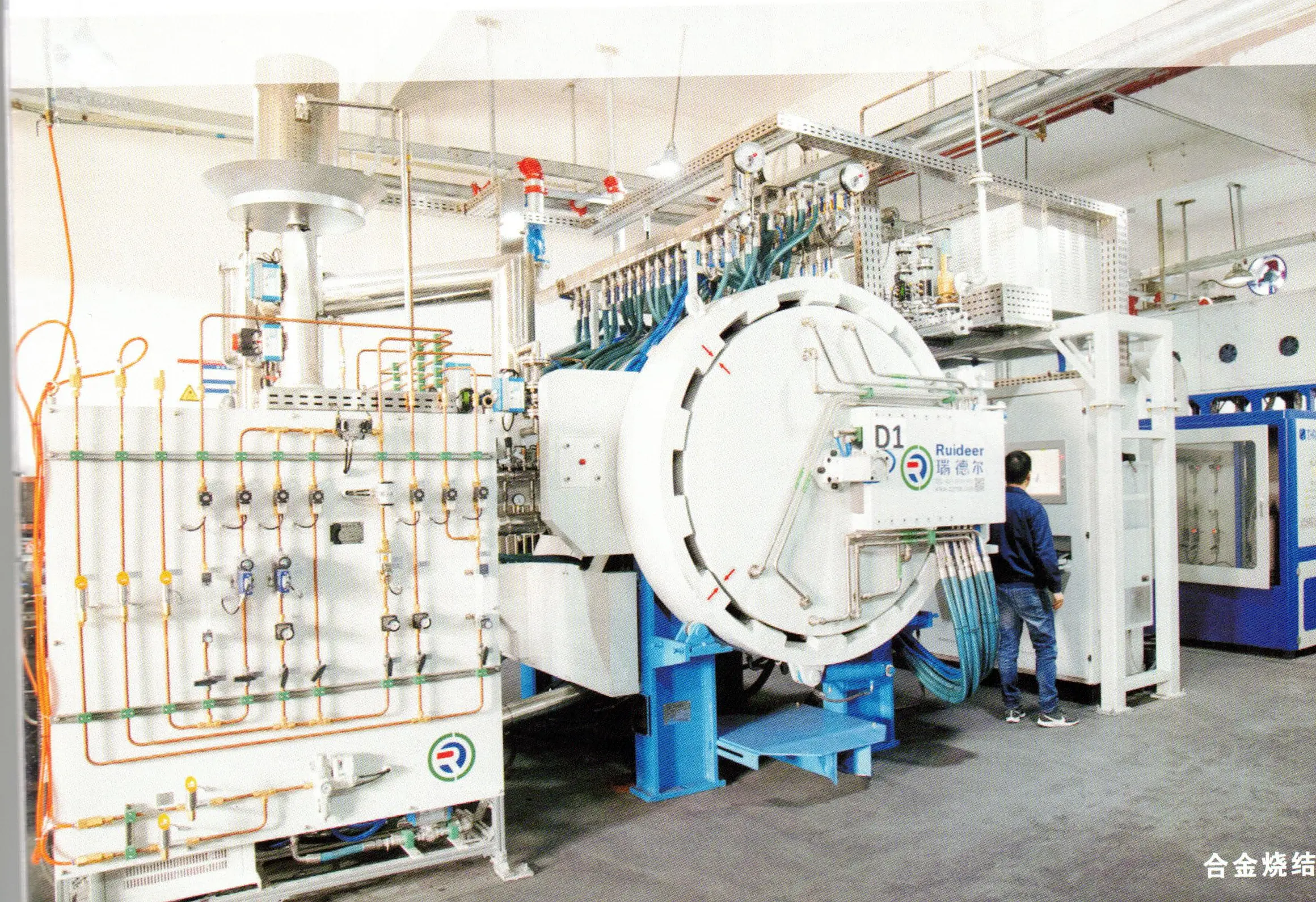
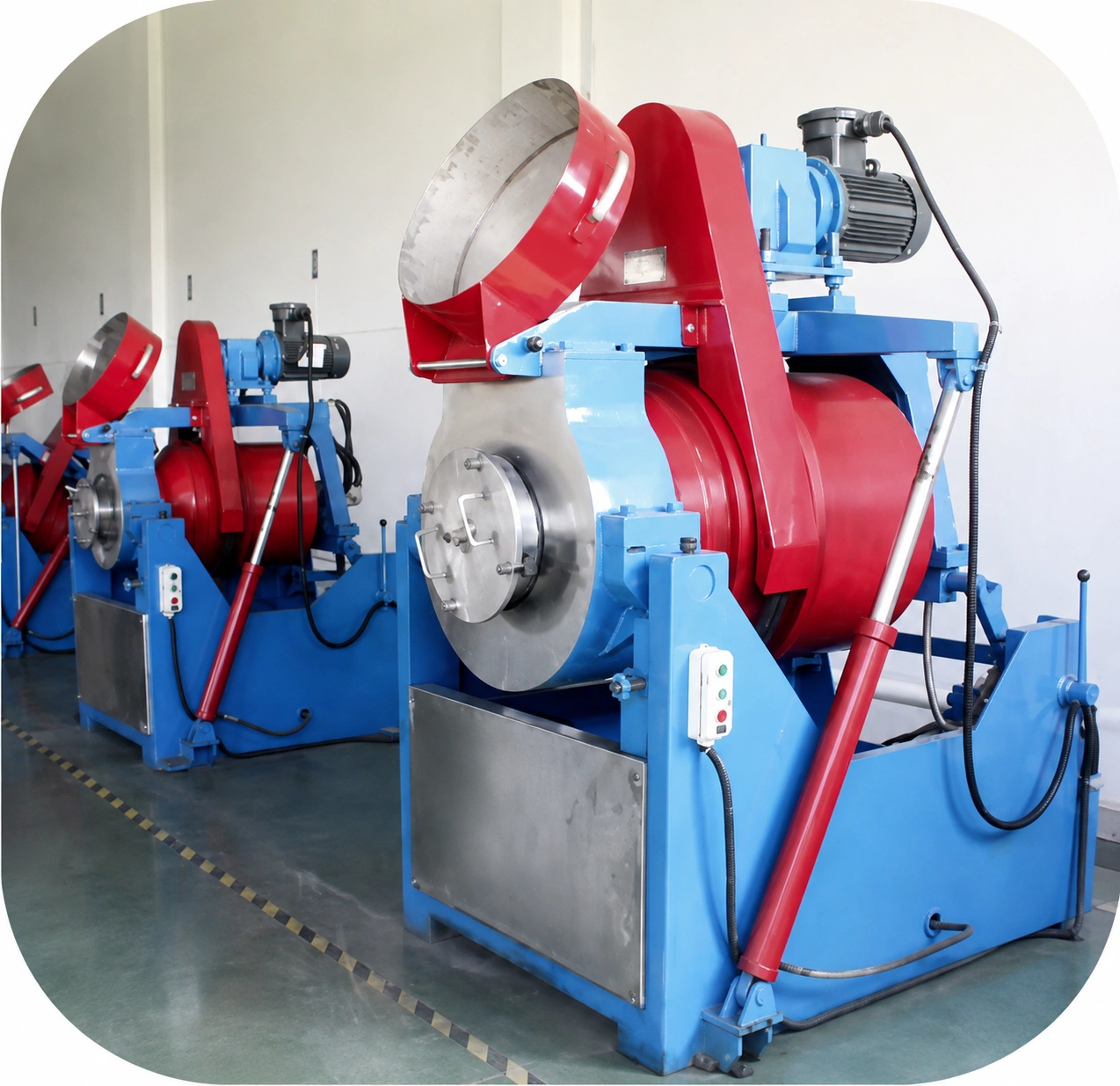
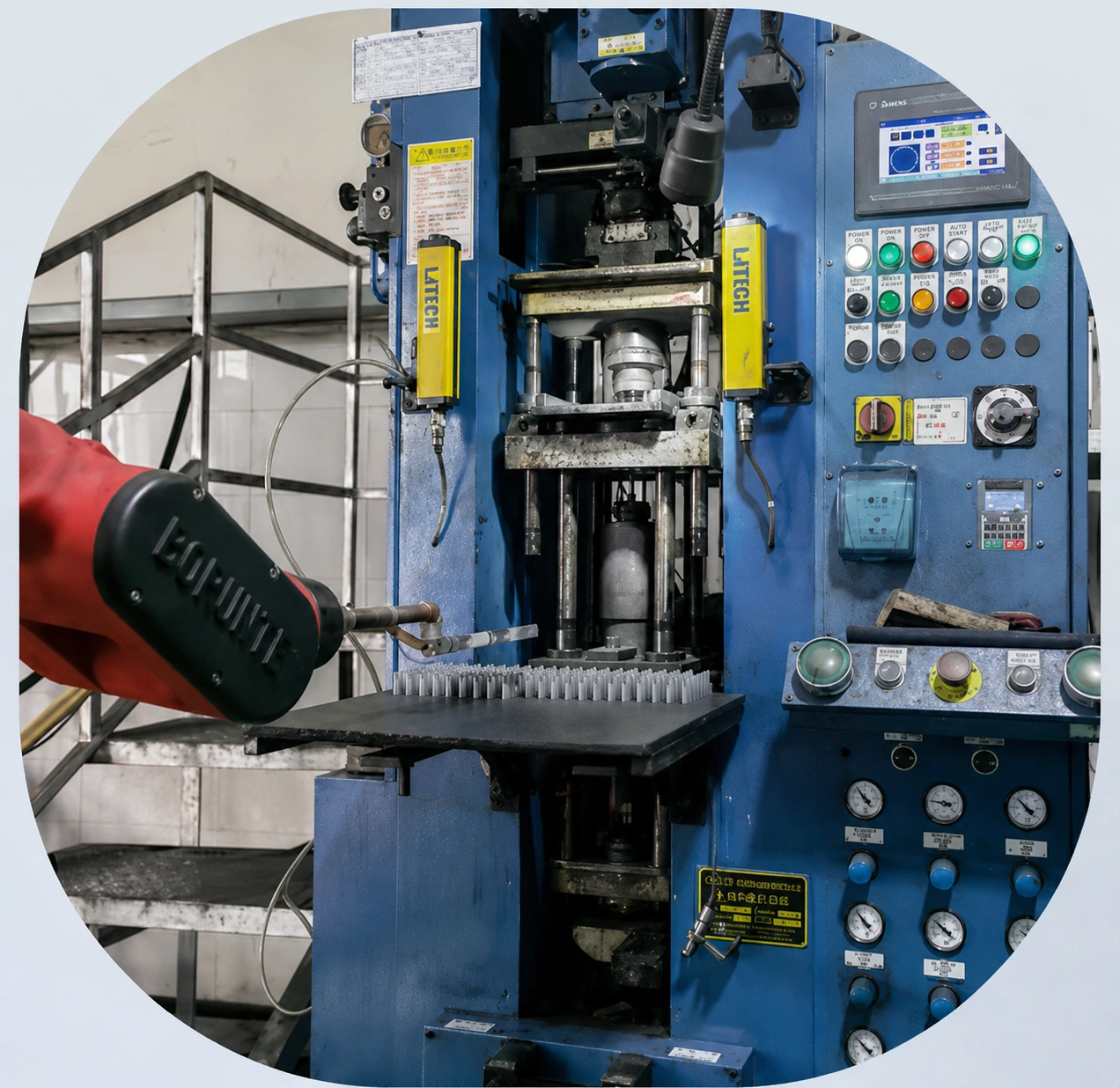
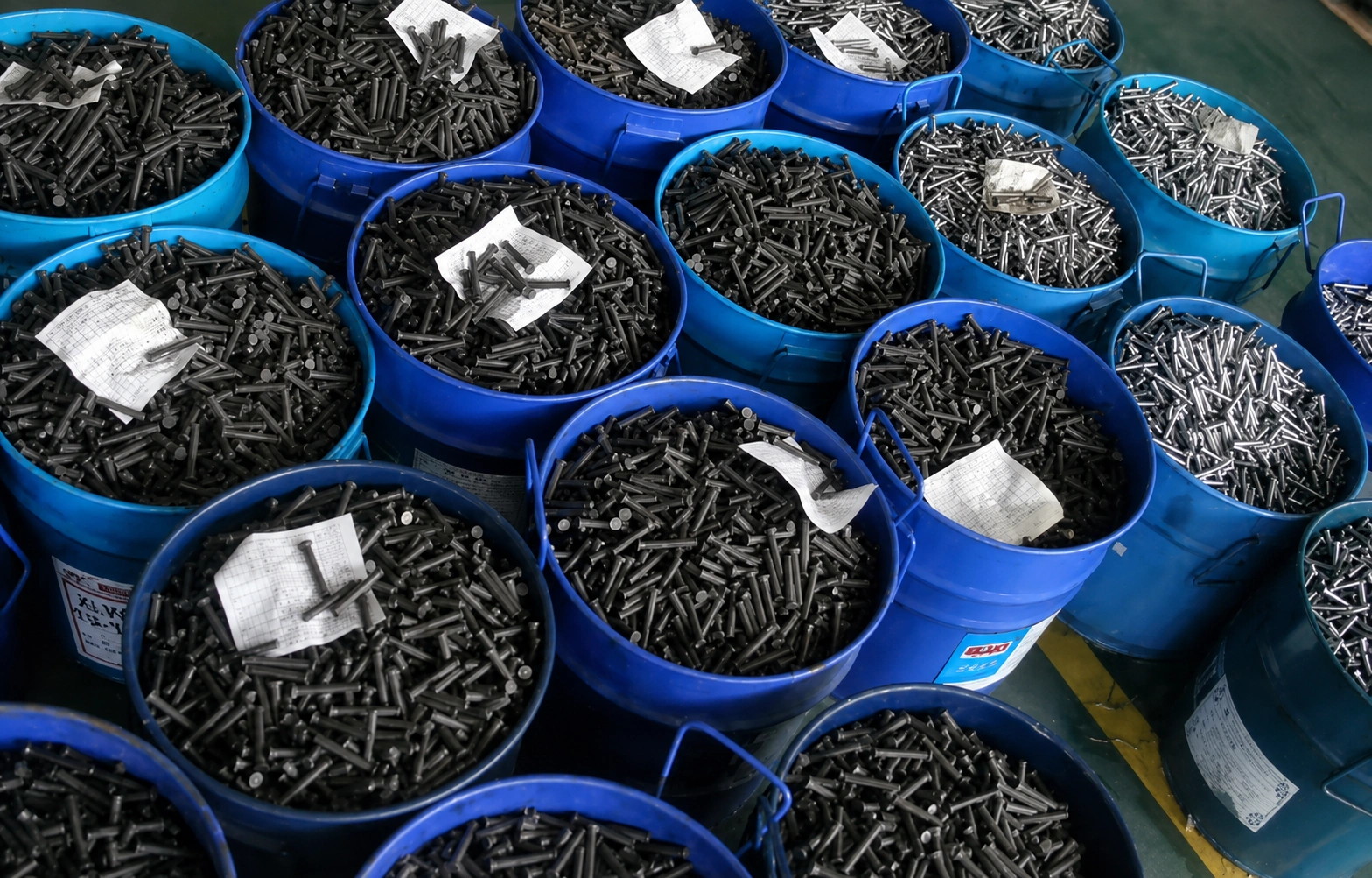
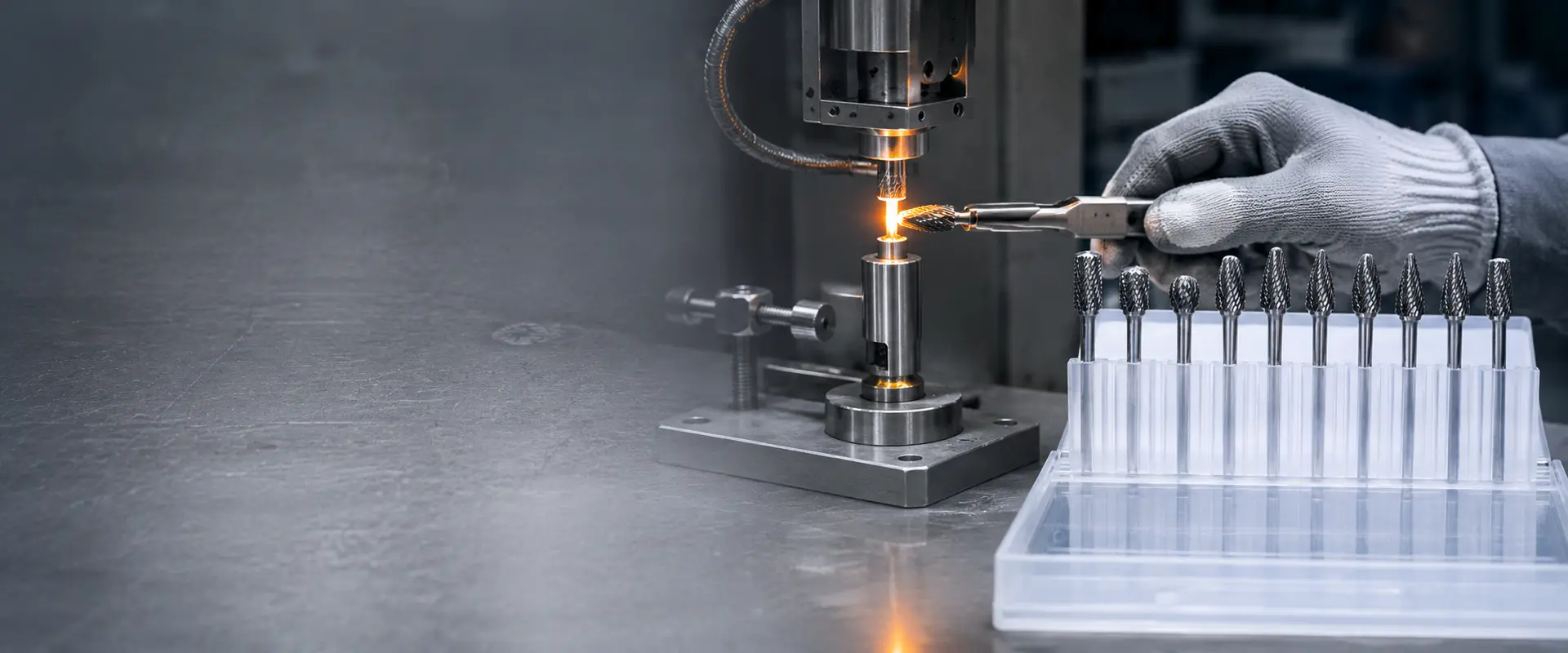
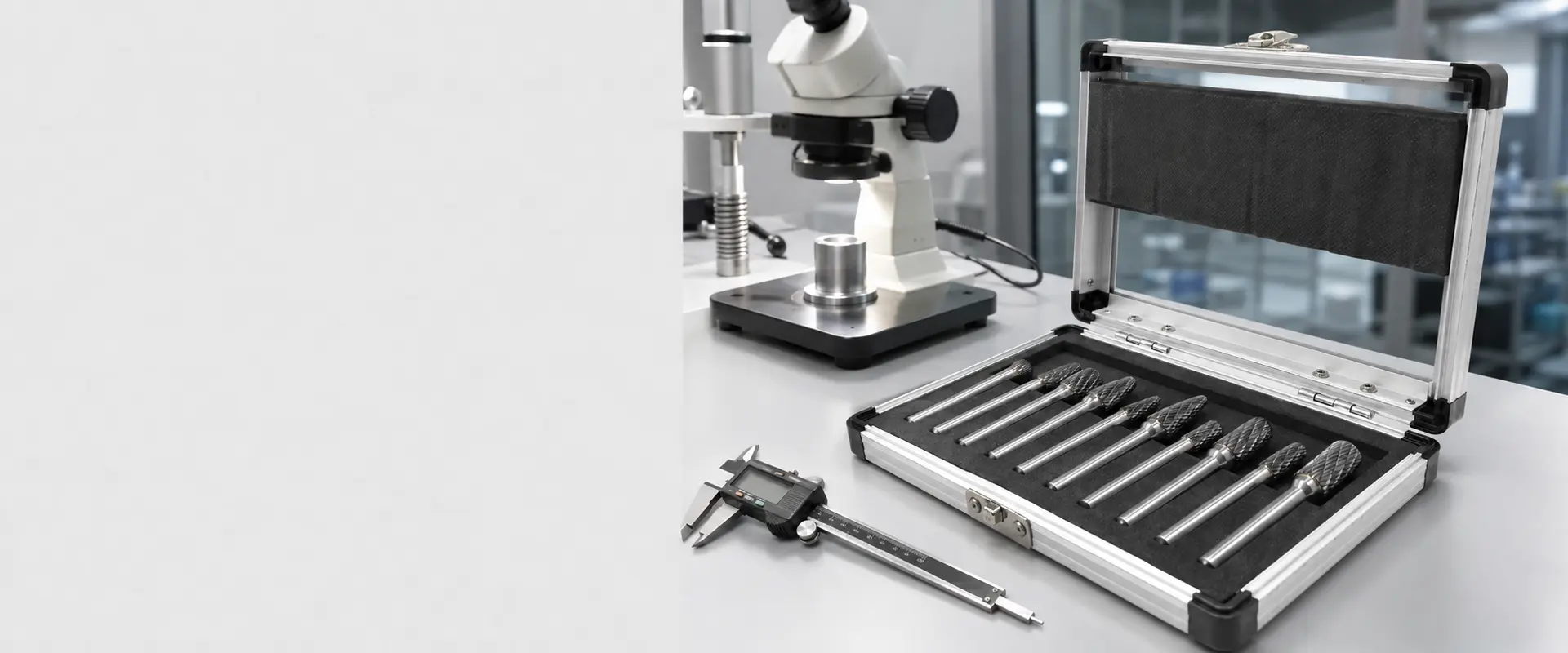
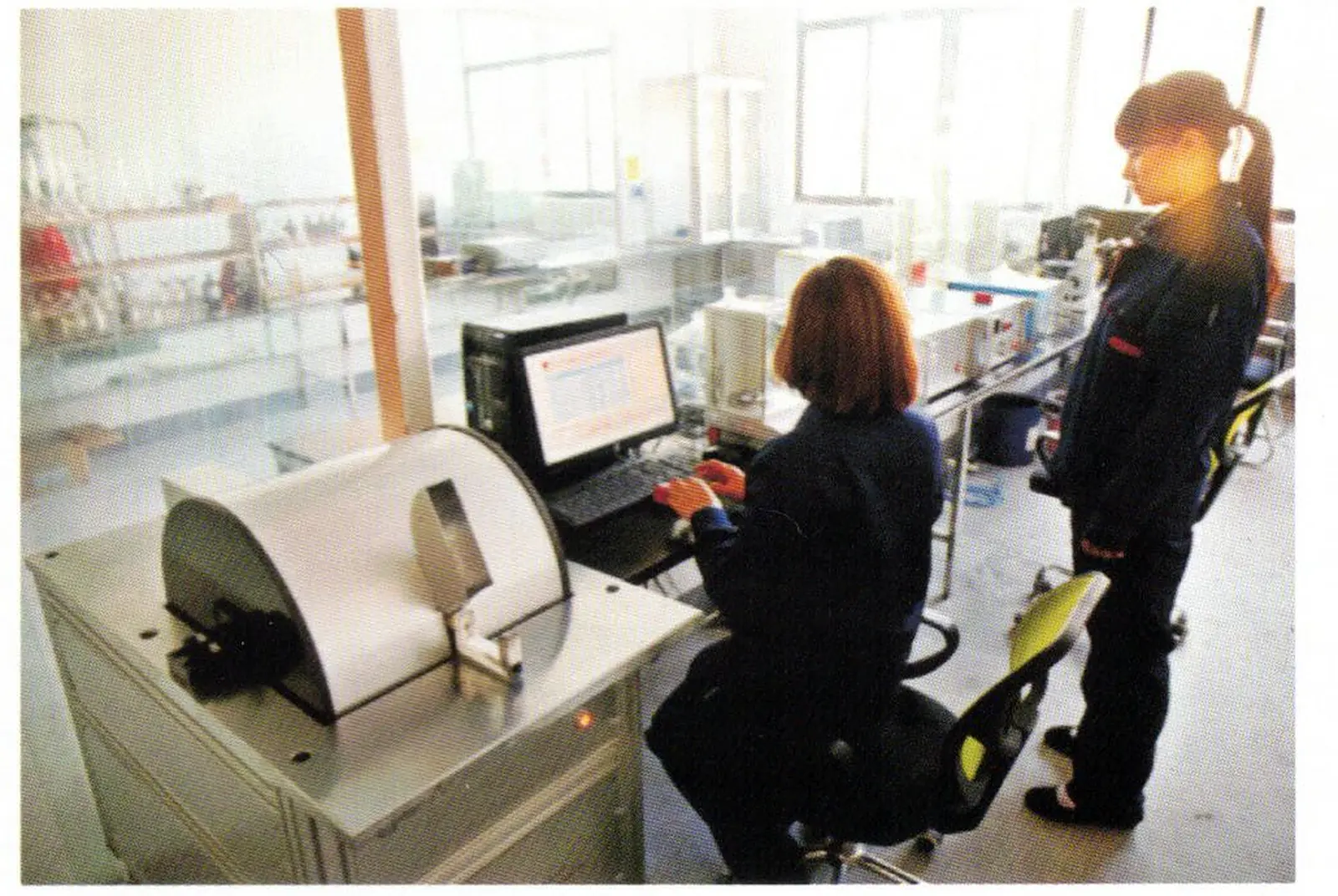
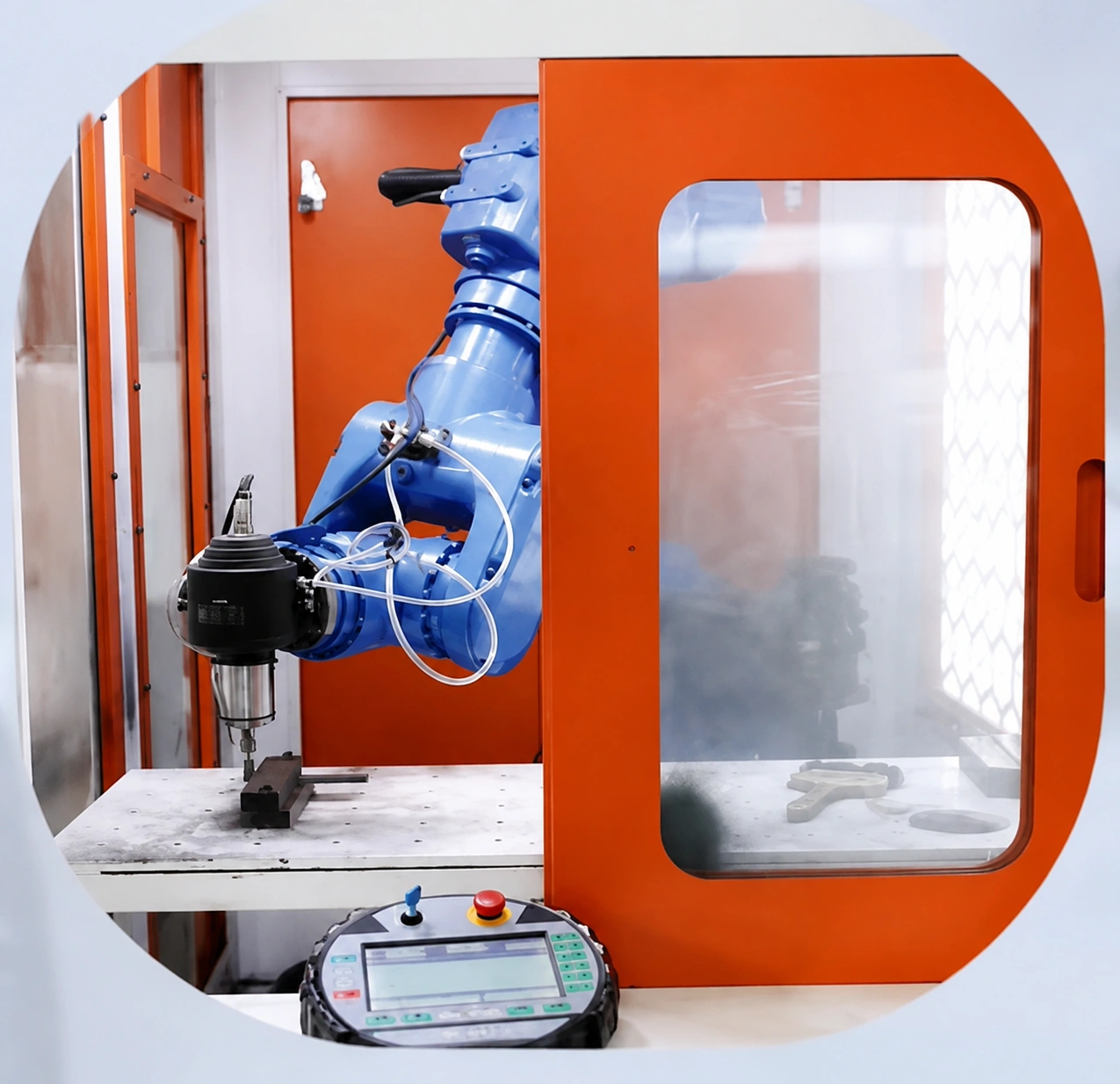
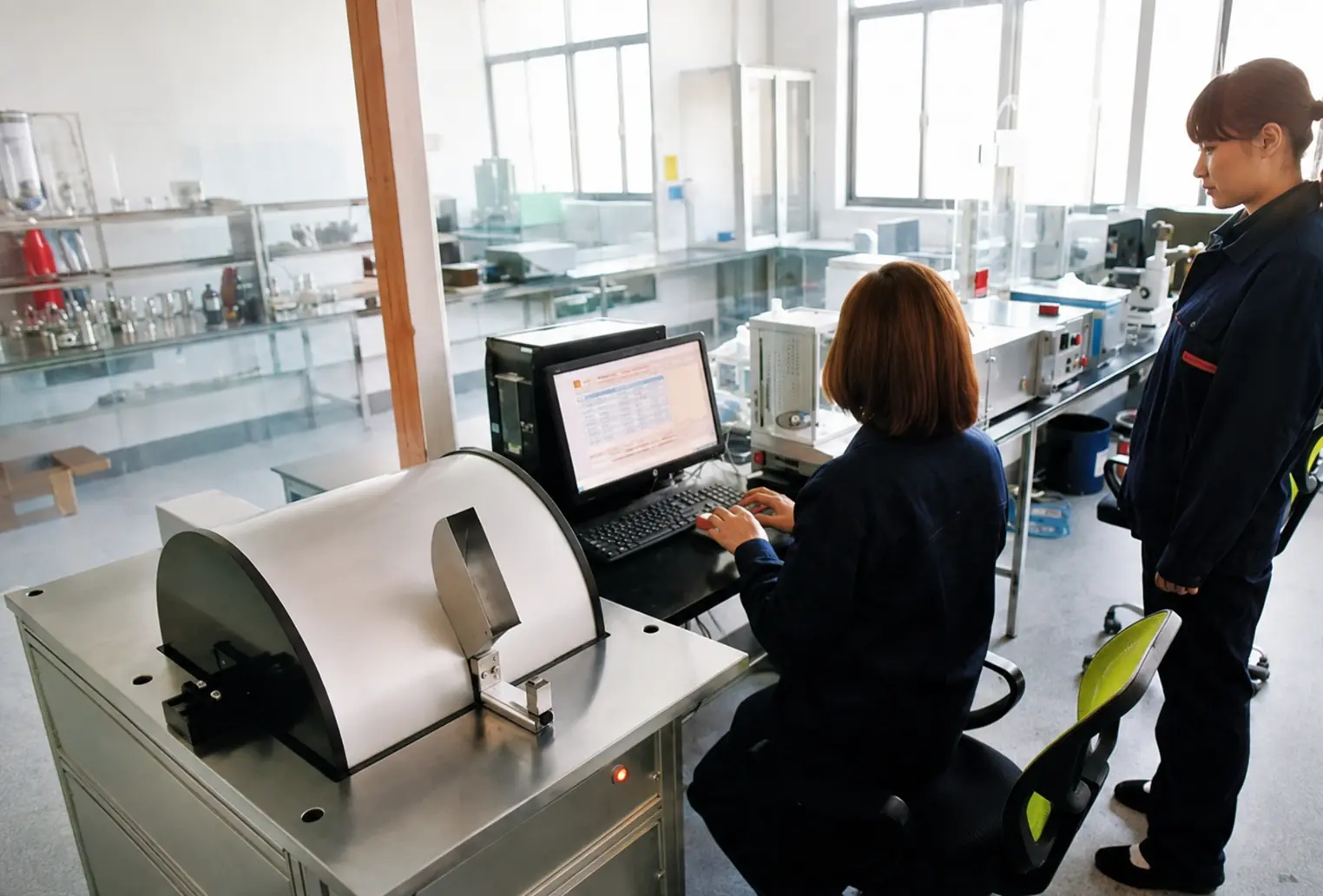
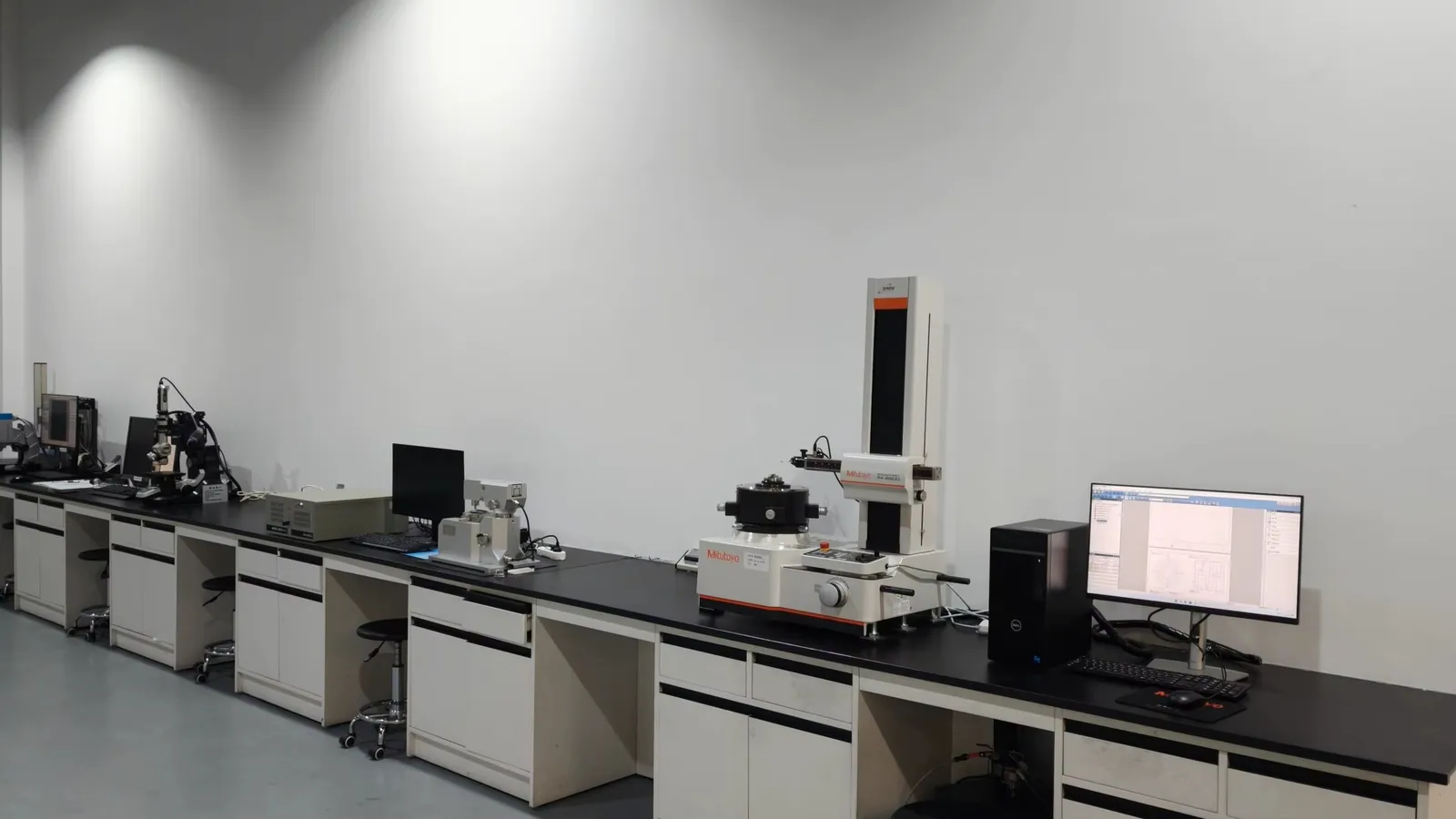
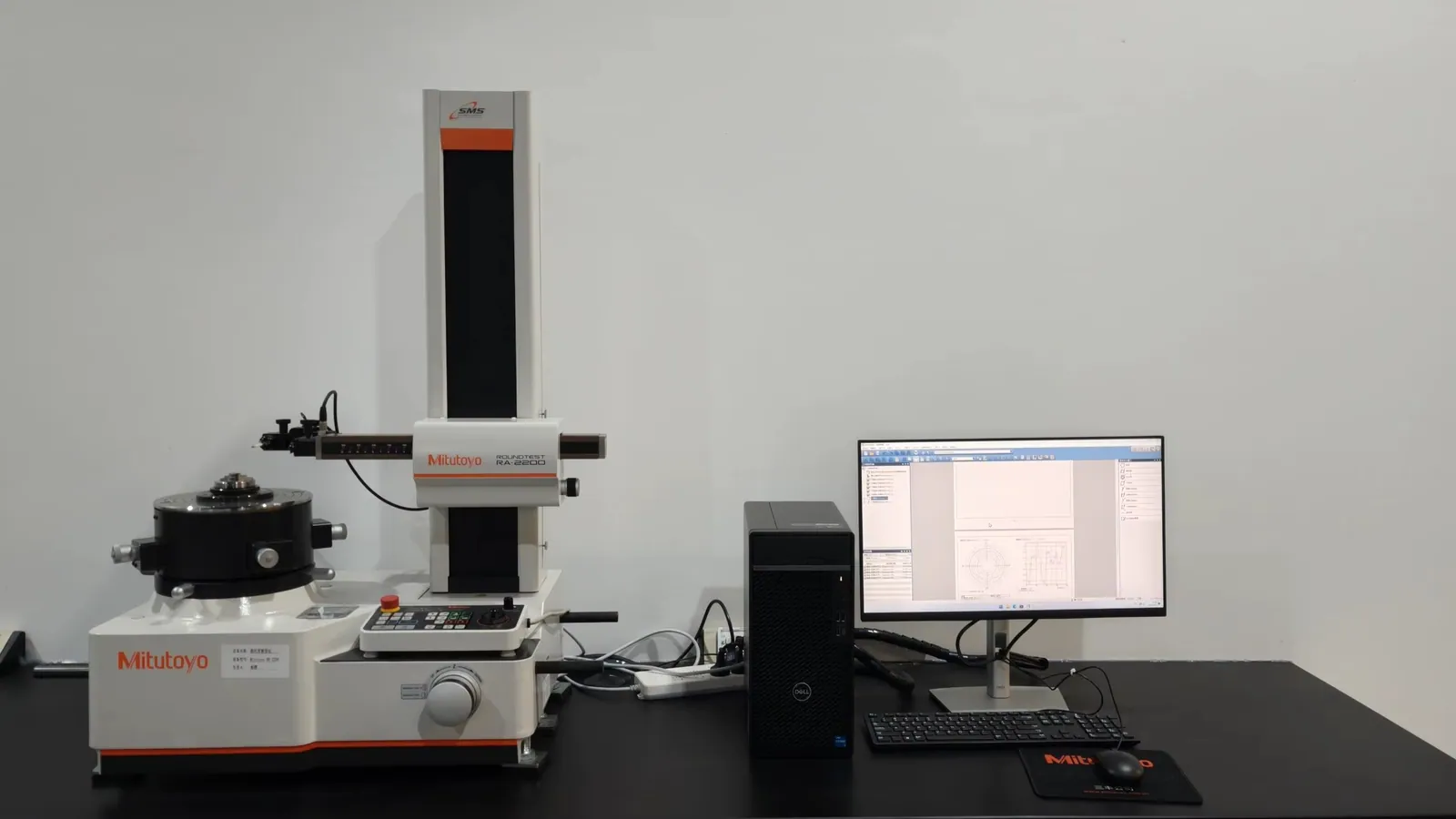
The following factory images come from the supplied carbide-burr production library and are shown as capability context, not as unsupported model-specific proof.


Request the production and inspection information relevant to the exact models in your quotation.
Request Factory Information →Inspect shank diameter, roundness, straightness and surface condition against the approved drawing. Check head diameter, cutting length, flute form, overall length and visible braze coverage. Measure runout on representative samples with a verified 6 mm collet and one documented setup. Cutting trials should compare vibration, chip formation, removal rate, remaining surface and tooth wear. Periodic joint-integrity checks help identify inadequate brazing or head-separation risk before shipment.


Confirm the inspection method, sampling plan and acceptance criteria for the requested models before production.
Request Quality Information →
Private-label programmes may include laser-marked shape codes, customer logos, individual sleeves, barcodes, plastic cases and foam layouts. Artwork should print the shank as 6.00 mm and avoid presenting it as equivalent to 1/4 inch. Where a set covers several materials, the cut type and intended use should remain visible at model level. Retain the approved sample, drawing and inspection record for repeat-order comparison.
Confirm the case, insert, item code, barcode, artwork and replacement-model record for the exact assortment in the quotation.

Keep each burr position connected to the approved shape, cut and dimension reference.

Confirm the set layout, replacement model list and label information before production.

Organize the assortment around real buyer applications instead of an arbitrary piece count.

Artwork, barcode, marking and carton requirements remain linked to the approved model matrix.
Authorized customer names, roles and portraits are matched to the relevant product-series review library.
Carbide Cutting Tools · Assortment / Range PlanningA Practical Range for Wholesale Buyers
“For our business as a category manager, the supplier has to support both the product and the commercial process. Our goal was to build a useful assortment rather than stock every possible SKU. Aximet Tools helped us focus on core professional cutting tools selected around real industrial applications and repeat demand and left room to expand later, which is a practical approach for managing inventory. It is the kind of cooperation that helps a buyer build a category instead of constantly changing suppliers.”
Carbide Cutting Tools · Packaging / LogisticsExport Packaging That Supports Distribution
“As an industrial supply buyer, we evaluate suppliers on the full buying experience, not just the quotation. For imported carbide cutting tools, packaging affects total cost and dealer experience. Aximet Tools paid attention to edge protection, clear identification, individual packs, and organized export cartons, making the goods easier for a warehouse and downstream distributor to handle. It is the kind of cooperation that helps a buyer build a category instead of constantly changing suppliers.”
Carbide Cutting Tools · Repeat-Order ReliabilityRepeat Orders Are Easier to Manage
“When I assess a new supplier as an importer & distributor, I look for details that will still matter after the first order. The first order was only the starting point. What mattered was whether tool geometry, grade/finish, dimensions, marking, and packaging would stay organized on repeat purchases. Aximet Tools made the reorder discussion straightforward and reduced unnecessary rechecking. Those details make the overall sourcing decision stronger than choosing on unit price alone.”
Want a range structured around professional customer demand?
Discuss Your Product Range →Provide the target market, common grinder models, required shapes, head diameters, cuts, materials and operations. Confirm standard or extended shanks, individual versus set packaging, replacement-SKU requirements and annual demand. If the market also uses 1/4-inch tools, state whether a separate inch-shank range is required.
Use a clean, manufacturer-approved 6 mm collet on a grinder with sound bearings. Measure the shank, clamp it to the instructed depth, check visible rotation at low speed and measure runout with one documented fixture. Repeat the test across representative samples and record the collet, overhang, head size and speed.
Usually not. The two shank sizes require different collet confirmation and can be confused easily at workshop level. Separate sets, labels and replacement codes make compatibility clearer. A mixed set is defensible only when every piece is unmistakably marked and the included grinder system is approved for both collet sizes.
Pneumatic, corded electric and cordless die grinders can accept the burr when they are fitted with a genuine 6 mm collet approved for that exact model. Do not rely only on the grinder's maximum collet diameter or on a supplied 1/4-inch collet. Also confirm that the grinder speed range and power suit the selected head diameters.
Not by default. A 1/4-inch collet is nominally 6.35 mm, so safe clamping of a 6.00 mm shank must be explicitly allowed by the collet or grinder manufacturer. The preferred solution is the correct 6 mm collet and matching nut. Never use improvised shims, foil or an unapproved reducer sleeve.
Yes, provided the grinder has an approved 6 mm collet, adequate power, sound bearings and a speed range suited to the burr diameter. Pneumatic tools also need adequate regulated air supply, while electric and cordless models must be checked for their actual collet accessory and duty cycle.
For standard-length burrs with low overhang, practical qualification bands are about 30,000-50,000 rpm for 3 mm heads, 30,000-45,000 for 6 mm, 20,000-35,000 for 8 mm, 15,000-30,000 for 10 mm, 11,000-25,000 for 12 mm and 9,000-20,000 for 16 mm. Material, cut and contact area determine where to start within the band, and the lowest rated component sets the limit.
Use a grinder-specific 6 mm collet cone, the matching locking nut and the prescribed spanners or spindle lock. Keep the collet and shank clean, clamp the burr deeply, minimise overhang and verify the speed range. Pneumatic setups also need a suitable regulator and air supply; sample qualification benefits from a tachometer and a documented runout fixture. Request the 6 mm Model Matrix | Get an OEM Quotation
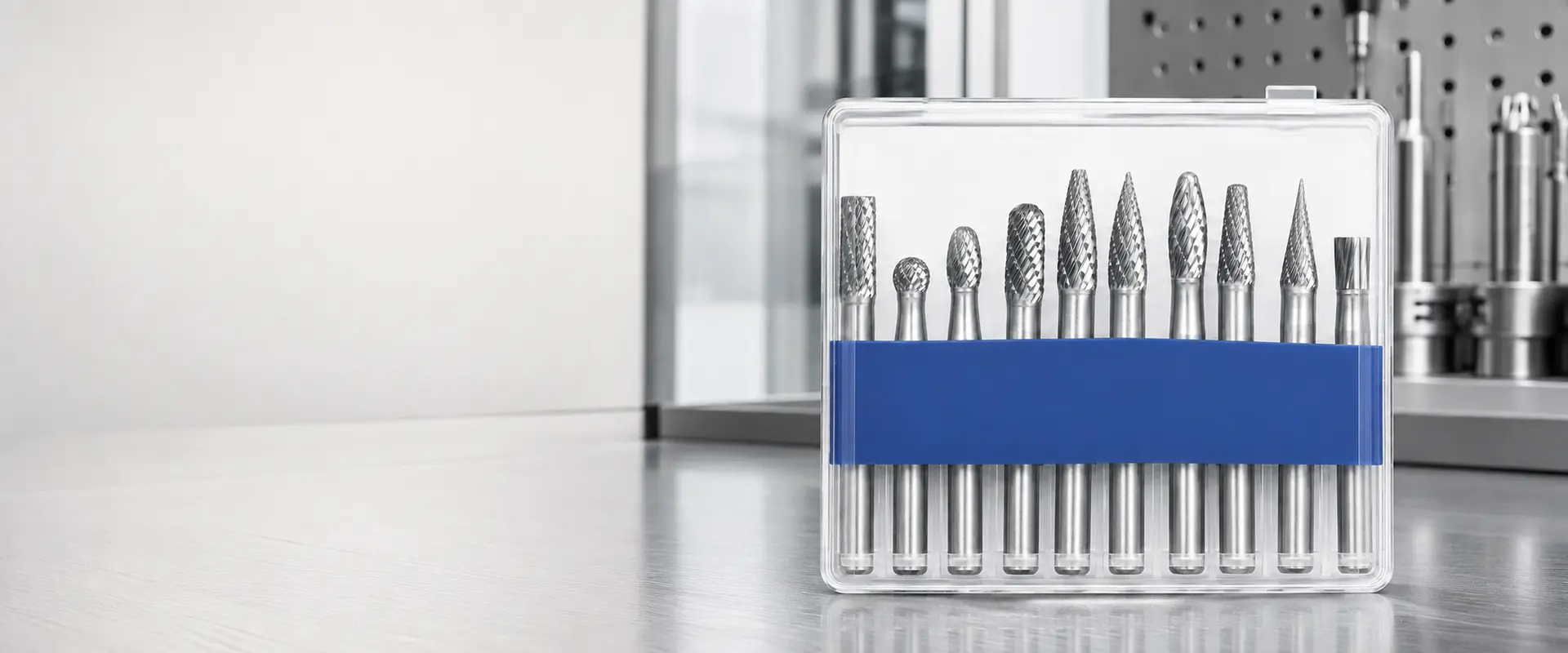
Build a metric burr range around a true 6.00 mm shank - with verified collet compatibility, diameter-based speed guidance, multiple cuts and OEM identification for repeat industrial supply.