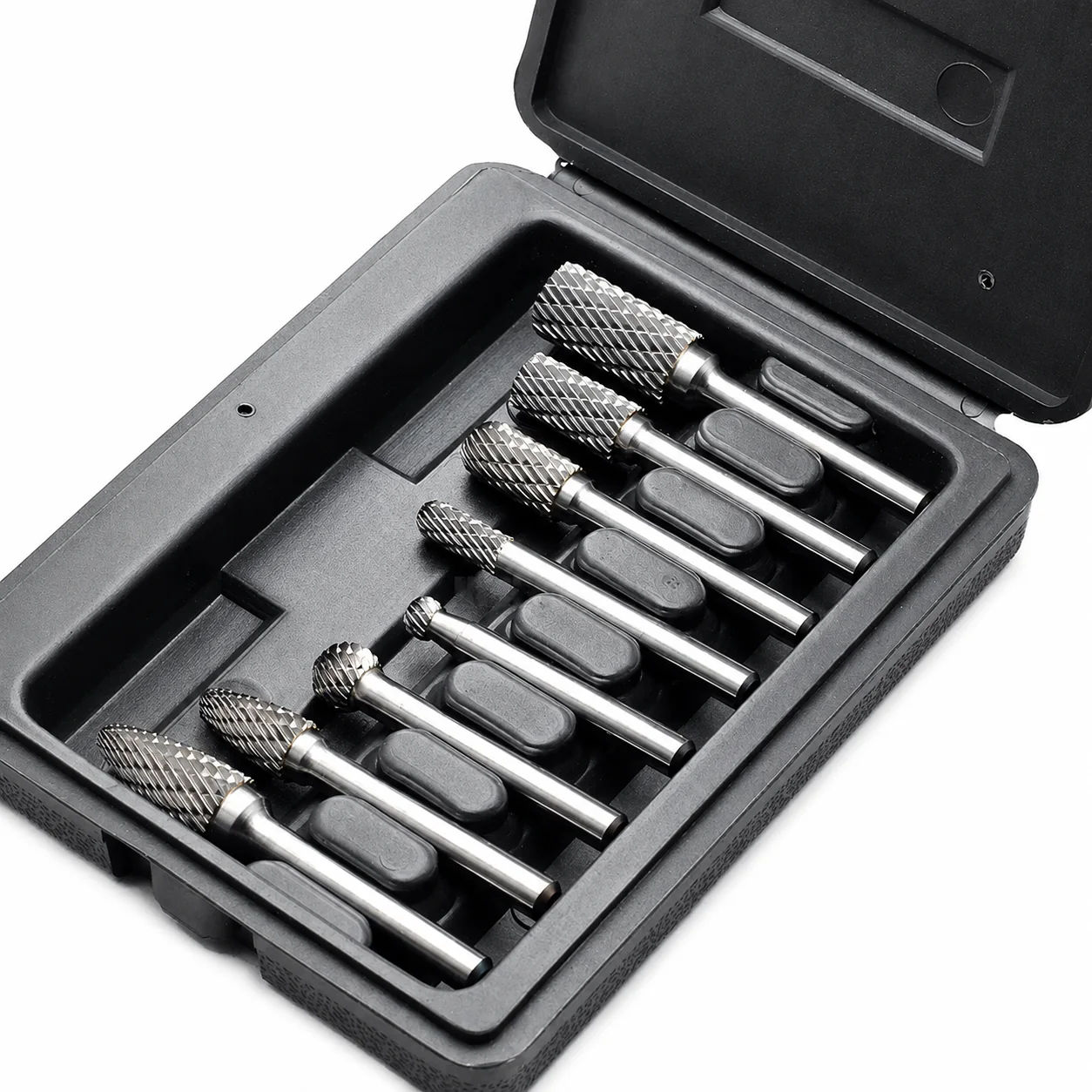
Cylindrical Double-Cut Carbide Burr
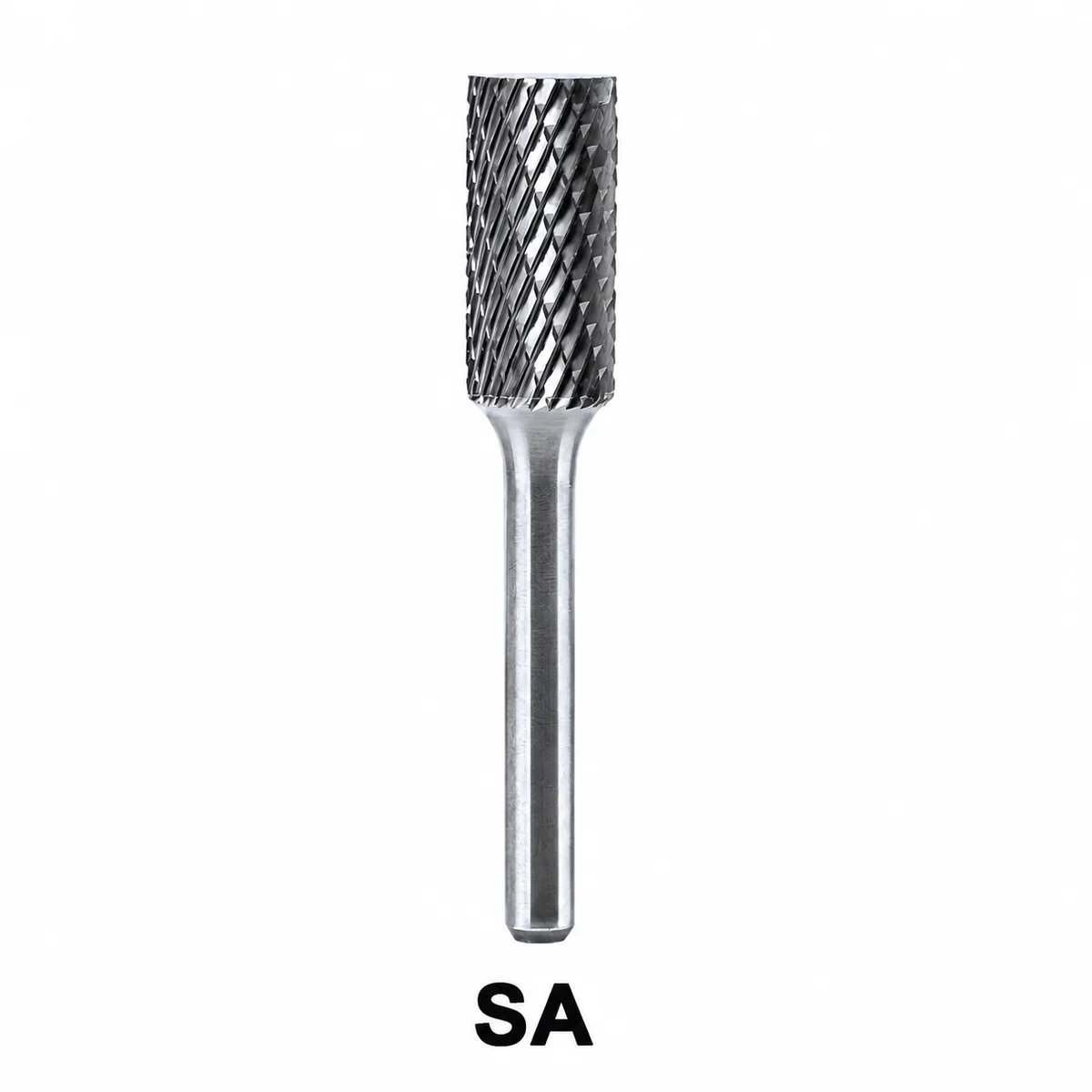
SA, SB and SC profiles cover flat surfaces, straight edges, square corners, end cutting and radius transitions.
- Flat surfaces and straight edges
- Square corners and end cutting
- Radius transitions

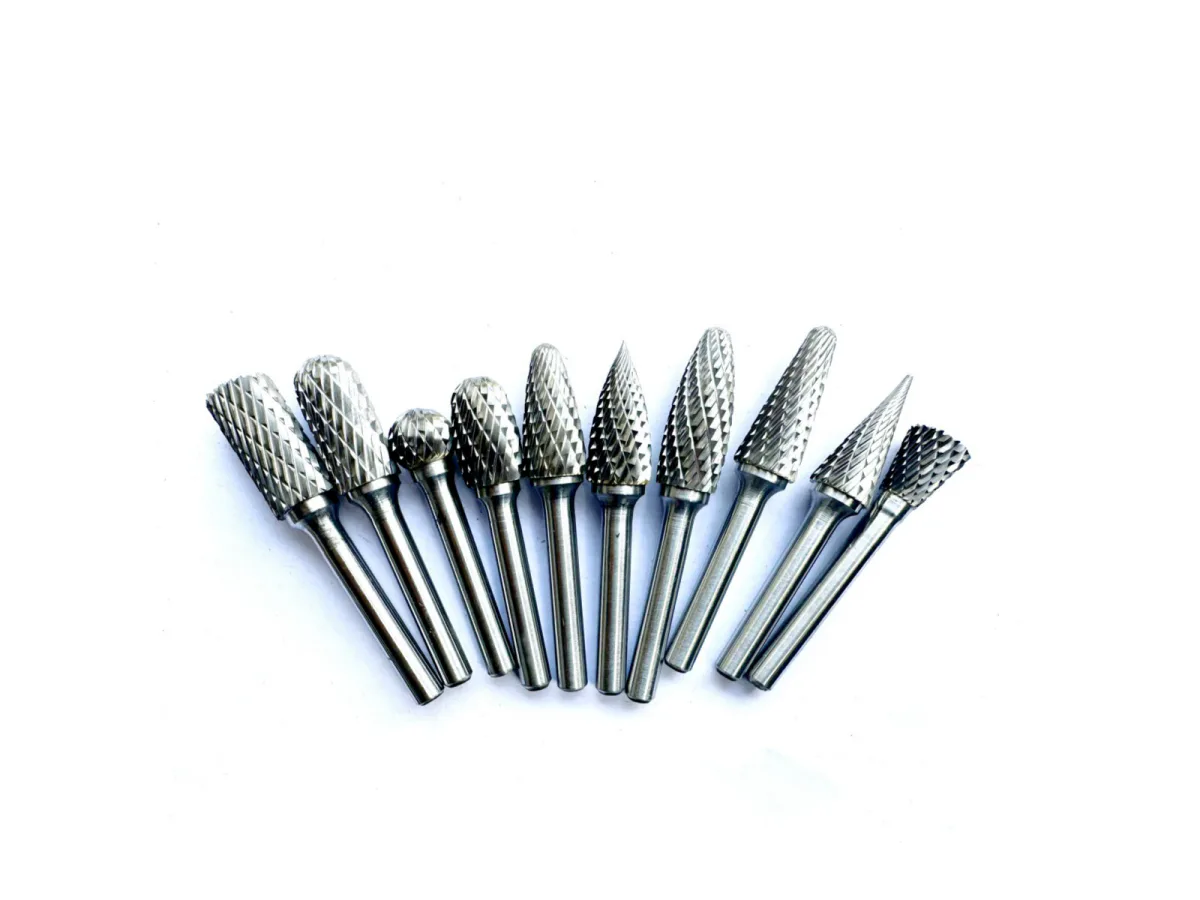
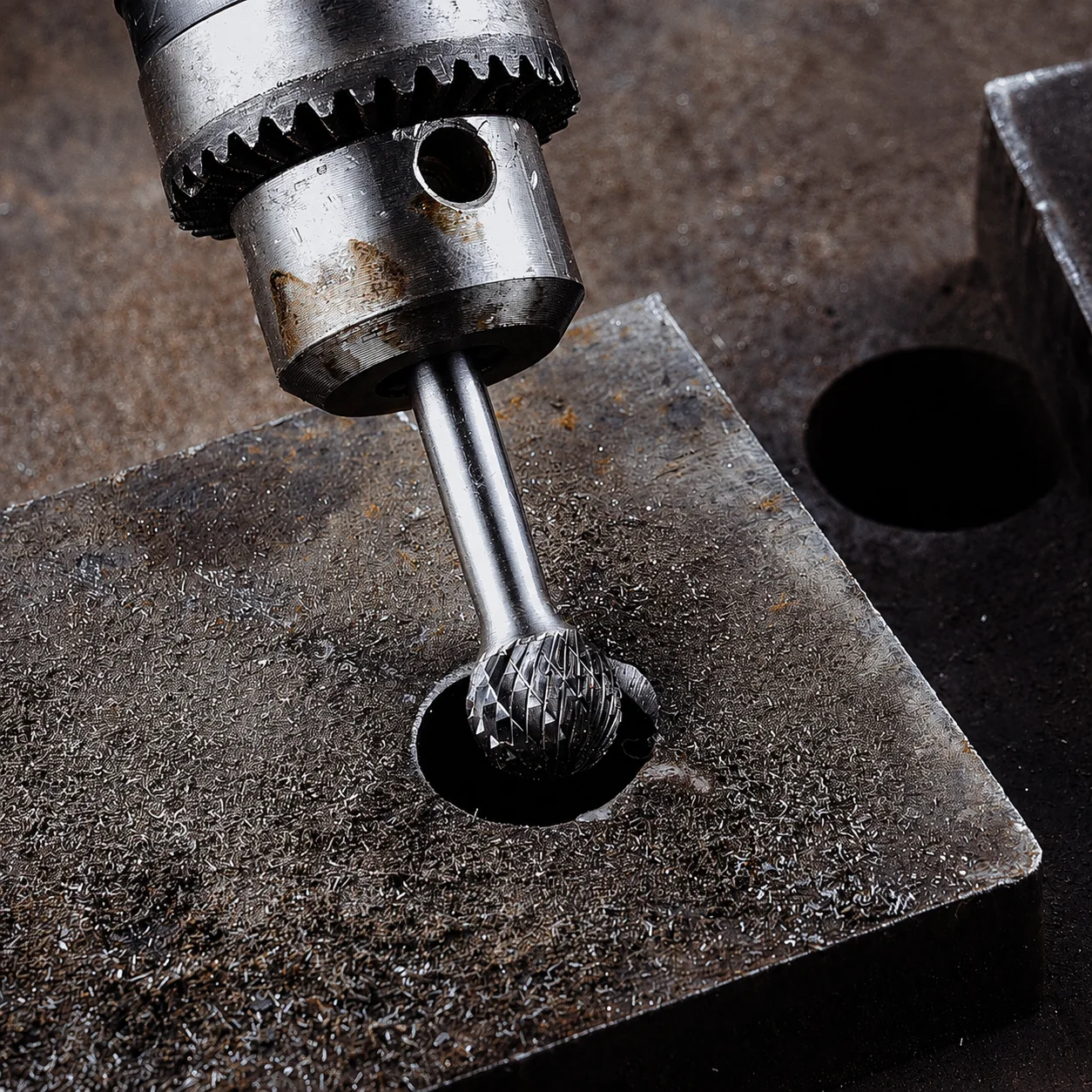
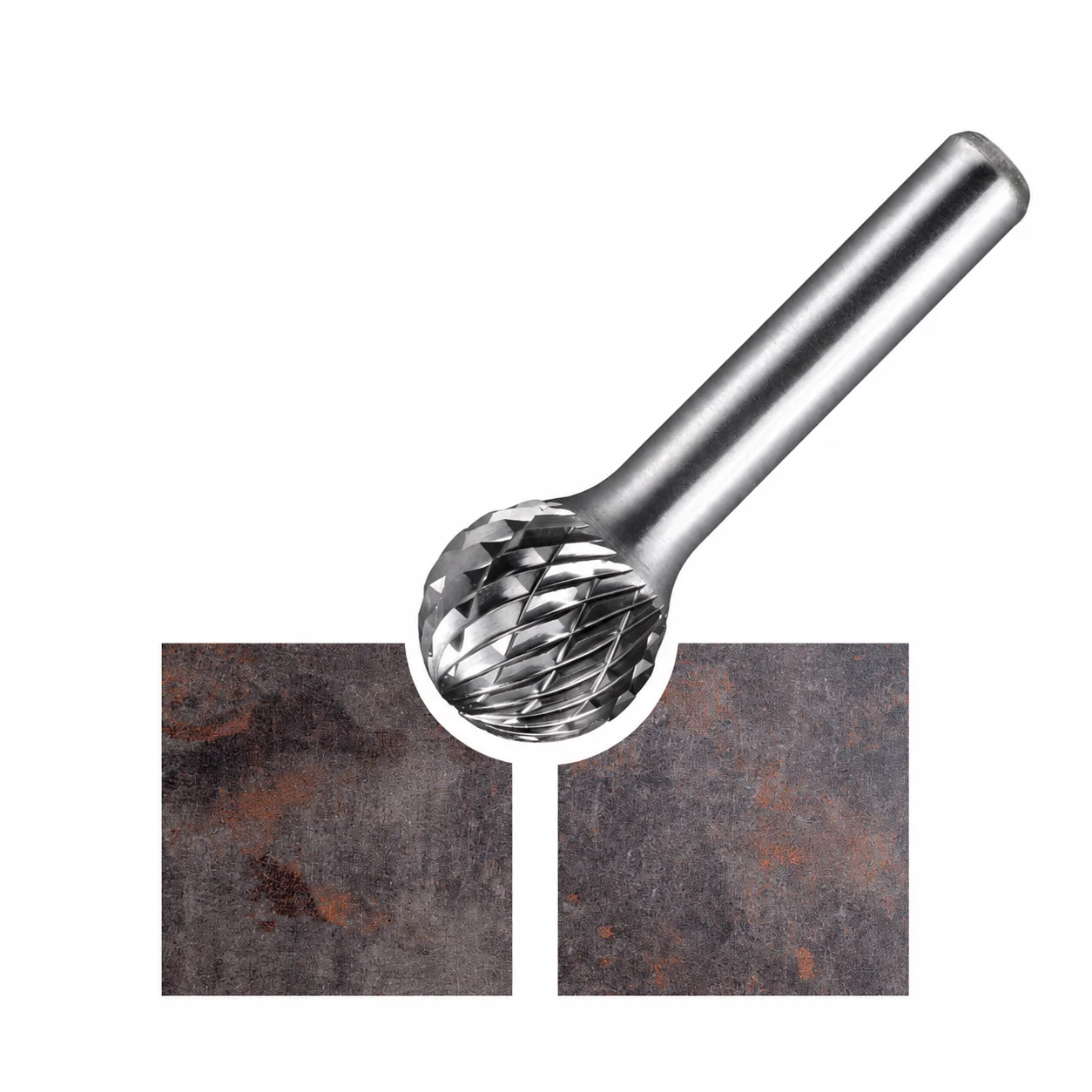
A Double Cut Carbide Burr uses two intersecting flute patterns to divide removed material into smaller chips. Compared with a single-cut profile, this geometry gives operators greater control during deburring, weld dressing, casting cleanup and contour work. It is commonly selected for carbon steel, alloy steel, stainless steel and cast iron where controlled removal and a uniform surface are important. AXIME TOOLS supplies standard profiles with 6 mm shanks and head diameters from 3 to 16 mm. Importers and industrial distributors can combine shapes and sizes according to real application demand instead of stocking multiple burrs with overlapping functions.
Double cut should not be treated as automatically better for every application. Compare the workpiece material, required removal rate, surface target, burr diameter and operator control before choosing the cut.
Review the Selection Guide →Organize the range by application geometry so buyers can select the correct contact profile instead of relying on shape code alone.

SA, SB and SC profiles cover flat surfaces, straight edges, square corners, end cutting and radius transitions.

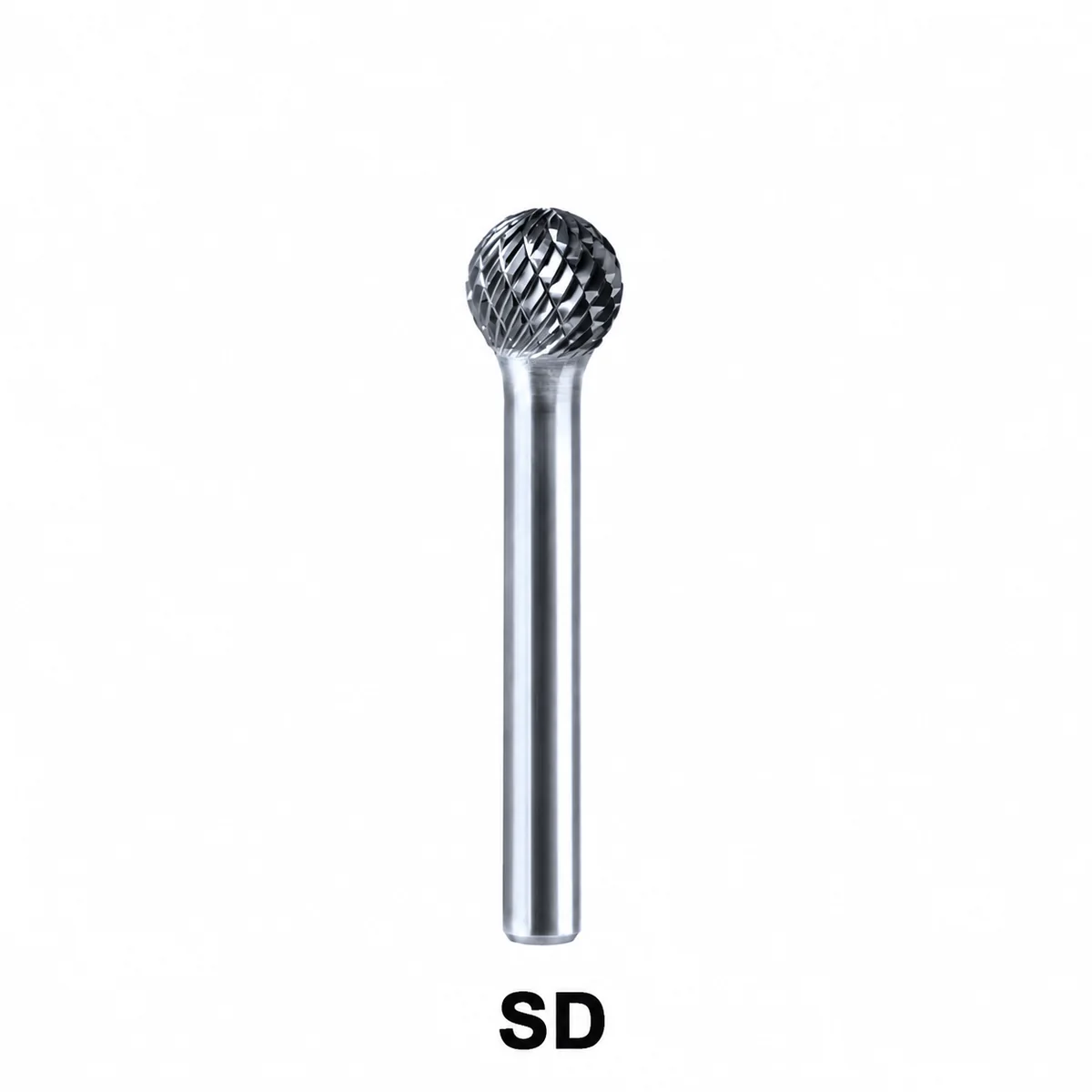
SD ball and SE oval profiles provide controlled contact on cavities, curved surfaces, internal radii and rounded edges.

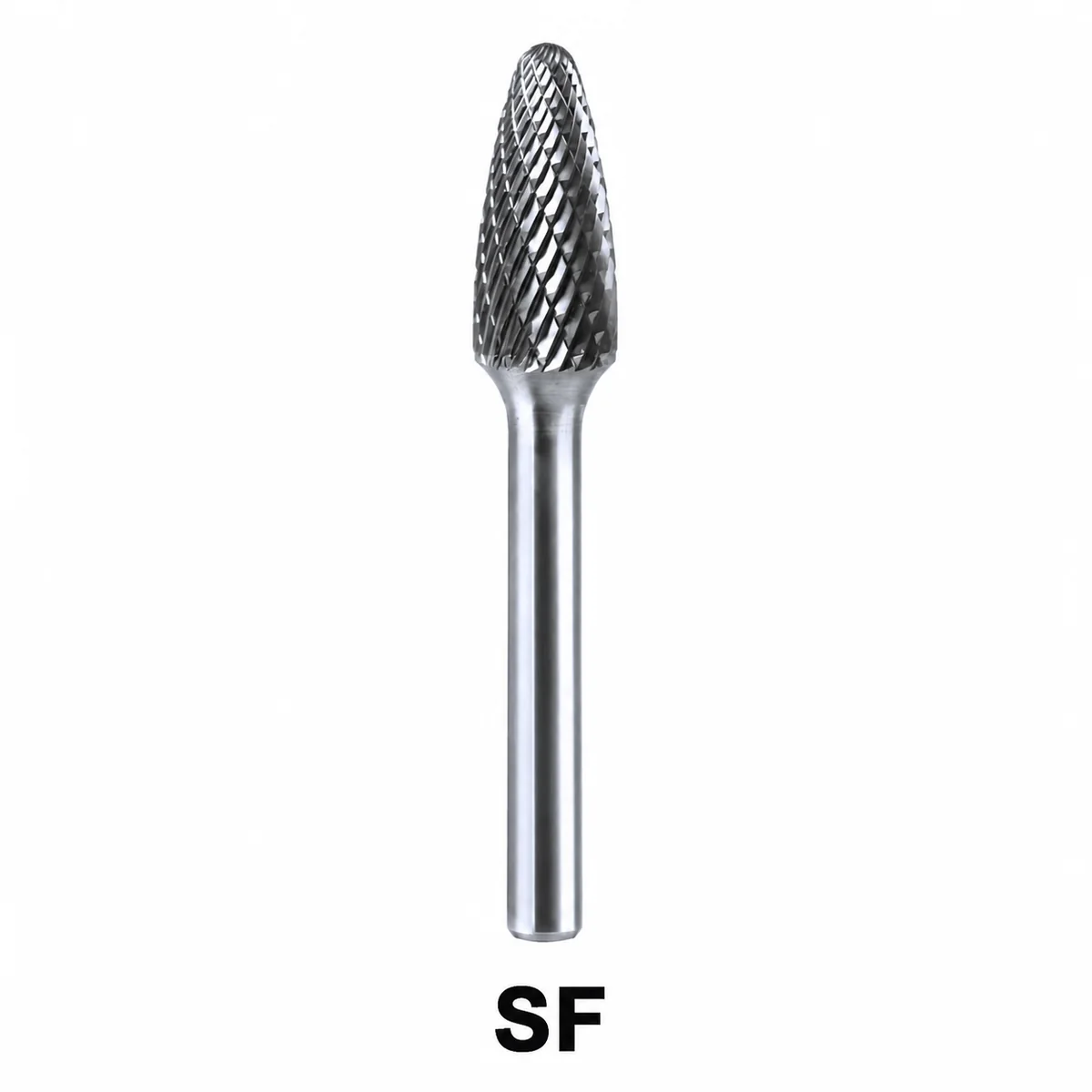
SF, SG and SH profiles follow narrow contours, fillets, weld transitions and irregular casting surfaces.

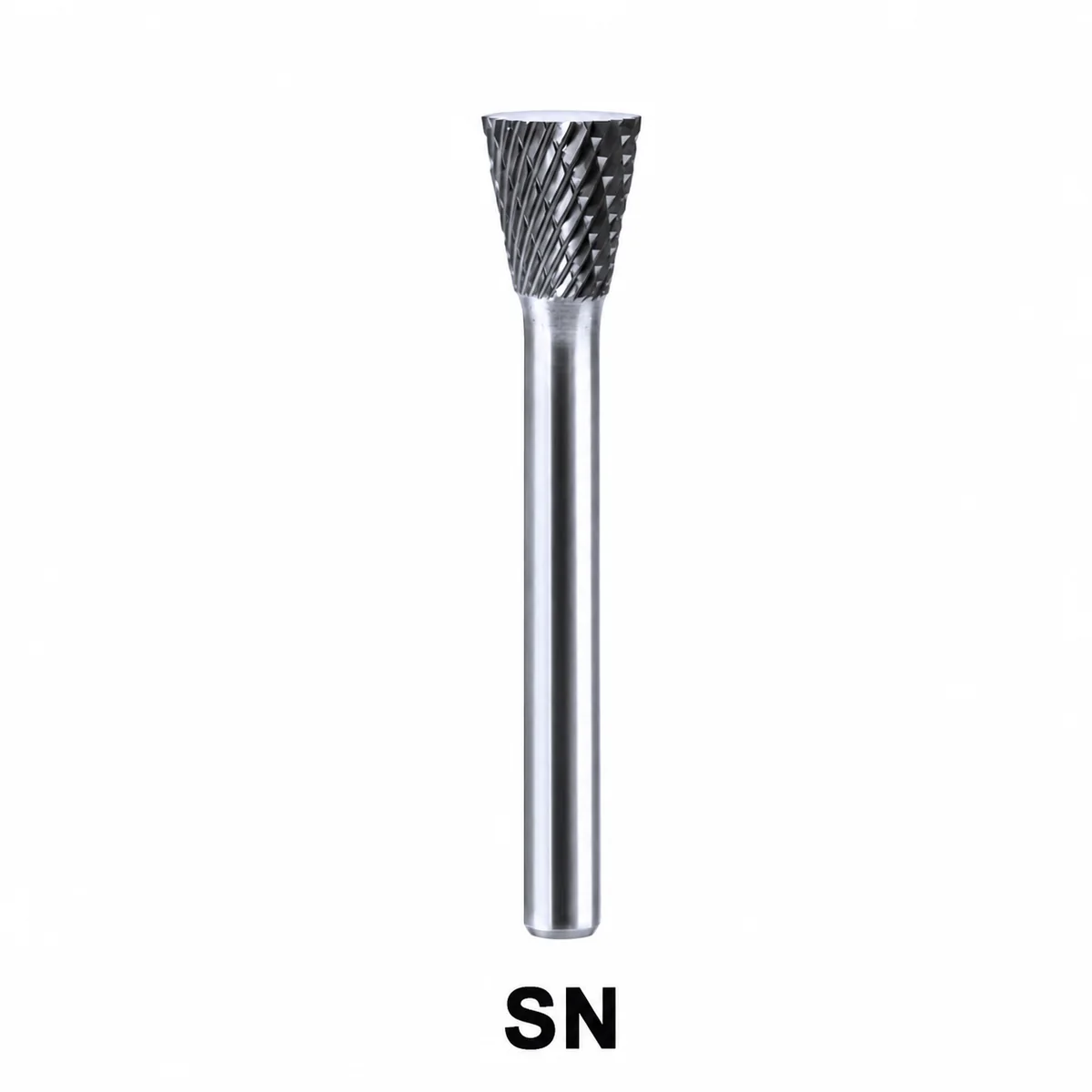
SJ–SN profiles address chamfering, tapered transitions, narrow grooves, acute angles, back chamfers and undercut access.
Start with the workpiece and operation, then define the profile, dimensions, sample plan, packaging and repeat-order record.
Select double cut for carbon steel, alloy steel, stainless steel and cast iron when controlled removal is required.
Use cylinders for accessible flats and edges, rounded profiles for cavities and radii, and tree, flame or cone profiles for restricted transitions.
Confirm the SA–SN shape code, head diameter, cutting length, 6 mm shank and required overall length.
Confirm whether each burr is supplied individually, in a set or in bulk packaging, with the required marking and barcode.
Compare cutting control, chip formation, vibration, surface result and visible tooth wear on actual materials and applications.
Connect the approved shape and dimensions to the individual product code, label, barcode and replacement order.
| Selection Area | Confirm | Record for the Quotation |
|---|---|---|
| Workpiece | Carbon steel, alloy steel, stainless steel or cast iron | Target workpiece material |
| Application | Weld dressing, casting cleanup, deburring or tool maintenance | Main operation or component photographs |
| Profile | SA–SN shape code matched to the component geometry | Required shape codes |
| Dimensions | Head diameter, cutting length, 6 mm shank and overall length | Approved dimensions |
| Supply Format | Individual, set or bulk packaging | Marking, barcode and packaging requirements |
| Demand | Sample quantity and estimated annual demand | Range and replacement-SKU plan |
Send the workpiece, application, shape codes, dimensions, sample quantity and packaging requirements for a controlled model matrix.
Send Selection Requirements →The intersecting tooth pattern supports controlled material removal, smaller chip formation and practical range planning for industrial distribution.
Divide removed material into shorter chips that are easier for operators to manage.
Reduces the risk of removing excessive material near finished edges.
Prepares the workpiece before flap-wheel blending, polishing or other finishing operations.
Cylindrical, ball, oval, tree, flame and cone profiles cover different component geometries.
Fits pneumatic and electric die grinders equipped with matching collets.
Lets distributors select high-demand profiles without duplicating products for the same application.
Choose the profile according to the actual contact geometry, removal requirement and surrounding surfaces that must remain unchanged.

A range of Double Cut Die Grinder Bits allows fabrication teams to reduce excess weld metal while maintaining better control near the parent material. Cylindrical profiles work on accessible weld faces, while tree, flame and oval shapes follow fillets and curved transitions. A separate abrasive stage can then be used when the finished component requires broader blending or polishing.

A Double Cut Carbide Rotary Burr can remove gates, parting-line flash and irregular projections from steel or cast-iron components. The best profile depends on whether the defect is located on a flat surface, curved cavity or narrow transition. Smaller chip formation improves control when contact changes across rough casting skin, recessed areas and interrupted surfaces.

Double-cut cylindrical, ball-nose and angular burrs can remove sharp edges, clean drilled openings and prepare controlled chamfers. The burr shape should match the required edge geometry so that the operator removes the burr without unintentionally enlarging a hole or changing a dimensioned feature. For precision countersinks, buyers should use a guided cutting tool rather than relying on freehand burr operation.

Double-cut ball, oval, flame and radius-end profiles allow maintenance teams to follow cavities, blended transitions and repaired surfaces. The burr should enter the feature without forcing the shank or loading a pointed tip. Choosing the correct head diameter and contact profile improves access while reducing unnecessary contact with adjacent surfaces that must remain unchanged.
Compare the tooth pattern, chip form, operator control, surface result, typical use and common materials before choosing the cut.
| Selection Factor | Double Cut | Single Cut |
|---|---|---|
| Tooth Pattern | Two intersecting flute directions | One continuous flute direction |
| Chip Form | Smaller, divided chips | Longer, more continuous chips |
| Operator Control | Easier to control during detailed work | More aggressive cutting response |
| Surface Result | Generally more uniform under comparable conditions | Usually leaves more visible cutting marks |
| Typical Use | Deburring, weld dressing and controlled contouring | Rapid stock removal and open-surface cutting |
| Common Materials | Steel, stainless steel, alloy steel and cast iron | Steel, cast iron and selected non-ferrous operations |
Double cut should not be treated as automatically better for every application. Buyers should compare the workpiece material, required removal rate, surface target, burr diameter and operator control before choosing the cut.
Request the size and shape matrix to compare the required profiles against the application.
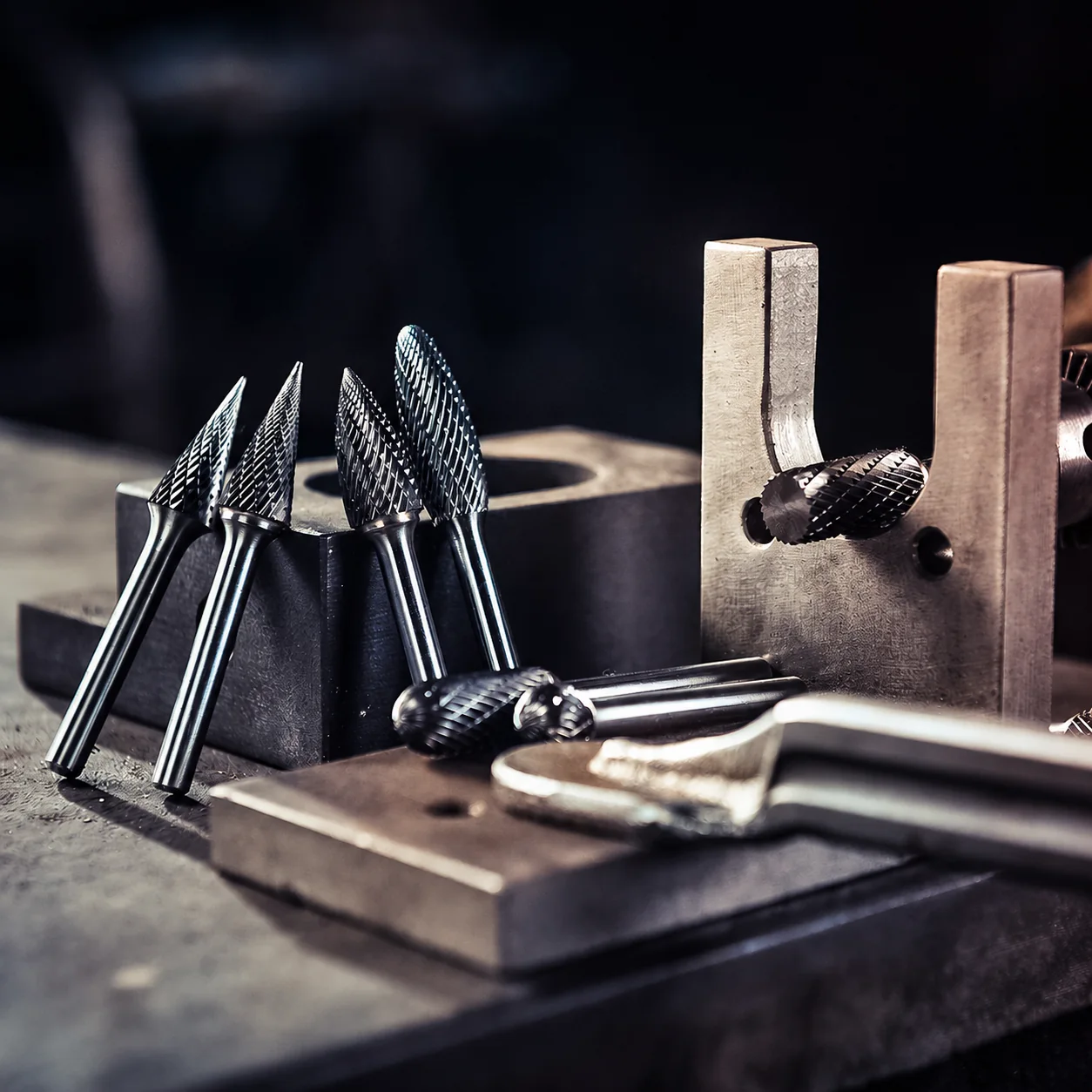
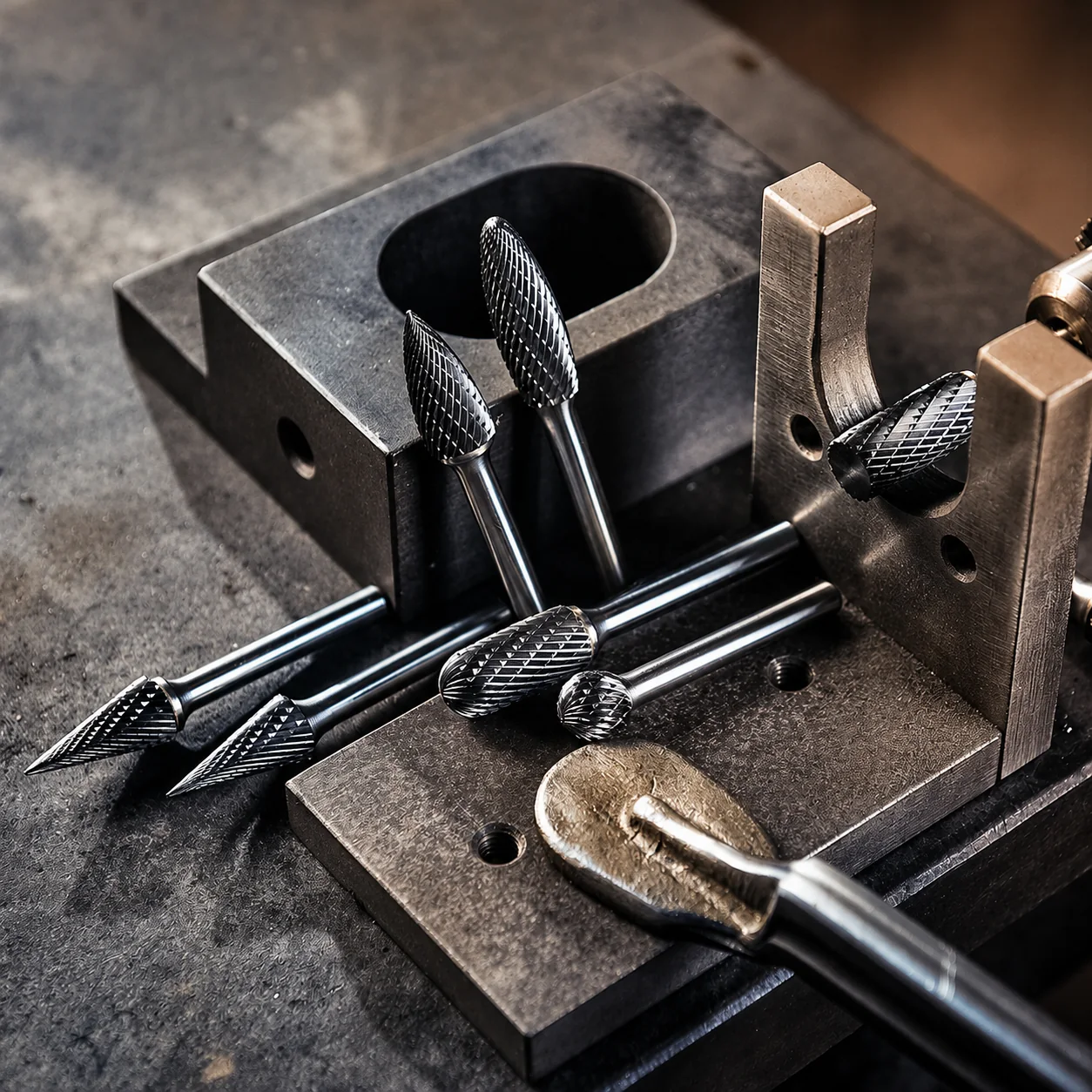
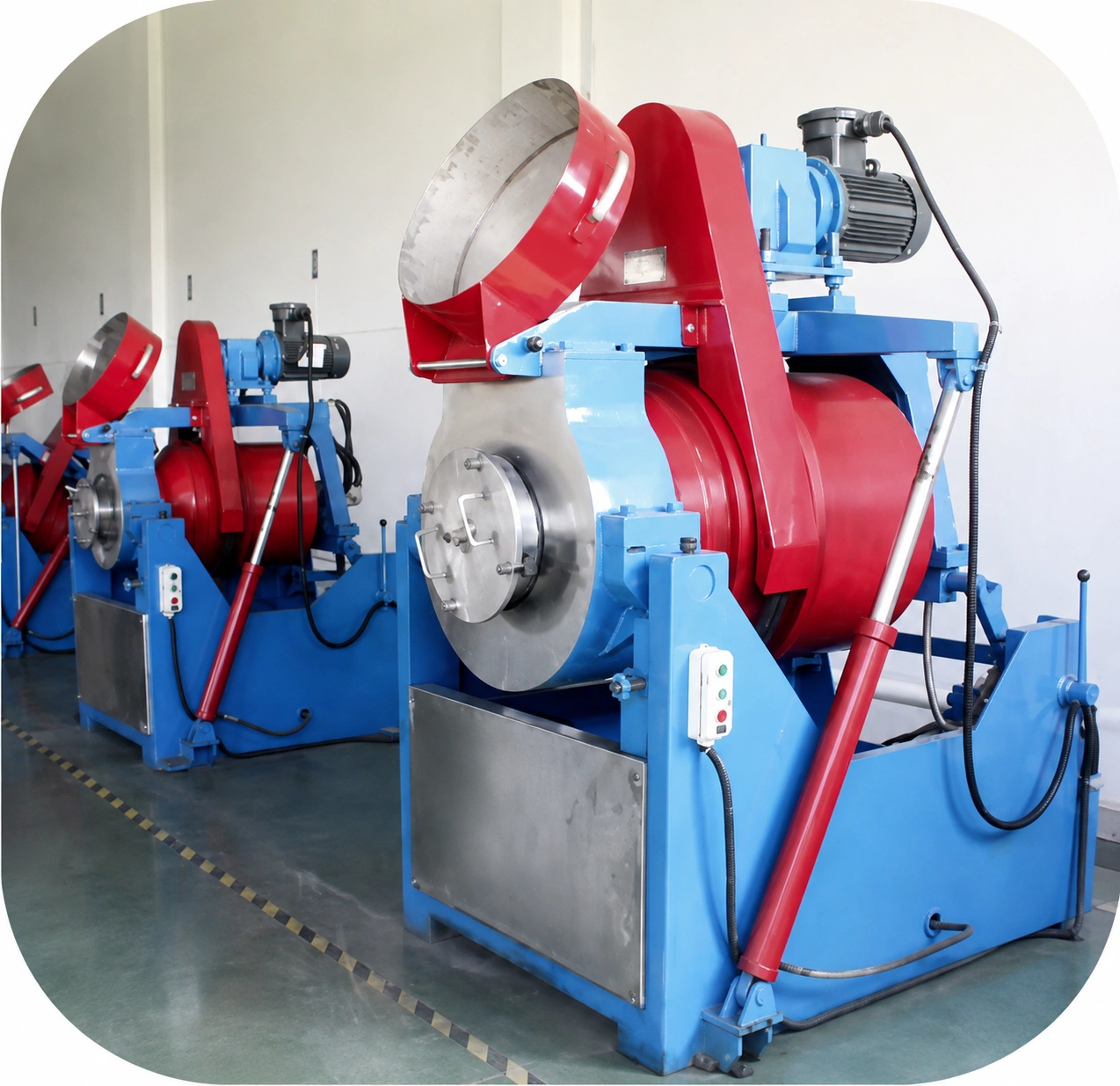
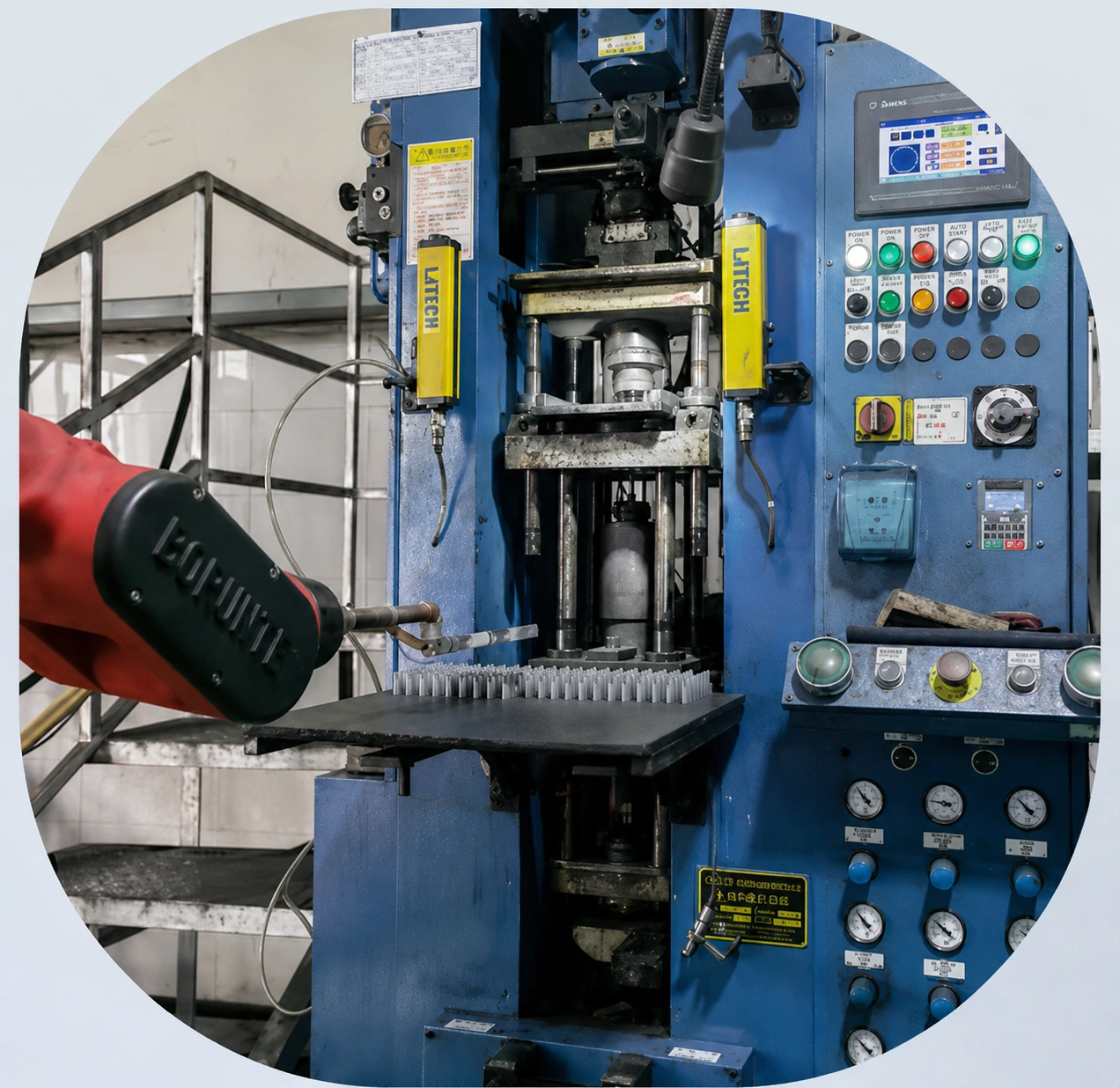
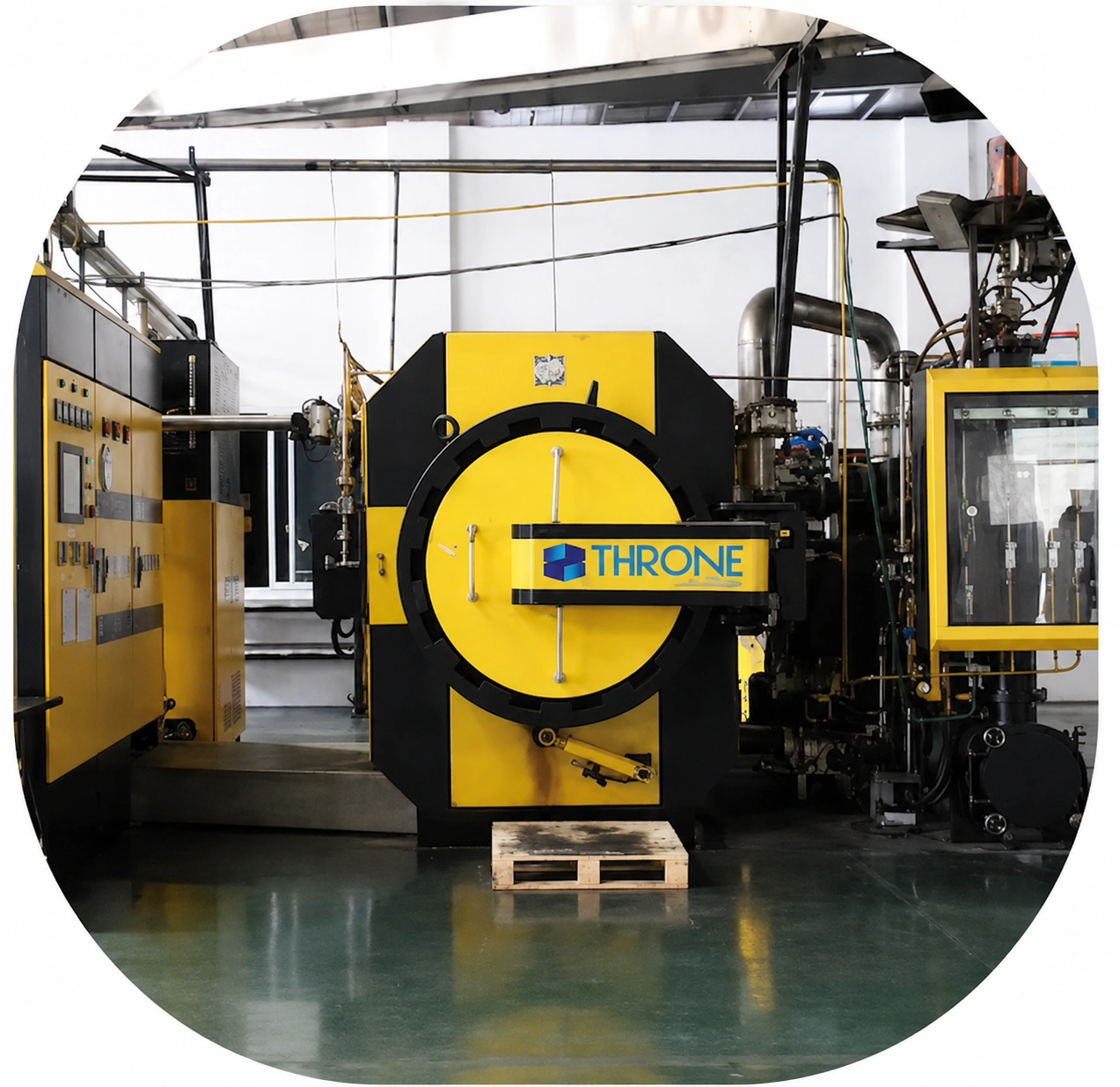
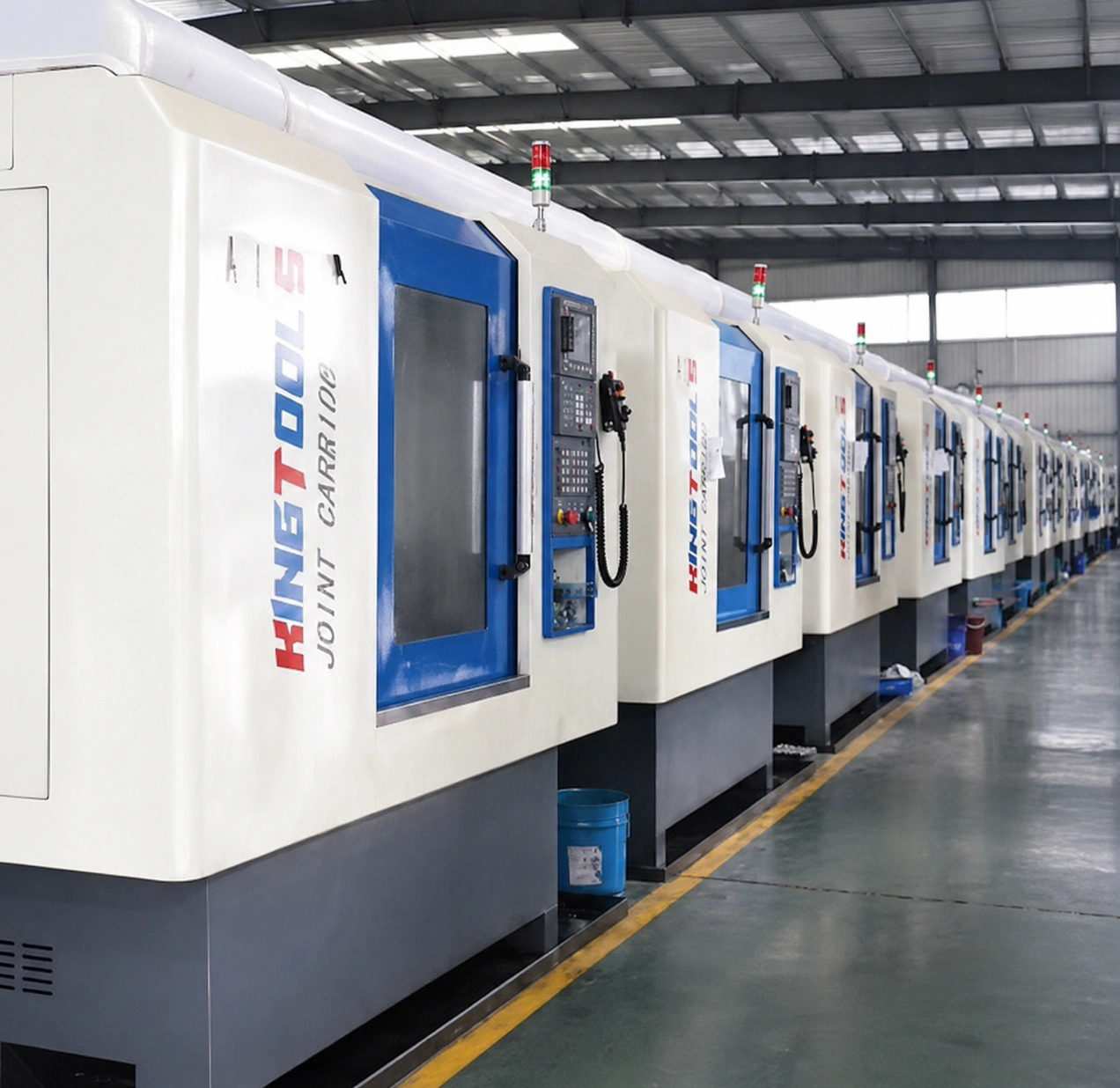
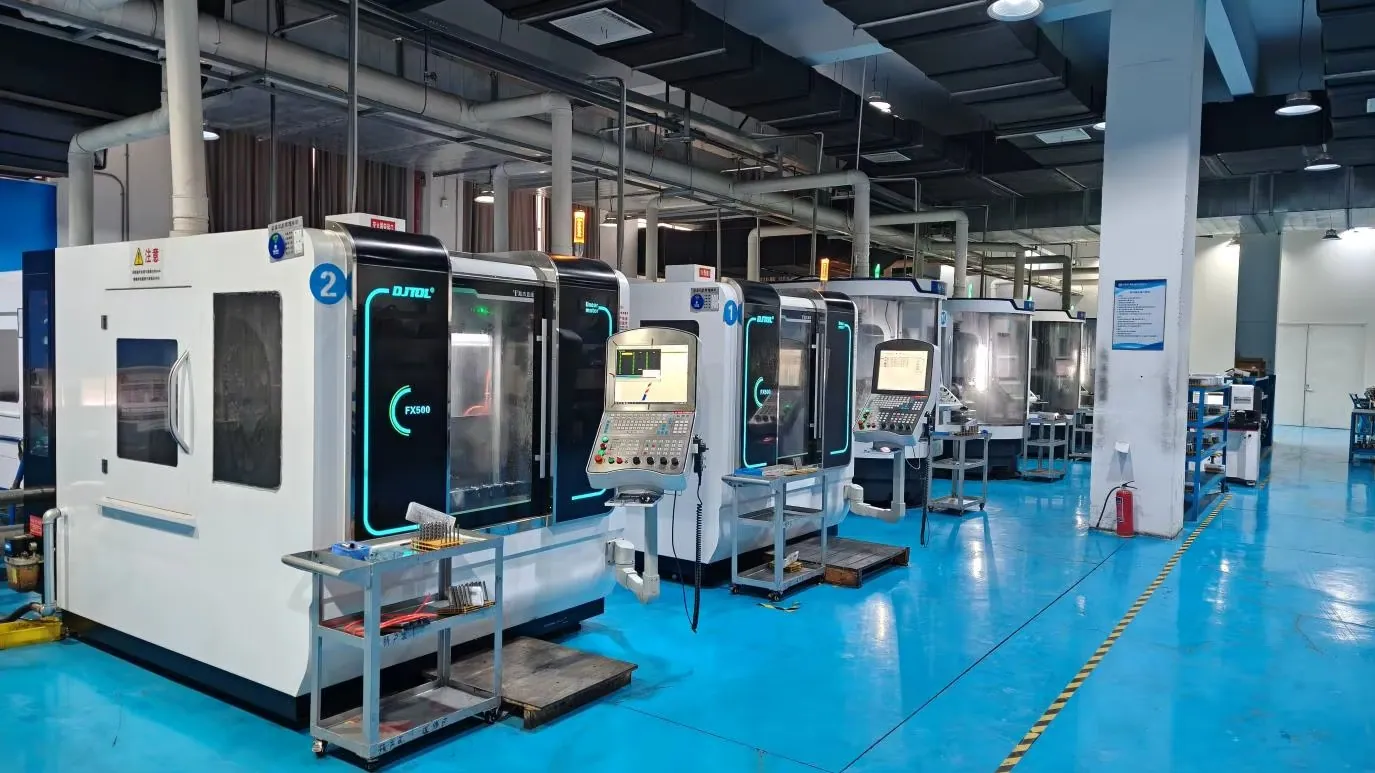
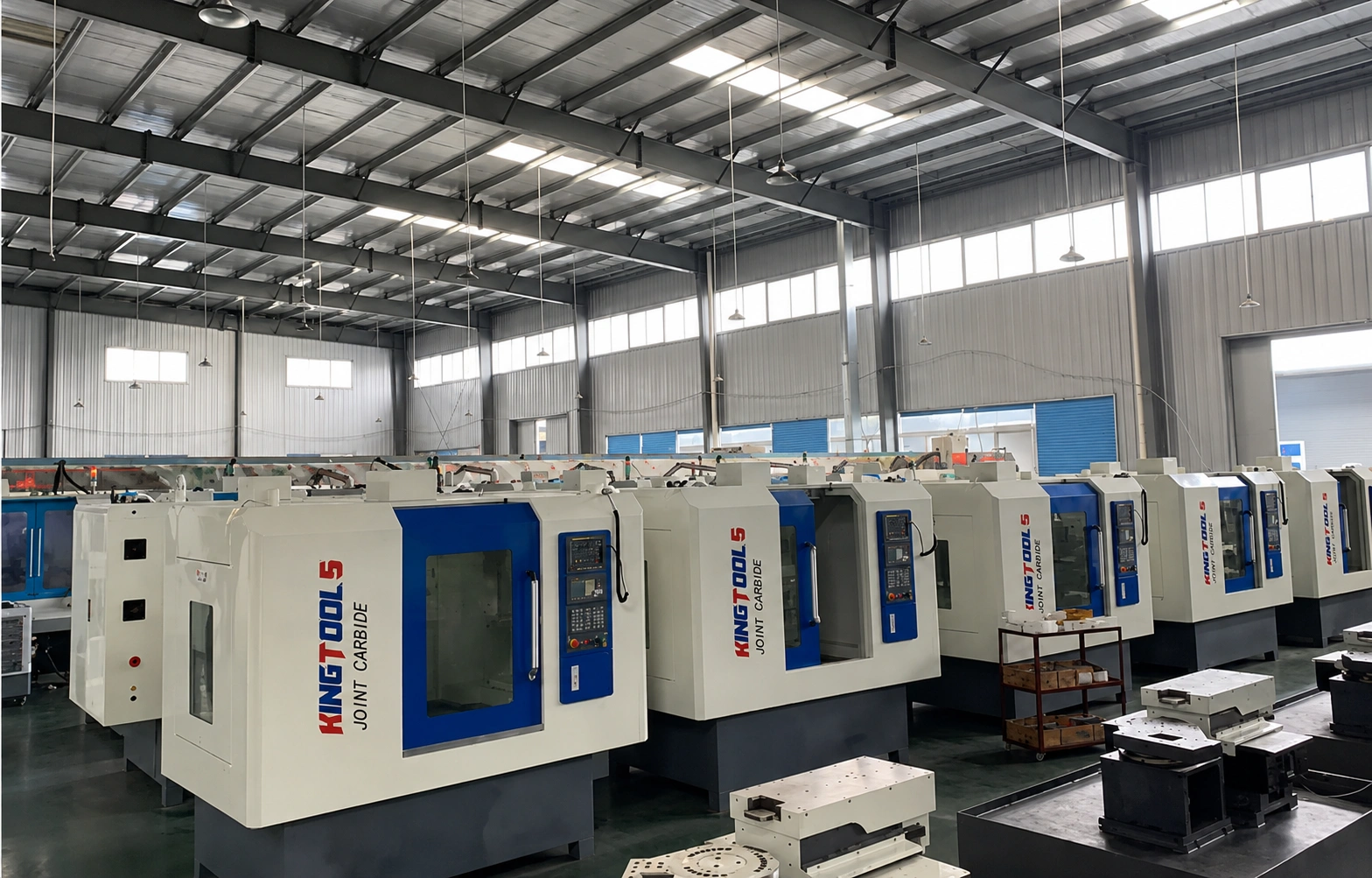
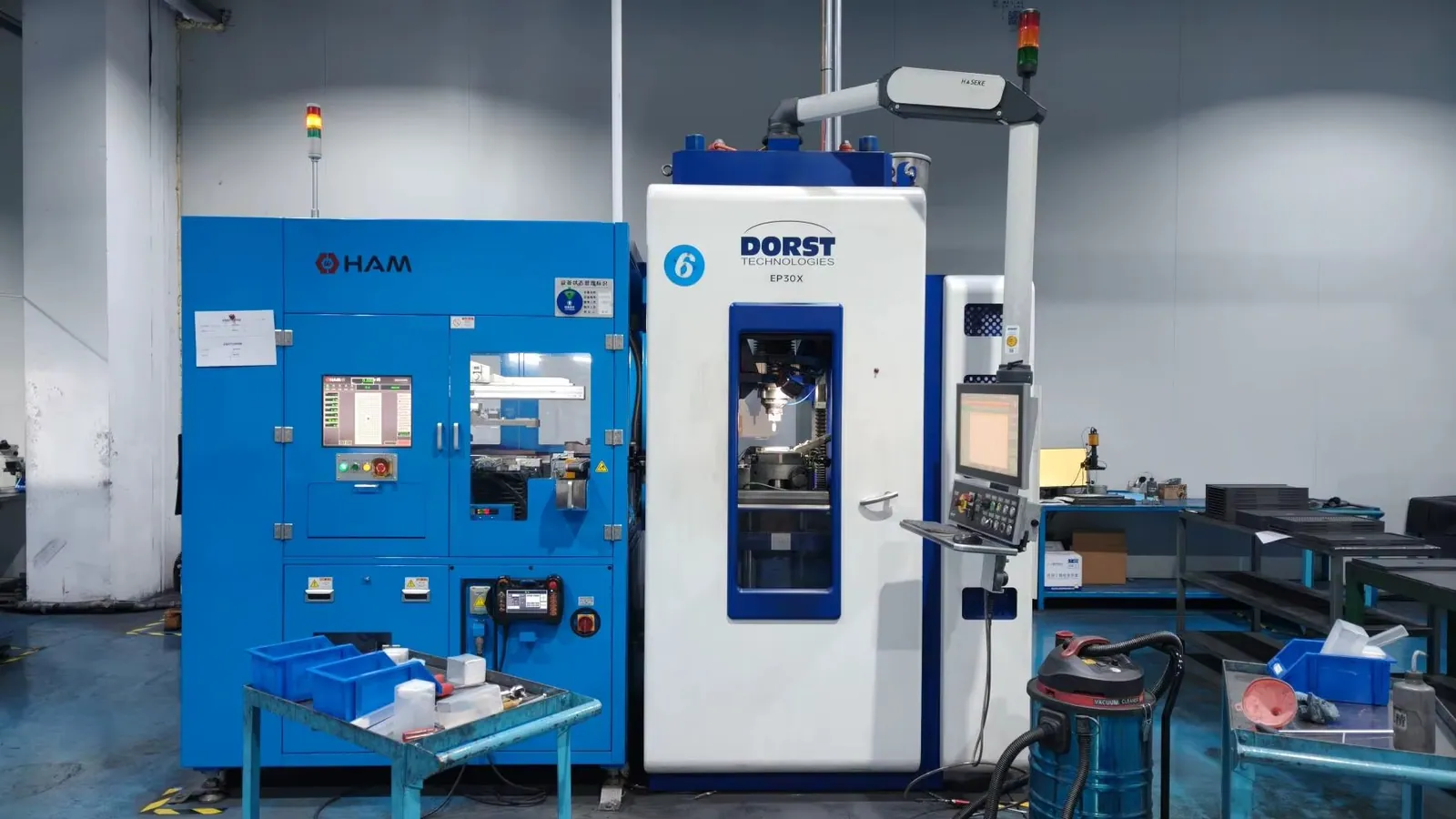
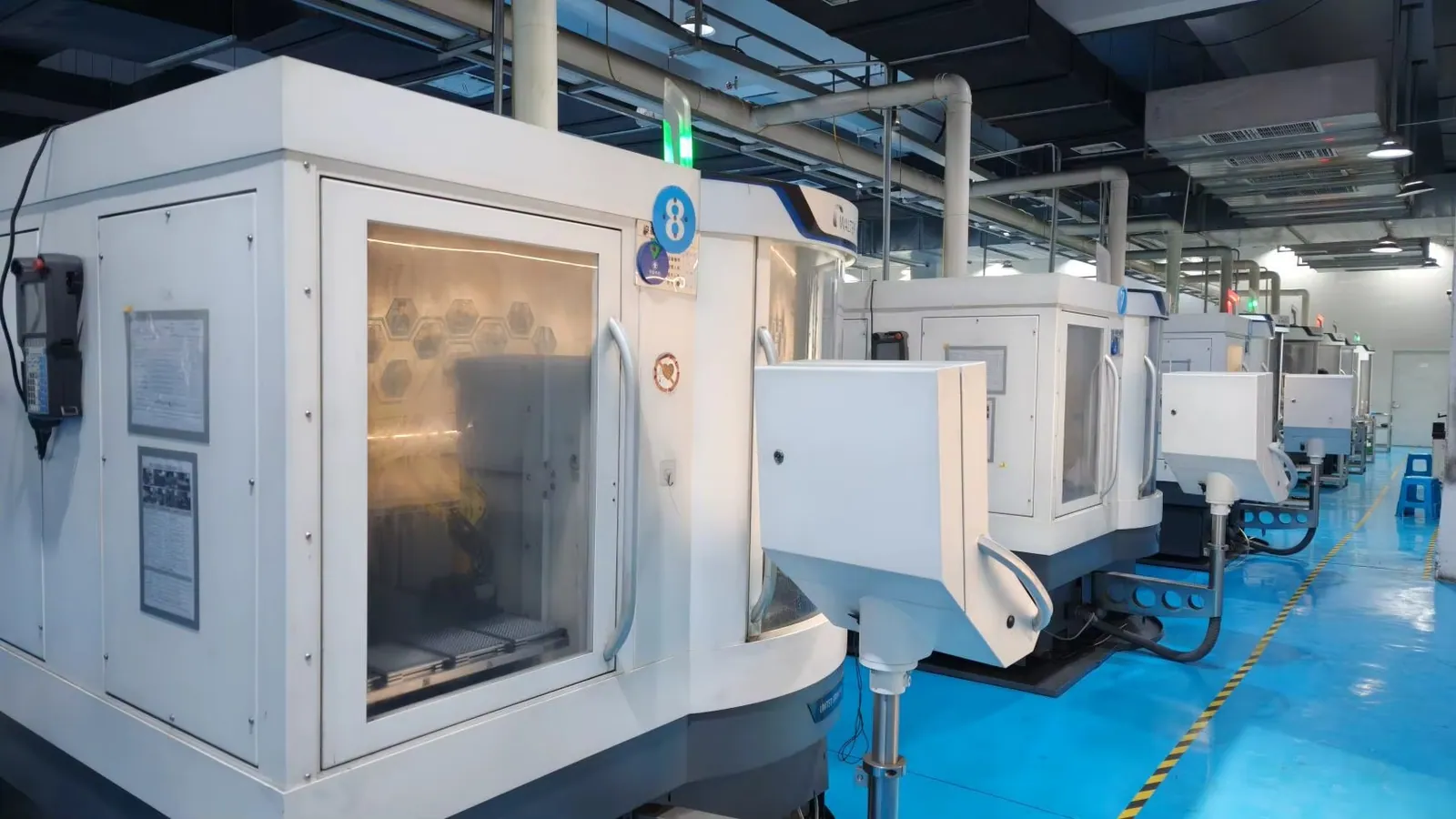
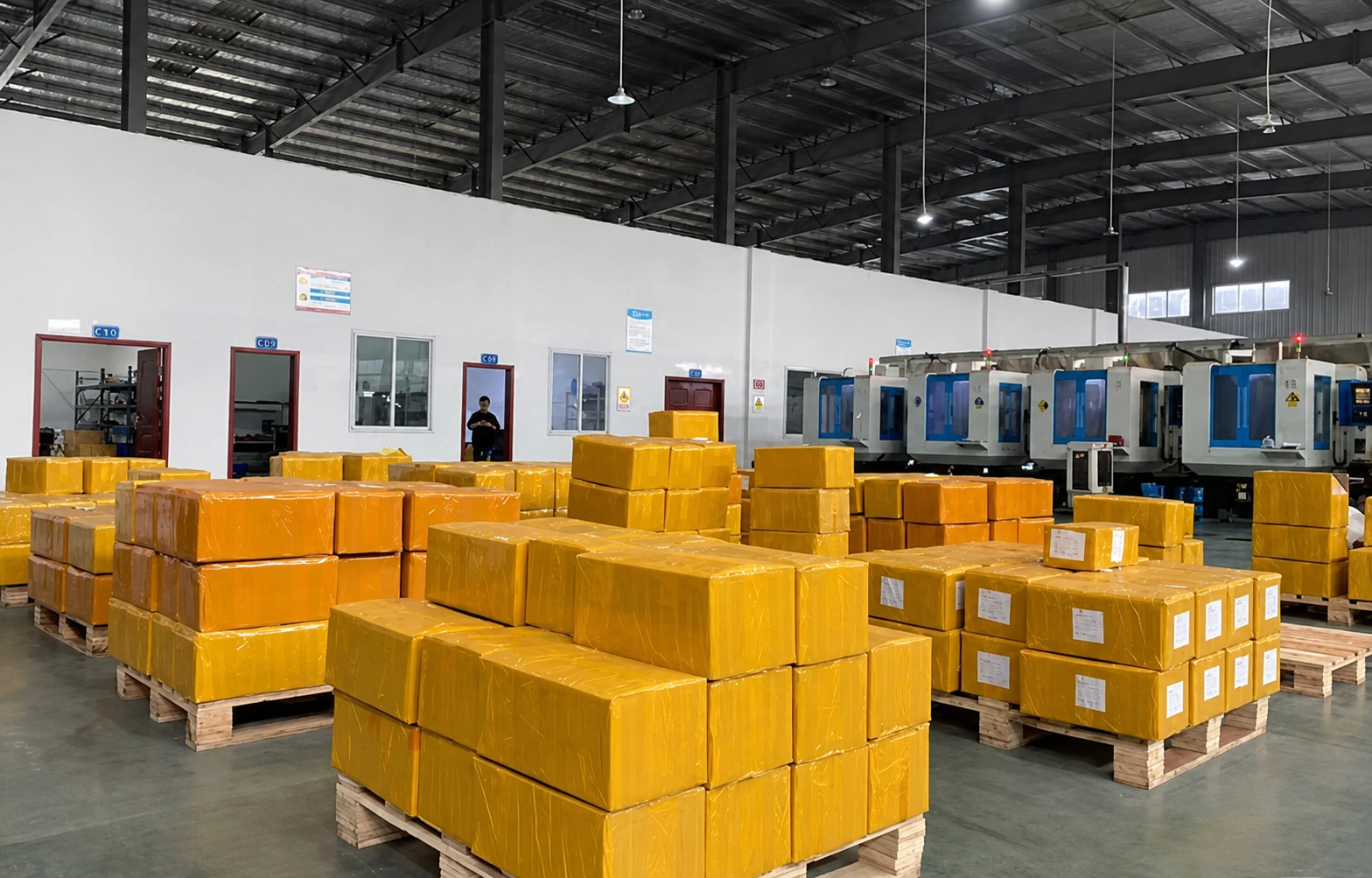
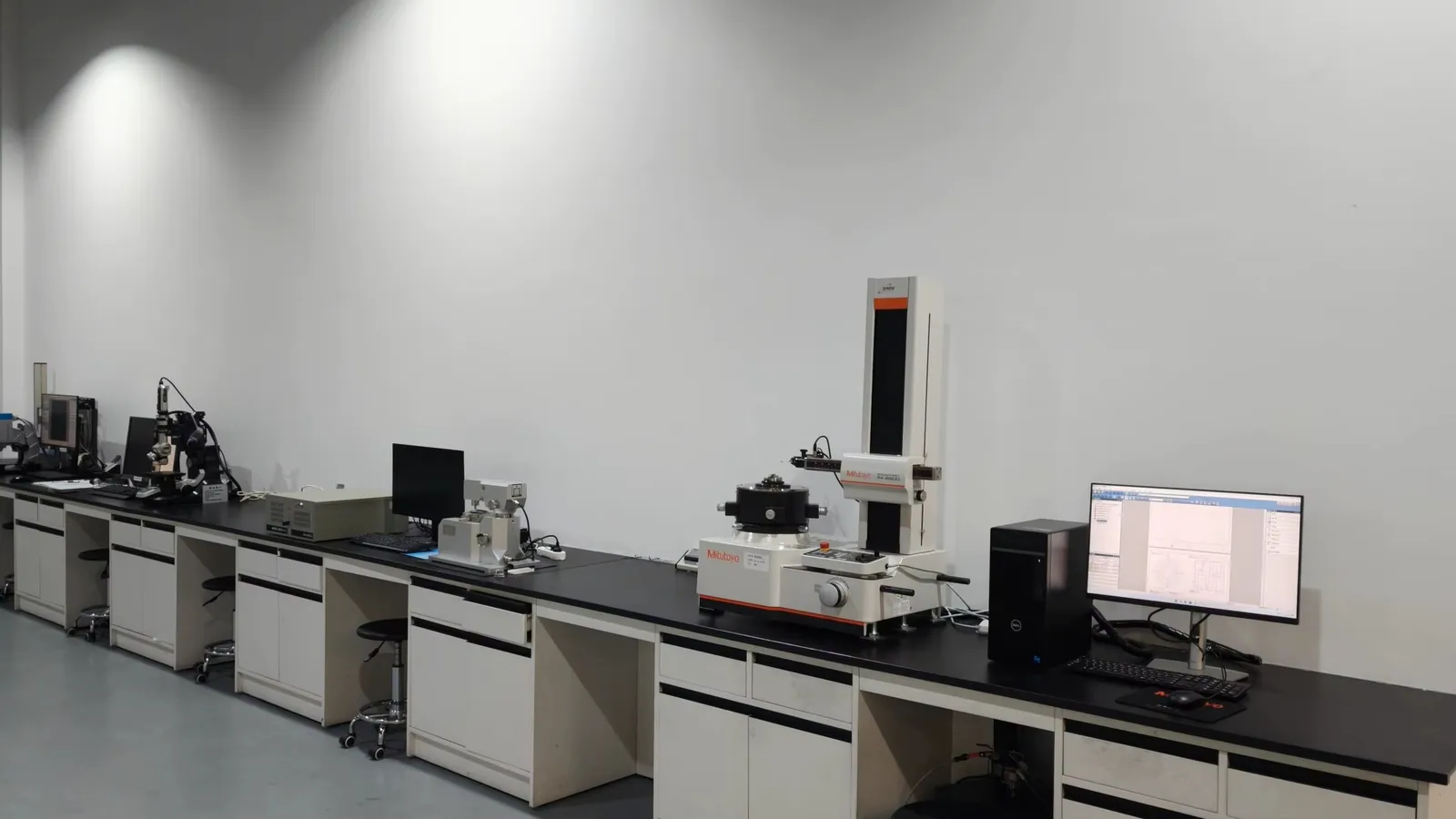
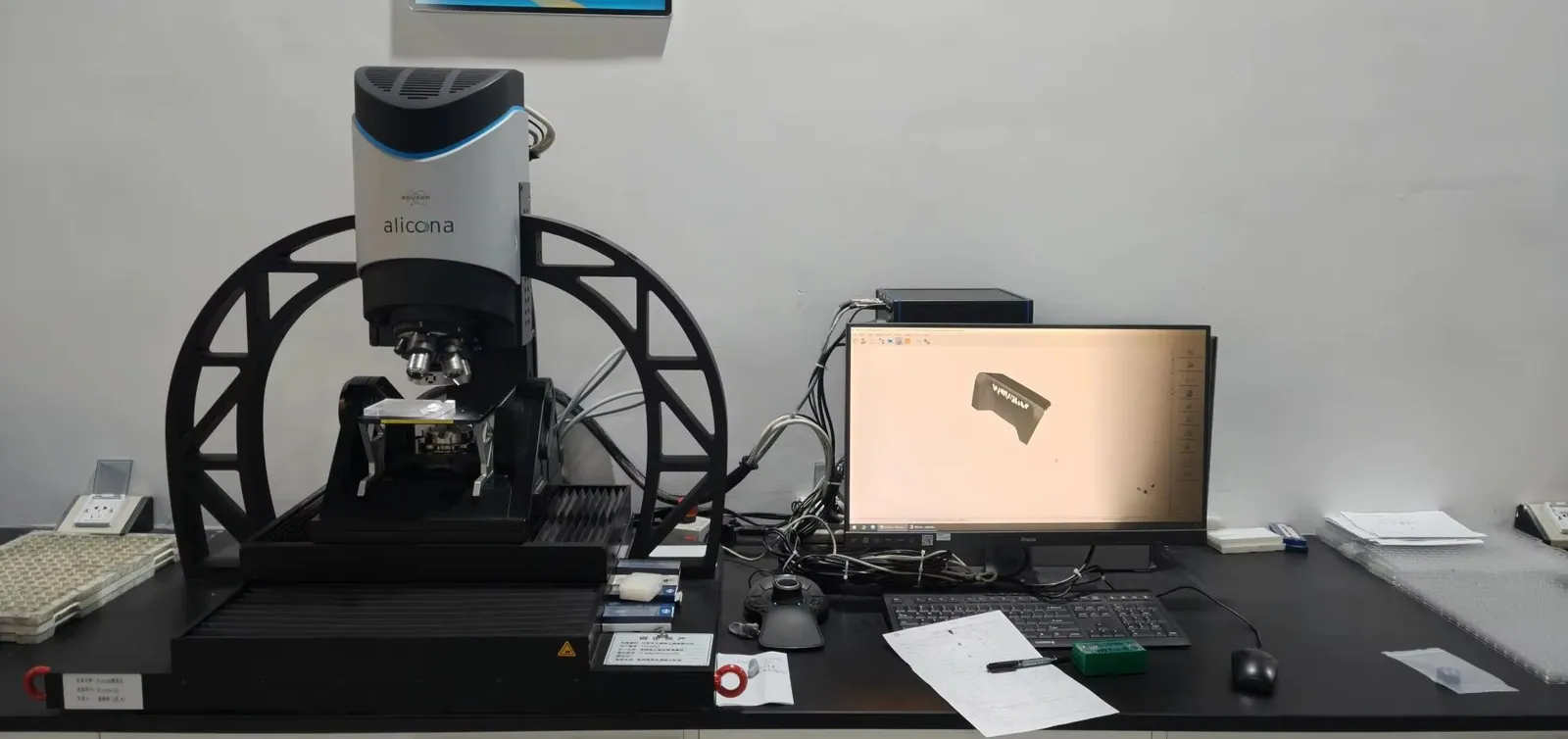
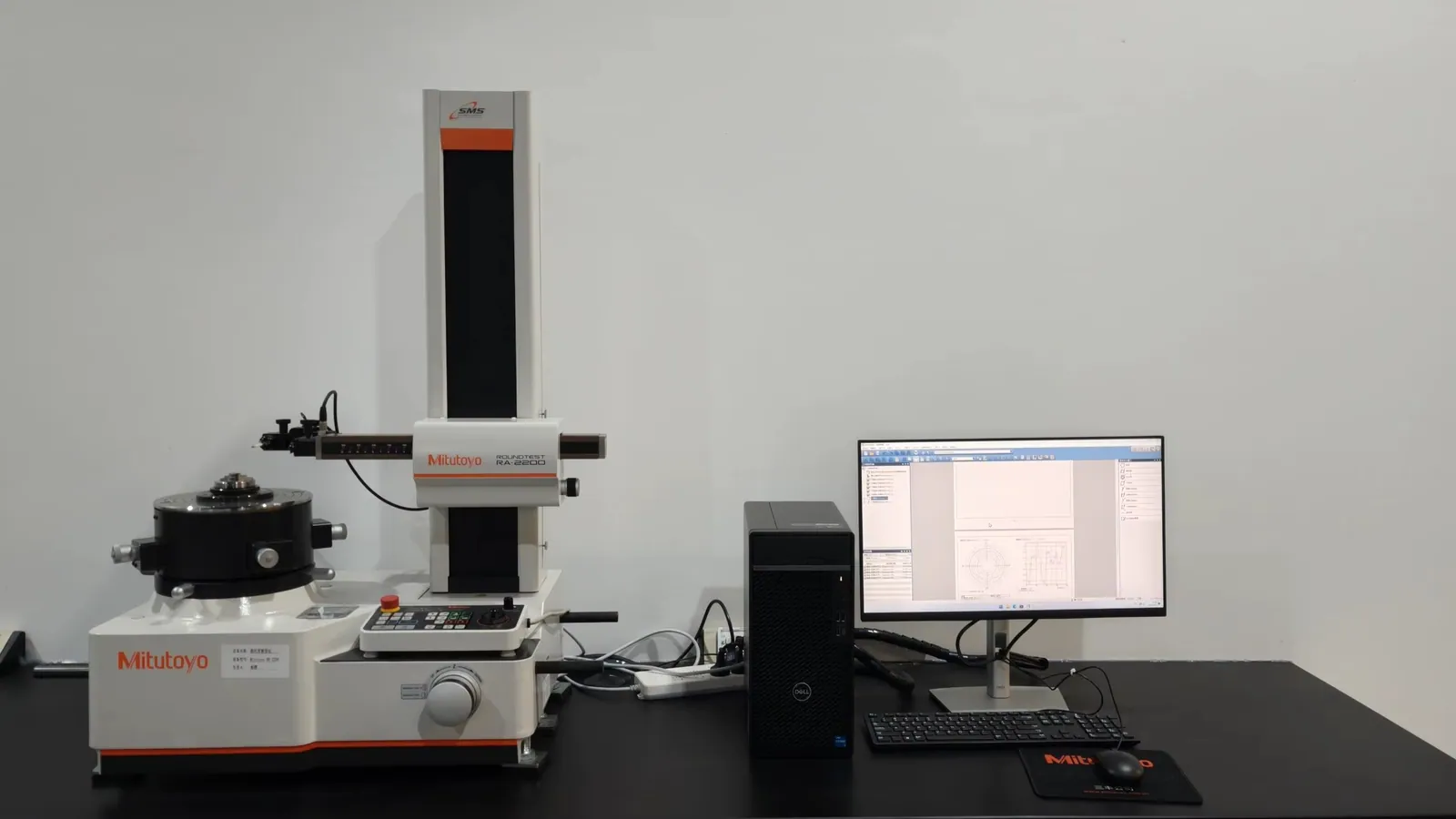
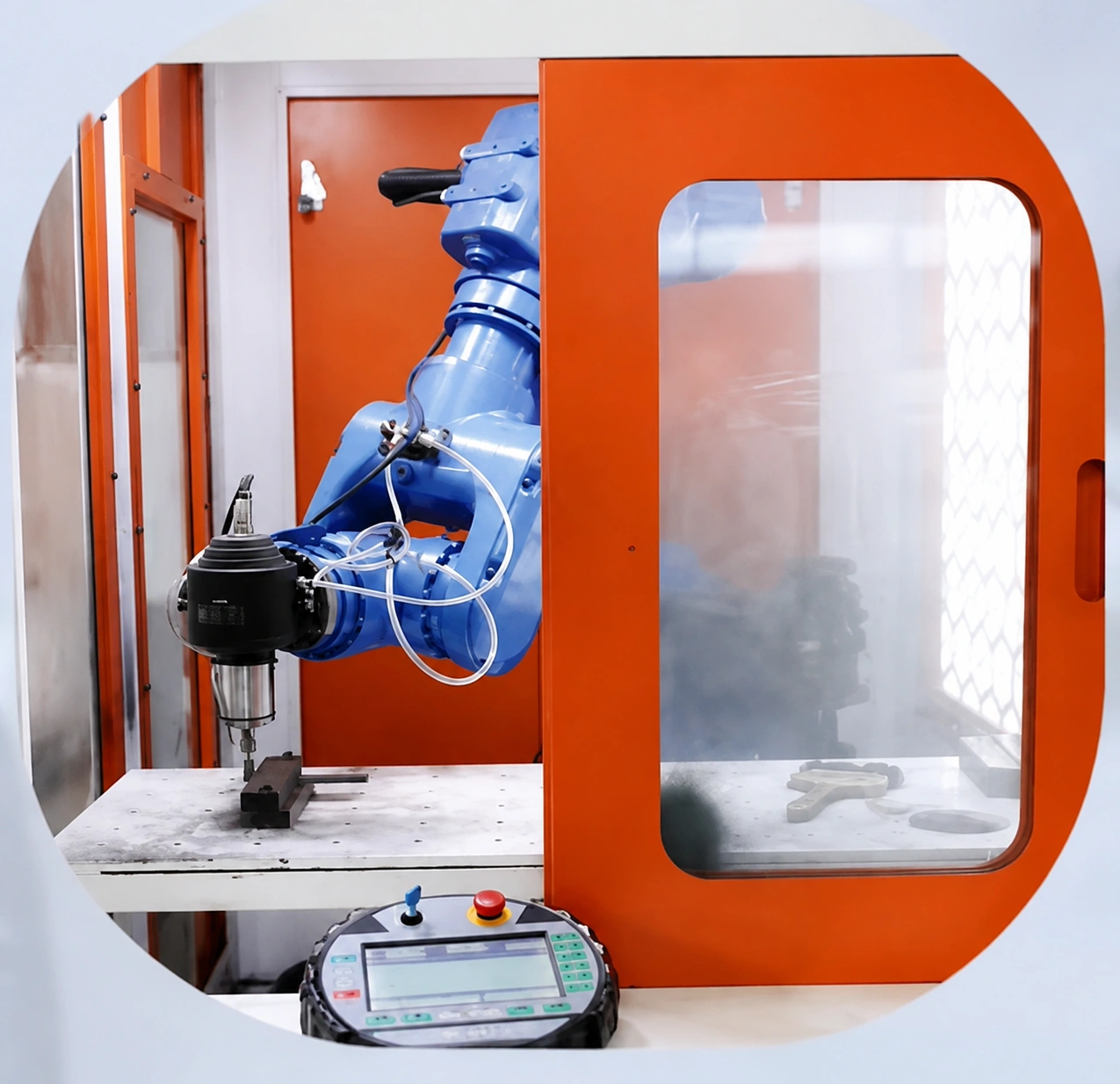
Compare for My Program →Review the supplied workshop and equipment images together with the approved product matrix, sample result and bulk-order inspection requirements.


Request the double-cut model matrix, sample plan and quality requirements before approving a bulk program.
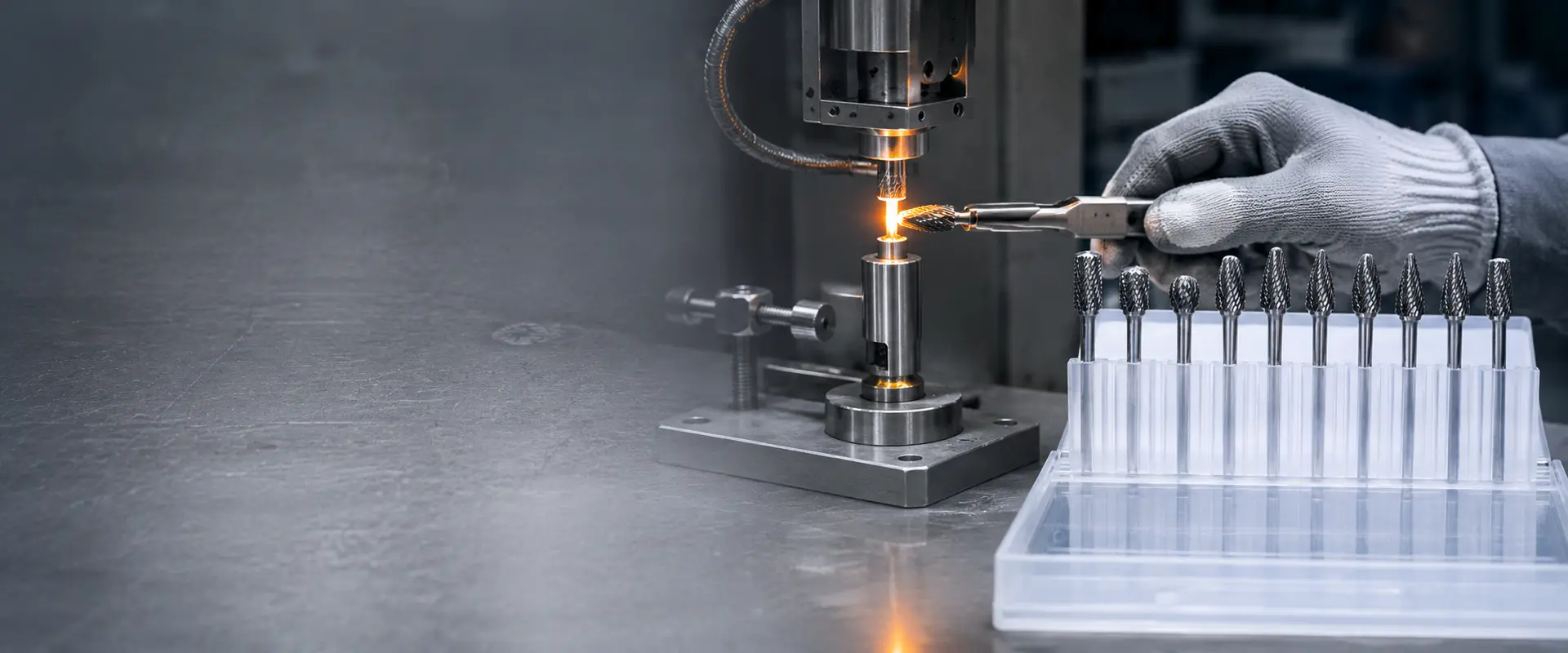
Request Factory Information →Bulk-order inspection should focus on the details that affect cutting stability and repeat purchasing. Check head diameter, cutting length, tooth condition, shank diameter, overall length, head-to-shank alignment and visible brazing quality. Runout should be measured on representative samples using the same inspection method for repeat orders. Packaging must also protect the carbide heads from impact during storage and international transport.


Check head diameter, cutting length, shank diameter and overall length.
Review the visible cutting teeth and compare the required cut against the accepted sample.
Check head-to-shank alignment and visible brazing quality on representative samples.
Use the same runout inspection method for repeat orders and protect carbide heads from impact during storage and transport.
Connect the accepted sample, inspection method, model code and packaging requirement to the bulk-order record.
Request Quality Information →
AXIME TOOLS can organize the double-cut range around your selected shapes, dimensions and market positioning.
Final artwork should be based on the approved product matrix so the shape code, dimensions and visible product always match. Individual replacement SKUs should also be retained when double-cut burrs are supplied in sets.
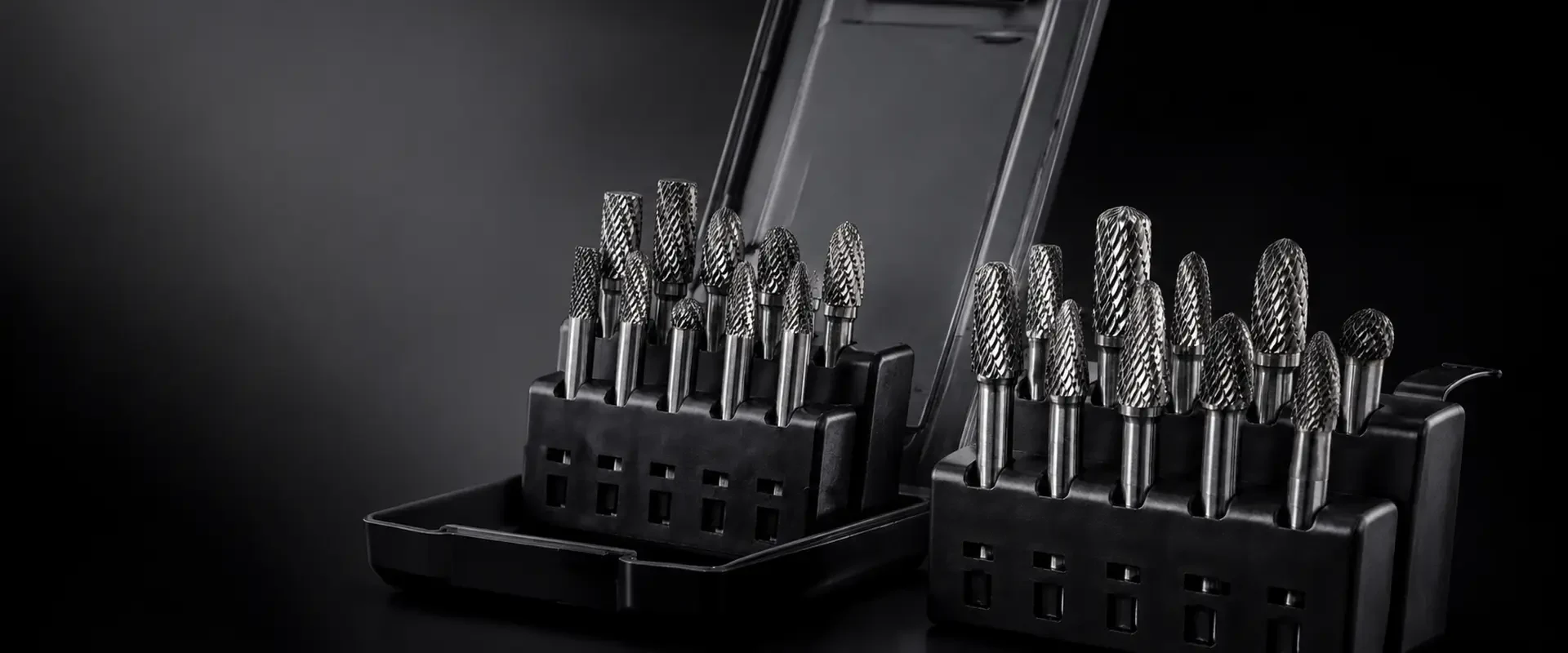
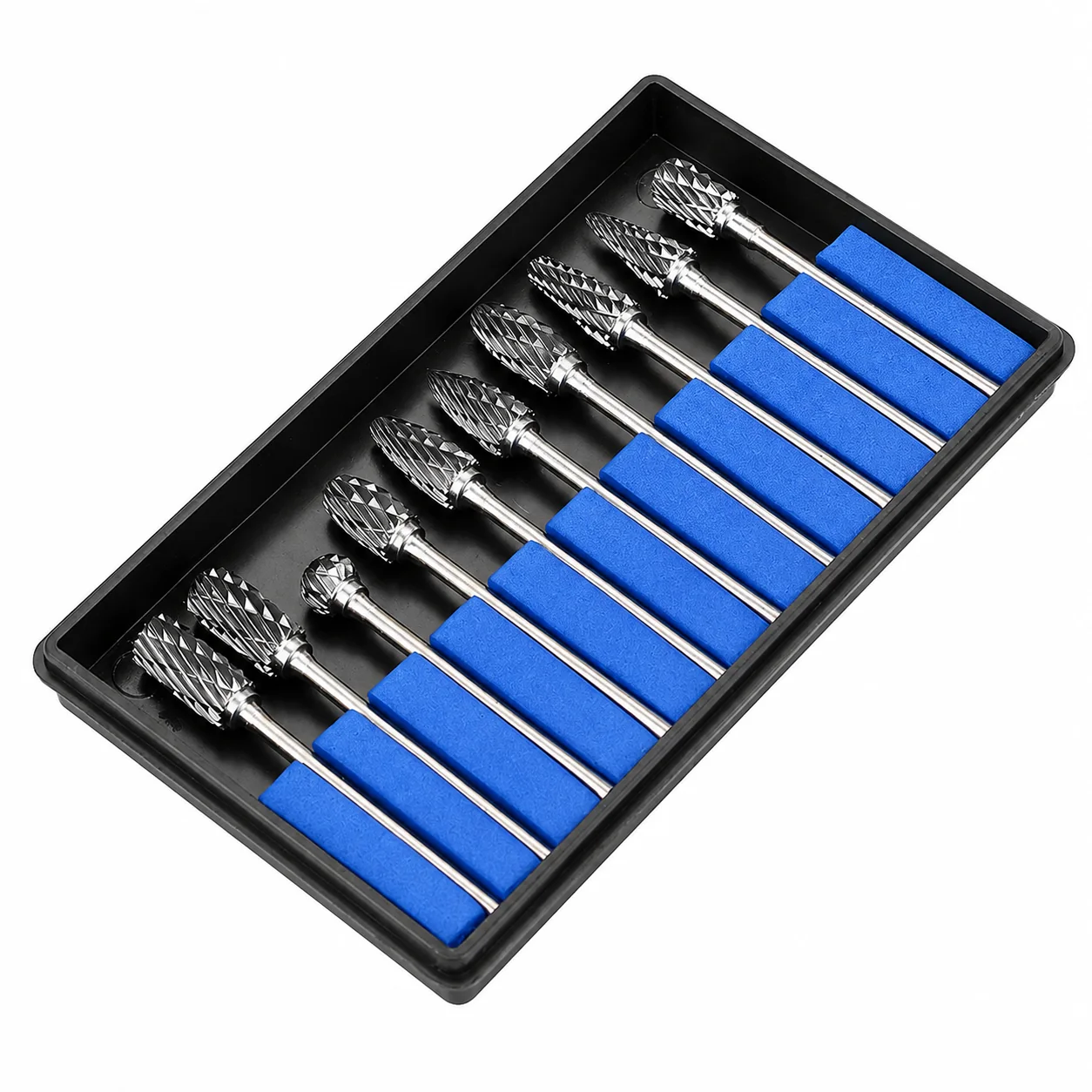
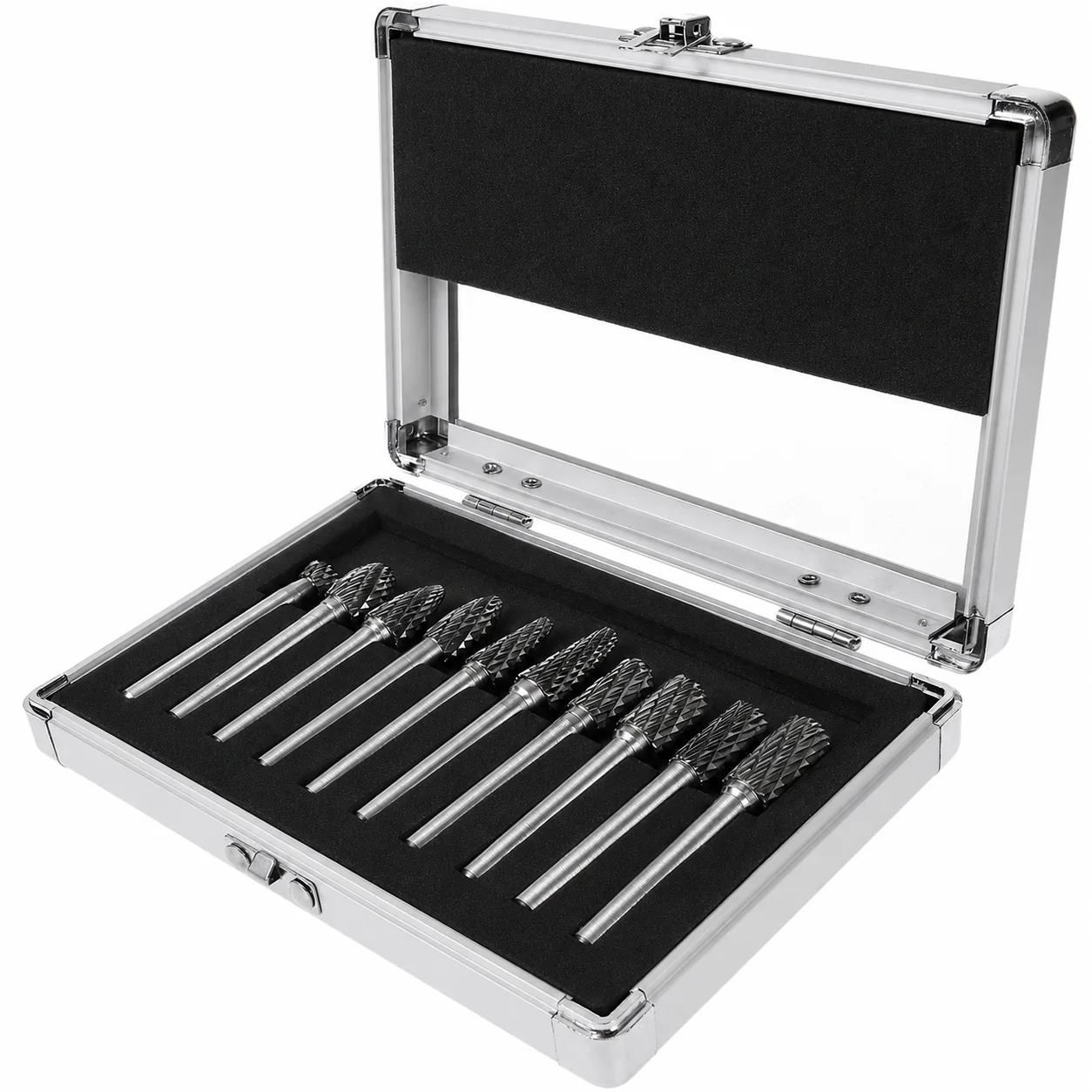
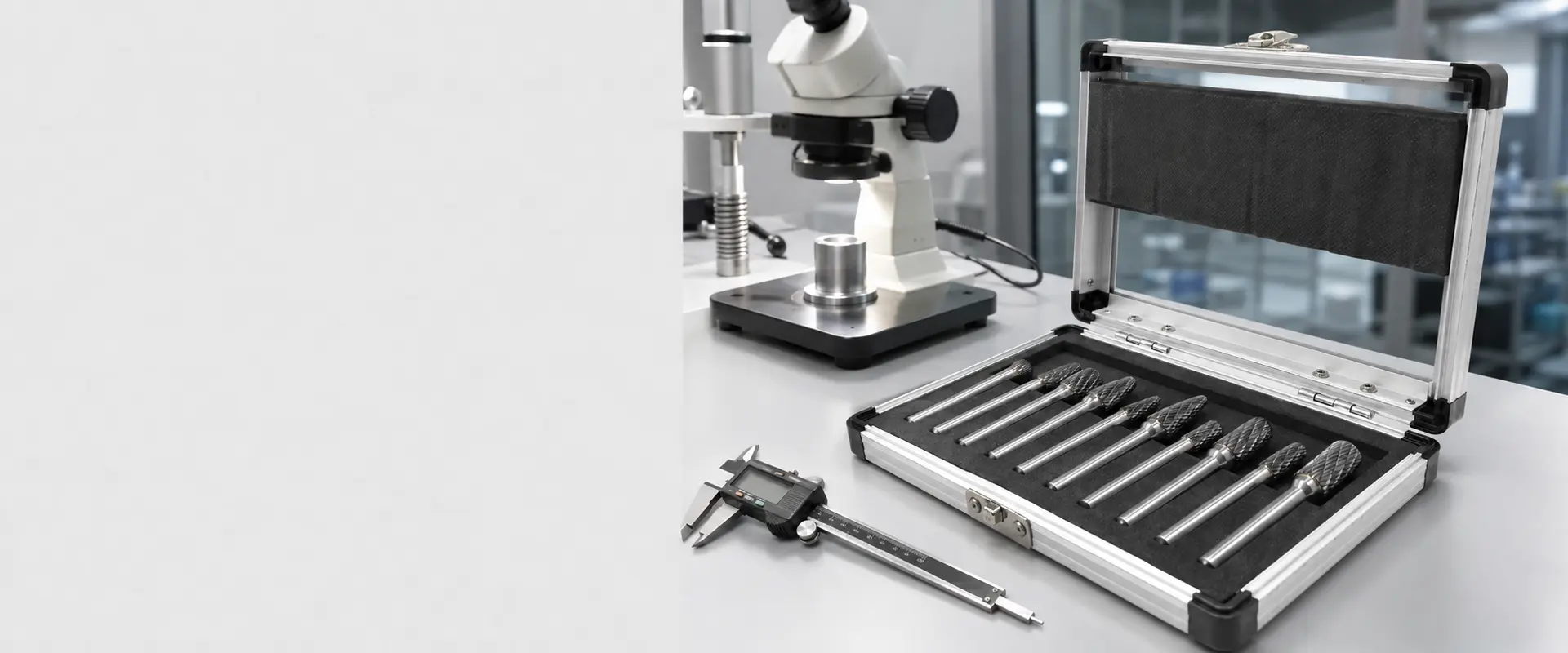
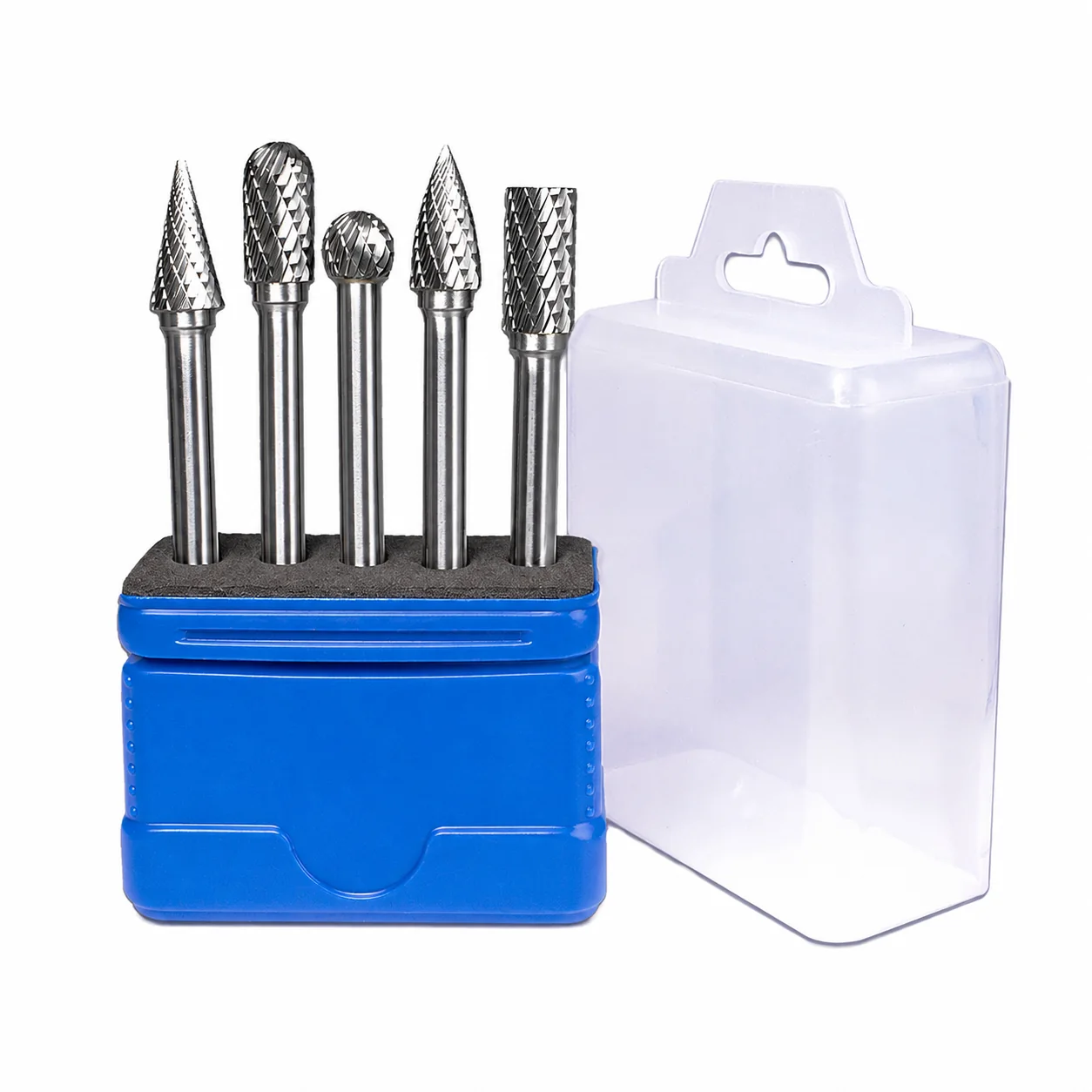
The supplied packaging images show several real formats for Double Cut carbide burr assortments. Final quantity, shape mix, marking and artwork must follow the approved model matrix.

A foam insert separates ten visible Double Cut burrs and protects the carbide heads during handling.

Individual molded slots keep the visible burrs separated for storage and range presentation.

The tray shows ten visible Double Cut profiles with separate shank positions for a mixed-shape set.

A compact holder and clear hanging cover present five visible Double Cut shapes as one small assortment.
Authorized customer names, roles and portraits are matched to the relevant product-series review library.
Carbide Cutting Tools · Quality / Batch ConsistencyStable Batch Quality for Distribution
“When I assess a new supplier as a tool wholesaler, I look for details that will still matter after the first order. We paid close attention to carbide grade consistency, cutting-edge geometry, finish, marking, and dimensional control. Aximet Tools kept edge finish, tool marking, dimensions, and pack presentation consistent across the production order, so the batch felt aligned with what we approved during sourcing. Those details make the overall sourcing decision stronger than choosing on unit price alone.”
Carbide Cutting Tools · OEM / Private LabelPrivate Label Support That Saves Time
“When I assess a new supplier as a private label buyer, I look for details that will still matter after the first order. We were not looking for a generic product only. Aximet Tools was practical when discussing laser marking, labels, packaging, sets, and distributor-brand presentation, and the customization process stayed organized even with B2B order details to manage. It is the kind of cooperation that helps a buyer build a category instead of constantly changing suppliers.”
Carbide Cutting Tools · Technical CommunicationClear Technical Communication Before Production
“In my role as an mro procurement buyer, I need a supplier that makes a multi-SKU program easier to control. Before approval, we checked carbide grade, geometry, coating/finish, dimensions, work material, and machine/application fit. Aximet Tools answered the specification questions clearly and confirmed the important details before production, which reduces the risk of misunderstandings on a commercial order. It gave our team more confidence to move from evaluation toward a broader purchasing plan.”
Want a range structured around professional customer demand?
Discuss Your Product Range →Include the workpiece material, operation, preferred shape, head diameter, cutting length, shank size and overall length. You should also explain whether the burr will be sold individually or inside a set. For an accurate private-label proposal, add the estimated order quantity, annual demand, marking, barcode and packaging requirements.
Test representative shapes on the actual materials and applications served by your market. Compare cutting control, chip formation, vibration, surface result and visible tooth wear. Record the tested model, dimensions, grinder, collet and operating conditions. The accepted sample should then be connected to the final SKU and bulk-order inspection standard.
Yes. Buyers can combine cylindrical, ball, oval, tree, flame and cone profiles according to market demand. Each model should have a clear application role and individual replacement code. Avoid filling the range with similar shapes that compete for the same task unless their size differences address distinct components or access requirements.
A double-cut carbide burr has two intersecting sets of cutting flutes on its carbide head. The crossed tooth pattern divides removed metal into smaller chips and gives the operator greater control than a more aggressive single-cut profile. It is widely used for deburring, weld dressing, contouring and casting cleanup on ferrous metals.
Choose double cut when the application requires controlled stock removal, smaller chips and a more uniform surface. It is suitable for detailed deburring, weld correction and contour work where overshooting the required profile would create additional finishing. Single cut may be preferred when rapid removal on an accessible surface is more important than cutting control.
Double-cut burrs are commonly selected for carbon steel, alloy steel, stainless steel and cast iron. They may also be used on certain harder non-ferrous metals when the application has been tested. For aluminum and other soft, loading-prone materials, an aluminum-cut burr with wider flute spacing is generally a more suitable choice.
Double cut generally creates a more uniform surface than single cut under comparable conditions because its crossed flutes produce smaller chips and reduce the aggressiveness of each cutting engagement. However, the final result also depends on burr diameter, tooth grade, grinder speed, pressure, runout and operator technique. It should not be presented as producing the same finish in every material.
The range covers standard SA–SN shape families, including cylindrical, ball, oval, tree, flame, taper and inverted-cone profiles. Cataloged 6 mm-shank models use head diameters within the 3–16 mm range. Because each shape has its own practical dimension combinations, buyers should request the double-cut model matrix instead of assuming every diameter is available in every profile.
Send us your target metals, main applications, preferred shapes, dimensions and annual demand. AXIME TOOLS will help you organize a double-cut range with clear application roles, individual model codes and suitable packaging for industrial distribution or private-label supply.