SDS Max Asphalt Cutter Chisel
A defined broad cutting configuration for localized asphalt work.
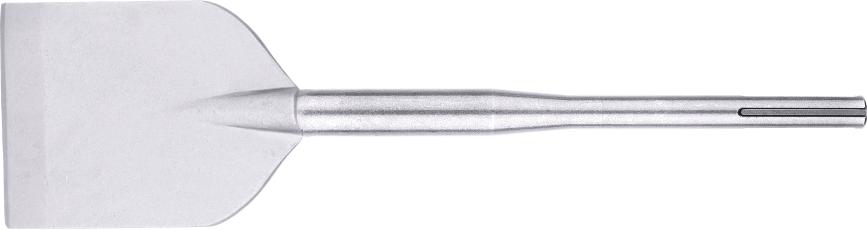
A hammer-driven SDS Max demolition accessory for localized asphalt work. The AXIMET SDS Max asphalt cutter is a steel chisel with a 450 mm overall length and a 125 mm blade width. Its broad cutting head is intended for localized asphalt-cutting work with a suitable chiselling hammer. “Tarmac cutter” is an alternative task-based description; it does not create a second version of this same configuration. For industrial-tool buyers and construction-tool suppliers, keep the connection, edge form and intended cut together. The 125 mm blade width is a tool dimension, not a promised finished cut width, permitted cutting depth or removal rate.
- 450 mm listed overall length.
- 125 mm listed blade width.
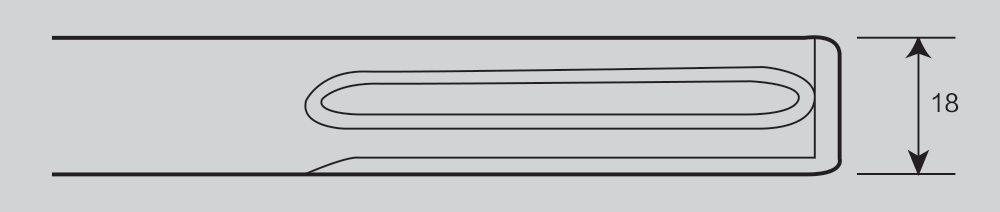
- SDS Max connection with an 18 mm shank diameter.
- Asphalt and tarmac terminology kept on one product page without mixing other interfaces.
Holder Compatibility
The listed tool uses SDS Max, not SDS Plus. Use a matching holder and the machine’s specified chiselling operation for the accessory. Keep the cutting task and machine approval separate from basic holder fit.
This is a hammer-driven cutter, not a rotating saw blade. Do not apply saw-blade selection criteria or claims to this chisel simply because both are used on asphalt.
Check the SDS Max connection against the machine holder and the permitted impact-only operation.
Specifications and Order Configurations
All listed lengths and widths are in millimetres. Each row is a separate configuration.
| Interface / body | Working form | Overall length (mm) | Blade / head width (mm) | Enquiry |
|---|---|---|---|---|
| SDS Max | Asphalt cutter | 450 | 125 |
The steel chisel body and the working profile are distinct from the holder connection. The SDS Max shank diameter is 18 mm.
Cutter Head, Holder and Overall Length
450 mm overall length from working end to shank end. 125 mm working width across the head.
The broad head provides a cutting edge distinct from a soil-digging spade or a narrow breaking point. The head transition, blade alignment and approach to the surface are relevant to the way the tool enters the work.
The 18 mm SDS Max shank dimension describes the connection. It must not be confused with the 125 mm working width or used as a substitute for the complete holder specification.
Match the impact tool, width and reach
| Selection field | Confirmed item or buyer input |
|---|---|
| Accessory type | Hammer-driven asphalt cutter chisel |
| Holder | SDS Max |
| Overall length | 450 mm |
| Head width | 125 mm |
| Application | Describe the asphalt layer, boundary and available access |
| Purchase quantity | Provide quantity by order line |
Overall length includes the inserted shank. To evaluate reach, place the machine in the planned work position on a sketch and mark the intended contact line. Head width describes the working end. Check whether the entire intended contact strip can be reached and whether the head can be withdrawn through the available opening. A buyer who asks only for “125 mm cutter” may be referring to a rotary blade diameter or to an impact chisel width. State the accessory type and connection alongside the dimension.
The catalogue row gives a complete 450 × 125 mm configuration. It does not create a second head width or length. If the requirement is another geometry, provide a separate drawing or sample request. Keep the listed item distinct from any proposed alternative when comparing quotes. Identify the exact hammer model and its allowed operating mode. The machine instructions govern how an impact accessory may be used. Matching SDS Max connection alone does not settle whether a particular application is permitted or whether the workspace allows the intended contact.
Application Selection
Identify the asphalt surface, the extent of the local cut or removal and the available working position. Describe the layer and what lies below it, particularly when the required result is a defined opening rather than unrestricted breaking.
Choose the hammer and approach for the broad cutter. A matching shank does not by itself establish that a machine is appropriate for every cutting width or ground condition. Overall length should also be considered with the hammer’s position and the portion engaged in the holder.
Keep this SDS Max 450 × 125 mm cutter separate from hex-interface asphalt tools, 115 mm tarmac configurations and clay spades. Their similar broad heads do not make their dimensions or machine connections interchangeable.
Define the road-surface operation before asking for a cutter
The term asphalt cutter can refer to different equipment. This page covers a wide, hammer-driven chisel with an SDS Max connection for localized asphalt work. A buyer who needs a continuous rotary cut, a saw blade, or a complete cutting machine should define that operation separately. Identify whether the requirement is to work at an accessible edge, break out a limited section or remove material left after another operation. The required contact shape, machine and expected result will be different in each case.
For patch work, describe the existing asphalt layer and the boundary of the area to be removed. State what lies beneath it and which neighbouring material should remain. The quoted accessory should be assessed against the real approach and retained surface, not against a generic road-cutting label. If the work involves several separate locations, identify which locations have different access or material conditions. A single purchase can include separate trial requirements even when the catalogue item is the same.
Plan an application trial with a clear acceptance condition
A sample trial should answer a defined question. For access, show the edge or opening and where the hammer must sit. For material removal, describe the asphalt and underlying layer as well as the expected boundary after work. For receiving approval, specify how the head width, length and holder will be checked against the accepted record. Use the same conditions for any comparison so the buyer can identify what changed. Record the actual model, site conditions and accessory configuration with the result.
For example, two job sites may both request a tool for small asphalt patches. One offers a clear edge and space to position the hammer. The other is bounded by an obstruction and a retained surface. A working end that can be presented in the first location may not be suitable for the second. Send both access descriptions instead of treating the tool choice as established by the word “asphalt.” If the expected cut runs continuously across a long boundary, recheck the equipment category before purchasing a chisel.
Give the supplier an image of the work area and a simple measurement reference if access is uncertain. Identify which layer is to come away and which base must stay. Record the opening available to the head and the approach for the hammer body. If the proposed operation changes during the trial, note it separately so an acceptance decision remains traceable to the stated conditions.
Asphalt Cutter vs Clay Spade and Wide Chisel
Compare the adjacent product families by working job
A clay spade has a different purpose: its head is selected for soil and clay access, including how it enters and withdraws from an excavation. A broad straight scaling chisel is a comparison for removing material across a strip of exposed surface. The asphalt cutter chisel here is identified by its wide cutter head and localized asphalt application. Do not choose between these forms by nominal width alone. Describe the layer, the material to remain, the required contact line and the machine position.
| Purchase request | Start by checking |
|---|---|
| Impact work at a local asphalt edge | Cutter head, holder, width and room to present the tool |
| Soil or clay excavation | Spade outline and the opening through which it must pass |
| Broad surface residue removal | Scaling edge and retained base condition |
| Continuous rotary cutting along a line | Saw, blade compatibility, required cut and operation requirements |
The intent boundary matters to a distributor's catalogue and sales team. An order headed “road cutting” can route to a blade or machinery department even when the customer wants a hammer chisel. Put “SDS Max asphalt cutter chisel” on the quote line and record the head width and overall length. Where the end user already has a hammer, request its model. If the customer supplies an image of a rotating disc or a saw spindle, route it to the appropriate separate product family.
Manufacturing Process
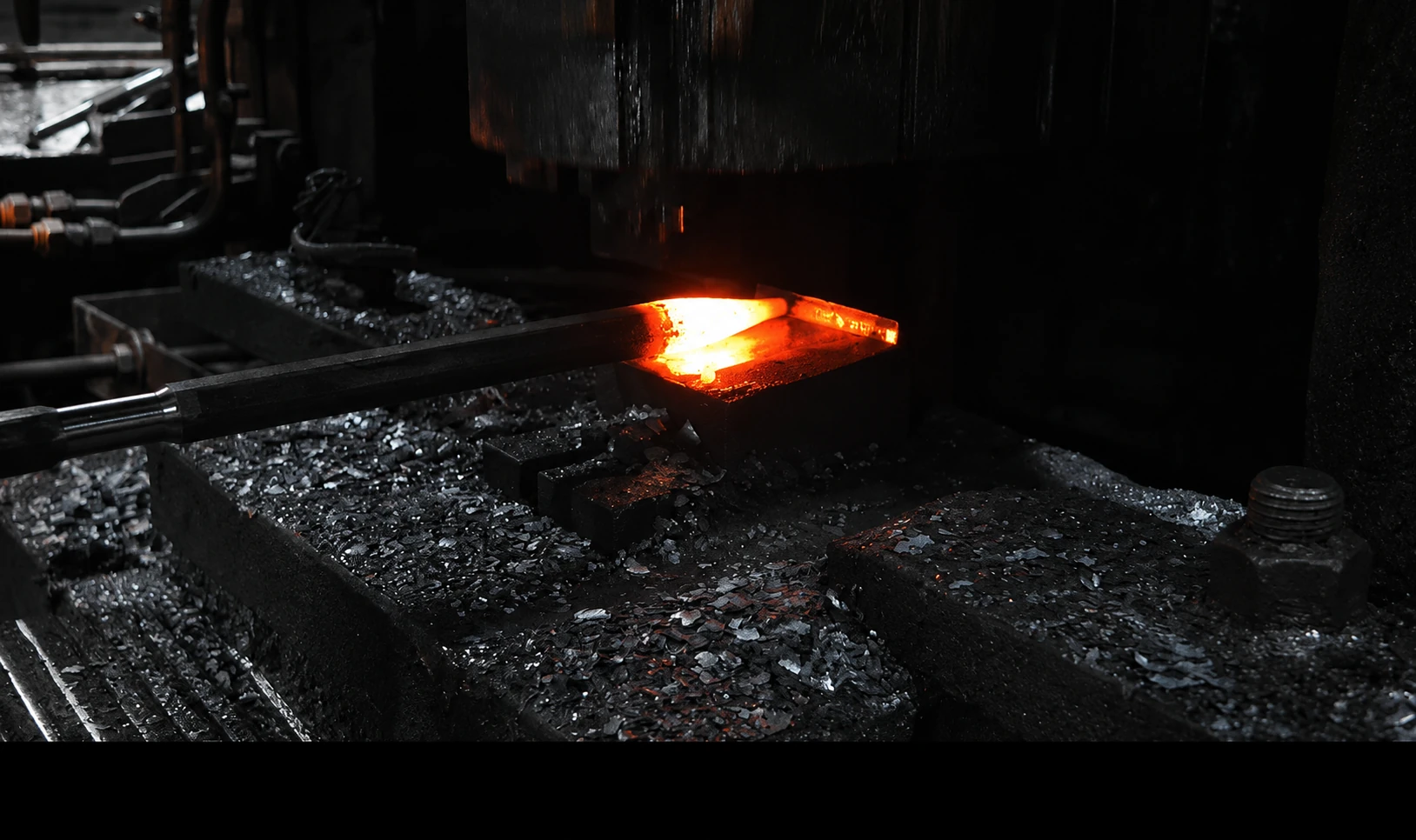
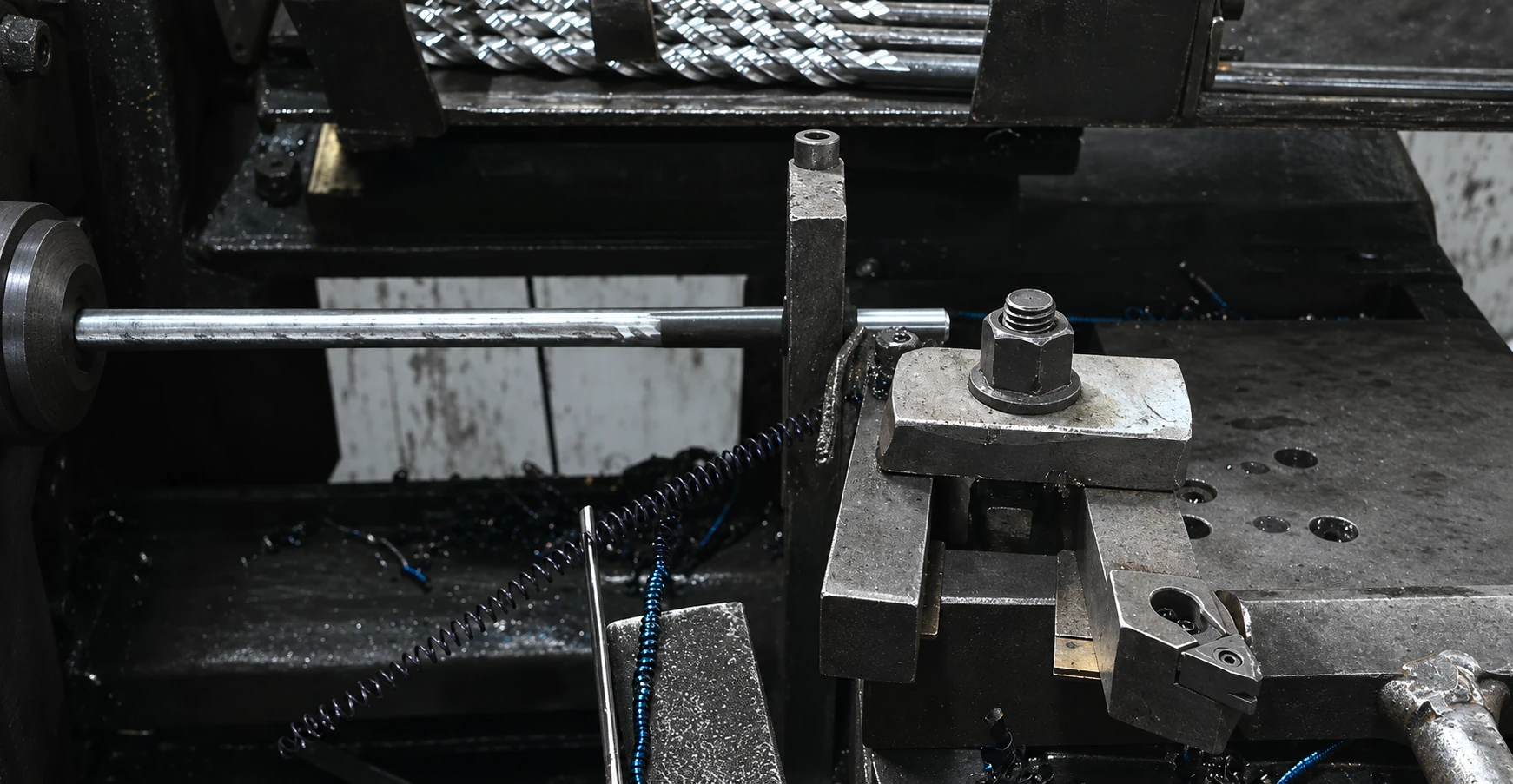
The production configuration is defined by the asphalt-cutting head, 450 mm overall length, 125 mm blade and SDS Max connection. Carry the complete description through the sample, item list and packaging specification for repeat orders.
Where an assortment also contains tarmac-named tools in other interfaces or widths, retain their actual configurations rather than replacing all descriptions with one generic cutter name.
Quality Control
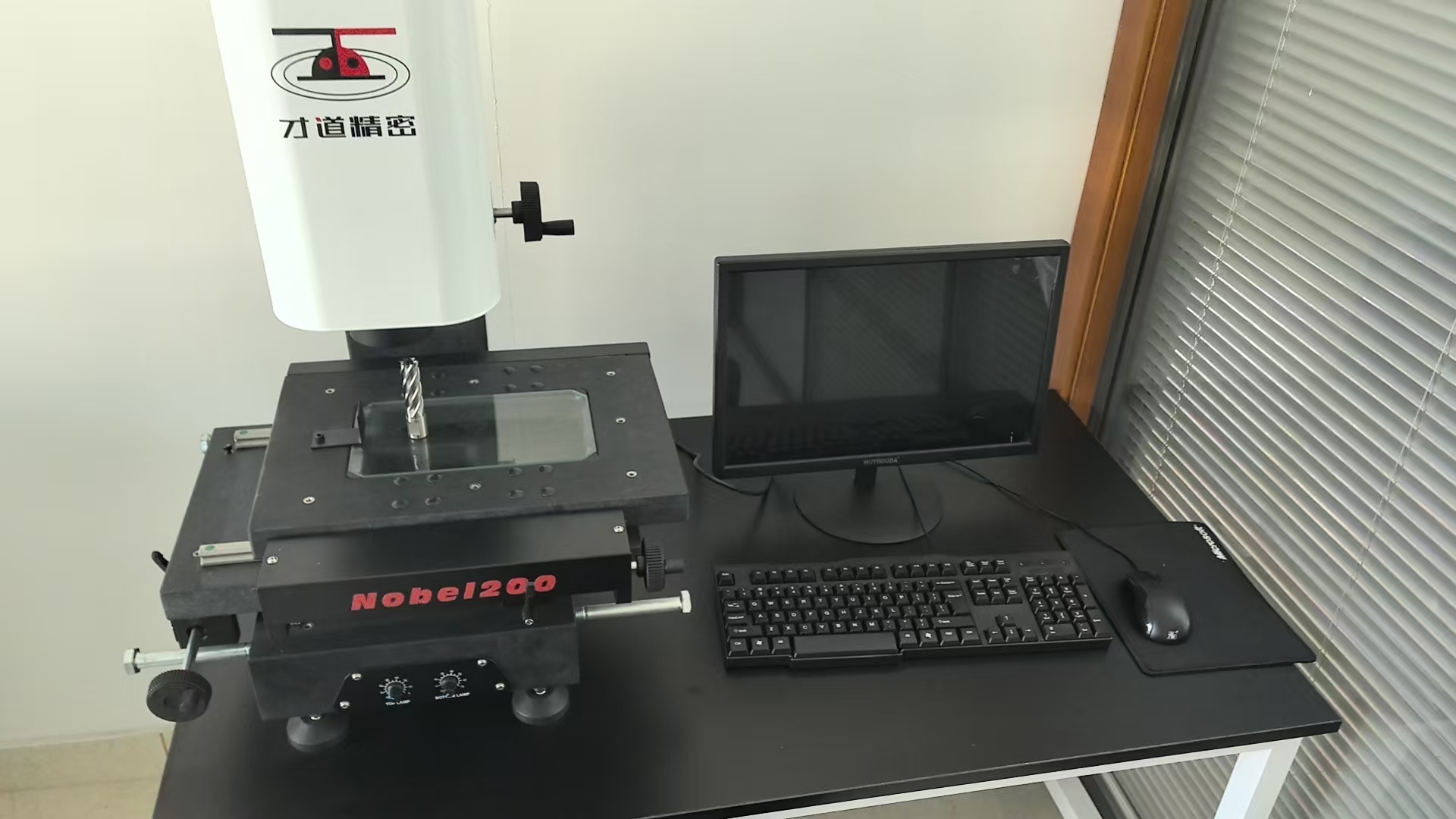
For sample and shipment acceptance, compare overall length, blade width, edge alignment, straightness, head transition and the requested connection. The wide edge should be assessed as part of the complete tool rather than by its front outline alone.
An application trial should record the asphalt condition, layer arrangement, hammer and intended result. Compare control of the local removal and the resulting boundary against the requirements of the job.
Check head geometry and interface on the selected item
The working end and the holder should be reviewed as separate parts of the same configuration. Ask for the measurement reference for head width and overall length. If the procurement brief needs thickness, edge shape or transition geometry, state the required view or dimension on an item-specific drawing. A complete product photograph shows the overall form, but it cannot supply every technical value or establish suitability for a particular road layer. Where the buyer has an old tool for comparison, use a sample or an approved record to distinguish original geometry from wear.
Shared factory views document forging, heat-treatment equipment, machining and finishing capabilities for SDS and masonry accessories. Use those images to frame the manufacturing discussion for a wide head and a machined connection. Agree on the product drawing, sample and acceptance requirements for this order. Where a buyer asks for hardness inspection or a finish check, include the applicable method and documentation requirement. The product sample and its inspection record are the appropriate references for an item-specific decision.
For repeat orders, carry forward the approved width, length, connection and cutter form. Keep the same measurement references. A change to the working edge, material requirement, marking or pack layout should be stated explicitly so the supplier can review the change against the prior order. If the customer has a required acceptance document, include the document requirement with the quote instead of relying on a generic quality statement.
Separate fit approval from surface approval
Confirm the part identity and holder fit against the agreed machine and sample record. Then review access and the retained boundary for the intended job. A configuration can fit the machine and still be impractical at a restricted edge. Conversely, a shape that looks suitable at the work face may have the wrong connection or reach. Write the two checks separately so a successful fit check does not get recorded as a successful field trial.
For an initial distributor assortment, label the item as an impact accessory and place it in the corresponding tool family. Use the head width and overall length as separate fields in the product data. If an online catalogue search uses the broad term “asphalt cutter,” the description should immediately identify the SDS Max connection and the hammer-driven working form. This helps a sales team route requests for rotating equipment correctly.
On a repeat order, verify whether the site conditions and intended operation are unchanged. If the buyer is moving from a local breakout request to a continuous cutting request, review the equipment decision before quoting the old part reference. Keep changes to the label or pack count on the purchasing line as commercial revisions so they can be approved without obscuring the technical identity of the tool.

OEM & Packaging
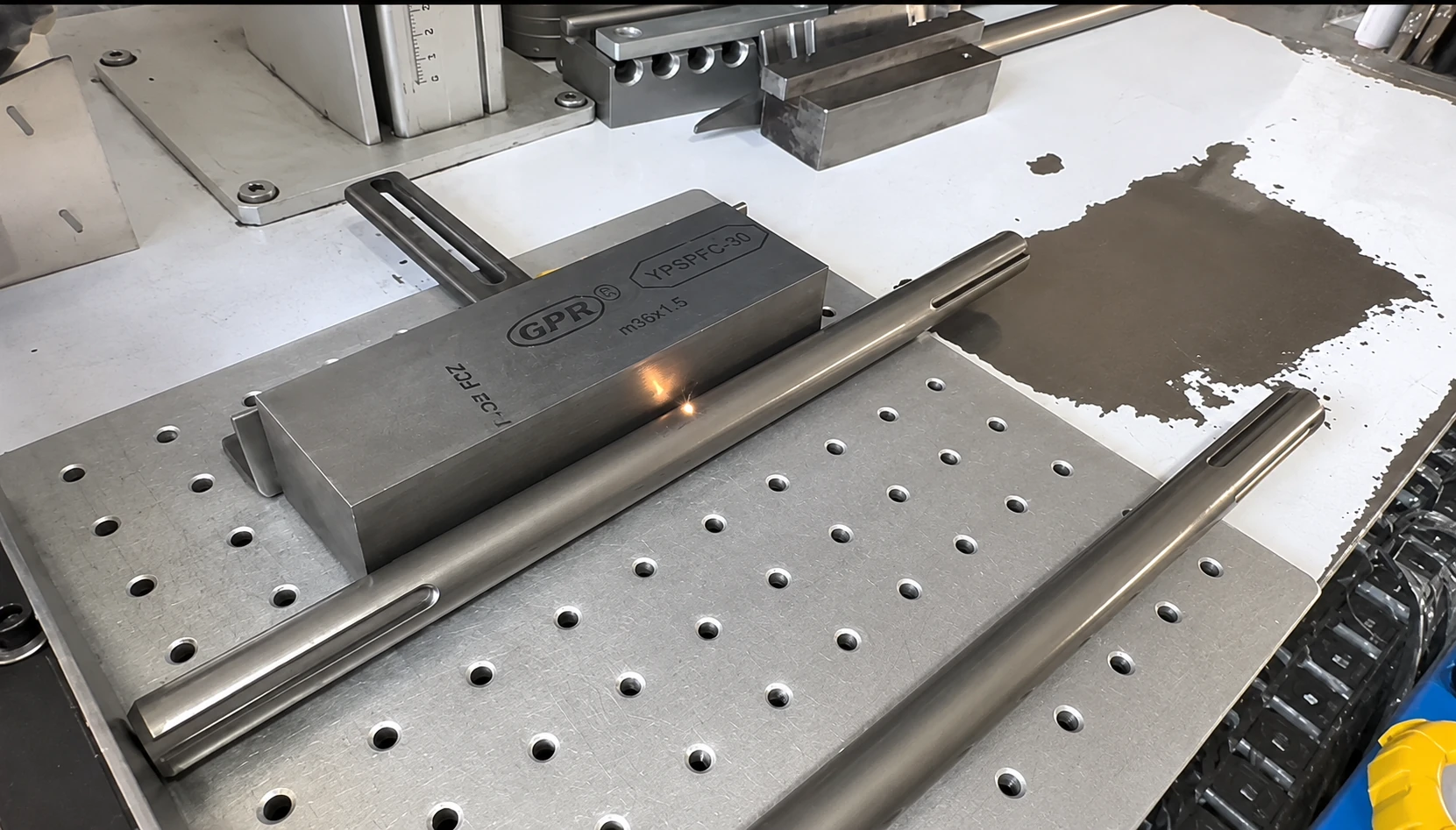
For private-label asphalt cutters, identify the 450 × 125 mm SDS Max configuration before assigning marking or pack artwork. Keep the interface and size visible in the product description. “Asphalt” and “tarmac” can support market terminology without becoming duplicate item identities.
List tool quantity and pack units, with the required cutting-edge protection and size/connection labels. If other roadwork accessories share the order, separate their configurations in the pack list so broad head shapes are not used as the only picking reference.

Specify SDS Max, asphalt cutter, 450 mm overall length and 125 mm blade width, followed by quantity. Include the intended task, hammer, destination and packaging requirements. Name any different configuration as a separate line rather than combining its dimensions with this tool.
Write the pack and replenishment instructions separately
For private-label purchasing, tell the supplier what needs to appear on the tool and what should appear on the pack. Use the same buyer item code for the approved product drawing, sample, quote line and pack label. State the label language, barcode, artwork reference, desired marking location and packing counts. For a tool supplied in bulk, specify edge protection and how units should be identified at receiving. If the same shipment includes clay spades or other wide chisels, request separate descriptions and counts.
A distributor can review the pack by asking a receiving colleague to identify the impact chisel from the description and then confirm the size and form against the accepted sample. This helps prevent the product from being grouped with circular asphalt blades simply because a catalogue category uses the word “cutter.” Save the approved label and packing description with the item reference for replenishment.
Frequently asked questions
Are asphalt cutter and tarmac cutter separate product entities?
They can describe the same cutting task. When they refer to this SDS Max 450 × 125 mm configuration, they belong to one product identity. Other widths or interfaces remain separate configurations.
What are the listed dimensions?
The overall length is 450 mm and the blade width is 125 mm. The SDS Max shank diameter is 18 mm.
Can a clay spade be substituted because it also has a broad head?
A clay spade and an asphalt cutter have different working forms and purposes. Do not select a substitute from head width or overall length alone.
Does holder fit establish that a hammer can use the cutter for every asphalt task?
No. The machine’s permitted accessory, operating mode and application must also suit the broad cutter and the actual surface condition.
Is this tool a saw blade for cutting asphalt?
No. It is a hammer-driven chisel. Use the selection and operating requirements for the chisel and hammer, not those for a rotating asphalt saw.
Get a Wholesale Quote
In the message field, state “SDS Max asphalt cutter, 450 × 125 mm”, quantity and hammer model. Describe the local cutting or removal task and include pack units, edge protection and any marking requirements.
Prepare the wholesale request
Send the SDS Max 450 × 125 mm asphalt cutter chisel configuration, quantity and hammer model. Explain the asphalt operation, the target area and the remaining base or boundary. Specify whether the requirement is a trial sample, an initial bulk order or replenishment of an approved item. Include packaging and documentation requirements as separate fields. If the buyer is comparing a clay spade, a scaling chisel or a saw, state the intended operation for each line so the quotations represent the correct product families.