
SDS Scaling Chisels
Compare wide working faces by the actual width-and-length combination, not by a broad “spade” label.
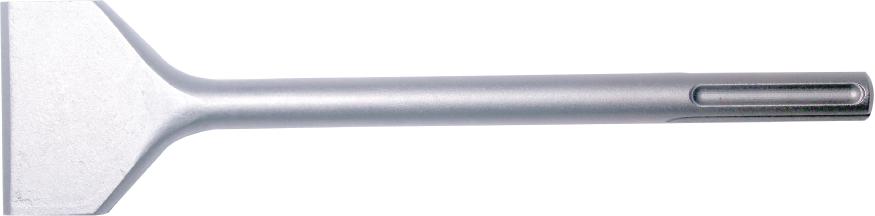
AXIMET SDS scaling chisels present a broad working edge for surface-removal tasks. The listed SDS Plus configurations use 40 mm or 75 mm widths, while the SDS Max range includes 50, 75, 80 and 115 mm working widths in specific length combinations. The working form may also be described as a wide or spade chisel. Where these terms describe the same straight broad-blade configuration and task, they belong to the same product family. A different label does not create a new SKU or justify a duplicate procurement page.
- SDS Plus 40 mm blades in 140 and 250 mm lengths.
- SDS Plus 75 mm blades in 165 and 250 mm lengths.
- SDS Max options: 400 × 50, 300 × 75, 300 × 80 and 350 × 115 mm.
- Straight wide-blade forms remain distinct from 15° bent tile configurations.


Holder Compatibility
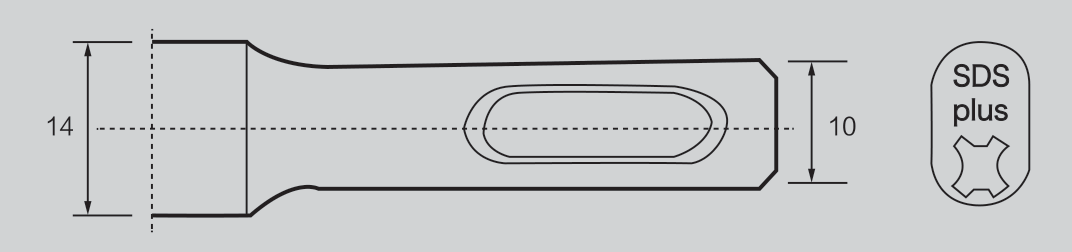
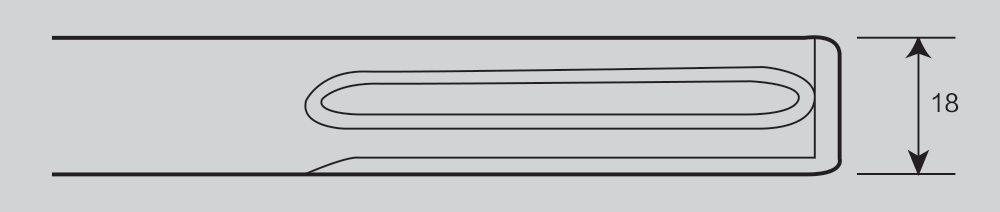
Select SDS Plus or SDS Max to match the holder. The 10 mm SDS Plus and 18 mm SDS Max shank diameters are interface dimensions and are separate from the working width. Hexagonal-body SDS Plus tools remain SDS Plus accessories.
The machine must support the intended chiselling mode and the selected broad tool. Holder fit does not establish approval for every blade width, material or removal depth.
Specifications and Order Configurations
All listed lengths and widths are in millimetres. Each row is a separate configuration.
| Interface / body | Working form | Overall length (mm) | Blade / head width (mm) | Enquiry |
|---|---|---|---|---|
| SDS Plus / round body | Straight wide blade | 140 | 40 | |
| SDS Plus / round body | Straight wide blade | 250 | 40 | |
| SDS Plus / round body | Straight wide blade | 165 | 75 | |
| SDS Plus / round body | Straight wide blade | 250 | 75 | |
| SDS Plus / hexagonal body | Straight wide blade | 140 | 40 | |
| SDS Plus / hexagonal body | Straight wide blade | 250 | 40 | |
| SDS Max | Straight wide blade | 400 | 50 | |
| SDS Max | Straight wide blade | 300 | 75 | |
| SDS Max | Straight wide blade | 300 | 80 | |
| SDS Max | Straight wide blade | 350 | 115 |
The steel chisel body and the working profile are distinct from the holder connection. SDS Plus uses a 10 mm shank diameter; SDS Max uses an 18 mm shank diameter.
Broad Straight Edge and Size Selection
Measure the complete tool end to end for overall length. Measure the working edge across the head for width. Choose the exact pair in the table.
A wider face changes the contact area and available clearance compared with a narrow flat chisel. The edge, blade transition and shaft need to be considered together: a broad outline is not a statement of how much material a hammer can remove.
The configurations here are the straight wide-blade forms. Bent tile-removal variants have their own blade approach and size rows. Even where a frontal image looks similar, a 15° bend is a separate specification rather than an alternative name for the straight tool.
Read width, length and holder as separate fields
Choose the shank from the machine model first. Within that holder family, use the edge width to describe contact and the overall length to describe the complete tool. The holder will cover part of the tool during use. For a recessed location, the distance the edge must reach and the space available for the hammer both affect the setup. Compare overall lengths only after establishing how the hammer will be positioned. A longer row may be useful for reach without making a wider edge appropriate, and a wider row does not resolve a clearance problem at the machine end.
The listed SDS Plus 40 mm choices include round and hexagonal bodies at 140 and 250 mm. Retain the body field when ordering. Its shape describes the middle section and should never be interpreted as a separate hex-shank holder. The 75 mm round-body Plus forms at 165 and 250 mm are separate complete rows. If a buyer asks for the length of one row and the width or body of another, treat it as a special enquiry. A table that preserves complete combinations is easier to use than independent dropdowns that imply every combination can be supplied.
For SDS Max, compare the 400 × 50 mm option with the two 300 mm forms and the 350 × 115 mm form. The 75 and 80 mm choices share 300 mm overall length, so a purchase order that says only “300 mm SDS Max scaling chisel” does not distinguish them. Carry the width into the buyer item description, label and repeat-order reference. The difference between 75 and 80 mm is a distinct order choice even if it appears small in a catalogue photograph. Check the marked dimensions against the table rather than estimating from an image.
Turn the job description into a quote line
An enquiry for a contractor working beside retained masonry should separate the wall clearance from the proposed blade width. Send the hammer model and a sketch of the access, then identify which row to quote for the sample. If another area on the project has an open face, request that tool as a second line and explain how the sample trial will differ. This lets the salesperson compare the job conditions without treating a wider working end as an automatic upgrade.
For a range renewal, separate the reasons for changing an item. A buyer may keep the same straight-edge width but need a different overall length to clear a fixture, or may keep length while changing width to cover a different working strip. Check each proposed change against the available complete rows. Before moving old and new stock into the same inventory location, confirm that the label identifies the holder, body and both dimensions.
Application Selection
Choose width around the strip or area of material that must be removed and the surrounding clearance. Then check the listed length and the position available for the hammer. A broad edge that suits an open surface may be unsuitable beside an obstruction.
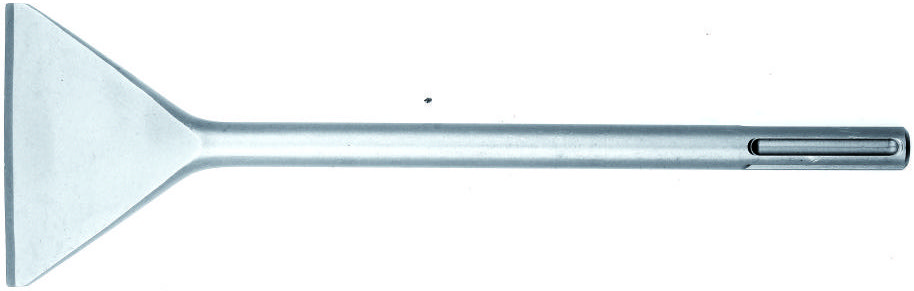
Keep the actual combinations intact. The 115 mm SDS Max blade is listed at 350 mm overall length; the 50 mm blade is listed at 400 mm. These rows do not describe a menu from which every width can be combined with every length.
For bonded or layered surfaces, describe the layer being removed and the base that must remain. Compare a bent tile form if the shaft-to-edge approach matters more than simply increasing working width.
Start with the surface left behind
A scaling chisel is the right comparison when the intended operation is removal across a strip of exposed material and the straight edge can engage that strip. Describe the residue, coating or layer in the enquiry. Name the base surface that should remain and the condition required for the following trade. A crew preparing a surface for a new finish has a different acceptance target from a crew removing material before demolition. The same blade can be considered for both enquiries, but the buyer should approve it against the work actually specified.
Identify where contact begins. If the surface is open and reasonably continuous, the buyer can evaluate a broader contact strip. Where an edge is bounded by a fixture, retained finish or an irregular ridge, the edge and hammer may need to enter a smaller space. Measure the smallest useful opening, include the hammer body in the sketch and record whether the contact line needs to be straight. A 115 mm working edge, for example, is only useful where that edge can be presented to the intended area. The width in the table describes the part, not the usable space at the job.
Use a trial that answers the purchase question
Before requesting samples, write down what needs to be decided. If the choice is between two widths on the same connection and length, keep the material, approach and machine comparable so the result can be attributed to the working edge. If the choice is reach, identify where the shorter form stops being useful and where the longer form can be placed. Photograph the work area with the boundary visible. The approval record should describe which layer was removed, what remained, and which complete tool and machine were used.
For a distributor trial, include an identification check. Ask a receiving or sales colleague to distinguish two selected forms from the label and specification record. Compare those descriptions with the samples. This matters where the product silhouette is similar or where both selections share a length. Save the approved photographs and drawing reference with the buyer item code. A repeat order can then describe the exact form instead of relying on “same as last time” or a photograph at an unknown scale.
Scaling vs Flat and Tile Chisels
Decide between scaling, flat and tile profiles by operation
Use a flat chisel for a task that calls for a narrower straight contact line or isolated chipping. A scaling chisel is the appropriate comparison when the edge should cover a broader strip. For tile lifting, check whether the working end needs to approach the tile-to-bed interface. A tile chisel with a specified bend addresses that approach. Keep the intended working angle and the blade shape separate in your trial plan. A straight scaling blade may be considered after a covering has been lifted, when the next stage concerns material remaining on the base.
| Operation being quoted | First comparison | Information to send |
|---|---|---|
| Broad surface removal | Scaling edge width and usable approach | Layer, retained base, width available and holder |
| Chipping an isolated projection | Straight flat working end | Local contact area and reach |
| Lifting an individual tile or covering | Tile chisel or replaceable-blade scraper as applicable | Layer boundary, access and acceptable remaining surface |
| Different work stages in the same job | Separate selected tools and line quantities | Name the stage and exact configuration on each line |
No comparison table can decide whether the retained base is acceptable after removal. Establish that in a trial using the intended machine, working material and boundary. Where a project has more than one substrate, record the results separately. The buyer can then quote stock by operation instead of assuming one accessory is suitable for every area described as surface removal.
Manufacturing Process
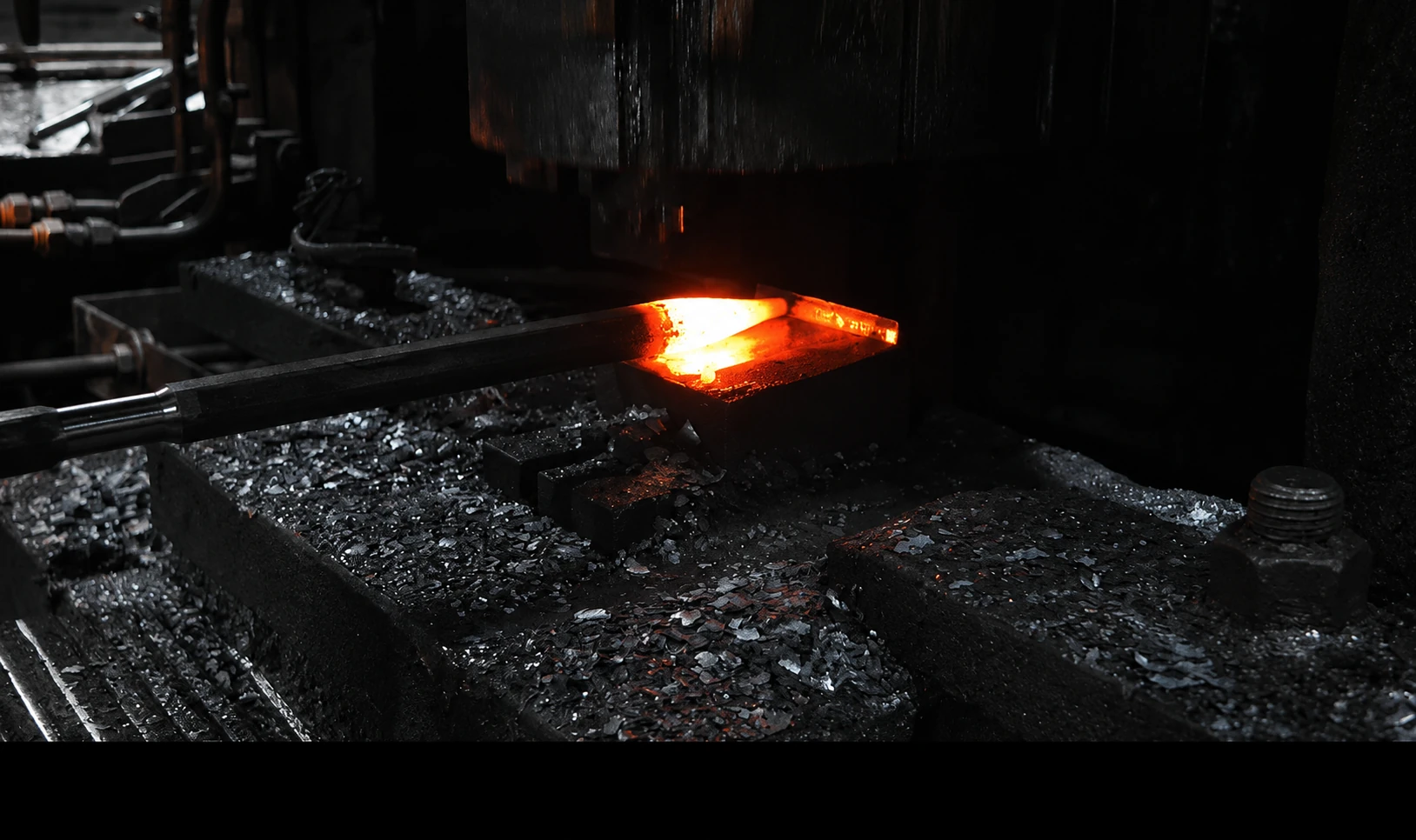
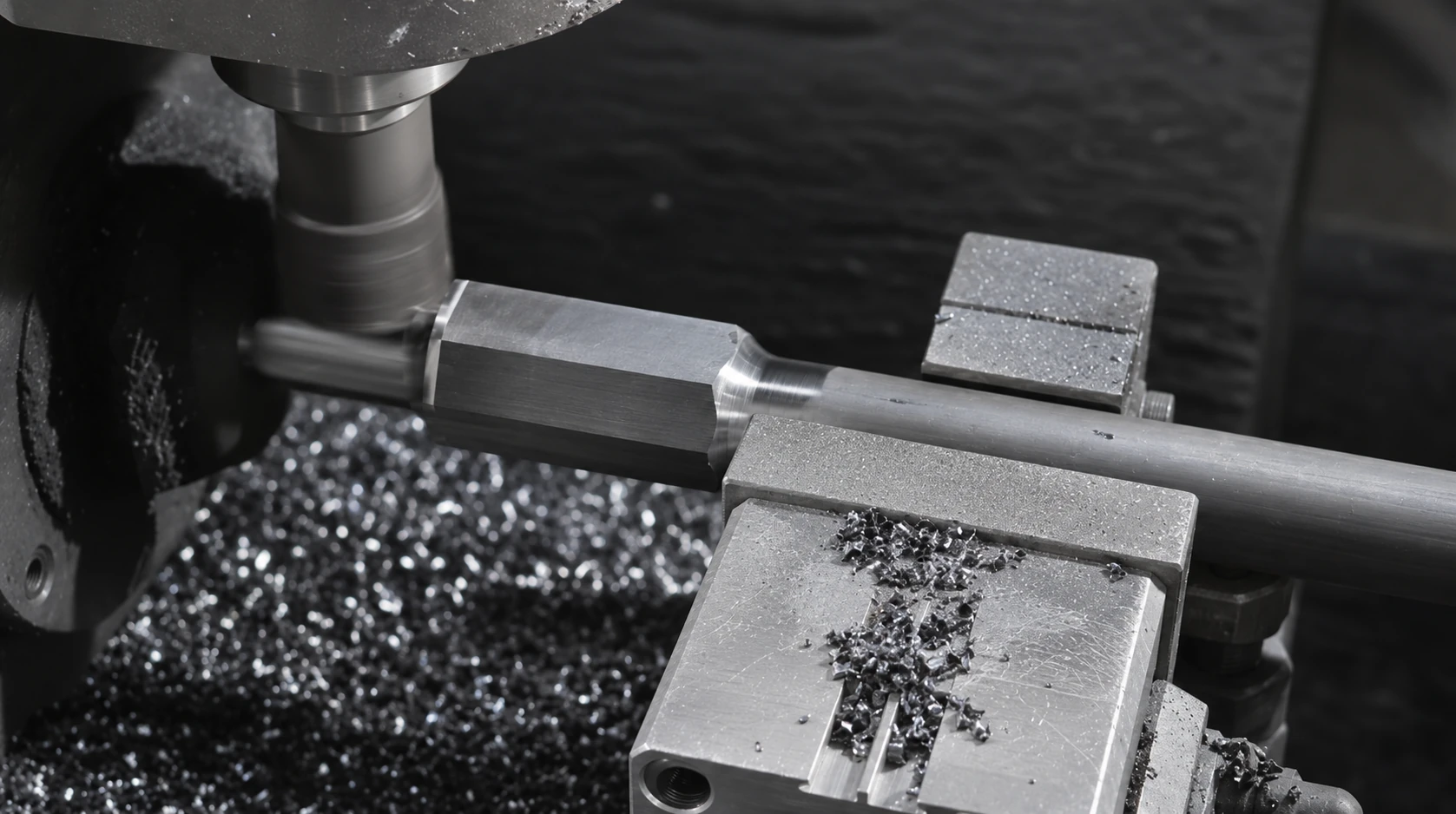
The steel blade configuration is defined by working width, overall length, straight blade form, body and connection. For an assortment, carry those details together through the item description, sample identification and pack list.
A straight 75 mm blade and a 15° bent 75 mm blade should not be collapsed into one repeat-order description. The front outline alone does not communicate the complete form.
Quality Control
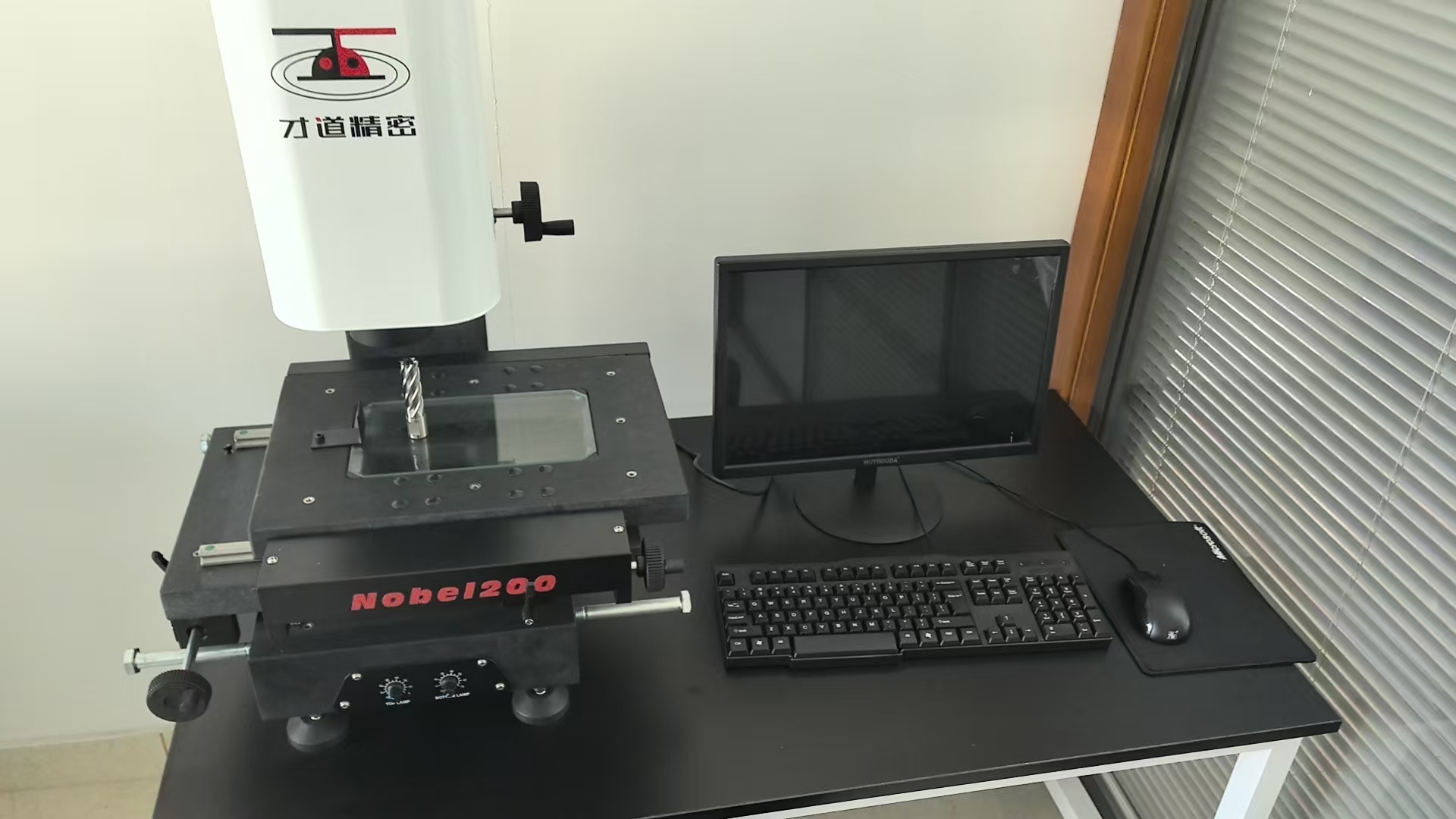
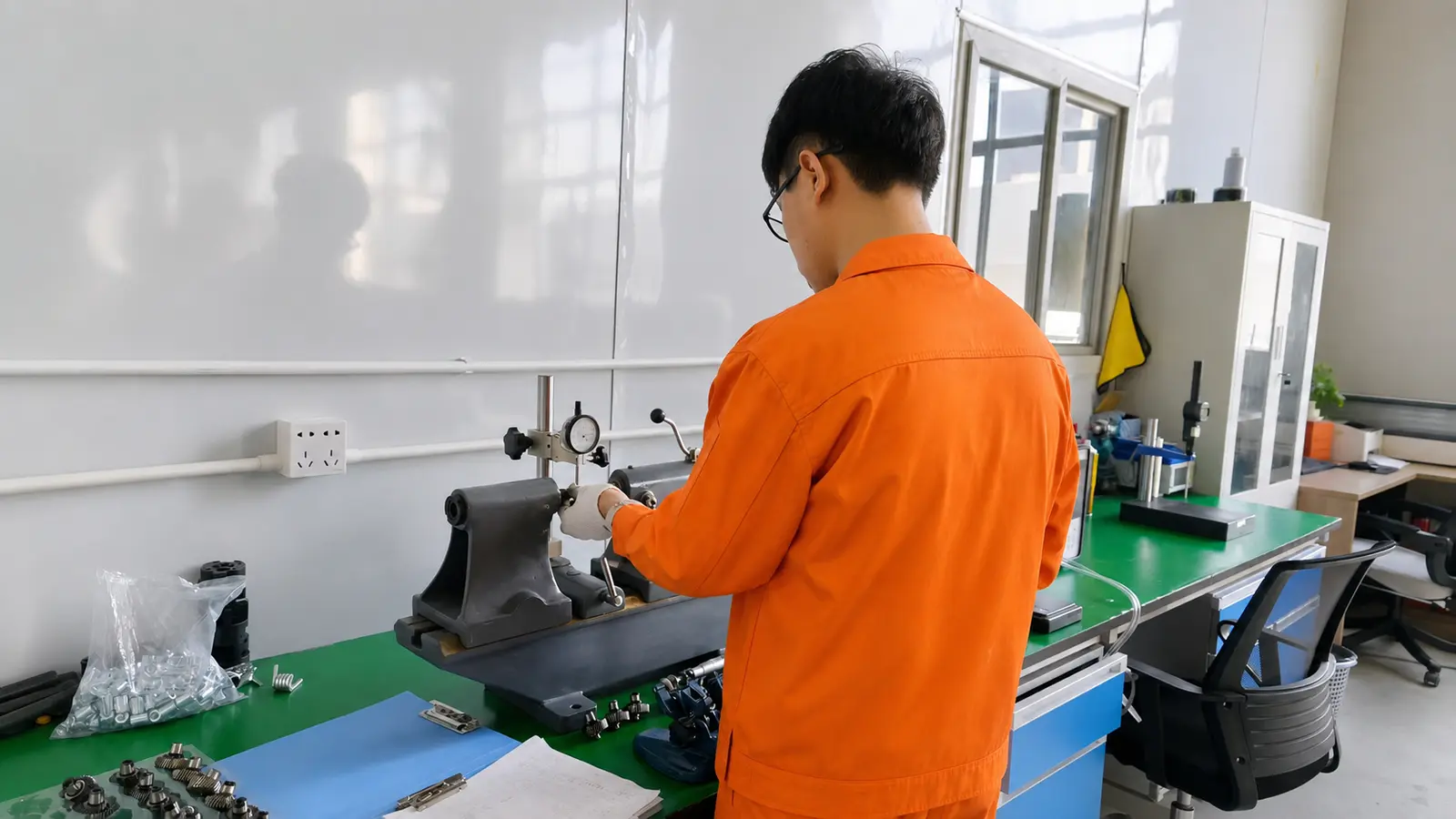
For sample and shipment acceptance, compare working width, edge symmetry, straightness, overall length and the requested connection. Inspect the transition from the broad head to the shaft as part of the configuration comparison.
For a task trial, record the hammer, working material, approach and required substrate condition. Compare the resulting surface and control of removal as well as the volume of debris.
Review the straight working edge during sample approval
Ask for the measurement reference for overall length and working width, and identify the drawing revision used for quotation. If blade thickness, edge section or transition geometry is important to the purchase, state the exact dimensions to review and ask for an item-specific drawing or sample. Identify the holder geometry separately. A broad front view helps a buyer compare shapes, while an edge and side view help check how the blade approaches a surface. Treat each photo as the form it actually shows.
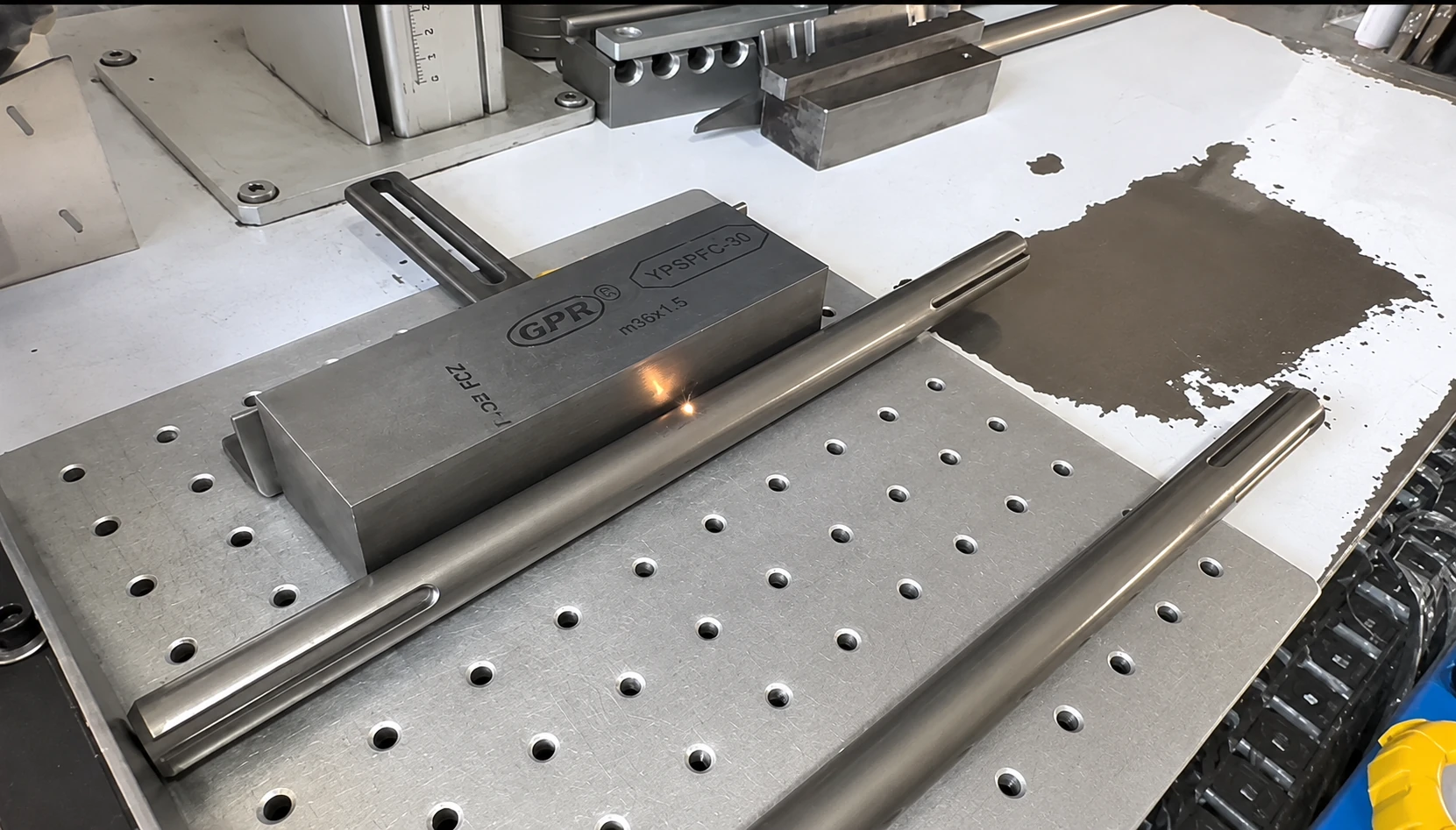
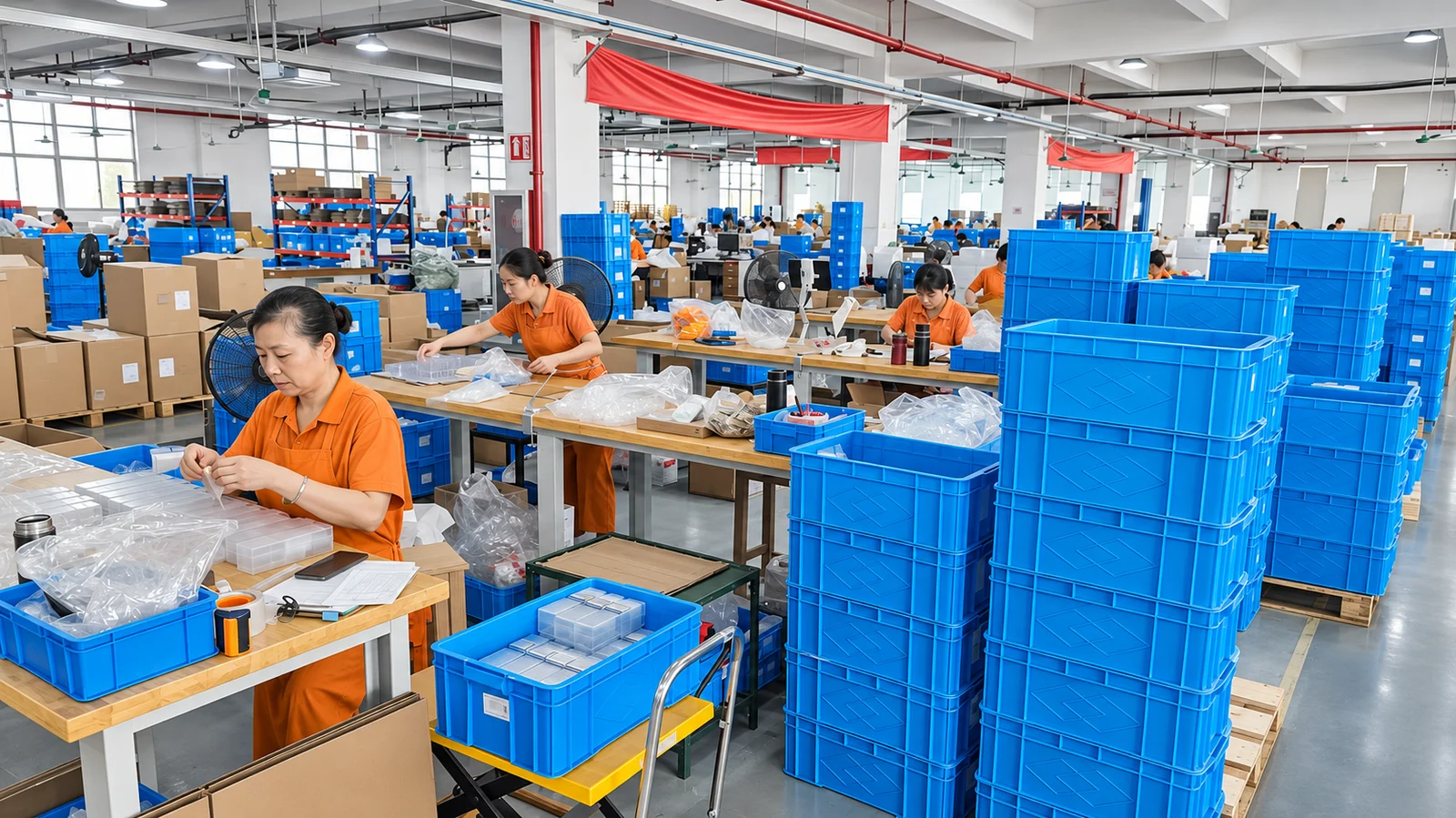
Shared factory views can support a discussion of forming, heat treatment, shank workholding and finishing. Connect those capabilities to the sample requirements that the buyer can verify. For an order sensitive to straight-edge geometry, identify how the edge is to be measured and what result will be accepted. For a holder-sensitive order, confirm the shank on the sample and request the agreed measurement record. If the order requires hardness testing or an inspection document, state the method and acceptance requirements in the request. A workshop photo cannot supply an item-specific measurement.
OEM & Packaging
For private-label scaling chisels, keep the width-and-length pair and interface visible in the branding and pack description. If an assortment uses the term “spade”, retain the actual straight blade form so it cannot be confused with a clay-digging spade or bent tile chisel.
Specify the quantity of each complete size pair and the number of tools per pack. Include blade-edge protection and the label information needed to distinguish the widths. Grouping broad tools by appearance alone can mix 75, 80 and 115 mm configurations.
Build one line per configuration in the table. State the straight wide-blade form, connection, body where relevant, overall length, width and quantity. This supports repeat orders without creating a separate page for each size or synonym.
Build an assortment around repeat work
A distributor can group enquiries by the holders its customers use, then choose width and length for the jobs that recur. Start with representative widths and the lengths needed in the common workspaces. A larger assortment only helps if sales and warehouse staff can distinguish the resulting rows. Give the 300 × 75 and 300 × 80 mm Max choices different buyer references. Give round and hexagonal-body Plus choices different references even where their length and width match.
Provide the desired marking location, label language, barcode or buyer reference and pack quantities separately from the technical specification. For loose bulk supply, specify how the configurations should be grouped and how the working edges should be protected. For an individually labelled range, review an example label and product against the item record. Ask whether a mixed outer carton is suitable for the planned inventory workflow and identify the inner counts by item.
When requesting a quotation, list each complete row with its quantity. Include the machine, layer to remove, retained substrate and tightest access condition. State whether you need a fit sample, an application trial sample or an inspection document. For replenishment, cite the accepted drawing, sample or buyer item reference and identify any change in width, length, body, marking or packing. Keeping each decision attached to a single line helps the supplier price the same configuration that the warehouse will receive.
Frequently asked questions
What is a scaling chisel used for?
Its broad edge is used for surface-removal work. Select the actual configuration with the work material, substrate condition, access and hammer in mind.
Are scaling chisel and spade chisel always different products?
No. The terms can describe the same broad straight working form. A shovel-shaped clay spade or a bent tile chisel is a different configuration and should remain clearly named.
Can every listed width be combined with every listed length?
No. For example, the SDS Max 115 mm blade is listed at 350 mm length, while the 50 mm blade is listed at 400 mm. Order the actual table row.
Is a 75 mm straight blade the same as a 75 mm bent tile blade?
No. A specified bend changes the shaft-to-edge relationship. Keep the straight and 15° bent configurations separate even when length and width match.
Does the correct shank make every wide blade suitable for the hammer?
Holder compatibility is one selection requirement. The permitted tool, chiselling operation, width and application must also suit the machine and task.
Get a Wholesale Quote
In the message field, state the interface, body form, straight wide-blade configuration, overall length × blade width and quantity per size. Add the layer to remove, substrate to preserve, machine and packaging or marking requirements.