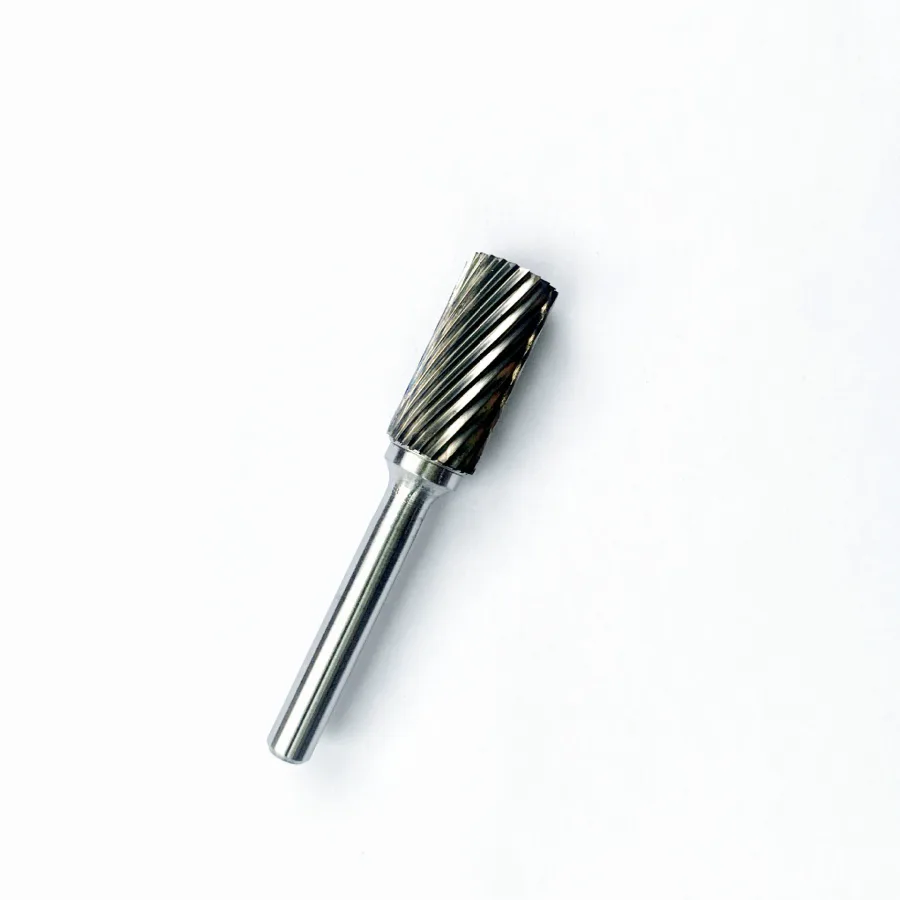
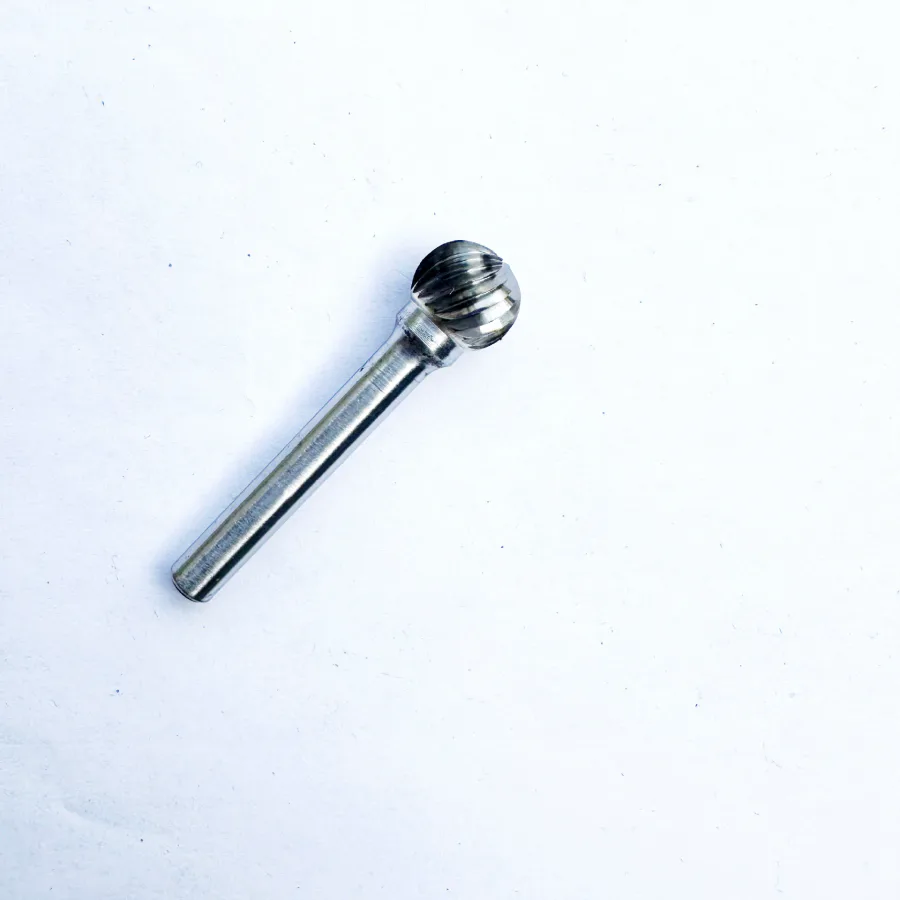
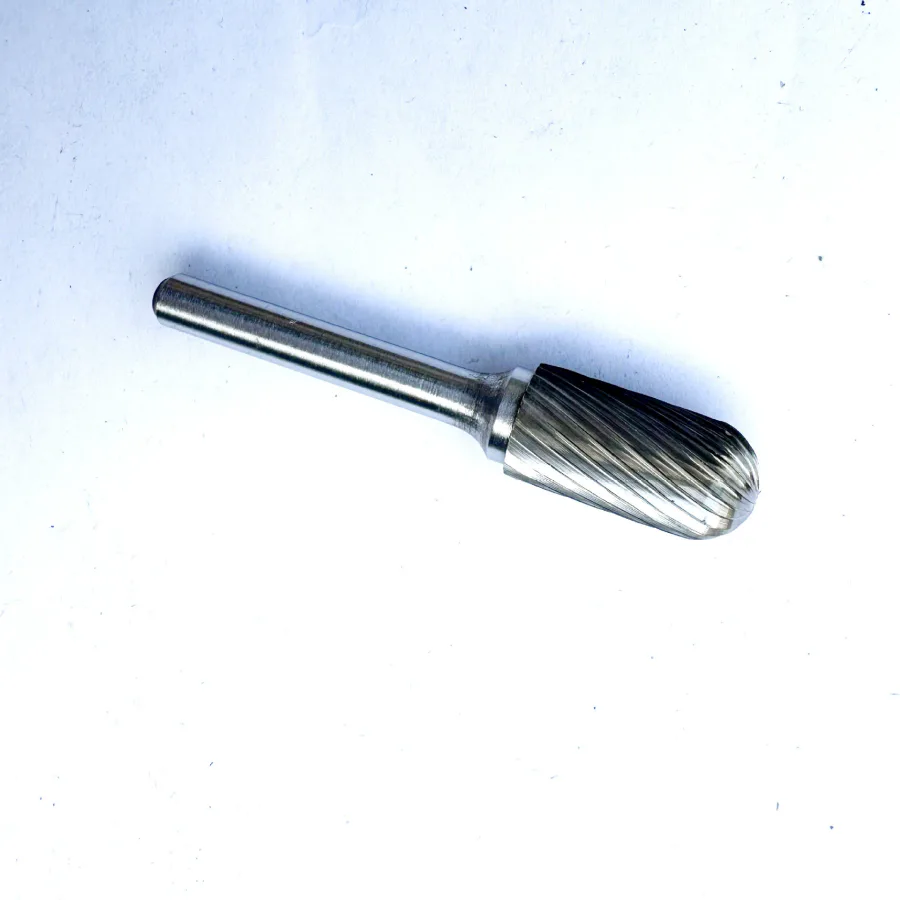
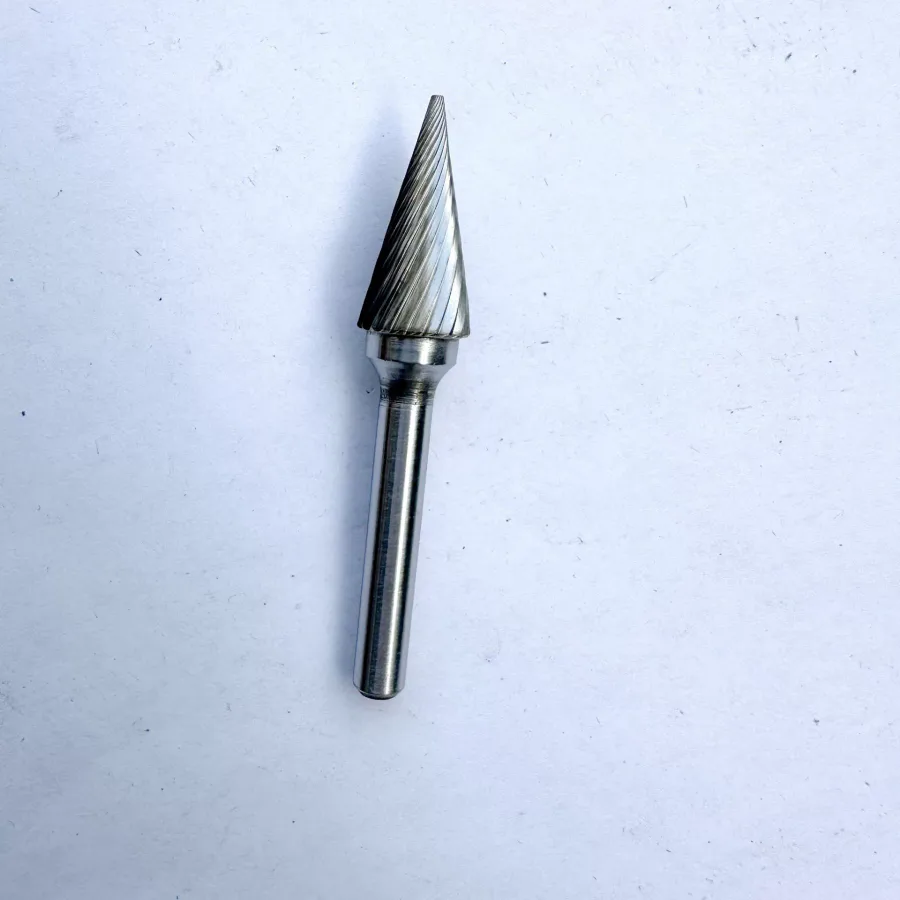
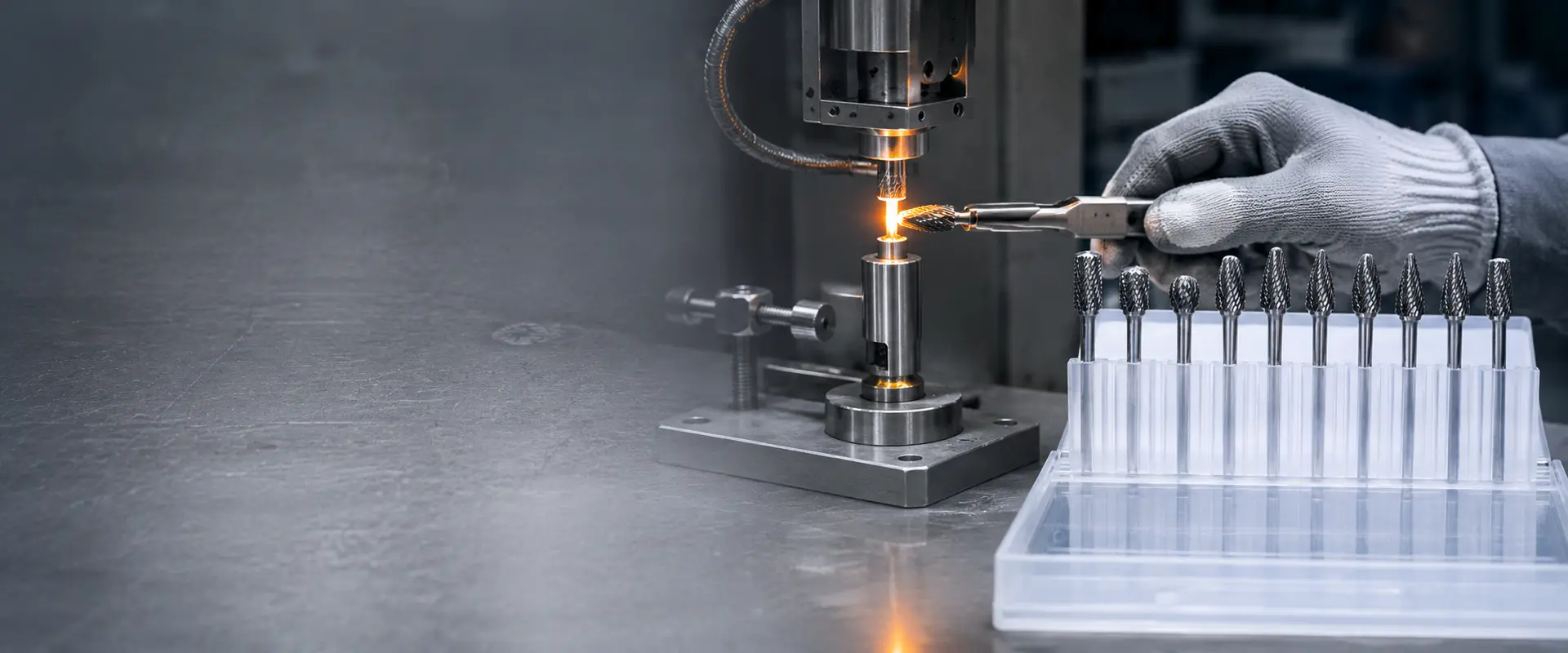
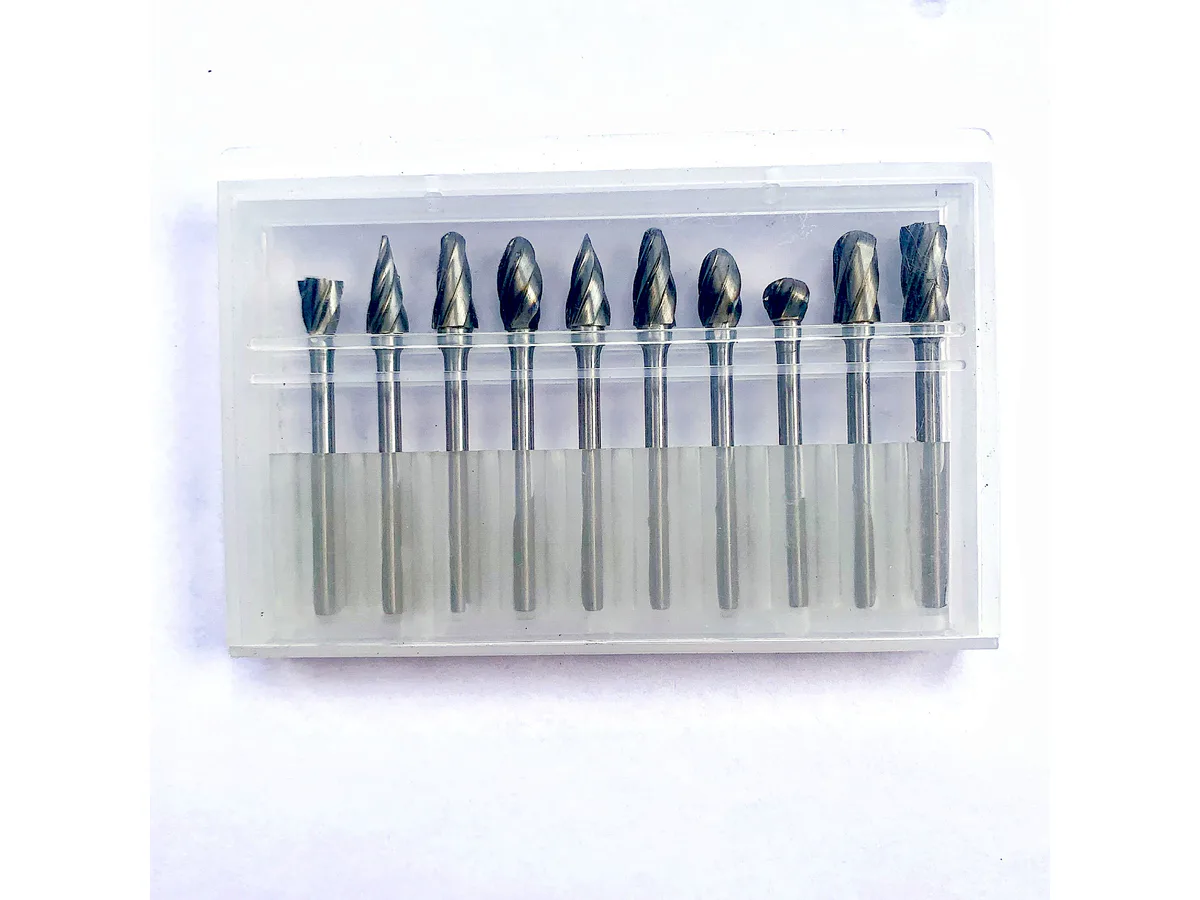
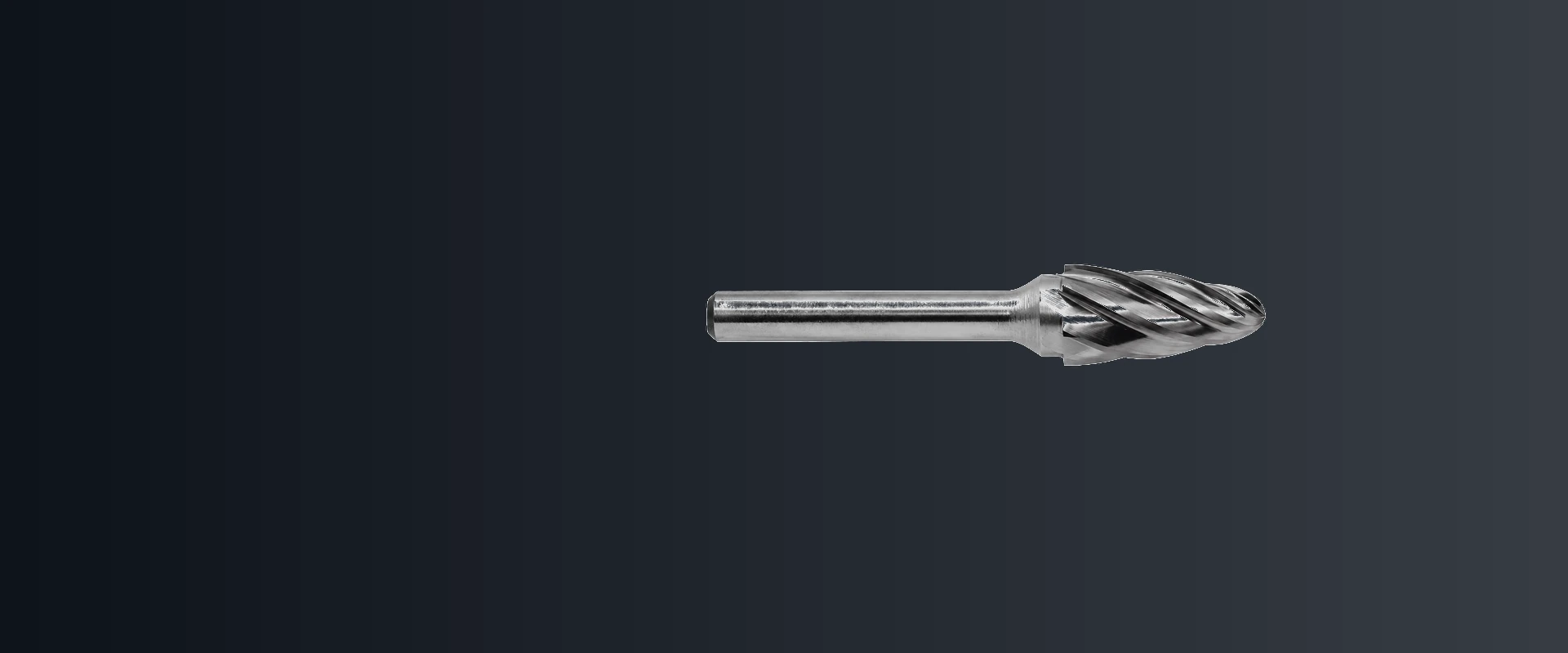
Single-cut carbide burr with one-direction spiral flutes
AXIMET · PROFESSIONAL B2B TOOL SUPPLY

Single Cut Carbide Burrs for High-Rate Metal Removal

Build a removal-focused burr range for foundry cleanup, accessible weld reduction and heavy edge preparation - with directional flutes, standard SA-SN profiles and OEM identification for repeat supply.

  • One-Direction Flutes for Aggressive Cutting
  • Standard SA-SN Shape Options
  • 3-16 mm Cutting Head Range
  • 6 mm Shanks for Industrial Grinders
Direct Cutting ActionA continuous flute direction produces a decisive cutting response when the burr is applied to compatible metals and accessible surfaces.
Long-Chip FormationThe geometry generally creates longer chips, making chip behavior and clearance important parts of model selection and field testing.
Open-Surface ProductivitySingle cut is most valuable where the operator can maintain stable contact and move continuously across gates, flash, welds or edges.
Shape-Based AccessCylindrical, rounded, tree, flame and angular profiles place the cutting surface against different component features without forcing the shank.
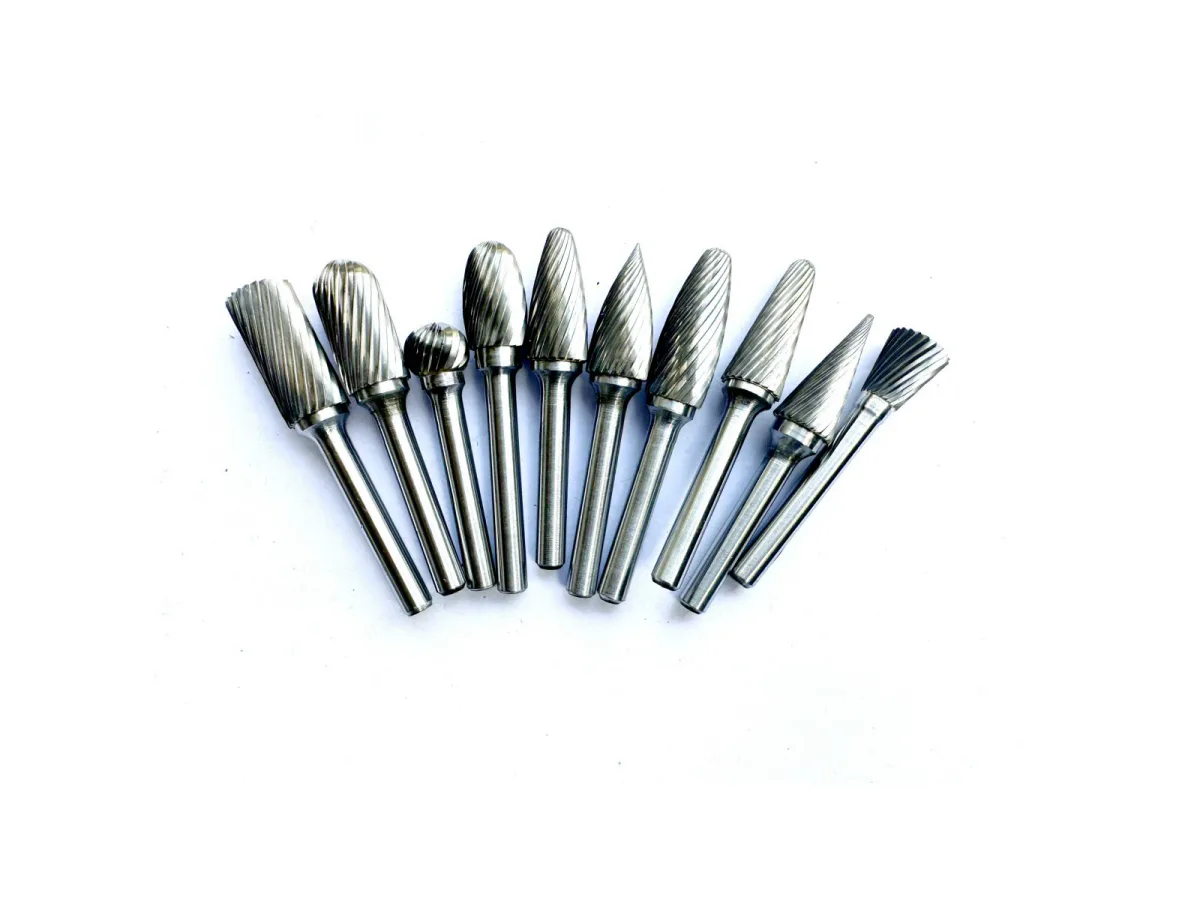
Assorted single-cut carbide burr profiles with one-direction flutes
CATEGORY DEFINITION · PRODUCT DETAIL

Product Description

A Single Cut Carbide Burr uses one directional flute pattern to produce an aggressive, direct cutting action. It is commonly specified when fast stock removal is the main objective and the operator has clear access to the work area. Typical tasks include removing foundry gates and flash, reducing accessible welds, preparing heavy edges and correcting projections on steel or cast-iron components. AXIME TOOLS supplies standard SA-SN profiles with 6 mm shanks and cutting-head diameters from 3 to 16 mm. Importers can build the range around application geometry, material behavior and replacement demand rather than treating every flute description as interchangeable.

  • Direct Cutting ActionA continuous flute direction produces a decisive cutting response when the burr is applied to compatible metals and accessible surfaces.
  • Long-Chip FormationThe geometry generally creates longer chips, making chip behavior and clearance important parts of model selection and field testing.
  • Open-Surface ProductivitySingle cut is most valuable where the operator can maintain stable contact and move continuously across gates, flash, welds or edges.
  • Shape-Based AccessCylindrical, rounded, tree, flame and angular profiles place the cutting surface against different component features without forcing the shank.
Review the Selection Guide
PRODUCT RANGE

Explore the Single-Cut Shape Range

Each product option remains connected to its corresponding record so buyers can build a controlled assortment.

B2B SELECTION GUIDE

When Single Cut Creates More Value

Cut selection should follow the actual component and process. A single-cut profile is not automatically faster in every material, and a double-cut profile is not automatically the better finishing choice when the operating setup is unstable.

01

Clarify Market Cut Names Before Ordering

Terms such as standard, coarse, fine and high helix are not sufficiently precise on their own. Their meaning can vary by supplier or market. A purchasing specification should connect the sales term to the approved flute geometry, application, dimensions and sample so that repeat orders do not depend on a label alone.

02

Prioritize Removal Rate on Open Work

A Single Cut Carbide Burr is most persuasive to industrial buyers when the job involves visible excess material and room for continuous tool movement. Foundry projections, accessible weld crowns and heavy edges provide clearer value than delicate finishing tasks. Buyers should still compare removal rate, vibration, tooth wear and the remaining surface on their own material before approving a range for resale.

03

Match Flute Spacing to Chip Behavior

Long chips need a clear exit path. Dense or recirculating chips can increase heat, mark the surface and reduce cutting consistency. Sample testing should therefore include the intended material, head diameter, access angle and grinder. For soft aluminum, a dedicated aluminum-cut geometry with wider chip space is normally a better starting point than a conventional single-cut ferrous-metal model.

04

Control Entry at Edges and Corners

Directional flutes can react sharply when only a small portion of the head contacts an edge. Operators should approach with a stable grip, keep the shank aligned and avoid forcing a pointed tip or trapping the burr inside a narrow feature. The selected profile should allow the cutting surface - not the shank or brazed joint - to do the work.

05

Keep Cut Names Consistent Across Reorders

Every Single Cut Carbide Burr Bit should be tied to a product code that records the approved shape, head diameter, cutting length, shank, overall length and flute definition. The same code should appear on the quotation, sample record, label and replacement order. This protects distributors from receiving a visually similar burr whose cutting response differs from the accepted model.

06

Build an Application-First Distributor Range

Start with models that solve distinct customer jobs, then expand from recorded demand. A focused opening assortment can include: This structure gives sales teams an application reason for every SKU and reduces overlap between profiles that appear different but serve the same customer task.

Single Cut Carbide Burr · selection table
Buying CriterionSingle CutDouble Cut
Primary PriorityHigh material-removal rateControl and a more uniform prepared surface
Flute ActionOne directional cutting patternTwo intersecting cutting patterns
Typical Chip FormLonger, more continuous chipsShorter, divided chips
Preferred AccessOpen faces, edges and accessible projectionsContours, detailed deburring and controlled transitions
Surface GoalFast reduction before later finishingCloser control near the required profile
Operator ApproachStable entry and continuous movementMeasured engagement around detailed features

Request the Single-Cut Model Matrix

Send Selection Requirements
PRODUCT DETAIL

Product Features

Build a removal-focused burr range for foundry cleanup, accessible weld reduction and heavy edge preparation - with directional flutes, standard SA-SN profiles and OEM identification for repeat supply.

Aggressive Stock Removal

Directional teeth support fast reduction when material, access and operating conditions match the burr.

Clear Cutting Feedback

Direct engagement helps experienced operators feel changes in contact across projections and rough surfaces.

Long-Chip Evacuation

Open working access helps continuous chips leave the cut instead of recirculating around the head.

Broad Shape Coverage

Standard profiles cover flat faces, edges, cavities, fillets, grooves, tapers and back-access work.

6 mm Shank Compatibility

Models fit pneumatic or electric die grinders equipped with a sound, matching 6 mm collet.

Cut Identification for Reorders

Model-level flute and dimension codes keep samples, labels and replacement orders aligned.

INDUSTRIAL APPLICATIONS

Industrial Applications

Build a removal-focused burr range for foundry cleanup, accessible weld reduction and heavy edge preparation - with directional flutes, standard SA-SN profiles and OEM identification for repeat supply.

Foundry Gate and Flash Removal application context
01

Foundry Gate and Flash Removal

Single Cut Die Grinder Bits can reduce gates, runners, parting-line flash and raised defects on steel or cast-iron components. Cylindrical heads suit accessible faces, while tree and flame forms follow transitions around cast geometry. Buyers should test interrupted contact and rough casting skin because these conditions affect vibration, cutting stability and tooth wear more than a smooth trial coupon.

Accessible Weld Reduction application context
02

Accessible Weld Reduction

A Single Cut Rotary Burr provides direct cutting action where fabrication teams need to lower a weld crown or remove a tack before later blending. The operator must keep the head moving and avoid digging into the parent metal. Rounded or tree profiles help follow fillets, while cylindrical profiles address open weld faces with enough clearance for stable contact.

Heavy Edge Preparation application context
03

Heavy Edge Preparation

Directional-flute burrs can remove pronounced edges, prepare repair zones and correct local projections before a controlled chamfer or abrasive finish. Head shape should correspond to the required geometry so the operator does not enlarge a hole or alter a dimensioned feature. Guided cutters remain the appropriate choice where a precise, repeatable countersink angle or diameter is mandatory.

Selected Non-Ferrous Operations application context
04

Selected Non-Ferrous Operations

Single-cut geometry may be evaluated on brass, bronze and other selected non-ferrous alloys when the flute spacing and cutting conditions suit the material. Soft aluminum behaves differently and can load conventional teeth quickly; a purpose-designed aluminum-cut burr is normally preferred. Distributors should avoid grouping all non-ferrous metals under one recommendation without application testing.

PRODUCT COMPARISON

Clarify Market Cut Names Before Ordering

Terms such as standard, coarse, fine and high helix are not sufficiently precise on their own. Their meaning can vary by supplier or market. A purchasing specification should connect the sales term to the approved flute geometry, application, dimensions and sample so that repeat orders do not depend on a label alone.

Single Cut Carbide Burr · procurement comparison
Market TermWhat the Buyer Must Confirm
Standard Cut Carbide BurrActual flute pitch, helix, workpiece material and intended removal rate
Coarse Cut Carbide BurrTooth spacing, chip clearance and suitability for the target material
Fine Cut Carbide BurrRequired surface result, removal rate and operating window
High Helix Carbide BurrHelix direction, cutting response, grinder rotation and application fit

Terms such as standard, coarse, fine and high helix are not sufficiently precise on their own. Their meaning can vary by supplier or market. A purchasing specification should connect the sales term to the approved flute geometry, application, dimensions and sample so that repeat orders do not depend on a label alone.

Request the Single-Cut Model Matrix

Compare for My Program
TECHNICAL BUYING GUIDES

Selection details from the approved product brief

Each guide below preserves the page-specific purchasing information, limits and qualification notes supplied for this product collection.

01

Frequently Asked Questions

How should distributors distinguish standard, coarse, fine and high-helix single cuts?

Do not rely on the market name alone. Ask the supplier to connect each term to a defined flute pattern, tooth spacing, helix, intended materials and sample model. Evaluate the cutting response, chip clearance, removal rate and remaining surface under recorded conditions. The accepted geometry should then be fixed in the product specification and reorder code.

What should buyers check when testing single-cut burr samples?

Use representative materials and operations rather than a convenient test piece. Record the burr model, dimensions, grinder, collet, speed range and operator method. Compare cutting rate, entry behavior, vibration, chip evacuation, heat, surface marks and visible tooth wear. Also confirm that the head shape reaches the feature without loading the shank or brazed joint.

Can different single-cut profiles be combined in a private-label set?

Yes. A set can combine cylindrical, ball, oval, tree, flame and cone profiles when each burr has a clear application role. Give every model an individual code so users can replace worn or lost pieces. Artwork, tray positions and labels should match the approved shape, dimensions and flute specification instead of identifying the set only by piece count.

What is a single-cut carbide burr?

A single-cut carbide burr has one directional pattern of flutes across the carbide head. This geometry creates a direct, aggressive cutting action and generally forms longer chips than a crossed-flute design. It is commonly selected for rapid stock removal on accessible surfaces, foundry cleanup, weld reduction and heavy edge work when the material and operating conditions suit the cut.

When is single cut preferred over double cut?

Single cut is preferred when removal rate is the leading priority, the work area is accessible and the operator can keep the burr moving with stable contact. Double cut is often selected when smaller chips and closer control around a finished profile matter more. The decision should be validated on the real workpiece because material, diameter, access and grinder stability can change the result.

Which materials and operations suit single-cut burrs?

Single-cut burrs are commonly evaluated on steel, cast iron and selected grades of stainless steel, brass or bronze. Typical operations include removing casting gates and flash, lowering accessible welds, heavy deburring and edge preparation. For soft aluminum, buyers should normally begin with a dedicated aluminum-cut burr because its wider flute spacing is designed to reduce loading.

Does single cut remove material faster than double cut?

It often removes material faster on compatible metals and open surfaces because its directional teeth produce a more aggressive engagement. It is not faster in every setup. Head diameter, flute geometry, workpiece material, grinder speed, pressure, runout and machine rigidity all influence actual output. Buyers should compare timed removal and tooth wear under the same controlled test conditions.

How should speed and feed pressure be controlled with single-cut burrs?

Follow the burr supplier's limits for the selected diameter and material, use a sound matching collet and start within the recommended operating range. Apply light-to-moderate pressure, establish stable contact and keep the burr moving. Do not force the tool to compensate for low speed or a poor profile choice; excessive pressure can increase heat, vibration, grabbing and premature edge damage.
MANUFACTURING CAPABILITY

Production Context for Supplier Review

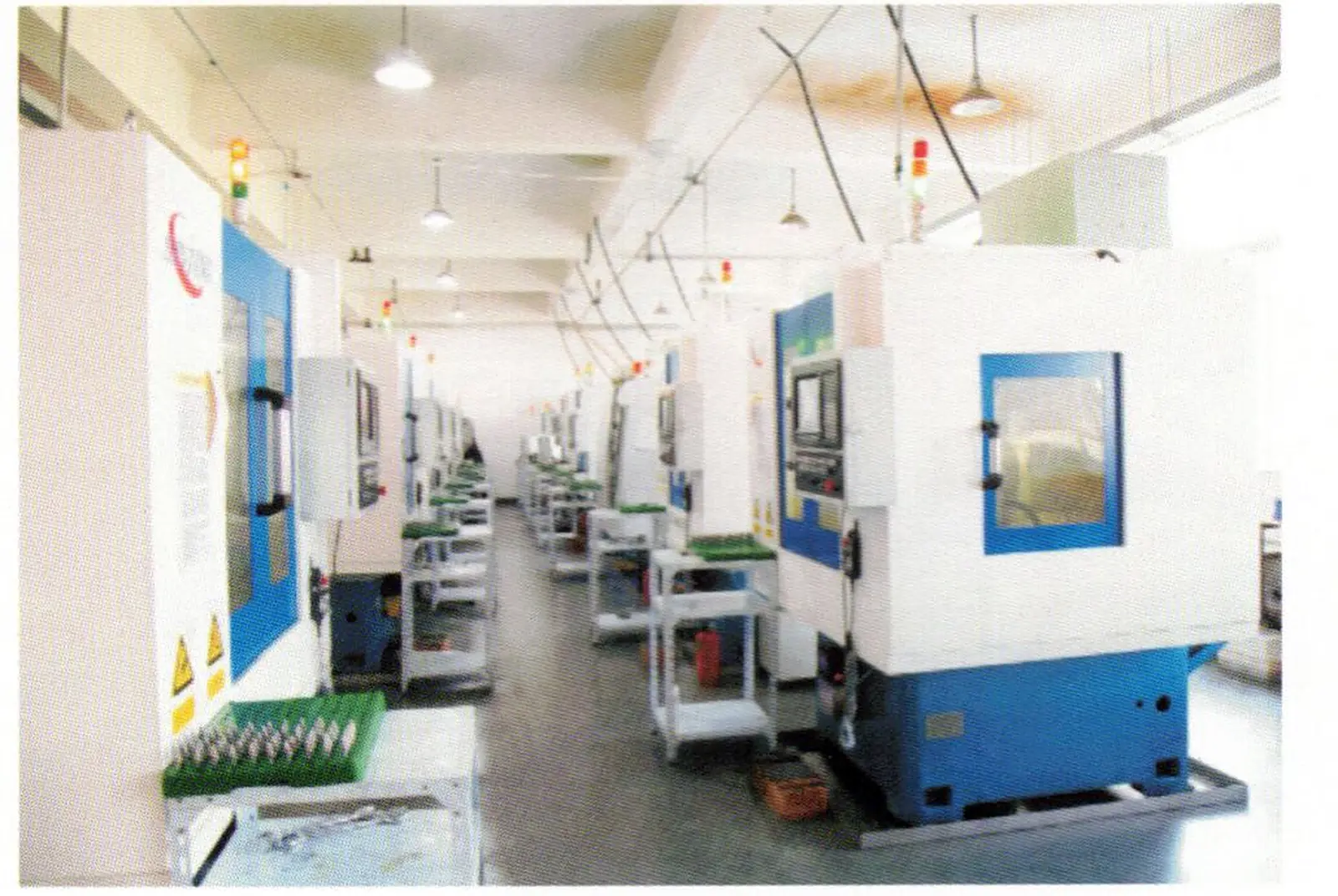
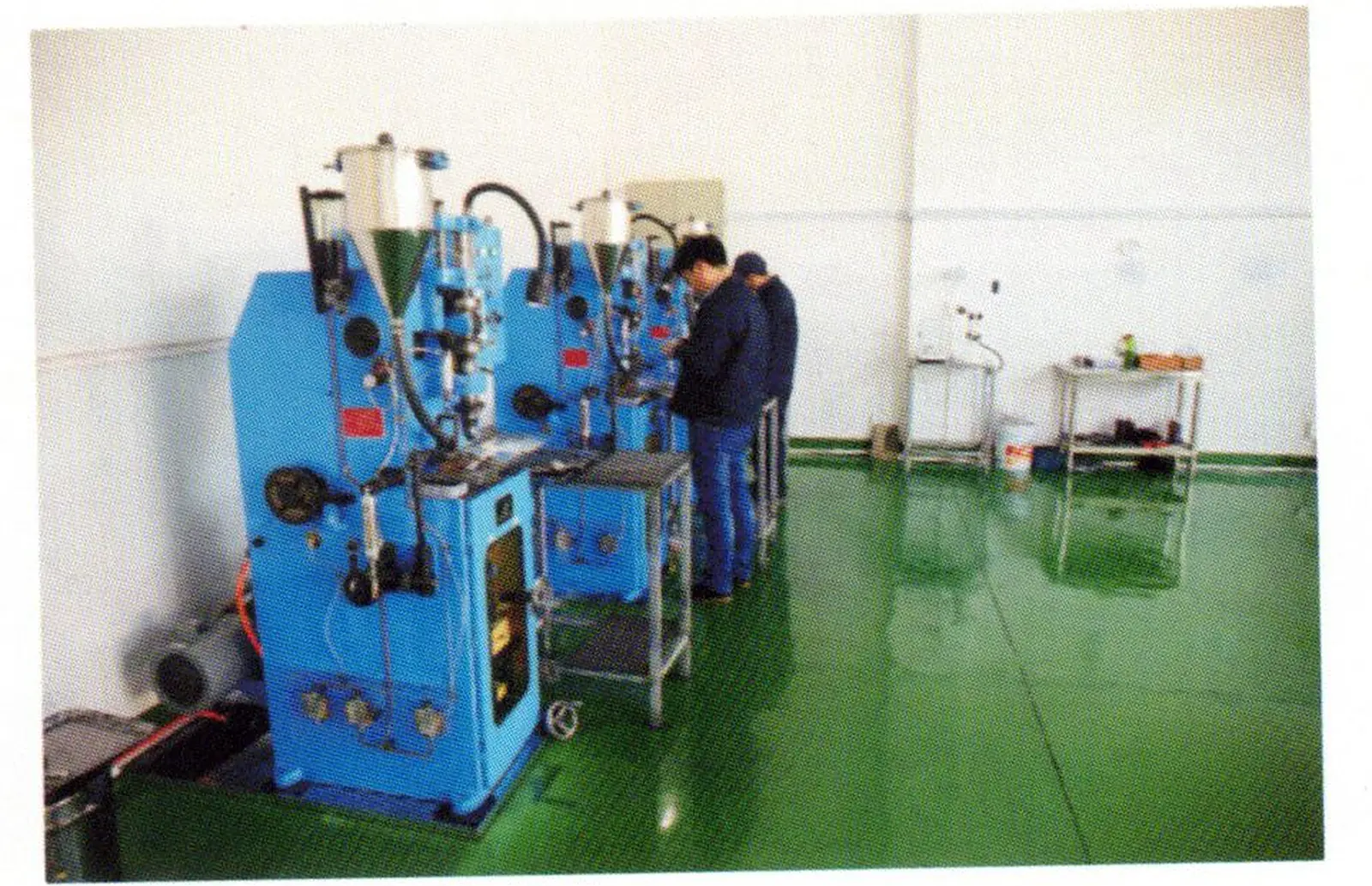
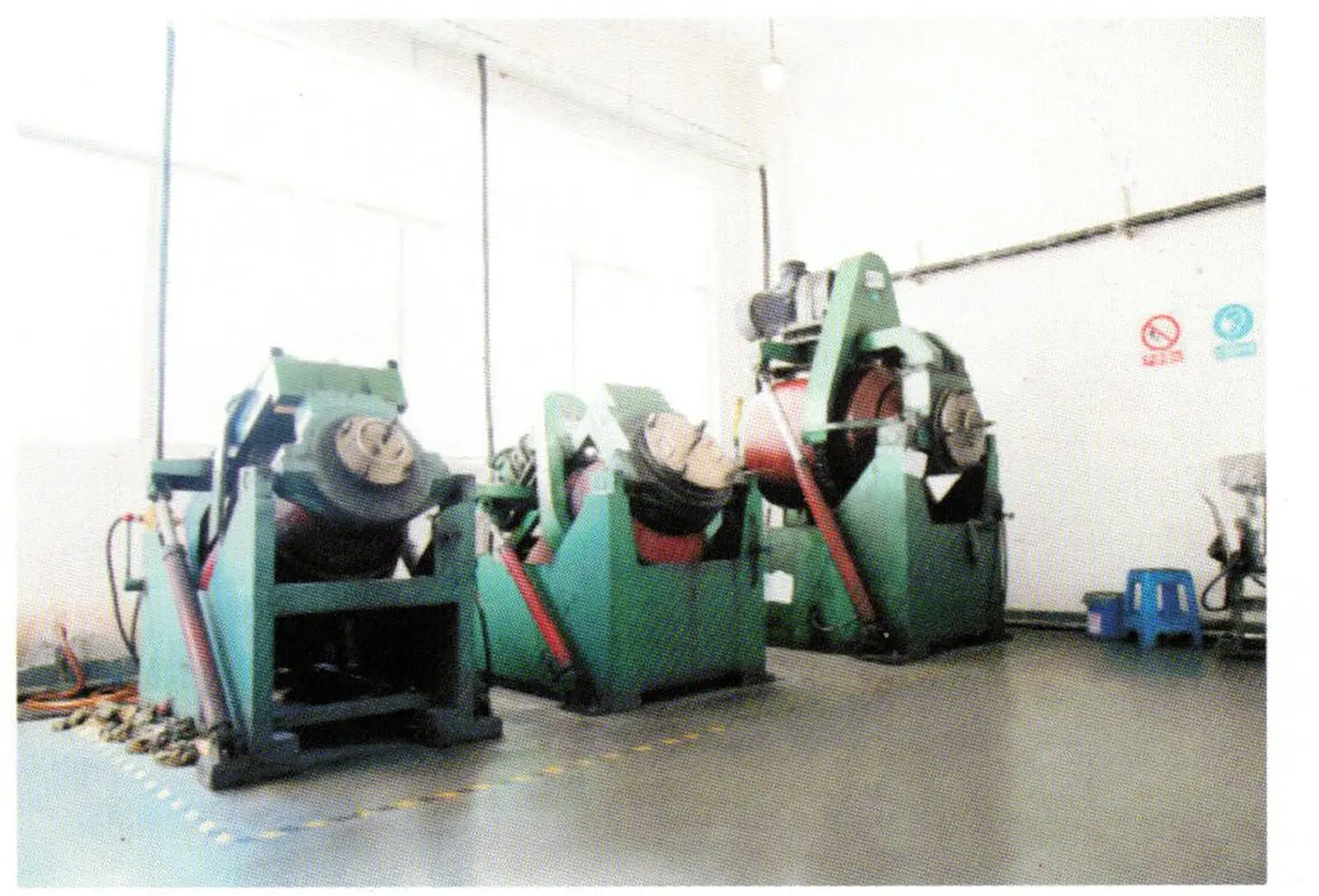
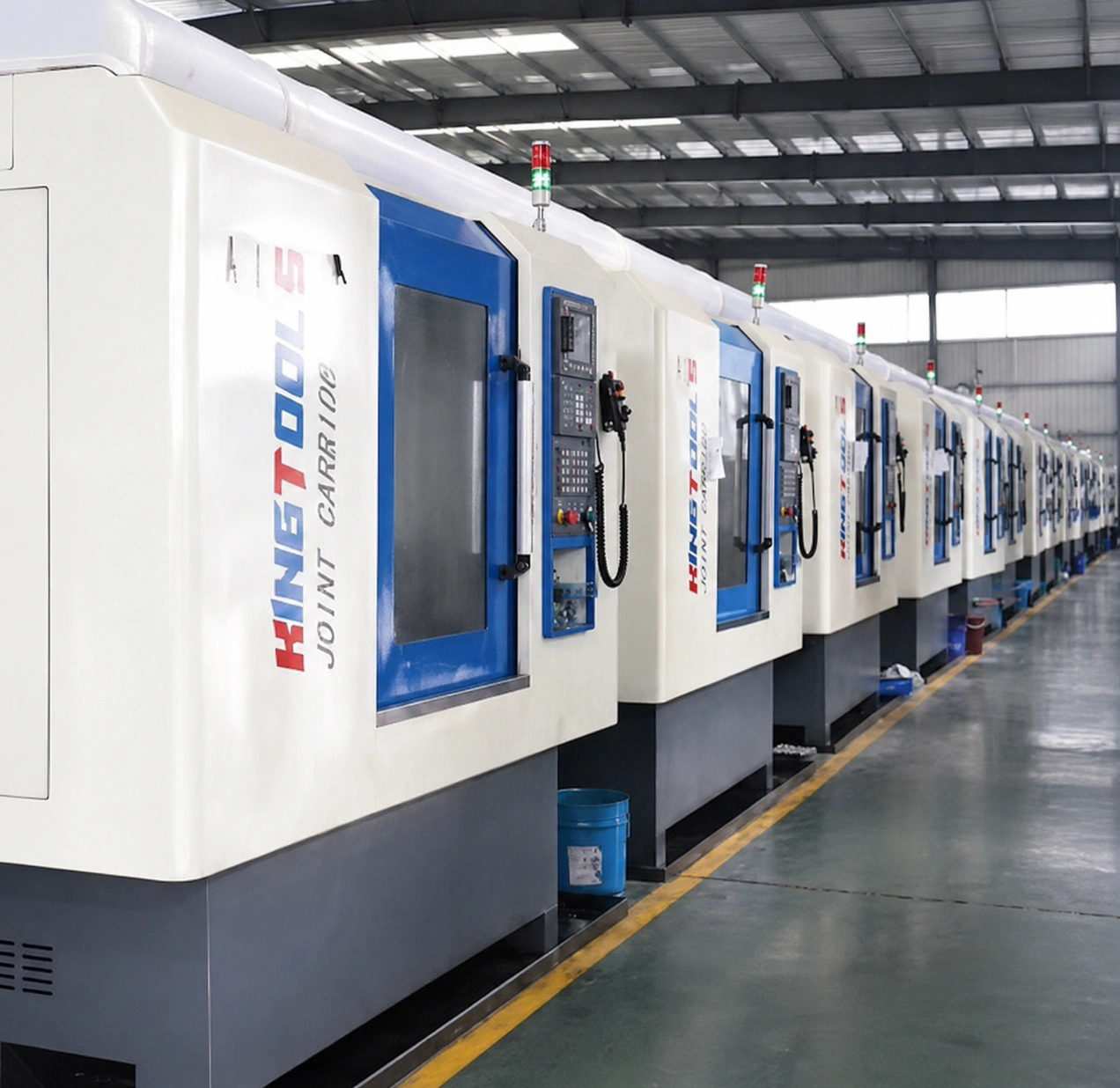
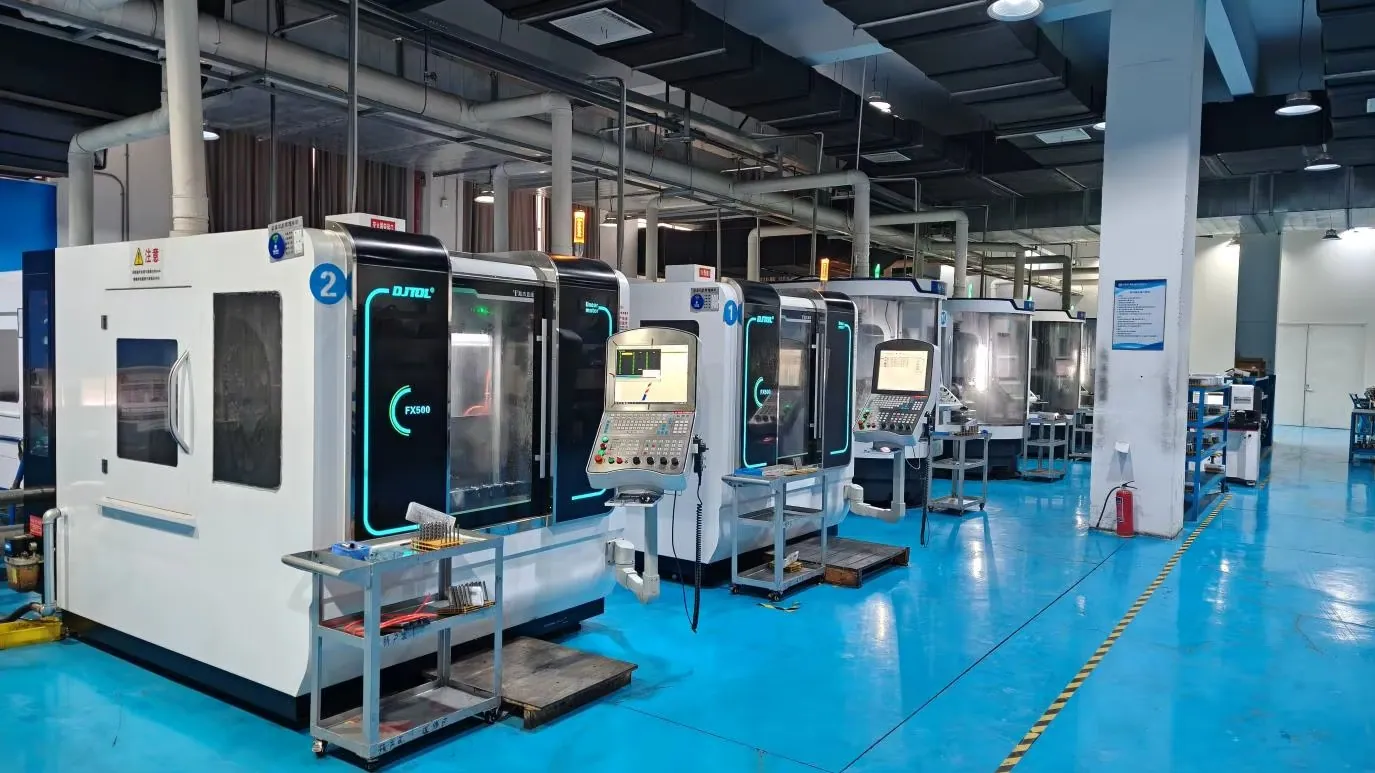
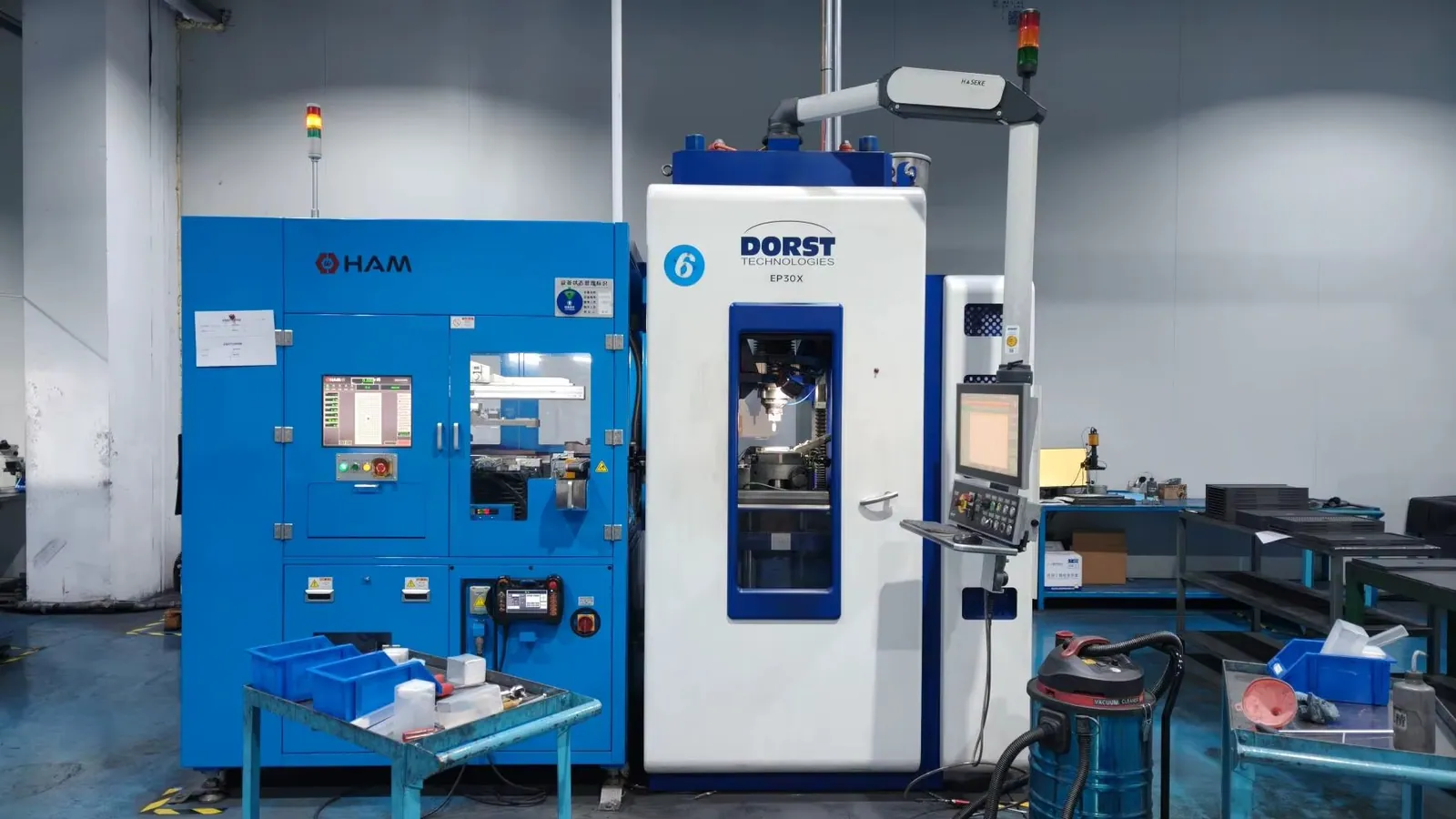
The following factory images come from the supplied carbide-burr production library and are shown as capability context, not as unsupported model-specific proof.

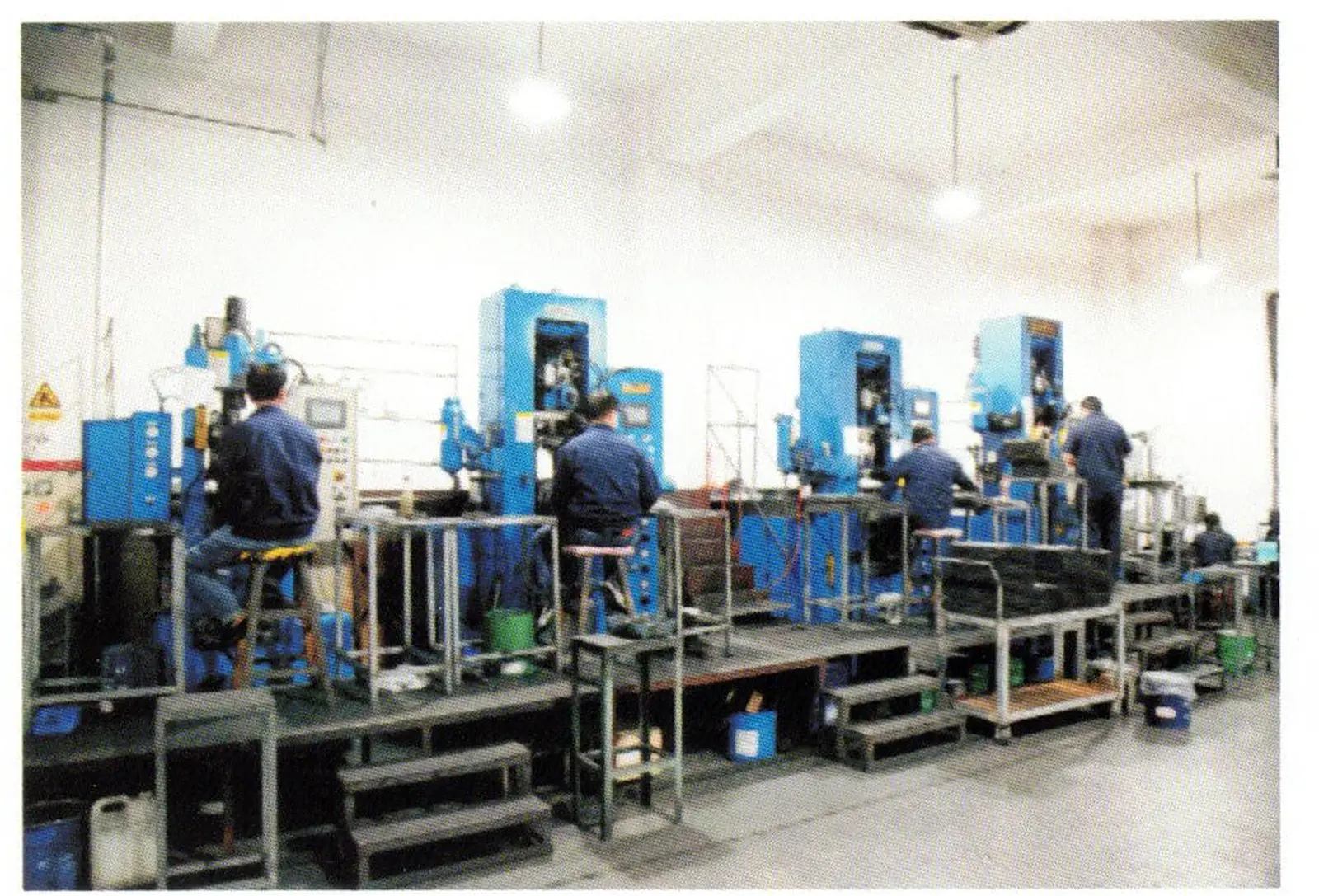
Carbide production pressing workshop from the supplied factory library
Carbide Pressing WorkshopSupplier-provided production context for reviewing carbide blank preparation capability.
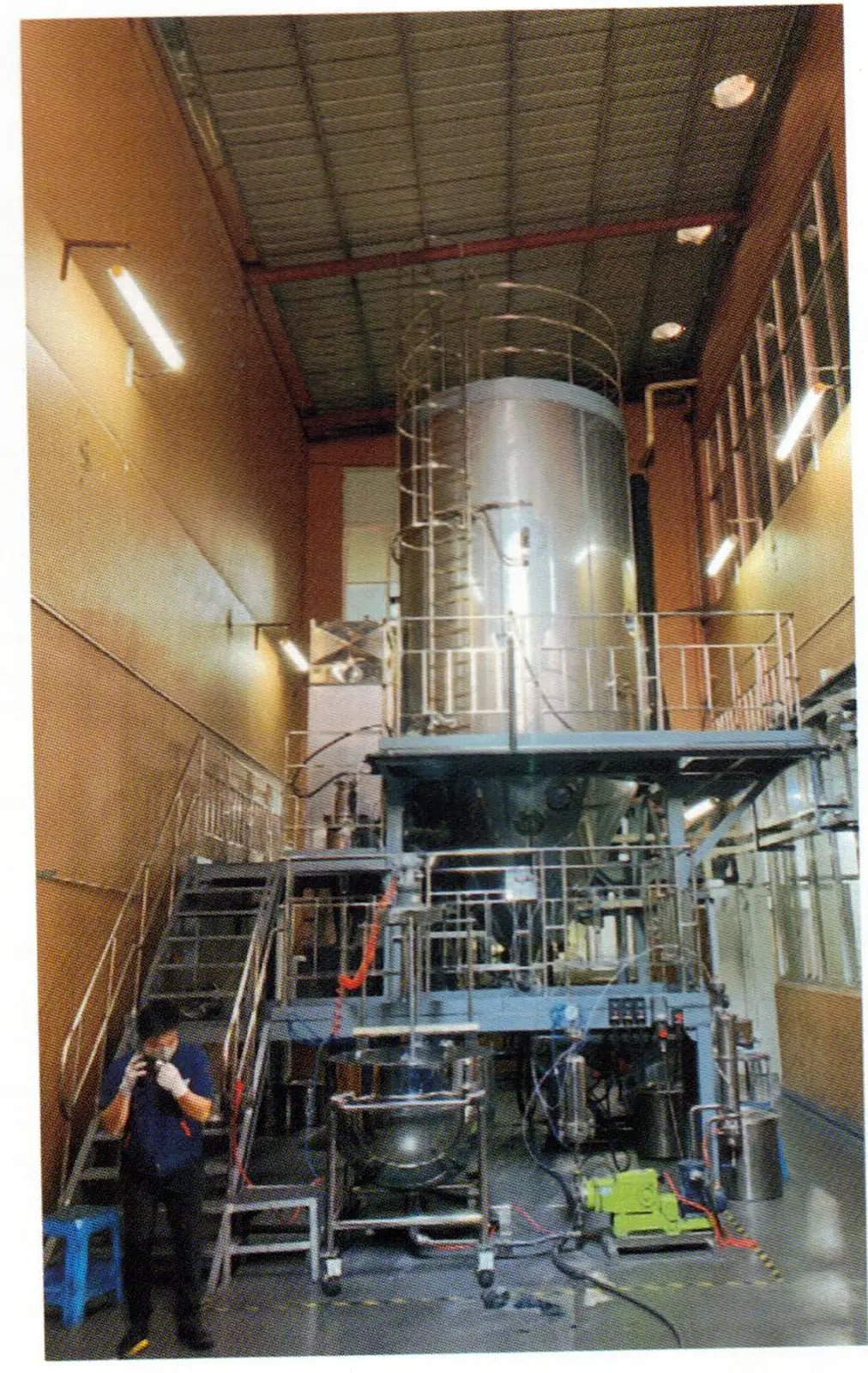
Carbide powder preparation workshop from the supplied factory library
Powder Preparation ContextFactory context supplied for buyer review; final product specifications remain model-controlled.
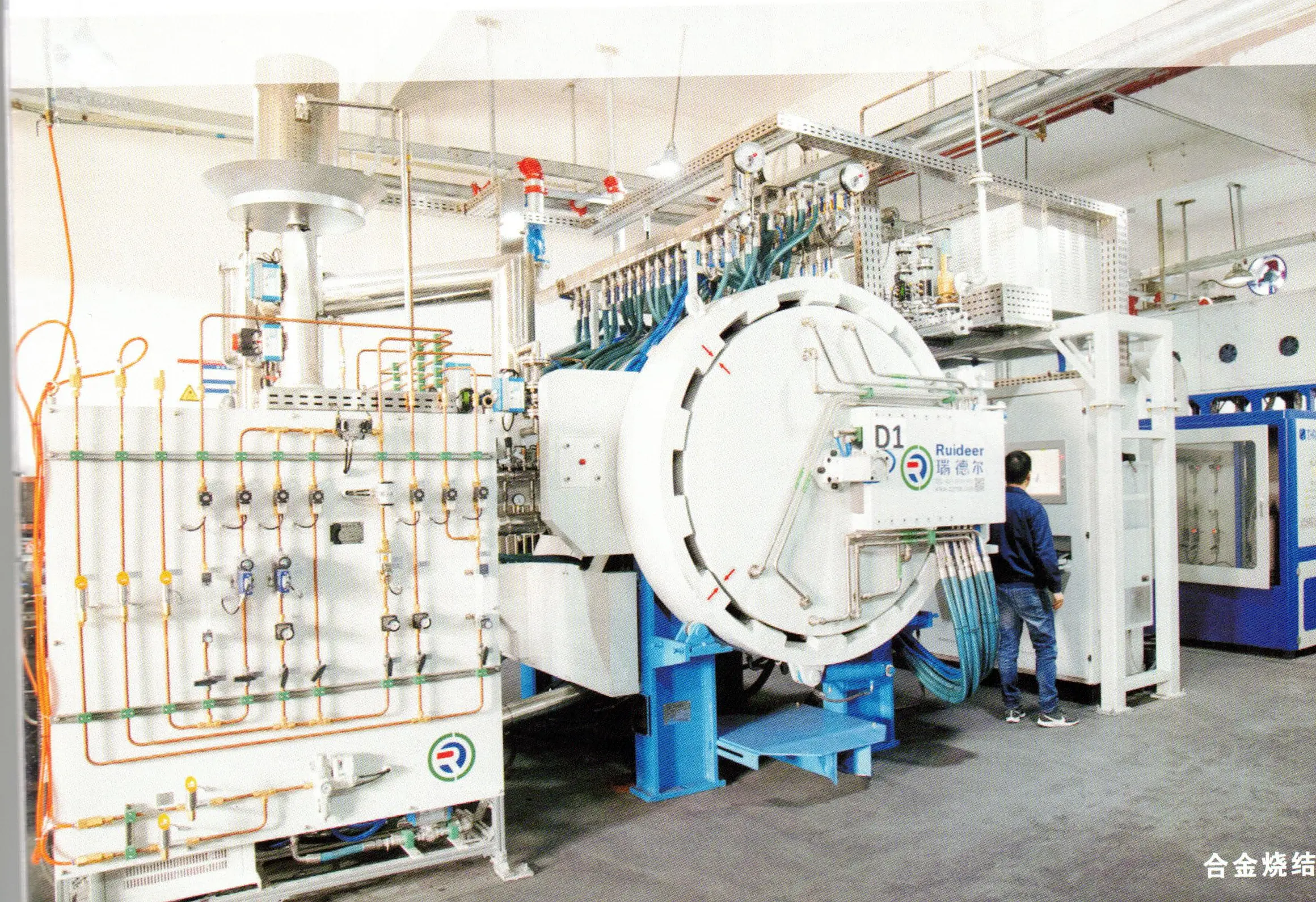
Vacuum sintering workshop from the supplied factory library
Sintering WorkshopSupplier-provided equipment context for reviewing carbide production capability.
Carbide grinding workshop from the supplied factory library
Grinding WorkshopProduction context for reviewing controlled carbide-head processing.
Production machine operator from the supplied factory library
Production Machine OperationSupplier-provided workshop view for procurement and capability review.
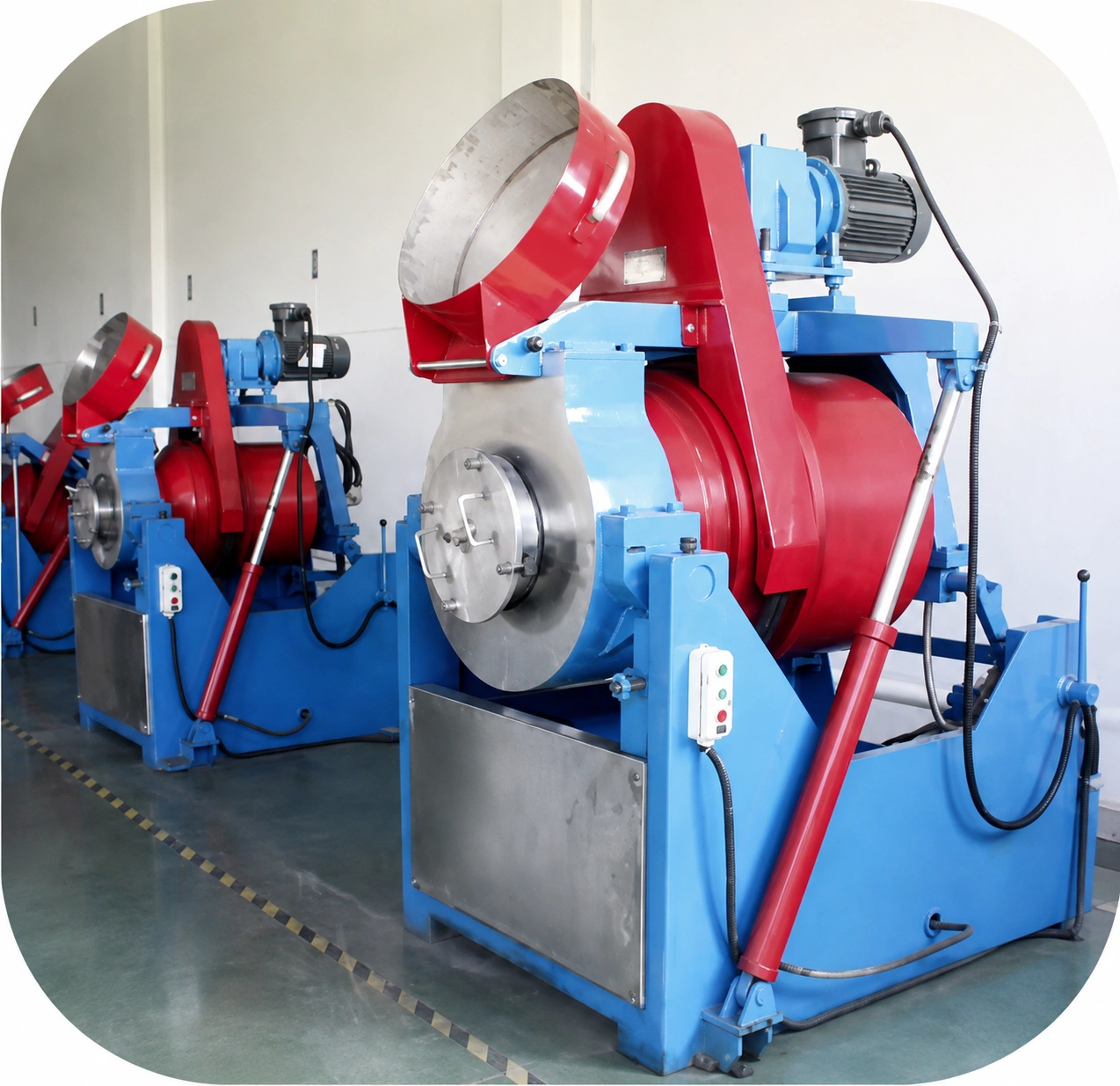
Wet grinding equipment in the supplied carbide production library
Wet Grinding EquipmentSupplier-provided process context for carbide material preparation; the applicable production route remains order-controlled.
Enclosed fluting machine line in the supplied carbide burr workshop library
Fluting Machine LineWorkshop context for reviewing repeatable carbide-burr head machining capability.
CNC machining equipment in the supplied workshop library
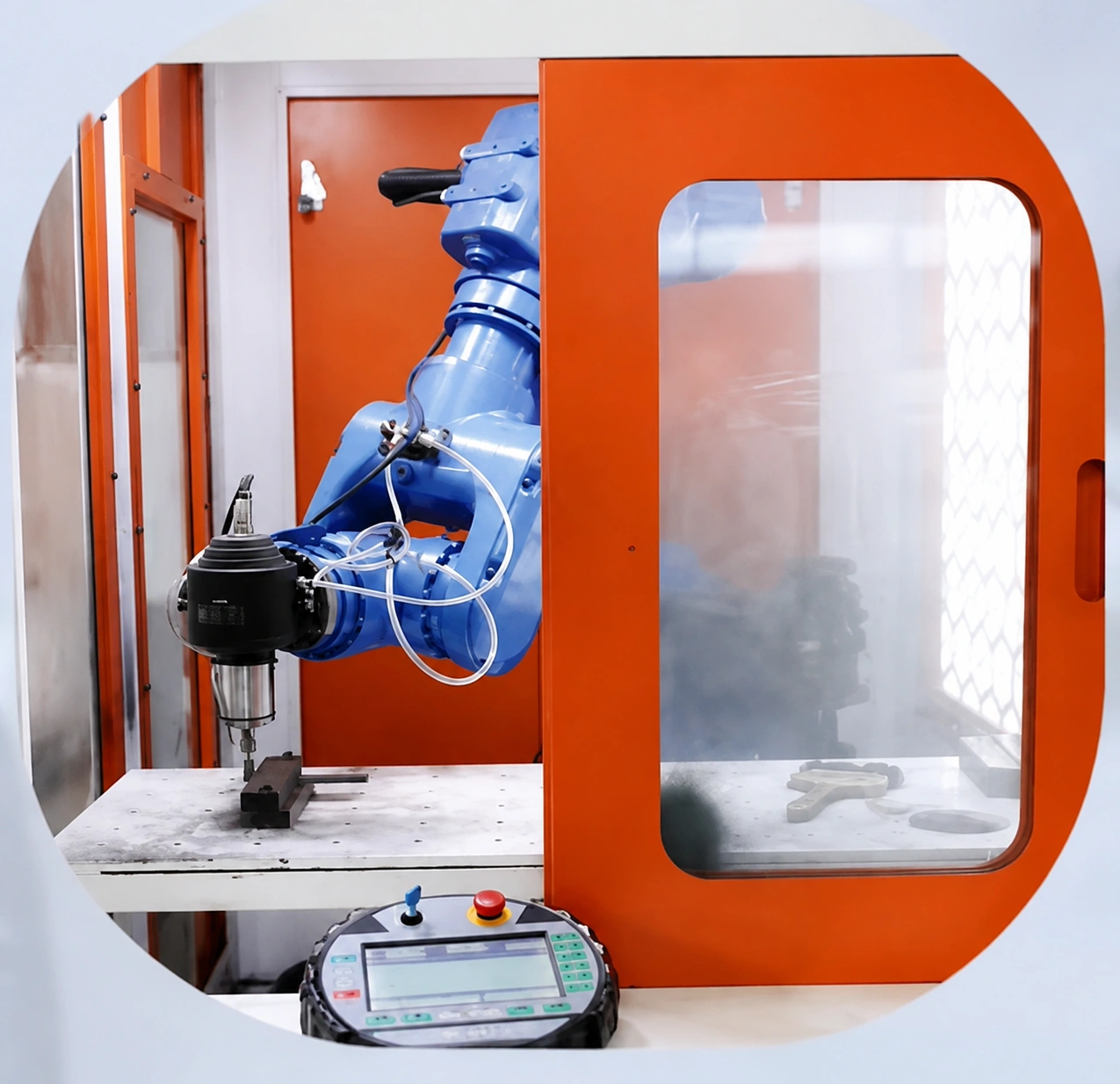
CNC Machining WorkshopSupplier-provided workshop context for capability review; applicable processes are confirmed against the requested models.
Automated production equipment in the supplied carbide workshop library
Automated Production EquipmentEquipment context only; model-specific operations and settings are not inferred from the image.

Request the production and inspection information relevant to the exact models in your quotation.

Request Factory Information
QUALITY CONTROL

Quality Checks for Bulk Single-Cut Orders

Inspect representative samples for head diameter, cutting length, flute continuity, cutting-edge condition, shank diameter, overall length and head-to-shank alignment. Use a consistent method to check runout and visible brazing quality across repeat orders. Trial the accepted models on the relevant material and record the grinder, collet and operating conditions. Packaging must separate carbide heads and prevent impact damage during warehouse handling and international transport.

Carbide burr dimensional checking context
Dimensional CheckDimensions are checked against the approved model drawing and purchasing record.
Carbide burr runout checking context
Runout ReviewRepresentative runout checks use one documented setup and a suitable reference collet.
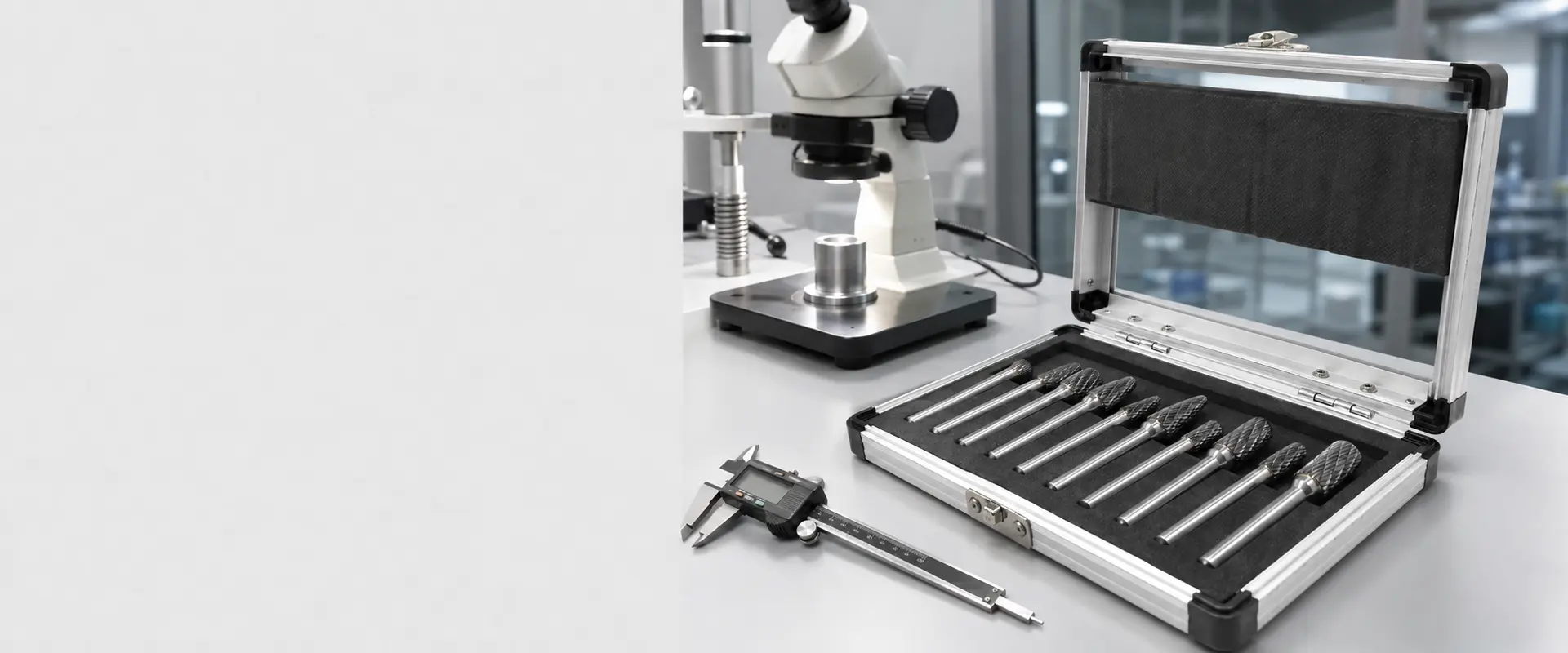
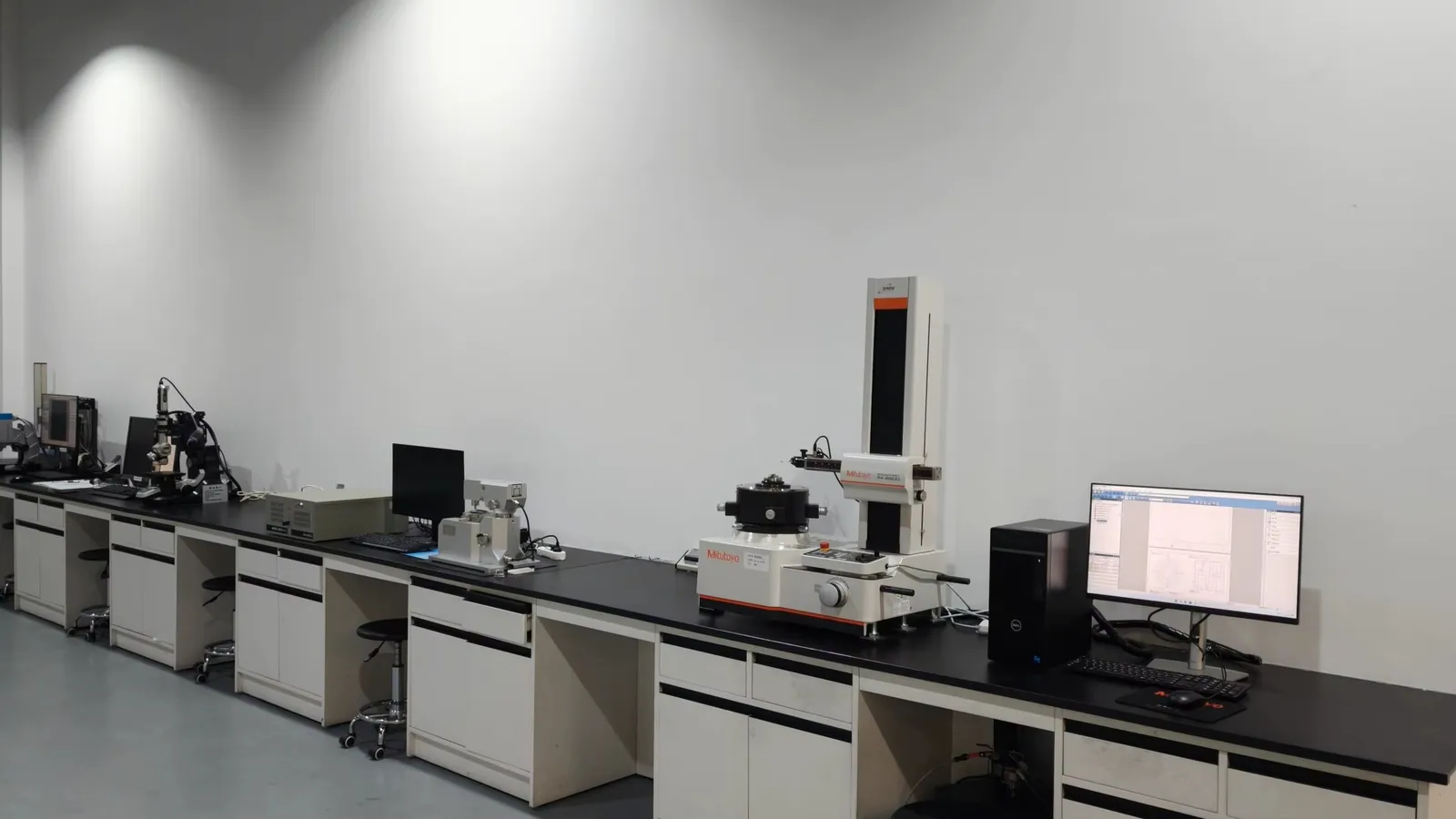
Metrology tools used for carbide burr inspection context
Inspection EquipmentInspection methods and acceptance criteria remain tied to the confirmed item specification.
Quality control laboratory from the supplied factory library
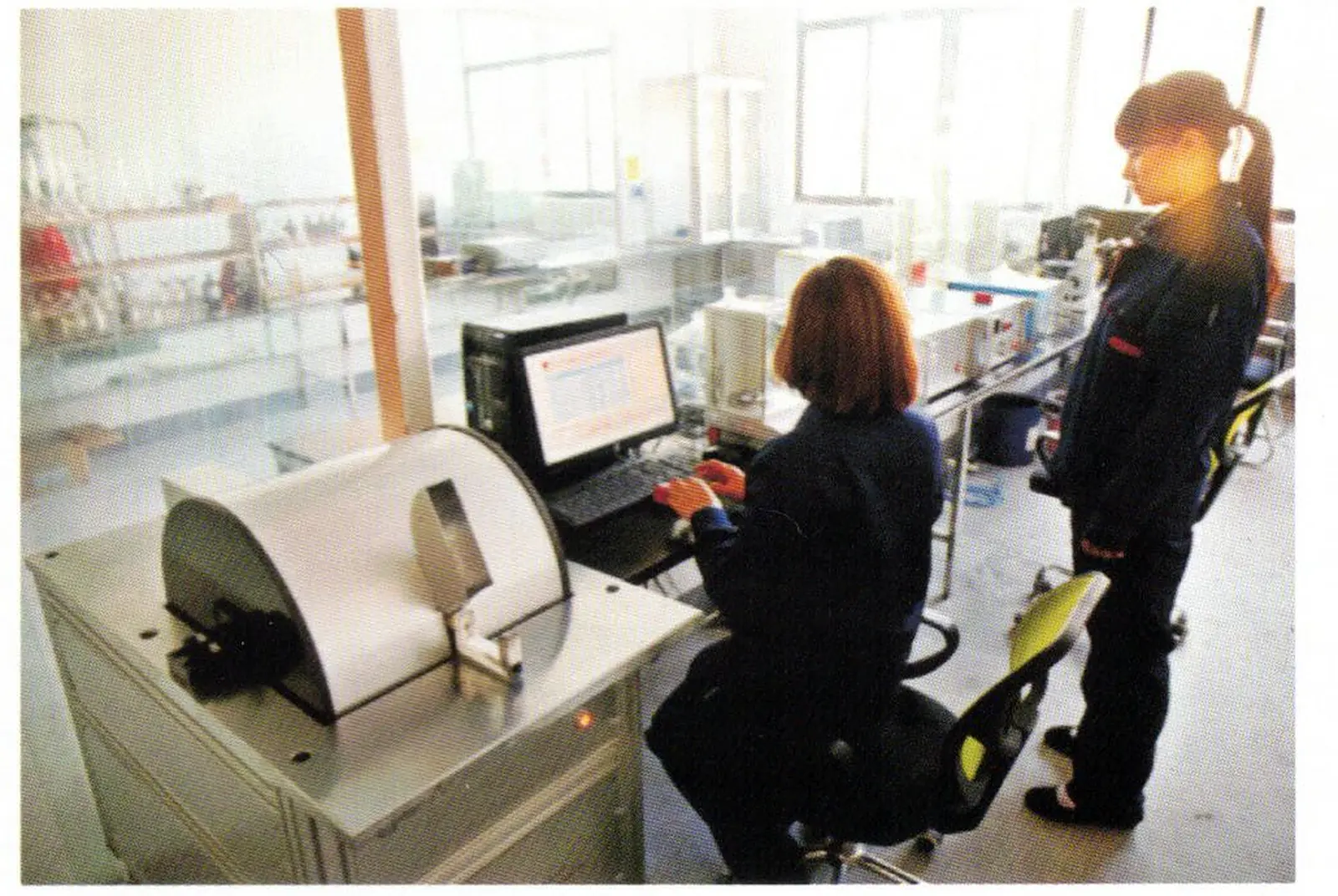
Quality Control LaboratorySupplier-provided laboratory context for buyer review.
Testing equipment from the supplied factory library
Testing ContextTesting scope is confirmed for the requested material, model and order before production.
Quality inspection room from the supplied factory library
Inspection RoomFactory inspection context supplied for procurement review and repeat-order control.
Quality laboratory from the supplied carbide production library
Quality LaboratorySupplier-provided laboratory context; the actual inspection plan remains tied to the confirmed order specification.
Metrology laboratory equipment in the supplied inspection library
Metrology LaboratoryLaboratory context with dimensional and optical measurement equipment, without inferring unsupported acceptance limits.
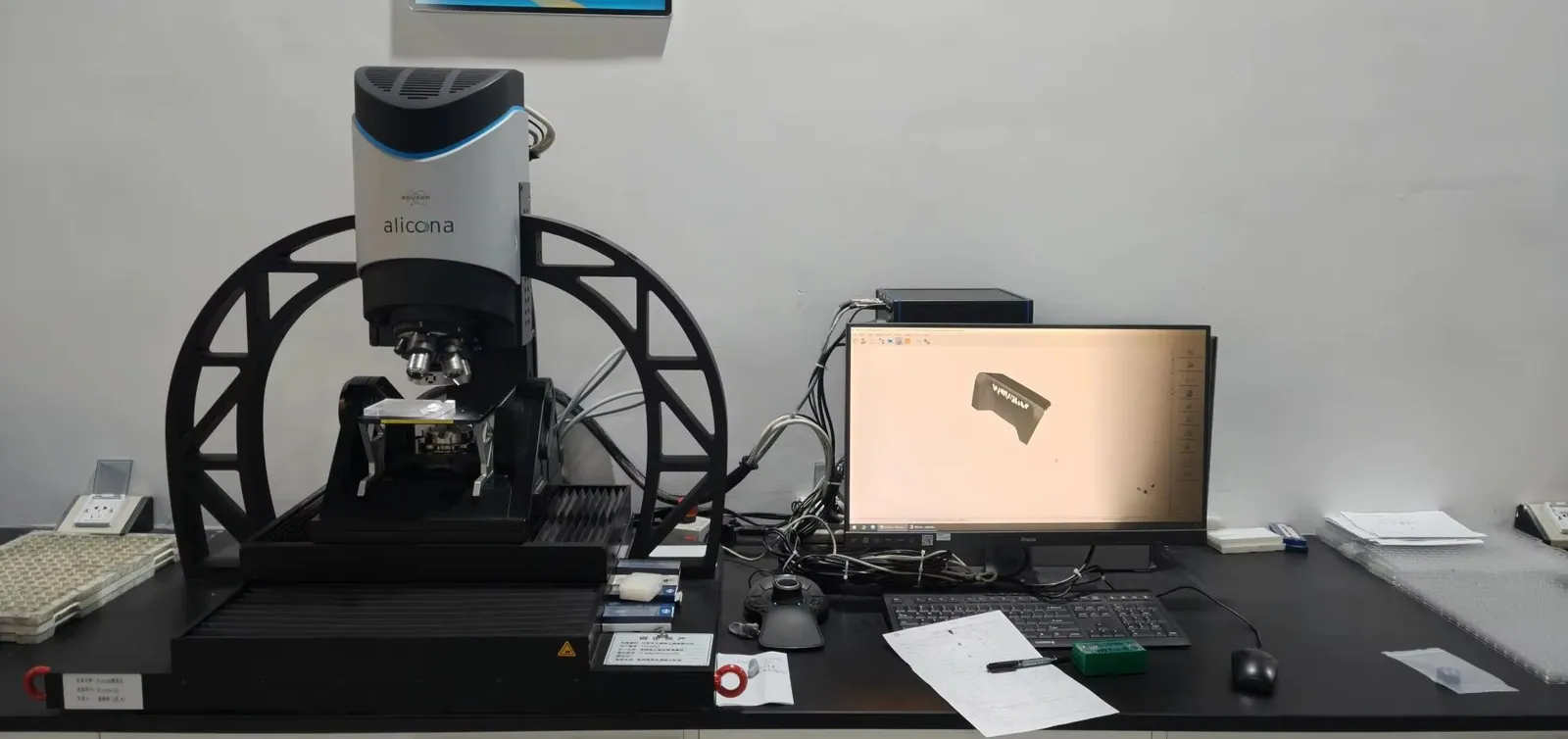
Optical metrology equipment in the supplied inspection library
Optical Metrology EquipmentSupplier-provided optical inspection context; no tolerance claim is inferred from the image.

Confirm the inspection method, sampling plan and acceptance criteria for the requested models before production.

Request Quality Information
OEM & PRIVATE LABEL

OEM and Private-Label Identification

Carbide burr assortment and packaging options for OEM supply

Private-label programs may combine selected shapes, laser identification, barcodes, individual packaging and multi-piece sets. The approved flute definition must remain attached to each model throughout artwork and production. Shape code alone is not enough: two burrs with the same outline can behave differently when flute pitch or helix changes. Replacement SKUs should remain visible even when several profiles share one retail or distributor set.

  • Cylindrical profiles for open faces, straight edges and…
  • Ball and oval profiles for cavities, radii and…
  • Tree and flame profiles for fillets, weld transitions…
  • Cone and taper profiles for grooves, angles, chamfers…
  • Common 6 mm-shank head sizes matched to local…
  • Individual replacement SKUs for every burr supplied in…
Discuss OEM Requirements
PACKAGING OPTIONS

Protect the product identity and the carbide heads

Confirm the case, insert, item code, barcode, artwork and replacement-model record for the exact assortment in the quotation.

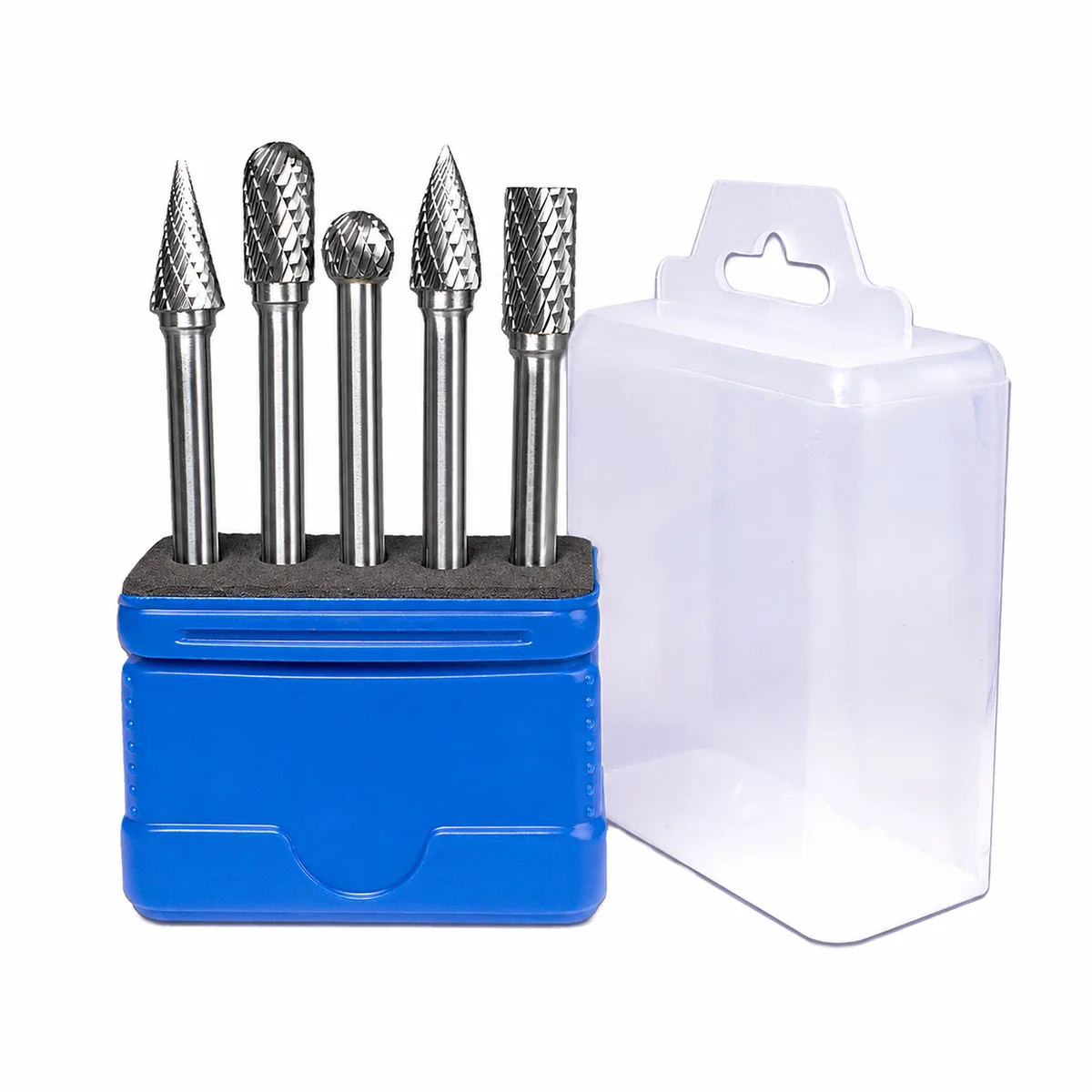
Carbide burr assortment in blue holders
01

Individual Holder Identification

Keep each burr position connected to the approved shape, cut and dimension reference.

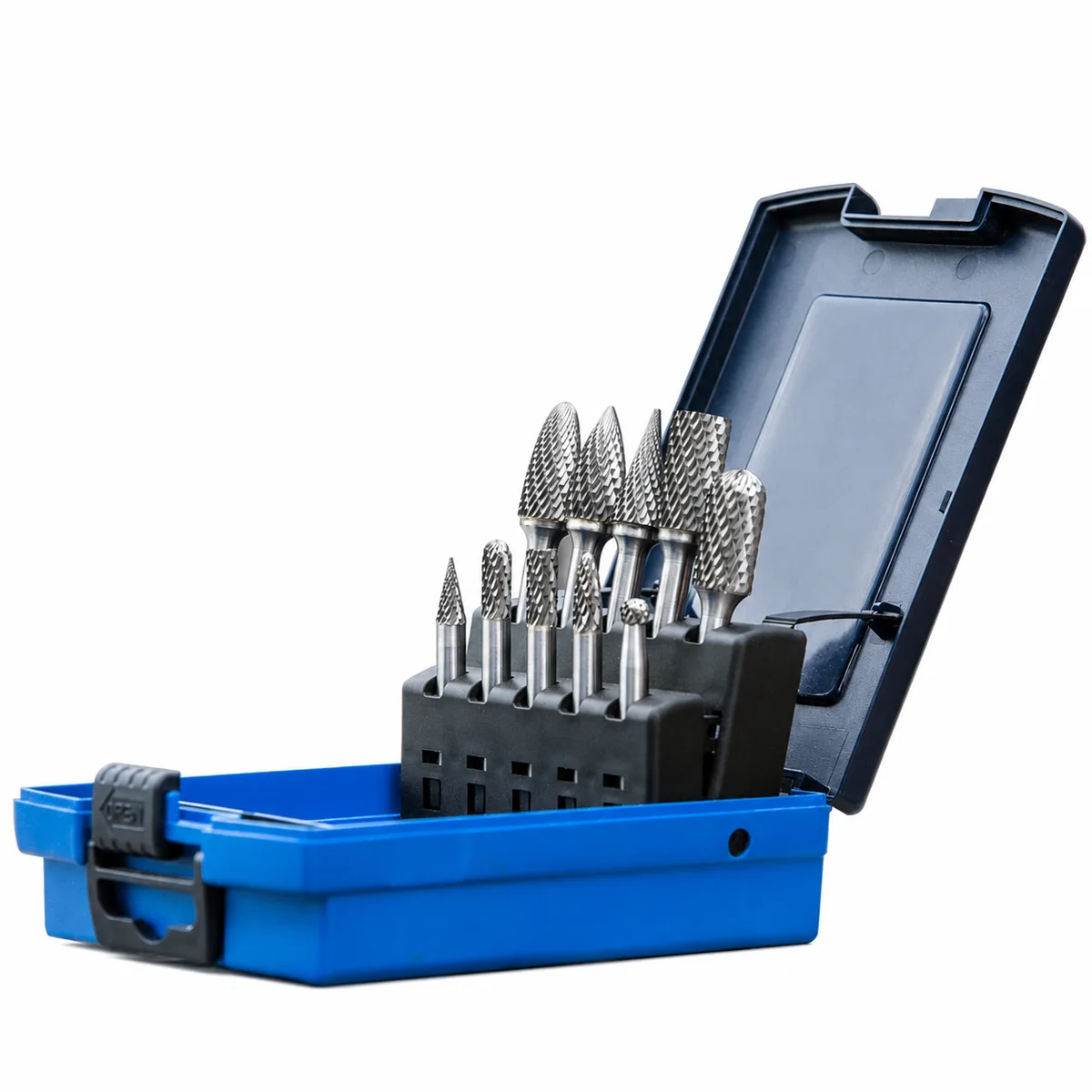
Carbide burr assortment in a protective blue tool case
02

Protective Set Case

Confirm the set layout, replacement model list and label information before production.

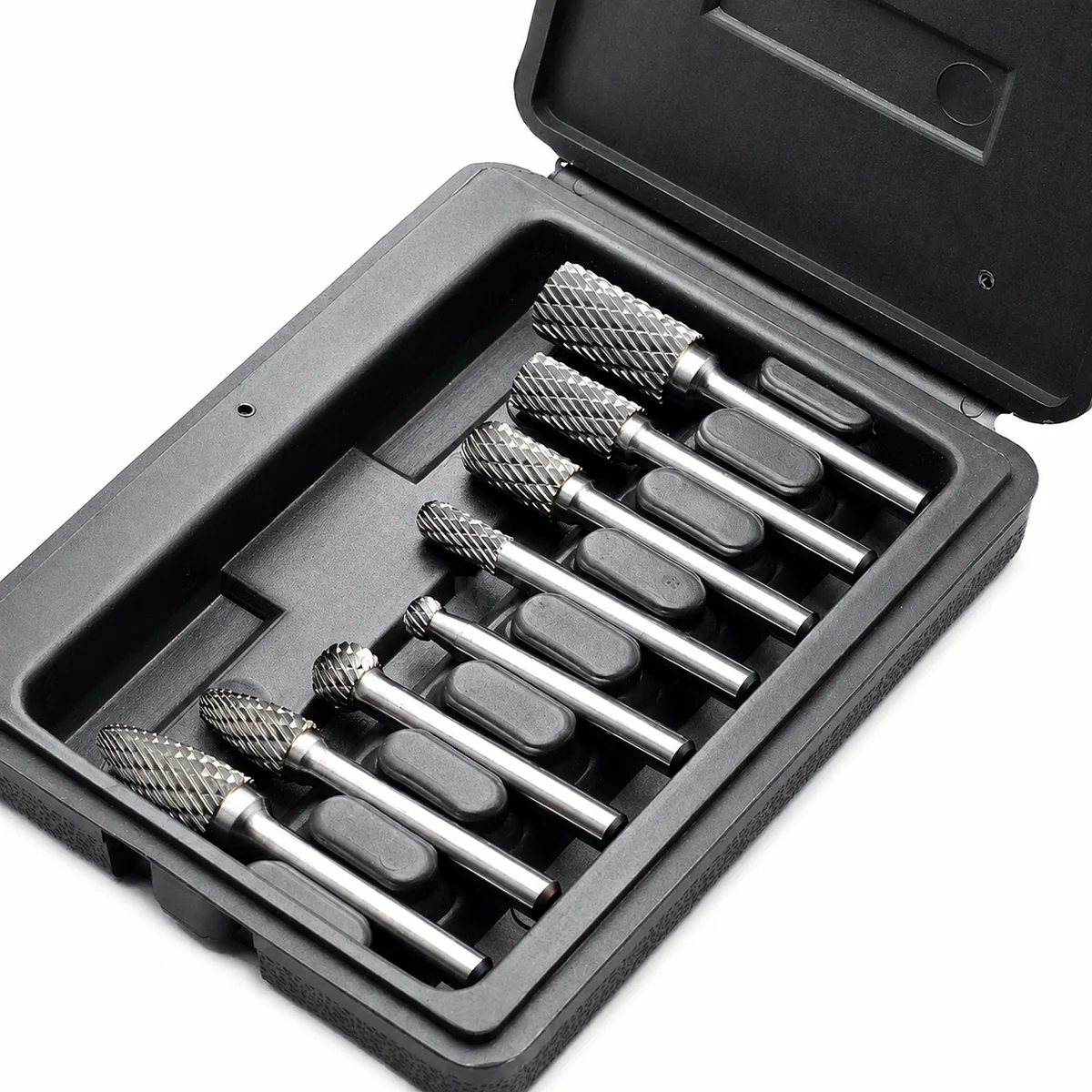
Carbide burr assortment in a black protective case
03

Distributor Set Packaging

Organize the assortment around real buyer applications instead of an arbitrary piece count.

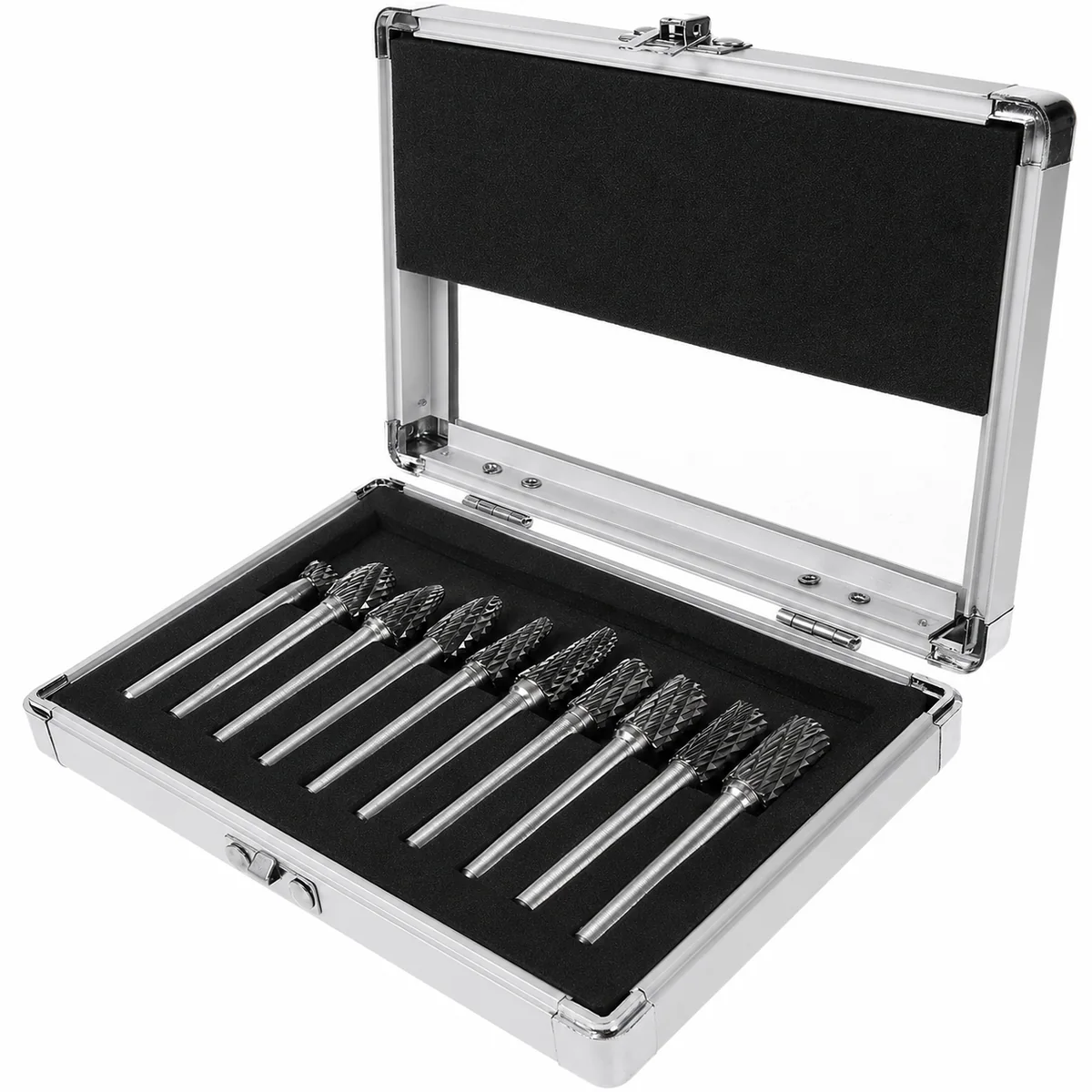
Carbide burr assortment in a protective presentation case
04

Private-Label Presentation

Artwork, barcode, marking and carton requirements remain linked to the approved model matrix.

BUYING CHECKLIST

Information Required for a Quotation

01Workpiece materials and hardness range, when known
02Main operations, component drawings or application photographs
03Required SA-SN profiles and preferred flute description
04Head diameter, cutting length, 6 mm shank and overall length
05Removal-rate, chip-control and remaining-surface priorities
06Sample quantity, first order quantity and estimated annual demand
07Individual, set or bulk packaging requirements
08Laser marking, barcode, label and private-label artwork requirements
B2B BUYER FEEDBACK

What B2B buyers say about Single Cut Carbide Burr

Authorized customer names, roles and portraits are matched to the relevant product-series review library.

Carbide Cutting Tools · Quality / Batch Consistency

Stable Batch Quality for Distribution

When I assess a new supplier as a tool wholesaler, I look for details that will still matter after the first order. We paid close attention to carbide grade consistency, cutting-edge geometry, finish, marking, and dimensional control. Aximet Tools kept edge finish, tool marking, dimensions, and pack presentation consistent across the production order, so the batch felt aligned with what we approved during sourcing. Those details make the overall sourcing decision stronger than choosing on unit price alone.

Brian Thompson, Tool Wholesaler
Brian ThompsonTool Wholesaler
Carbide Cutting Tools · OEM / Private Label

Private Label Support That Saves Time

When I assess a new supplier as a private label buyer, I look for details that will still matter after the first order. We were not looking for a generic product only. Aximet Tools was practical when discussing laser marking, labels, packaging, sets, and distributor-brand presentation, and the customization process stayed organized even with B2B order details to manage. It is the kind of cooperation that helps a buyer build a category instead of constantly changing suppliers.

David Johnson, Private Label Buyer
David JohnsonPrivate Label Buyer
Carbide Cutting Tools · Technical Communication

Clear Technical Communication Before Production

In my role as an mro procurement buyer, I need a supplier that makes a multi-SKU program easier to control. Before approval, we checked carbide grade, geometry, coating/finish, dimensions, work material, and machine/application fit. Aximet Tools answered the specification questions clearly and confirmed the important details before production, which reduces the risk of misunderstandings on a commercial order. It gave our team more confidence to move from evaluation toward a broader purchasing plan.

George Miller, MRO Procurement Buyer
George MillerMRO Procurement Buyer

Want a range structured around professional customer demand?

Discuss Your Product Range
B2B FAQ

Single Cut Carbide Burr: Frequently Asked Questions

01How should distributors distinguish standard, coarse, fine and high-helix single cuts?

Do not rely on the market name alone. Ask the supplier to connect each term to a defined flute pattern, tooth spacing, helix, intended materials and sample model. Evaluate the cutting response, chip clearance, removal rate and remaining surface under recorded conditions. The accepted geometry should then be fixed in the product specification and reorder code.

02What should buyers check when testing single-cut burr samples?

Use representative materials and operations rather than a convenient test piece. Record the burr model, dimensions, grinder, collet, speed range and operator method. Compare cutting rate, entry behavior, vibration, chip evacuation, heat, surface marks and visible tooth wear. Also confirm that the head shape reaches the feature without loading the shank or brazed joint.

03Can different single-cut profiles be combined in a private-label set?

Yes. A set can combine cylindrical, ball, oval, tree, flame and cone profiles when each burr has a clear application role. Give every model an individual code so users can replace worn or lost pieces. Artwork, tray positions and labels should match the approved shape, dimensions and flute specification instead of identifying the set only by piece count.

04What is a single-cut carbide burr?

A single-cut carbide burr has one directional pattern of flutes across the carbide head. This geometry creates a direct, aggressive cutting action and generally forms longer chips than a crossed-flute design. It is commonly selected for rapid stock removal on accessible surfaces, foundry cleanup, weld reduction and heavy edge work when the material and operating conditions suit the cut.

05When is single cut preferred over double cut?

Single cut is preferred when removal rate is the leading priority, the work area is accessible and the operator can keep the burr moving with stable contact. Double cut is often selected when smaller chips and closer control around a finished profile matter more. The decision should be validated on the real workpiece because material, diameter, access and grinder stability can change the result.

06Which materials and operations suit single-cut burrs?

Single-cut burrs are commonly evaluated on steel, cast iron and selected grades of stainless steel, brass or bronze. Typical operations include removing casting gates and flash, lowering accessible welds, heavy deburring and edge preparation. For soft aluminum, buyers should normally begin with a dedicated aluminum-cut burr because its wider flute spacing is designed to reduce loading.

07Does single cut remove material faster than double cut?

It often removes material faster on compatible metals and open surfaces because its directional teeth produce a more aggressive engagement. It is not faster in every setup. Head diameter, flute geometry, workpiece material, grinder speed, pressure, runout and machine rigidity all influence actual output. Buyers should compare timed removal and tooth wear under the same controlled test conditions.

08How should speed and feed pressure be controlled with single-cut burrs?

Follow the burr supplier's limits for the selected diameter and material, use a sound matching collet and start within the recommended operating range. Apply light-to-moderate pressure, establish stable contact and keep the burr moving. Do not force the tool to compensate for low speed or a poor profile choice; excessive pressure can increase heat, vibration, grabbing and premature edge damage.
REQUEST A QUOTE

Request Your Single-Cut Product Matrix

Send us your target materials, applications, preferred profiles, dimensions and annual demand. AXIME TOOLS will help you organize a single-cut range with defined flute specifications, individual model codes and packaging suitable for industrial distribution or private-label supply. Request the Single-Cut Model Matrix | Get an OEM Quotation

  • Workpiece materials and hardness range, when known
  • Main operations, component drawings or application photographs
  • Required SA-SN profiles and preferred flute description
  • Head diameter, cutting length, 6 mm shank and overall length

Chat on WhatsApp