Casting Skin and Parting-Line Cleanup
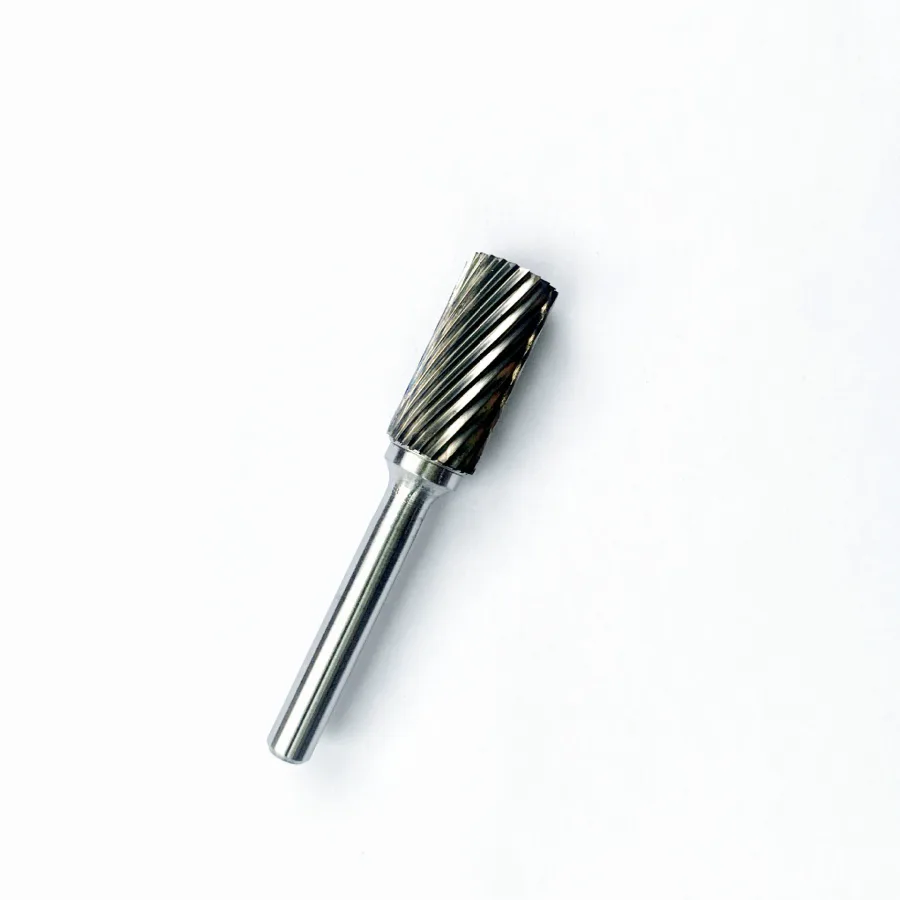
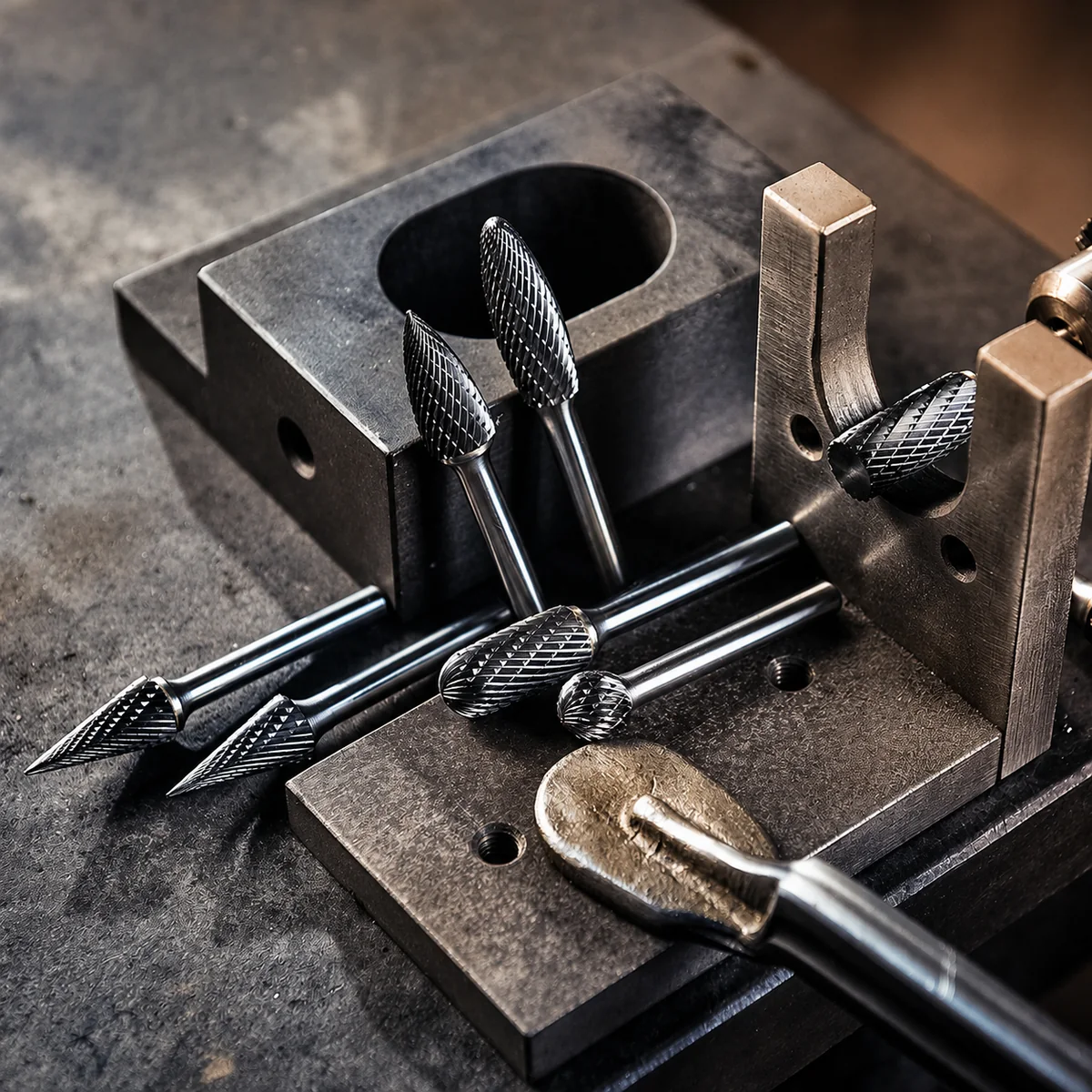
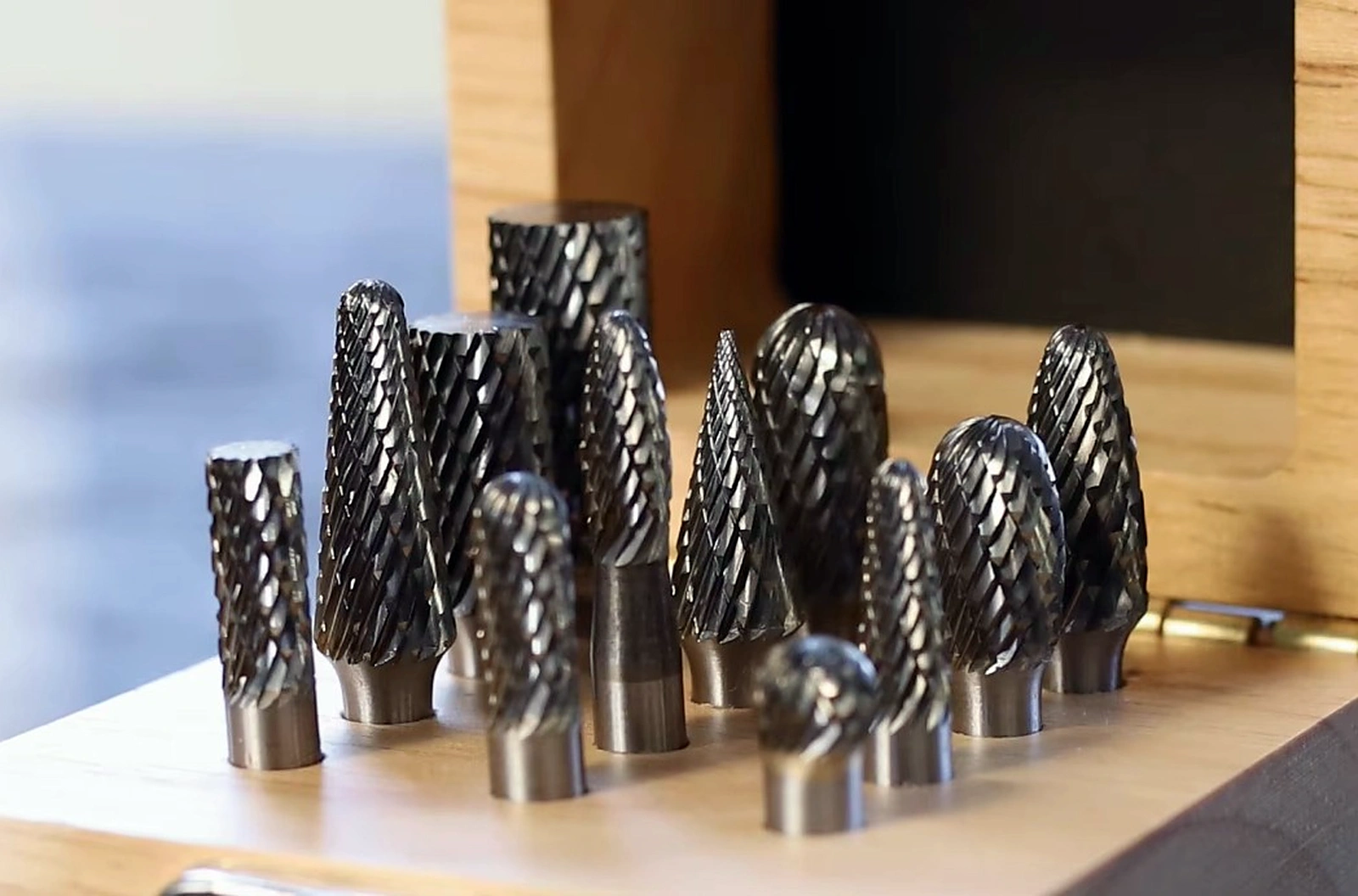
Use side-cutting cylinders, radius-ended forms or trees where abrasive surface skin and raised seams require stable, controlled contact.

Carbide Burrs for Cast Iron help foundries, fabricators and maintenance teams remove casting skin, parting-line flash, gate remnants and local surface defects. AXIME TOOLS organizes each option by cast-iron grade, head profile, cut, end geometry, working dimensions and intended contact. That structure gives importers and industrial distributors a range they can quote, sample and replenish without treating every dark casting as the same material. Item-linked dimensional checks, tooth inspection, runout control and packaging identification keep the approved configuration connected to repeat wholesale and private-label orders.
Each product option remains connected to its corresponding record so buyers can build a controlled assortment.

Use side-cutting cylinders, radius-ended forms or trees where abrasive surface skin and raised seams require stable, controlled contact.

Shortlist robust profiles, then confirm allowance, entry angle and whether contact is continuous or interrupted.

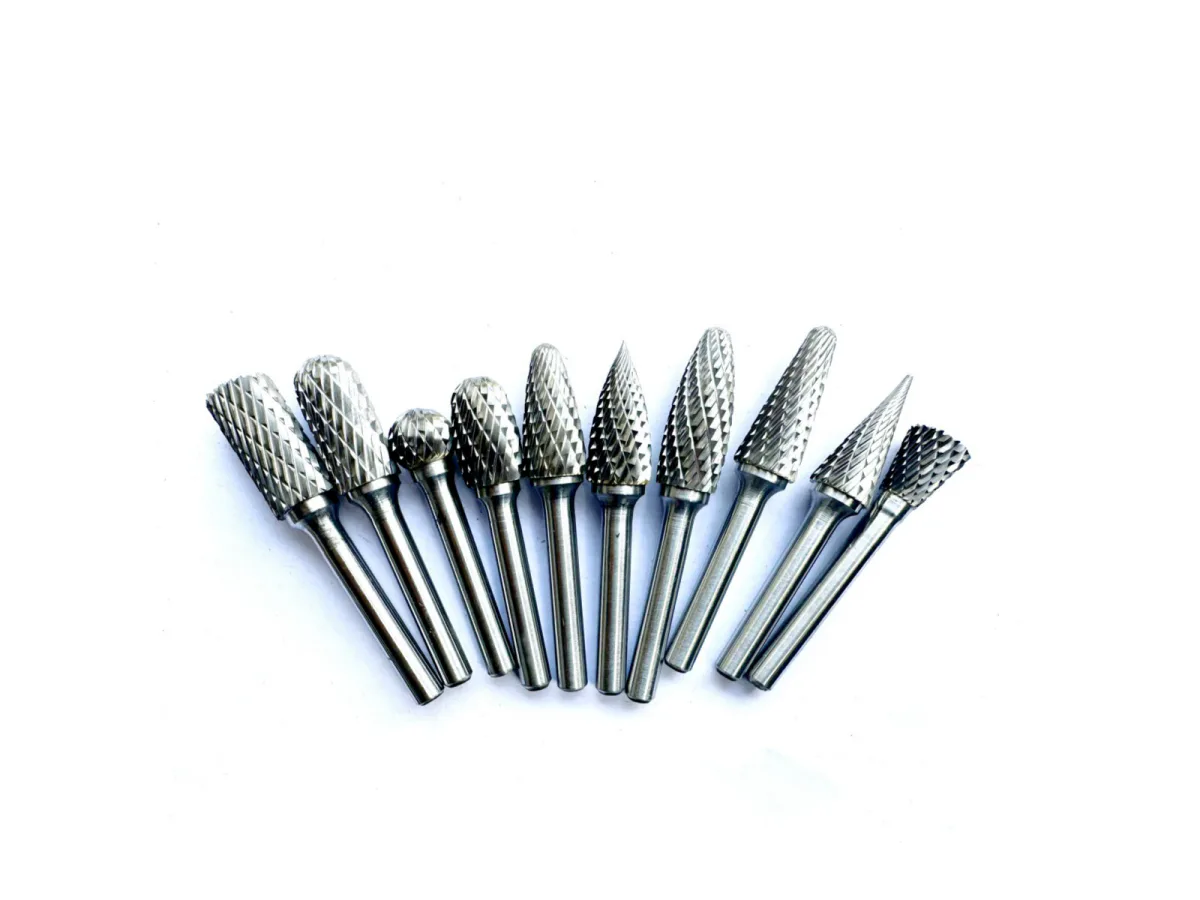
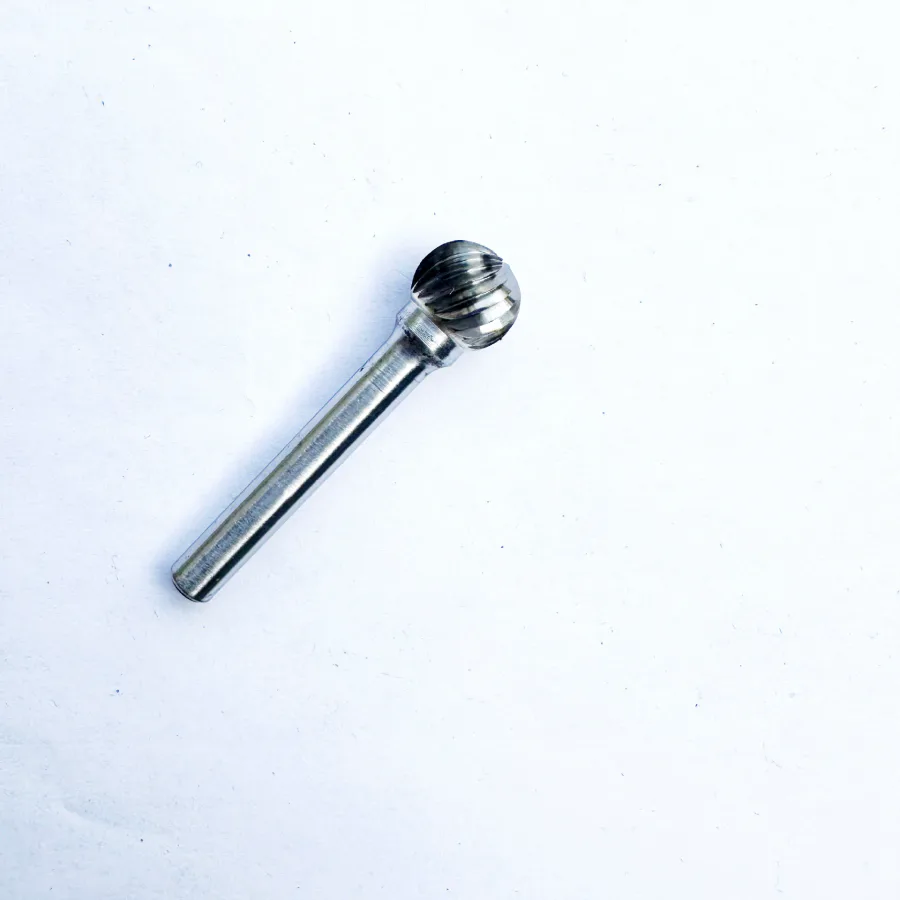
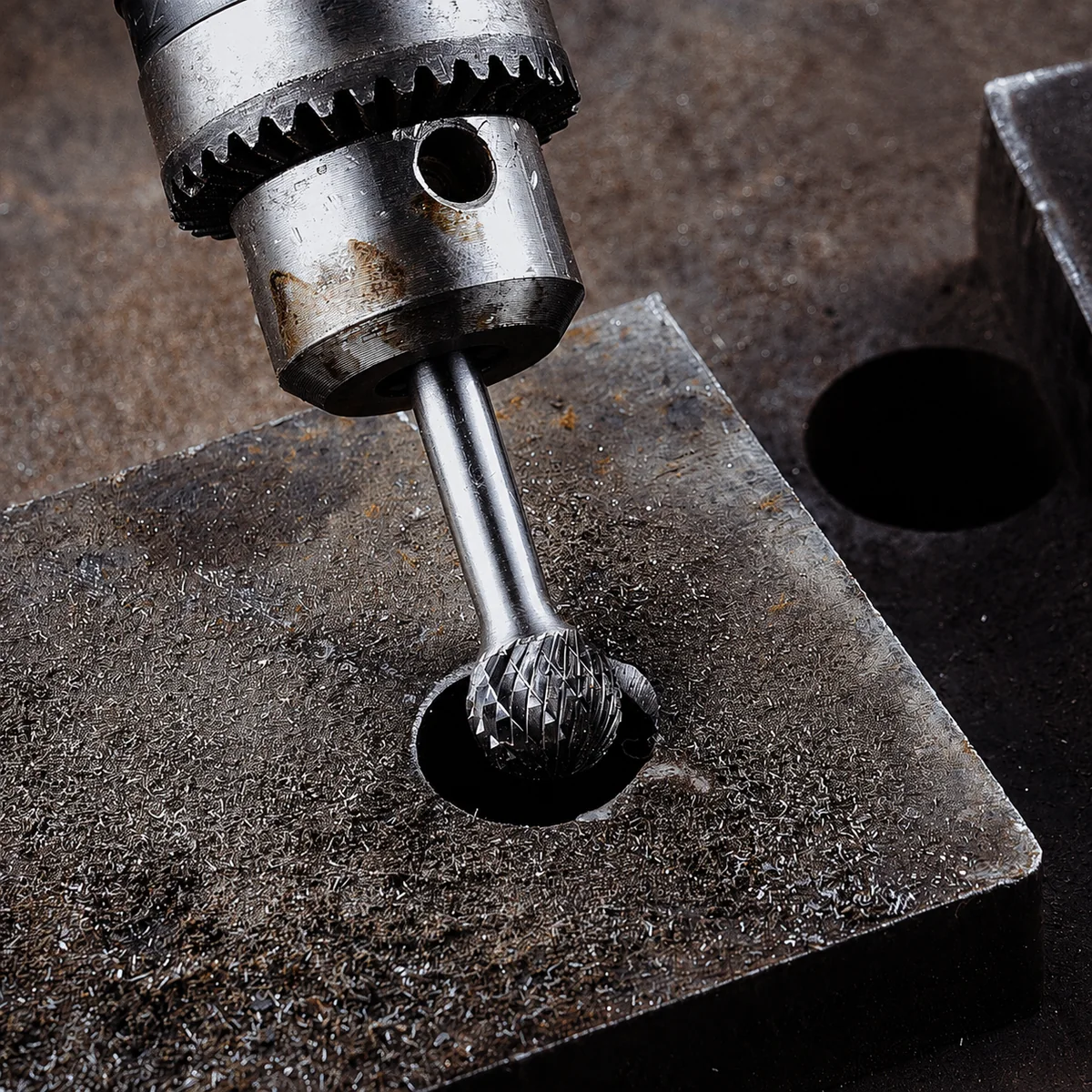
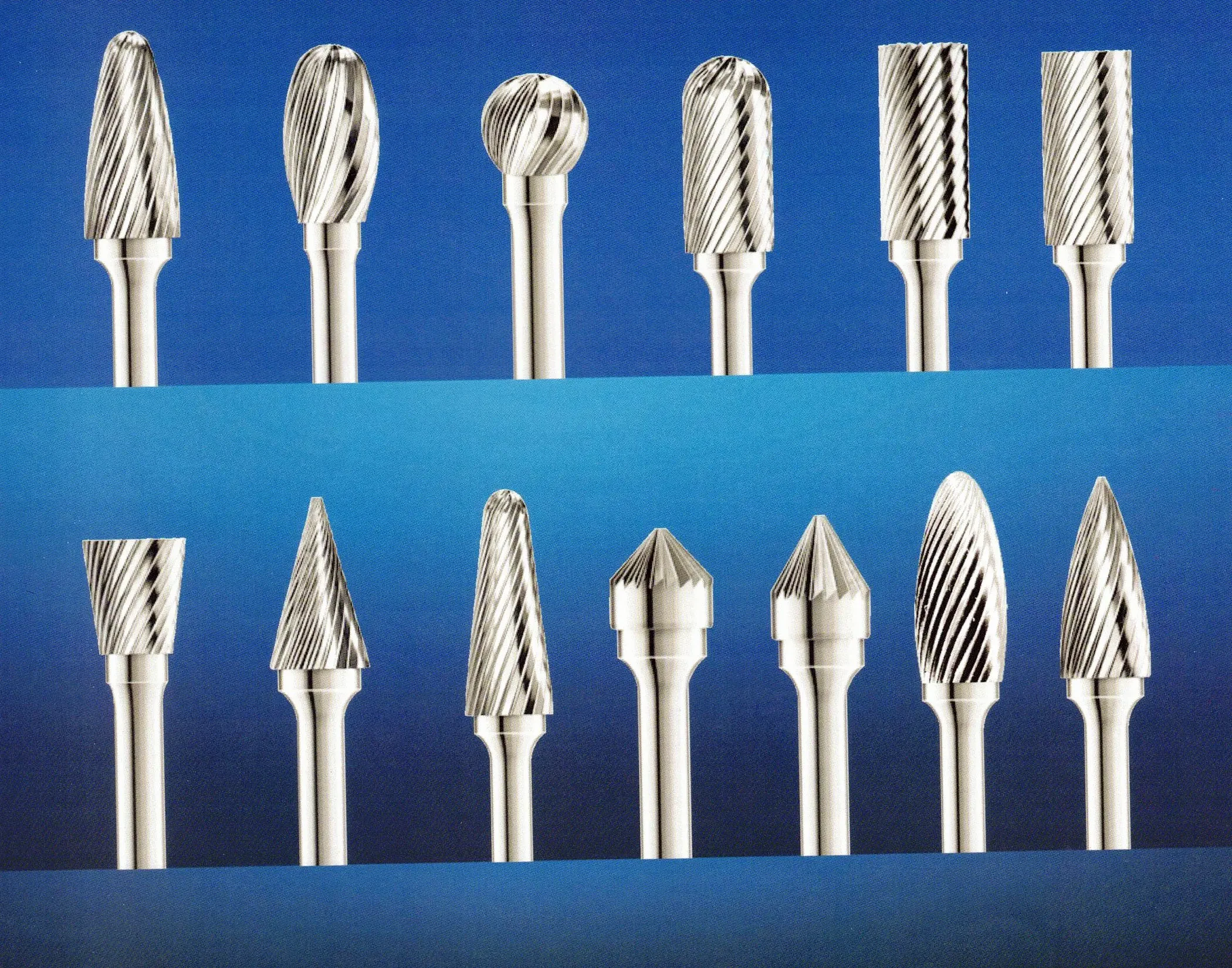
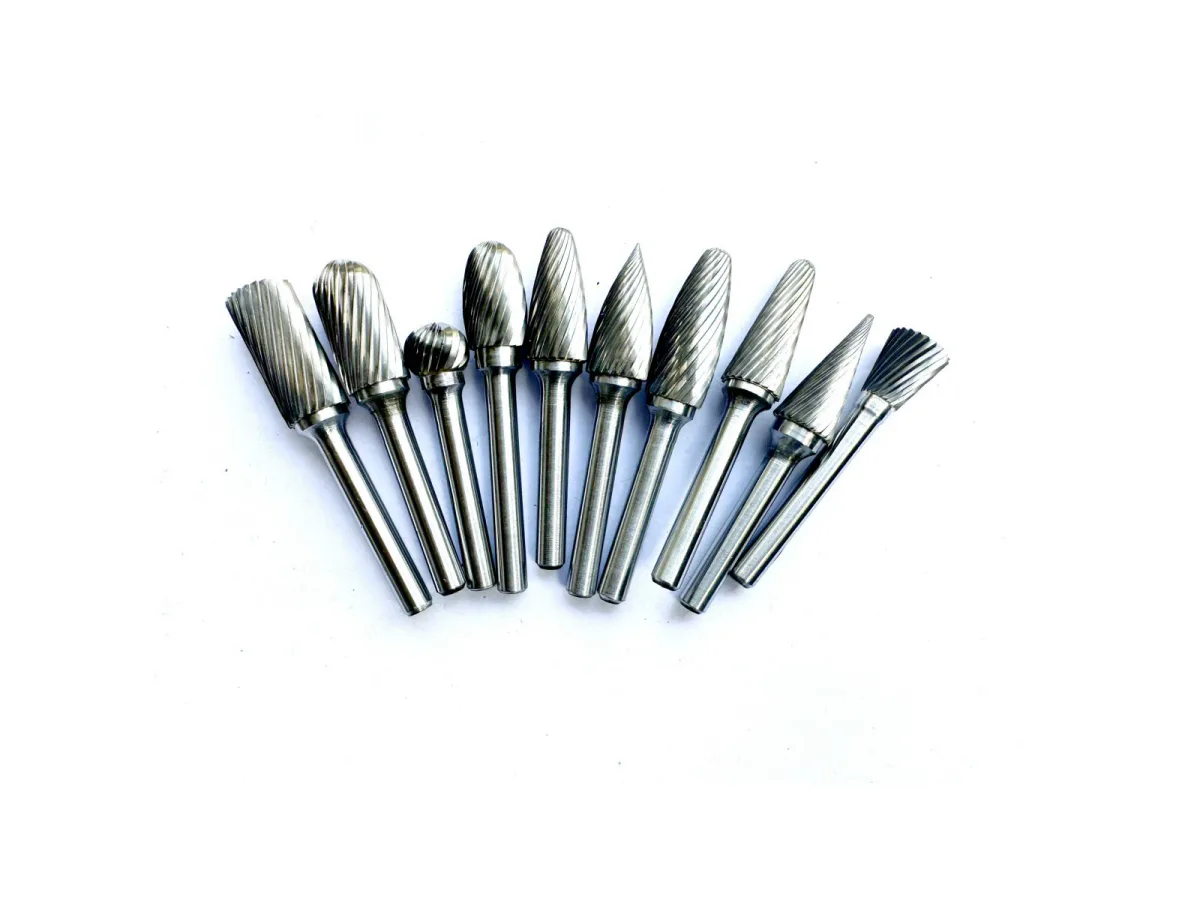
Ball, oval, flame and radius-ended heads follow curved transitions while the opening and reach determine usable head and shank dimensions.

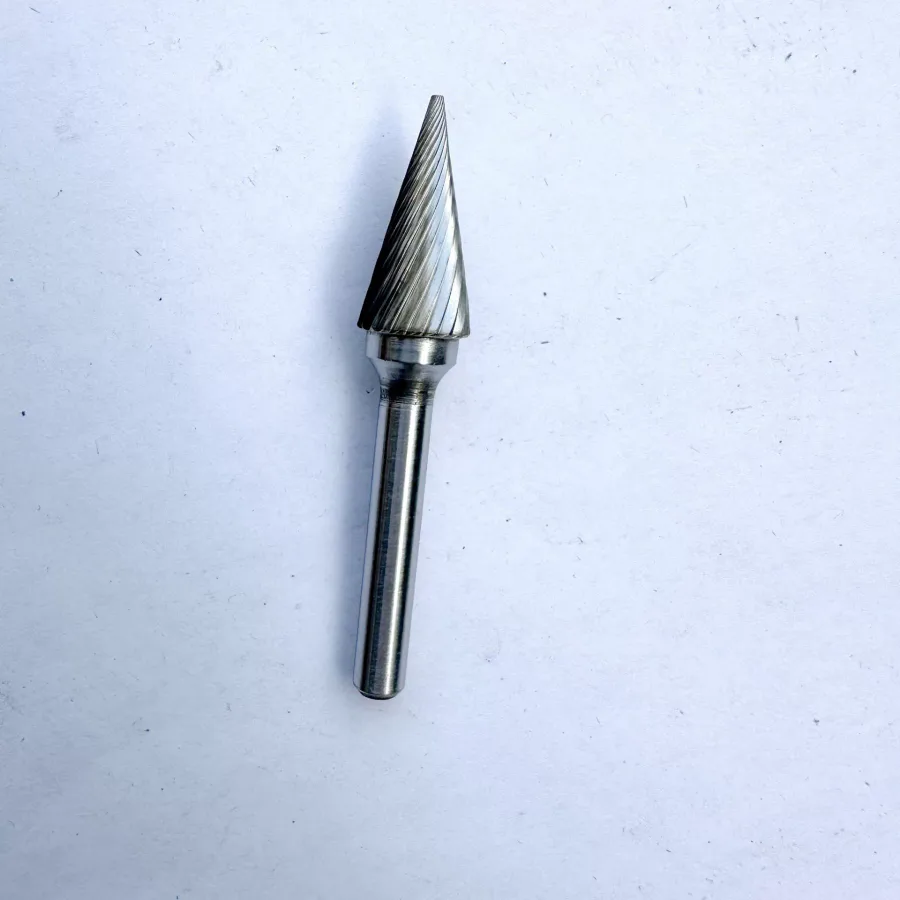
Cone, taper and selected end-cut shapes address edge cleanup, countersink correction and narrow access without oversizing adjacent surfaces.

Build replenishment pieces or application-led sets from approved profiles and defined customer jobs.
Start with the workpiece and customer task, then define specifications, packaging and OEM scope.
Gray, ductile, malleable and alloyed cast irons can differ in graphite structure, hardness and machinability. Send the grade or standard, hardness range and heat-treated condition with your inquiry. If the grade is unknown, provide a sample part and application record. A useful recommendation begins with the workpiece, not a generic label for all castings.
As-cast surfaces may be more abrasive and inconsistent than a previously machined area. Residual sand, scale, chill spots or hard inclusions can raise wear and impact loading. Identify whether the first contact is skin, flash, a gate remnant or clean base metal. The sample plan should reproduce that condition rather than test only on an easy, machined coupon.
A Tungsten Carbide Rotary Burr can be specified for heavy removal, general deburring or a more controlled finish, but one tooth pattern should not be promoted for every task. State the stock allowance, acceptable surface, contact width and available drive. A representative trial helps compare removal, control and wear before you release a complete range.
Parting lines, broken edges, voids and gate remnants can move the cutting head repeatedly in and out of contact. Use a rigid holder, minimize unnecessary overhang and keep the approach controlled. Do not lever the head or force a stalled cut. If chatter, impact marks or looseness appear, stop and inspect the tool, collet and workpiece setup.
Once a trial is approved, lock the drawing, cut, end condition, marking, label, pack count and inspection plan under one item code. Keep each revision connected to its sample and purchase order. This gives a Carbide Burr Manufacturer enough information to reproduce the selection and gives your warehouse a clear basis for receiving and replenishment.
| Casting Condition | Operation | Profile Shortlist | Evidence for RFQ |
|---|---|---|---|
| As-cast skin | Surface cleanup | Cylinder, radius cylinder, tree | Grade, skin condition, contact area |
| Parting line or fin | Seam removal | Cylinder, tree, flame | Allowance, edge access, finish |
| Gate or riser remnant | Localized stock removal | Cylinder, ball nose, tree | Remnant size, interruption, photos |
| Bore or port | Internal blending | Ball, oval, flame, radius tree | Opening, depth, internal radius |
| Edge or chamfer | Deburring or correction | Cone, taper, end-cut form | Angle, edge condition, protected face |
Request the Cast-Iron Model Matrix
Send Selection Requirements →Build a cast-iron burr range around the casting grade, surface condition and removal task, with controlled item data for distribution and private-label orders.
Gray, ductile, malleable and alloyed cast irons are not treated as one cutting condition.
As-cast skin, inclusions and machined areas are separated before samples are chosen.
Head geometry is matched to the surface, access path and protected neighboring features.
Tooth style follows the required removal rate, chip behavior and finish expectation.
Dimensions, cut, marking and packaging remain tied to one controlled product code.
Size segregation and labeled cavities reduce mixed-item and transport-damage risk.
Build a cast-iron burr range around the casting grade, surface condition and removal task, with controlled item data for distribution and private-label orders.

Tungsten Carbide Burrs can be shortlisted for flash, fins, gate traces and localized surface defects on representative castings. Provide the grade, surface condition, removal allowance, approach angle and expected finish. Sampling on an actual feature helps buyers compare control and wear under abrasive, interrupted conditions before they approve a production or distributor item.

Carbide Burr Bits support bore-edge cleanup, port blending, internal-radius correction and gasket-face protection when the chosen head fits the passage. Supply a section drawing or internal dimensions, identify surfaces that must not be touched and state the required transition. The profile can then be evaluated for access as well as material removal.

A Rotary Burr Cutter may be used for localized rework on brackets, housings, manifolds and other cast components. Buyers should separate high-volume production needs from occasional repair work, document the target feature and define the drive platform. Trials should assess repeatability, operator control and acceptable tool life on the actual casting condition.

Carbide Die Grinder Bits give MRO distributors a compact way to cover broken edges, seized-component cleanup and restricted casting rework. Build the assortment around recurring jobs, material groups and available collets. Clear item labels and application notes help maintenance teams select a working profile without substituting a similar-looking head from an unrelated range.
Build a cast-iron burr range around the casting grade, surface condition and removal task, with controlled item data for distribution and private-label orders.
| Casting Condition | Operation | Profile Shortlist | Evidence for RFQ |
|---|---|---|---|
| As-cast skin | Surface cleanup | Cylinder, radius cylinder, tree | Grade, skin condition, contact area |
| Parting line or fin | Seam removal | Cylinder, tree, flame | Allowance, edge access, finish |
| Gate or riser remnant | Localized stock removal | Cylinder, ball nose, tree | Remnant size, interruption, photos |
| Bore or port | Internal blending | Ball, oval, flame, radius tree | Opening, depth, internal radius |
| Edge or chamfer | Deburring or correction | Cone, taper, end-cut form | Angle, edge condition, protected face |
Build a cast-iron burr range around the casting grade, surface condition and removal task, with controlled item data for distribution and private-label orders.
Request the Cast-Iron Model Matrix
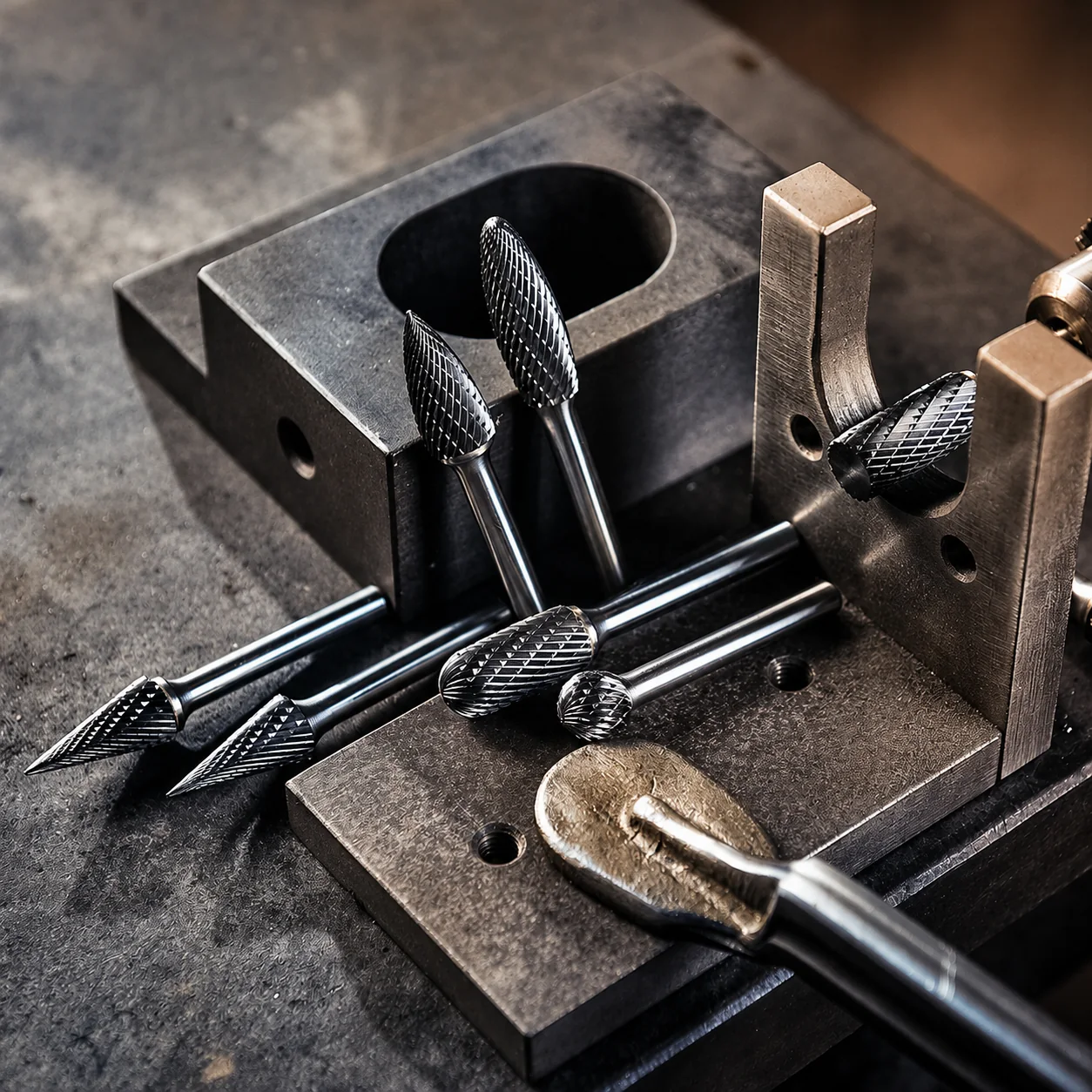
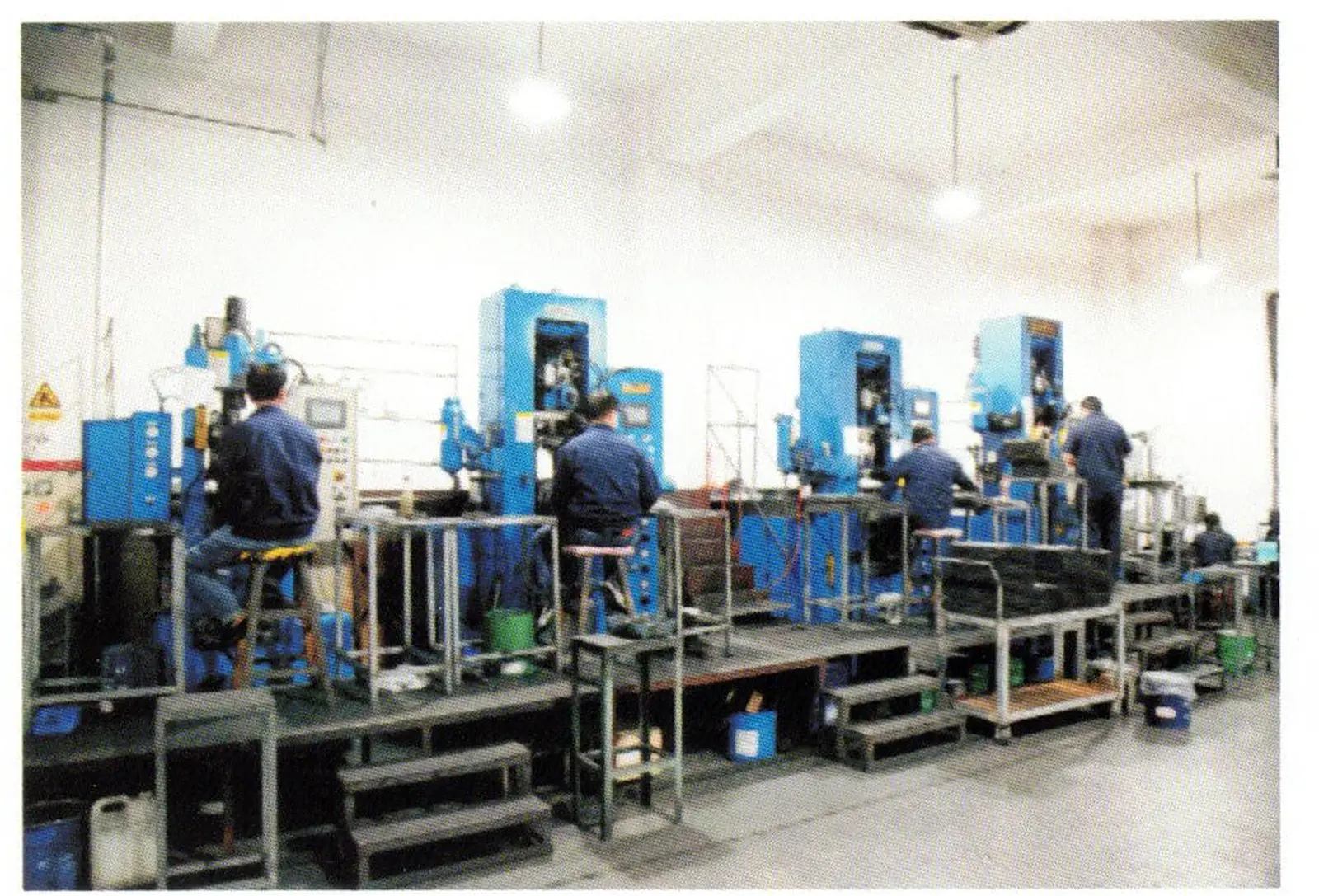
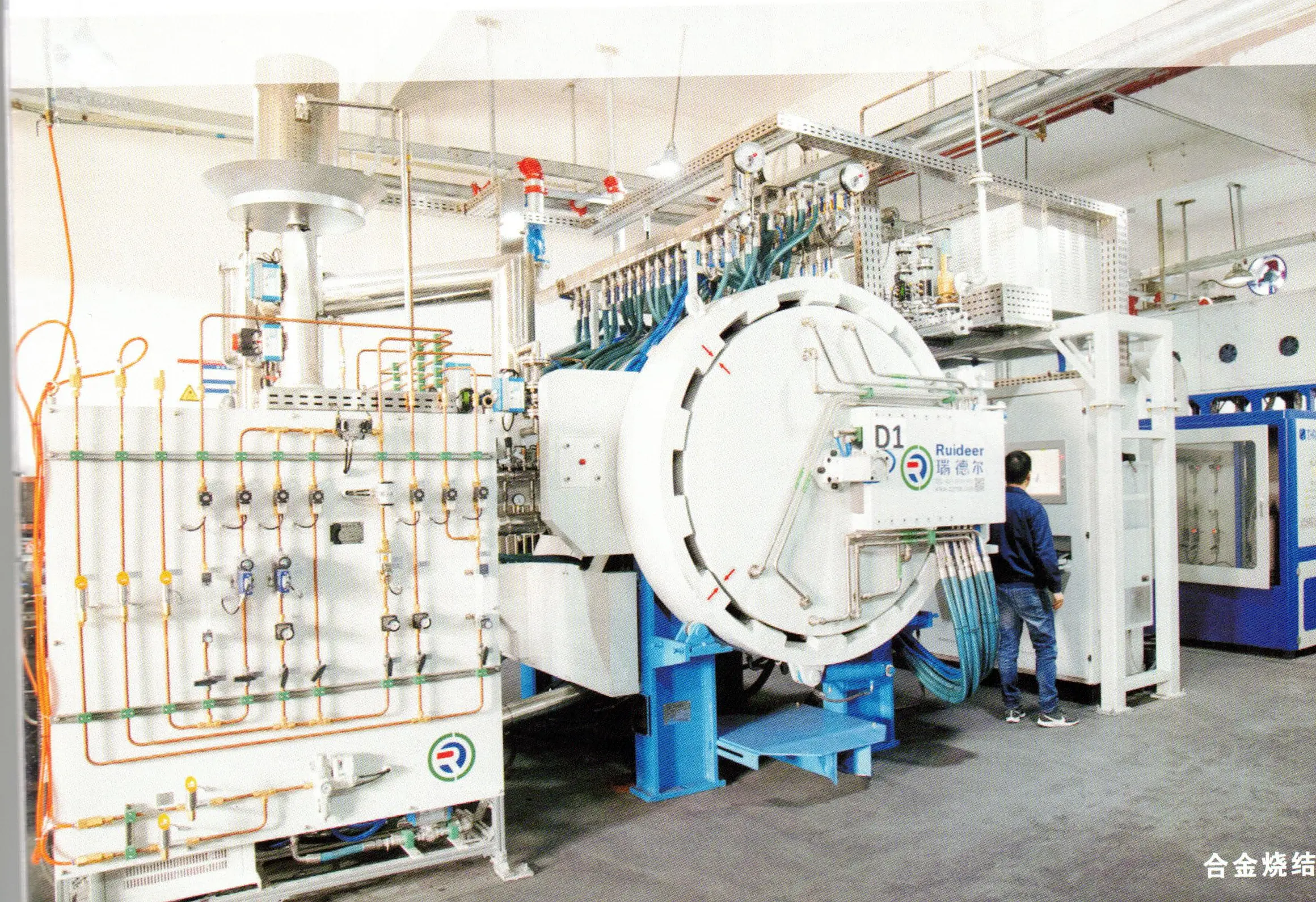
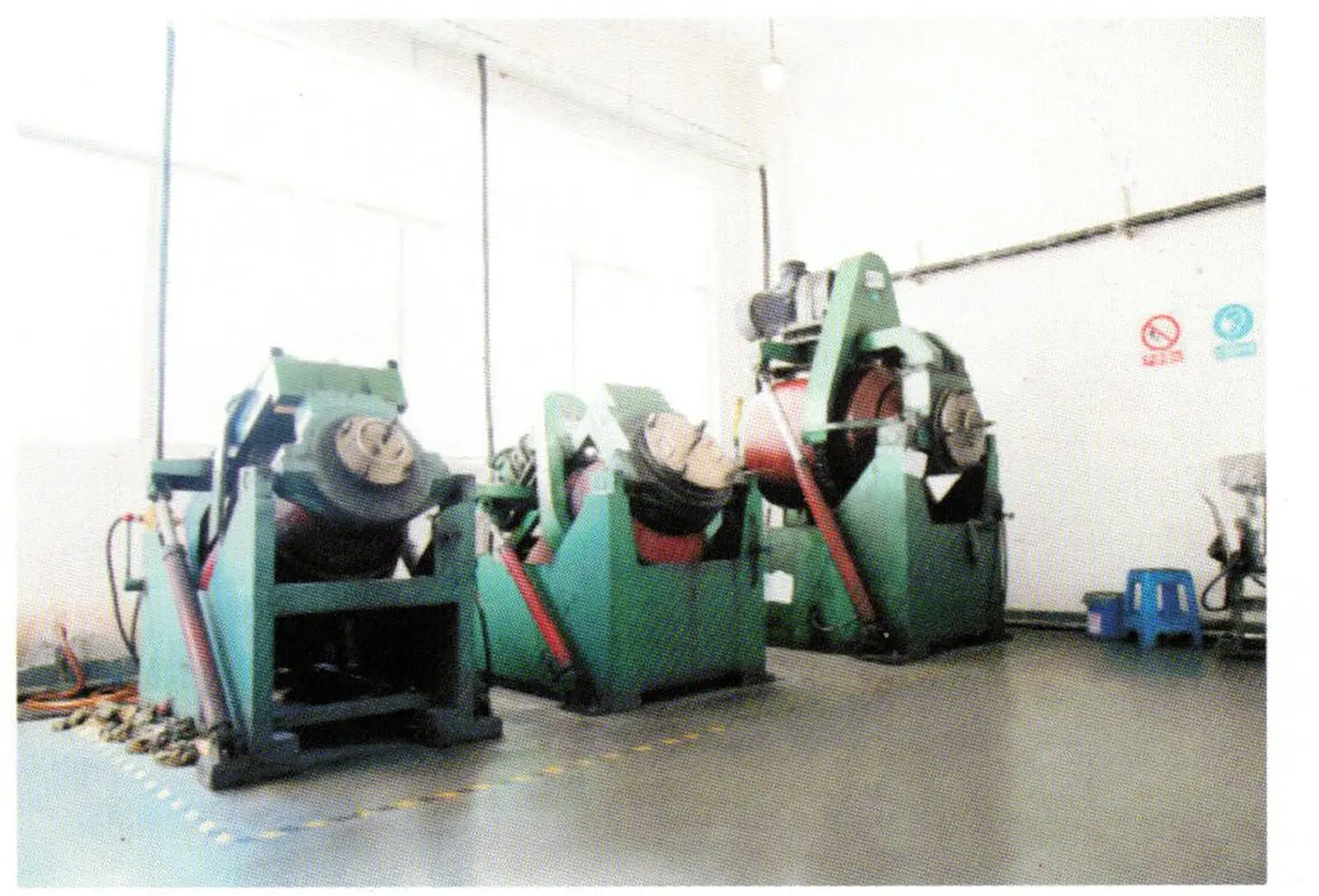
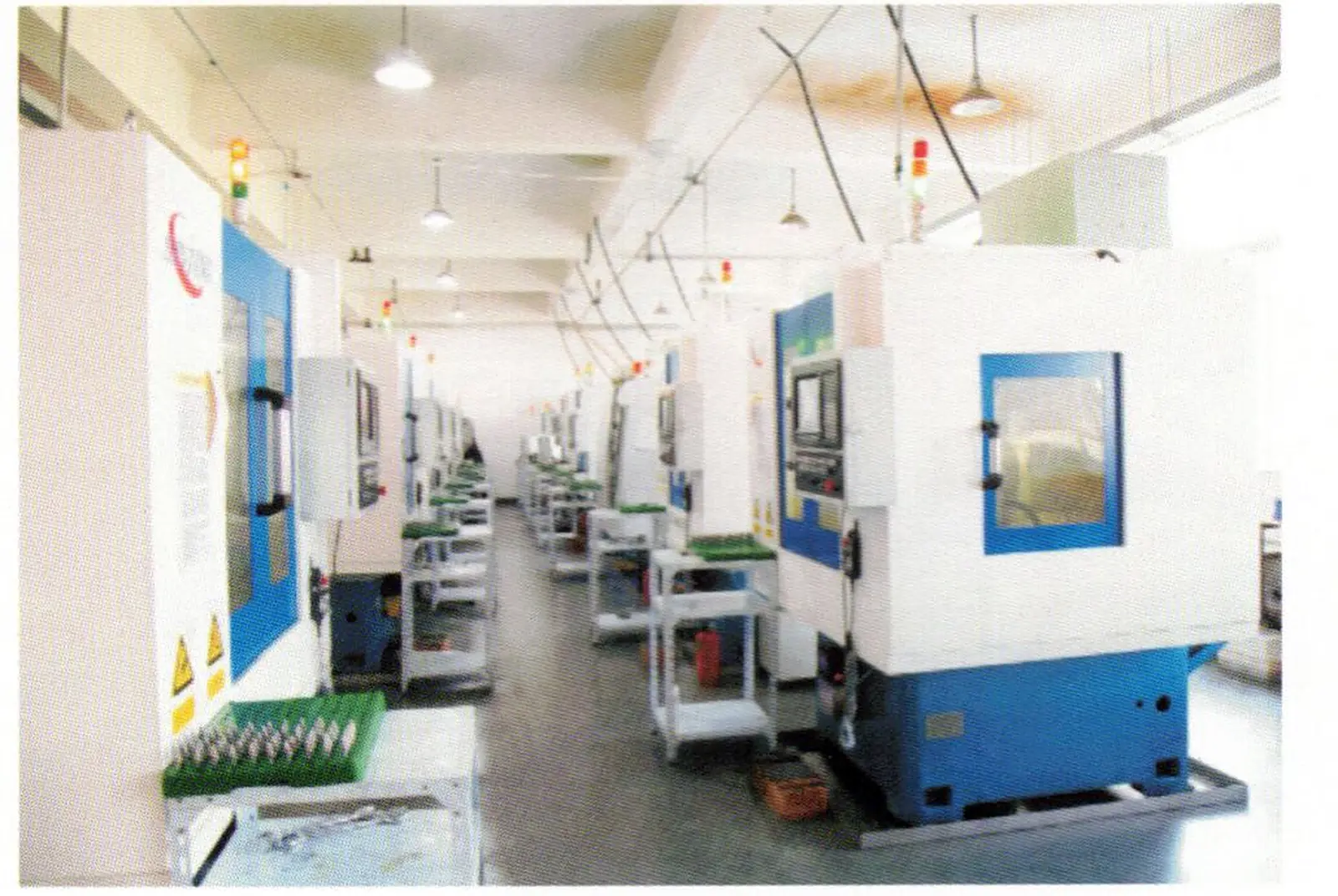
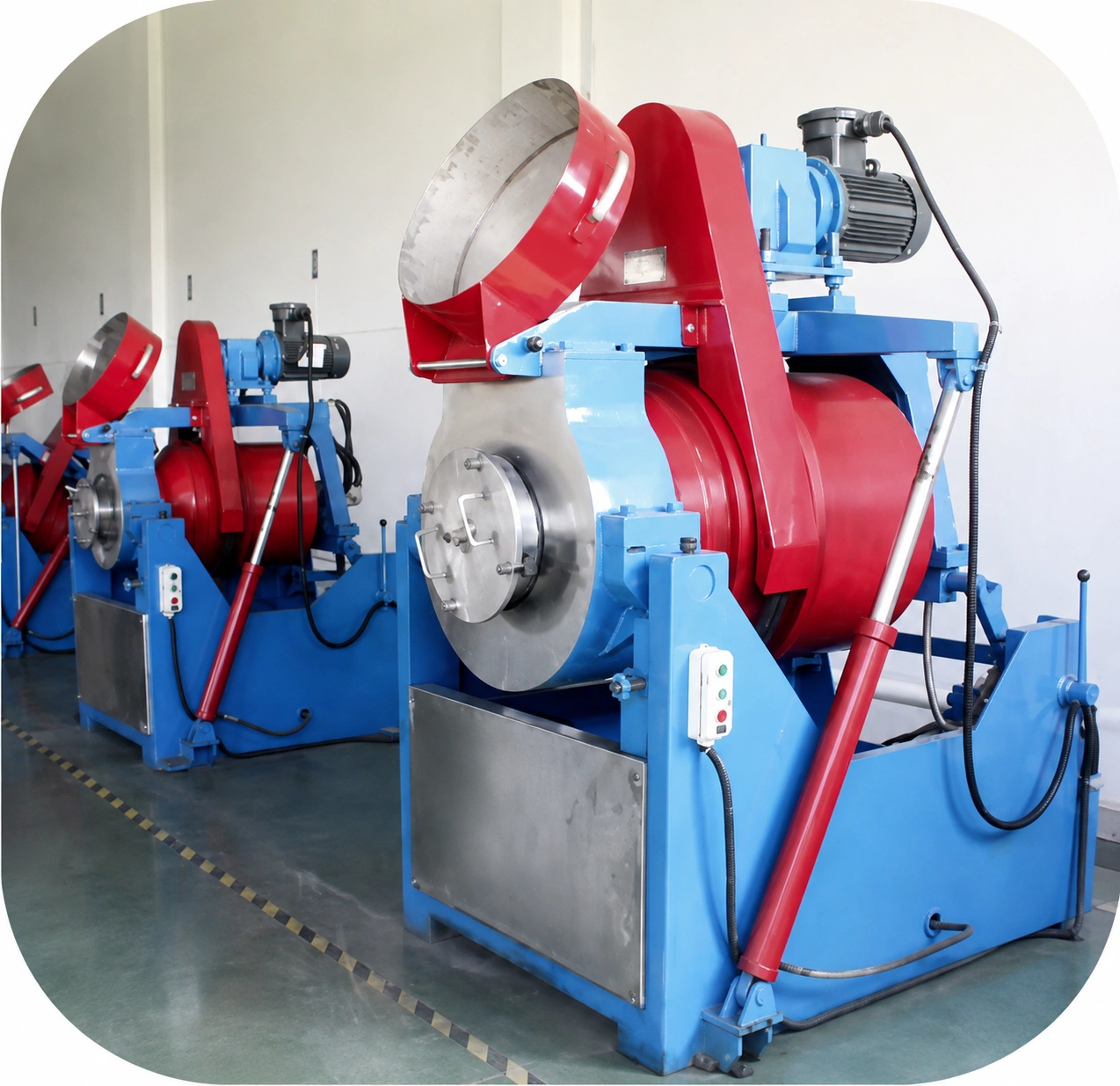
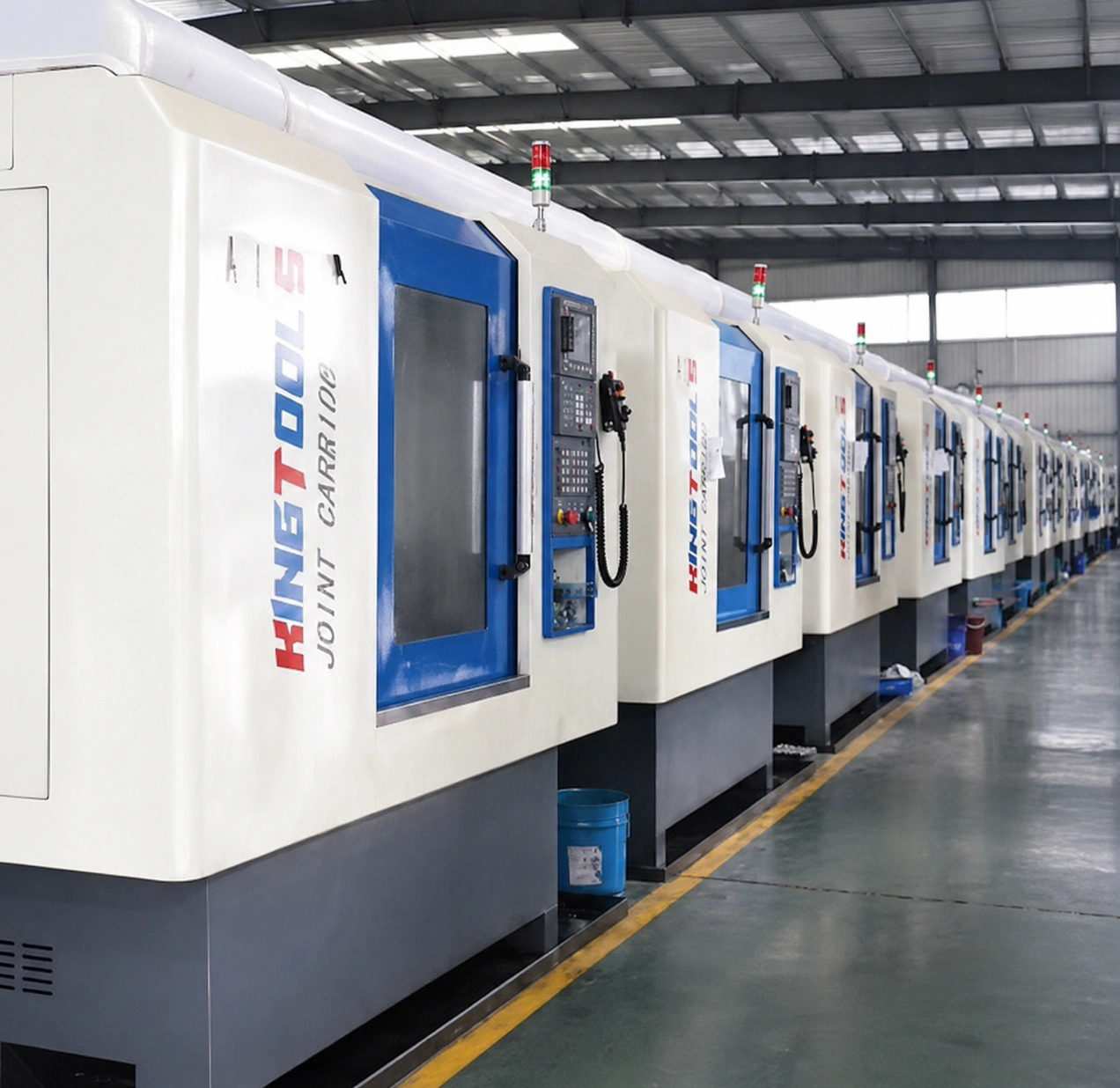
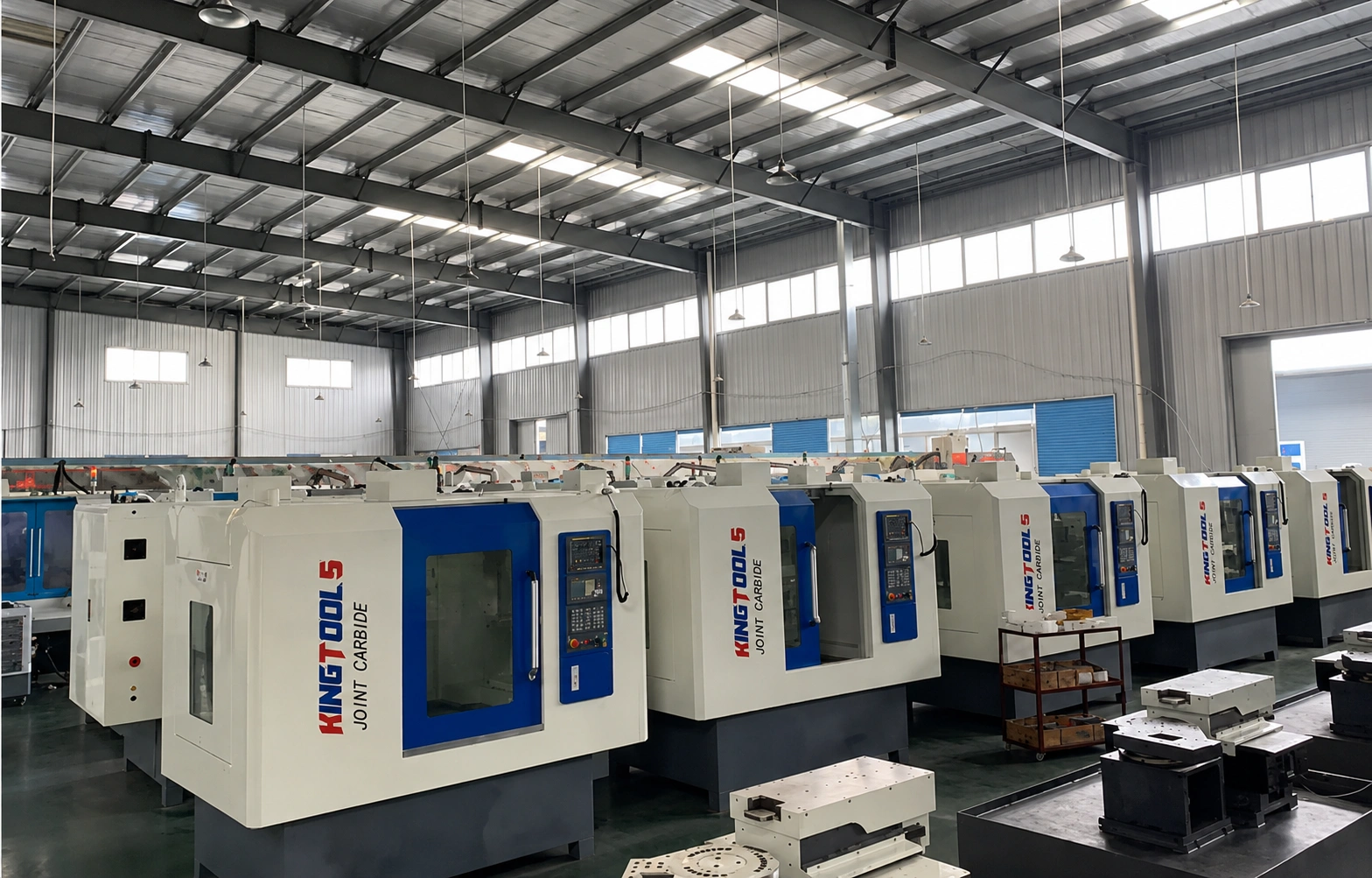
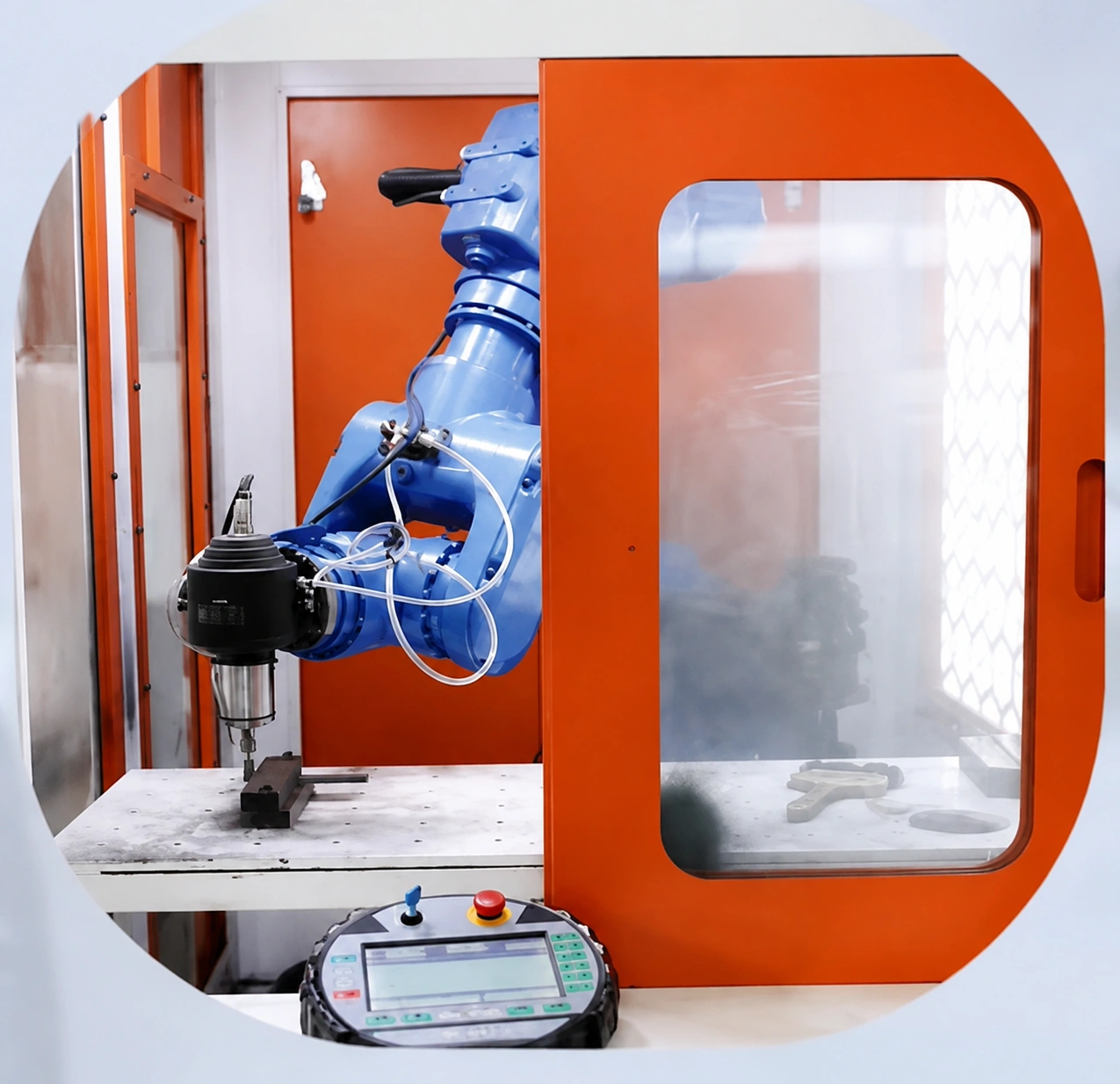
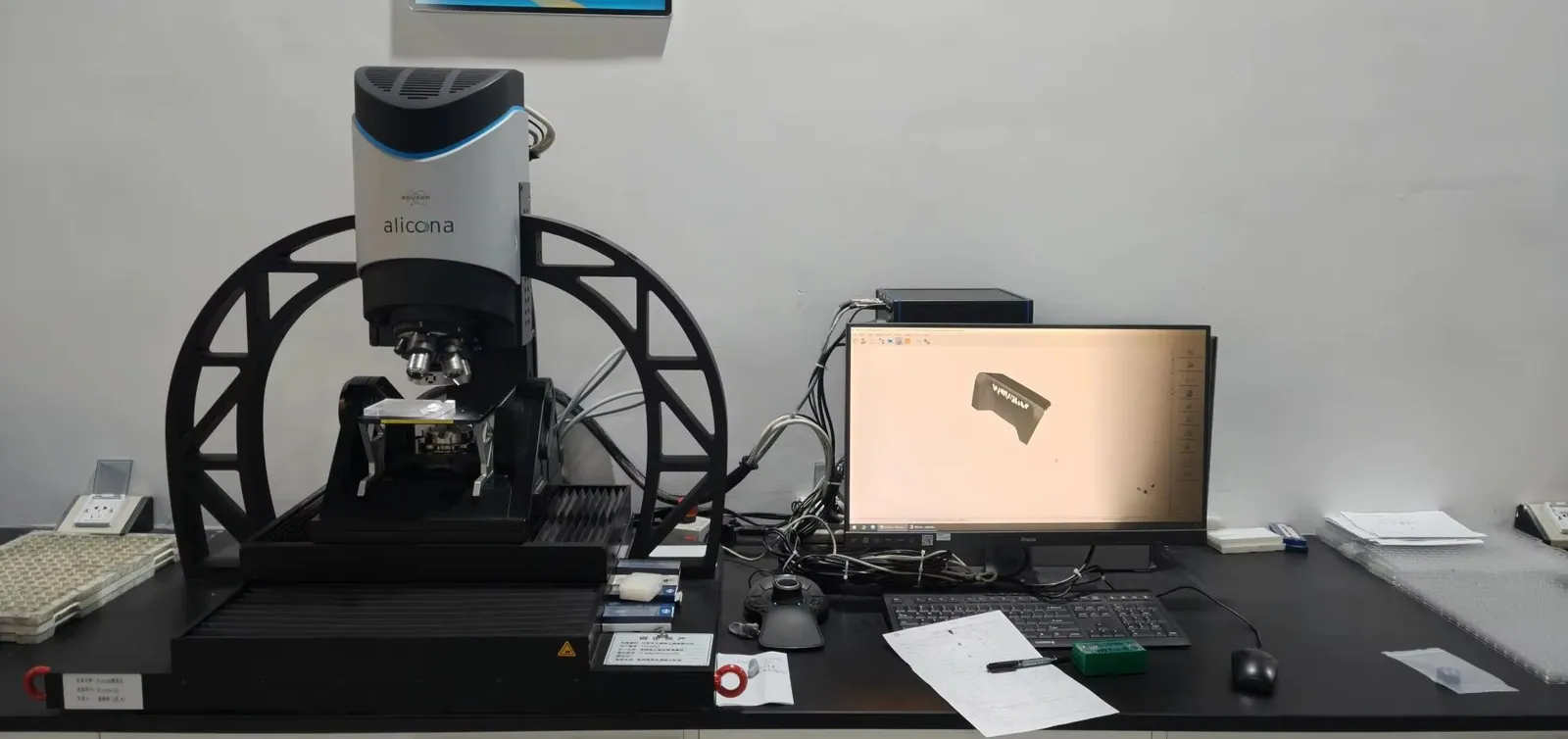
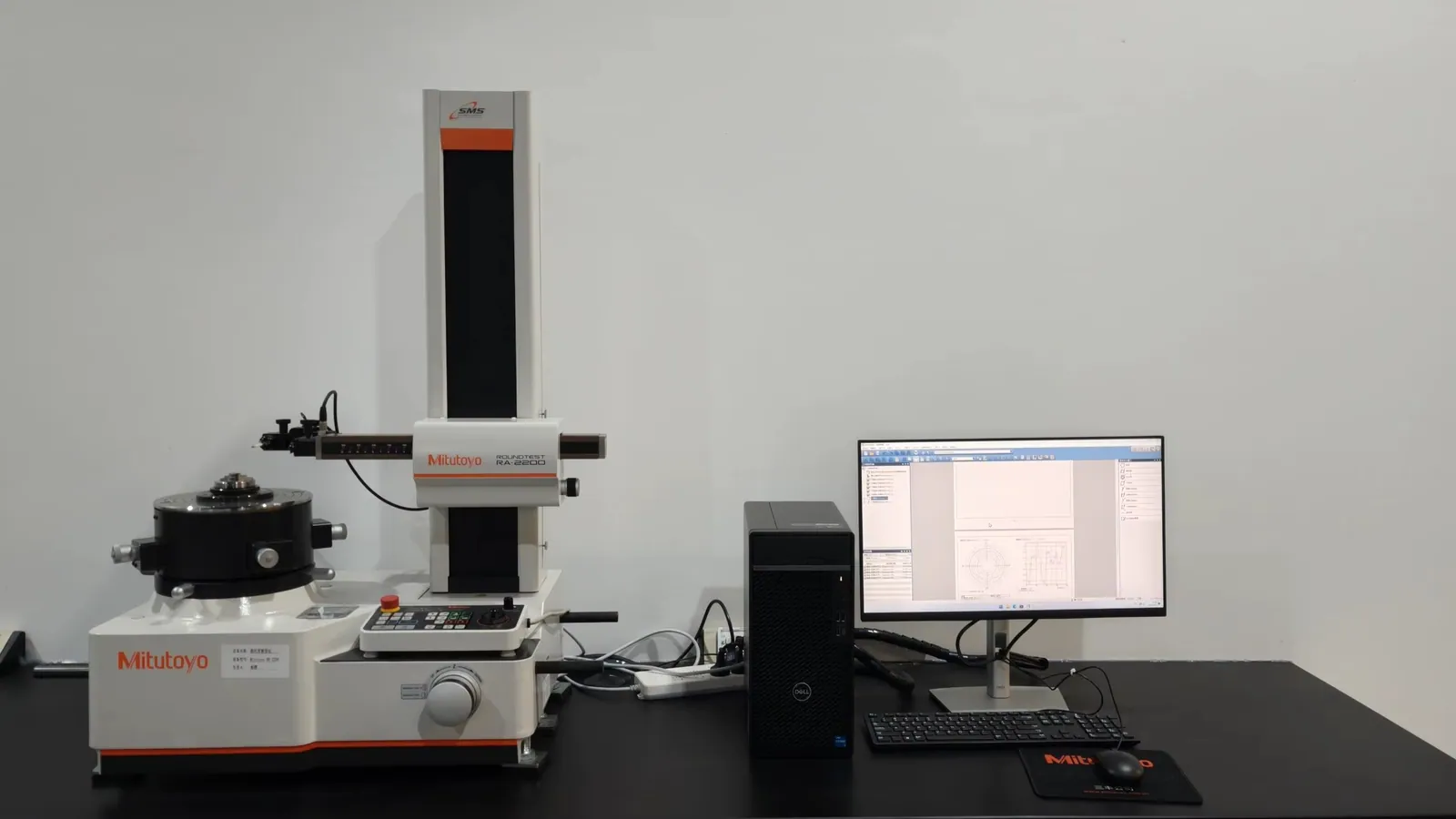
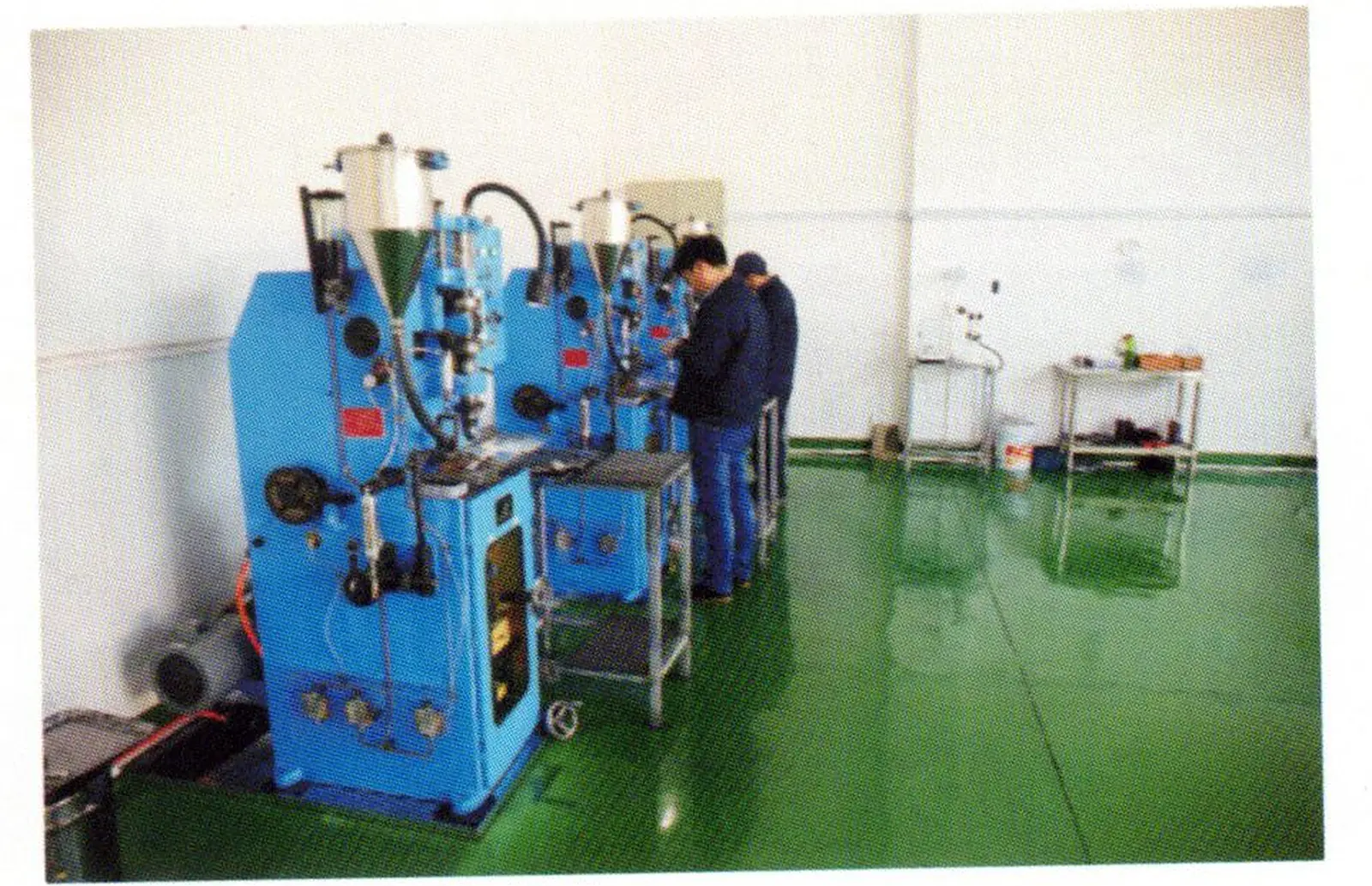
Compare for My Program →The following factory images come from the supplied carbide-burr production library and are shown as capability context, not as unsupported model-specific proof.


Request the production and inspection information relevant to the exact models in your quotation.
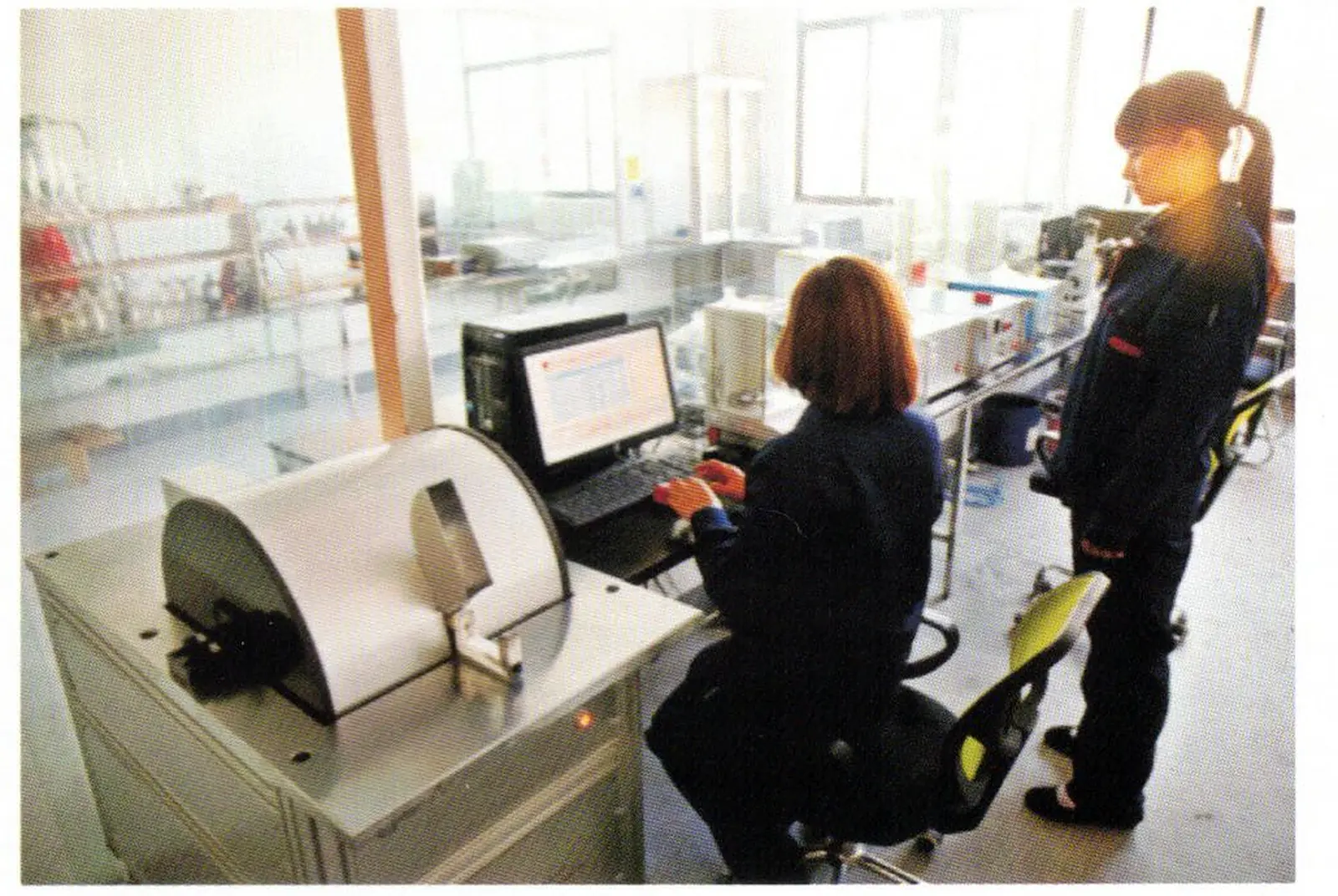
Request Factory Information →A capable Carbide Burr Supplier should connect inspection records to the quoted item and production lot. Agree limits, methods and sampling levels in the purchase specification; generic claims do not replace model-linked evidence. Verify head diameter, cutting length, shank diameter and overall length against the released drawing. Inspect tooth form, end condition and cutting-edge damage using the agreed method. Check runout or concentricity at the stated holding position under the purchase specification. Review the head-to-shank transition and confirm the item remains free from visible joining defects. Match laser marking, labels, barcodes, pack counts and size segregation to approved artwork.


Confirm the inspection method, sampling plan and acceptance criteria for the requested models before production.
Request Quality Information →
Once a trial is approved, lock the drawing, cut, end condition, marking, label, pack count and inspection plan under one item code. Keep each revision connected to its sample and purchase order. This gives a Carbide Burr Manufacturer enough information to reproduce the selection and gives your warehouse a clear basis for receiving and replenishment.
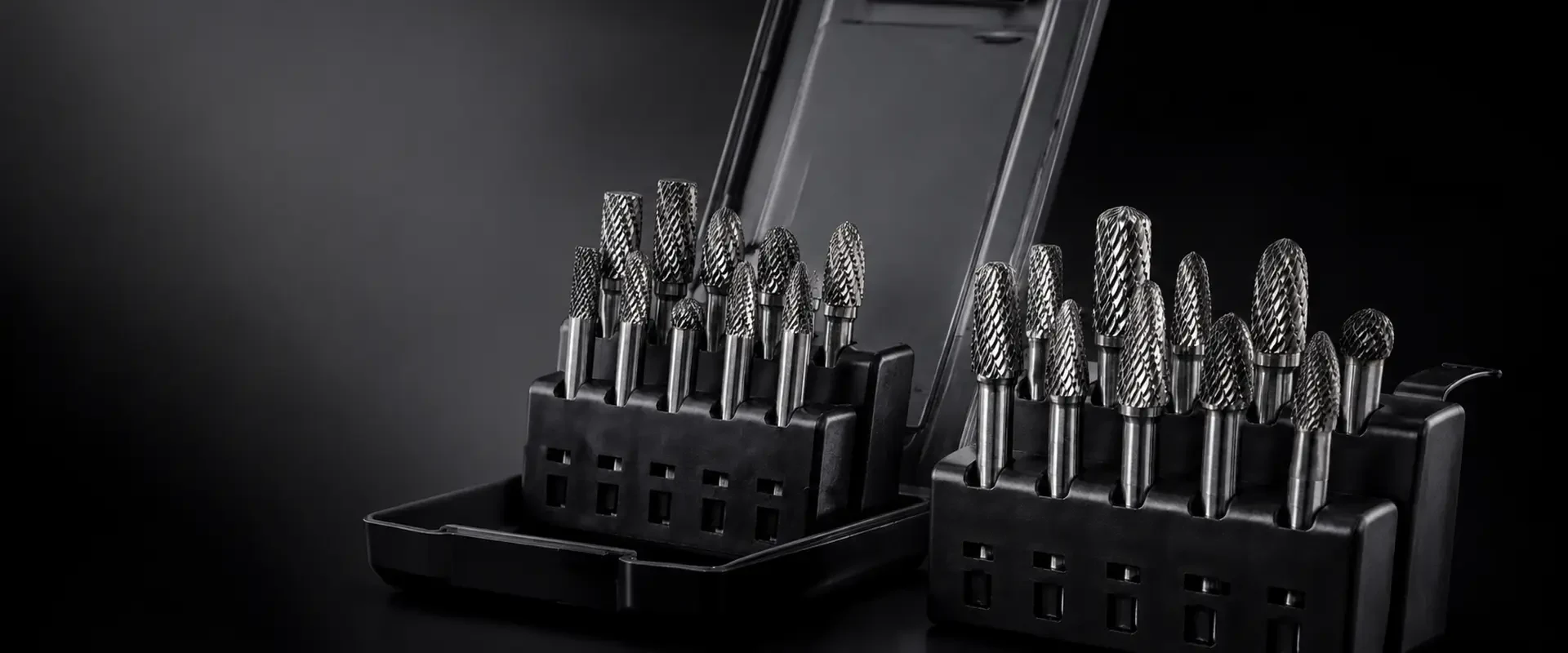
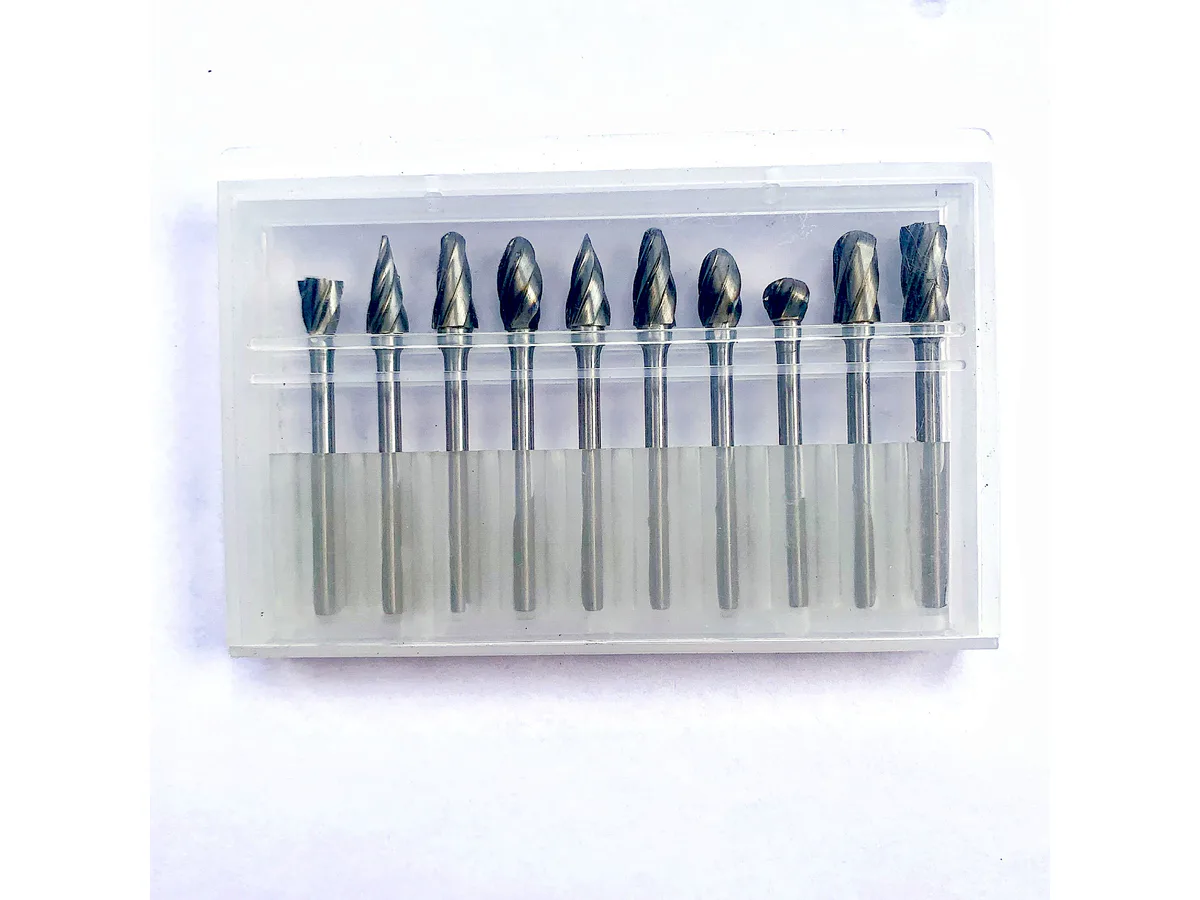
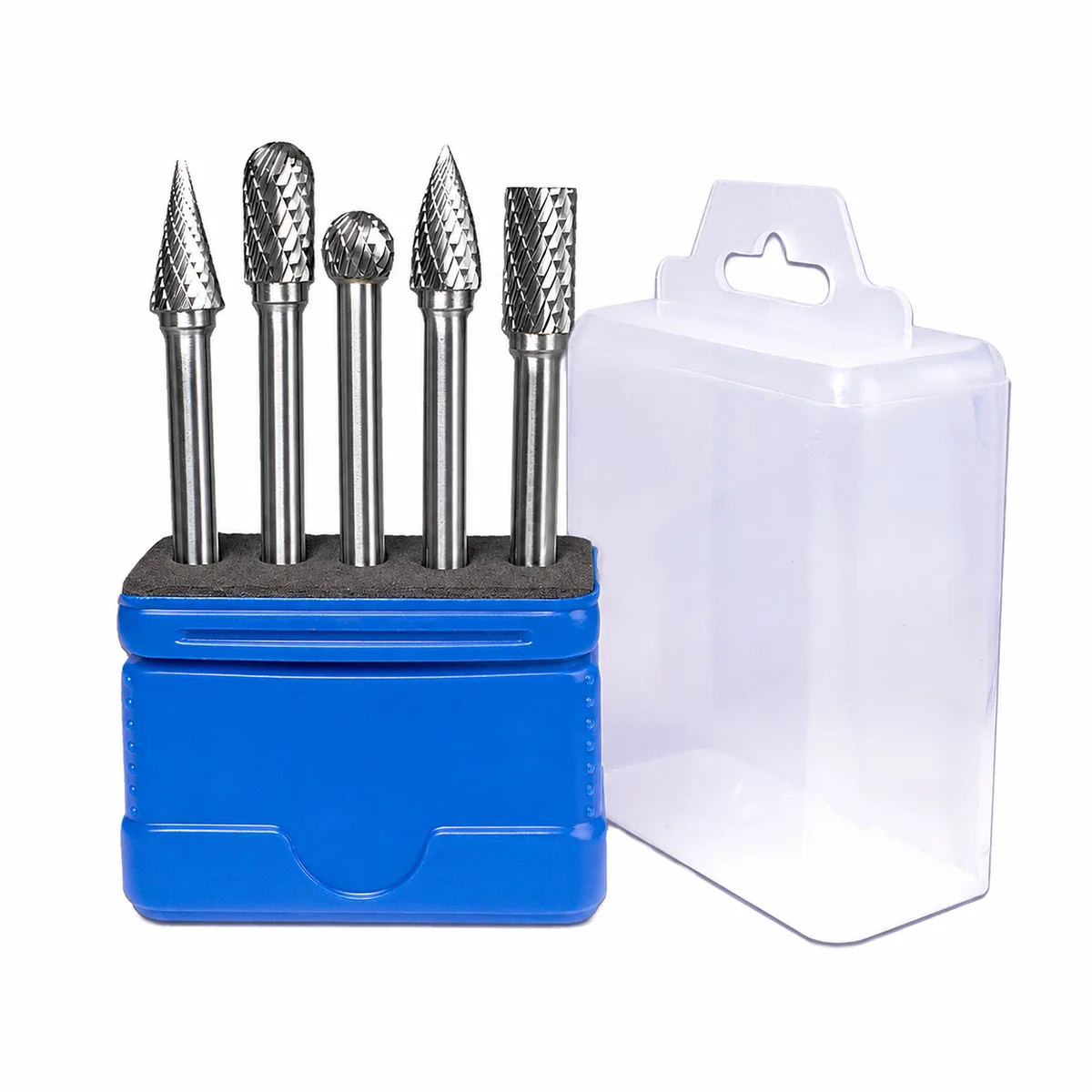
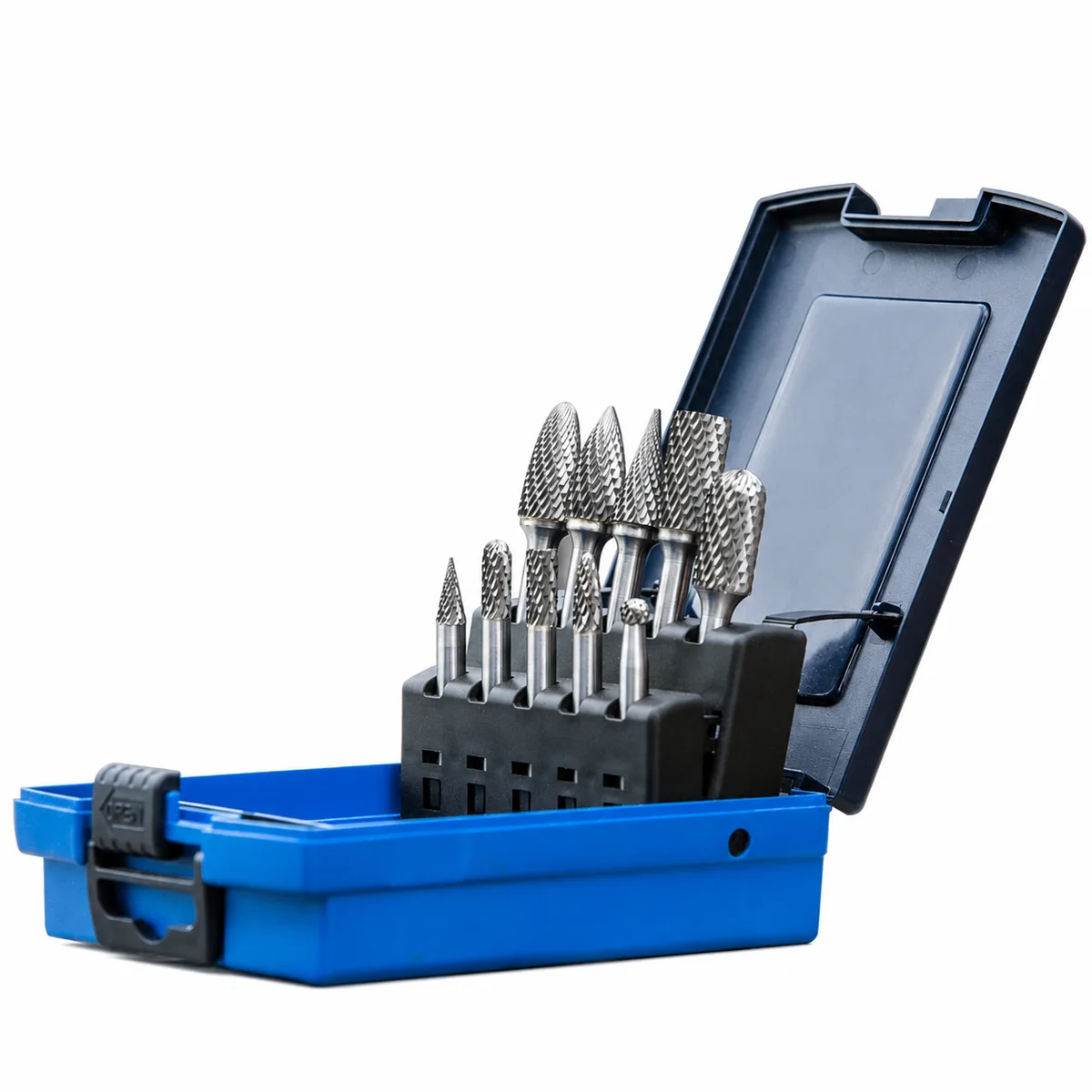
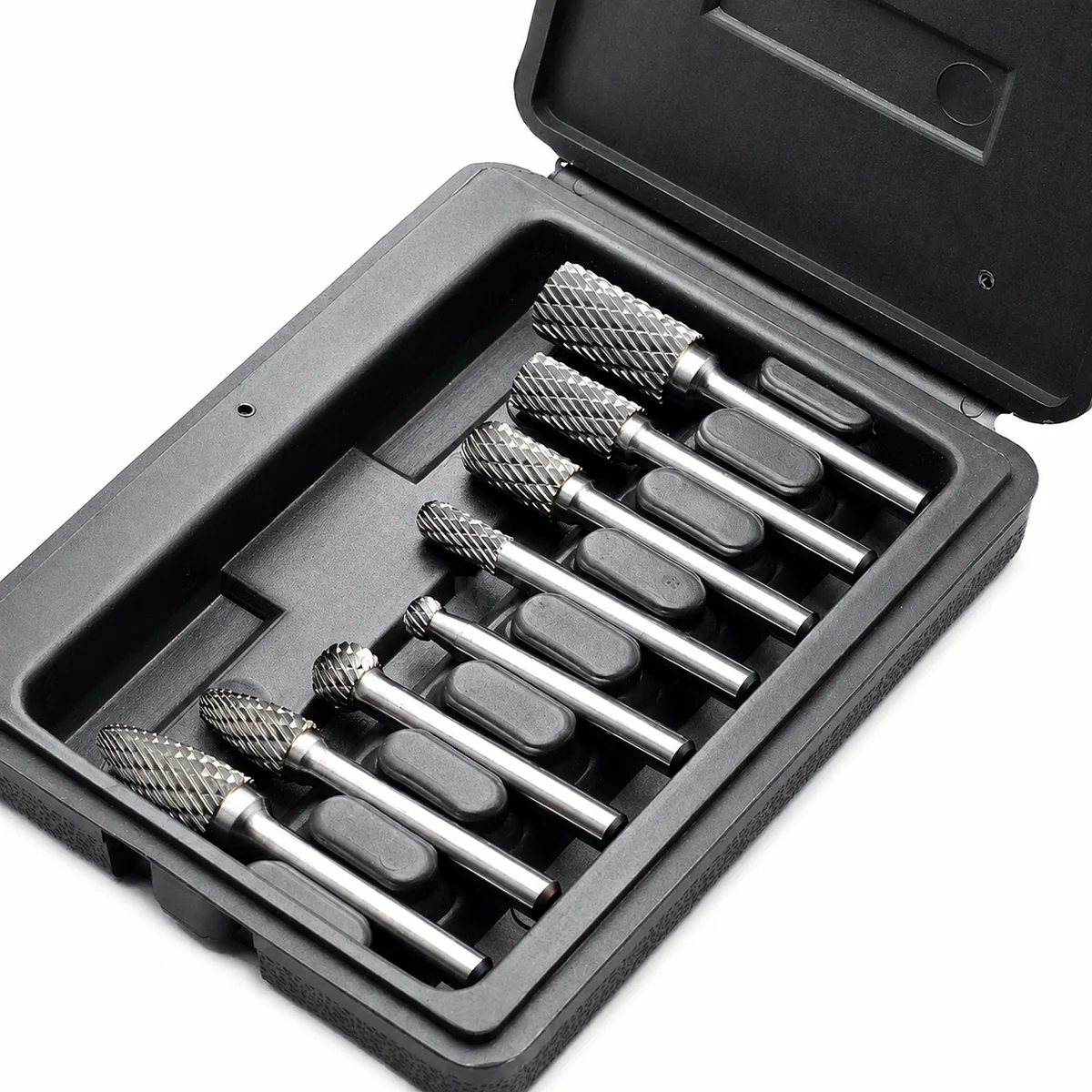
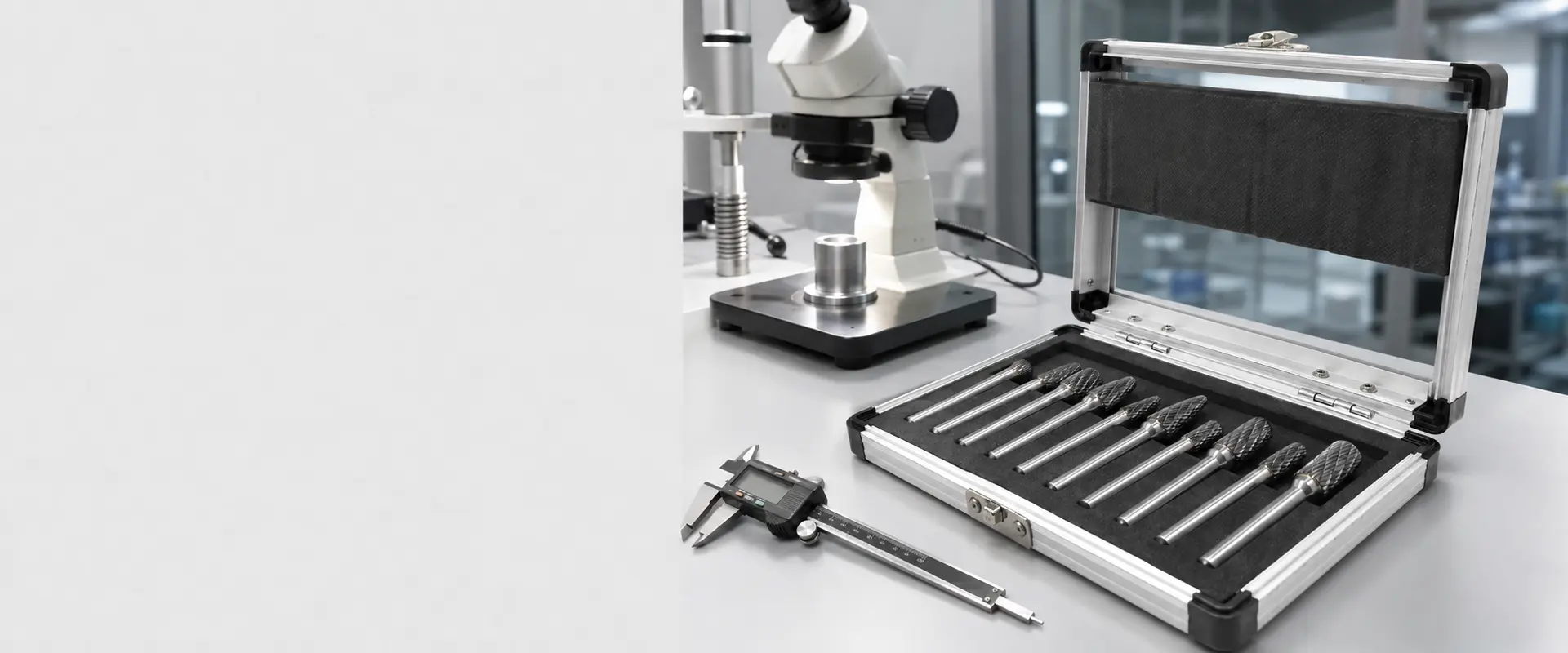
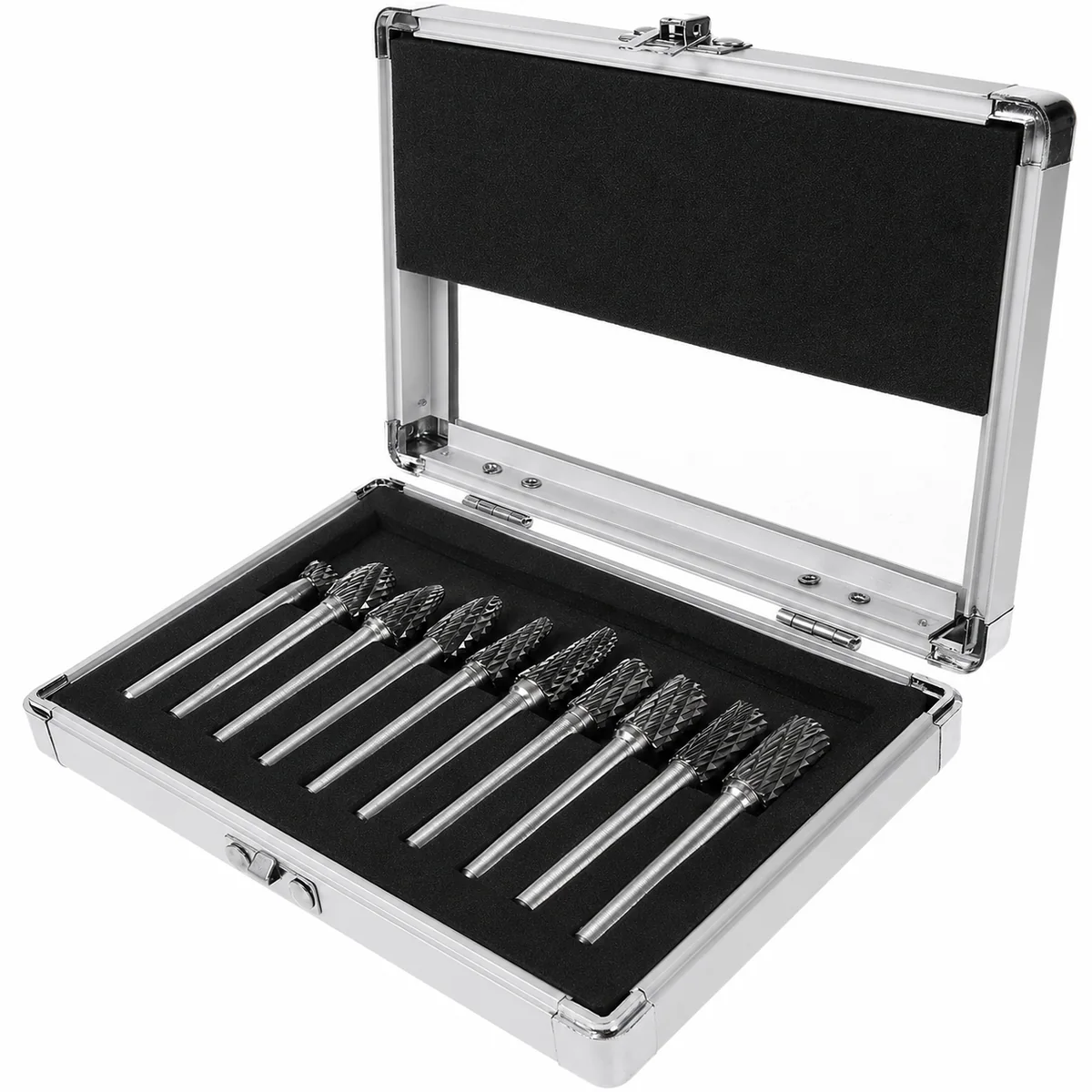
Confirm the case, insert, item code, barcode, artwork and replacement-model record for the exact assortment in the quotation.

Keep each burr position connected to the approved shape, cut and dimension reference.

Confirm the set layout, replacement model list and label information before production.

Organize the assortment around real buyer applications instead of an arbitrary piece count.

Artwork, barcode, marking and carton requirements remain linked to the approved model matrix.
Authorized customer names, roles and portraits are matched to the relevant product-series review library.
Carbide Cutting Tools · Assortment / Range PlanningA Practical Range for Wholesale Buyers
“For our business as a category manager, the supplier has to support both the product and the commercial process. Our goal was to build a useful assortment rather than stock every possible SKU. Aximet Tools helped us focus on core professional cutting tools selected around real industrial applications and repeat demand and left room to expand later, which is a practical approach for managing inventory. It is the kind of cooperation that helps a buyer build a category instead of constantly changing suppliers.”
Carbide Cutting Tools · Packaging / LogisticsExport Packaging That Supports Distribution
“As an industrial supply buyer, we evaluate suppliers on the full buying experience, not just the quotation. For imported carbide cutting tools, packaging affects total cost and dealer experience. Aximet Tools paid attention to edge protection, clear identification, individual packs, and organized export cartons, making the goods easier for a warehouse and downstream distributor to handle. It is the kind of cooperation that helps a buyer build a category instead of constantly changing suppliers.”
Carbide Cutting Tools · Repeat-Order ReliabilityRepeat Orders Are Easier to Manage
“When I assess a new supplier as an importer & distributor, I look for details that will still matter after the first order. The first order was only the starting point. What mattered was whether tool geometry, grade/finish, dimensions, marking, and packaging would stay organized on repeat purchases. Aximet Tools made the reorder discussion straightforward and reduced unnecessary rechecking. Those details make the overall sourcing decision stronger than choosing on unit price alone.”
Want a range structured around professional customer demand?
Discuss Your Product Range →Choose the cut from the grade, surface condition, allowance and finish target. An aggressive geometry may favor stock removal, while another option can improve control. Do not decide from the material name alone. Trial a representative part and compare removal, chatter, surface and wear before approval.
Possibly, but the materials should not be assumed identical. Graphite form, matrix, hardness and surface condition can change cutting response. Review both grades and trial each critical workpiece when the range must cover both. Record the approved scope in your purchase specification.
Cylinders suit faces and straight seams; balls and ovals follow concave areas; trees and flames reach contours; cones and tapers address edges. The choice depends on access and intended contact. Share the opening, depth, radius and protected surfaces so the head reaches the defect without cutting neighboring geometry.
Abrasive skin, residual sand, hard inclusions, excessive overhang, impact entry, chatter and side loading can shorten life. A worn collet can add runout. Clean the casting, use the correct holder, control contact and inspect after vibration or impact. Preserve failed tools and workpiece evidence for review.
Use the released guidance for the exact head diameter, cut, reach, holder and drive, then adjust for the contact condition within permitted limits. A long reach or interrupted feature may require a more conservative setup than a rigid, continuous cut. Never exceed the lowest rating among the cutting tool, collet and machine, and stop immediately if vibration develops.
Include grade, hardness, surface condition, operation, dimensions, cut, drive, quantity and annual forecast. Add marking, artwork, barcode, packaging, inspection and sample requirements. If you need Burr Bits for Die Grinder programs or a single replacement Burr Bit, separate the pack format and item quantities. Clear data lets the supplier return a comparable model matrix, sample plan and quotation.
Send the casting grade, surface condition, target feature, removal allowance, preferred profiles, drive details and quantity by item. AXIME TOOLS can prepare a shortlist, sample plan, item-level quotation, packaging options and private-label scope. Whether you are evaluating Tungsten Carbide Rotary Burrs for distribution or an application trial, the recommendation remains tied to your workpiece and reorder data. Request the Cast-Iron Shape and Cut Matrix | Discuss OEM Packaging