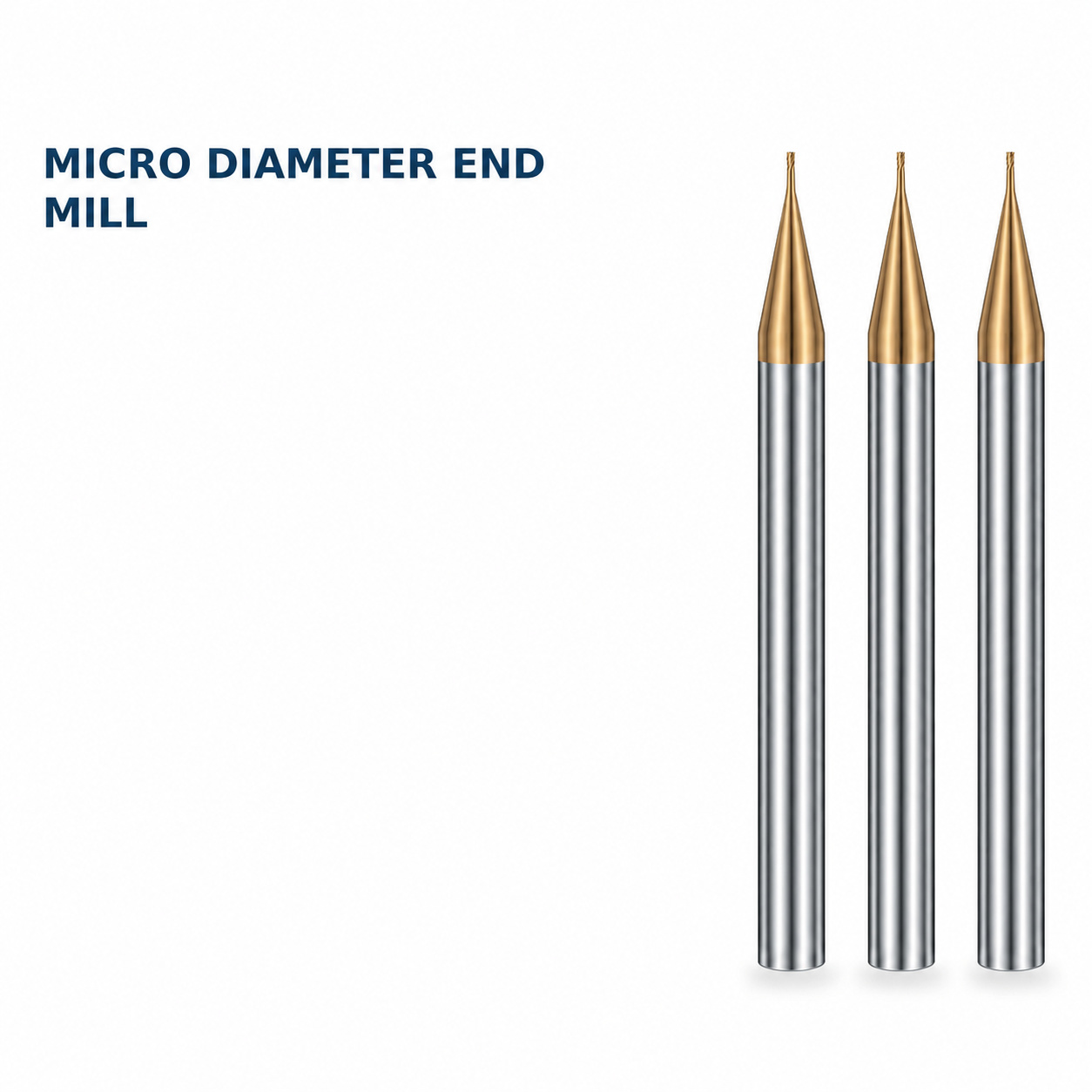
Micro Diameter End Mills
Compare the confirmed series, dimensions and model records for this carbide cutting tool.
View product details →
Compare AXIMET carbide end mills, drills, chamfer mills, engraving cutters and thread mills by product geometry, catalog series and confirmed model dimensions.
Start with the machining task and the feature shown on the part drawing. Then compare cutting diameter, flute or effective length, shank, overall length, flute count and any profile-specific dimension listed for the selected series.
Open the relevant product page to compare its confirmed catalog series, model rows, drawings and quotation requirements.
Compare the confirmed series, dimensions and model records for this carbide cutting tool.
View product details →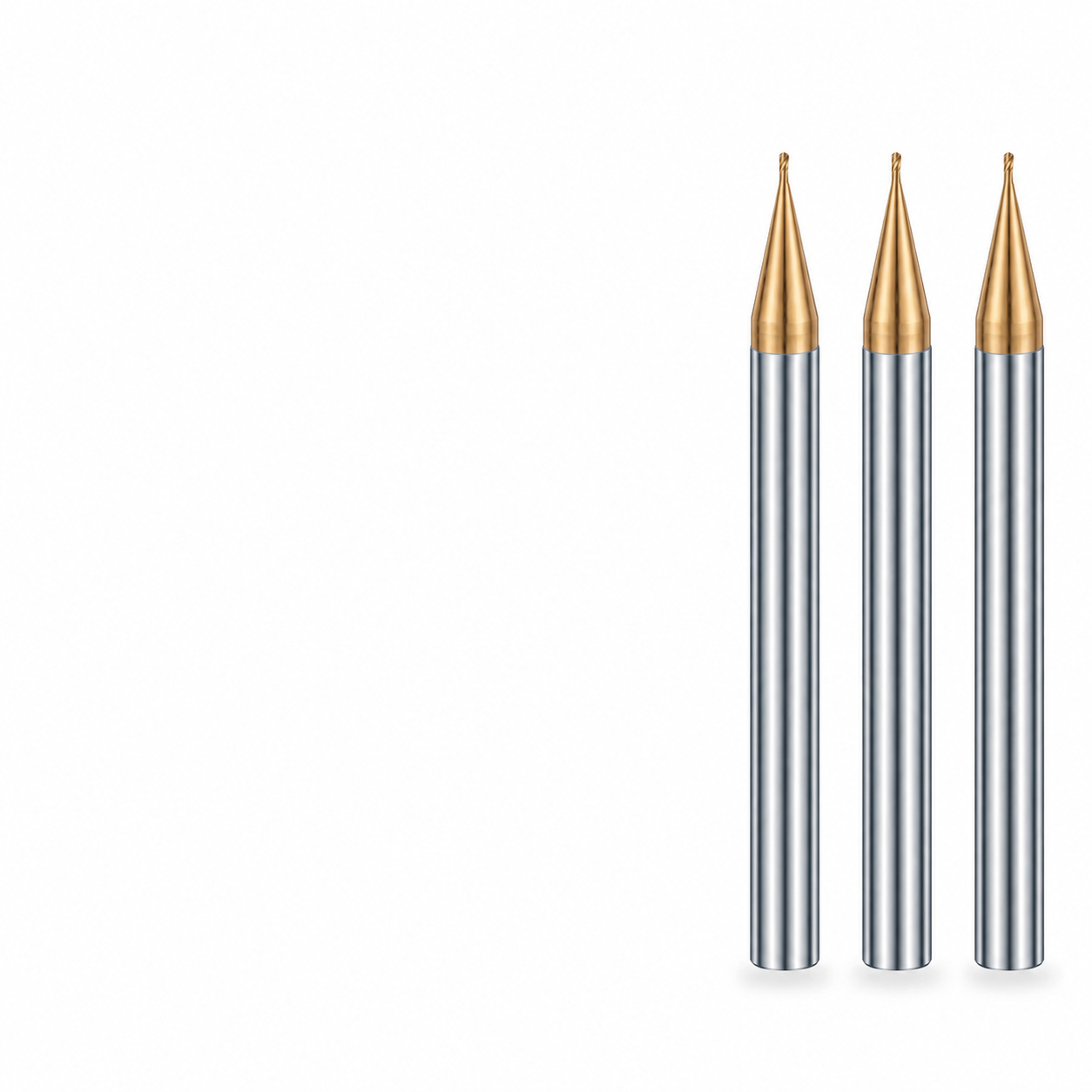
Compare NBS, DBS and EBS micro ball nose end mills for small curved features. Review the ball radius, cutting diameter and flute length together, then send AXIMET the complete model and quantities for a quotation.
View product details →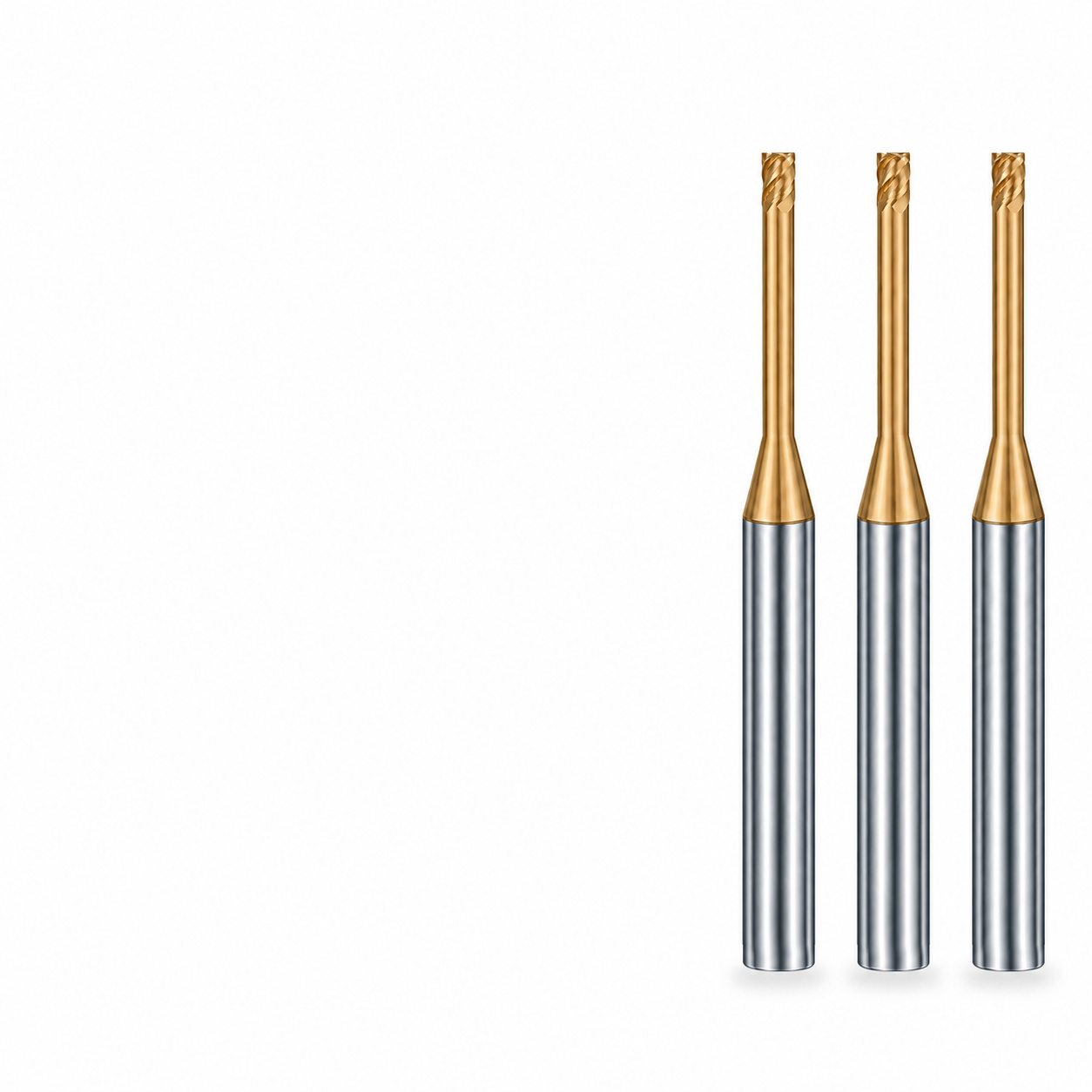
Compare NEMA, NEMB, DEMA, DEMB, EEMA and EEMB long reach end mills. Select cutting diameter, flute length and effective reach as separate dimensions for recessed features, then request a quotation by complete model and quantity.
View product details →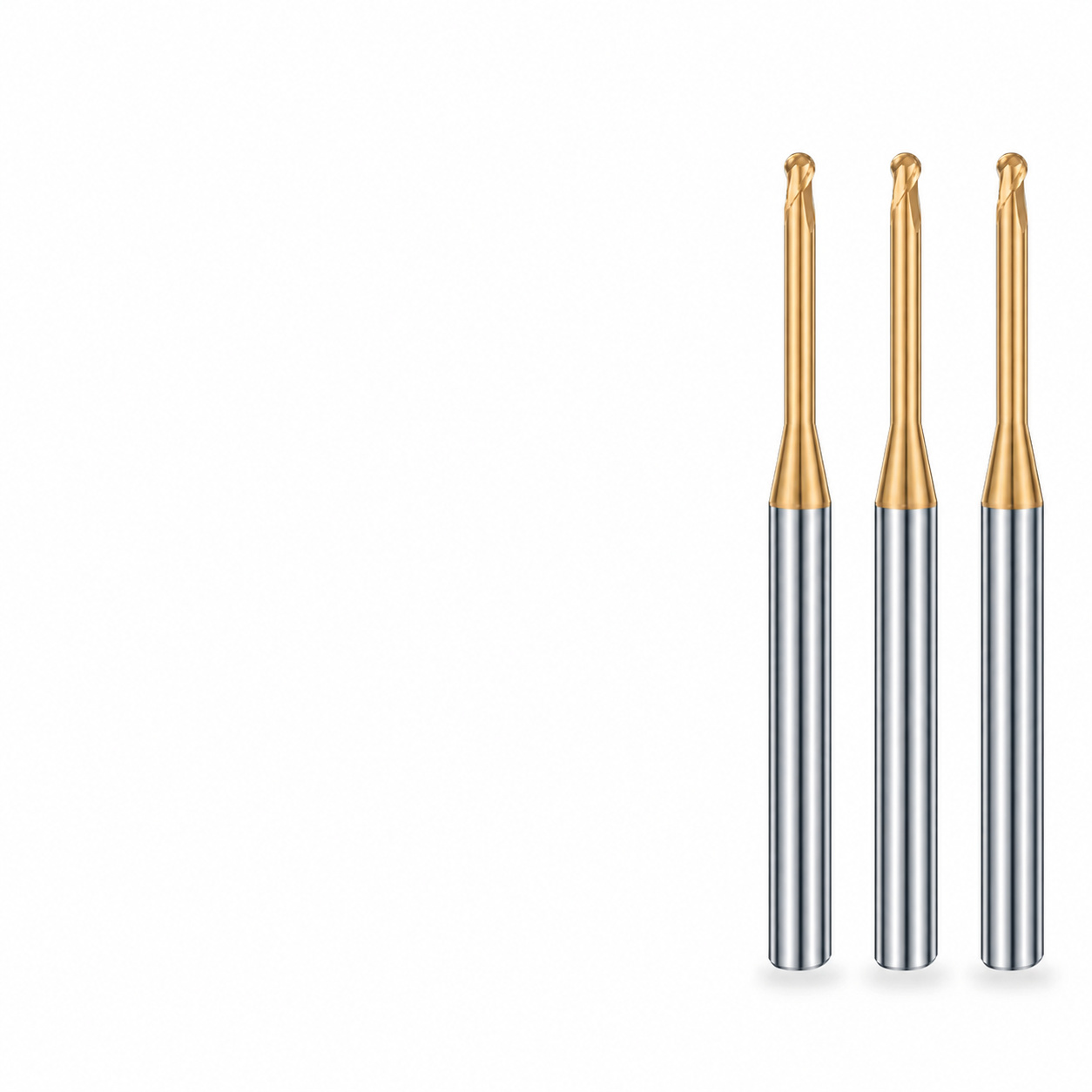
Review NBM, DBM and EBM long reach ball nose end mills for recessed curved features. Compare ball radius, flute length and effective reach by model, with separate series records for an accurate quotation.
View product details →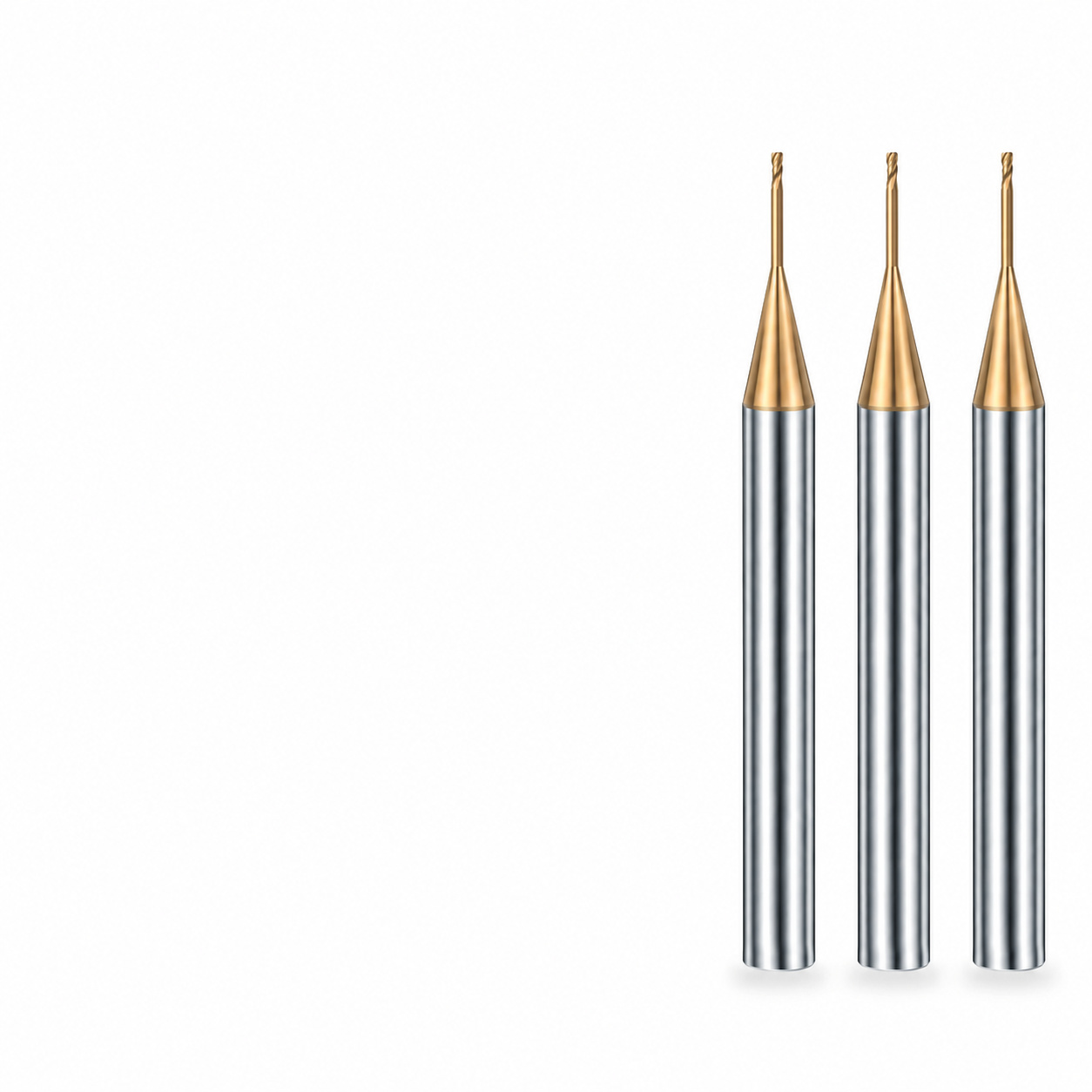
Compare NRMA, NRMB, DRMB, ERMA and ERMB long reach corner radius end mills. Keep corner radius, cutting diameter and effective reach tied to each model when building a quotation or replacement list.
View product details →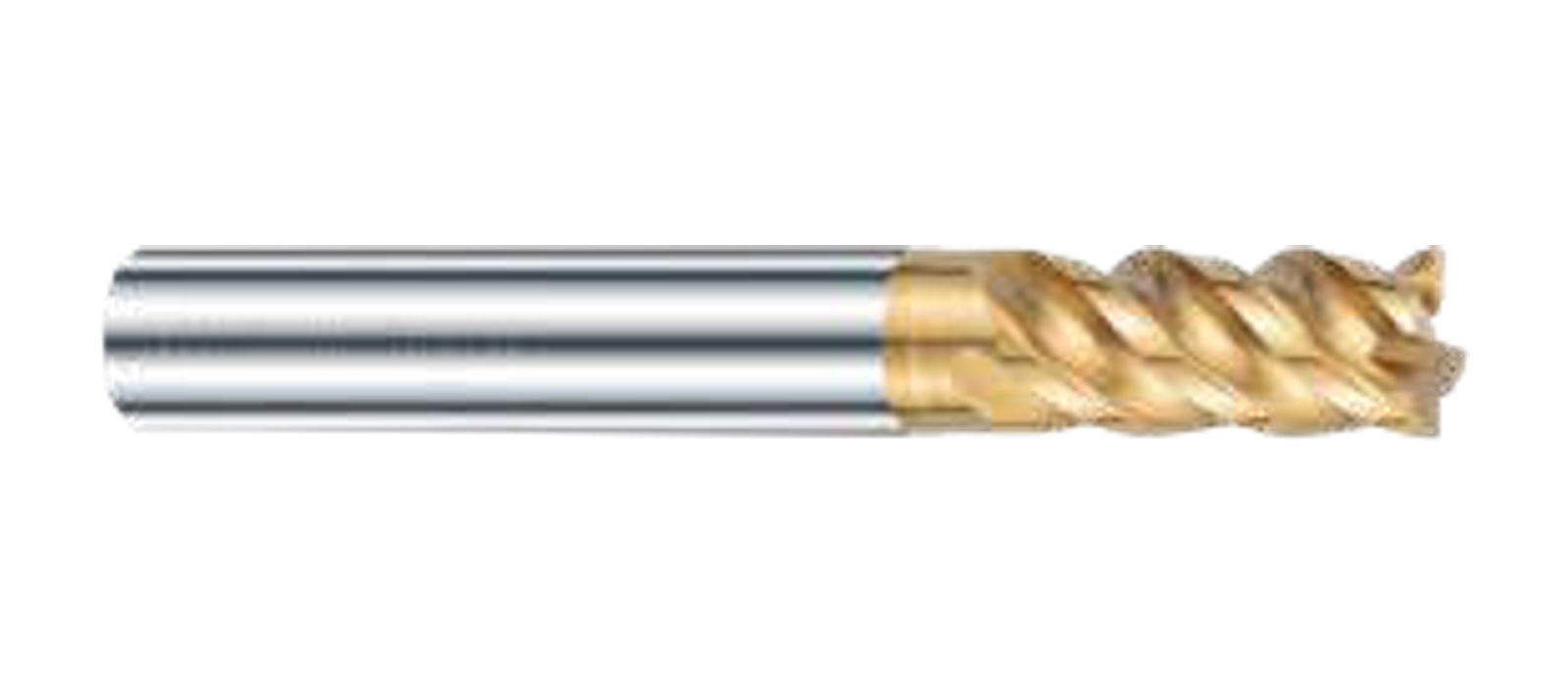
Compare square end mill series by flute count, dimensions and application. Send AXIMET your model list and quantities for a quotation.
View product details →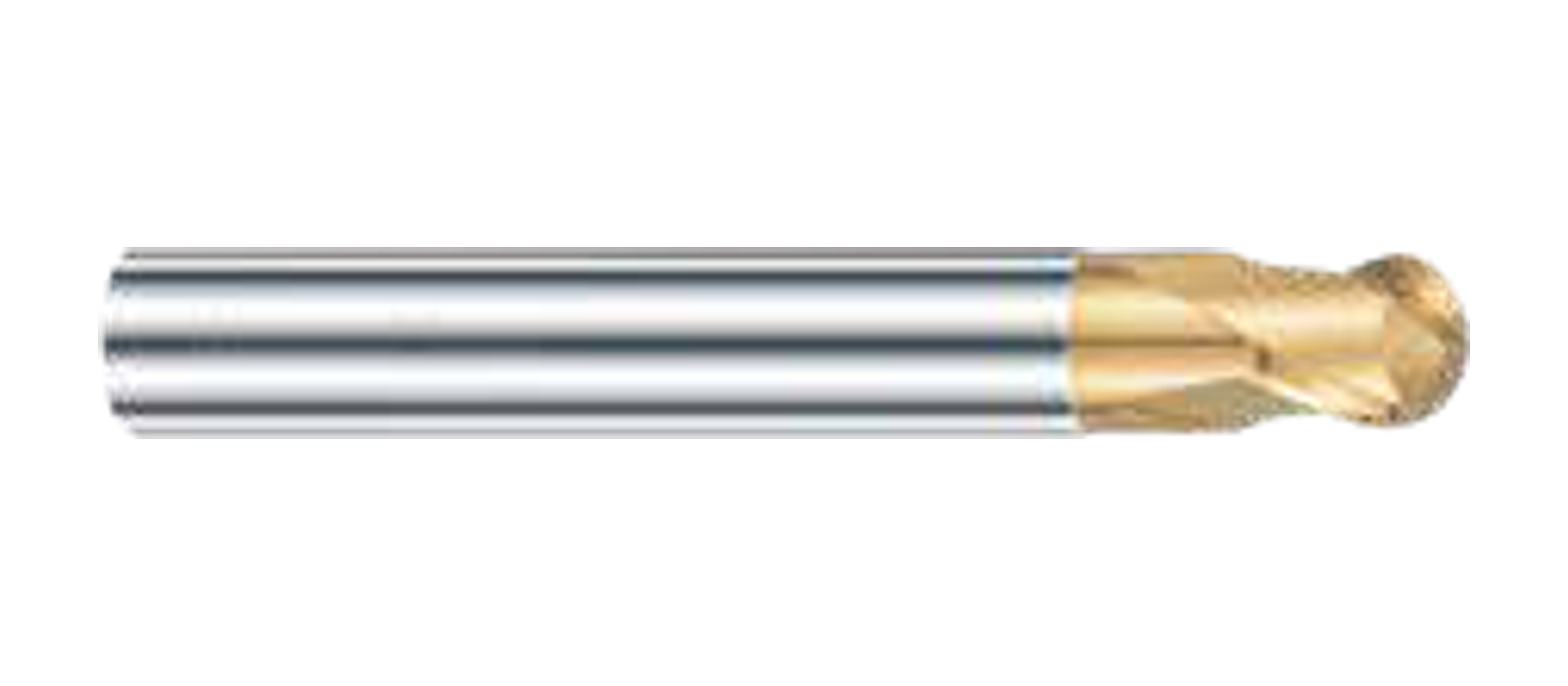
Compare ball nose end mill series by diameter, radius, flute count and reach. Send AXIMET your model list and quantities for a B2B quote.
View product details →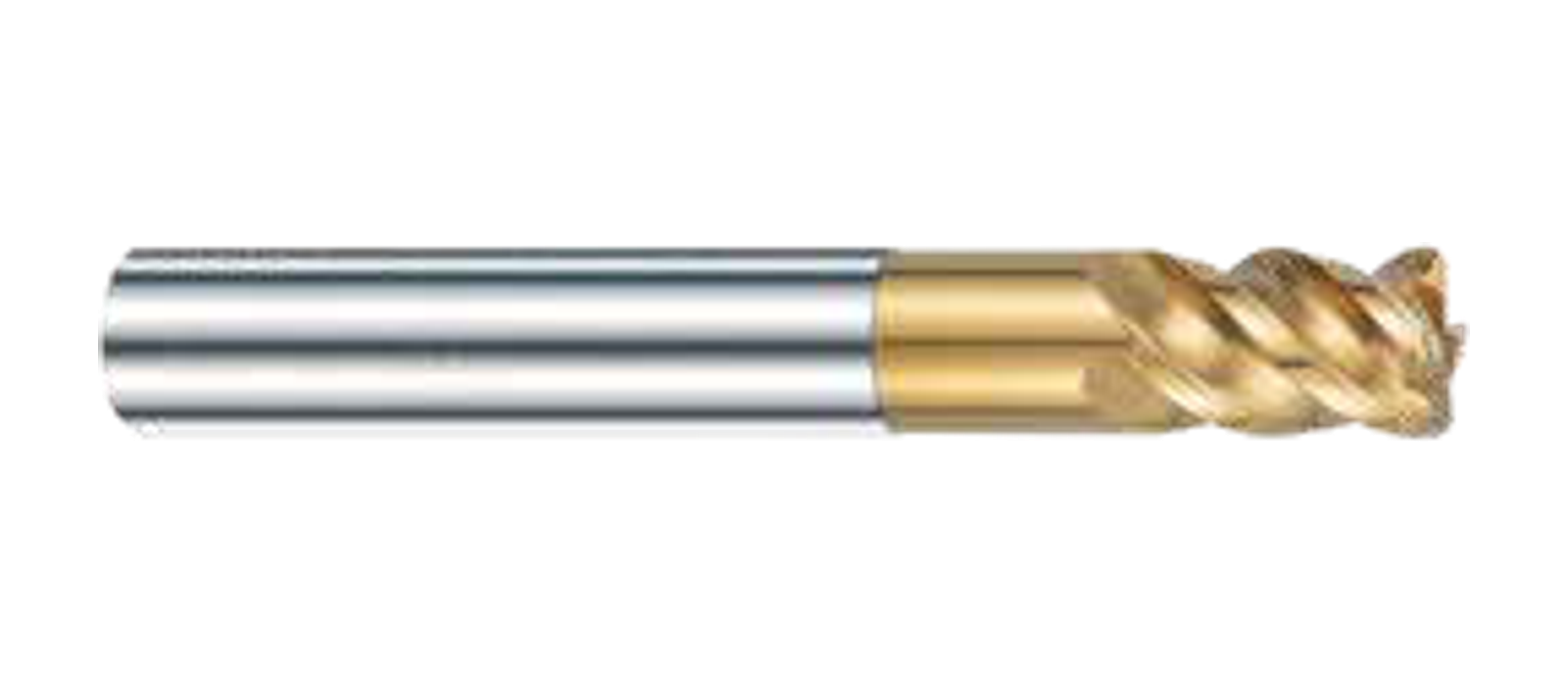
Compare AXIMET corner radius end mill series by diameter, corner radius, flute count and length. Request model-specific wholesale quotations.
View product details →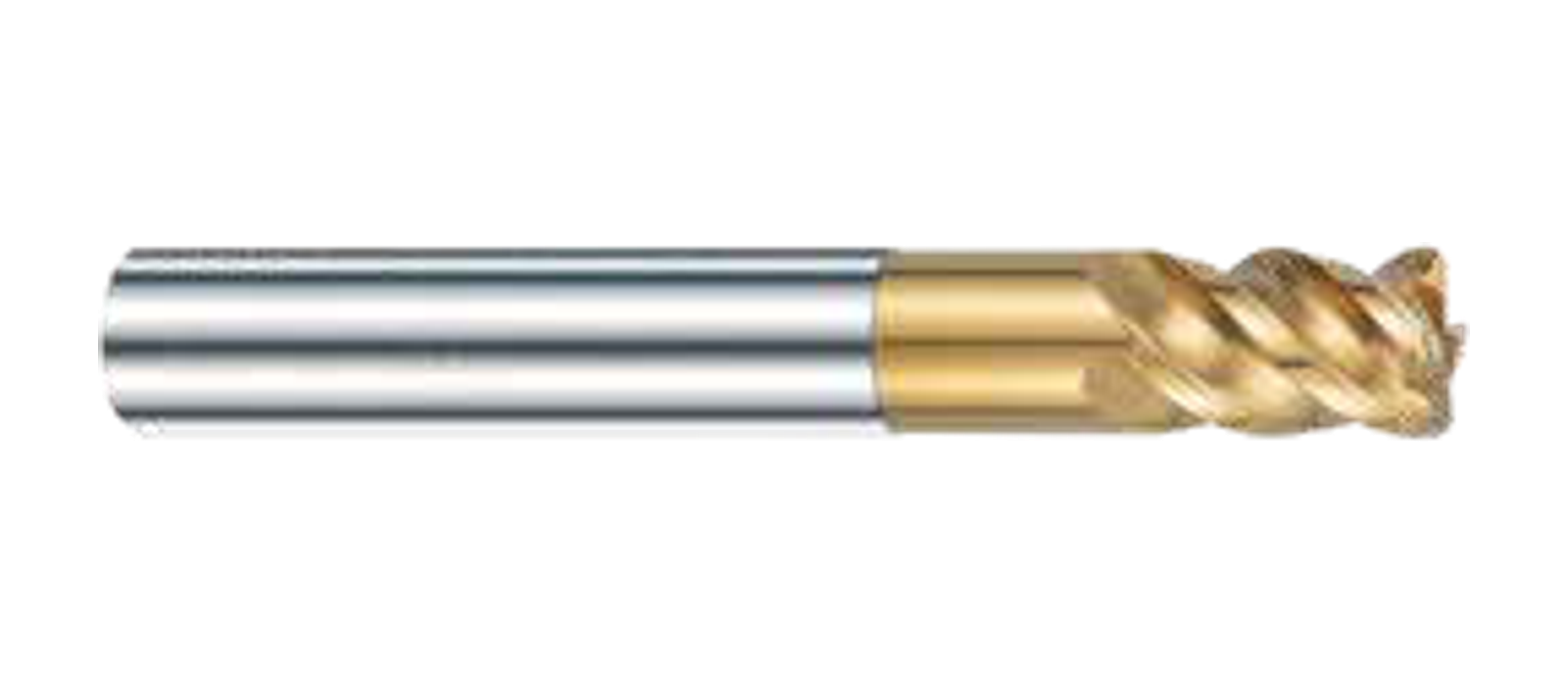
Compare long shank corner radius end mills by diameter, radius, flute count and length. Send AXIMET your model list for a quotation.
View product details →
Compare HEH, HEI, HEJ, DEH, DEI and DEJ long shank end mill records. Review overall length, flute length and holding dimensions separately, with two- and four-flute groups kept distinct for quotation.
View product details →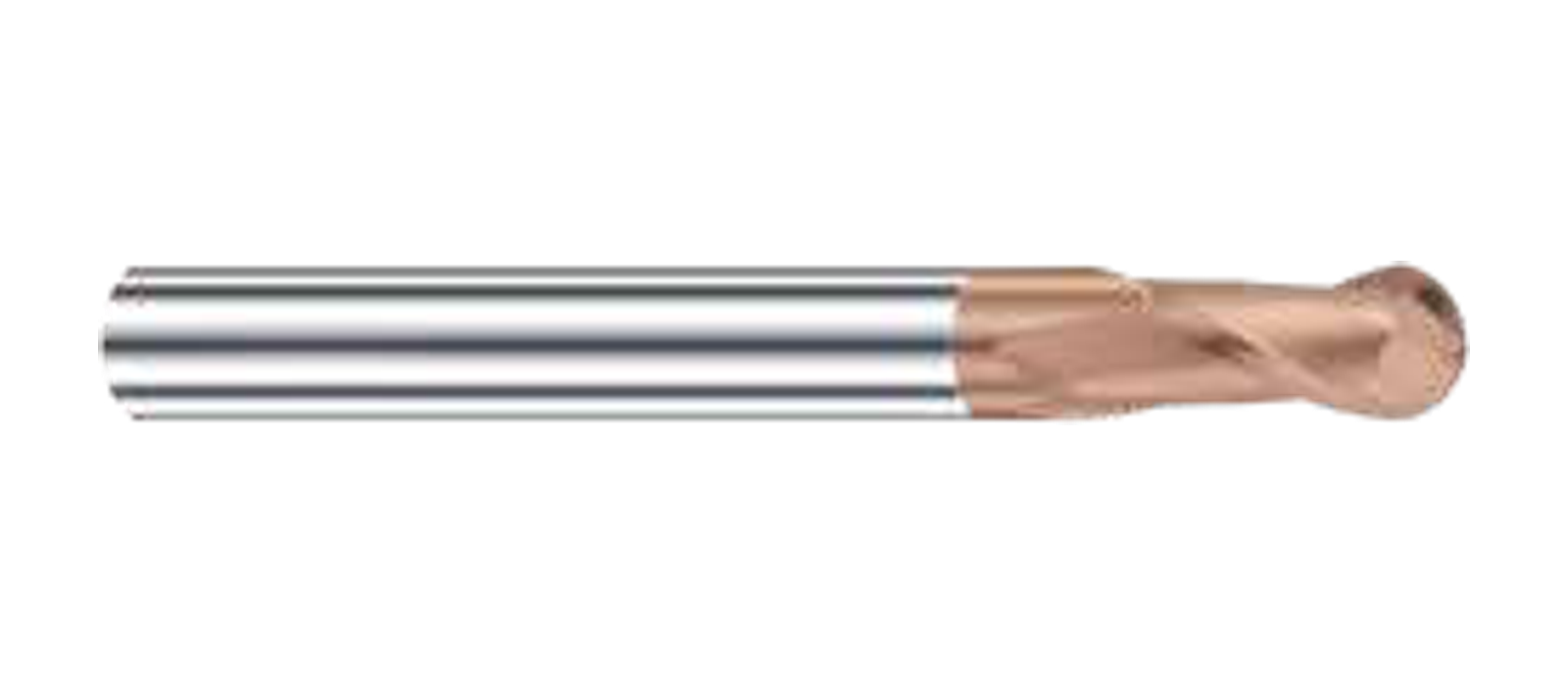
Compare extended-length ball nose end mills by diameter, radius, flute length and shank. Request a quote for your model list.
View product details →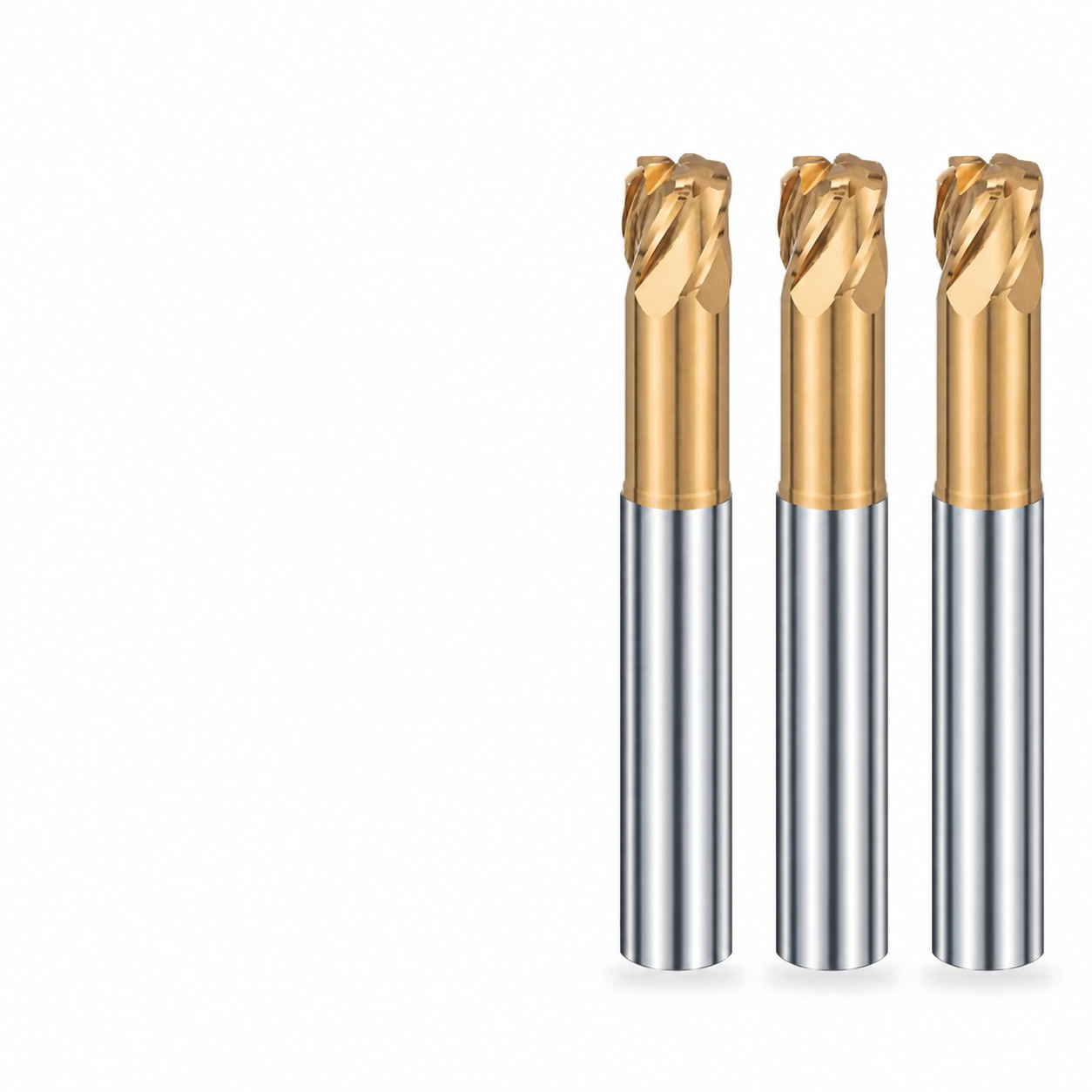
Select an NRC high-feed corner radius end mill by diameter, corner radius and reach. Send your model list and machining requirements for a quotation.
View product details →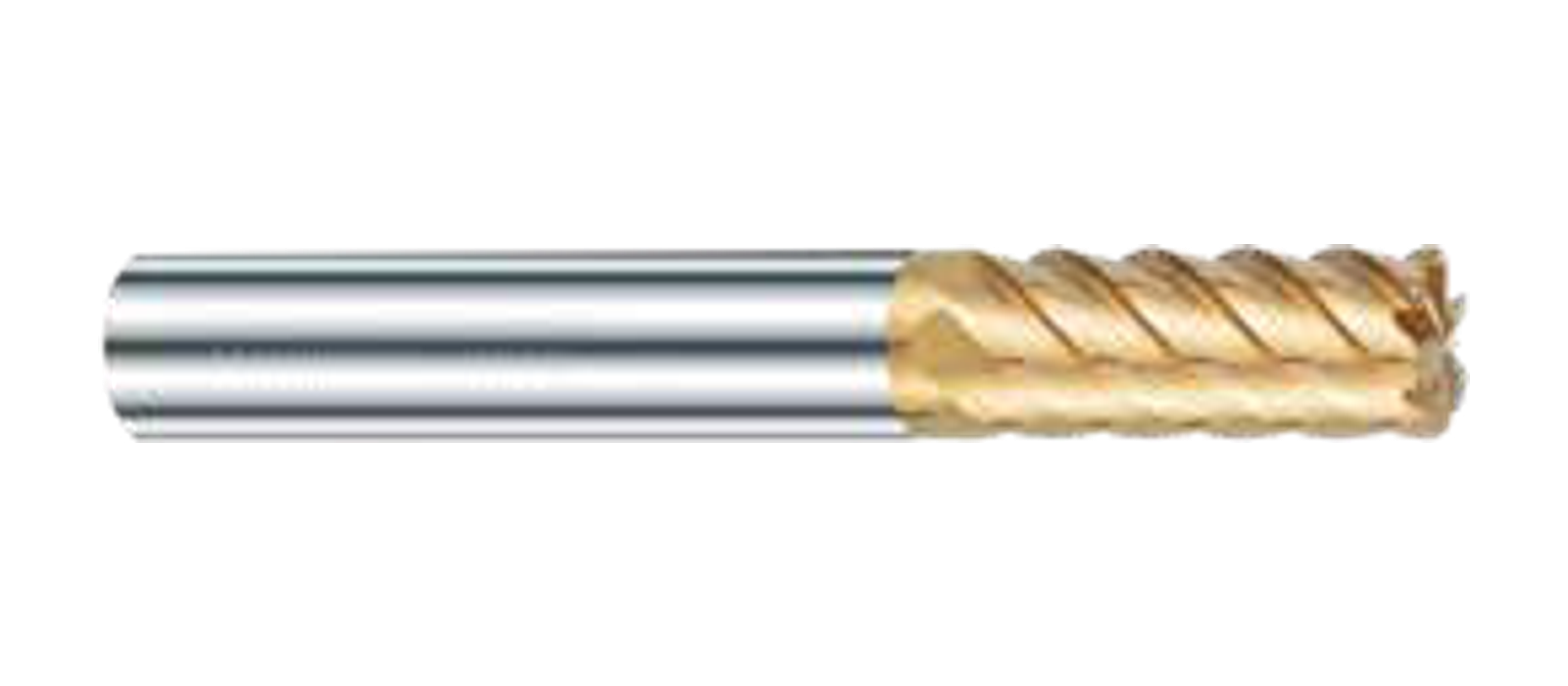
Compare six-flute NRD corner radius end mills by diameter, radius and length. Request a model-based wholesale quotation.
View product details →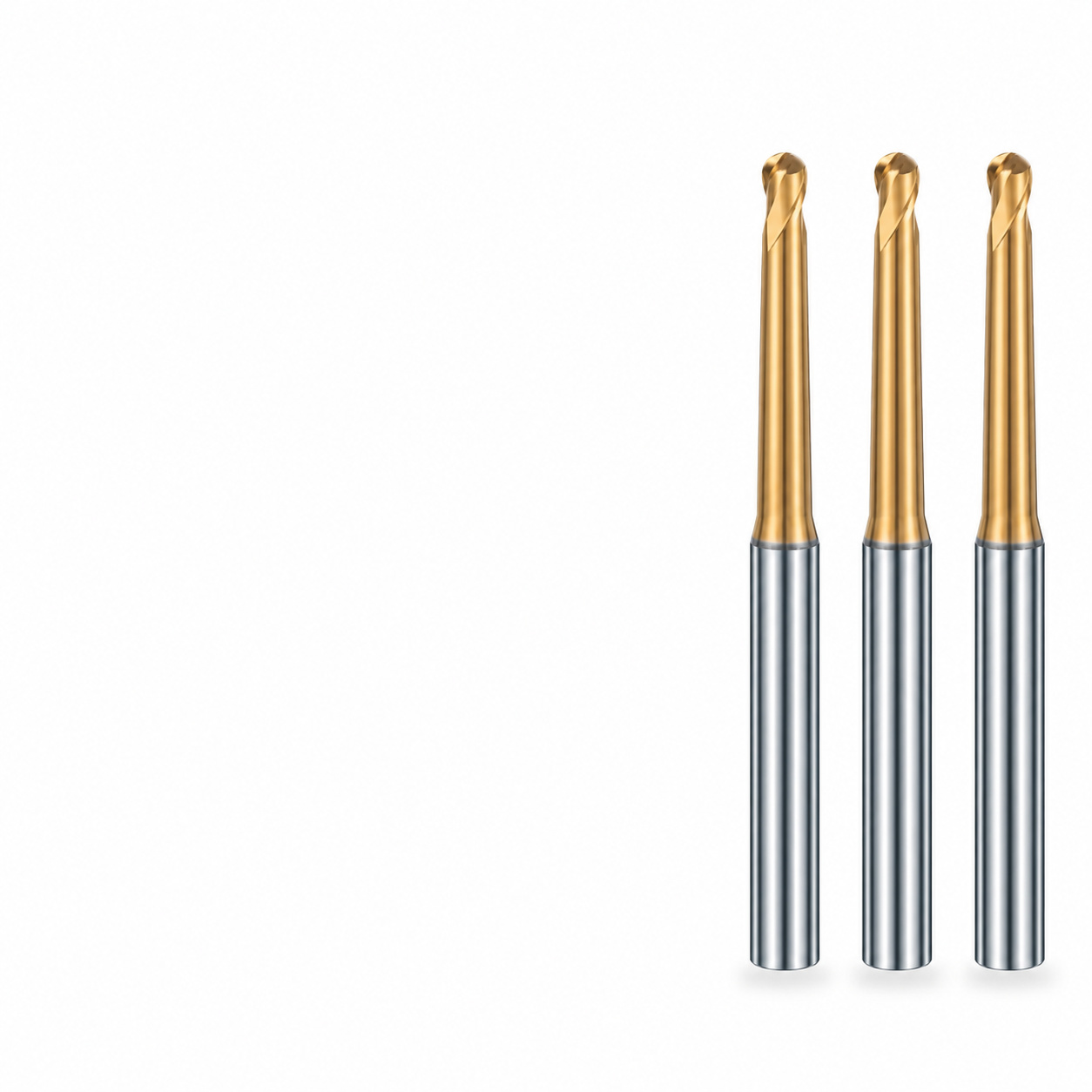
Select an NBMT tapered ball nose end mill for the required ball profile and cavity access. Compare the drawing dimensions and request a model-specific quotation.
View product details →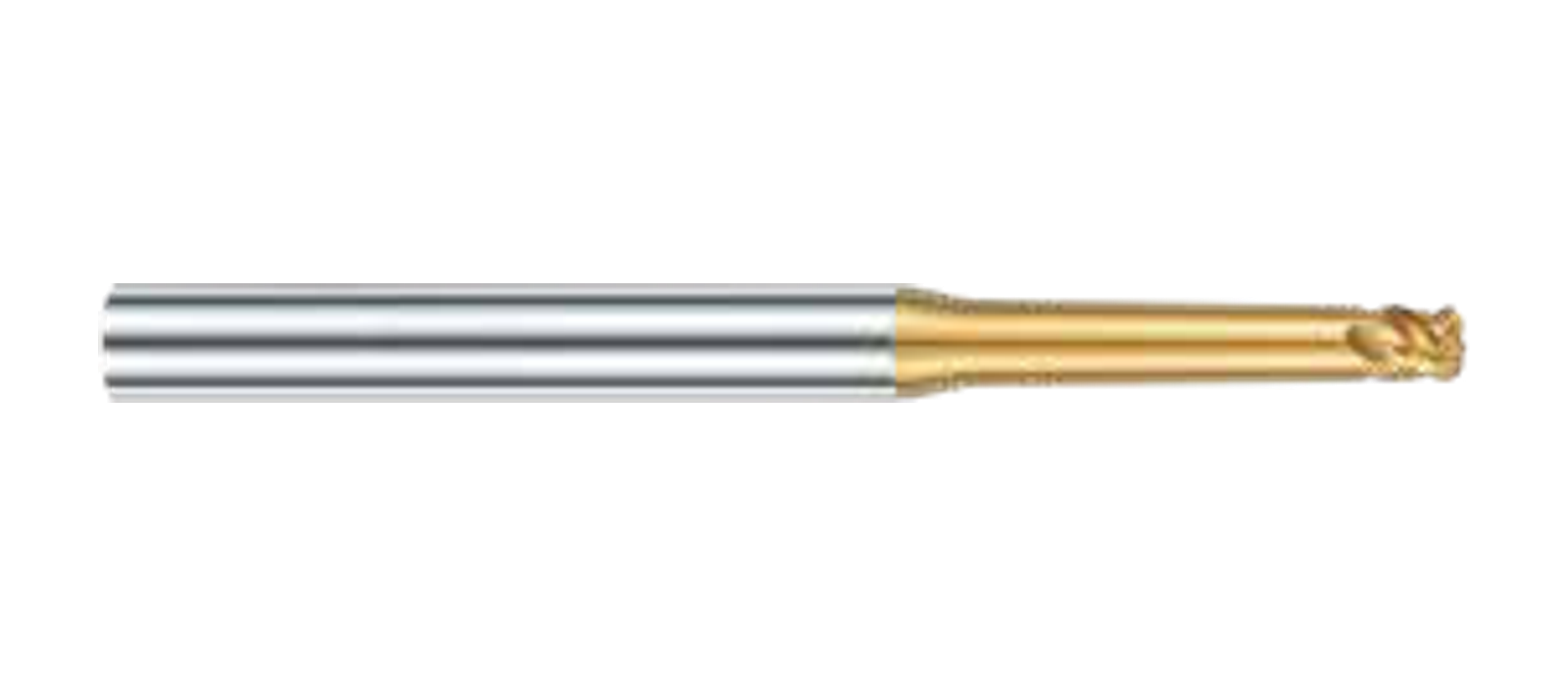
Explore NRMBT tapered corner radius end mills. Compare model dimensions, reach and shank size, then request a quote for your machining requirements.
View product details →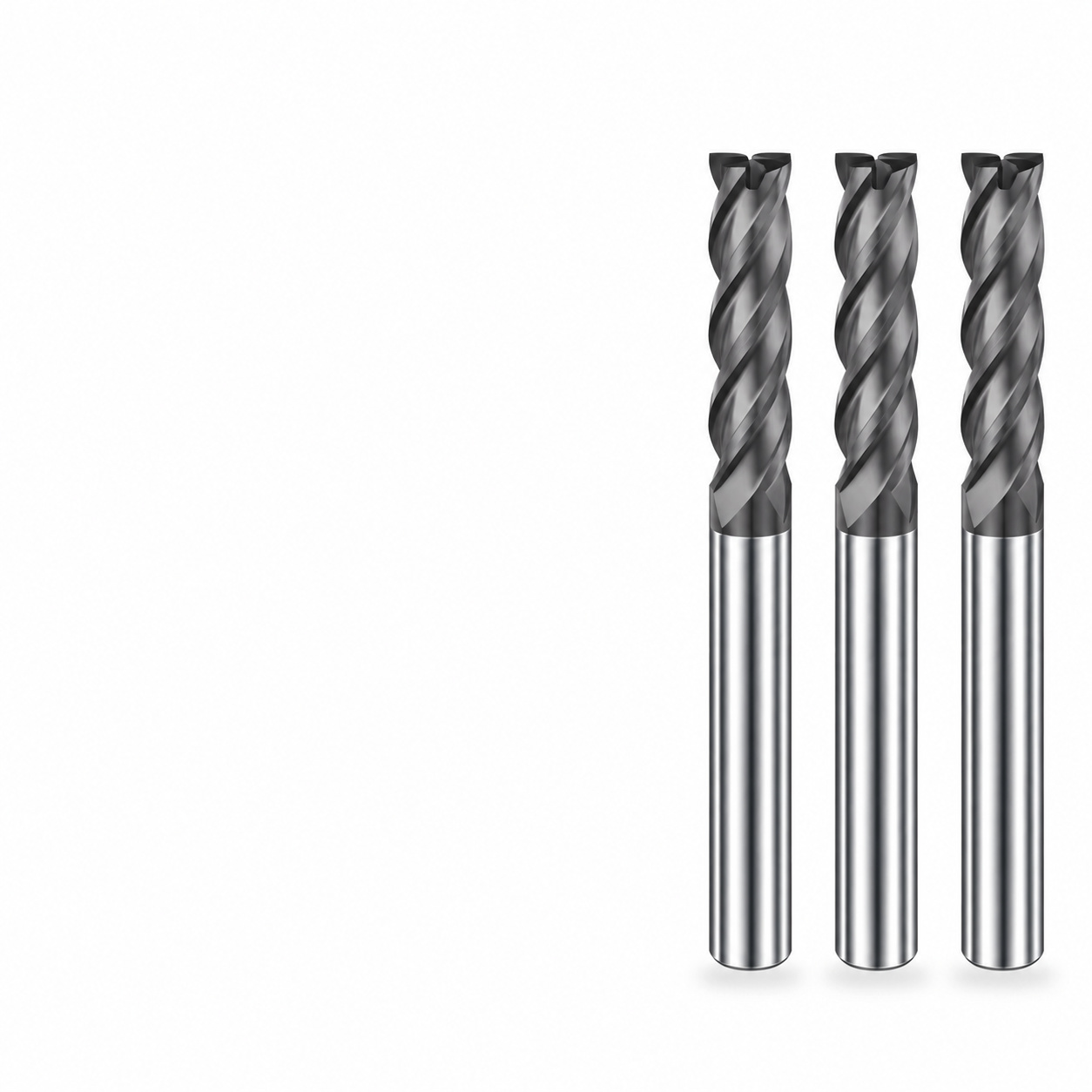
Compare DEL long flute end mills by cutting diameter and flute length for the feature you need to machine. Include the selected models and quantities in your enquiry.
View product details →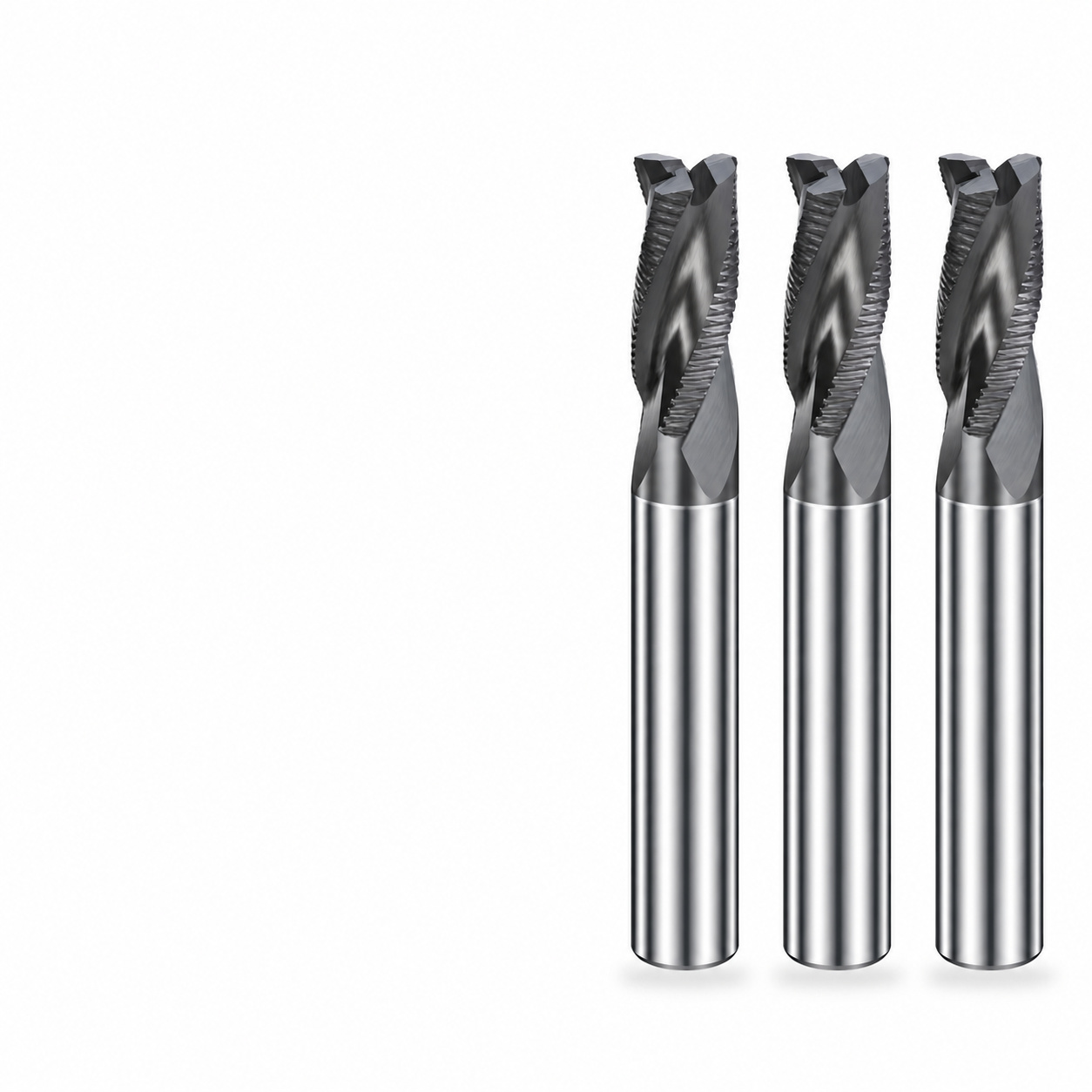
Compare the listed DW roughing end mills for your stock-removal operation. Specify the model, flute configuration and required quantities for a quotation.
View product details →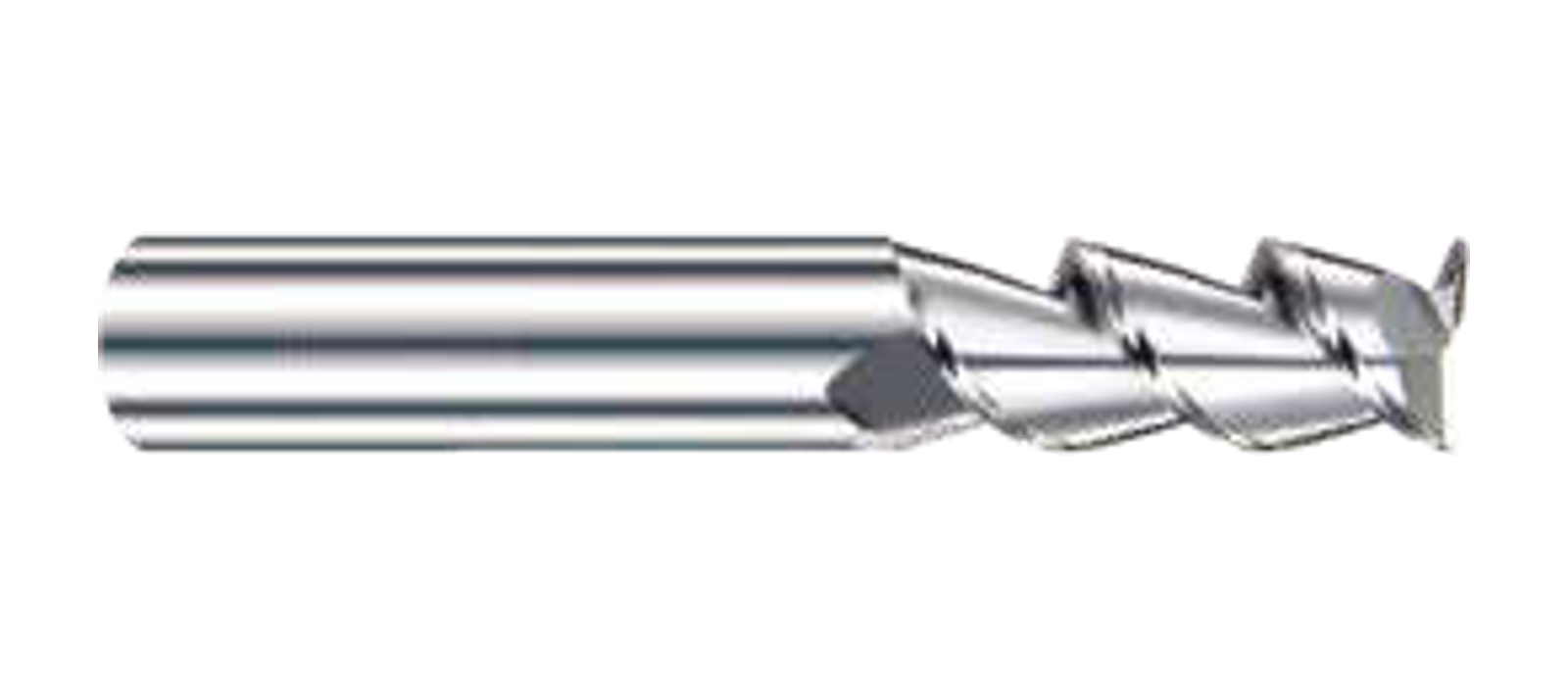
Compare two- and three-flute aluminium end mills by diameter, length and shank size. Request a quote for AE series models.
View product details →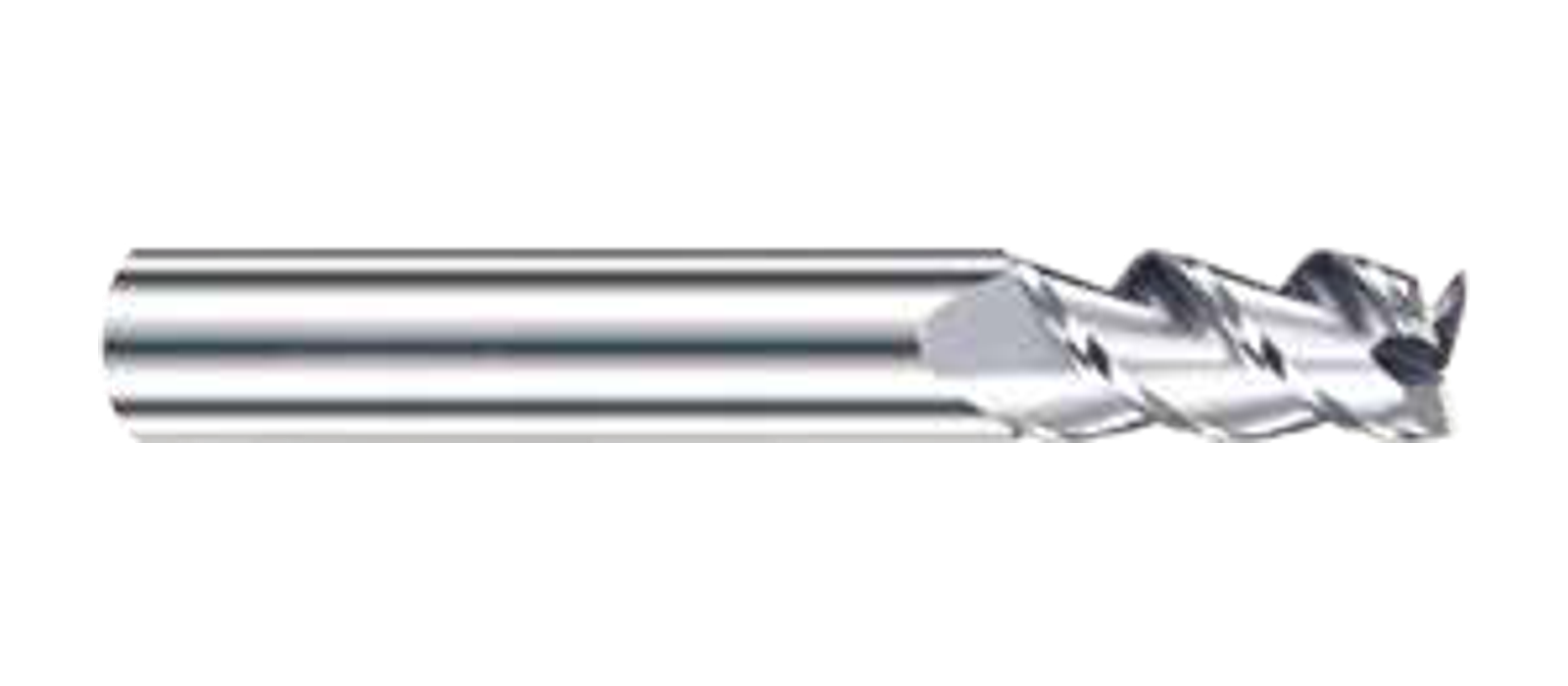
Compare AEH, AEI and AEJ long-shank aluminium end mills by model, cutting diameter, flute length and shank size. Request a quote.
View product details →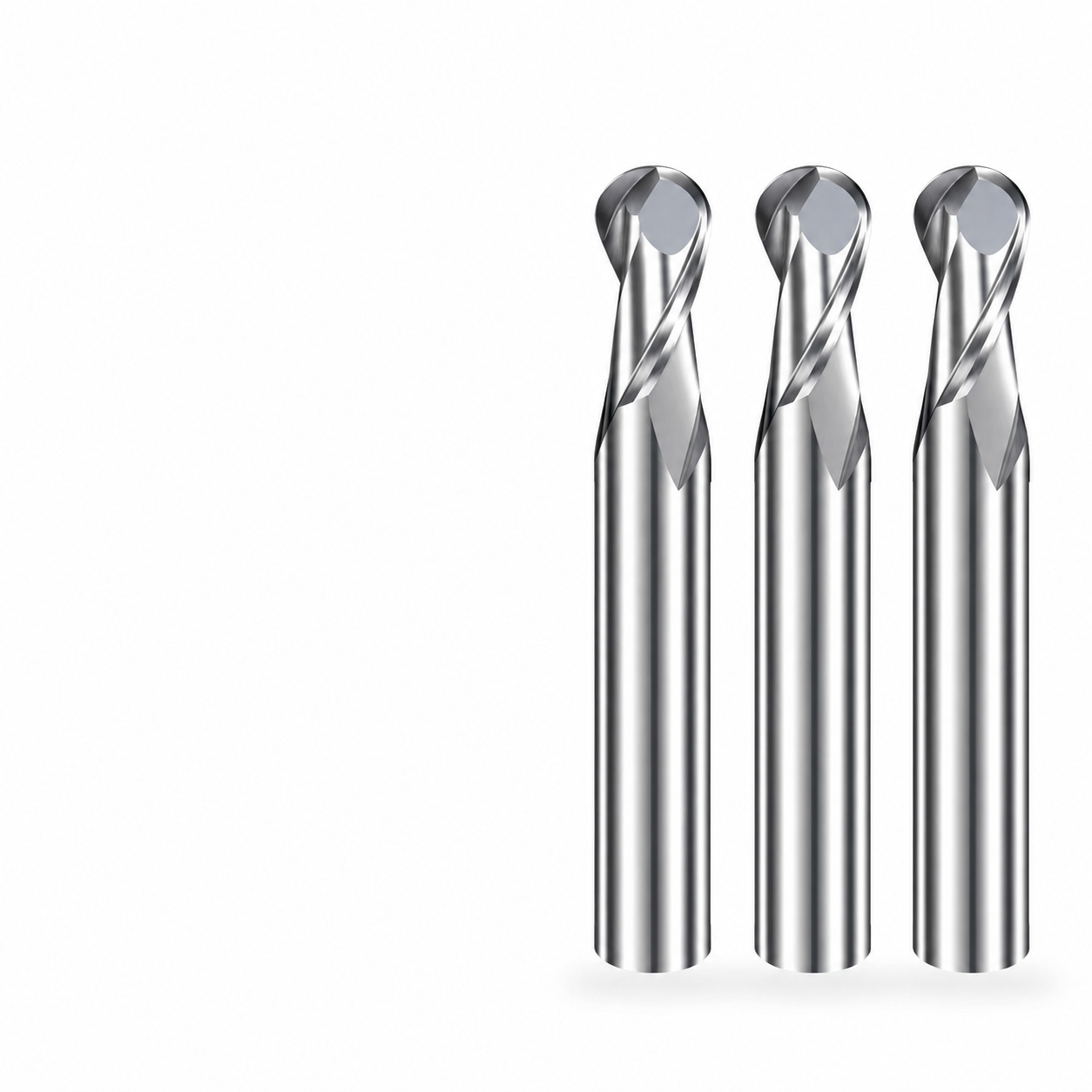
AB-family ball nose end mills give purchasing teams a defined range for aluminium contouring enquiries. Compare the ball profile and listed lengths by model, then request a quote for the quantities you need.
View product details →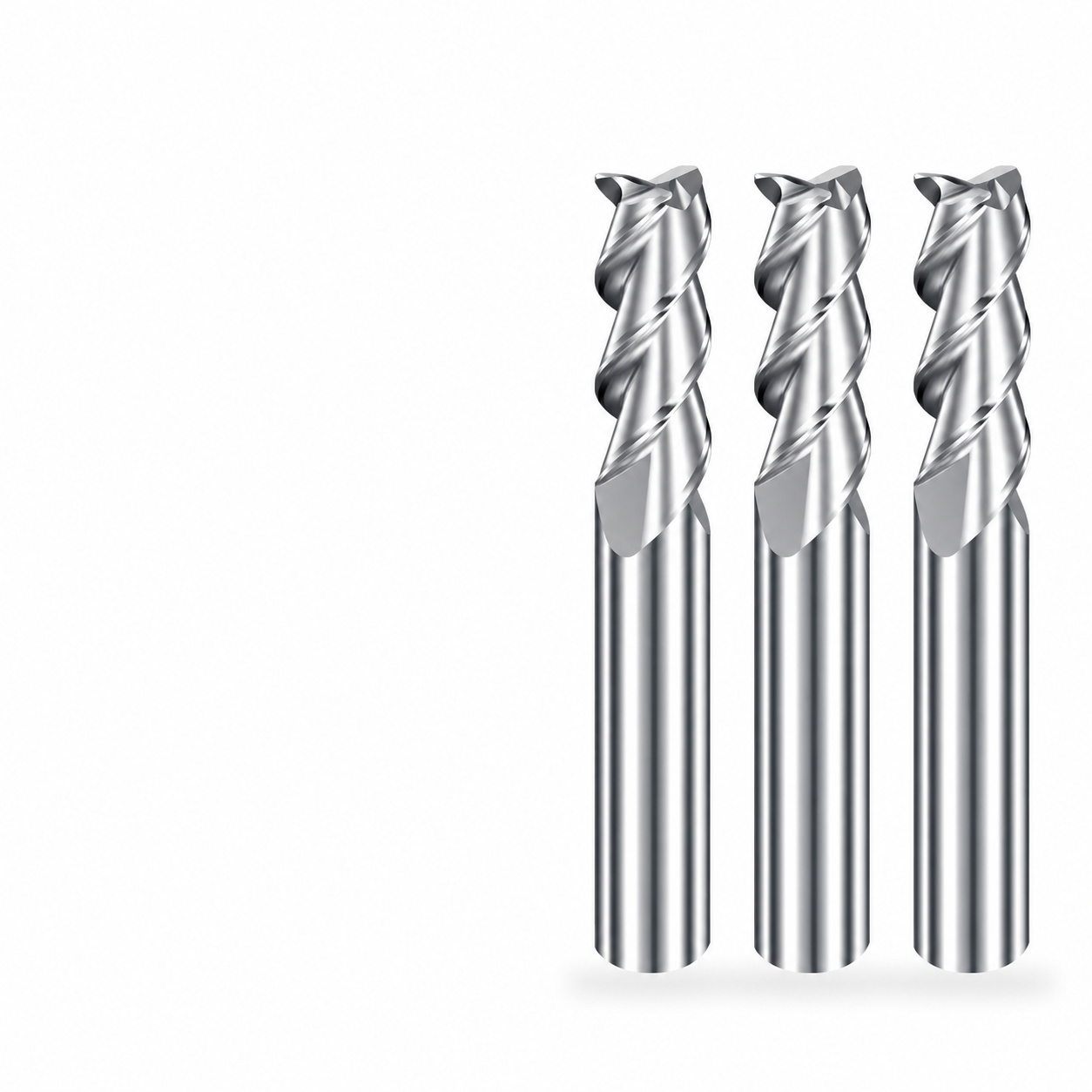
AR and ARS corner radius end mills for aluminium combine a defined cutting diameter with a specified corner radius. Compare the listed models against your part requirements and request a quotation by model and quantity.
View product details →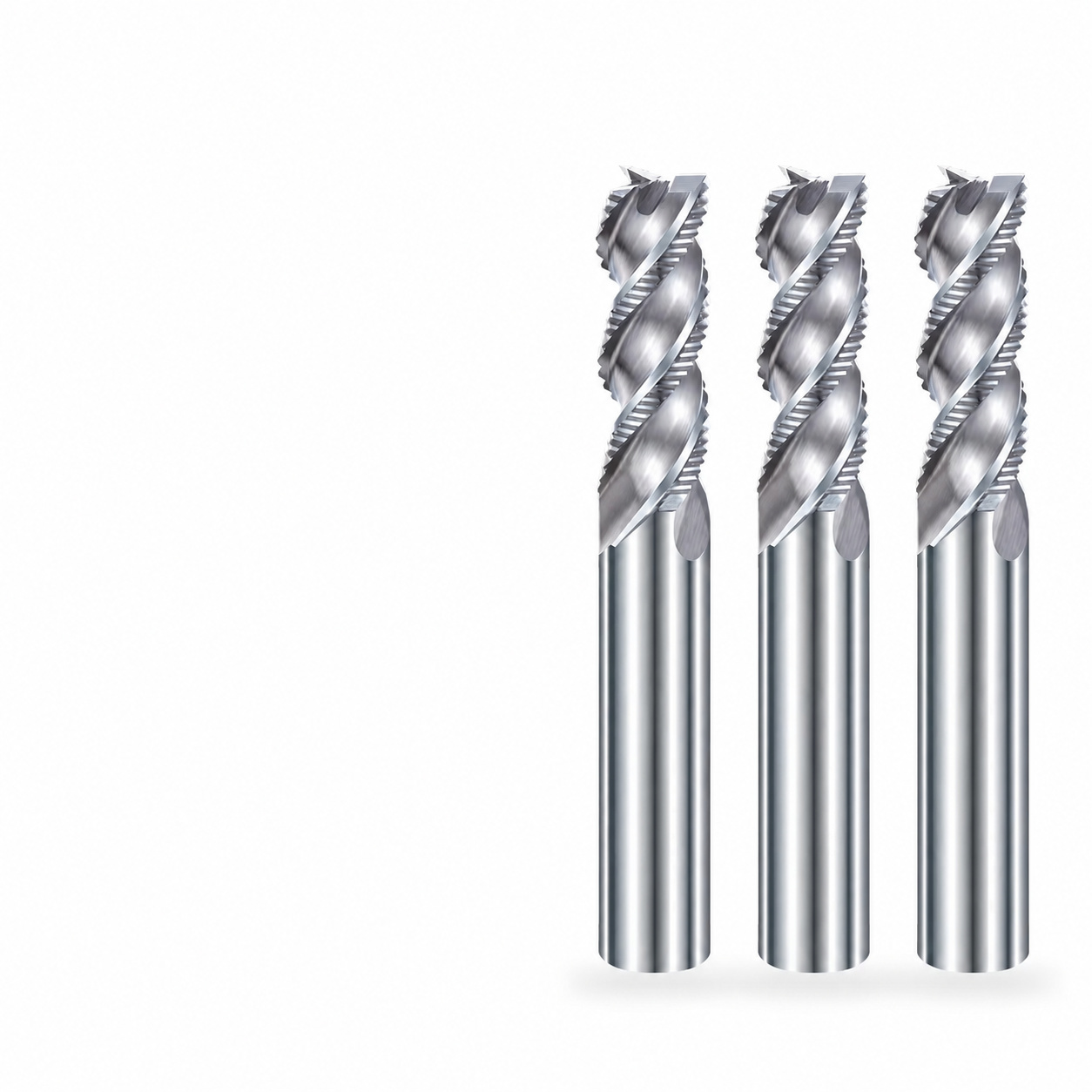
AW roughing end mills for aluminium are listed by model and cutting dimensions for stock-removal enquiries. Compare the required cutting section and send your model mix and quantities to AXIMET for quotation.
View product details →
Compare UE and UEX four-flute stainless steel end mills by model, diameter and length. Send your requirements for a quotation.
View product details →
Compare four-flute square-end mills for titanium by diameter, length and shank. Send your KE model list to AXIMET for a quotation.
View product details →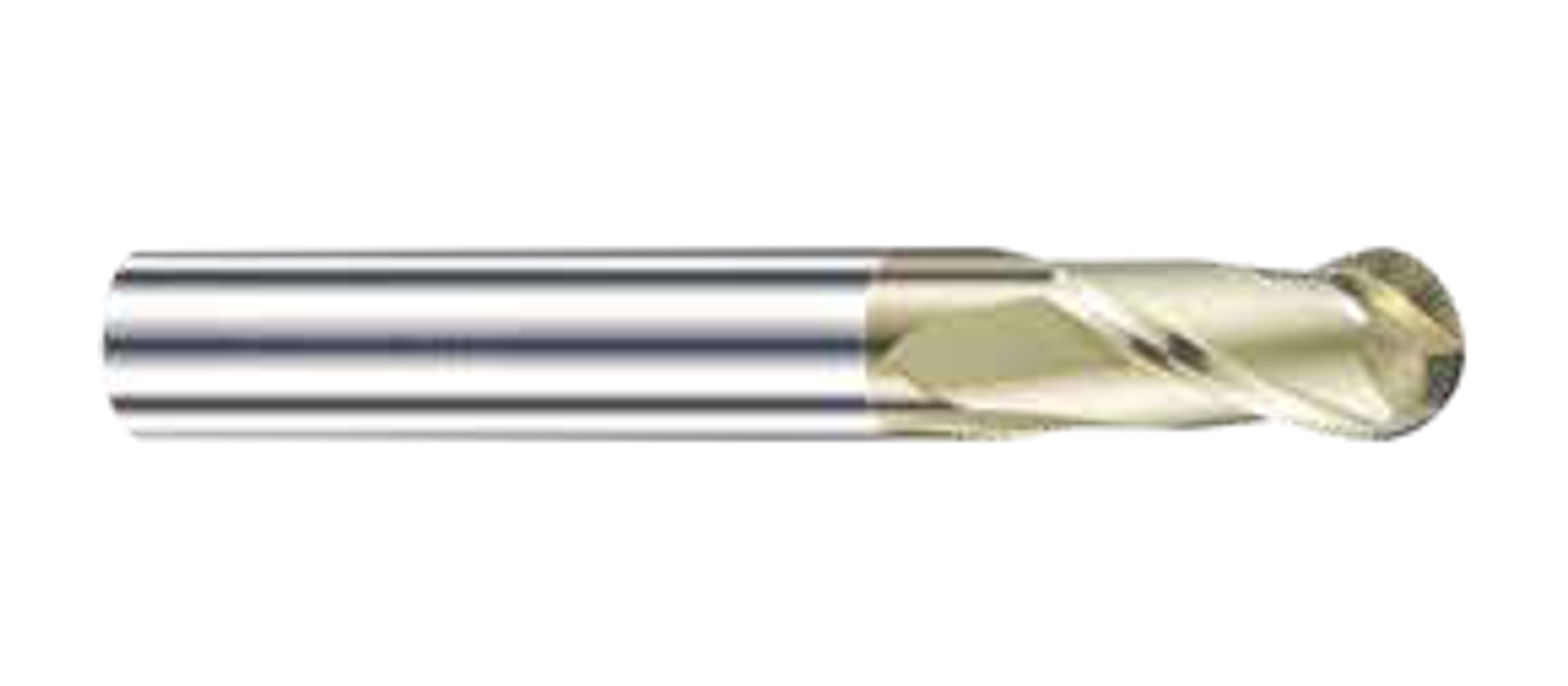
Compare KB ball nose end mills for titanium by diameter, radius, flute length and shank. Request a quotation for your selected models.
View product details →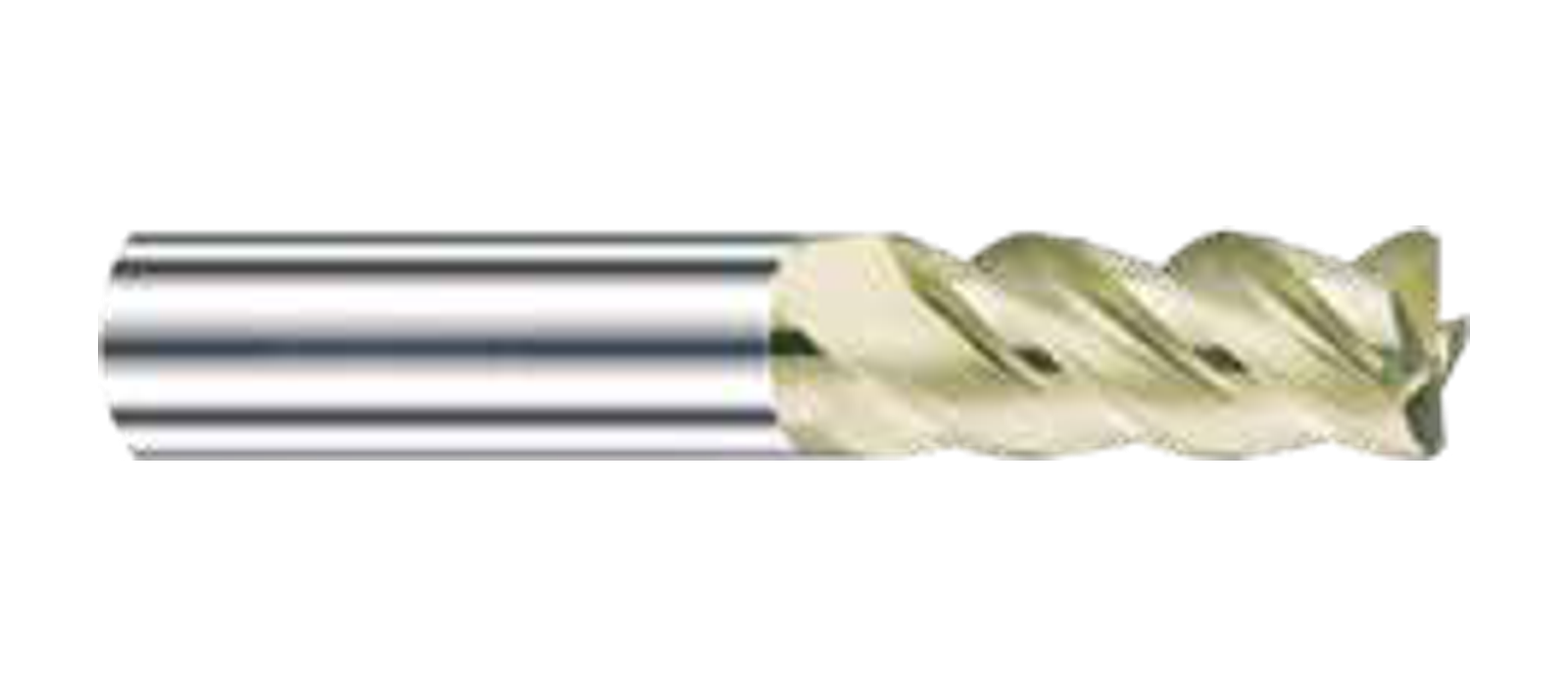
Compare KRB four-flute corner radius end mills for titanium by diameter, radius, lengths and shank. Request a quote for your models.
View product details →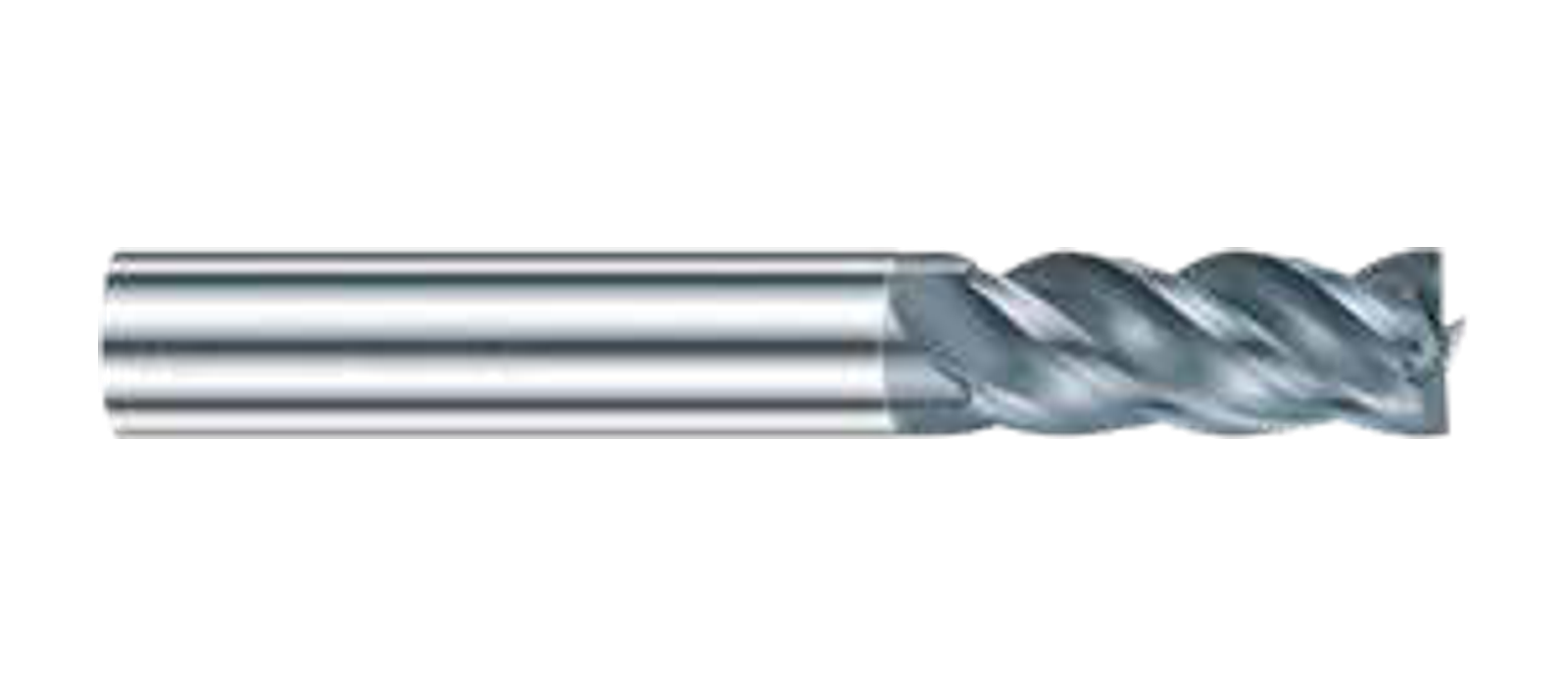
Compare four-flute SGE square end mills for high-temperature alloys by model and dimensions. Send your specifications and quantities for a quote.
View product details →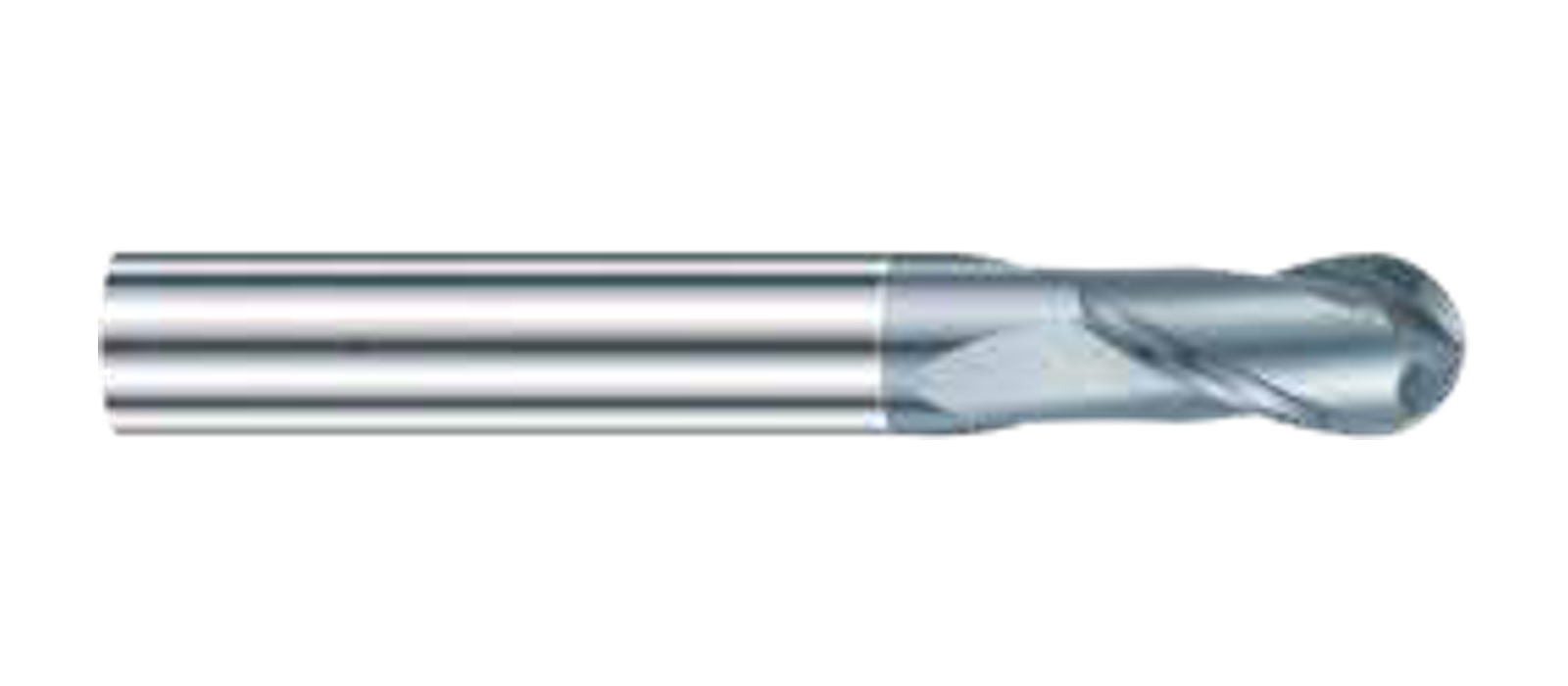
Compare two-flute SGB ball nose end mills for high-temperature alloys by ball radius, diameter and model. Request a bulk quotation.
View product details →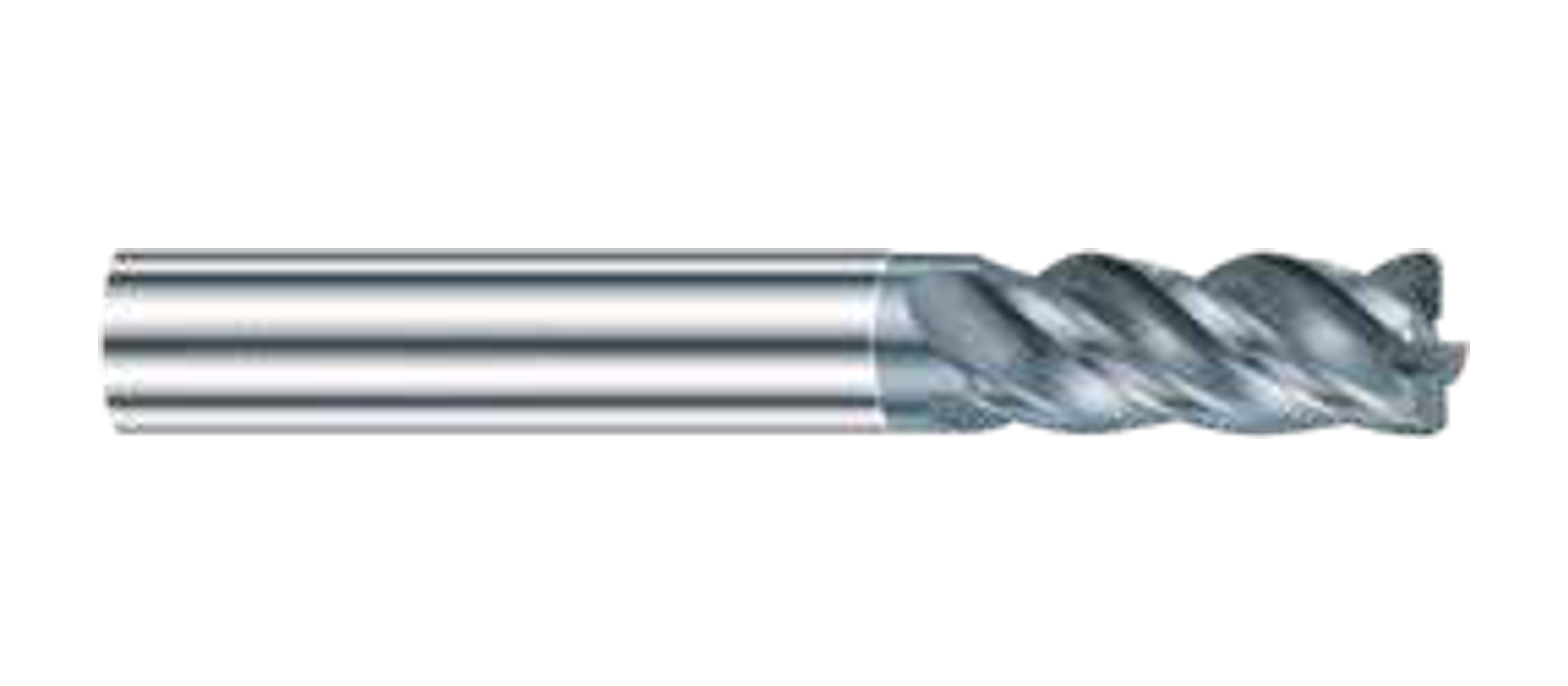
Compare four-flute SGRB corner radius end mills for high-temperature alloys by diameter, radius and model. Request your quotation.
View product details →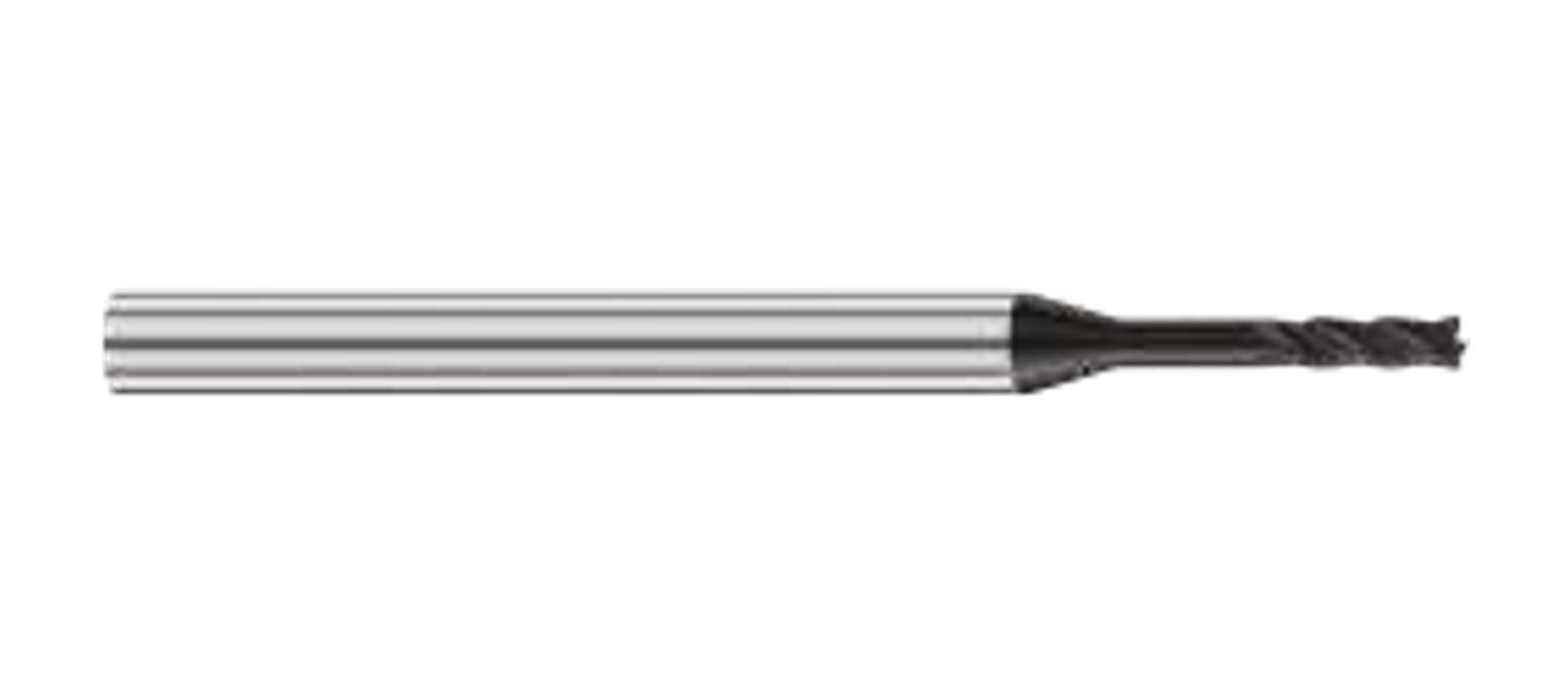
Compare GEMA and GEMB long reach graphite end mills by diameter, flute length, effective length and shank. Request a model-based quote from AXIMET.
View product details →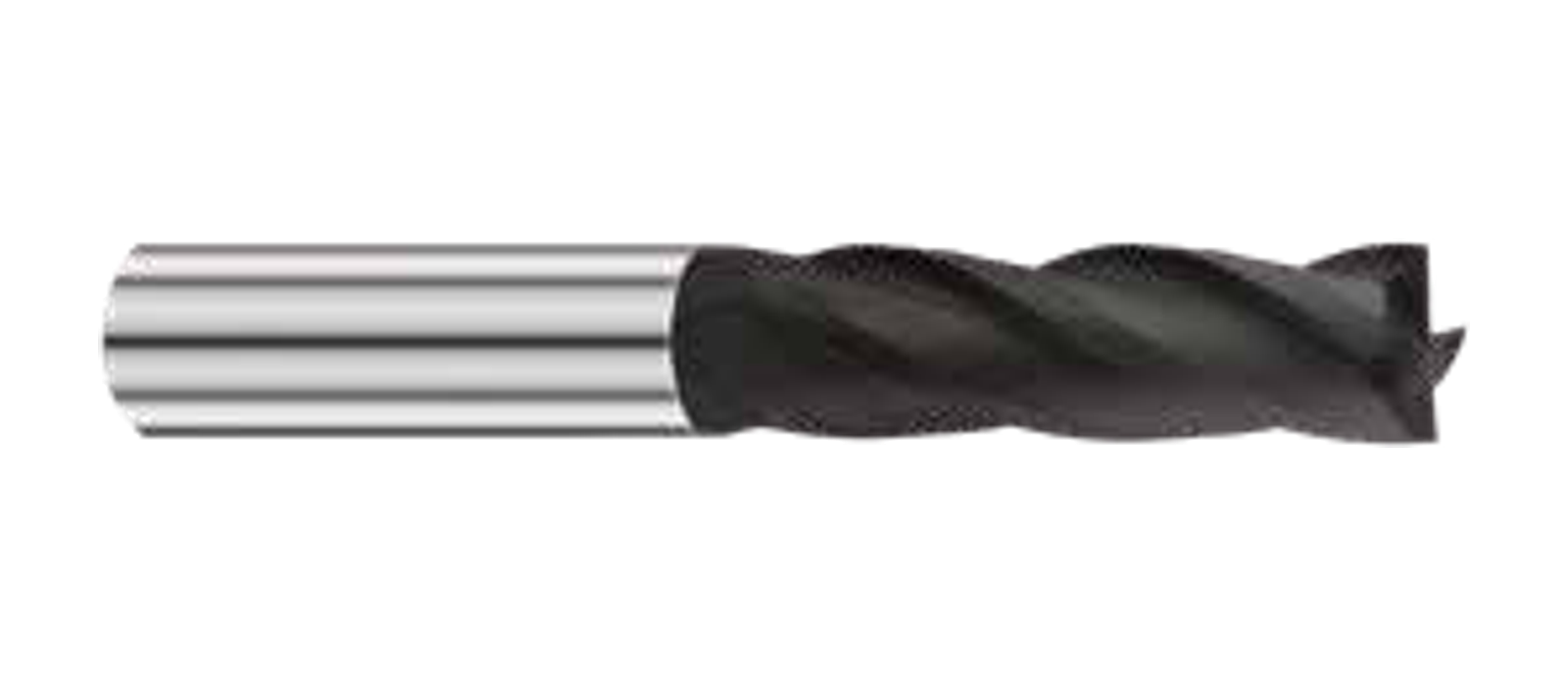
Compare four-flute GE graphite end mills by diameter, cutting length, overall length and shank. Send AXIMET your model list for a quote.
View product details →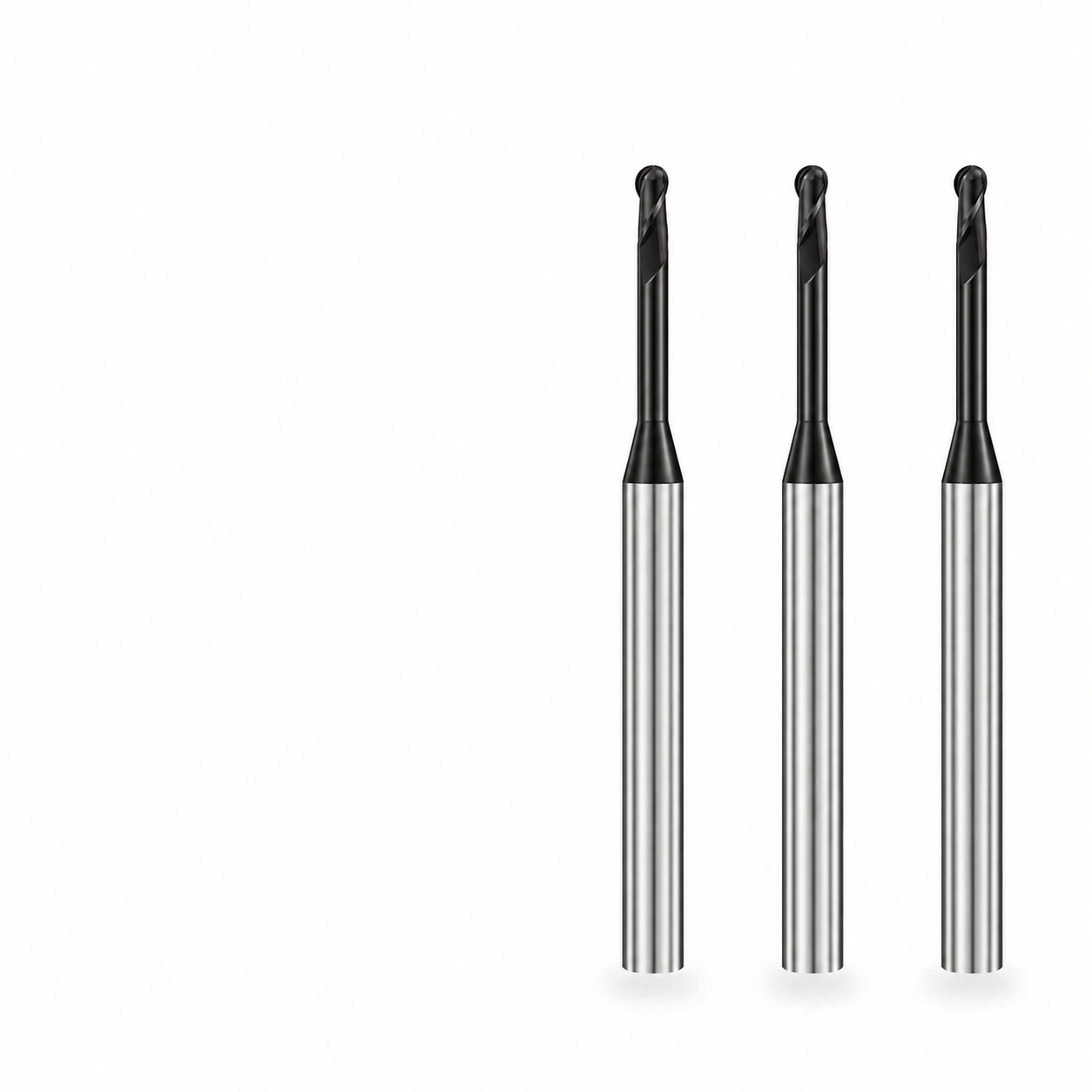
Select a GBM long-reach ball nose end mill for recessed graphite features by comparing the ball profile, cutting length and required access. Send the model and quantities with your part drawing for quotation.
View product details →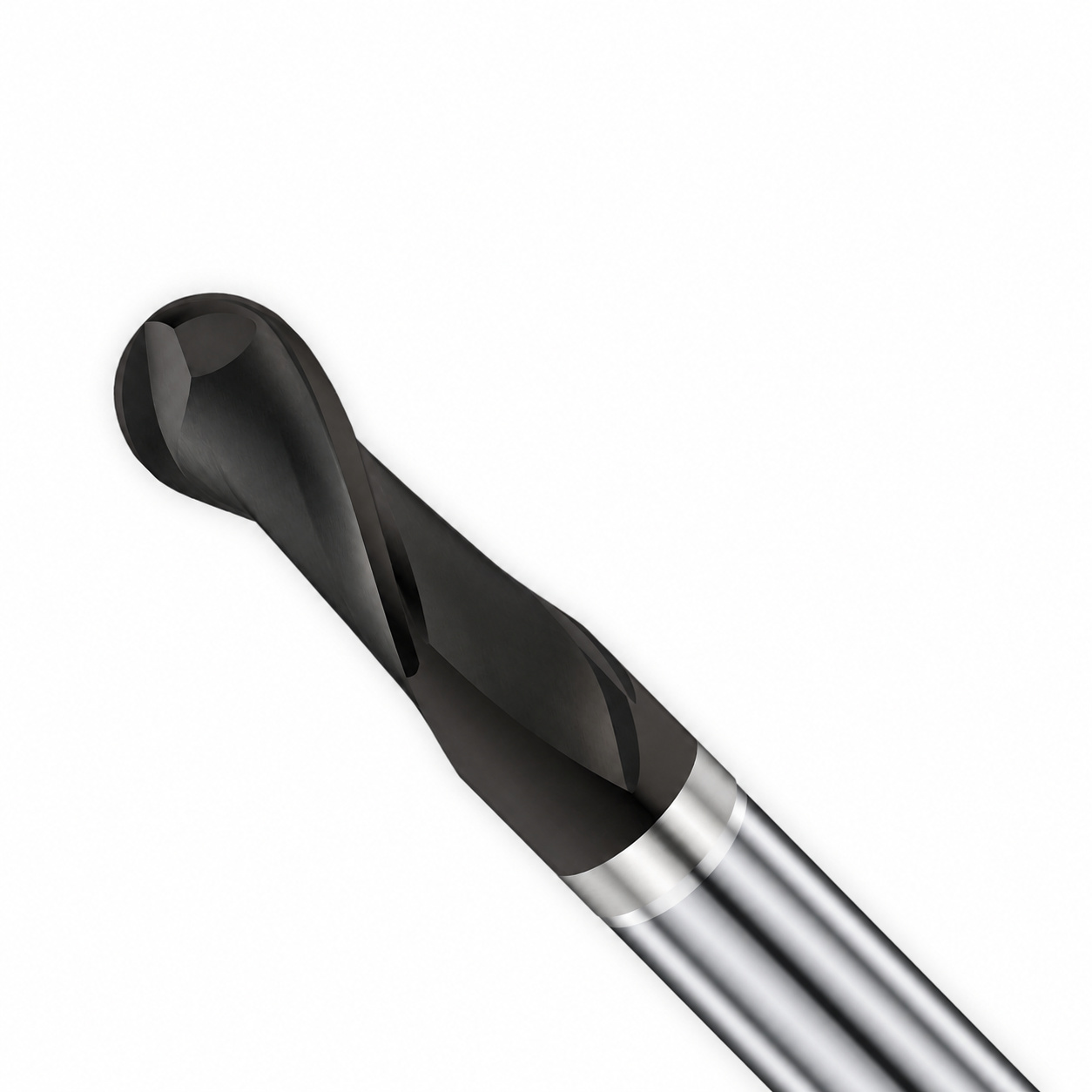
Compare GB-family ball nose end mills for graphite surface machining. Review each model’s radius and length configuration against the part profile before building your purchase list.
View product details →
Compare GRMA and GRMB long reach graphite corner radius end mills by diameter, radius and effective length. Request a model-based quote.
View product details →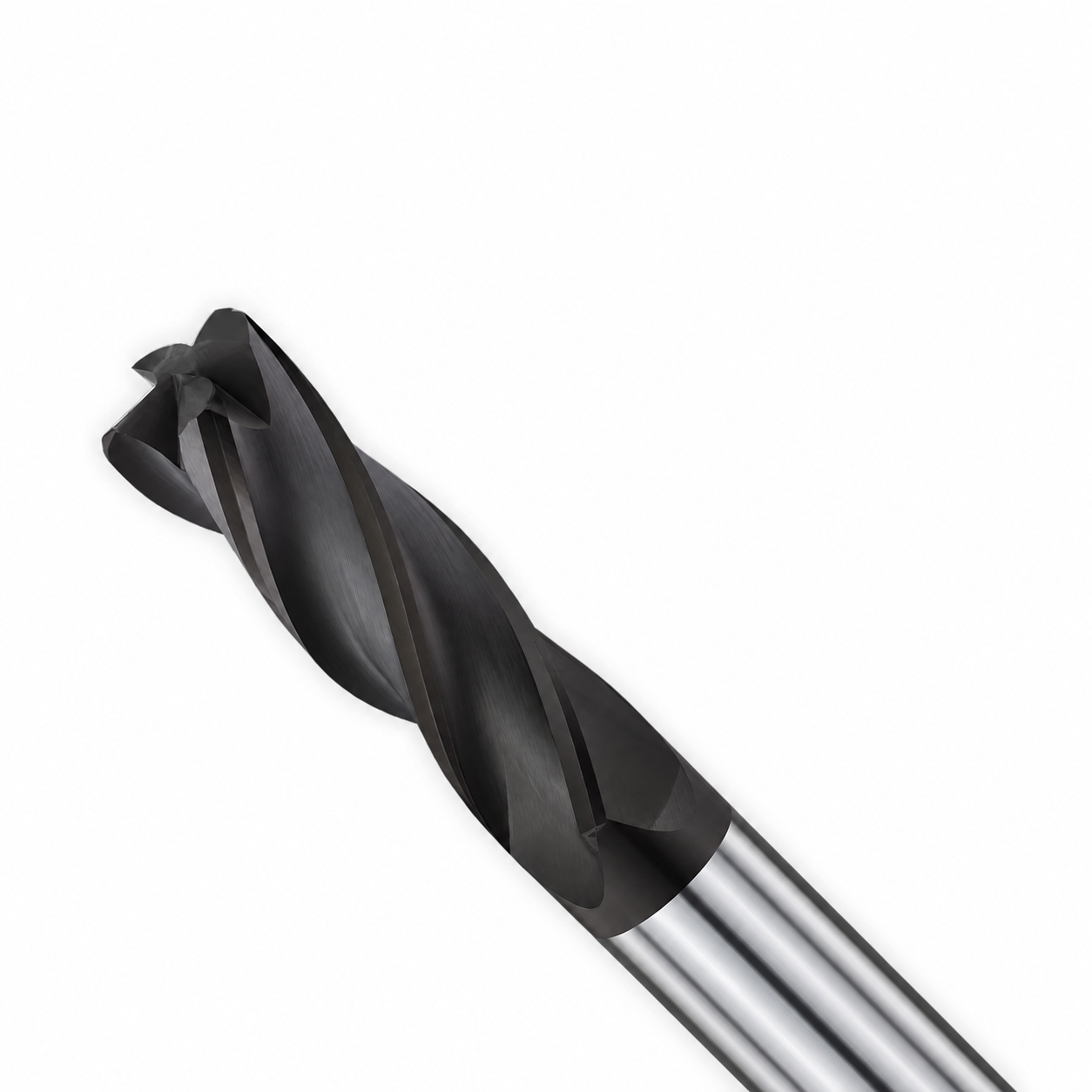
Choose a GRB-family corner radius end mill for graphite parts that require a defined edge transition. Compare cutting diameter, corner radius and the listed lengths for each model.
View product details →
Explore NHA and NHB solid carbide drills by diameter, flute length and shank size. Send your model list and application for a quotation.
View product details →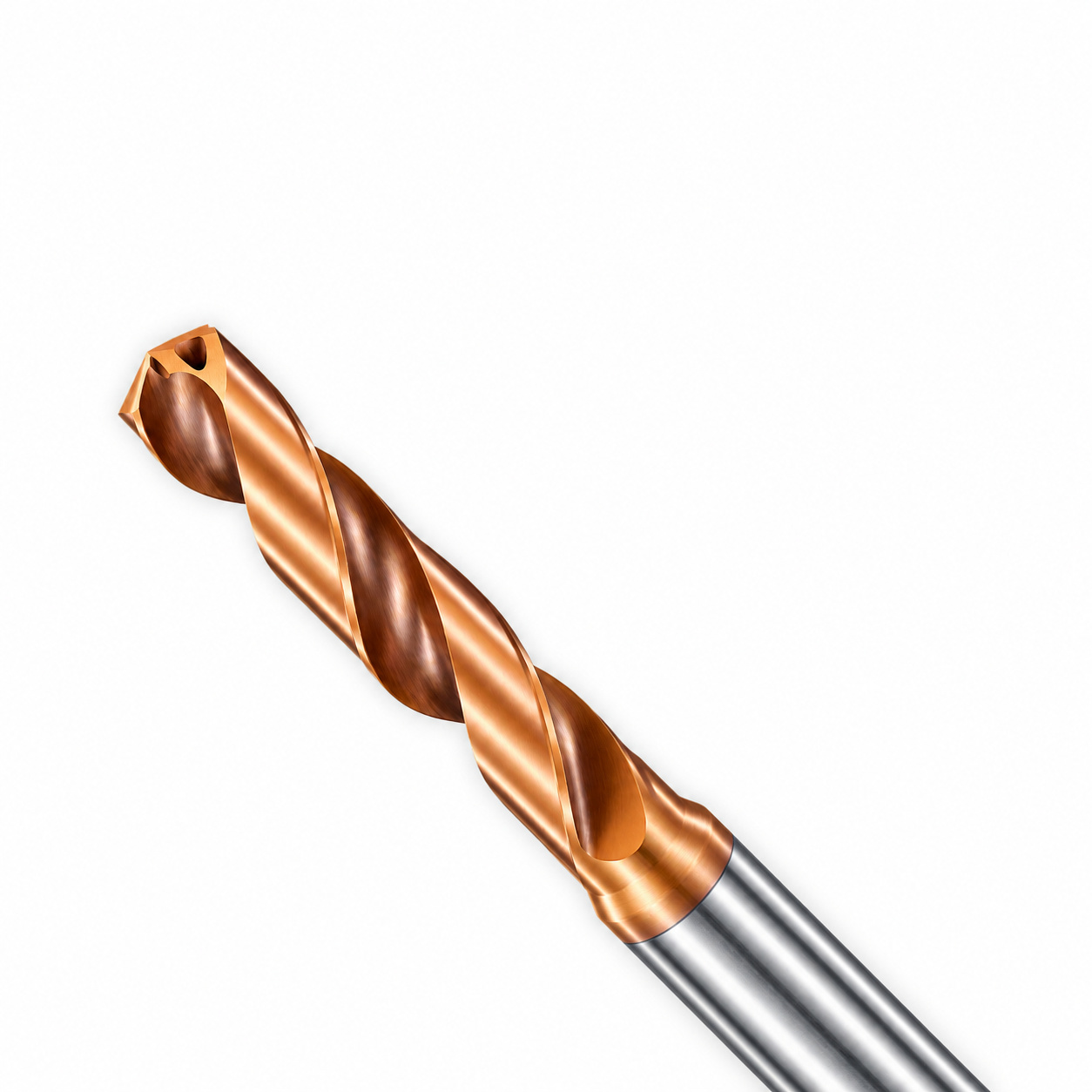
Select a two-flute carbide drill with internal coolant delivery for your hole-making requirements. Compare NHKA, NHKB and NHKC by diameter, flute length and shank size, then request a quotation for your model mix.
View product details →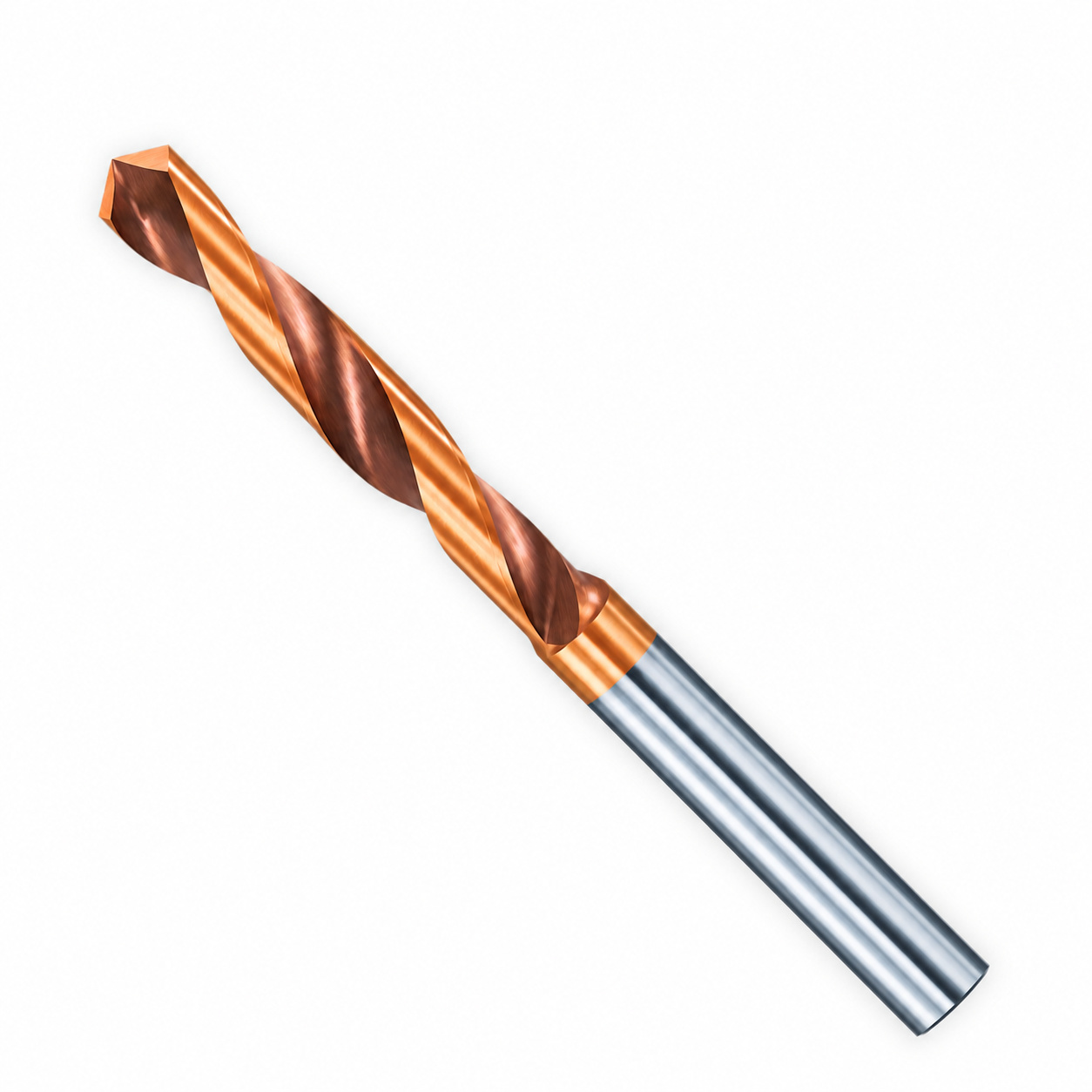
Compare NAM solid carbide micro drills for small-hole work, with model choices identified by cutting diameter, flute length and shank size. Send your model list and quantities for a quotation.
View product details →
Compare general purpose thread mills by thread size, pitch and tool dimensions. Send your model list and quantities to AXIMET for a quote.
View product details →
Compare hardened-material thread mills by thread size, pitch and tool dimensions. Send your material and model requirements to AXIMET.
View product details →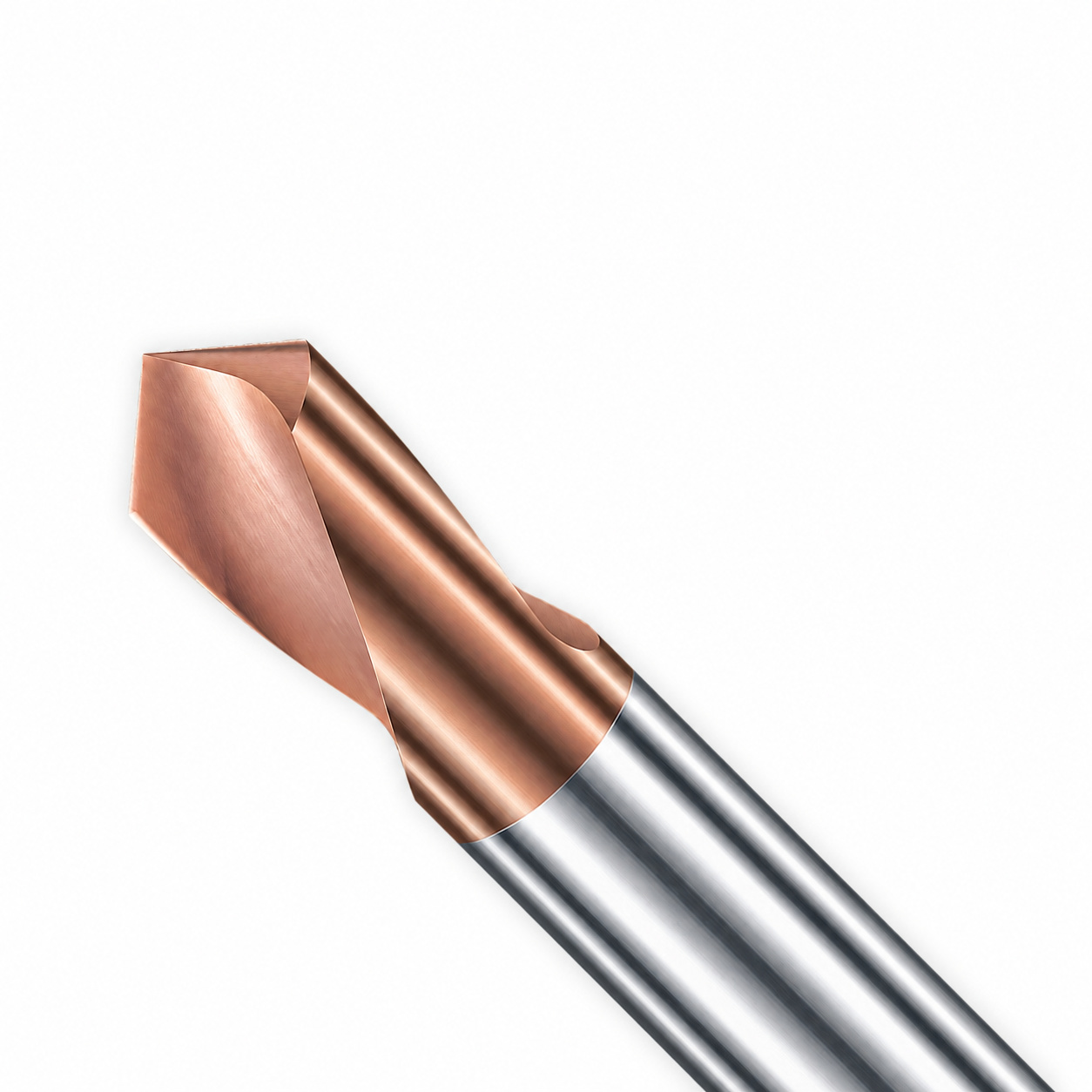
Select a DP spotting drill for the first step in your hole-making process. Compare point angle, diameter and shank size by model, then send your quantities for a quotation.
View product details →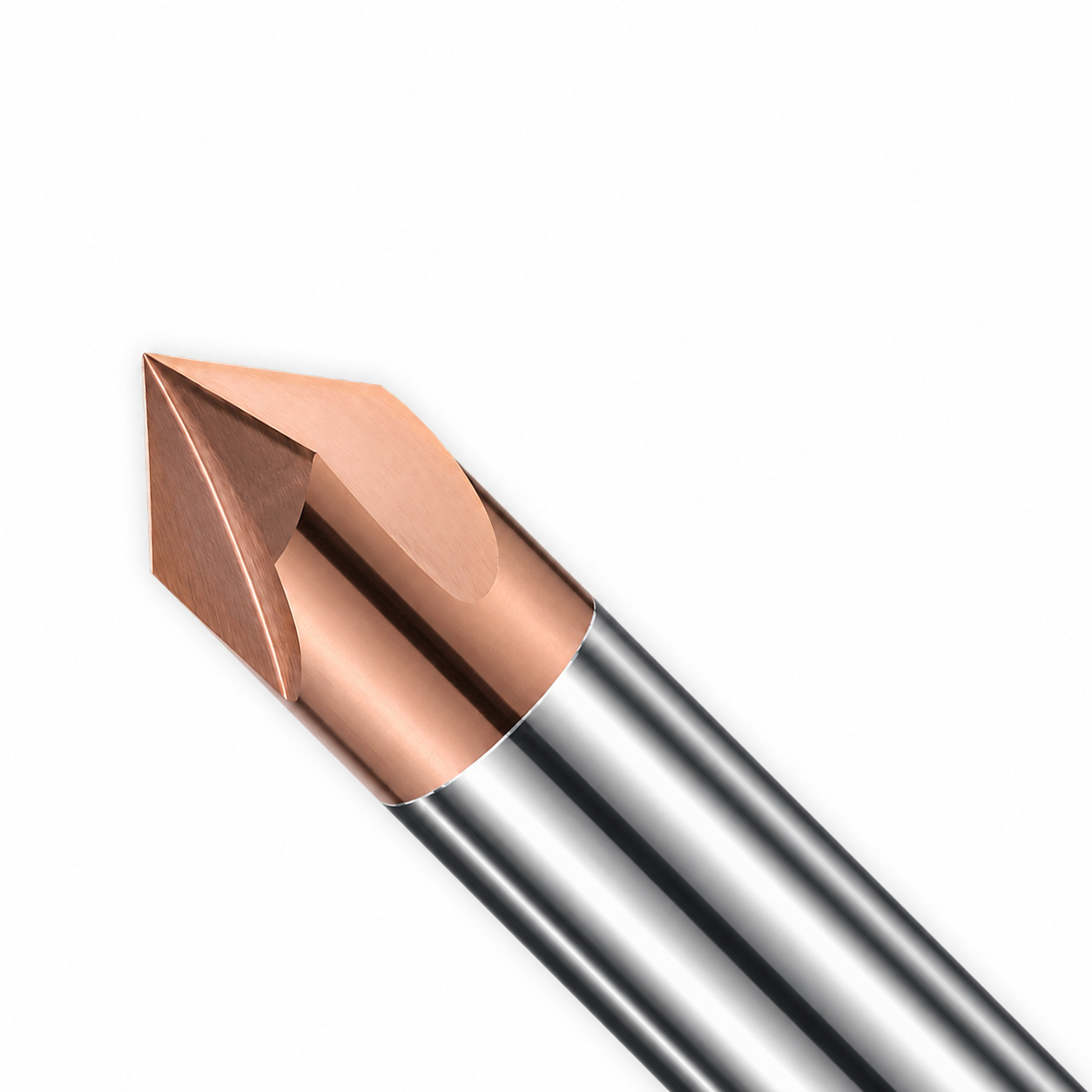
Select a DC three-flute chamfer mill for the angles and edge features your customers machine. Compare each model's diameter, apex angle and shank dimensions, then request a quote for your required sizes.
View product details →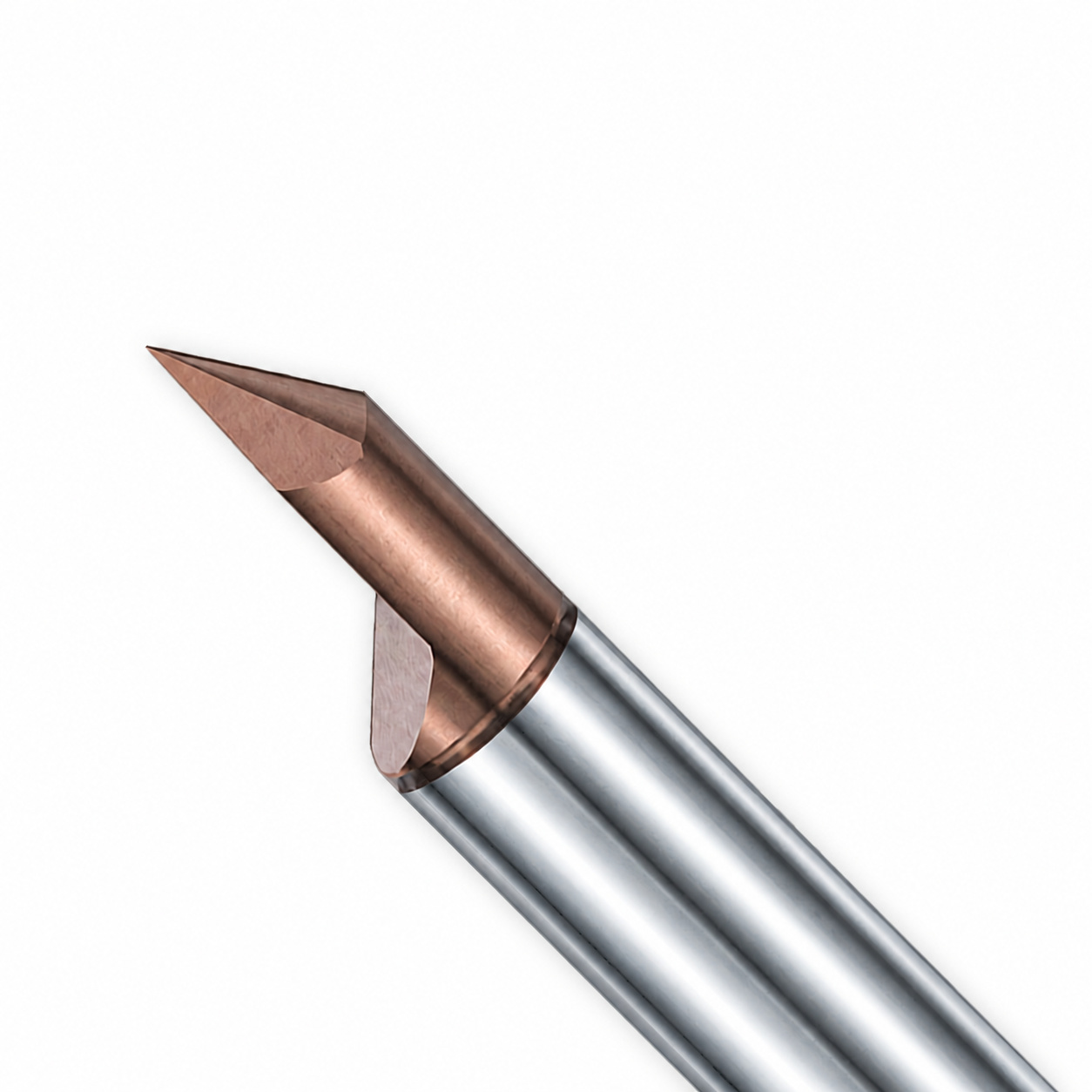
Select an ED engraving cutter for detailed lettering, identification marks or narrow-line work. Share the required mark and complete model code for a quotation tailored to your order.
View product details →When you are looking for a carbide cutting tools manufacturer or supplier, the most useful starting point is the work your customers need to perform. A distributor may need a range of milling and drilling tools in several sizes. A machine shop may need one geometry that fits an existing holder and reaches a particular feature. In both cases, a clear product description helps turn a broad enquiry into a practical quotation.
AXIMET’s catalogue includes carbide end mills, drills, spotting drills, chamfer mills, engraving cutters and thread mills. The product pages above contain the available series, drawings and model dimensions. Use them to compare tool profiles and sizes, then send the models and quantities that match your purchasing plan.
If you are selecting from a component drawing rather than a catalogue code, share the workpiece material, operation and feature dimensions. Details about the machine and holder are useful when access or tool fit may affect the choice.
GET YOUR FREE SAMPLE NOWCarbide describes the tool material; the tool’s geometry determines the type of operation it is intended to perform. Start with the feature you need to make, then narrow the selection by dimensions and the machine setup.
| Machining requirement | Tool family | Main selection points |
|---|---|---|
| Slots, pockets and shoulders | Square end mills | Cutting diameter, flute length, shank diameter and overall length |
| Curved surfaces and contours | Ball nose end mills | Ball radius, cutting diameter, flute length and reach |
| Features with a specified corner radius | Corner radius end mills | Cutting diameter, corner radius, flute length and tool length |
| Hole making | Solid carbide drills | Drill diameter, required hole depth and machine setup |
| Hole-position preparation | Spotting drills | Spotting geometry and the subsequent hole requirement |
| Chamfering or engraving | Chamfer mills and engraving cutters | Feature geometry and dimensions shown on the tool drawing |
| Thread milling | Thread mills | Thread size, pitch, workpiece and available tool dimensions |
An end mill and a drill may share the same material and nominal diameter but still perform different jobs. Select the tool for the operation shown on the drawing, rather than treating material and diameter as a complete specification.
Explore the solid carbide drills when the requirement is a drilled hole. For threaded features, review the available thread mills and include the thread information in your enquiry.
Request a QuoteA square end mill has a flat cutting end and is commonly selected for slots, flat-bottomed pockets and shoulders. A ball nose end mill has a rounded end that follows curved or contoured features. A corner radius end mill combines a largely flat end with a specified radius at its corners.
The difference matters when a drawing defines the geometry left on the workpiece. A buyer replacing a ball nose tool, for example, should compare the ball radius and the other listed dimensions; a corner radius with a similar numerical value describes a different part of the tool.
For range planning, keep the profiles separate in your stock list and product descriptions. A distributor can then direct customers to the correct series before comparing diameter and length. Review the square end mills, ball nose end mills and corner radius end mills for their available model rows.
GET YOUR FREE SAMPLE NOWTools with the same cutting diameter can differ in flute length, overall length and shank dimensions. These measurements are not interchangeable. Flute length relates to the cutting section, while overall length describes the complete tool. Some drawings also list a reach or effective length for access to a feature.
When the cutting area is recessed, compare the feature depth with the reach dimension shown for the selected series. Check whether the holder and non-cutting portion of the tool have sufficient clearance around the workpiece. The part drawing and fixture arrangement can be as important as the depth measurement alone.
Long-reach and long-shank tools address different dimensional requirements. A reduced neck may provide clearance into a deep feature, while a long-shank tool requires attention to overall length and holding conditions. Compare the actual model drawing rather than assuming that either description guarantees the same access.
Use the shortest projection that provides the access required by your operation, and review the holder setup with your machining team. For a quotation, describe the required feature and clearance as well as the tool length.
See the listed long-reach end mills and long-shank end mills for their respective series.
GET HELP CHOOSING A TOOLWorkpiece material and its condition influence tool selection. Along with the material name, describe the operation, feature and machine conditions. A tool intended for one application should not be assumed suitable for another simply because it has the same diameter or coating colour.
When comparing end mills for aluminium, identify the part features and the tool profile required. Compare diameter, flute configuration, flute length and shank dimensions by model. If your customers also machine curved profiles or need a specified corner radius, include those requirements in the assortment enquiry.
For stainless steel end mills, include the workpiece grade and operation wherever possible. A replacement request is clearer when it identifies the existing tool dimensions, holder and part feature as well as the material. Review the listed series against those requirements before choosing a model.
Titanium and high-temperature alloys cover different workpiece requirements. For either group, provide the alloy or material designation when known, the tool profile needed and the operation to be performed. Explore the titanium end mill range or the high-temperature alloy range to compare the available configurations.
Graphite work may involve flat features, contours or recessed areas. Review the required end profile and the dimensions needed to reach the part. The graphite end mill range includes application-focused series; use the individual product pages to compare the drawings and model rows.
GET YOUR FREE SAMPLE NOWA product name does not necessarily contain every measurement needed to fit a holder or reach a feature. Each model should be selected against its corresponding catalogue row and drawing.
Depending on the tool series, the drawing may show the cutting diameter, flute or cutting length, shank diameter, overall length, flute count, a reach dimension and a profile-specific value. Radius, thread and angle fields have to be read in the context of the selected tool. The drawing for a ball nose cutter, for example, identifies a different radius feature from a corner radius cutter.
When you have a current tool code, send the complete code together with the required quantity. When you have only a drawing or sample, describe which dimensions are critical to the job. If a holder fit is important, include the holder information and the shank dimensions you need to match.
For a part with a deep recess, provide the required feature depth and the clearance around it. For a contoured part, include the profile or radius requirement. These details allow the enquiry to be directed to the relevant model instead of relying on a broad product name.
REQUEST PRODUCT SPECIFICATIONSA cutting tool distributor may source several profiles and sizes for customers who perform different operations. Organising an enquiry by product family makes it easier to compare the requirements of each item and reduces the chance of mixing unlike tools in a quotation.
Start by listing the operations your customers carry out: milling, drilling, thread milling or another task. Within each group, identify the tool profile and the sizes you need. Keep model codes attached to the corresponding dimensions, and state the quantity for each line rather than providing only a total quantity.
For an existing product programme, identify the sizes requested repeatedly and any items purchased for individual projects. This helps separate your regular assortment from a special requirement. If your customers use different holder sizes or require different lengths for the same cutting diameter, make those distinctions visible in the list.
For a replacement order, refer to the previously approved model and specification. If the required profile, dimensions, marking or packaging has changed, show the change on the new enquiry. A drawing, sample reference or purchase record can help explain what needs to remain the same and what needs to be reviewed.
You can include product marking, packaging format and documentation requirements in the same request. The applicable options can be reviewed against the selected products and the quantities you need.
Flute count affects the space available for chips and the number of cutting edges engaging the workpiece. It is one part of the decision alongside tool diameter, flute geometry, workpiece and machining conditions. A higher or lower flute count is not automatically the right choice for every material.
Define the operation before comparing two end mills. A full-width slot, for example, places different demands on chip evacuation from a light side-milling pass. The space available for chips, depth of cut and machine setup all affect the decision. Check the flute counts listed for the relevant series and include the operation when requesting a recommendation. For distributors, keeping flute count next to the model code helps customers identify the configuration instead of ordering from diameter alone.
A drill enquiry begins with the hole diameter, but depth and access are also important. Workpiece material, holder and available machine travel can influence which listed drill configuration is suitable. Compare the cutting length and overall dimensions against the feature drawing and setup; they are separate measurements.
Where internal coolant is required, check the coolant arrangement and the machine’s ability to deliver coolant to the selected tool. The through-coolant drill range and general solid carbide drill range should be reviewed by their individual product descriptions and drawings. If a hole starts on an angled or irregular surface, include that detail in the enquiry because it affects how the operation is planned.
For small-diameter drilling, tools with the same diameter can have different lengths or applications. Include the required hole depth and available holder clearance. A complete model reference is especially useful when replenishing an established item.
A coating and a cutting geometry answer different questions. Geometry defines the shape and dimensions of the cutting tool; coating or finish, where specified, is a separate product characteristic. Tool colour alone does not identify a coating or prove suitability for a particular workpiece.
When comparing offers, list the tool profile, model and dimensions first. Then compare coating or finish where it is identified for the specific series or quotation. Avoid treating a designation from one series as a standard feature of the entire range. If your customer specifies a coating, include the requirement with the drawing and machining application so it can be reviewed against the available product information.
A useful sample comparison starts with a defined part and a consistent setup. Identify the tool model, workpiece material and machine, then record the operation and conditions used for the evaluation. Compare samples against the result that matters to your application, such as the dimensions or surface of the finished feature.
For an end mill, make sure the compared tools have suitable profiles, diameters, lengths and radii for the same job. For a drill, check the hole diameter, depth, drill dimensions and machine arrangement. A comparison between tools with different geometries may answer a different question from a comparison of material or finish.
Keep the sample reference and approved specification with the purchase record. On a later enquiry, these details help identify the requested tool configuration and support review of any proposed changes in model, dimensions, marking or packaging.
GET YOUR FREE SAMPLE NOWThe following images show production equipment and work areas associated with the carbide cutting tool range, including grinding, cleaning, coating, marking and finishing equipment.
If a particular material, coating or finish is important to your order, identify it by product series or model in your enquiry. The requested configuration can be reviewed against the relevant product information.
The tool drawing and the requirements of the application provide the basis for discussing dimensions and profile features. Explore the inspection and measurement equipment shown below.
If your purchase requires specific inspection information or documentation, include those requirements with the model list or drawing. The inspection scope and available records can be discussed for the selected products.
Carbide and high-speed steel are different tool-material families. The workpiece, machine, holder, operation and exact tool geometry all matter when comparing them. Material alone does not establish that two tools will fit the same setup or produce the same feature.
Before evaluating an alternative, identify the operation and the dimensions that must remain unchanged. For milling, record the end profile and access requirements. For drilling, describe the hole diameter, depth and setup. These details give the supplier a clearer basis for discussing the available tool series.
Our Carbide vs HSS Cutting Tools guide explains the material comparison in more detail. When you are ready to enquire, provide the actual tool type and model requirements rather than the material name alone.
Tell us which carbide tools you need. Include the model, quantity or application, and our team will review your request.
If you are still comparing products, list the requirement one line per model or size. We can then review the request against the published product information.
Send the tool type or complete model code, quantity, workpiece material and intended operation. If a model has not yet been selected, include the required dimensions and any part or tool drawing. Machine, holder, packaging and inspection requirements can also help define the enquiry.
Choose according to the feature and operation. End mills are used for milling features such as slots, pockets, shoulders and contours, while drills are selected for hole-making operations. Review the dimensions and application of the specific model before ordering.
Check the dimensions shown on the selected product drawing and model row. These commonly include cutting diameter, flute or cutting length, shank diameter and overall length. Depending on the tool, you may also need to review reach, radius, flute count, thread details or an angle value.
Separate the enquiry by operation, tool profile and model, then list the quantity needed for each size. Consider whether the tools are intended for general distribution or a specific workpiece material. Include any marking, packaging or documentation requirements so they can be reviewed with the quotation.
A square end mill has a flat cutting end for features such as slots and shoulders. A ball nose end mill has a rounded end for curved profiles. A corner radius end mill has a primarily flat end with a defined radius at the corners. The part geometry determines which profile is appropriate.
Identify the product model, the drawing or specification used for the order, and the dimensions or profile features you need to review. Include any required inspection records with your enquiry. The available documentation and inspection scope can then be discussed for the selected products.